-
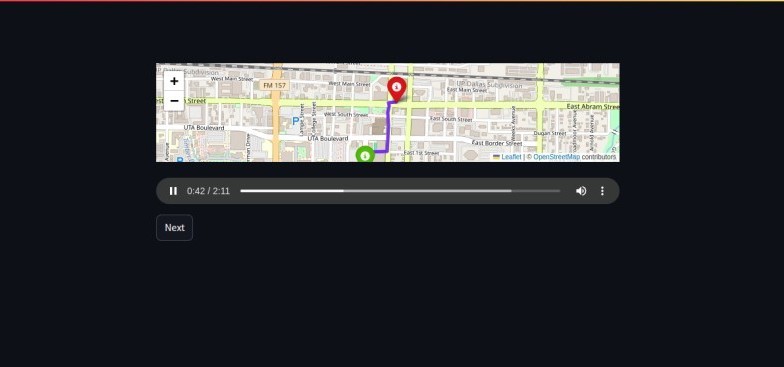
Our Web App
-
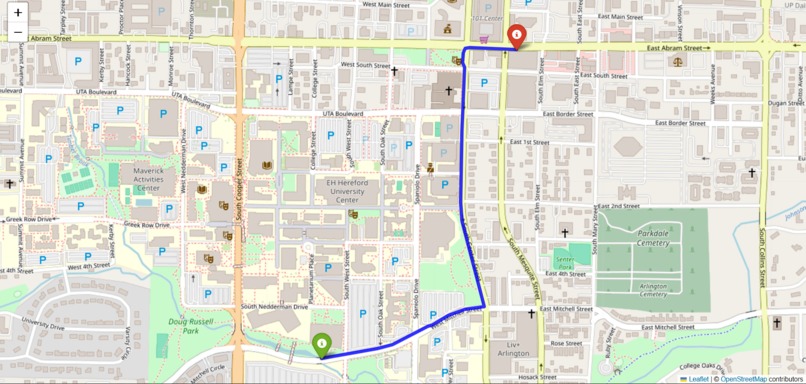
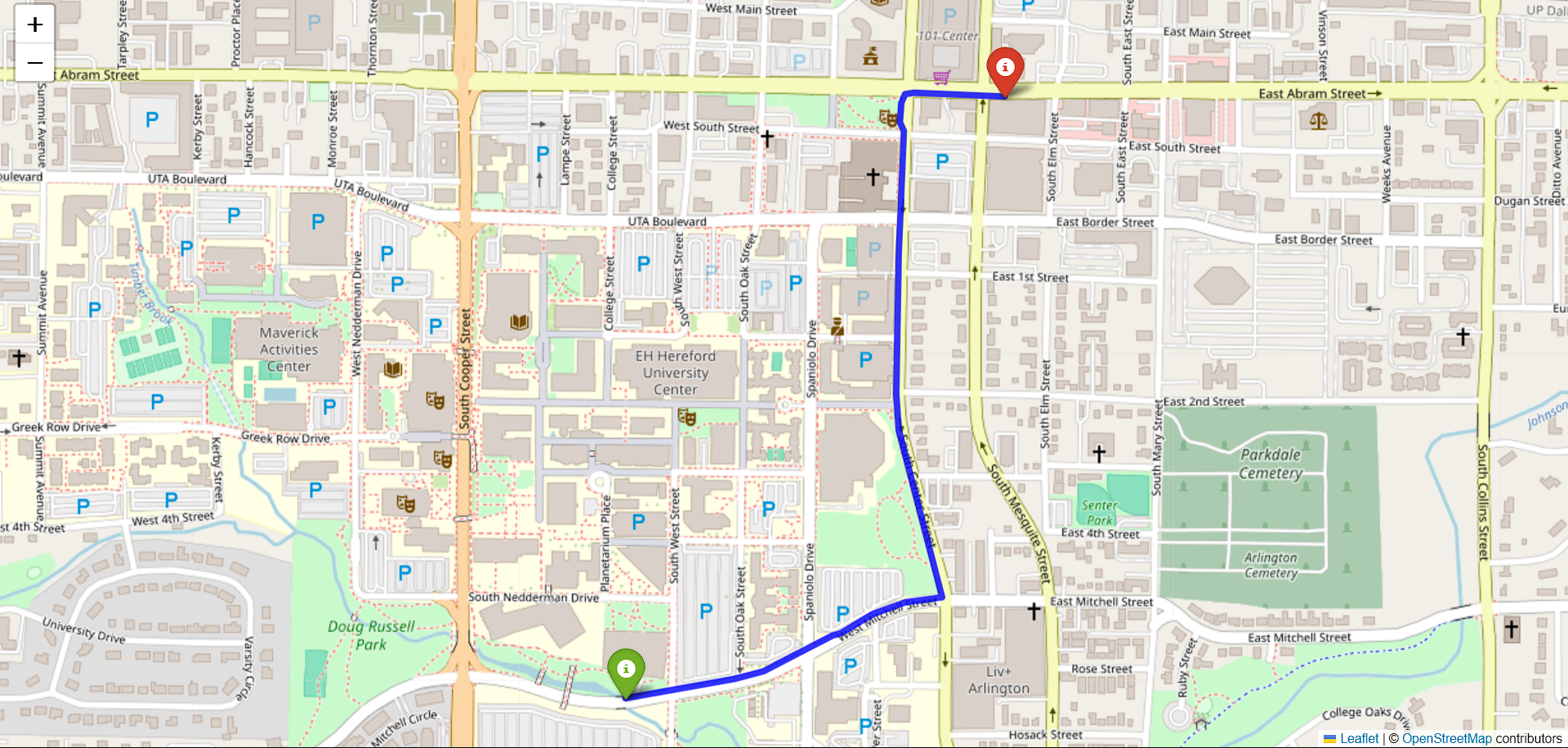
Our Route Generator
-
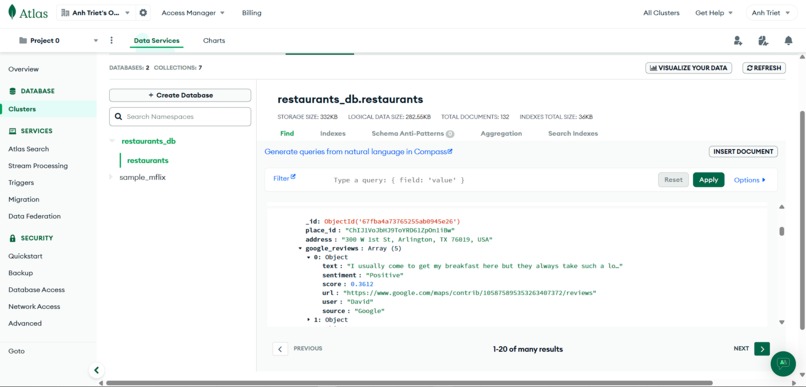
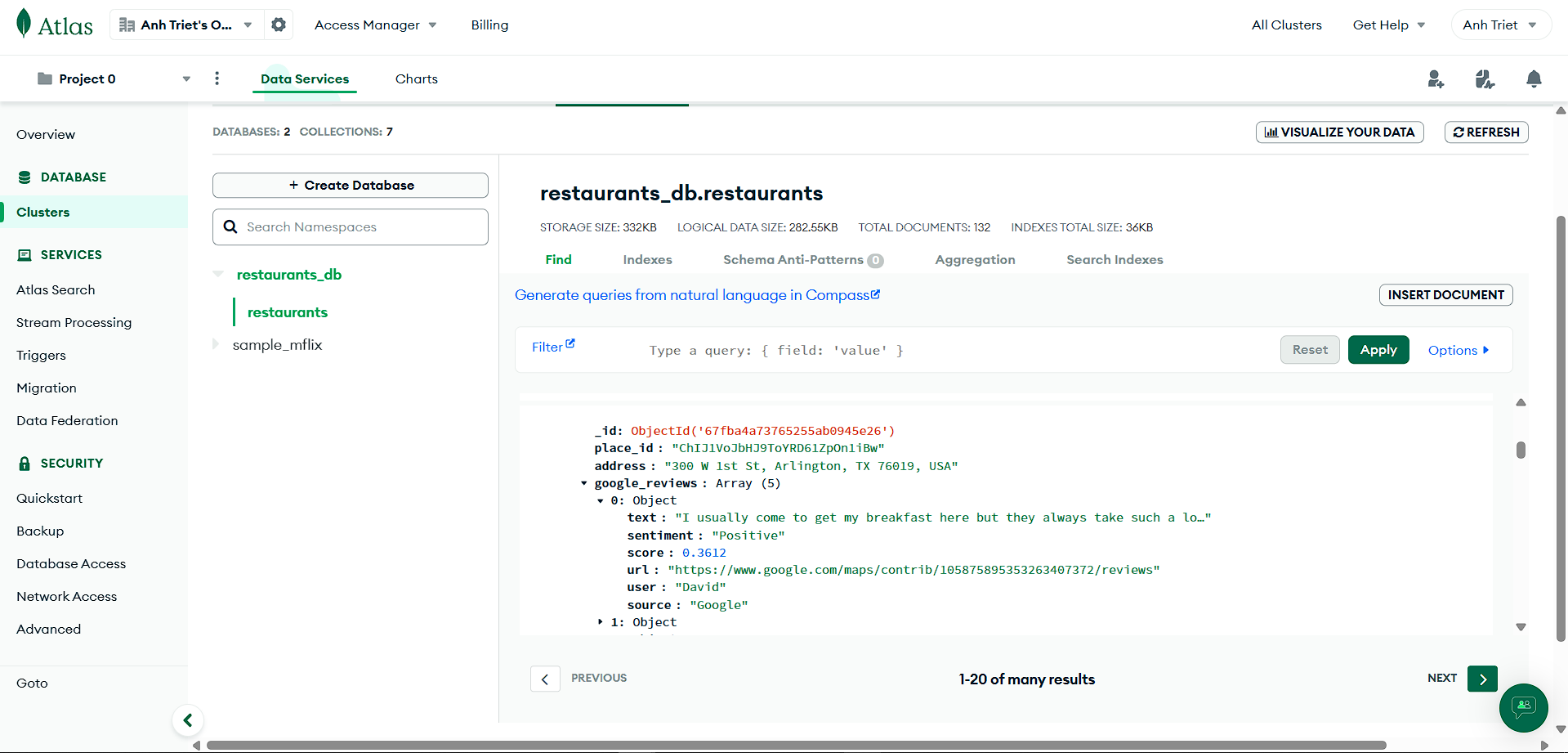
Our MongoDB Database
-
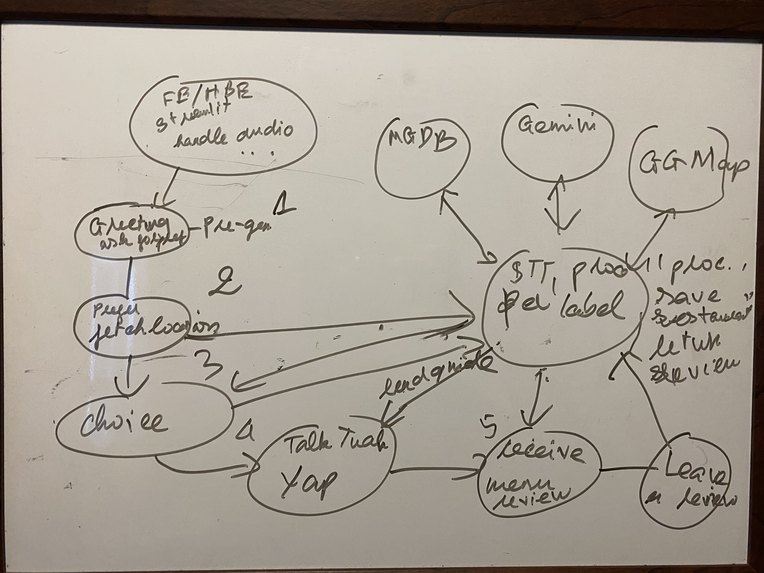
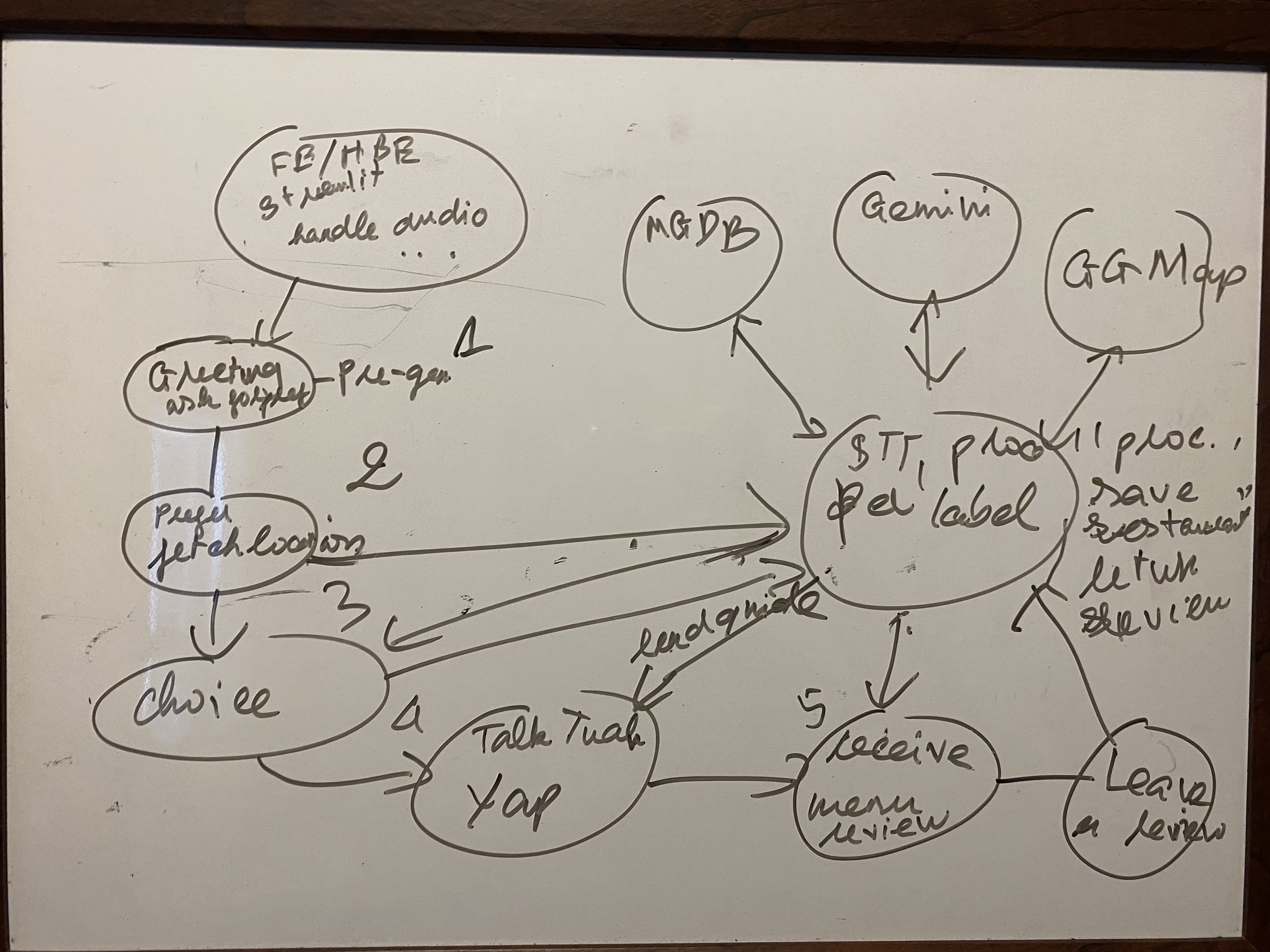
Our App Flow Chart
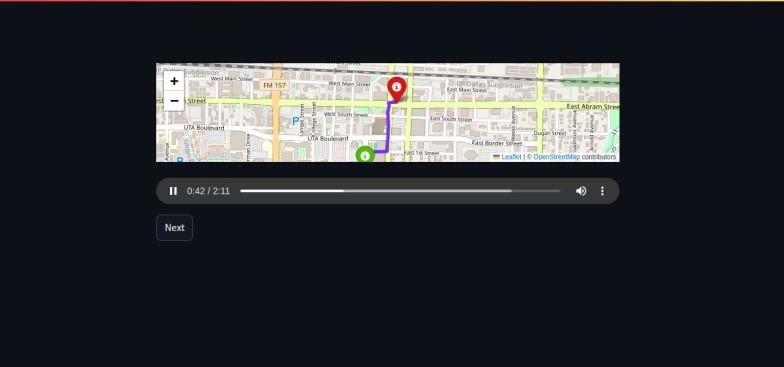
Rizztaurant didn’t start from scratch—it evolved from our earlier project, Talk Tour, which was built to bring conversation and intelligence into exploring the world around you. But during that journey, we realized something: AI assistants like Siri or Google Assistant fall flat when it comes to giving personalized food recommendations. They’re generic, robotic, and disconnected from real human experiences like taste, vibe, or walkability.
So we asked ourselves: What if you could actually talk to an AI about what you're craving, and it could respond like a friend—finding you not just a place to eat, but guiding you there with real conversation and local insights? That’s where Rizztaurant was born.
Even though this was built for a 24-hour Datathon, our goal went beyond the competition. We wanted to create something real—an actual app that people could use immediately. More than that, we wanted to blur the line between engineering and data science, merging live AI interaction, real-time data scraping, geolocation, and sentiment analysis into a single seamless experience.
The Team
Our team was just the two of us: @patless: Triet (UTA Electrical Engineering Freshman) – Developed the backend and designed the data analysis algorithm that powers Rizztaurant’s recommendation engine. @alliesblinded5: Phu (USF Computer Engineering Freshman) – Focused entirely on crafting a working, intuitive front-end interface and making the user experience as smooth as possible. We didn’t have a big team or a ton of experience—but we made up for it with ambition and a relentless drive to make it work.
Tech Stack
We built Rizztaurant using: Python for most of the backend logic Streamlit for the front end Gemini Live & Text APIs to power the conversational AI and extract real-world knowledge Google Maps API to track user location, find nearby restaurants, and generate walking routes MongoDB for storing user interactions and data Azure AI for deployment LLM-based Sentiment Analysis to analyze scraped reviews from Google Places API
What We Wanted vs. What We Could Build
We started with big dreams. Originally, we wanted to include a food detection system using computer vision and even scrape restaurant menus to make suggestions more personalized based on ingredients or dietary preferences. But with only 24 hours on the clock, we had to pivot. These ideas were shelved—but not forgotten—for a future version of the app.
Challenges and Chaos
Like any hackathon project, ours came with plenty of roadblocks. Here’s a quick look at what we hit: Google Maps API refused to cooperate Our evaluation algorithm was too slow at first Frontend-backend integration became a bottleneck MongoDB blocked one of our team member’s IPs We couldn’t get FastAPI to work properly before the deadline Cloudflare hosting failed last minute We pushed through it all—sometimes with clever workarounds, sometimes with sheer trial and error. When FastAPI integration failed, we built a “half-backend” directly inside the frontend using Streamlit, just to make sure everything worked without formal API calls. It wasn’t elegant—but it worked.
What Makes Rizztaurant Special
What really sets Rizztaurant apart from apps like Yelp or Google Maps is the conversation. This isn’t just a list of restaurants—it’s an AI that talks to you like a companion, gets to know your preferences, and walks you through the decision with real-time scraped data and sentiment-aware recommendations. Once it finds a place for you, it maps out your route and talks about the area as you walk—adding personality, context, and charm to your journey. It’s not just about food. It’s about experience.
Looking Ahead
We’ve already seen how powerful a tool like this can be—and we’ve only scratched the surface. If we had more time and resources, we’d love to: Add menu scraping and dietary filters Implement the computer vision food recognizer Improve conversation memory so the AI can track your taste history Build a mobile-first version with voice interaction and push notifications But even now, Rizztaurant works. It’s real. You can use it. And for something built in just 24 hours, we’re incredibly proud of that.


Log in or sign up for Devpost to join the conversation.