Inspiration
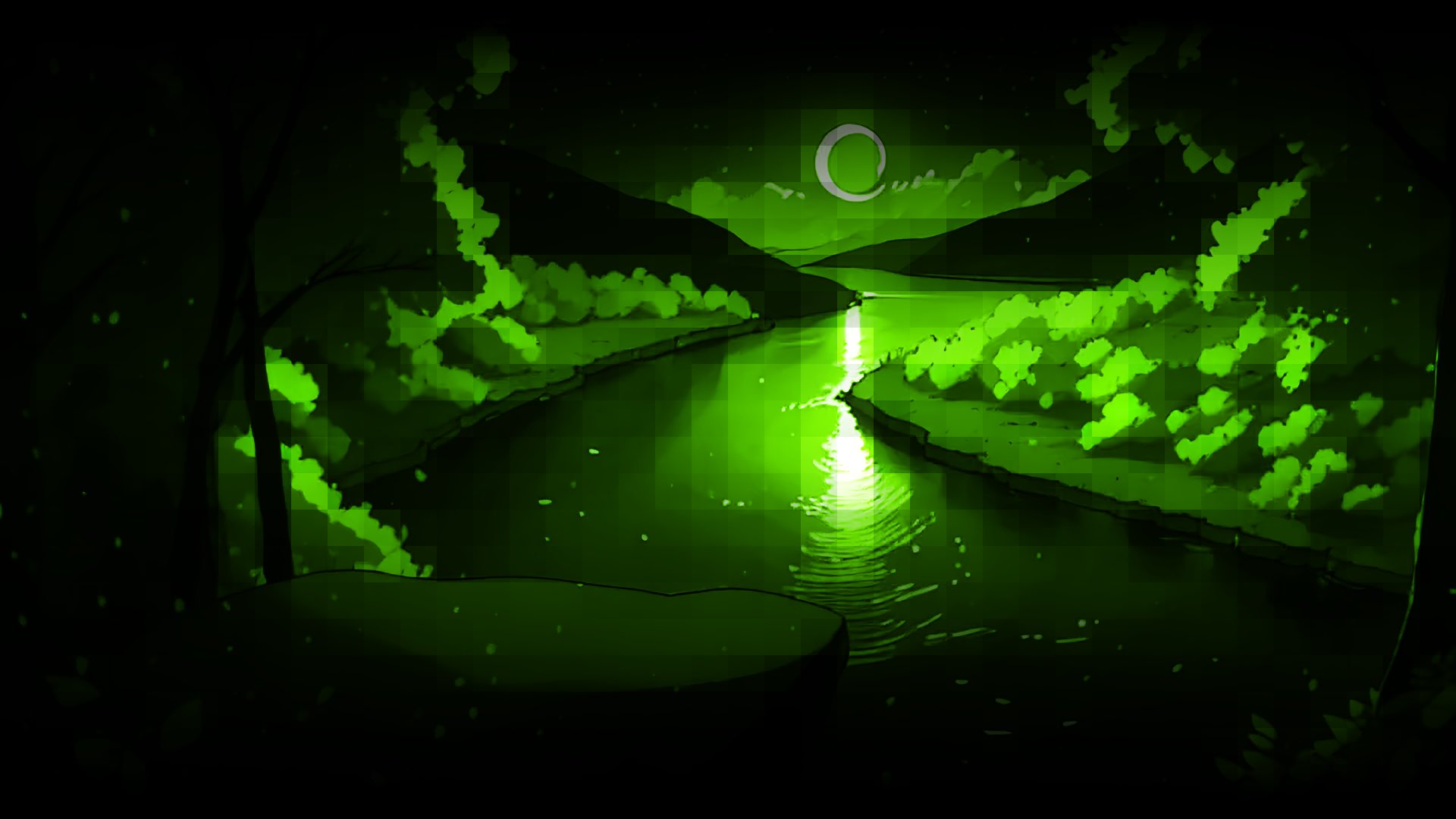
"River Remembers" began as an exploration of visual memory — how a single scene can be reinterpreted endlessly through evolving AI models.
The idea was to capture the passage of time not through motion, but through style drift — letting machine perception redraw the same riverside frame like an artist recalling a dream differently each day.
What it does
The project is a 2-minute AI timelapse of a fixed riverside scene.
Each segment was rendered using different ComfyUI model checkpoints, creating a continuous transformation of tone, texture, and mood.
An original instrumental track was composed in ElevenLabs Music and enhanced with audio-reactive nodes so subtle movements and light intensity respond to sound.
How we built it
- ComfyUI for video workflow design and compositing
- Stable Diffusion models for generating each style variation
- Audio-reactive node system (within ComfyUI) to sync ambient visuals with frequency data
- DaVinci Resolve for final color management, transitions, and mastering
- ElevenLabs for creating and mixing the instrumental soundtrack
Challenges
Maintaining temporal consistency between different model outputs was the biggest challenge.
Each model interprets structure and color differently, so aligning frames without visible flicker required fine-tuned seeds, controlled noise offsets, and post-blending in compositing.
What we learned
We learned that coherence across generative models can be achieved by focusing on rhythm rather than precision.
By treating AI renders as evolving brushstrokes, the workflow became less about control and more about discovering emergent continuity.
What's next
Future iterations will integrate real-time audio reactivity and model interpolation, allowing viewers to experience the same concept as a living, continuous stream rather than a rendered sequence.
Built with:
ComfyUI, Stable Diffusion, ElevenLabs (Music), Audio-reactive nodes, DaVinci Resolve
Try it out:
[YouTube – River Remembers (Official Video)](## Inspiration
"River Remembers" began as an exploration of visual memory — how a single scene can be reinterpreted endlessly through evolving AI models.
The idea was to capture the passage of time not through motion, but through style drift — letting machine perception redraw the same riverside frame like an artist recalling a dream differently each day.
What it does
The project is a 1-minute AI timelapse of a fixed riverside scene.
Each segment was rendered using different ComfyUI model checkpoints, creating a continuous transformation of tone, texture, and mood.
An original instrumental track was composed in ElevenLabs Music and enhanced with audio-reactive nodes so subtle movements and light intensity respond to sound.
How we built it
- ComfyUI for video workflow design and compositing
- Stable Diffusion models for generating each style variation
- Audio-reactive node system (within ComfyUI) to sync ambient visuals with frequency data
- DaVinci Resolve for final color management, transitions, and mastering
- ElevenLabs for creating and mixing the instrumental soundtrack
Challenges
Maintaining temporal consistency between different model outputs was the biggest challenge.
Each model interprets structure and color differently, so aligning frames without visible flicker required fine-tuned seeds, controlled noise offsets, and post-blending in compositing.
What we learned
We learned that coherence across generative models can be achieved by focusing on rhythm rather than precision.
By treating AI renders as evolving brushstrokes, the workflow became less about control and more about discovering emergent continuity.
What's next
Future iterations will integrate real-time audio reactivity and model interpolation, allowing viewers to experience the same concept as a living, continuous stream rather than a rendered sequence.
Built with:
ComfyUI, Stable Diffusion, ElevenLabs (Music), Audio-reactive nodes, DaVinci Resolve
Try it out:
YouTube – River Remembers (Official Video)
)
Built With
- audio-reactive-nodes
- comfyui
- davinci-resolve-studio
- elevenlabs-music
- stable-diffusion

Log in or sign up for Devpost to join the conversation.