-
-
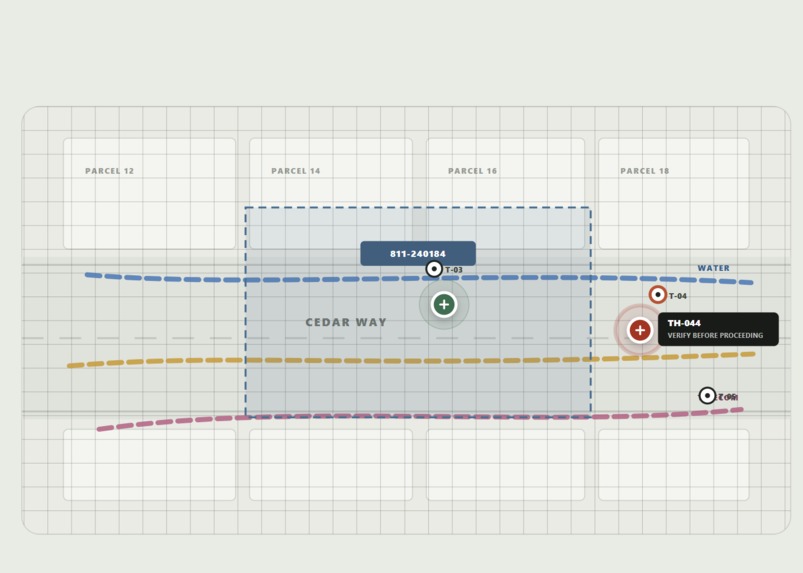
Pipeline Demo
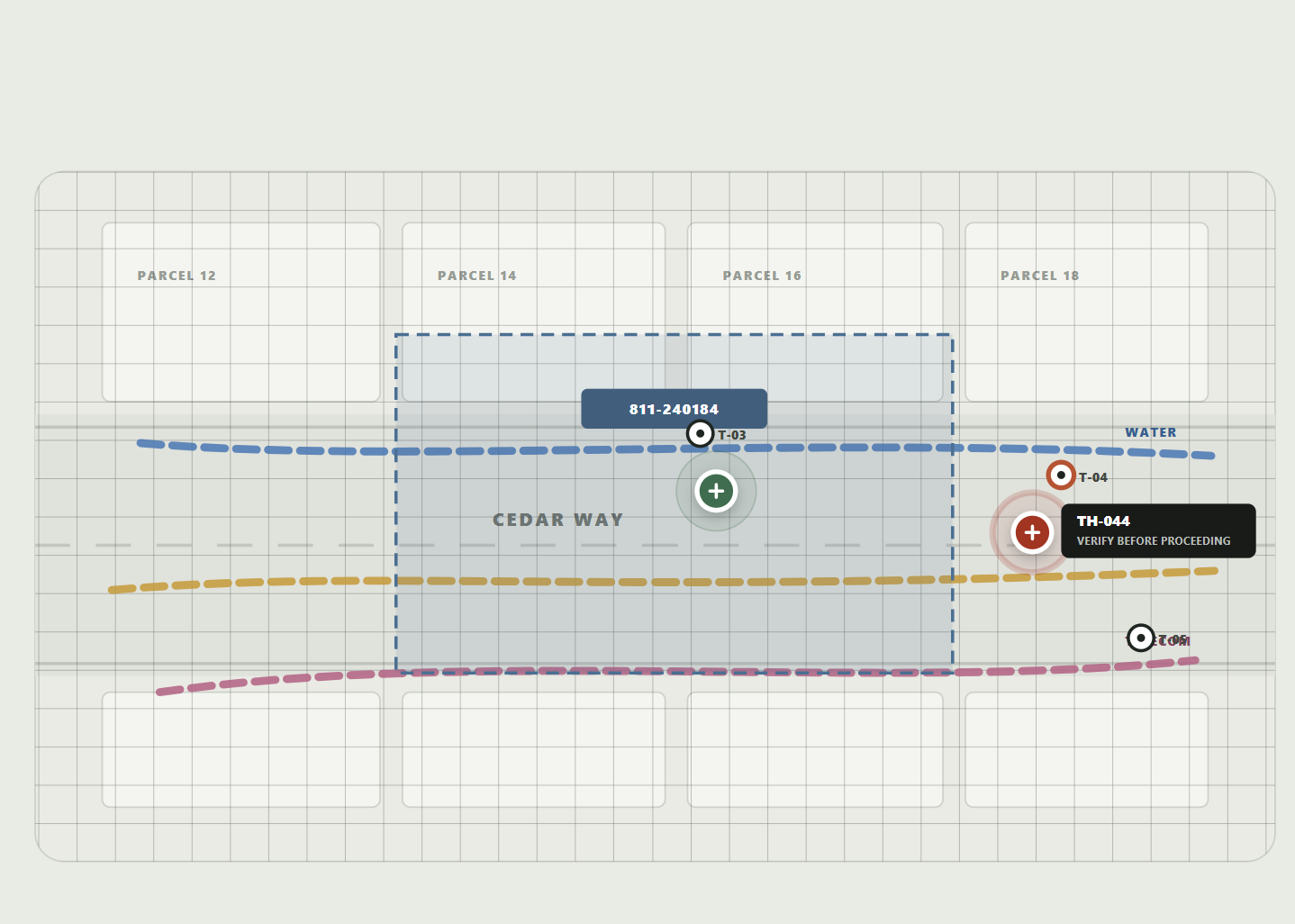
Inspiration
Riskseer came out of my work on Thistle, an early-warning sensing platform I originally designed for protecting underground infrastructure. While developing it, I realized the same basic problem exists in temporary security: operators often have plenty of data, but not enough useful warning.
The goal became broader than detecting one specific event. Riskseer is meant to help an operator understand what may be happening, how important it is, and what they should check next.
How I Built It
I built Riskseer as the software layer above a network of field sensors. It receives activity and site context, organizes that information, and turns it into prioritized alerts.
OpenAI helps convert the available evidence into a clear assessment for the operator. Instead of displaying raw data, Riskseer can explain what likely occurred, identify missing information, and recommend a reasonable next step. The model supports the operator; it does not make the final decision.
Challenges
The hardest part was dealing with uncertainty. Real-world sensor data is noisy, and similar activity can have very different meanings depending on the location and situation. An alert near a pipeline, for example, should not be treated the same way as the same activity near a temporary event site.
I also had to avoid letting the AI sound more certain than the underlying evidence justified. That meant structuring the information it receives, limiting what it can conclude, and making uncertainty visible rather than hiding it behind a confident answer.
What I Learned
I learned that AI is most useful here as a context and decision-support layer. The sensing system establishes that something happened; Riskseer helps determine what it could mean and whether it deserves attention.
Riskseer is initially focused on infrastructure protection, but the same approach can expand into construction sites, mobile surveillance, events, and other temporary locations that need earlier warning without depending entirely on continuous camera coverage.
Built With
- codex
- javascript
- node.js

Log in or sign up for Devpost to join the conversation.