-
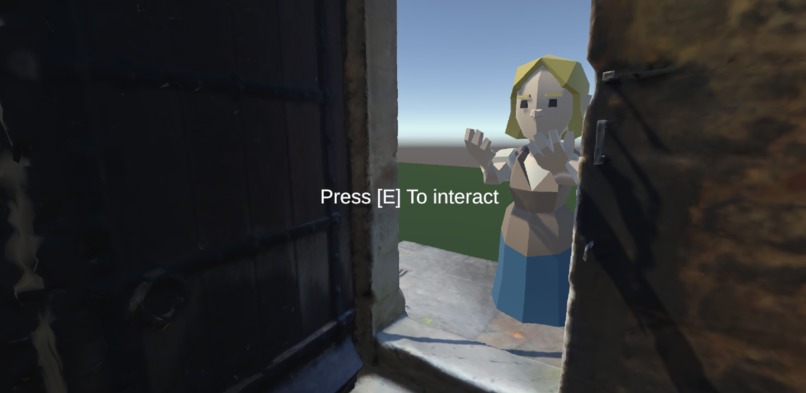
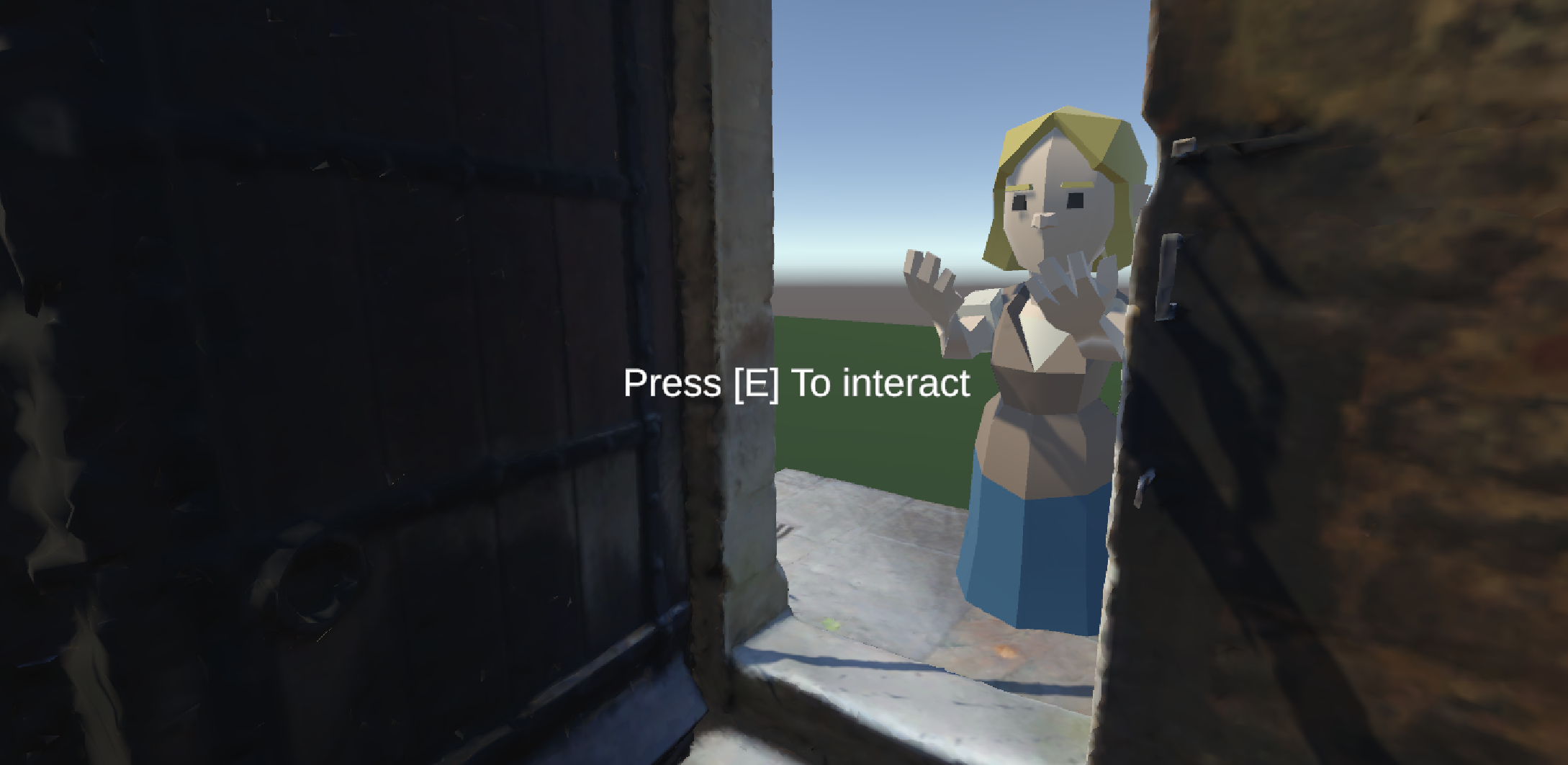
also the praying woman :)
-
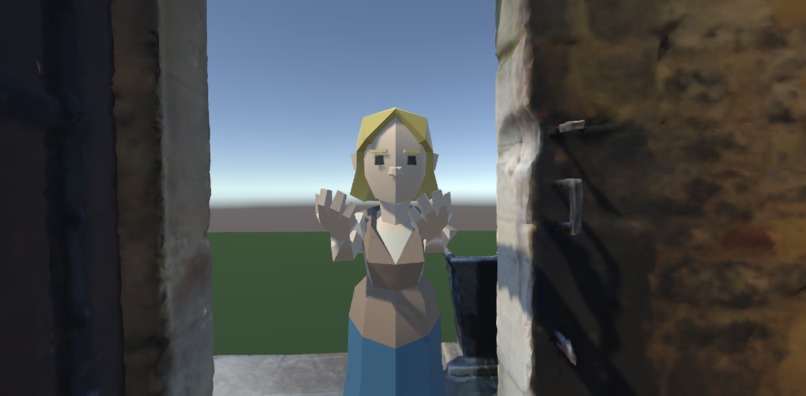
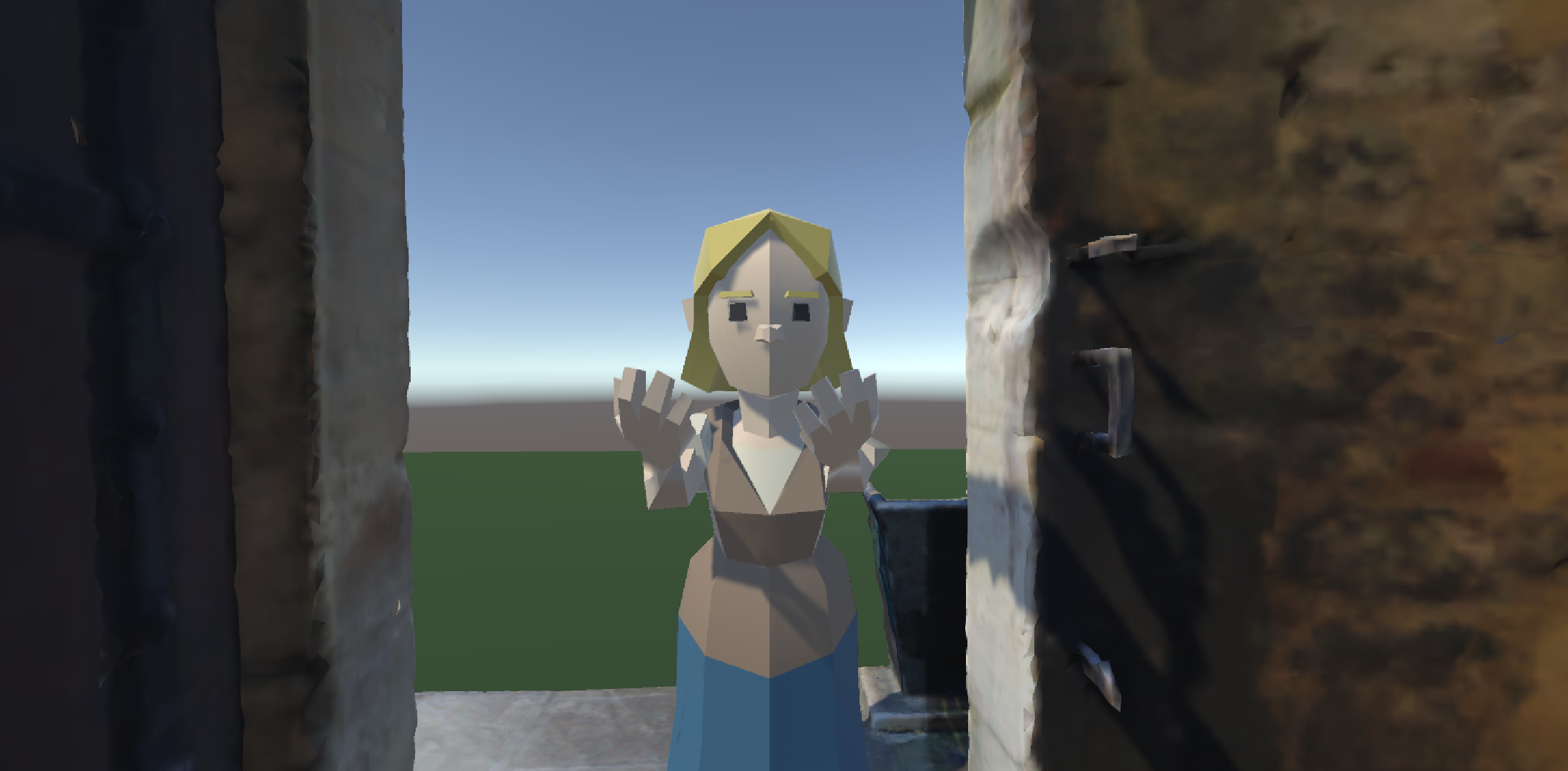
This is the praying woman, she'll say her dialogue and we must decide if she is safe to allow into our home or if we must reject her
-
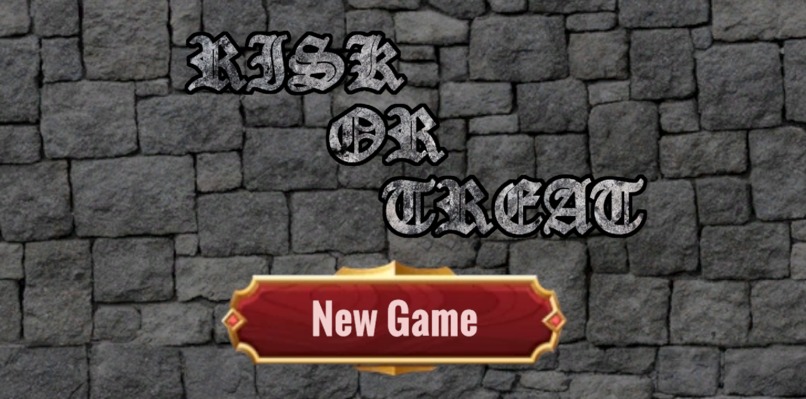
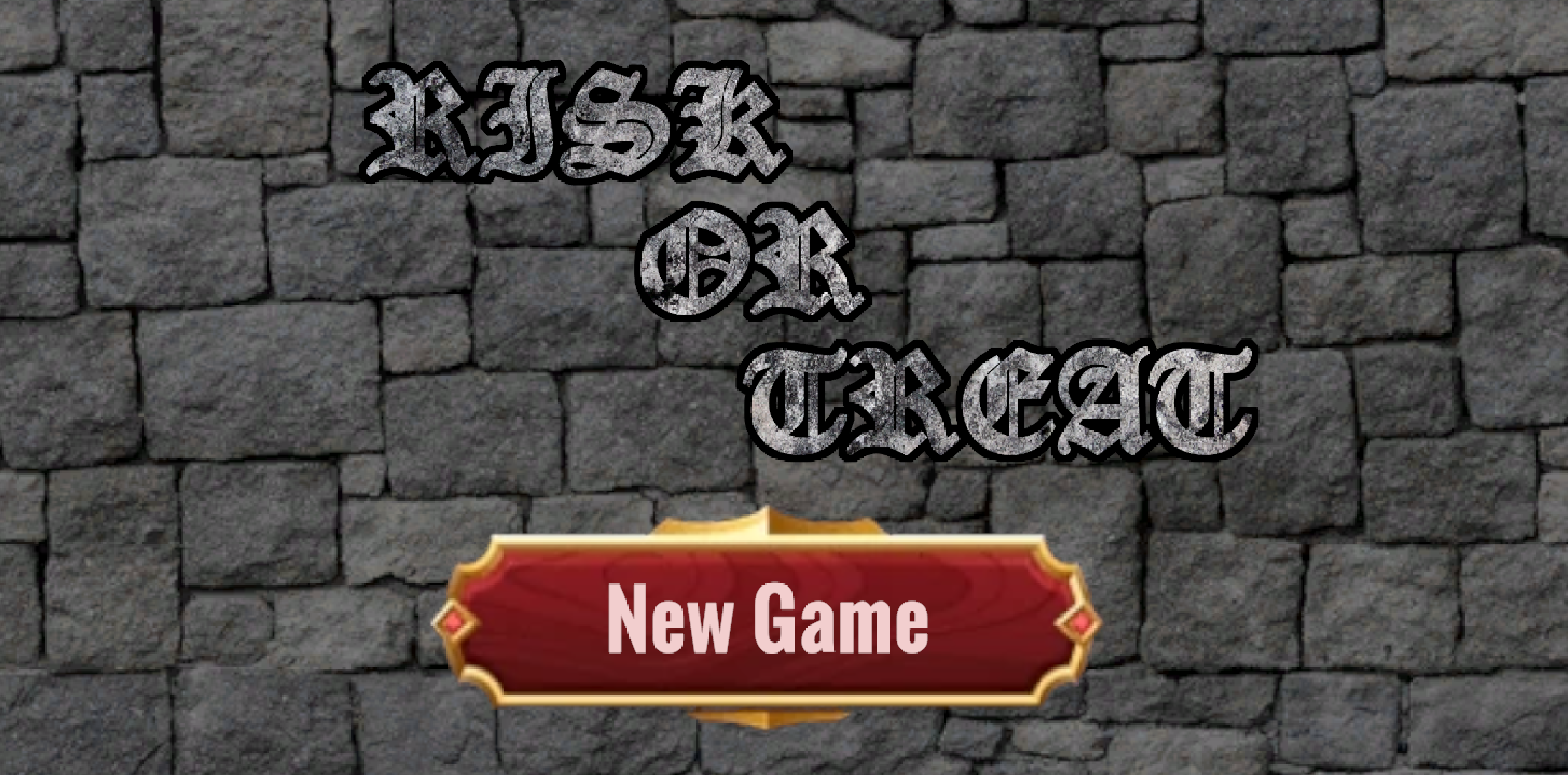
This is the main menu of the game.
-
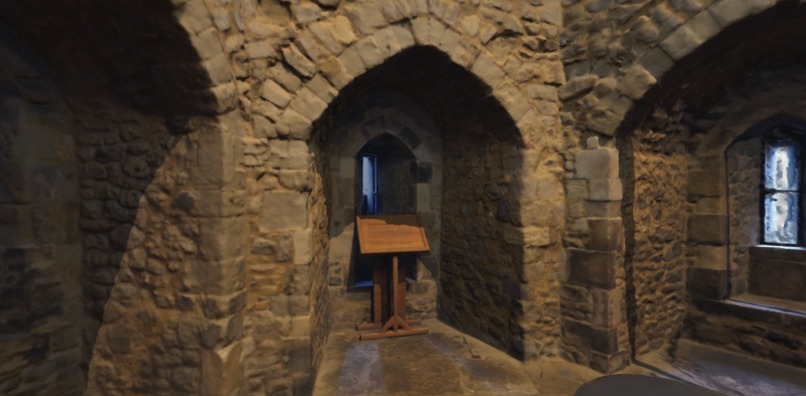
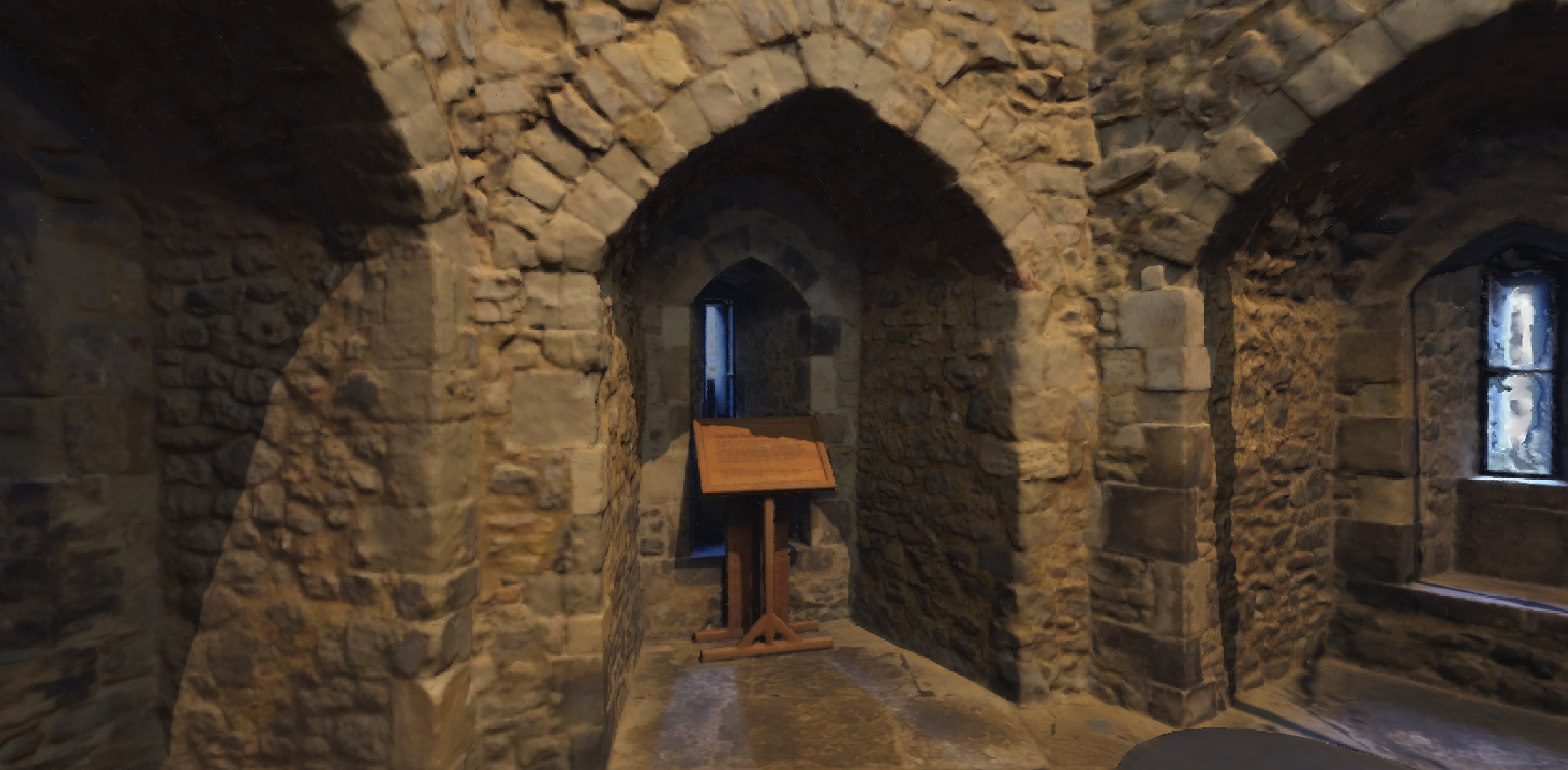
This is the house that the young boy must protect, not much but it is the medieval era after all lol
Inspiration
Our project was inspired by the game “No, I’m Not Human”, which explores moral choices, trust, and survival in a tense, atmospheric setting. We wanted to create a similar experience set during the Black Plague, where the player, as a young boy, must protect his home. The core idea of deciding who to let in or turn away, with every choice carrying consequences, strongly influenced our gameplay design and storytelling approach.
What it does
In our game, the player takes on the role of a young boy trying to protect his home during the Black Plague. People come knocking at the door, and the player must decide whether to let them in or turn them away based on their statements and behaviour. Every decision affects the outcome, creating tension, suspense, and a sense of responsibility as the player tries to survive while making moral choices.
How we built it
We built the game using Unity and C#. We got character models from online sources and adjusted their poses in Blender to fit the game. After that, we brought the models into Unity, set up the characters and their data, added teleporting, interaction, and dialogue systems, and connected everything so the game runs smoothly. The team worked together to make sure the characters, sounds, and player interactions all function correctly, although we successful its the thought that counts:)
Challenges we ran into
One of the biggest challenges we faced was that only one person in the group had any prior experience with Unity, C#, and Blender, so the rest of us had to learn how to use the software from scratch while still trying to make progress on the project. We also ran into technical issues, like files not saving properly overnight, which caused us to lose work. On top of that, collaborating across more than one PC was difficult — making sure everyone had the latest version of the project and merging changes was tricky and slowed down our workflow. Despite these challenges, we learned a lot about teamwork, problem-solving, and managing a small game development project.
Accomplishments that we're proud of
Even though the game wasn’t fully finished or working perfectly, our biggest accomplishment was getting as far as we did. We worked through technical errors, learned how to use Unity, C#, and Blender from scratch, and managed to set up character models, teleportation, dialogue, and interaction systems. Completing these steps as a team, despite our limited experience and the challenges of collaborating across multiple PCs, was a significant achievement in itself.
What we learned
Through this project, our team learned how to use Unity, C#, and Blender from scratch, including importing and adjusting character models, setting up data structures, and programming basic game mechanics like teleportation and interactions. We also gained experience in collaboration and teamwork, learning how to coordinate work across multiple PCs and manage project files to avoid losing progress. Overall, we learned a lot about problem-solving, troubleshooting technical issues, and the process of building a game step by step, even with limited prior experience.
What's next for Risk or Treat
Next, our team plans to complete the game by fixing the remaining bugs, improving the interaction and dialogue systems, and adding more polished visuals and audio. Once the game is fully playable and stable, we aim to release it on Steam, making it available to a wider audience. We also plan to continue refining the story and gameplay mechanics, ensuring that players have an engaging experience while making tense moral decisions at the door.

Log in or sign up for Devpost to join the conversation.