-
-
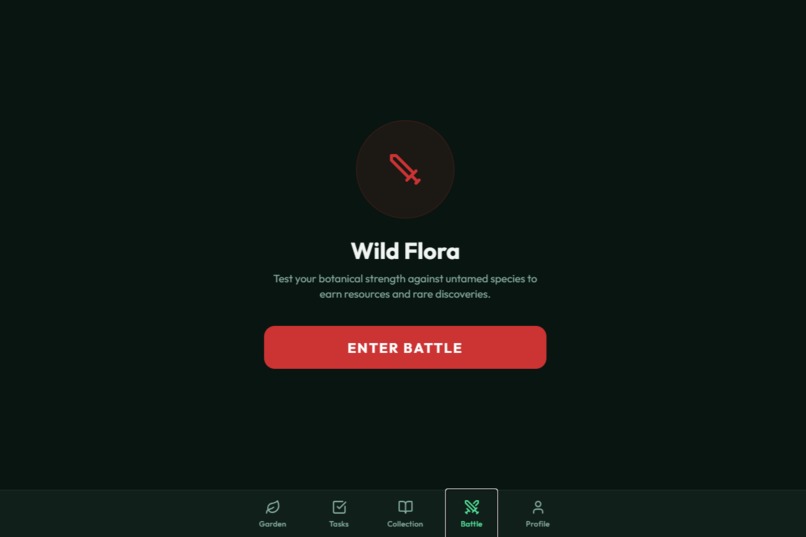
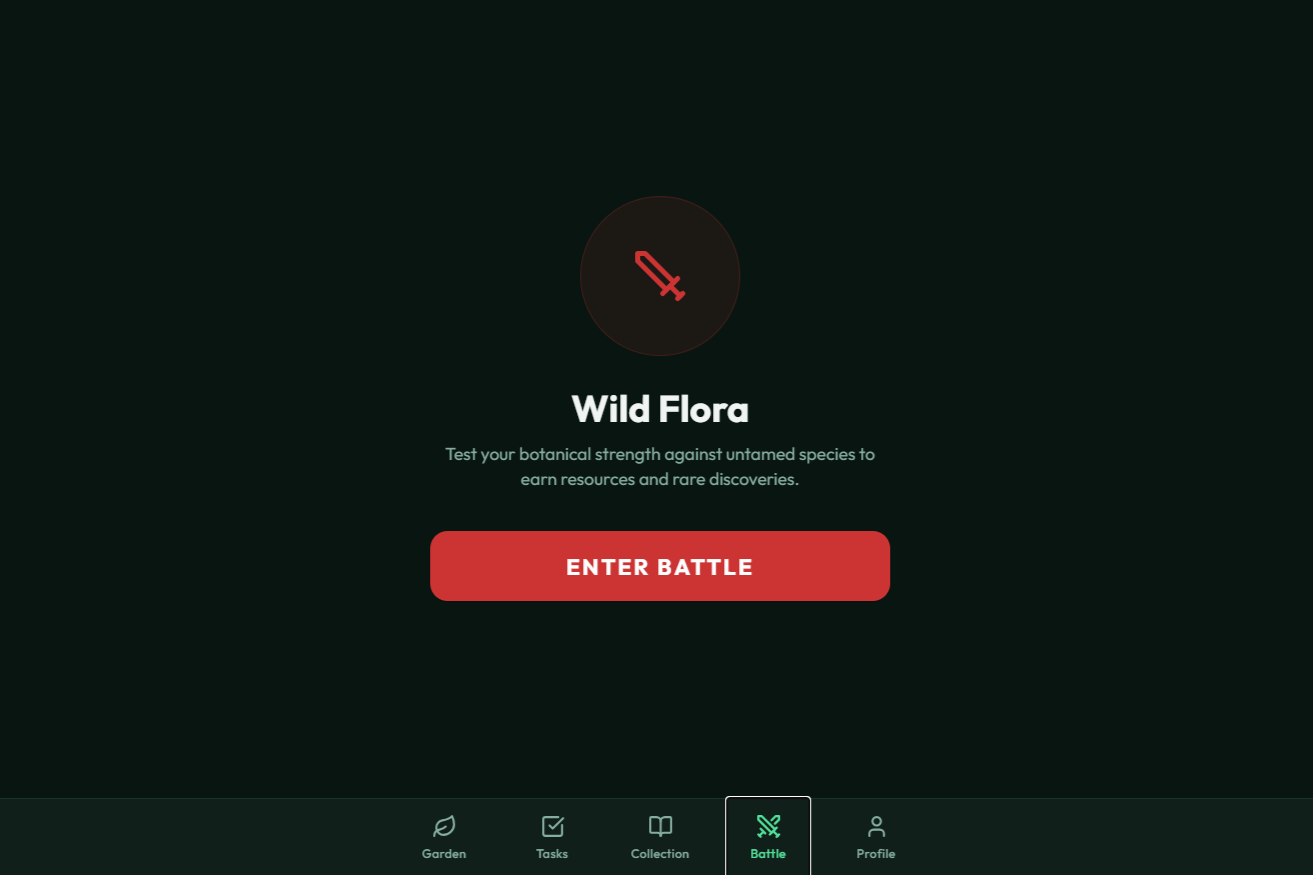
Battle
-
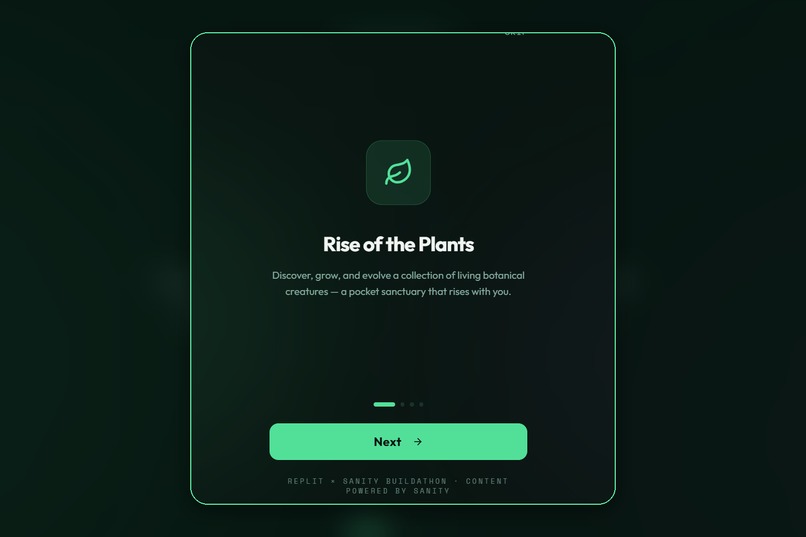
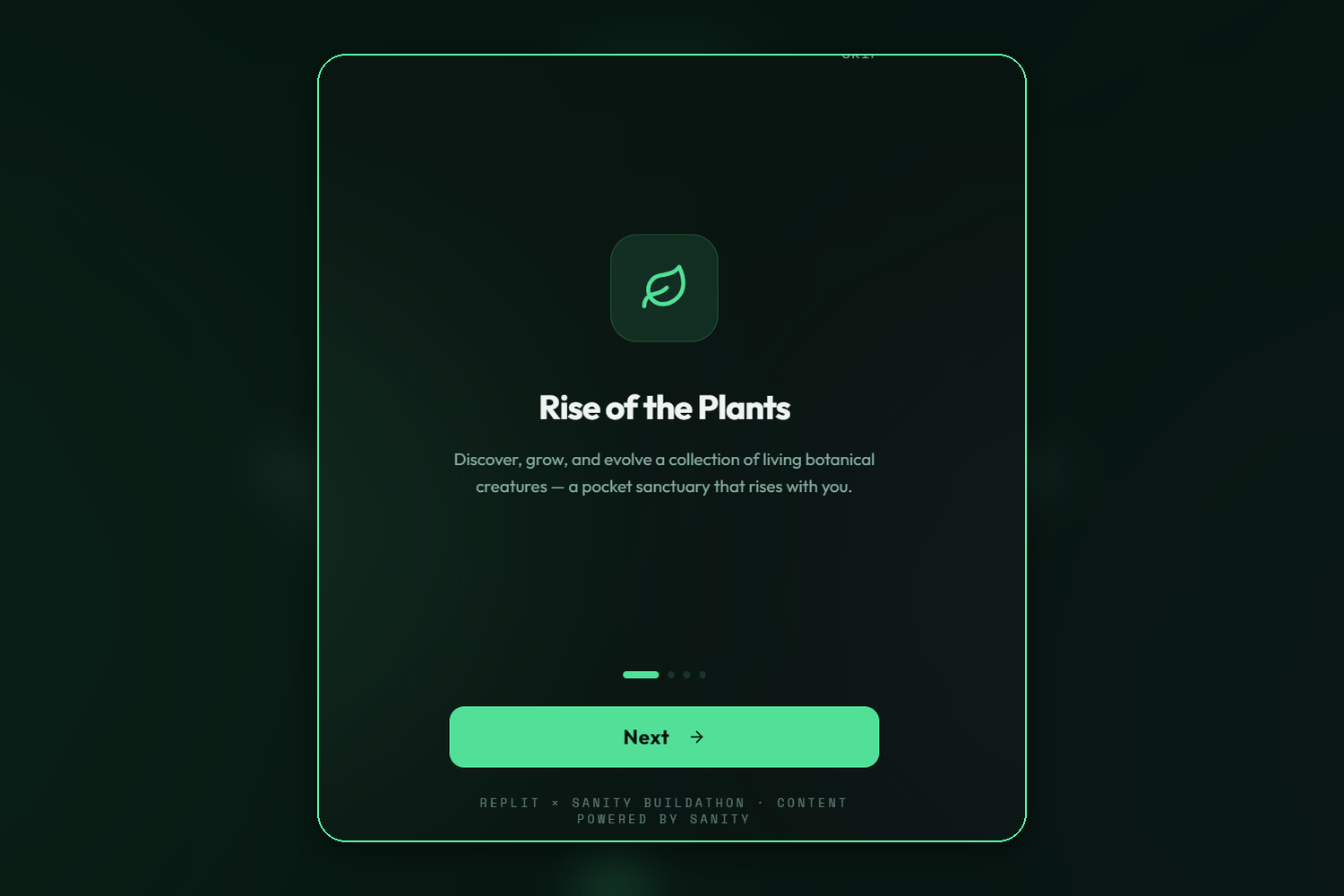
Onboarding - Intro
-
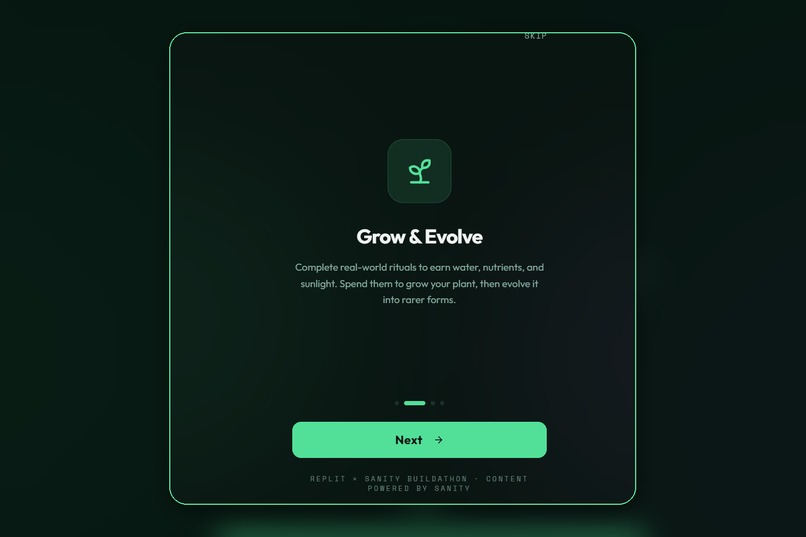
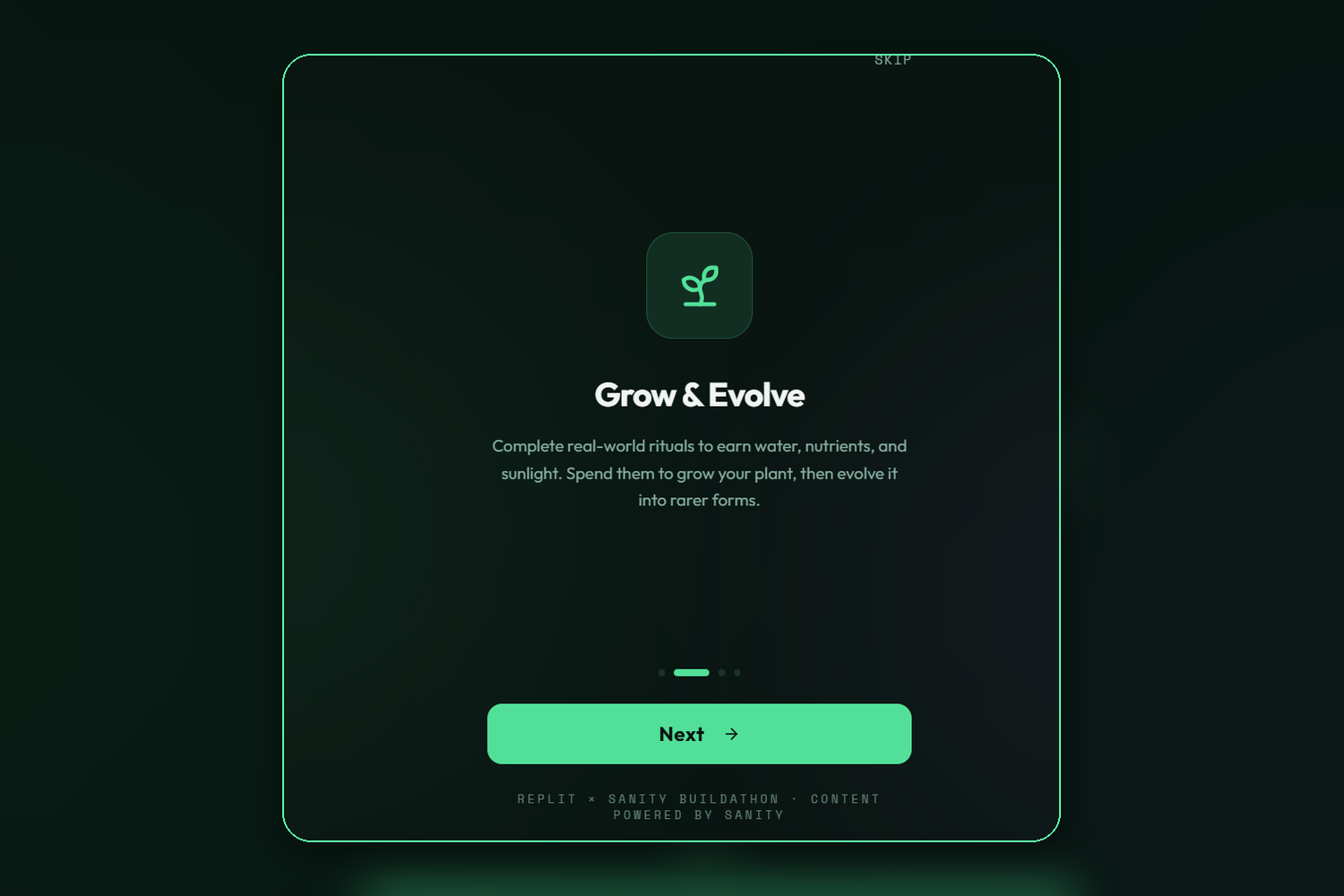
Onboarding - Grow & Evolve
-
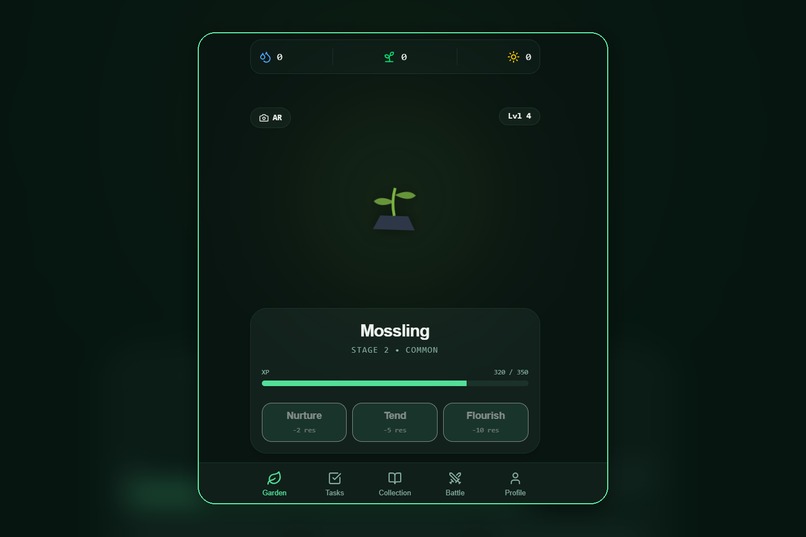
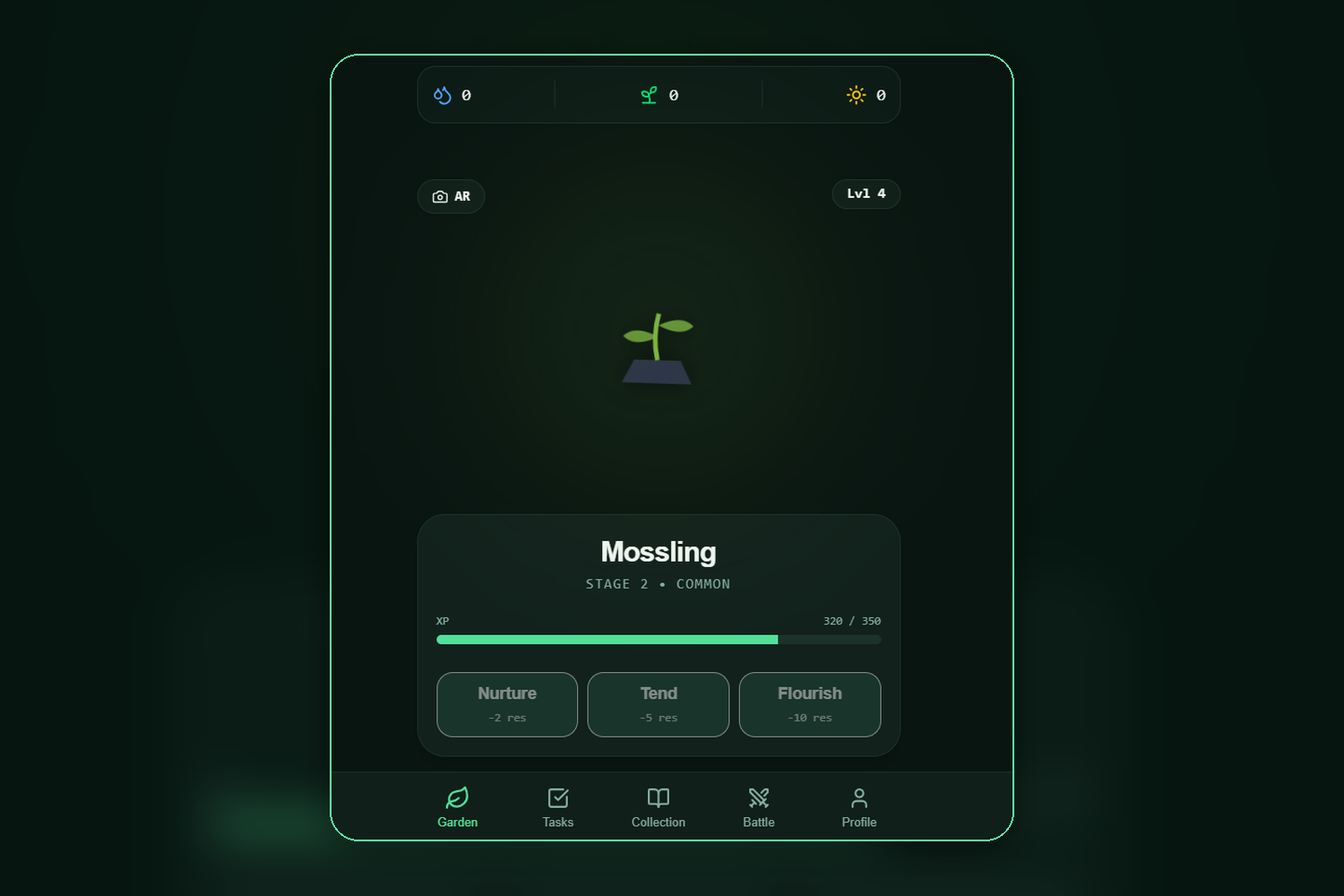
Garden
-
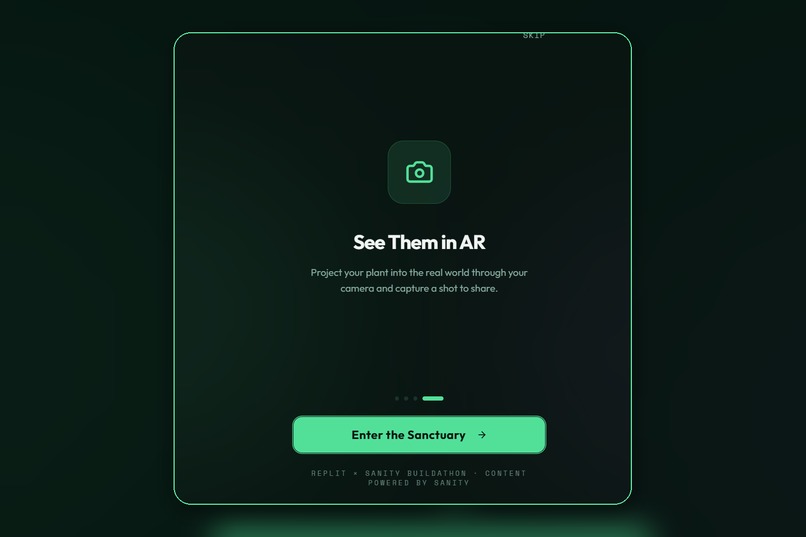
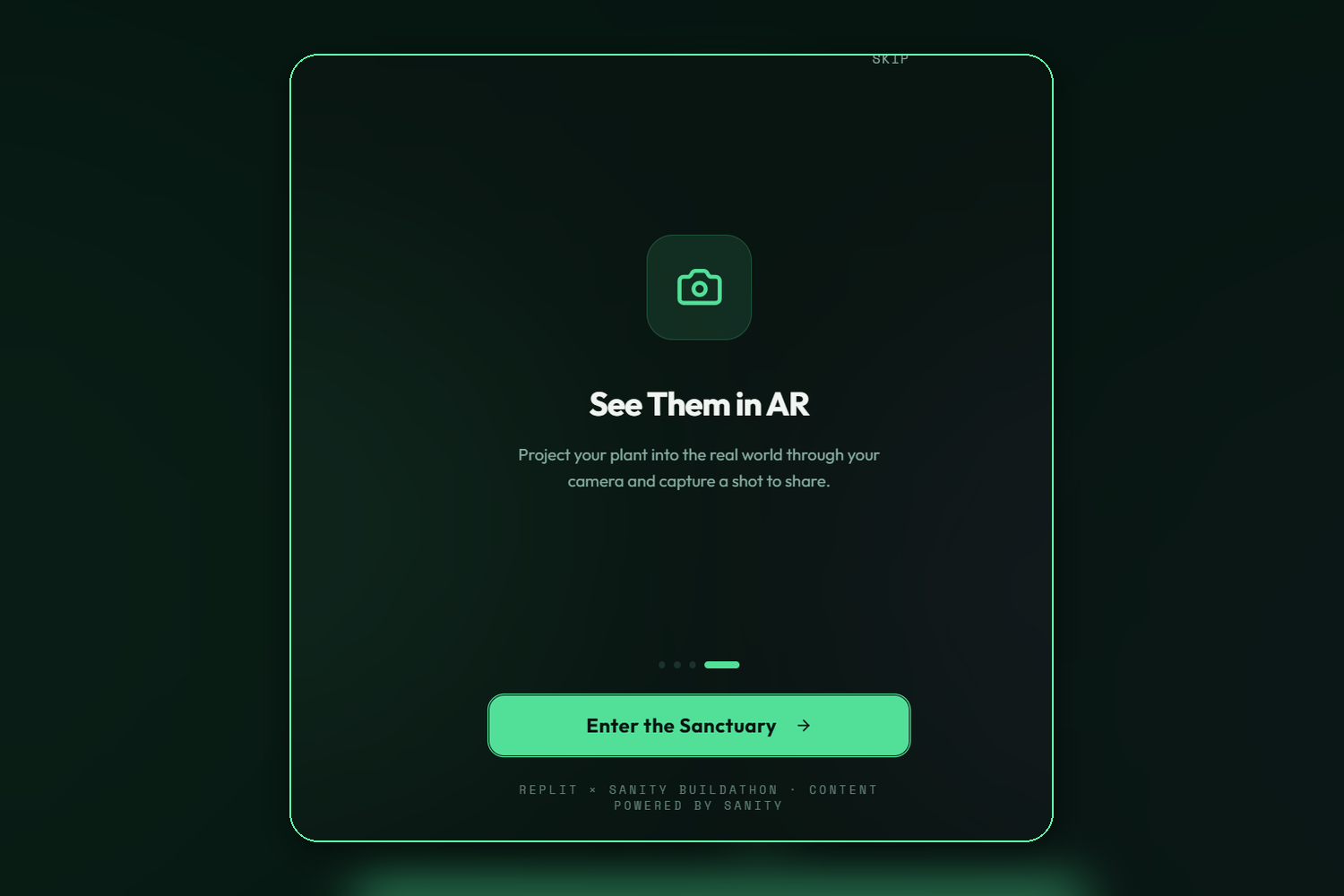
Onboarding - Ar
-
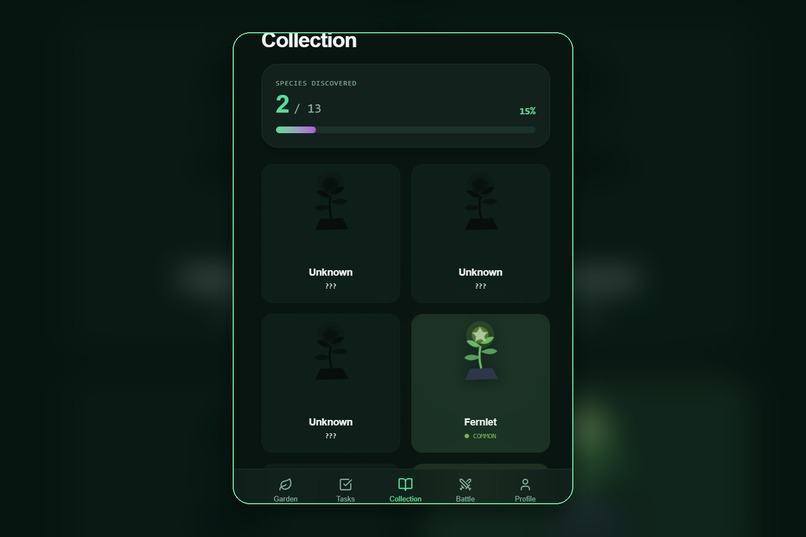
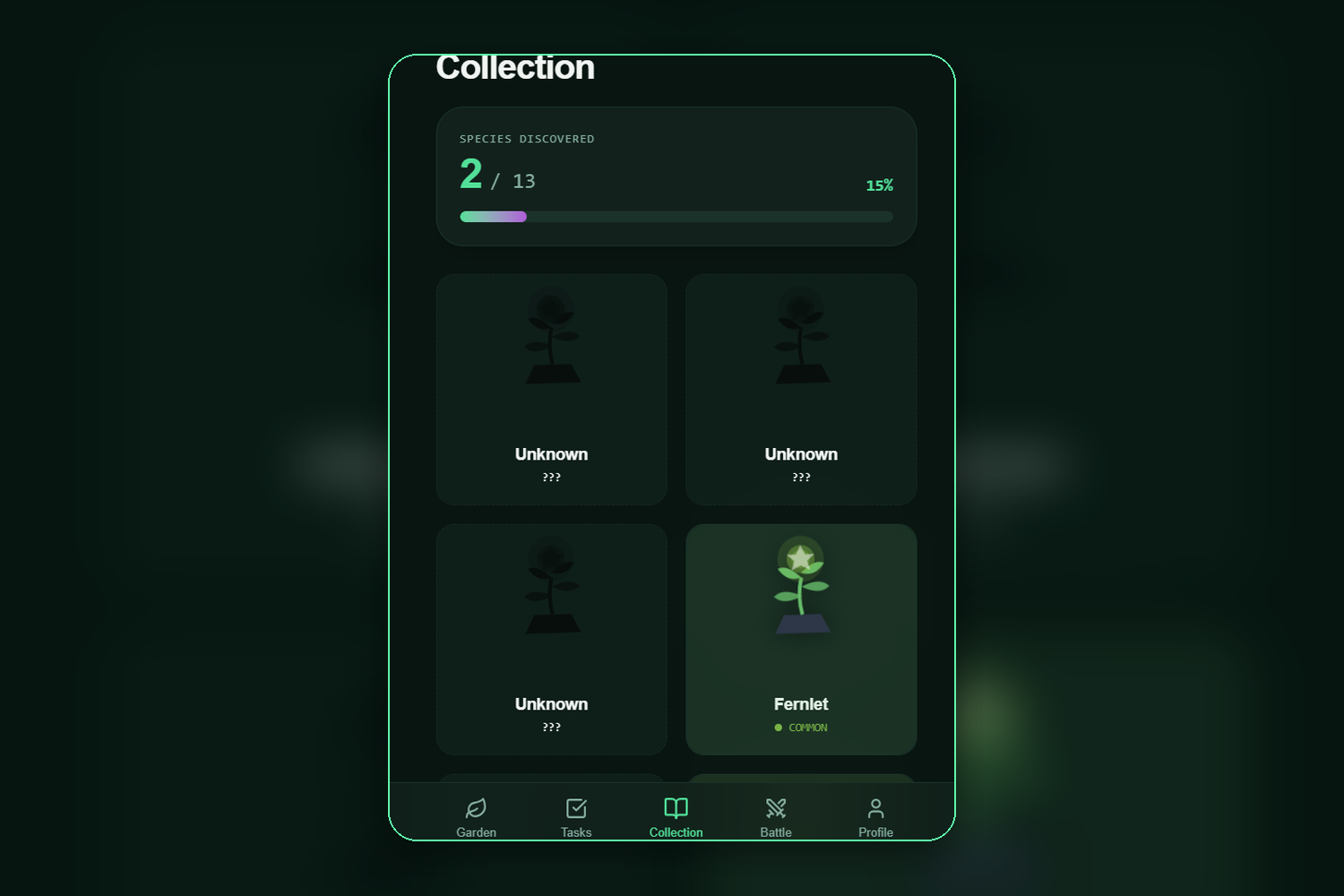
Collection
-
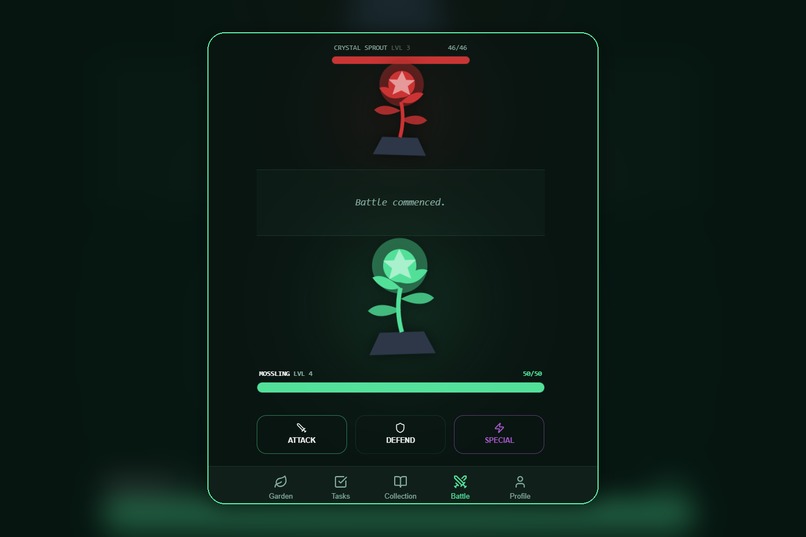
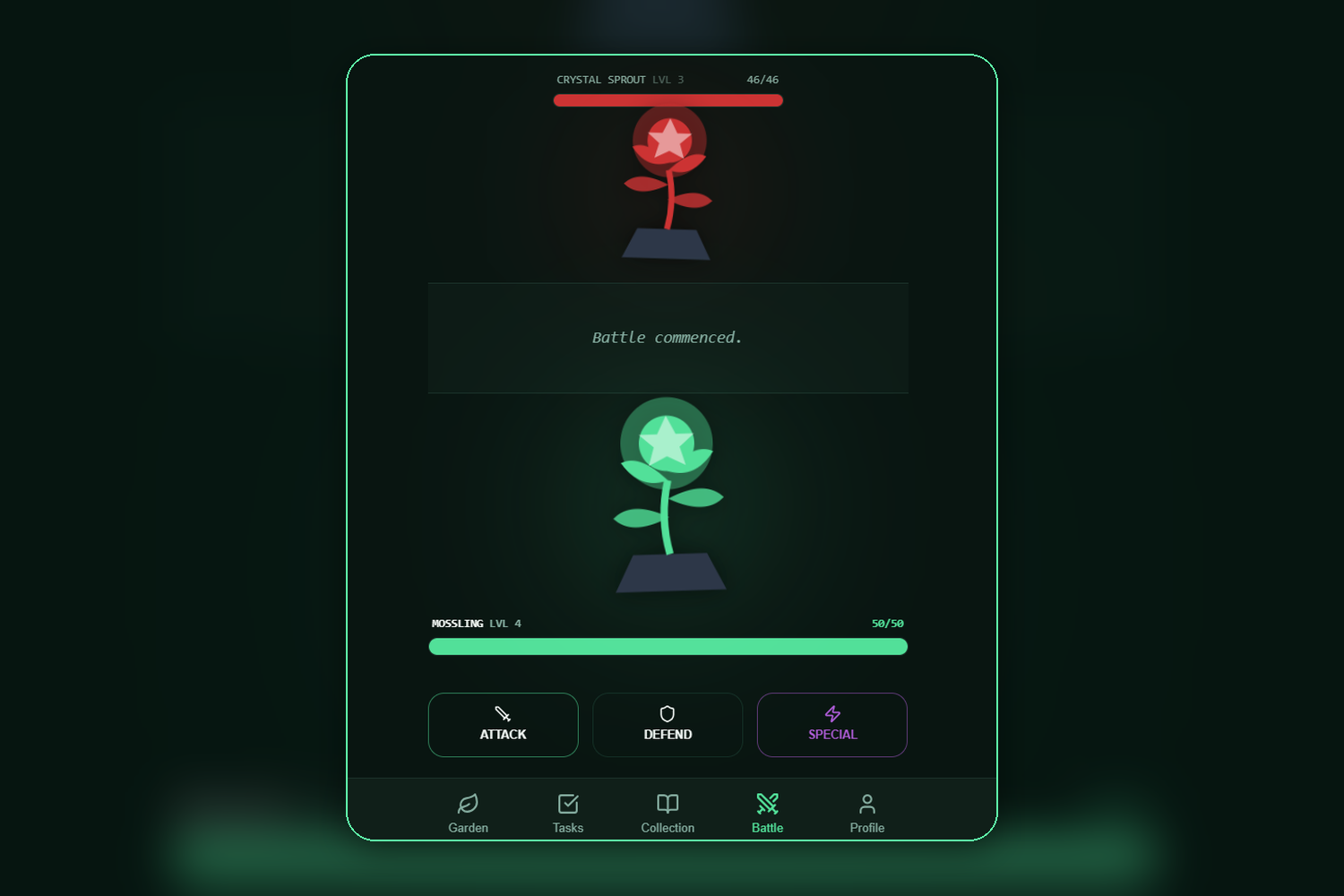
Battle - Combat PvP
-
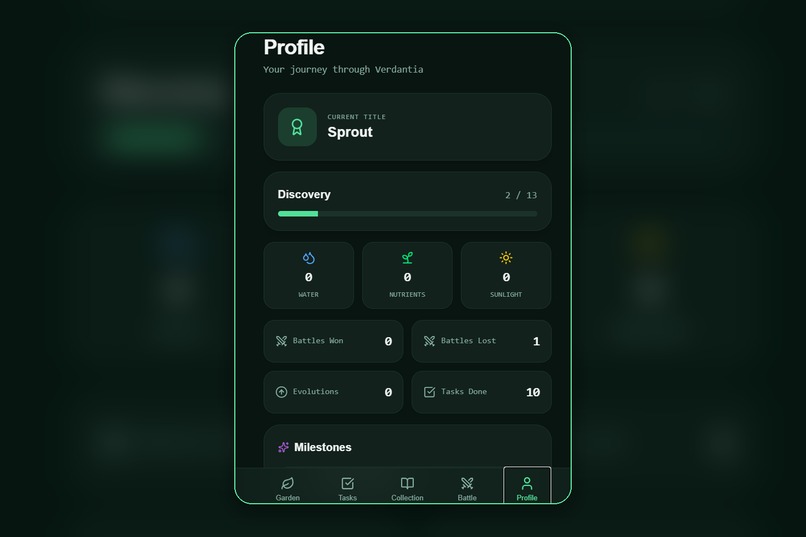
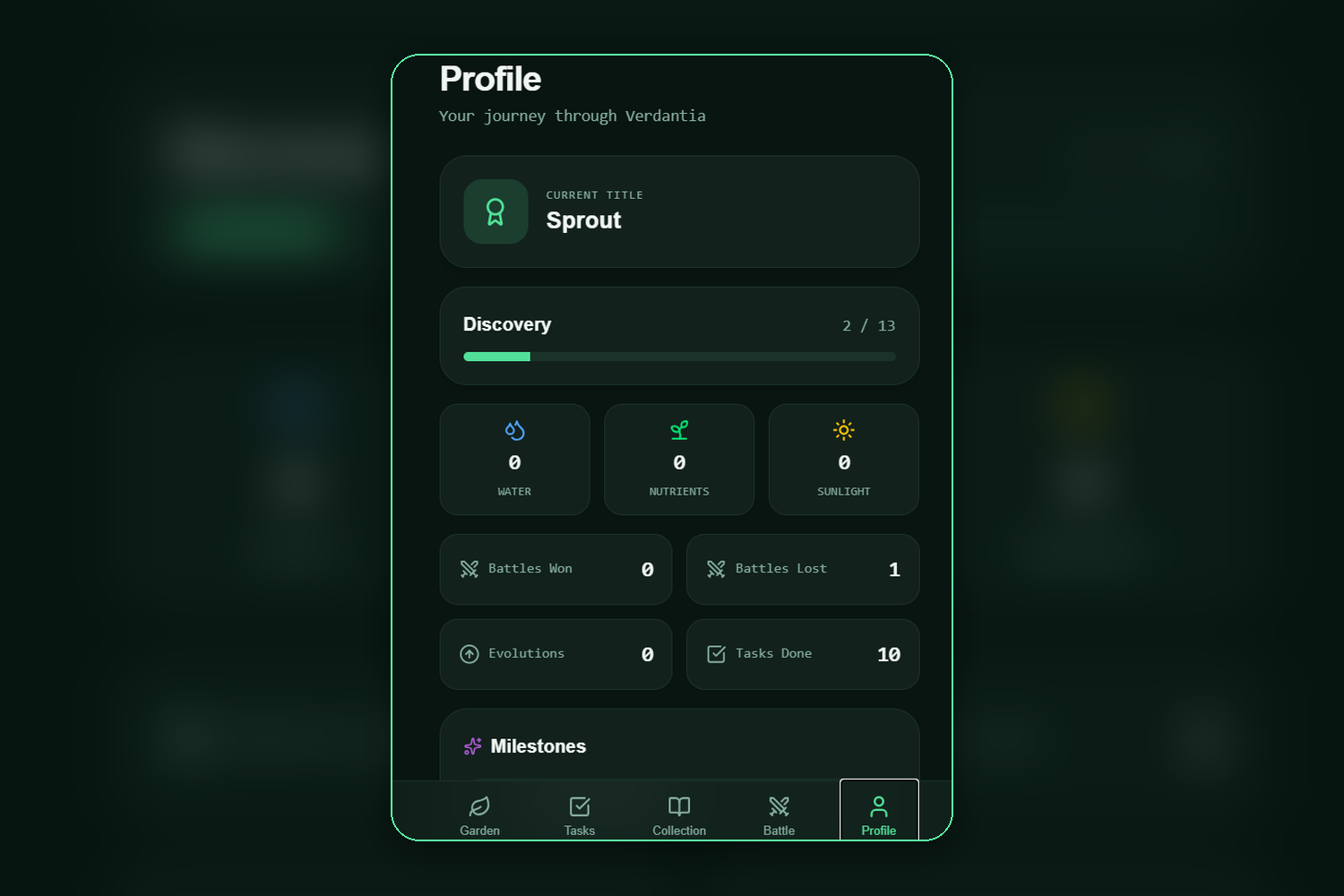
Profile Stats
-
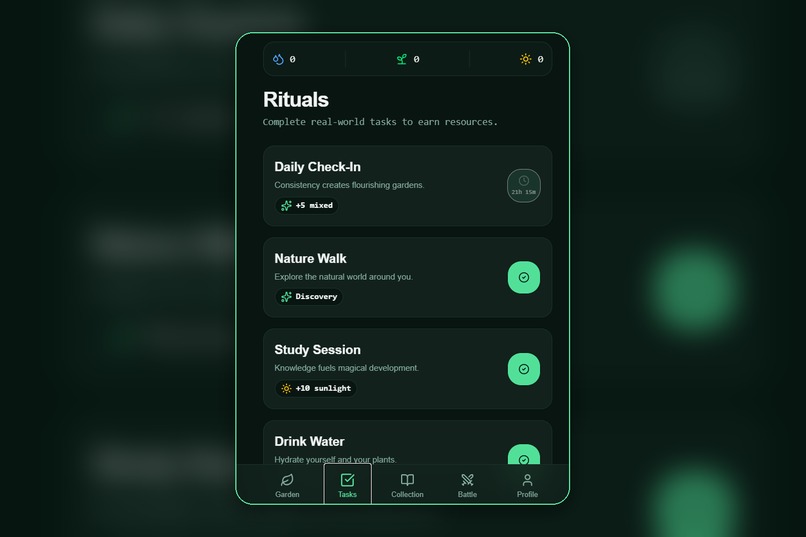
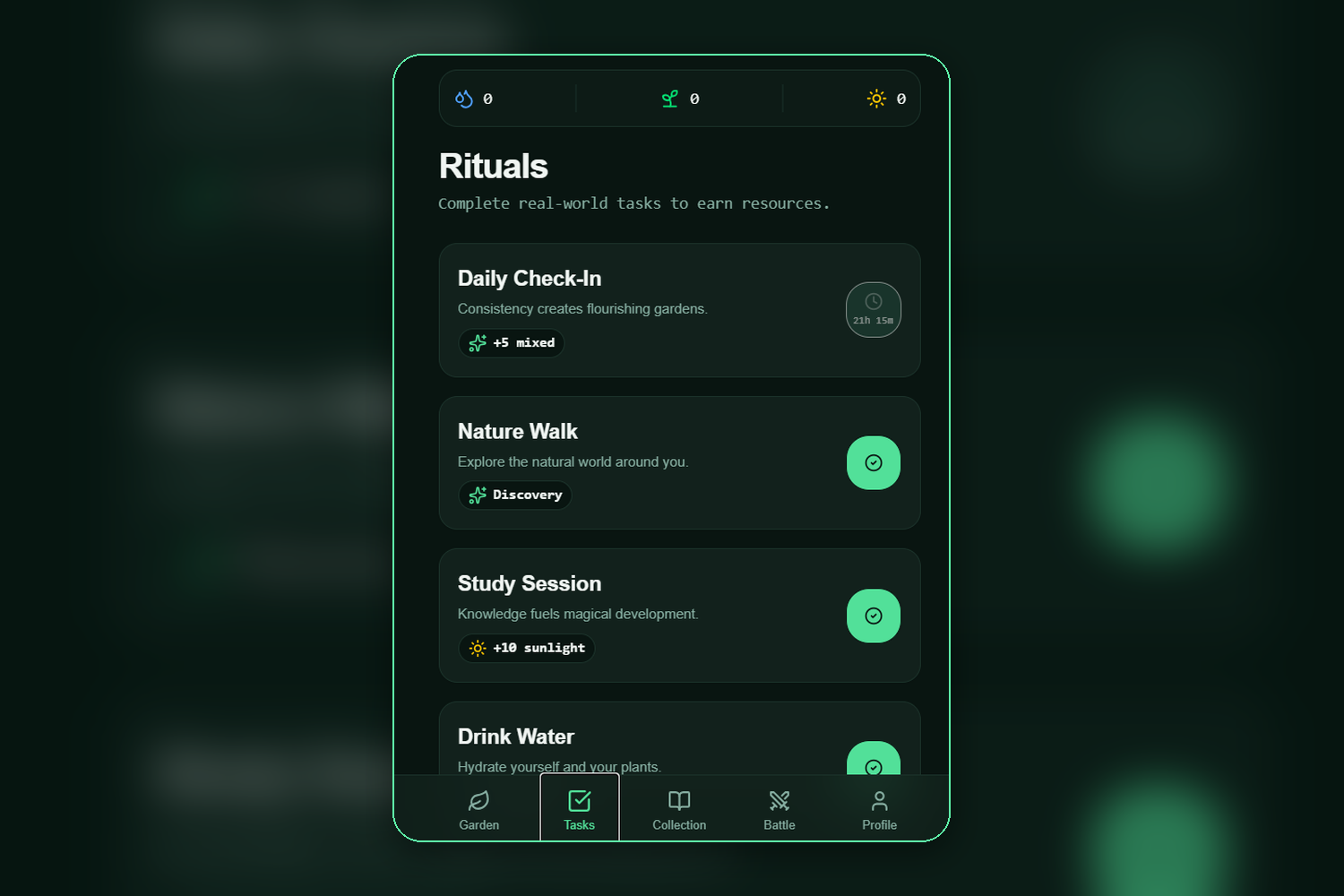
Tasks
Rise of the Plants — Project Story
Inspiration
Rise of the Plants started from a simple question:
What if we could make people more interested in plants, nature, and positive daily actions through a game?
A lot of people know plants are important, but interacting with nature can feel boring, distant, or easy to ignore. I wanted to build something that makes plant engagement feel fun, rewarding, and interactive, especially for younger users who already enjoy games, collecting characters, and unlocking progression.
That idea became Rise of the Plants, a mobile-first AR plant collection game where players complete real-world inspired activities, grow magical plant companions, unlock new species, discover lore, battle AI opponents, and place their plants into the real world using AR.
The original intention of the project was not just to make a game. It was to use game mechanics to encourage people to care more about plants and nature.
What it does
Rise of the Plants turns positive activities into plant growth.
Players can:
- Start with a magical plant companion
- Complete simple real-world inspired tasks
- Earn resources such as water, sunlight, and nutrients
- Grow and level up their plant
- Trigger evolution moments
- Unlock new plant species
- Read lore-rich Codex entries
- Battle AI opponents
- View and place plants in AR
- Track their collection progress
The core loop is designed to be quick and easy to understand:
Do a positive activity → earn resources → grow a plant → unlock discoveries → learn more about the plant world
The goal is to make nature engagement feel like a living collection game.
How AI helped
This project was built with AI-assisted development as a major part of the workflow.
AI helped with:
- Planning the product idea
- Designing the game loop
- Structuring the frontend and backend architecture
- Creating the plant world and lore direction
- Iterating on UI/UX ideas
- Debugging implementation problems
- Improving the pitch and presentation
- Turning a rough prototype into a polished mobile-first experience
Instead of using AI only as a chatbot, I used it like a development partner: to brainstorm, structure, review, and improve the project while still making the final decisions myself.
How I built it
Rise of the Plants is built as a mobile-first web game.
The frontend is built with React and TypeScript, with a game-like interface designed for mobile screens. The app includes screens for the garden, tasks, collection, Codex, battles, AR viewing, and player profile.
The content system is powered by Sanity, which stores structured game content such as:
- Plant species
- Rarity
- Lore
- Codex entries
- Tasks
- Rewards
- Evolution chains
This means the game world is not hard-coded. New species, descriptions, lore, and progression content can be updated through the content backend.
The gameplay logic is handled by a lightweight backend. It manages things like XP, growth, evolution eligibility, battle results, rewards, and discovery rolls. Player progress is stored locally in the browser, making the experience simple and fast for first-time users.
The AR feature uses the device camera to let players place their plant companion into the real world and capture a screenshot-style moment.
Challenges I faced
One of the biggest challenges was balancing the game scope. A plant collection game can easily become too large, with multiplayer, trading, accounts, advanced 3D, and many more features. I had to focus on a clear MVP: grow plants, evolve them, collect them, read lore, battle, and use AR.
Another challenge was making the project feel like a real game instead of just a set of pages. I focused on progression, visual feedback, animations, collection psychology, and a cozy plant-inspired interface so users could feel attached to their plant companions.
The AR feature was also challenging because browser-based camera experiences can behave differently across devices. I had to keep the AR implementation simple and reliable instead of overcomplicating it with advanced 3D or WebXR.
A major design challenge was making the task system honest. Since this is a web app, it cannot truly verify whether someone watered a plant, stretched, or completed an activity. I solved this by treating tasks as self-reported positive actions. The app is not meant to surveil users. It is meant to encourage them.
What I learned
I learned how important it is to separate content from logic. Using Sanity taught me how a game can have dynamic content that can grow over time without changing the code every time.
I also learned that a strong project is not just about features. It needs a clear story, a smooth user experience, and a reason to exist.
The biggest lesson was that AI can help a solo builder move much faster, but it still needs direction. AI helped me plan and build, but I had to keep the project focused, make product decisions, and protect the core idea from becoming too complicated.
What makes it meaningful
Rise of the Plants is meaningful to me because it combines fun with a real-world purpose.
It uses game design to make people more curious about plants, nature, and small positive actions. Instead of telling users that nature matters, the game lets them experience growth, discovery, and care through play.
In a simple way, the project asks:
Can a game make someone care a little more about the natural world?
Rise of the Plants is my attempt to answer yes.
What's next
Next, I want to make the game more complete by improving the plant artwork, adding more species, strengthening the AR experience, and preparing it for a real mobile app release.
The long-term goal is to turn Rise of the Plants into a playful nature-engagement platform where users can collect, learn, and build better habits while growing a magical plant world of their own.
Built With
- express.js
- framermotion
- github
- groq
- localstorage
- lucideicons
- node.js
- portabletext
- react
- reactrouter
- replitagent
- sanitycms
- tailwind
- tanstackquery
- three.js
- typescript
- vite
- webcameraapis
- zustand

Log in or sign up for Devpost to join the conversation.