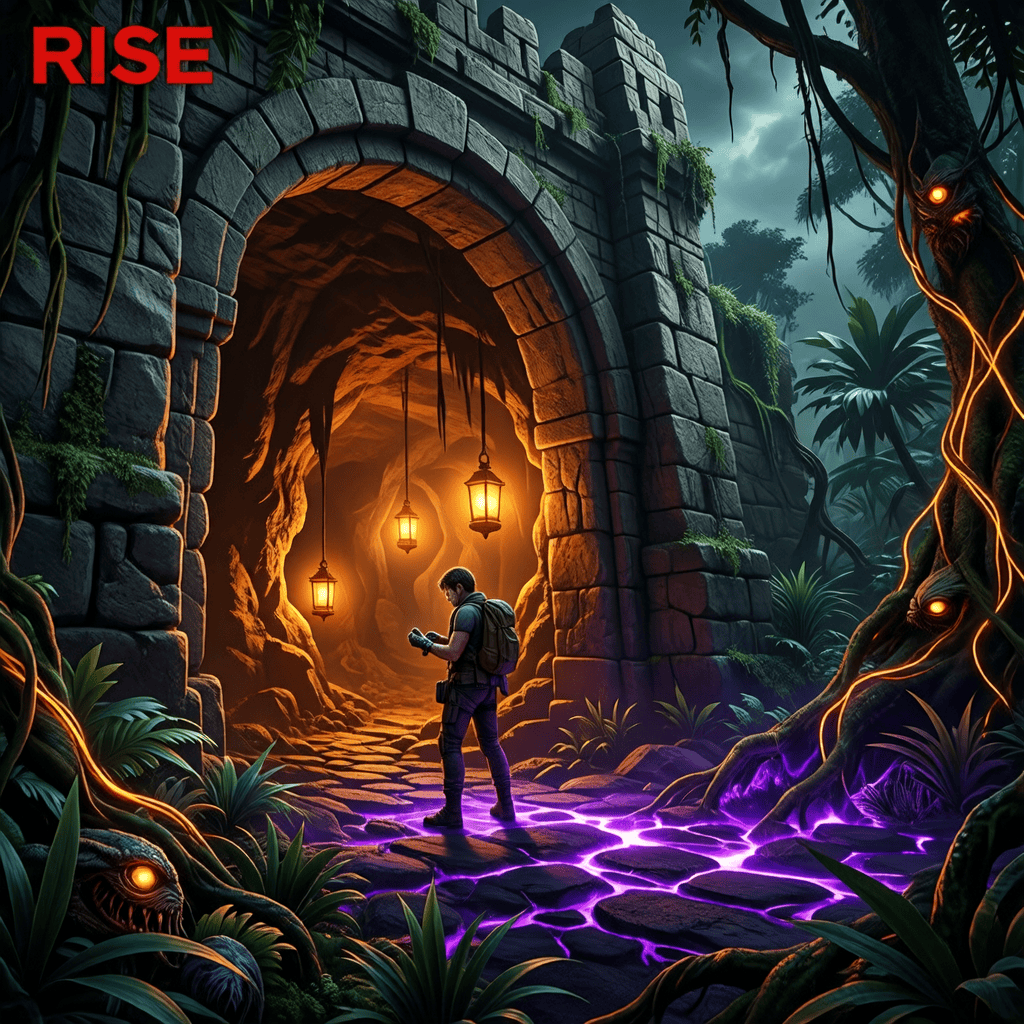
What Inspired RISE
We kept asking one question: what if the city you built was also the battlefield you had to defend?
Most mobile builders let you design freely but fight separately. Most tower-defense games give you a generic grid. RISE was born from the belief that those two things should never have been separated. The street you carve is the path your enemy walks. Your aesthetic choices are your tactical choices. Creativity becomes strategy.
What We Learned
The hardest design problem isn't building features — it's making sure every feature serves the same emotional loop. Every mechanic in RISE (street carving, surface raiding, gate defense, city visiting) had to justify itself against one question: does this make the player feel something?
We also learned that honest scoping is more convincing than ambitious promises. The Production Plan went through multiple iterations before I was willing to call it an MVP. A realistic plan that proves the core loop is more powerful than a dream that tries to cover everything.
How We Built RISE
RISE was designed as a complete pre-production package:
- Game Design Document — world, mechanics, economy, social systems, and visual identity
- Player Journey Map — a 30-day emotional roadmap from first tunnel to thriving Sanctuary
- Visual Concept Package — six rendered concept pieces illustrating the key scenes and mechanics
- Production Plan — a lean MVP scope with build sequence, behavioral fun signals, and pivot triggers
Every document was built to tell the same story. The cut-feature lists match exactly between the GDD and Production Plan. The Behavioral Fun Signals tie directly to the emotional peaks in the Journey Map. Internal consistency was treated as a design value, not an afterthought.
The Challenges We Faced
The hybrid genre problem. RISE lives across three genres — Simulation & Management, Survival & Resource Management, and Tower Defense & Strategy. Making sure each loop felt complete and necessary, rather than bolted together, required constant pressure-testing of the design.
Scope discipline. The original vision included PvP outpost systems, Social Sanctuary Visiting, Alliance Cities, and World Boss encounters. Every one had to be cut from the MVP — not because they aren't good ideas, but because the core loop had to be proven first. Killing your darlings is the hardest part of honest production planning.
The social presence problem. Designing a game where other players feel genuinely present — not just as icons or stats, but as real people who walked your streets and left their mark — required rethinking what social means on a platform like Meta Horizon. RISE's answer: every action leaves a permanent trace. Your city tells your story. Other players can read it.
RISE isn't just a game. It's a social ecosystem where creativity is the ultimate weapon — and where every Sanctuary built on Meta Horizon becomes a permanent expression of the survivor who built it.
The Undercrown is waiting to be built.
Built With
- ai
- anthropic
- formatting
- generation
- image
- microsoft
- perplexity
- word


Log in or sign up for Devpost to join the conversation.