-
-
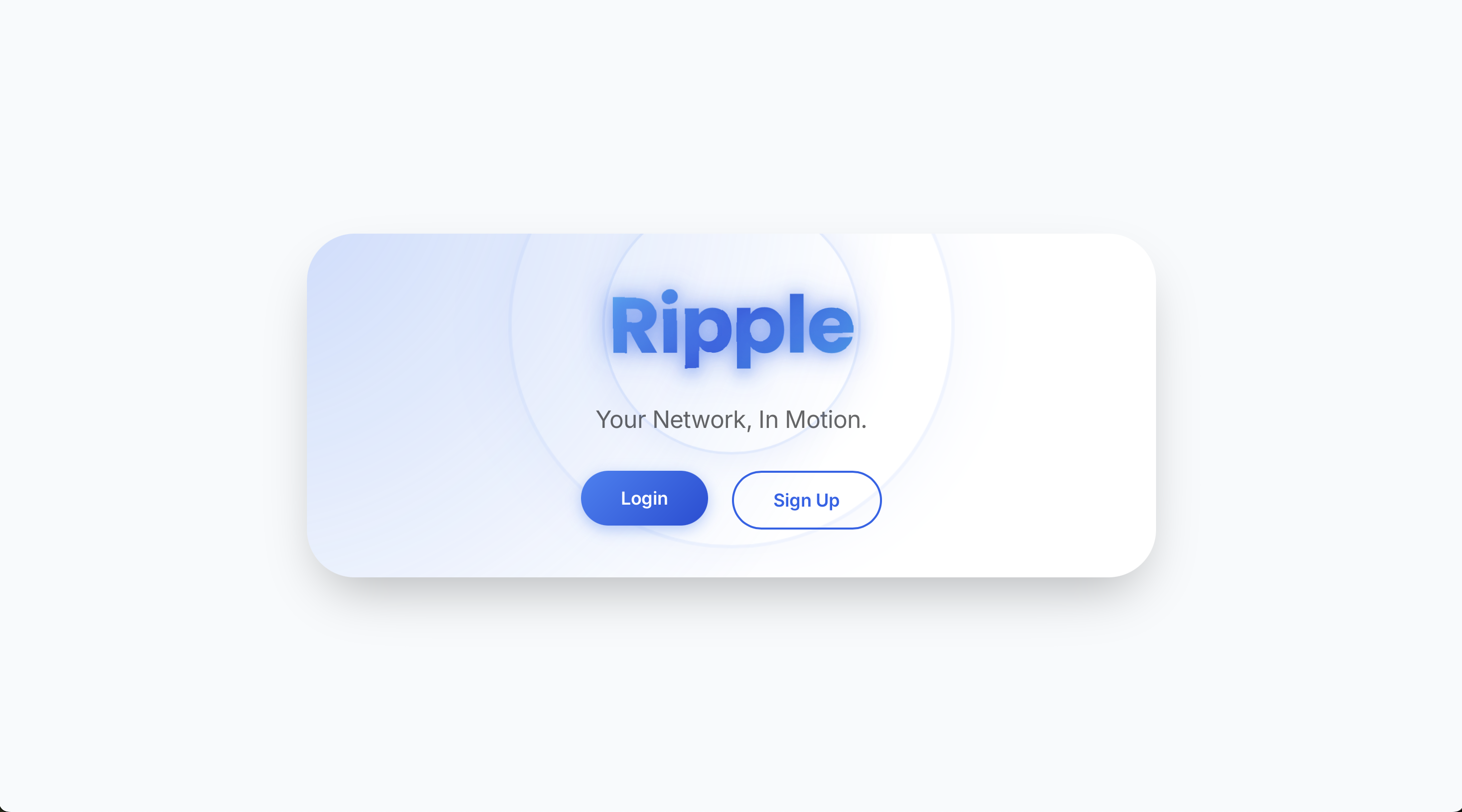
Ripple Home Page
-
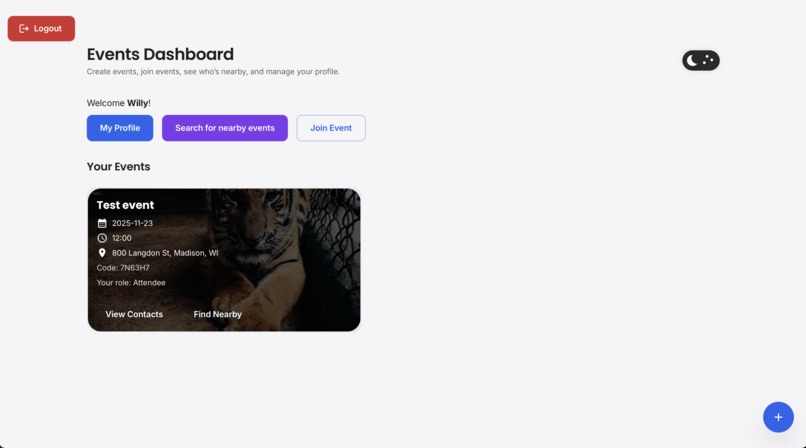
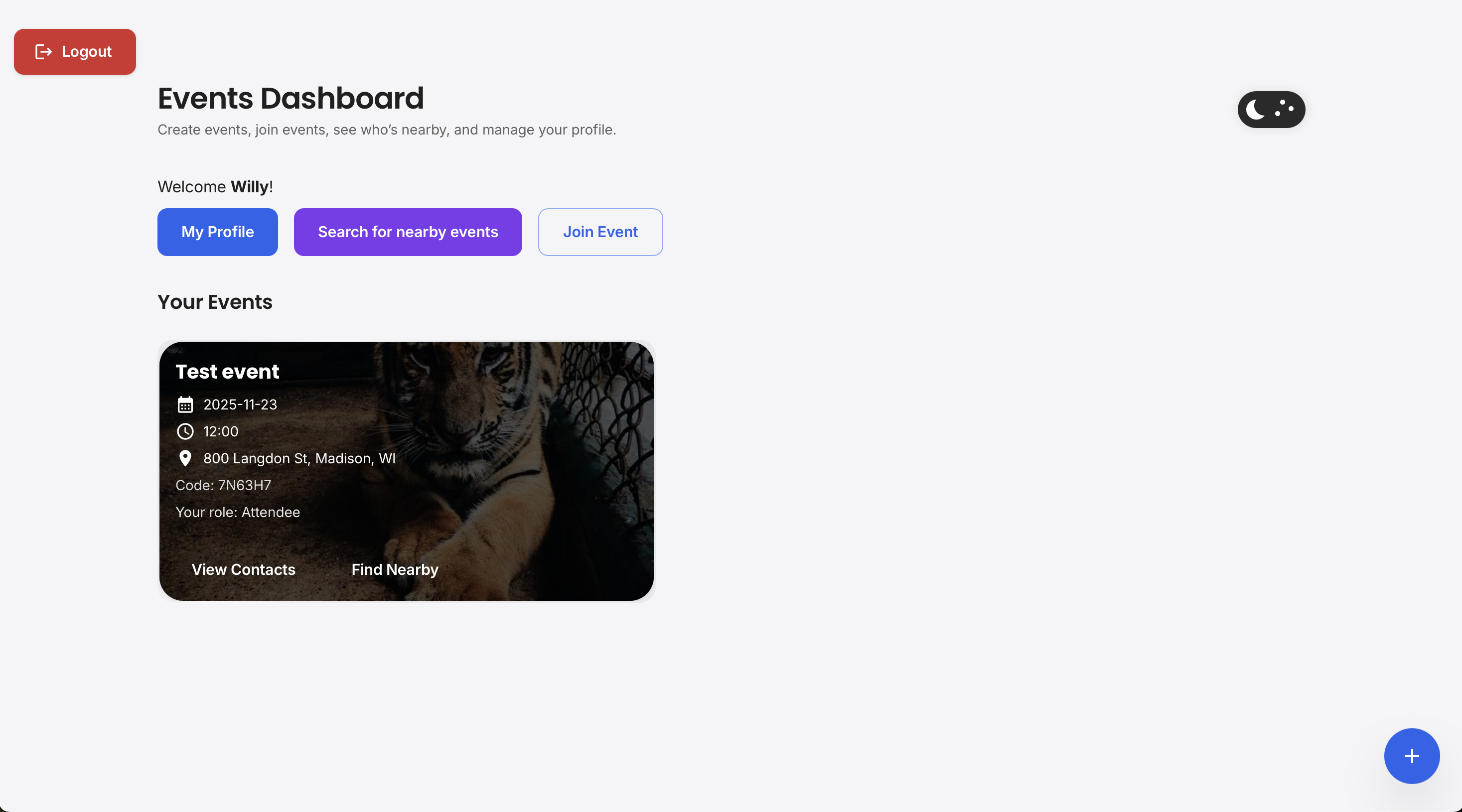
Events Dashboard
-
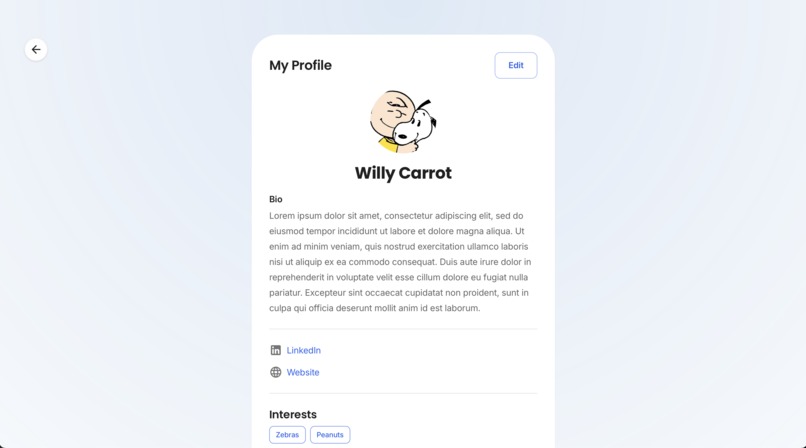
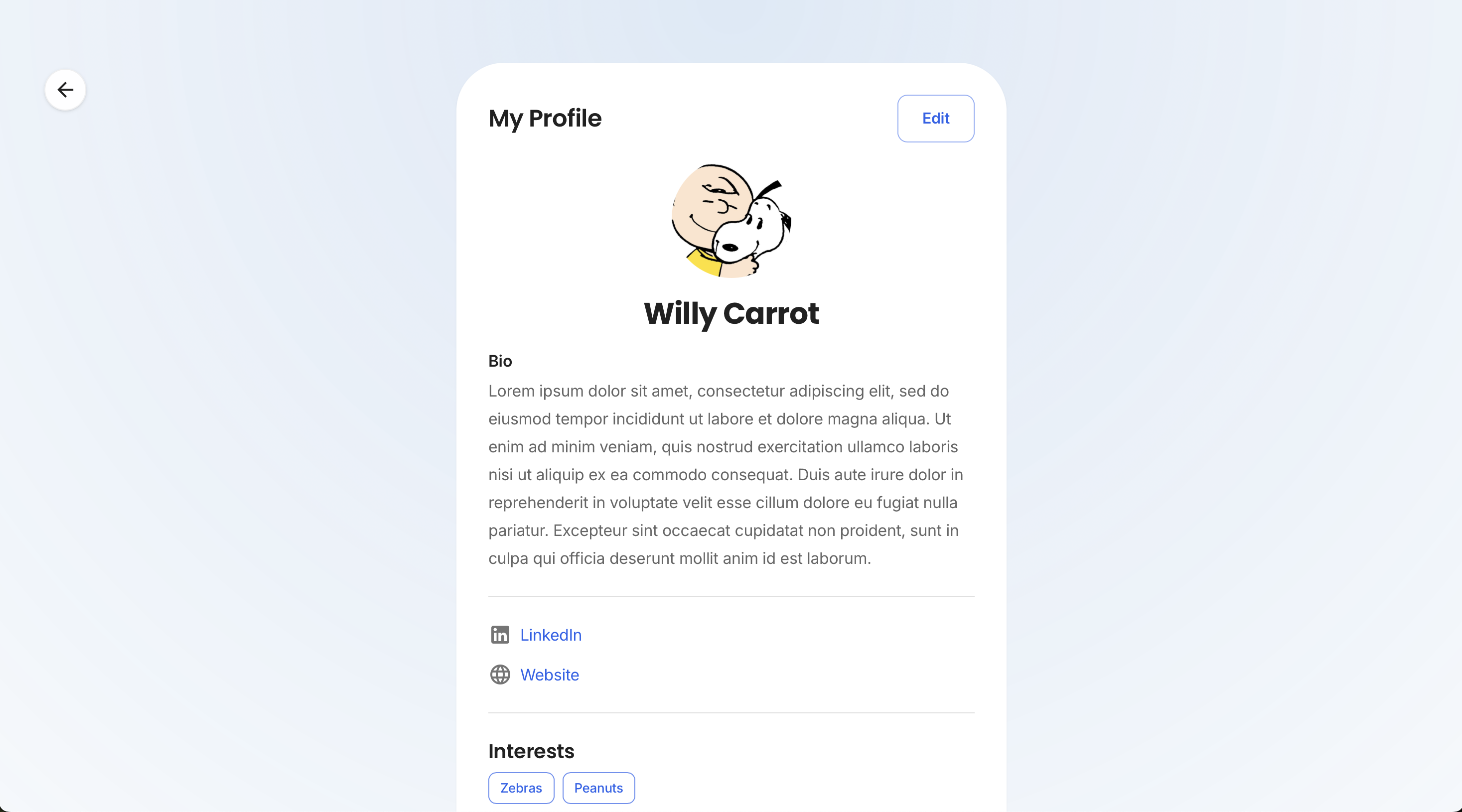
Profile
-
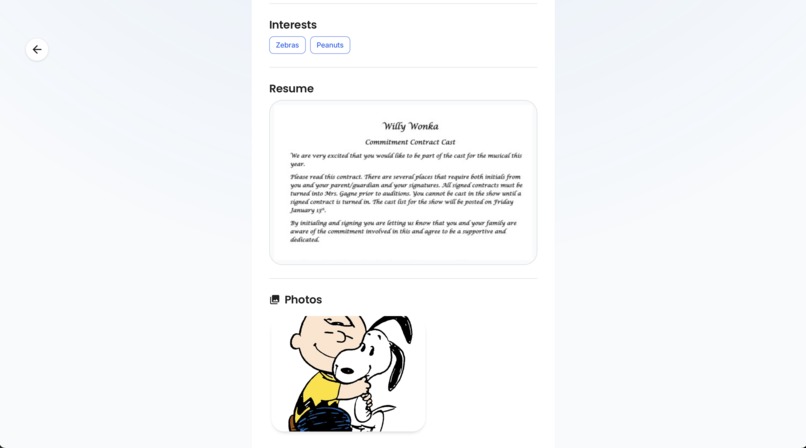
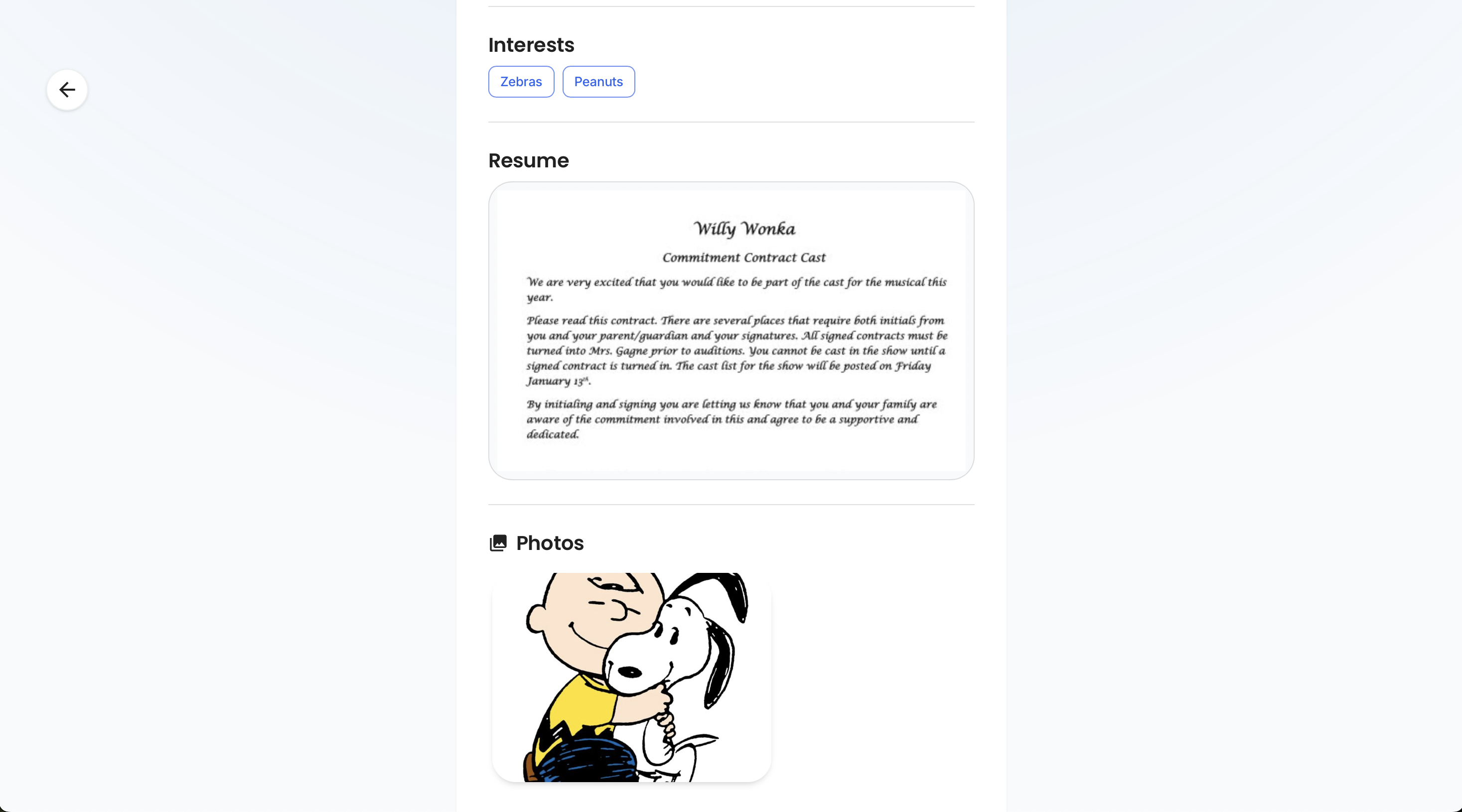
Profile 2
-
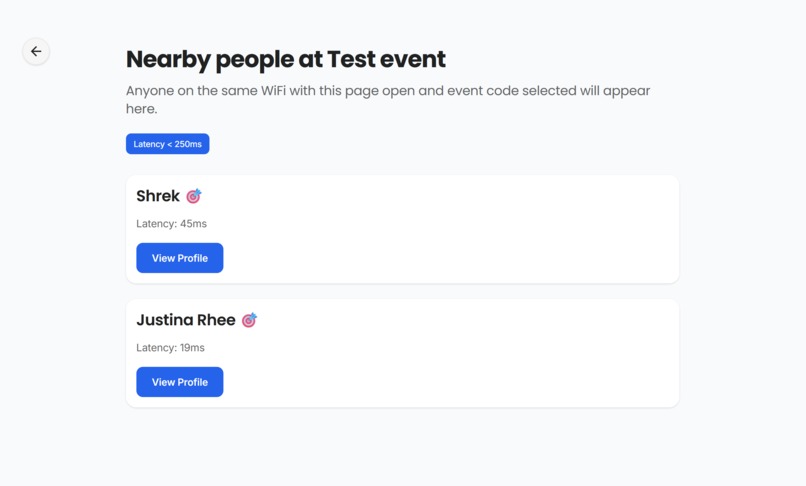
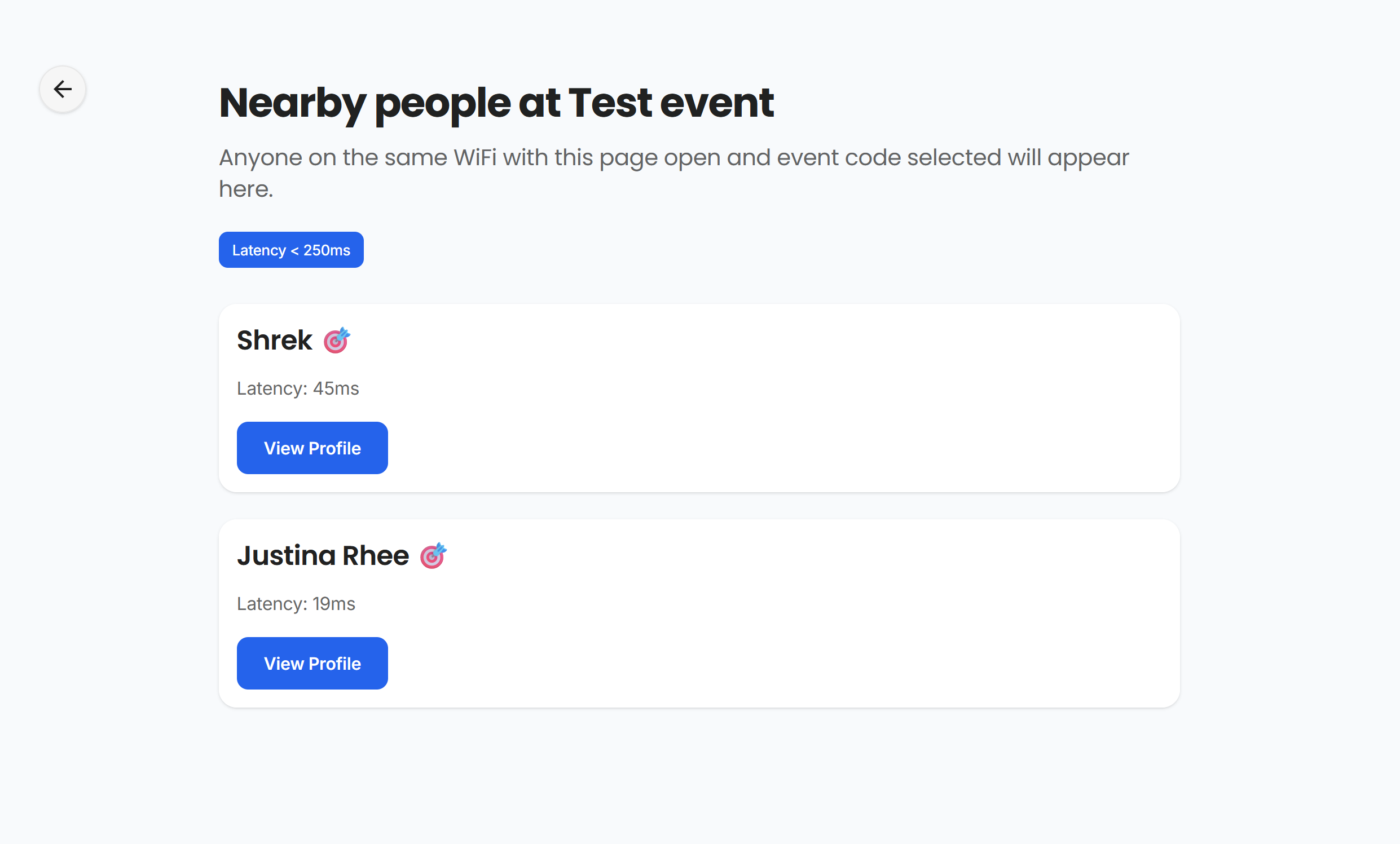
Nearby People
-
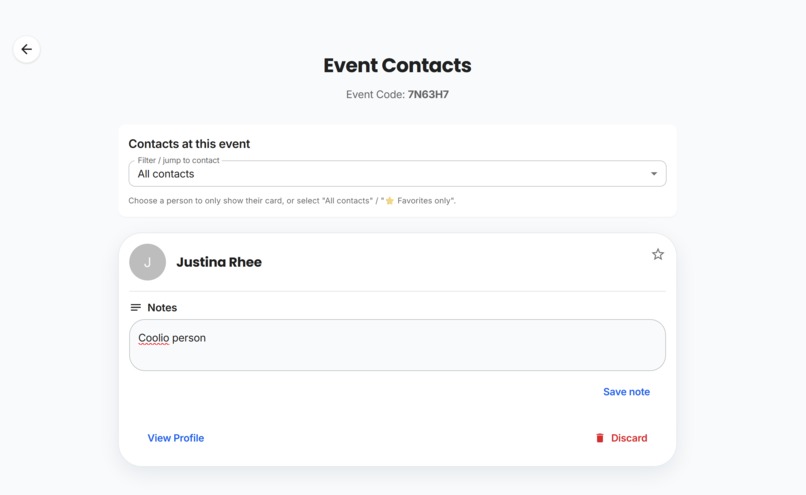
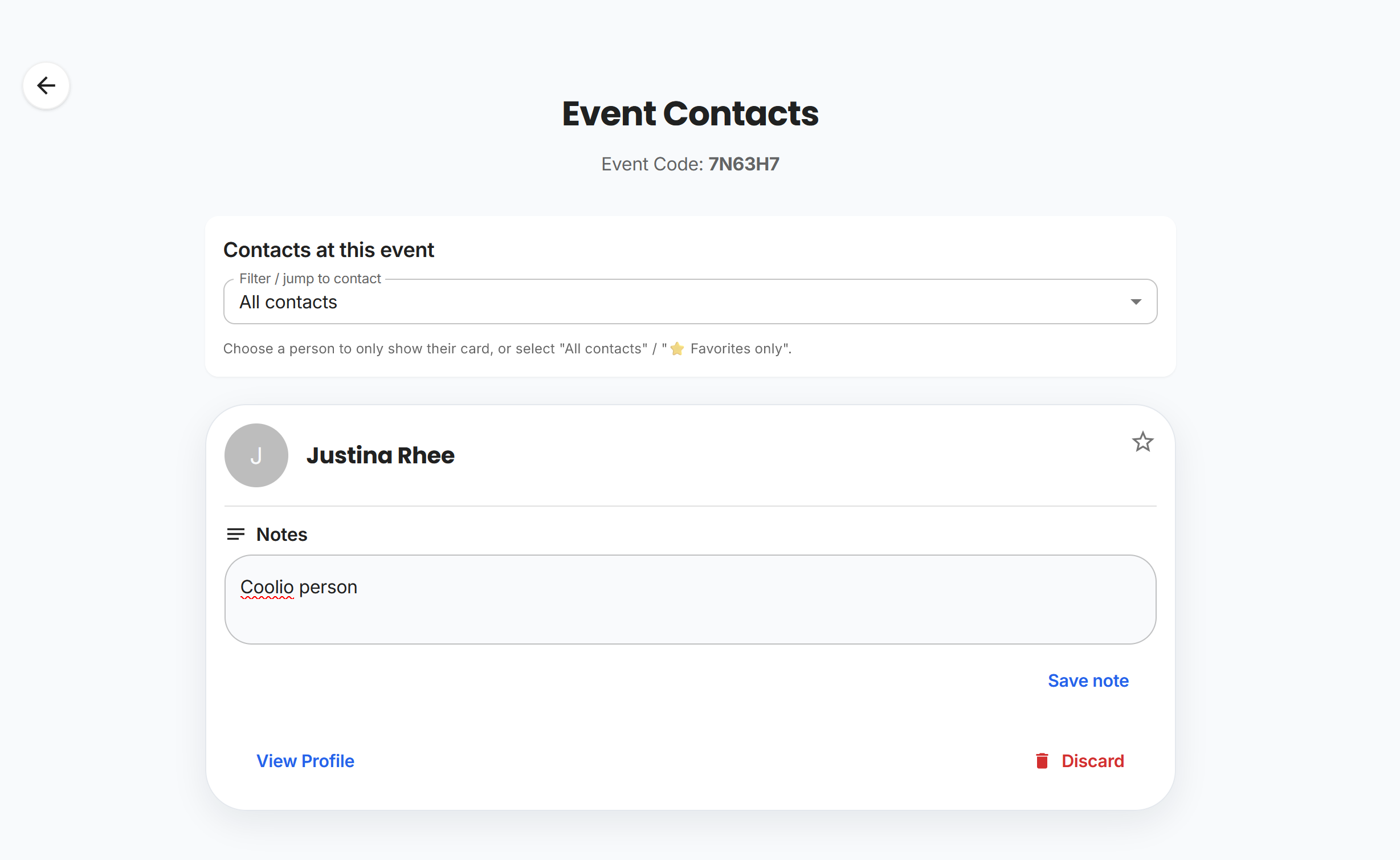
Event Contacts
-
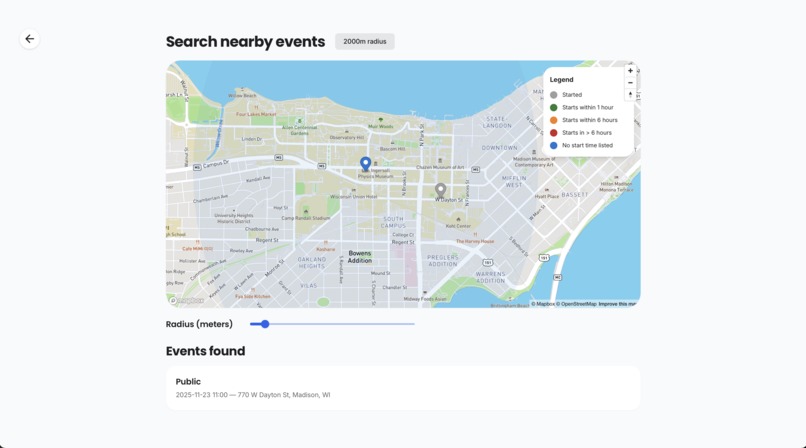
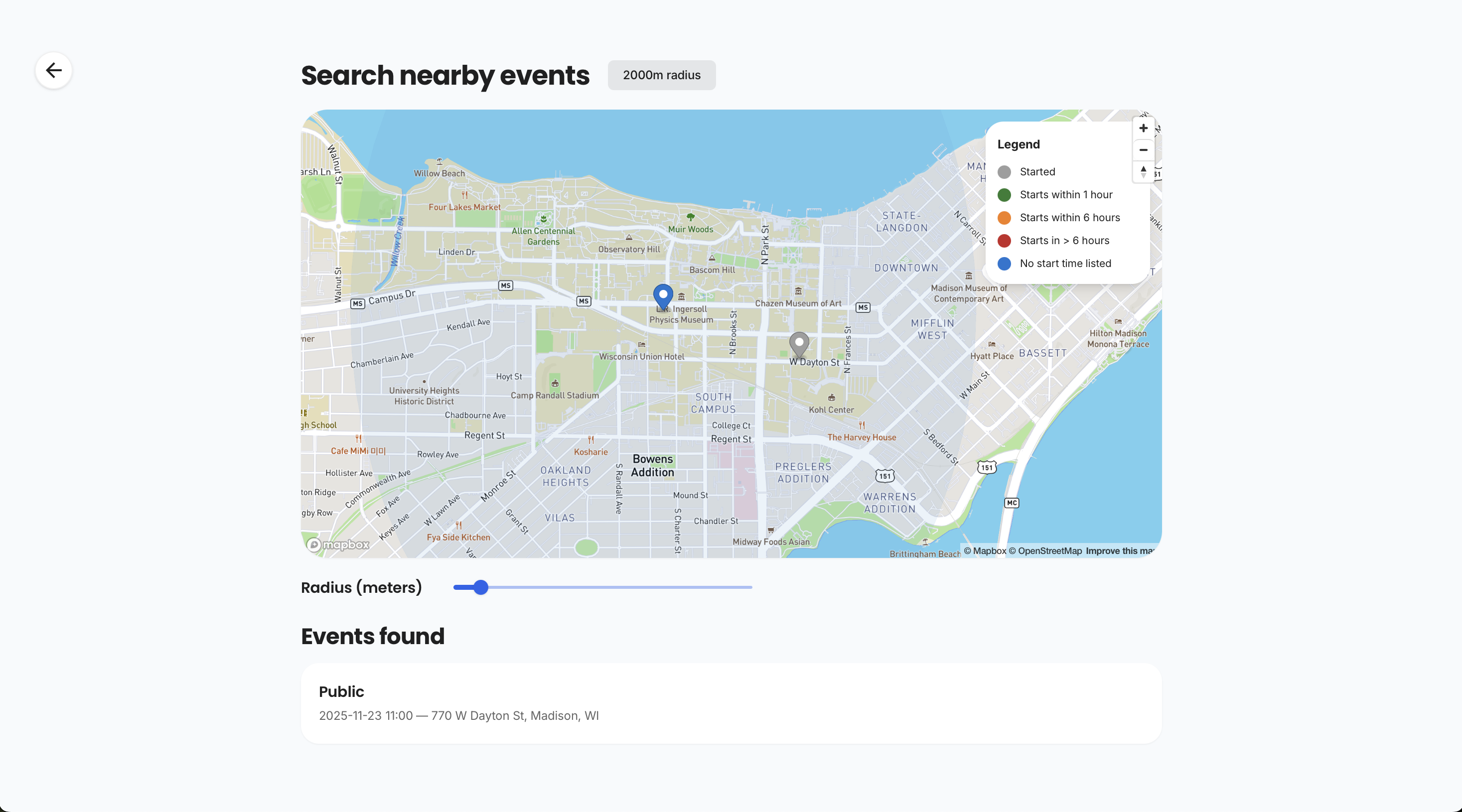
Map
Inspiration
For all of us, the best part of hackathons isn’t just building cool projects—it’s the people. We love meeting teams from different schools, backgrounds, and skill sets, and turning quick introductions into genuine connections. But we noticed that a lot of those connections fade once the event ends, and stacks of flyers, business cards, and resumes end up forgotten. We wanted to create something that makes both our projects and our interactions more lasting and impactful. Ripple grew out of that idea: a way to carry the energy, diversity, and serendipity of hackathon conversations forward—beyond the venue, beyond the weekend, and into real ongoing networks.
What it does
Ripple is a web app that helps recruiters and recruitees make meaningful, lasting connections at events.
- Users create rich, shareable profiles with bios, links, resumes, photos, and video intros.
- Attendees can create or join events using a simple event code.
- A Nearby view helps you discover other participants at the same event.
- You can save contacts, star important ones, and add notes tied to a specific event.
- An Event Contacts page organizes everyone you met at each event so you remember who they are, where you met, and what you talked about.
- A map to view to locations of nearby events. All of this replaces physical flyers and business cards with a reusable digital-first networking experience.
How we built it
We used Javascript, Typescript, HTML, and CSS for our frontend, mainly through the React framework to build our web app. We used Firebase to build the backend as a Backend as a Service, handling account management, authorization, interactions, storage and more. To build the proximity server, we used Socket.IO to manage real-time “nearby” presence for each event. Each event maps to a Socket.IO room, and users join/leave in real time. We used CORS configuration to safely allow our Vite dev server and deployed frontend to talk to the proximity backend.
Challenges we ran into
None of us had any experience with Firebase, Socket.IO, and CORS so we had to do a lot of learning along the development process to figure out how to utilize these tools to create our product. We also learned a lot about the intricacies of UX details and accessible design features as we worked to make our app available on different devices.
Accomplishments that we're proud of
We’re proud that we were able to take Ripple from just a loose idea about “better networking” to a working end-to-end system in such a short time. We built a responsive React interface where users can create events, build rich profiles, and save contacts with notes and favorites—all tied together with Firebase for authentication, storage, and persistence. On top of that, we’re especially proud of getting the real-time proximity piece working: wiring up a Node.js/Express proximity server with Socket.io and CORS so nearby users at the same event can actually discover each other in real time and save those encounters as meaningful connections instead of fleeting hallway chats. Seeing all of those pieces—frontend, backend, and networking—talk to each other smoothly was a big milestone for us.
What we learned
We learned a lot about what it really means to make “networking” feel natural and personal in a technical product. On the technical side, we deepened our understanding of real-time networking using Socket.io, handling CORS properly across different origins, and dealing with the quirks of local networks and multiple devices during development. We also gained experience structuring data in Firebase so that events, users, and interactions stay clean and queryable as the app grows. On the human side, we learned how different recruiters and recruitees think about first impressions, follow-ups, and context—things like notes, roles, and event-based grouping actually matter for whether a connection lasts. Ripple pushed us to think beyond “just build a feature” and toward designing an experience that supports real relationships.
What's next for Ripple
Next, we want to take Ripple beyond a hackathon prototype and move closer to something people could actually use at real events. That includes hardening the proximity server, improving device discovery, and exploring more robust approaches (like integrating Wi-Fi/BLE-based signals where possible) while still making everything secure and privacy-conscious. On the product side, we’d love to add smarter features: better ways to surface important contacts after an event, reminders to follow up, and richer profile sharing for both recruiters and students. We also see Ripple expanding beyond hackathons—to career fairs, campus recruiting events, and conferences—so that “your network in motion” becomes part of everyday professional life, not just a weekend project.


Log in or sign up for Devpost to join the conversation.