-
-
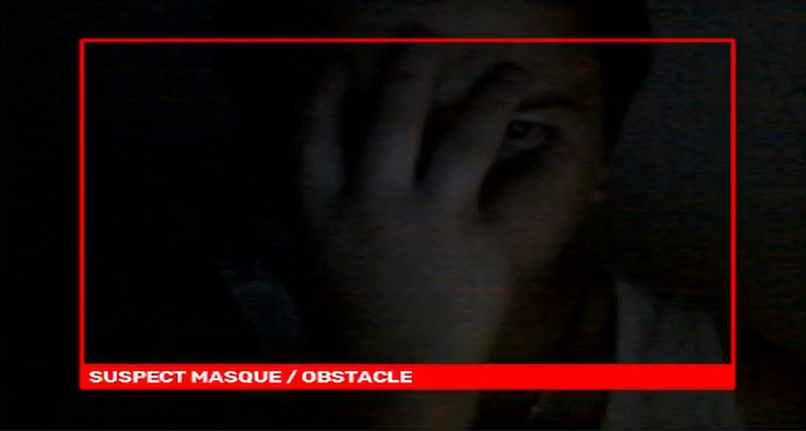
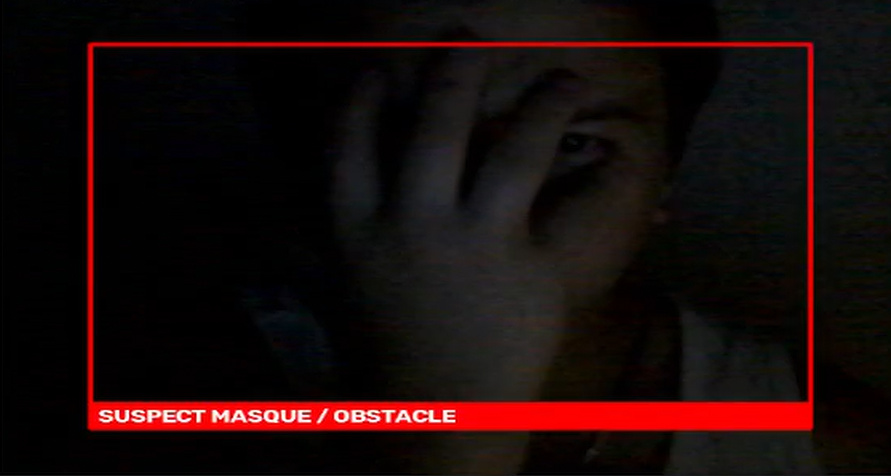
example of hiding suspect
-
Inspiration
Smart doorbells often flood homeowners with noisy, generic motion alerts or rely entirely on cloud round-trips for computer vision. I built Ring Sentinel to provide an intelligent, privacy-first edge layer compatible with the Ring ecosystem. It processes facial biometric vectors locally, classifies visitors contextually (family, couriers, or potential threats), and delivers instant, actionable notifications without streaming raw biometrics to external servers.
What it does
- On-Device Biometric Verification: Detects faces in real time and compares 128D facial embeddings against an on-device SQLite database.
- Contextual Uniform Detection: Uses HSV color space thresholding to recognize high-visibility reflective vests worn by delivery personnel and service technicians.
- Low-Light Night Enhancement: Applies Contrast Limited Adaptive Histogram Equalization (CLAHE) to restore detail in dim porch lighting before running feature extraction.
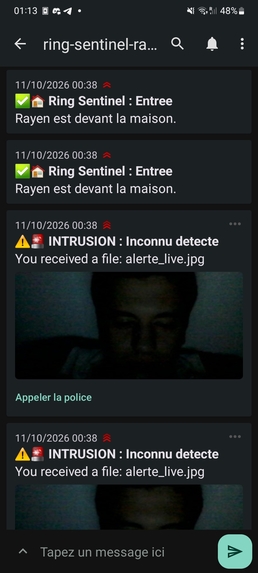
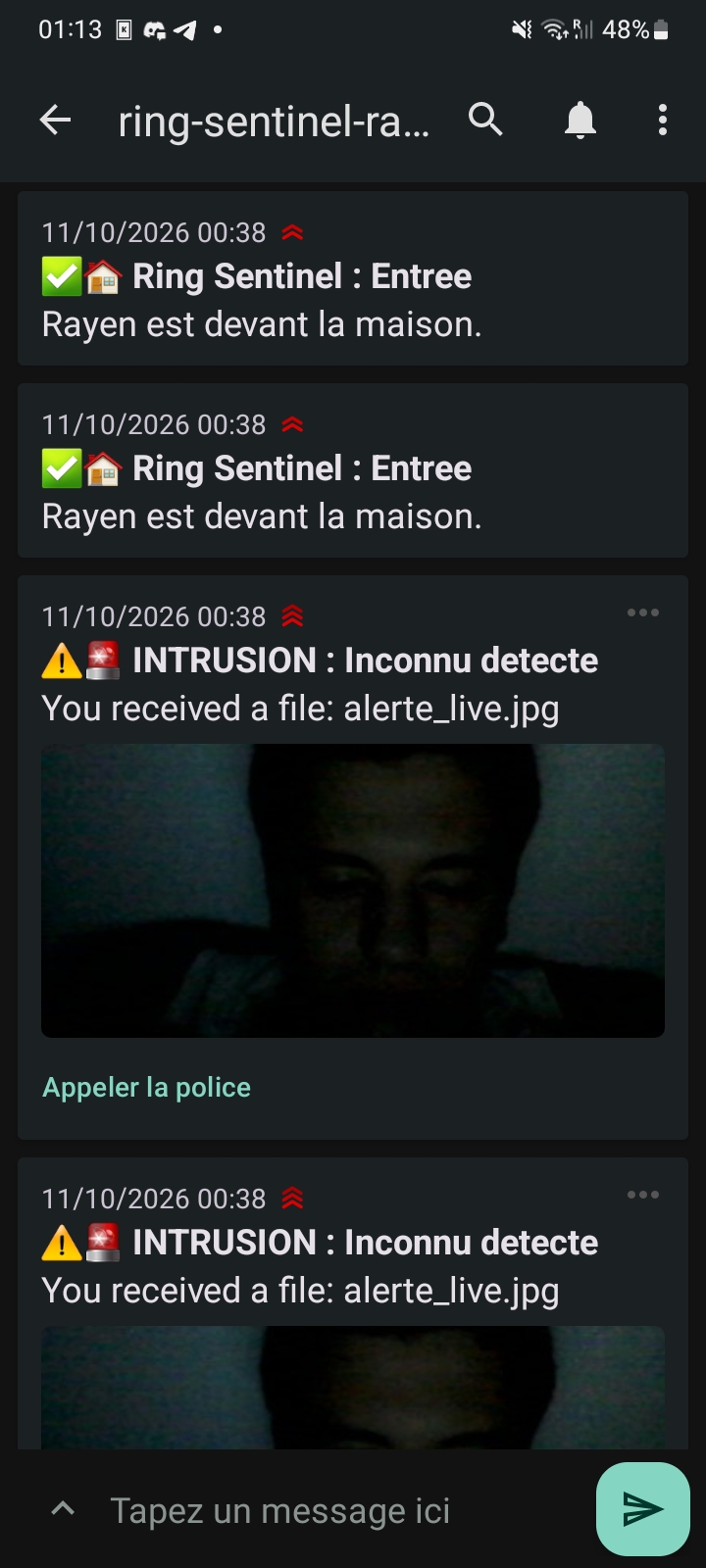
- Actionable Push Notifications: Dispatches instant alerts via 'ntfy' with attached video snapshots and interactive action triggers (such as a one-tap direct call to local emergency services).
- Ring Private App Integration: Built to interface with Ring Partner APIs ("api.amazonvision.com") using structured OAuth tokens.
How I built it
- Computer Vision & Biometrics: Python, OpenCV, and 'dlib' shape predictors for localized landmark alignment and 128D facial vector generation.
- Database & Vault: SQLite for local vector indexing and fast comparison.
- Alert Dispatcher: 'ntfy' REST API sending push payloads with embedded action intents.
- Integration Layer: Custom Ring API client formatted according to Amazon Vision private application specifications.
Challenges I ran into
Balancing real-time frame rates with accurate feature extraction on edge hardware was tricky, particularly when handling edge cases like visitors in poor lighting or wearing reflective clothing. Fine-tuning CLAHE clipping limits and filtering HSV ranges allowed me to maintain 30 FPS processing without false positives.
Accomplishments that I'm proud of
Delivering an end-to-end edge pipeline that runs completely locally, avoids cloud biometric tracking, and responds in under 200 ms with live mobile alerts.
What I learned
I gained deep hands-on experience optimizing OpenCV/dlib pipelines under tight edge resource constraints and designing private-tier OAuth integrations within the Amazon Vision / Ring developer framework.
What's next for Ring Sentinel
Adding edge audio-anomaly detection (such as glass breaking or forced door handling) and packaging the core detection service into an ultra-low-power Docker container for edge gateways.

Log in or sign up for Devpost to join the conversation.