Inspiration
One day my friend was standing on a bus when the driver braked hard without warning. He fell and got hurt right in front of me. Nobody did anything about it, because there was no way to prove the driver had done anything wrong. That moment stuck with me. Millions of people in Kazakhstan, and everywhere else in the world, ride buses every single day with no choice, and no one is tracking whether the person driving them is being careful. I wanted to build something that could actually catch that, so drivers could notice their mistakes and become more careful, instead of passengers just getting hurt and nothing changing.
What it does
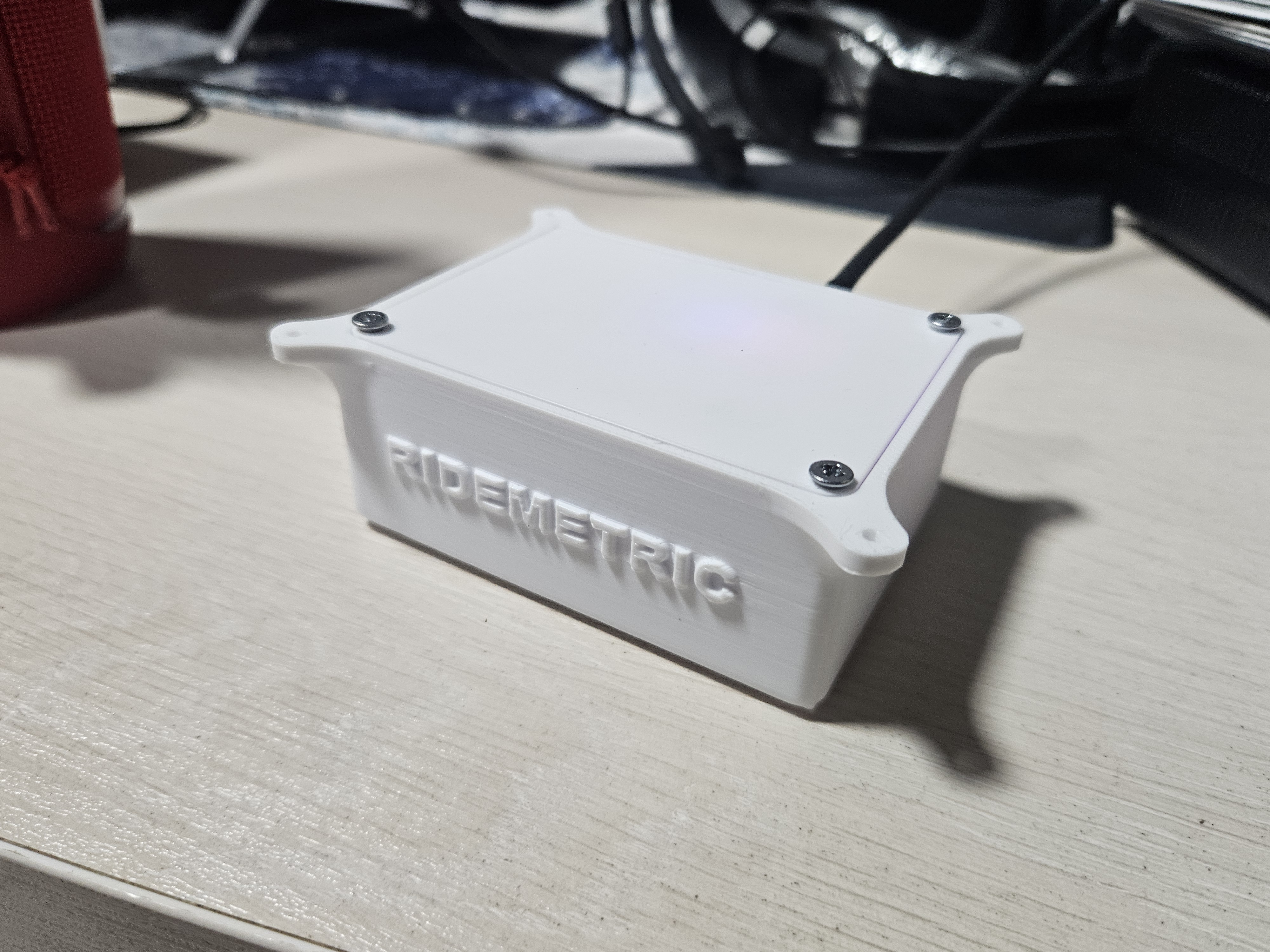
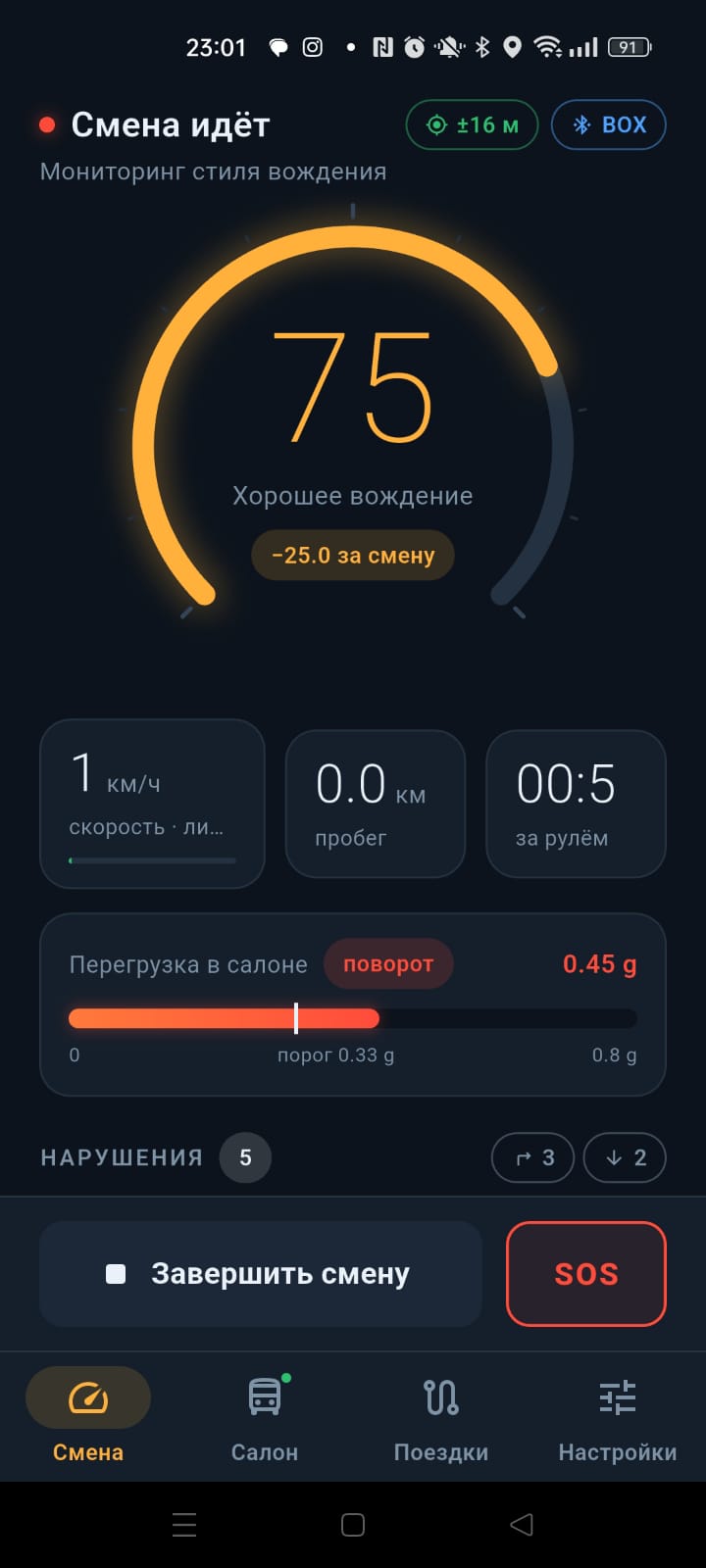
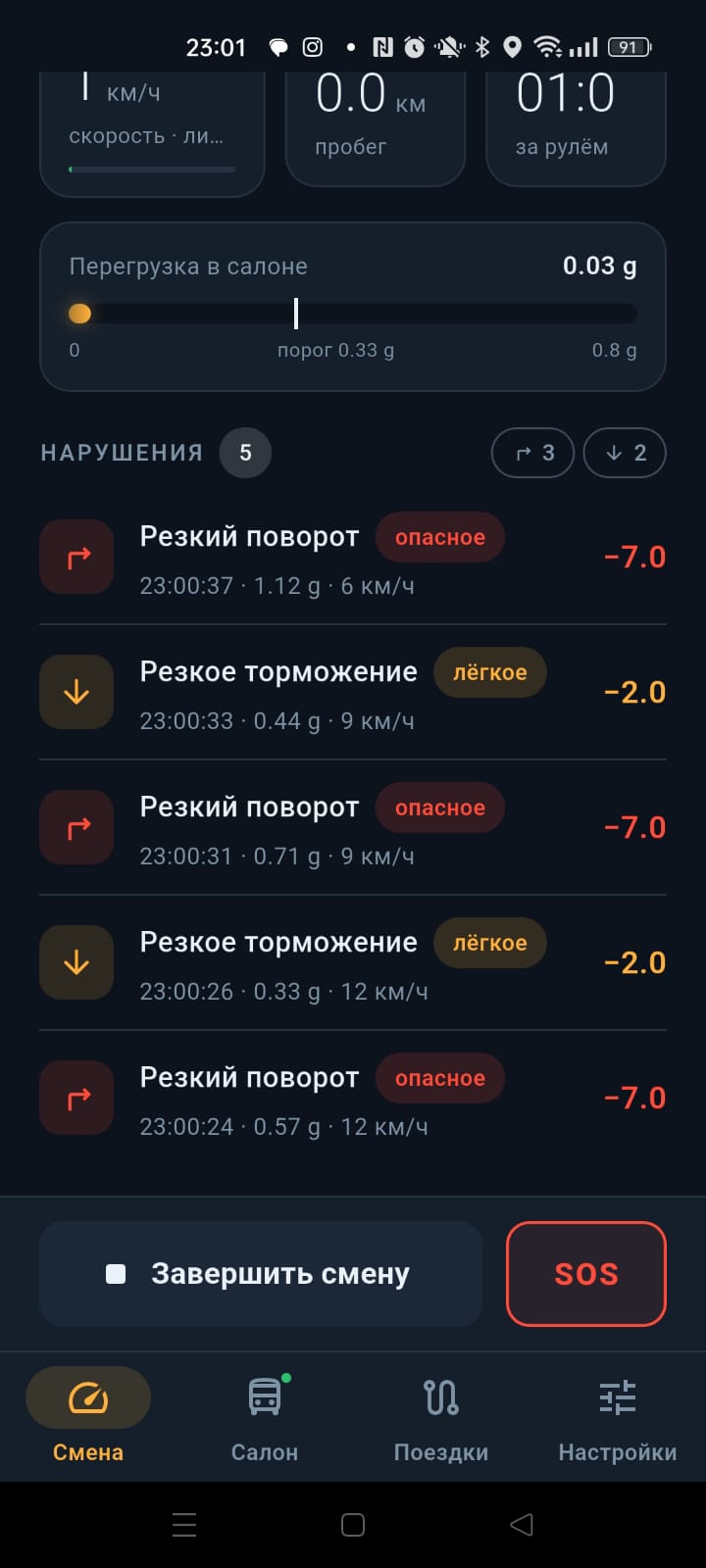
RIDEMETRIC is a small hardware device that mounts inside a bus and detects harsh braking, sharp turns, and speeding in real time. The moment it detects dangerous driving, it alerts the driver instantly with an onboard buzzer, and it logs the event locally so nothing is lost even if the connection drops. The data syncs to our companion app, so bus operators can see patterns in how their drivers actually drive and hold them accountable, helping every driver become more careful over time.
How we built it
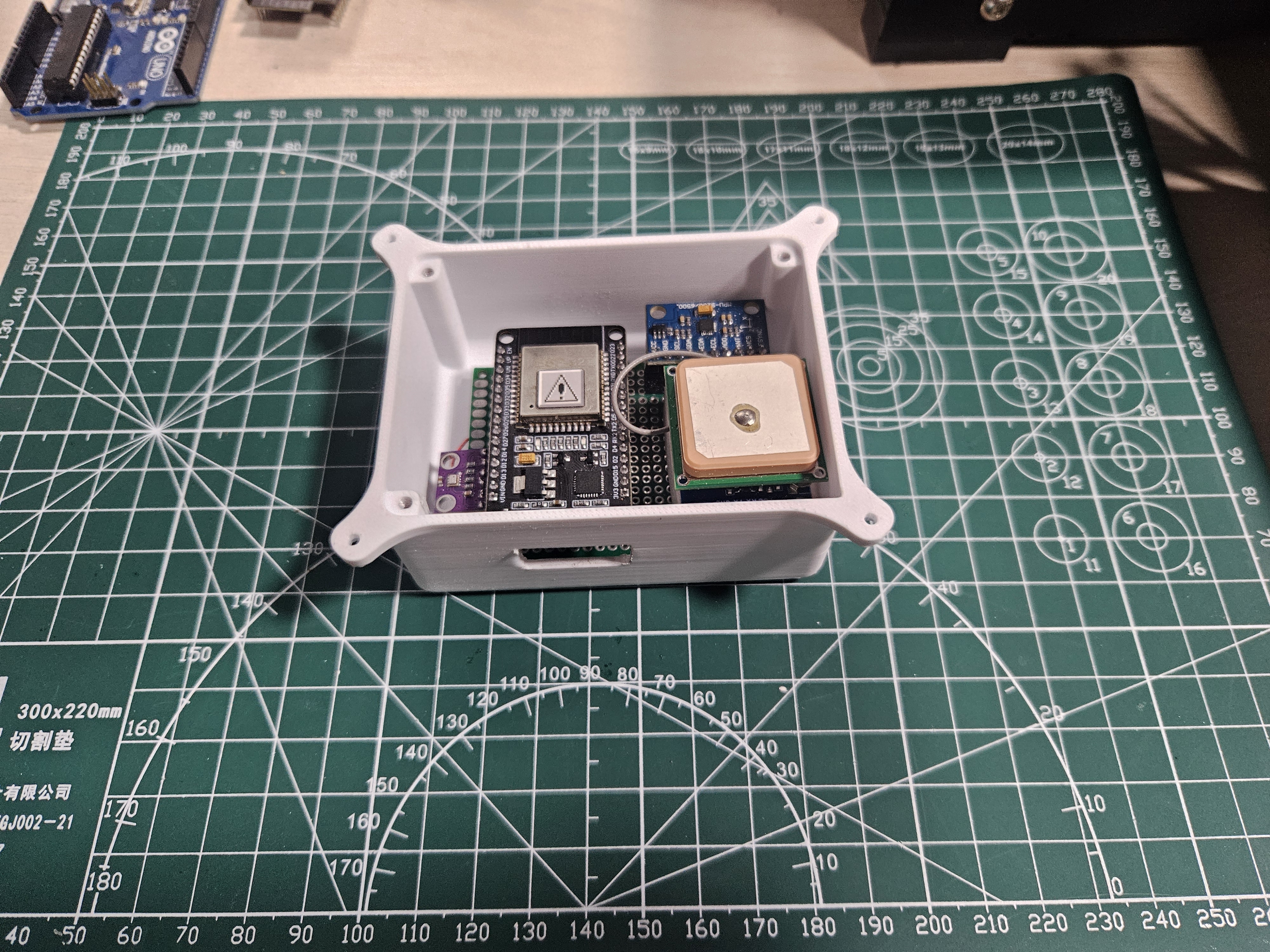
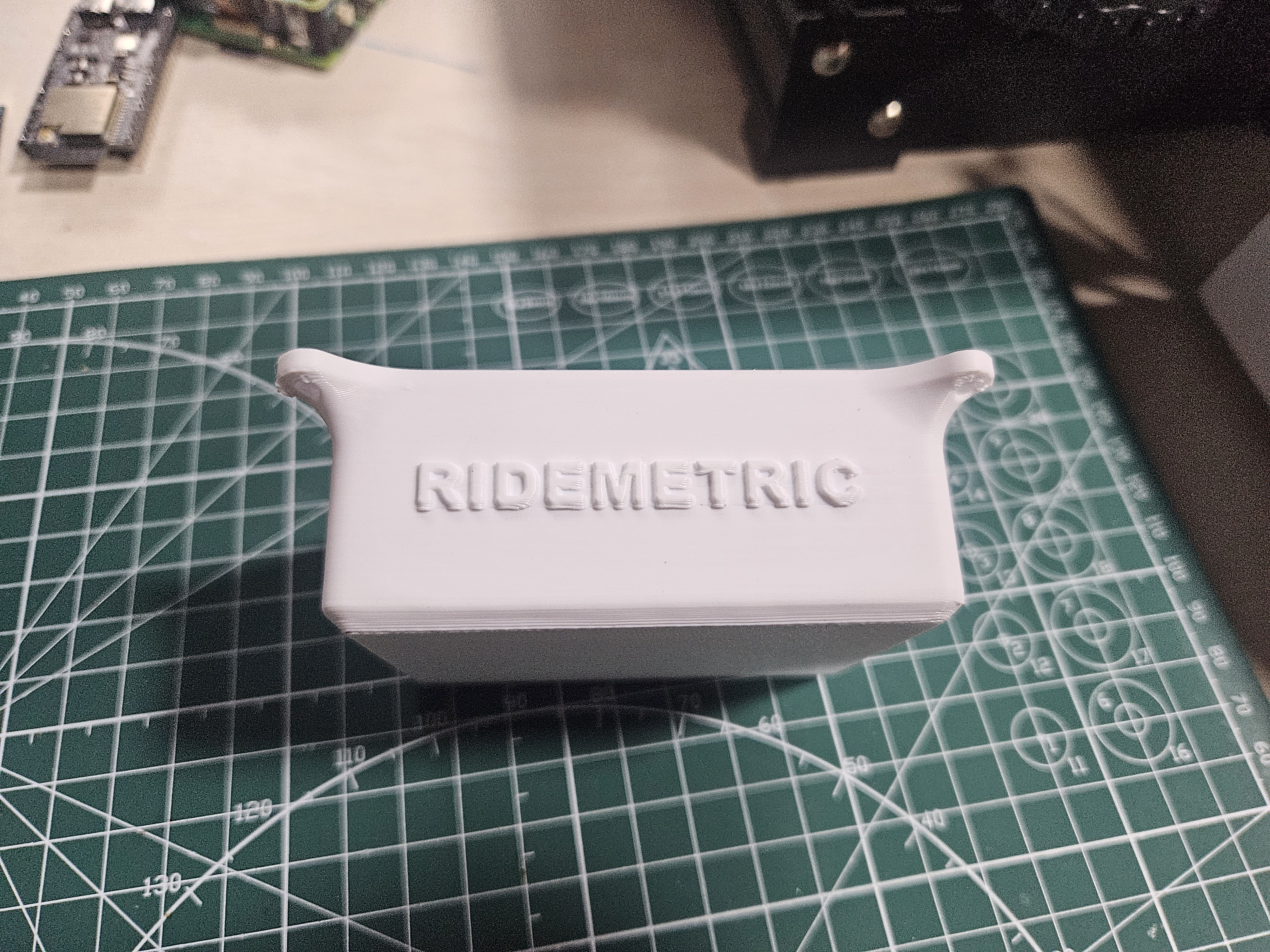
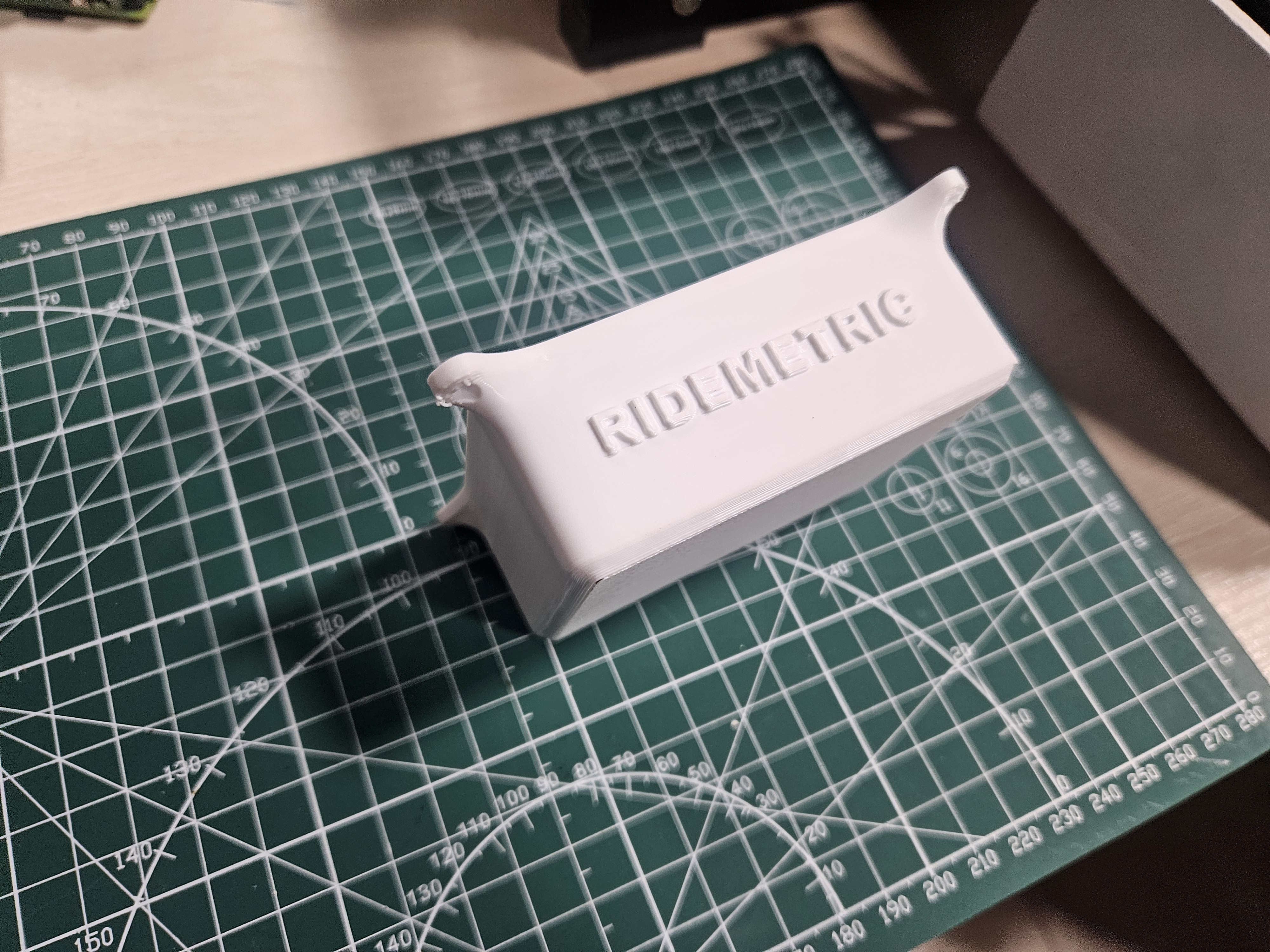
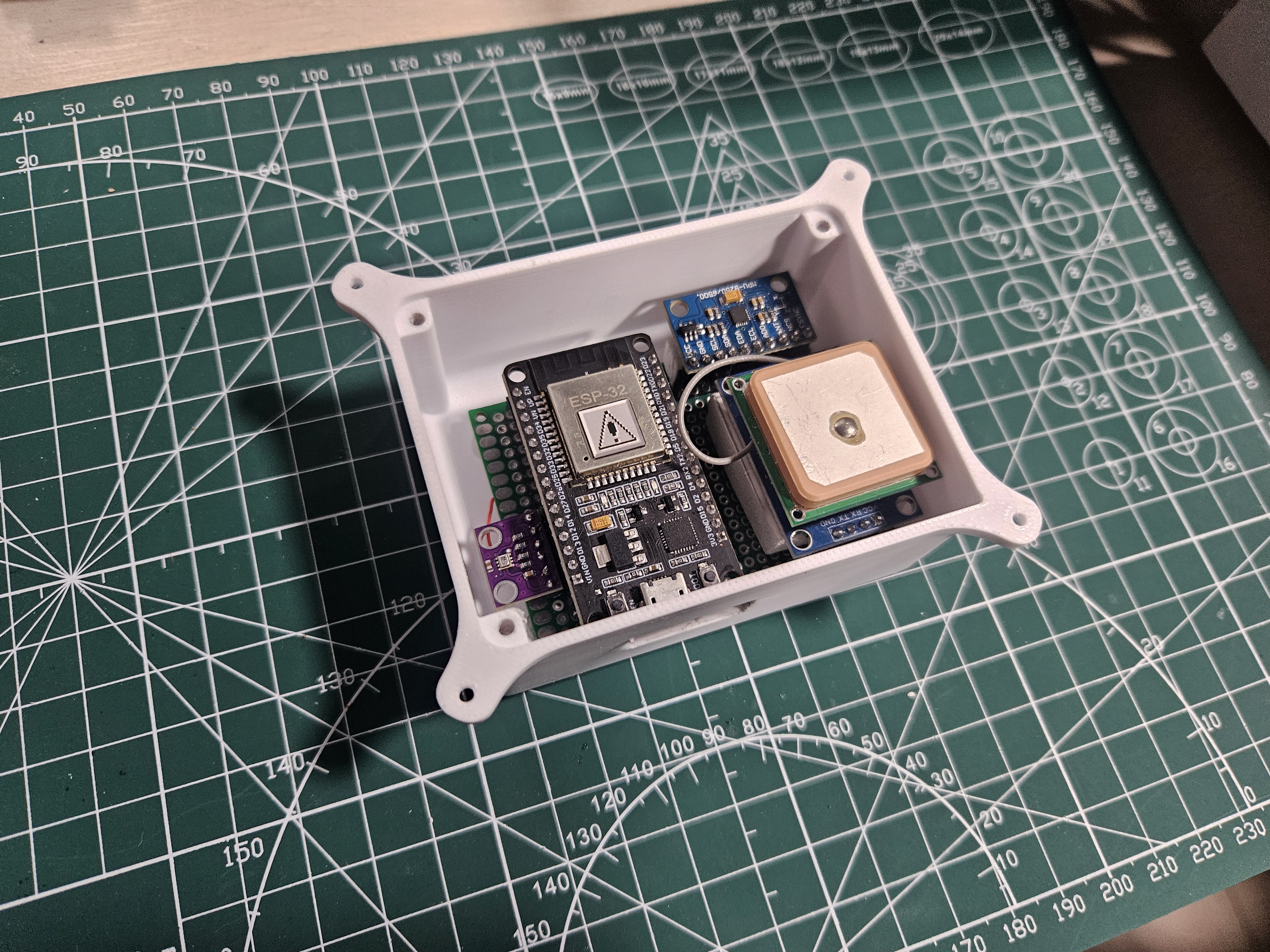
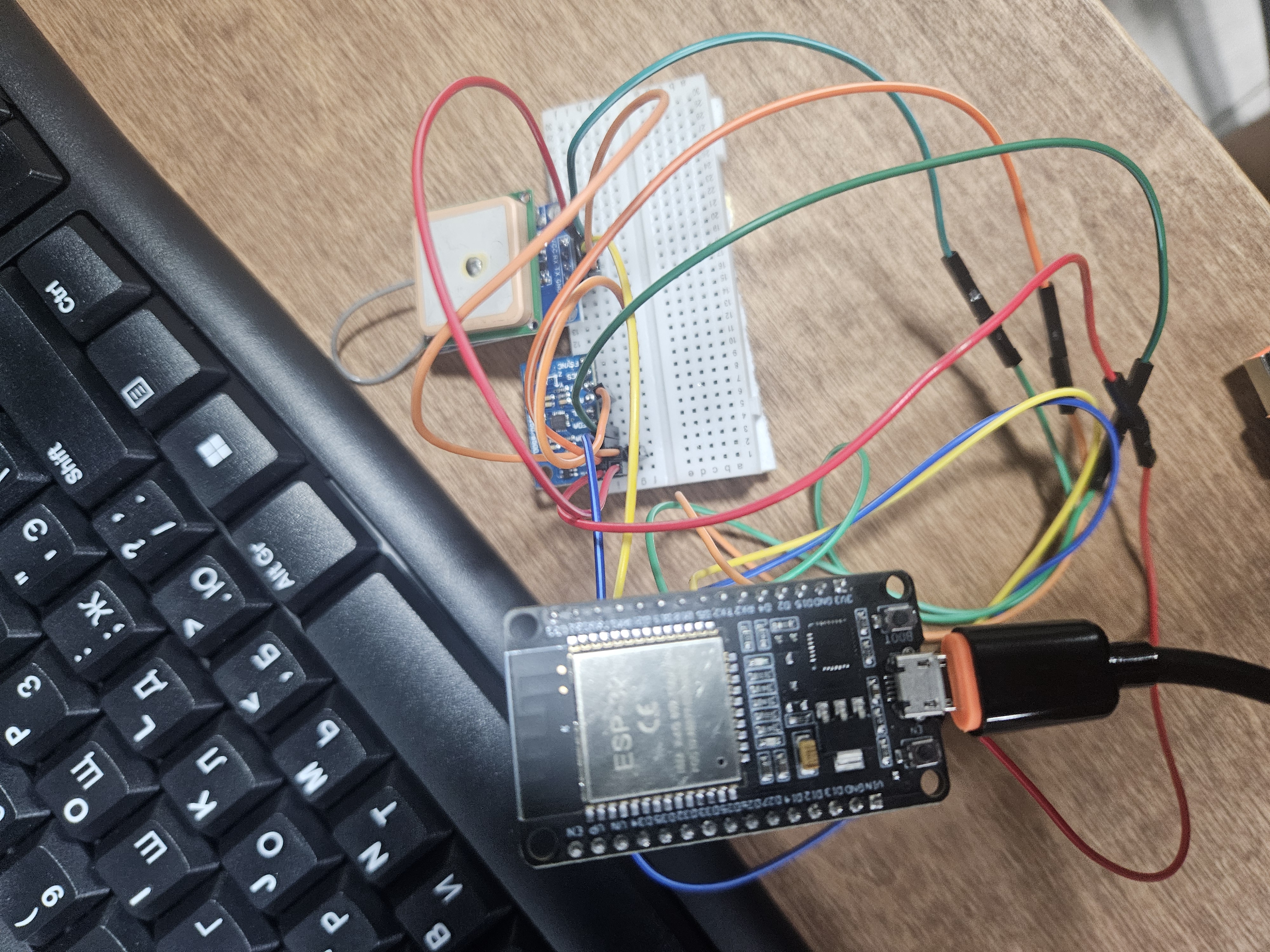
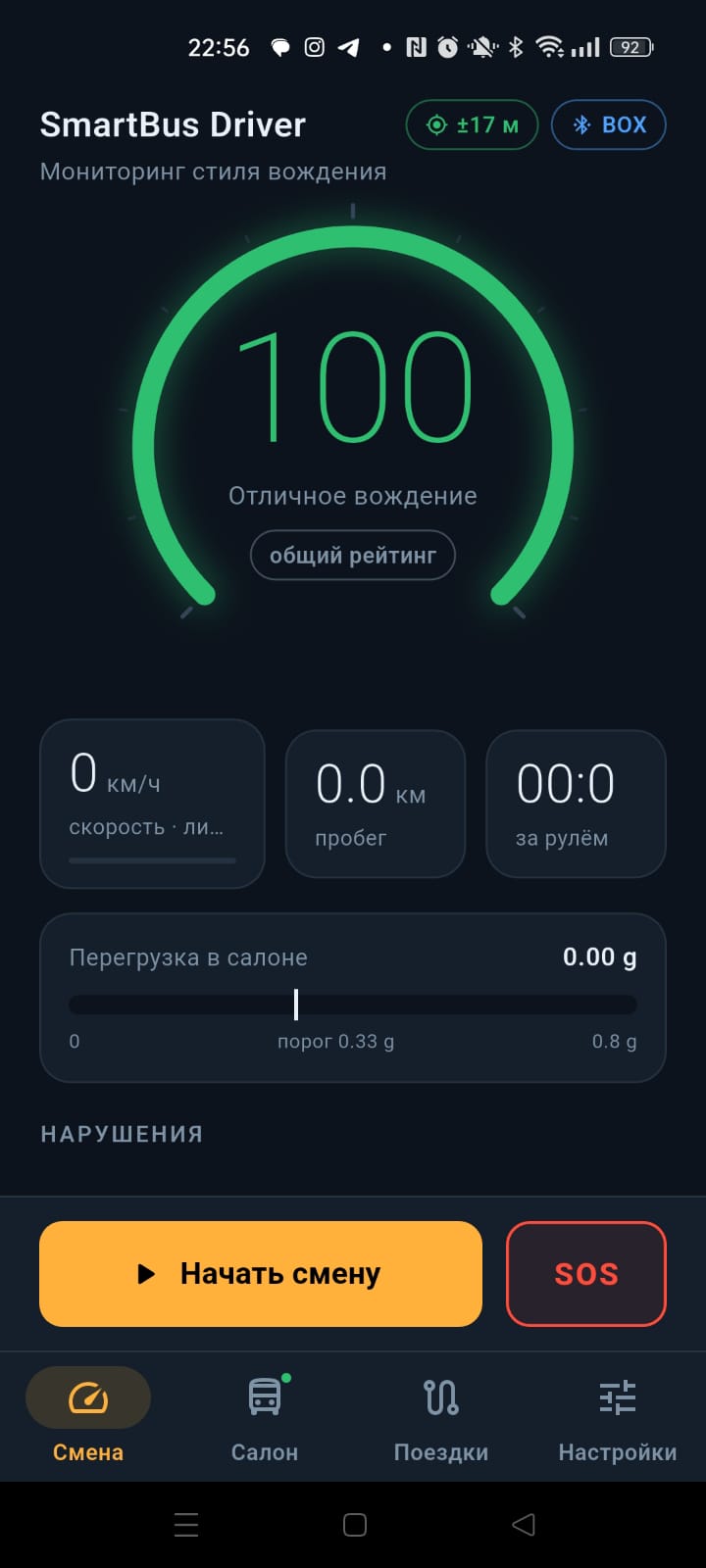
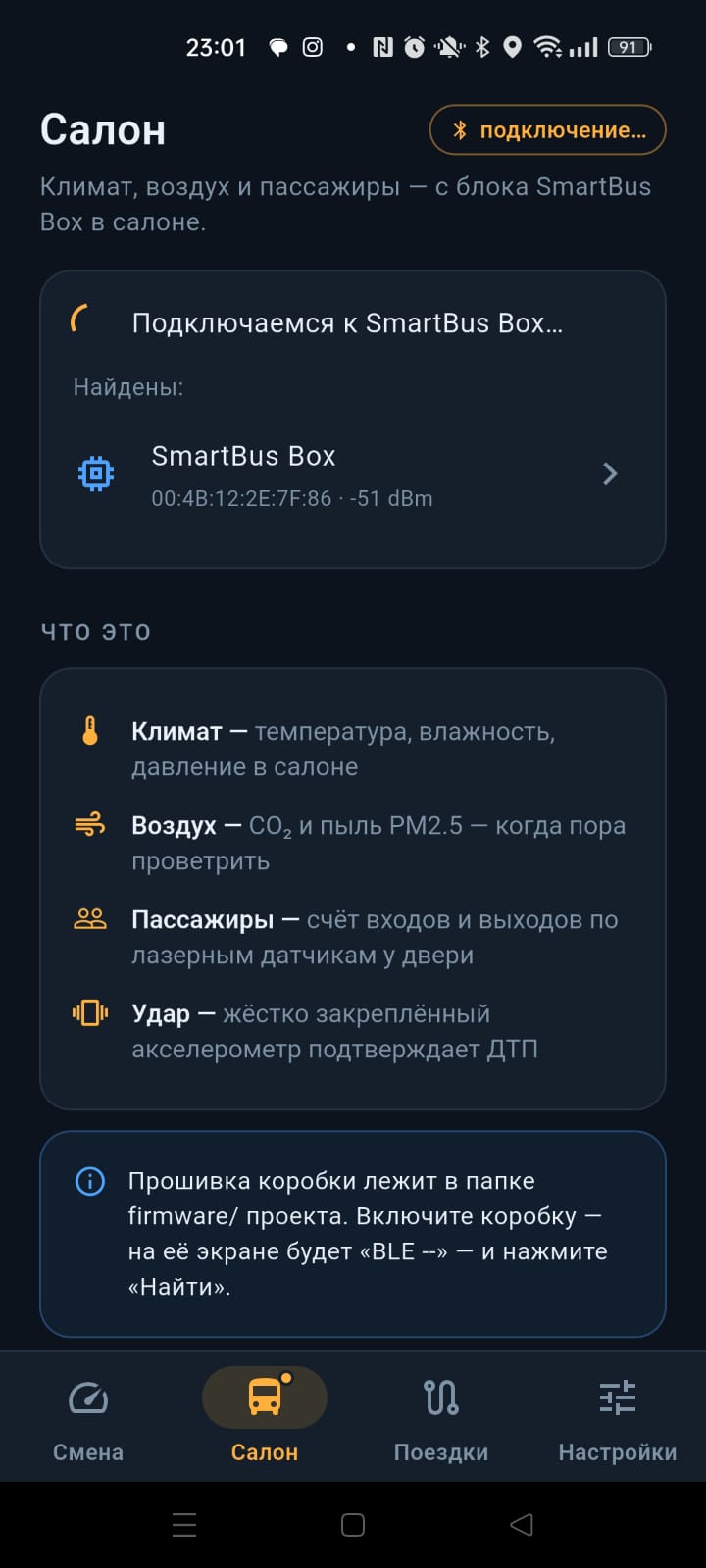
We used an ESP32 microcontroller as the brain of the device, a GPS module to track location and speed, an accelerometer and gyroscope to detect harsh braking and sharp turns, a microSD module for local data storage, and a buzzer for instant driver alerts. We wrote the firmware in the Arduino IDE, built a custom Android app that connects to the ESP32 over Bluetooth to receive live data, and designed and 3D-printed an enclosure to protect the electronics inside a moving vehicle.
Challenges we ran into
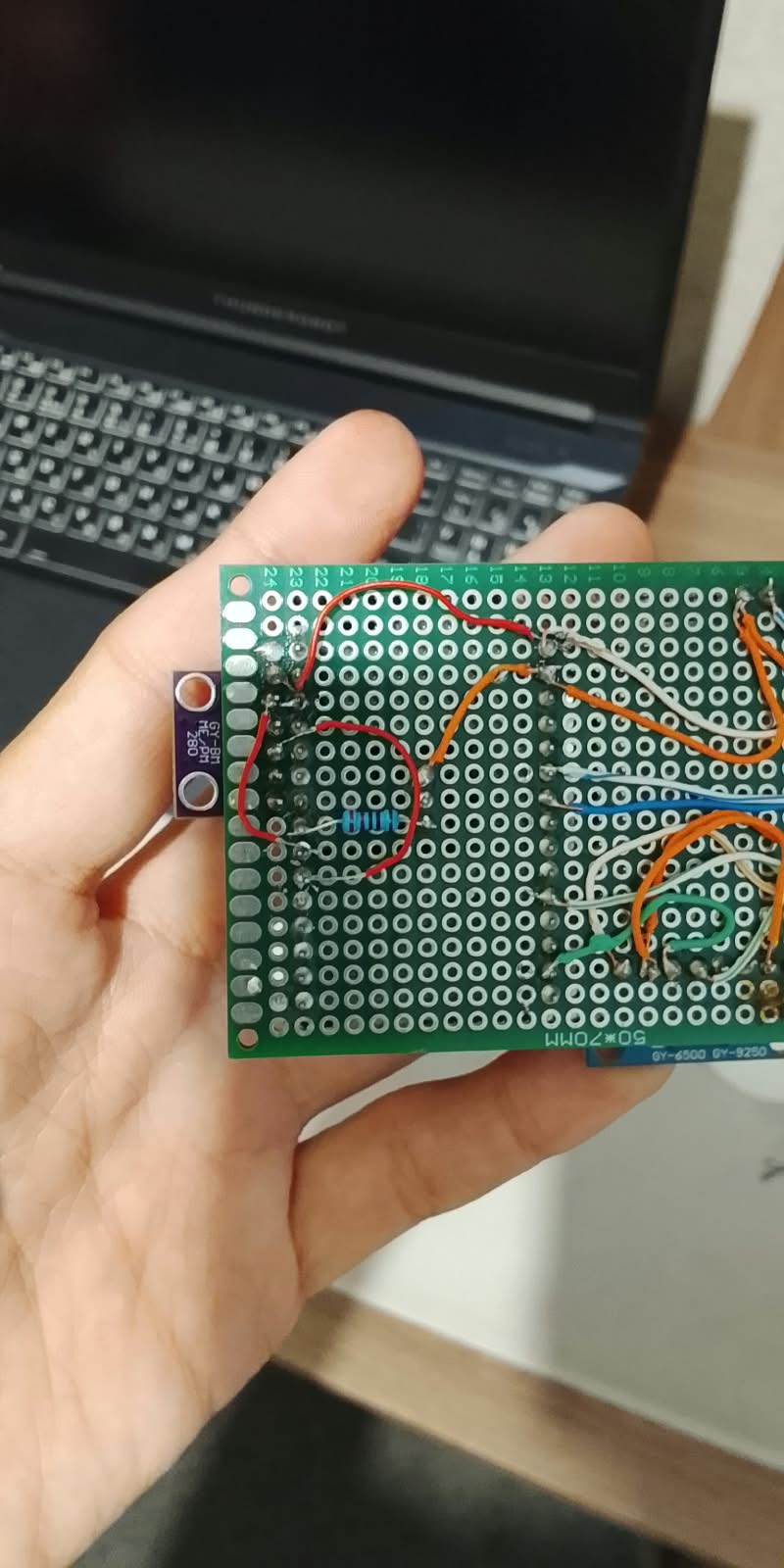
Soldering everything together was one of the biggest challenges, since I didn't have much soldering experience going in. Designing the enclosure was also a real challenge: getting the 3D model right took several iterations, and I had to reach out to and coordinate with suppliers to actually source the parts, which was a new experience for me.
Accomplishments that we're proud of
We went from an idea sparked by a real injury to a fully sourced, priced, and partially built prototype, including our own Android app that talks to the device over Bluetooth. We identified real engineering challenges specific to buses, like GPS antenna placement under a metal roof and automotive-grade power handling, that a simpler design would have missed entirely.
What we learned
I significantly improved my soldering and 3D modeling skills through this project, going from barely knowing how to solder to assembling a working device. More than anything, I learned that a social project is about more than just the technology, it's about actually solving a problem that affects real people, not just building something impressive.
What's next for RIDEMETRIC
Our next step is running a real pilot with a bus operator in Kazakhstan, putting multiple units on real buses to collect real driving data and prove the device works outside a lab. From there, we plan to add computer vision to detect things sensors alone can't catch, like drowsy driving or distracted driving, and improve our detection logic with machine learning and AI so the device gets better at telling real dangerous driving apart from normal bumps and turns. We want to expand across more cities and operators in Kazakhstan, then take RIDEMETRIC further, making it a standard safety tool for public transit around the world, so no one else gets hurt the way my friend did.
Built With
- arduinoide
- autodesk-fusion-360
- esp32


Log in or sign up for Devpost to join the conversation.