-

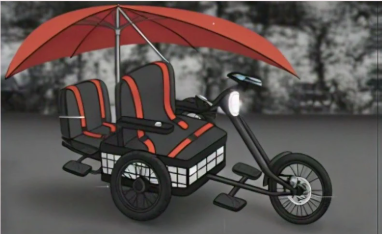
RideAble is an adaptive tricycle that supports rehabilitation and independent mobility for people with disabilities.
Inspiration
We were inspired by the mobility and rehabilitation challenges faced by individuals with Autism Spectrum Disorder (ASD) and stroke survivors. Many rely on passive therapies that can feel repetitive or isolating. We wanted to create a solution that is not only therapeutic but also empowering, social, and confidence-building. Partnering with Ageless Bicyclists exposed us to real stories of individuals who regained mobility, independence, and joy through adaptive cycling. This motivated us to design RideAble, a practical, inclusive, and exercise-driven solution that bridges therapy and mobility in a meaningful way.
What it does
RideAble is an adaptive tricycle designed to support individuals with different mobility and sensory needs. It provides:
- Stability and balance support for users recovering from stroke
- Customisable features such as adjustable backrests, support straps, and pedal assistance
- Comfortable and safe riding posture to reduce strain
- Cargo or passenger space to promote practical use (e.g., deliveries, support riding)
- Rehabilitative motion that encourages cardiovascular fitness, leg mobility, and coordination It enables safe exercise, social interaction, and independent movement — a step beyond traditional rehabilitation equipment.
How we built it
User Research:
- We consulted Ageless Bicyclists, therapists, and potential beneficiaries to understand mobility limits, safety needs, and environmental constraints. Prototyping & Design:
- We modified a tricycle frame to include enhanced stability
- Added harness and seating support for posture correction
- Integrated pedal assist options for reduced strain
- Designed a modular cargo compartment for multi-purpose use Digital Mockups:
- 3D models and ergonomic layouts helped us visualise proportions and mechanical feasibility before fabrication. Testing & Refinement:
- Feedback from caregivers and users informed improvements in seating, handlebar height, and accessibility of entry.
Challenges we ran into
Some key challenges included:
- Balancing safety with mobility without making the tricycle bulky or restrictive
- Adapting the design to different user conditions (stroke vs ASD vs other mobility impairments)
- Ensuring affordability without compromising quality or support features
- Finding the right materials for comfort, durability, and ease of maintenance
- Time limitations for user testing and iterative prototyping These challenges pushed us to rethink, refine, and creatively combine comfort, independence, and rehab support.
Accomplishments that we're proud of
- Building a functional and practical adaptive mobility prototype within 2 weeks
- Integrated exercise-based therapy with real-world usability
- Designed a bike that promotes independence, inclusion, and confidence
- Created a solution that can support both rehabilitation and vocational use (e.g., delivery riding, training, assisted cycling tours)
What we learned
- A deeper understanding of universal and adaptive design principles
- Insight into the rehabilitation journey of stroke and ASD individuals
- Skills in user-centered prototyping, teamwork, and co-creation
- Awareness of the importance of community partnerships in social innovation The value of designing beyond disability, for dignity, purpose, and participation
What's next for RideAble
Moving forward, we aim to:
- Refine the prototype with feedback from therapists, users, and caregivers
- Develop motor-assisted and digital monitoring features (e.g., progress tracking, safety sensors)
- Partner with more social service agencies and rehab centres for pilot testing
- Explore rental or shared fleet models for community cycling programmes
- Train volunteers and facilitators to support inclusive cycling sessions
- Scale production for wider accessibility and real-world impact RideAble isn’t just a prototype, it’s a step towards mobility equity and rehabilitative empowerment.
Built With
- canva

Log in or sign up for Devpost to join the conversation.