-
-
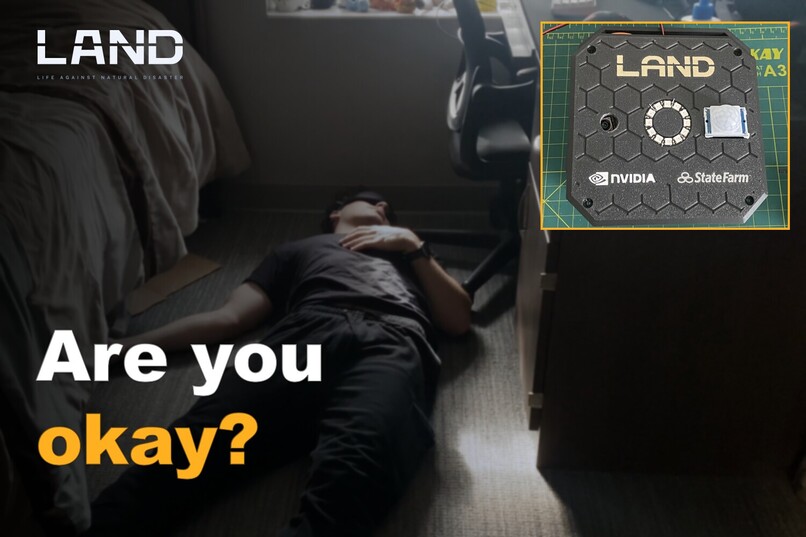
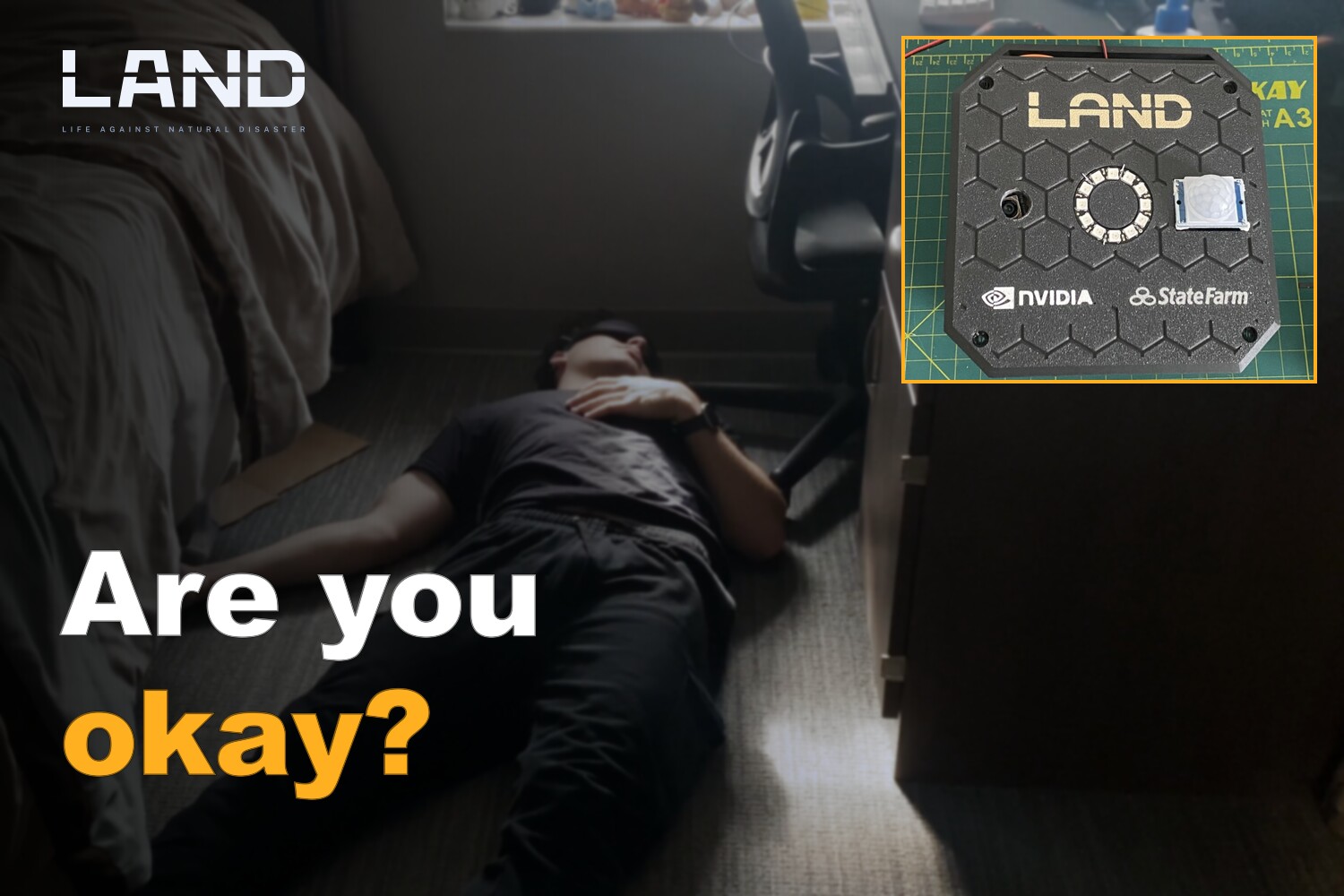
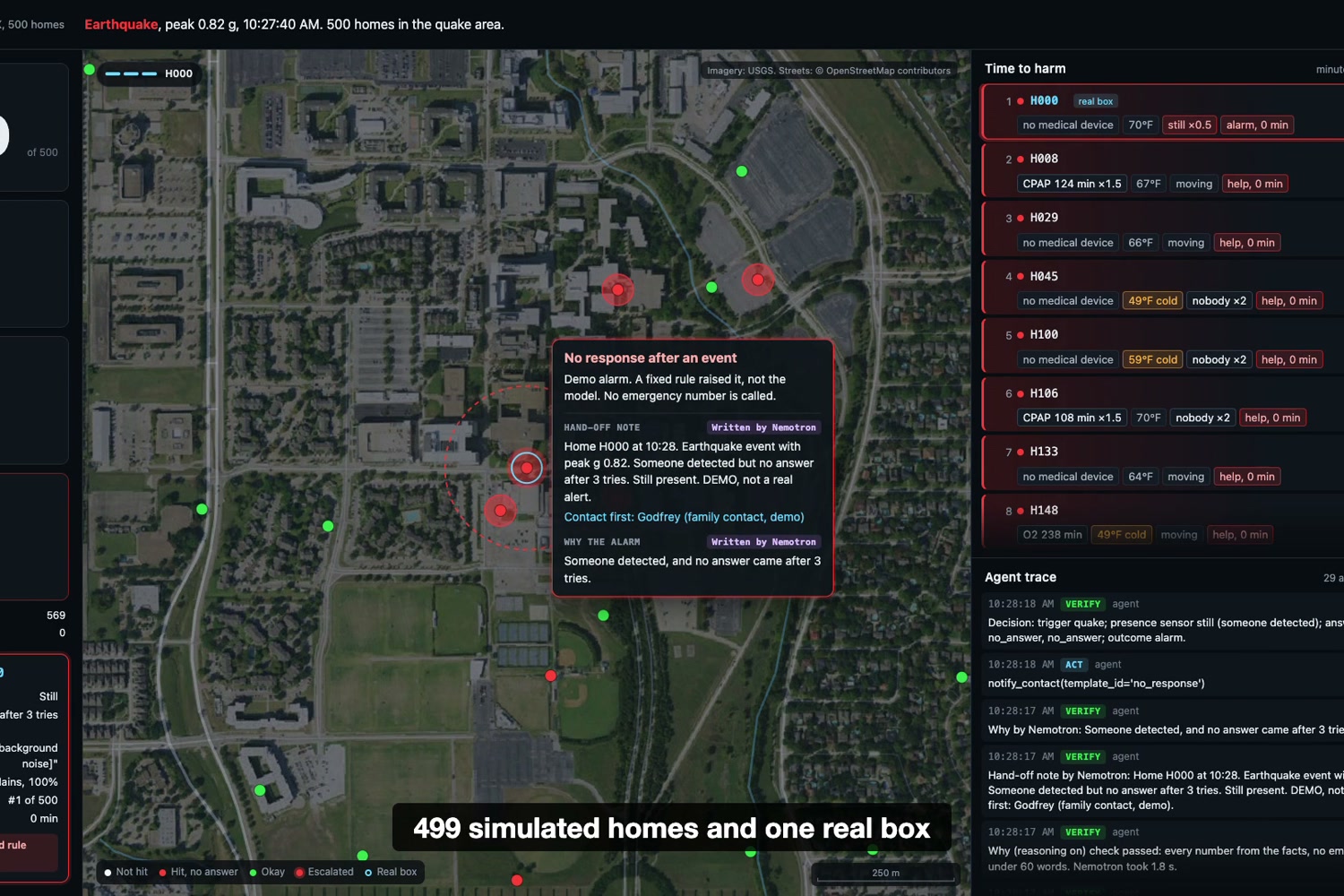
After the shaking, our real LAND box asks out loud if you are okay. No answer three times, with someone there, raises a demo alarm. Staged.
-
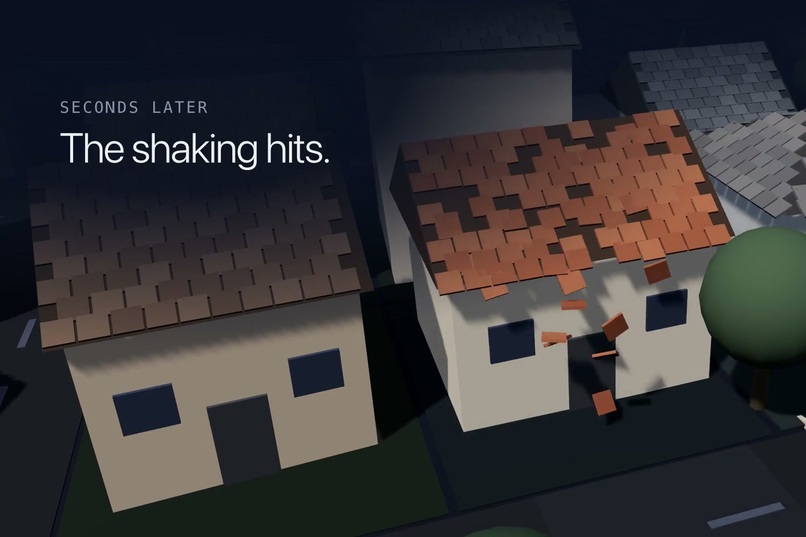
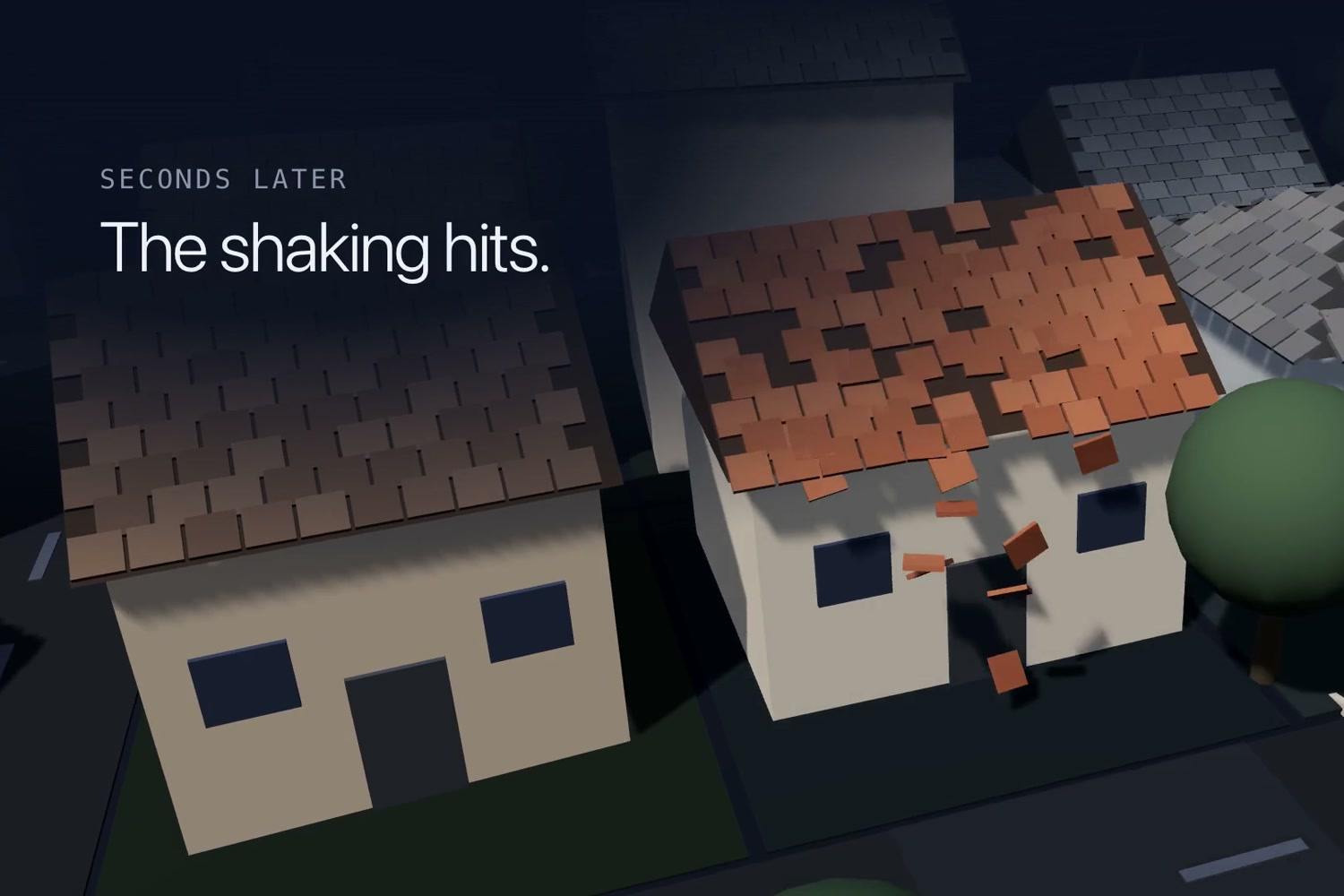
Seconds after the warning, the shaking hits. LAND's box notices and starts its check-in.
-
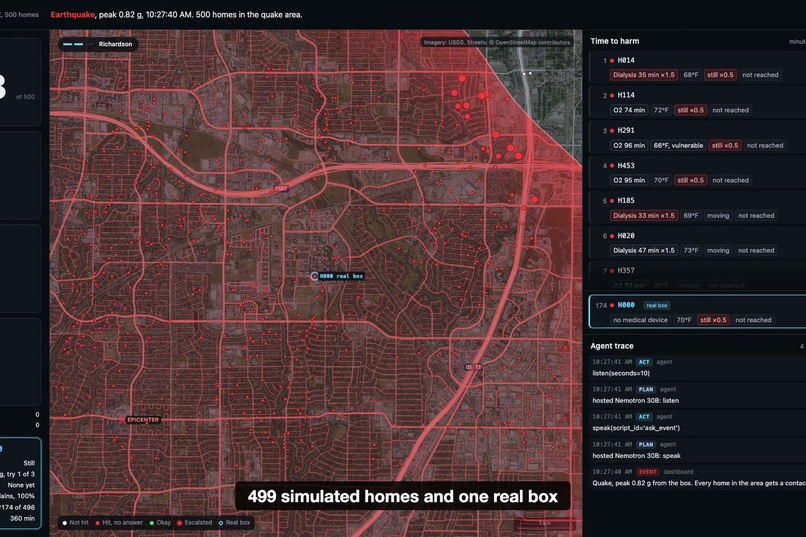
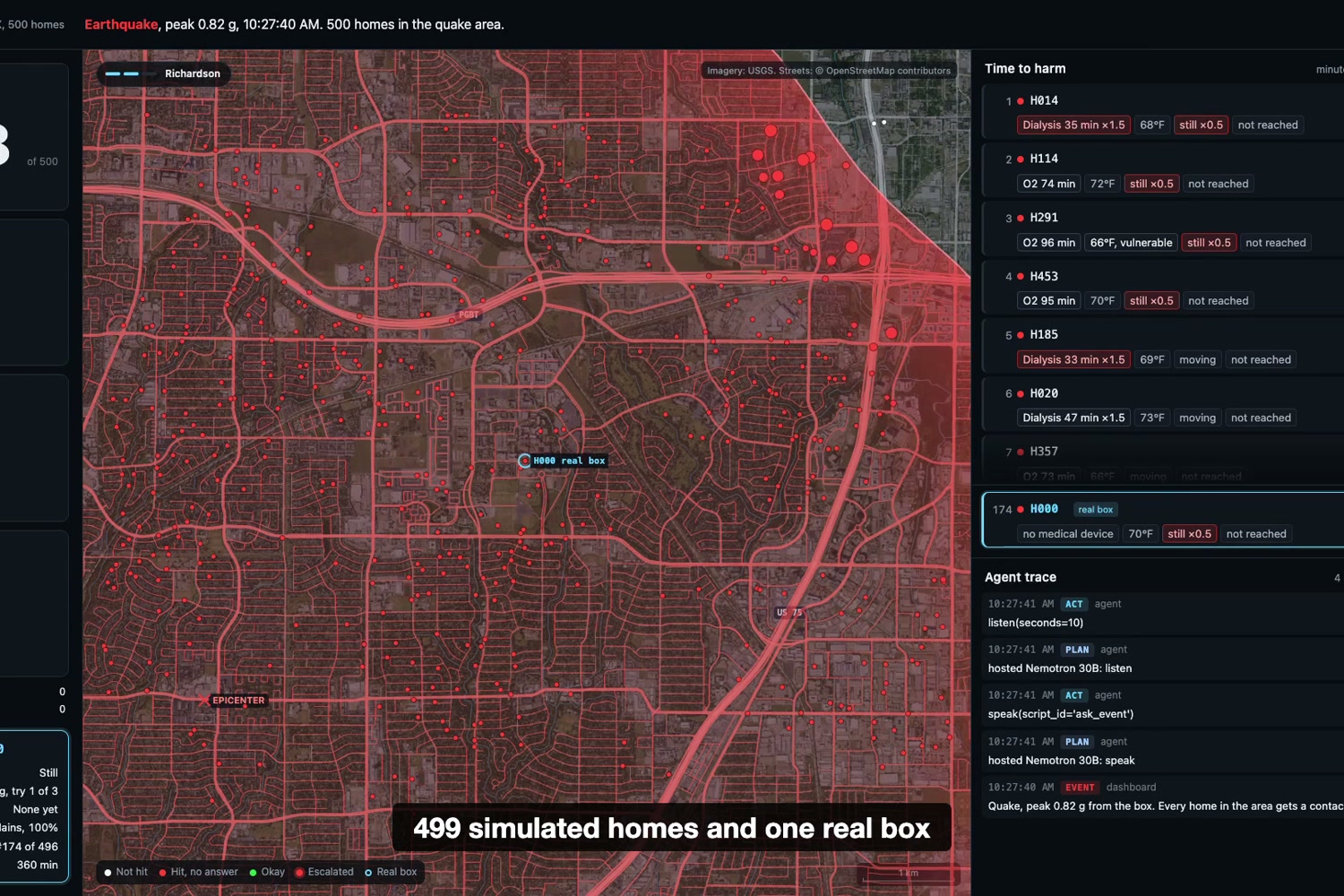
The quake map: shaking strength over 499 simulated homes and one real box. LAND ranks who to check on first.
-
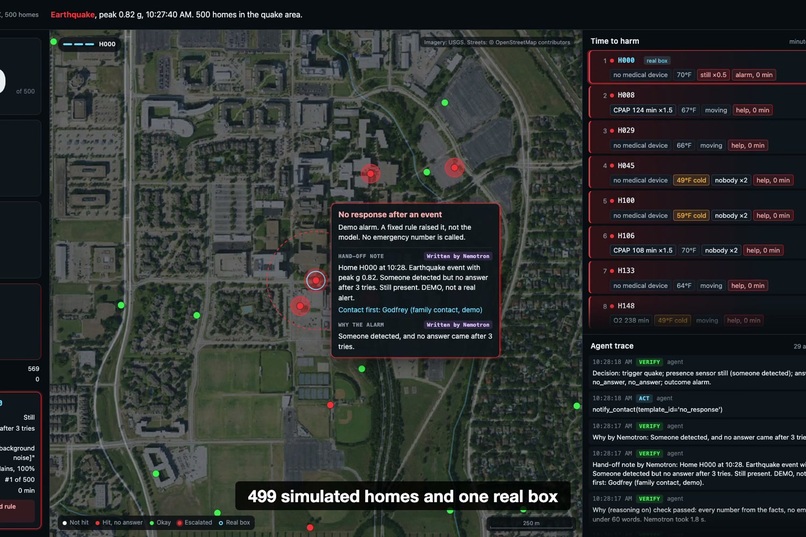
The dashboard ranks every affected home and writes a short note for the people who check on them.
-
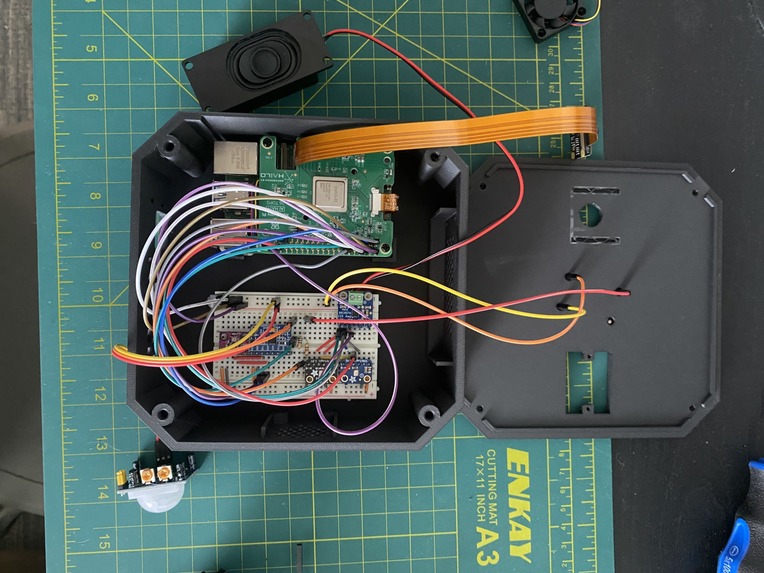
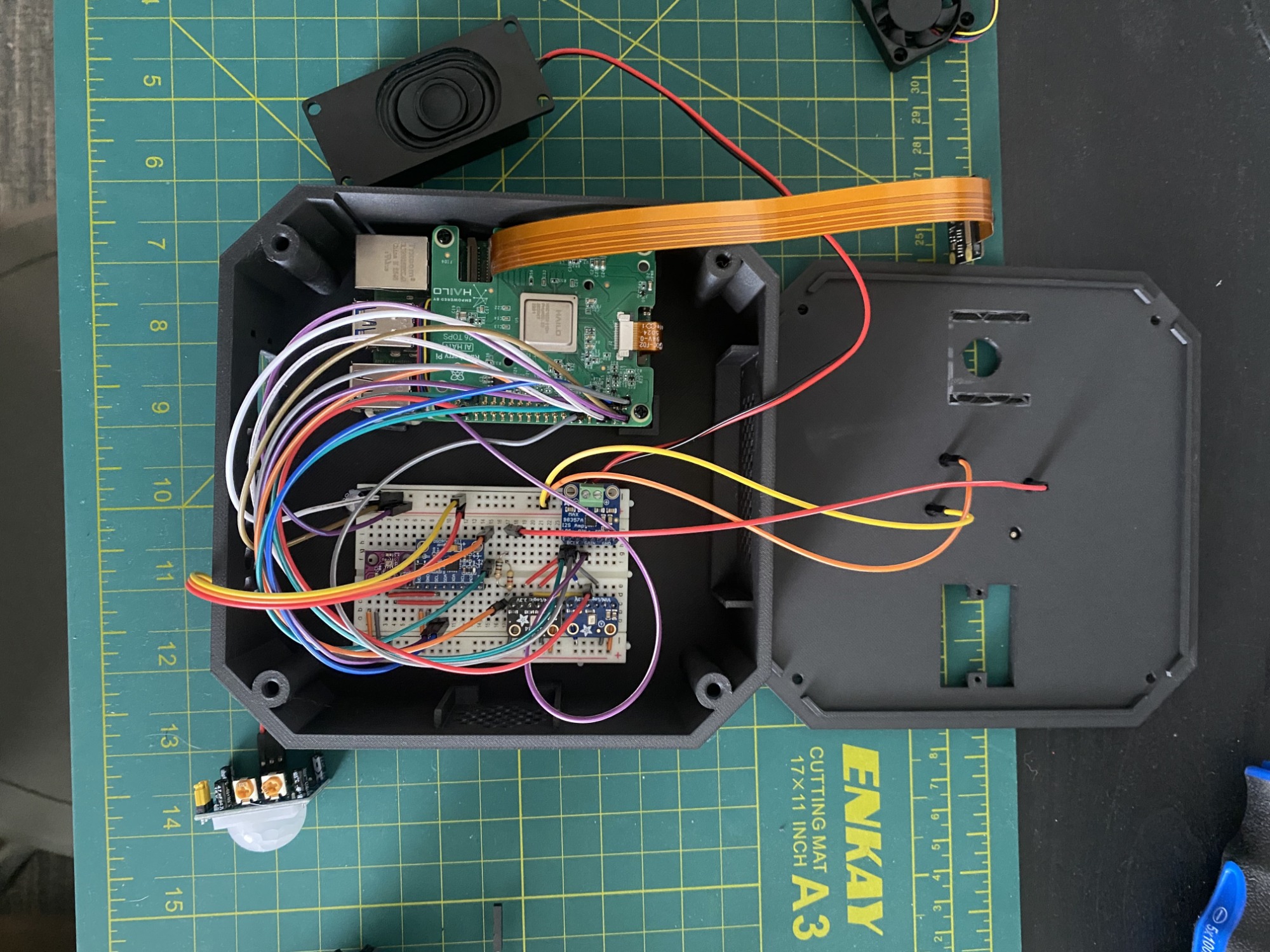
Inside the box: a Raspberry Pi 5 with a Hailo AI HAT+, the camera, a speaker amp and sensors on a breadboard. Wired by Rafael this weekend.
-

LAND: Life Against Natural Disaster. A home safety box that checks on you by voice after an earthquake.

Inspiration
Natural disasters are something that we can't always prevent, however what we can do is improve how we respond to them. One of the biggest problems is that during a disaster, the people who need help the most are sometimes the ones who can't ask for it. Someone could be injured, unconscious, or alone with nobody knowing what happened to them.
During the 2021 Texas Winter Storm, 246 people lost their lives, with 158 deaths caused by hypothermia. This made us think about how many people could have been saved if emergency responders had known their situation earlier.
This inspired us to create LAND (Life Against Natural Disaster), a system that doesn't just warn people of danger, but also checks whether they are okay.
What it does
LAND is a home safety box that checks on people after a natural disaster or dangerous event. When an earthquake, emergency alert, or sudden lack of movement is detected, the device asks "Are you okay?" up to three times. If the person asks for help or doesn't respond, an alarm is created. If nobody is present, no alarm is needed.
The information is then sent to a dashboard for local emergency responders, where affected homes are ranked based on their estimated time until harm and whether help was requested. This allows responders to prioritize the homes that need help first instead of checking every house without knowing what happened inside.
How we built it
Our project was divided into hardware and software, with Godfrey working on the software while I focused on the hardware.
We used a Raspberry Pi 5 with an AI HAT+ and Camera Module 3 to detect people, including those who are not moving. NVIDIA Nemotron controls the voice check-in through different tools, while ElevenLabs handles speech-to-text and text-to-speech.
One important part was making sure the AI could not make emergency decisions by itself. Instead we implemented rules directly in code, with Nemotron Safety Guard checking transcripts and the agent limited to approved responses.
We also implemented fallback options using a local Nemotron 4B model and a fixed script, along with a NOAA SAME decoder for emergency alerts.
Our demonstration uses one physical box and 499 simulated homes, with a test earthquake and simulated sensor information to demonstrate the emergency dashboard. No real emergency services are contacted.
Challenges we ran into
One of our biggest challenges was changing our original idea from Lifeline Grid into LAND. We realized that detecting a disaster wasn't enough, we needed to know if the people affected were actually okay.
We also ran into hardware limitations, since some components like the radar and battery board weren't available. This made us switch to camera-based detection. Another challenge was preventing the AI from making unsafe decisions, which is why we separated the alarm rules from the model.
Accomplishments that we're proud of
We are especially proud of connecting the entire process, from detecting an event to asking the person if they are okay, generating an alarm and showing that information on a prioritized emergency dashboard.
We also developed a system where the AI cannot override the alarm rules, and implemented fallbacks so the voice check-in can continue even when the hosted model is unavailable.
What we learned
Throughout this project we learned how to integrate AI with physical hardware, especially when reliability is extremely important. One of the biggest things we learned was that giving an AI more control doesn't necessarily make a system better, and sometimes limiting its decisions makes it much more reliable.
We also gained experience with edge AI, emergency alert systems and adjusting our design when the hardware we originally planned wasn't available.
What's next
We want to continue improving LAND by fully integrating the physical sensors, adding battery backup and implementing LoRa or mesh communication so homes can communicate even when internet and cellular networks are unavailable.
We also hope to add smoke, carbon monoxide, water and temperature sensors, and eventually test the system with a real emergency response team.
Our goal with LAND is simple, to make sure that during a disaster, the people who need help the most aren't the ones who go unnoticed.
Built With
- css
- elevenlabs
- html
- javascript
- kokoro
- moonshine
- nemotron-safety-guard
- noaa-weather-radio
- nvdia-api
- nvdia-nemotron
- ollama
- openai-sdk
- pi-hat
- pi5
- pytest
- python
- websockets
