-
Kangemi Fire Relief Community Drive
-
Kangemi Fire Relief Community Drive
-
Kangemi Fire Relief Community Drive
-
Kangemi Fire Relief Community Drive
-
Kangemi Fire Relief Community Drive
-
Kangemi Fire Relief Community Drive
-
Kangemi Fire Relief Community Drive
About the Project
What Inspired Me
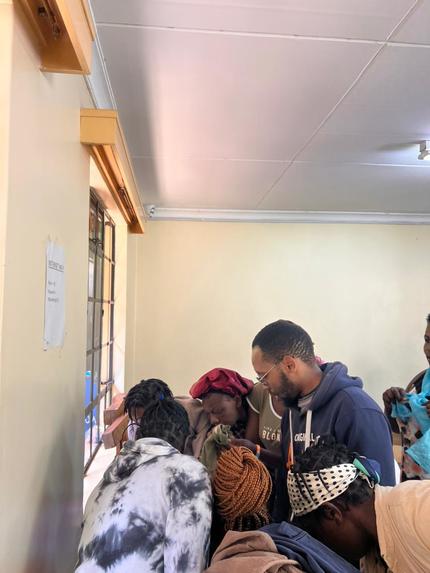
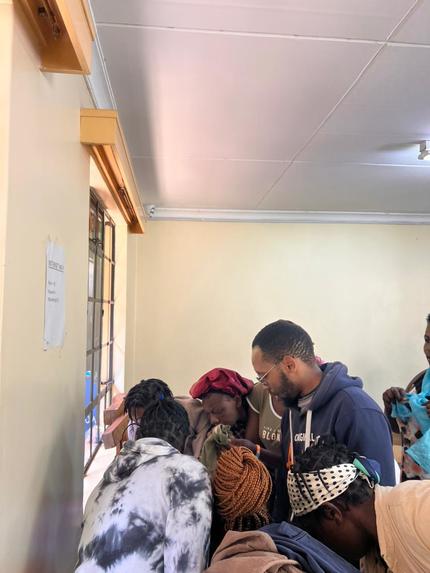
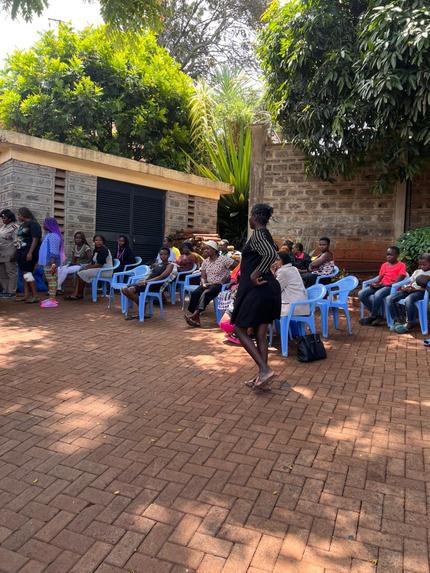
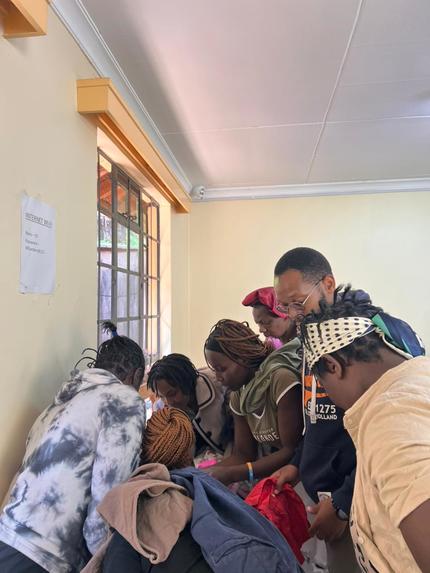
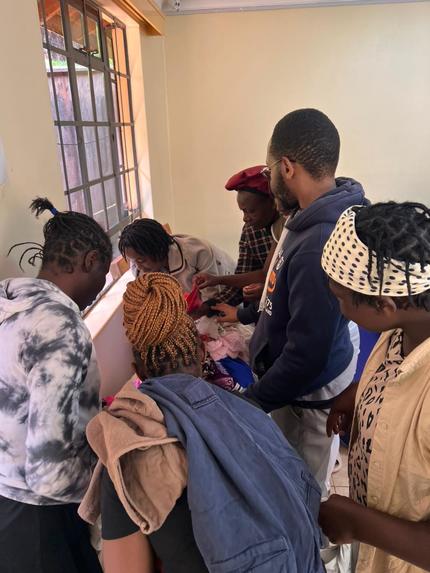
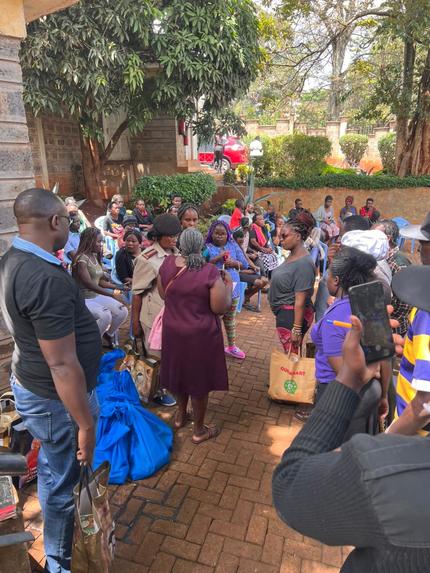
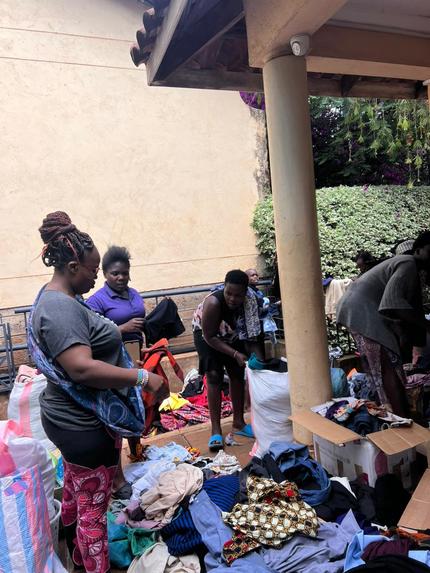
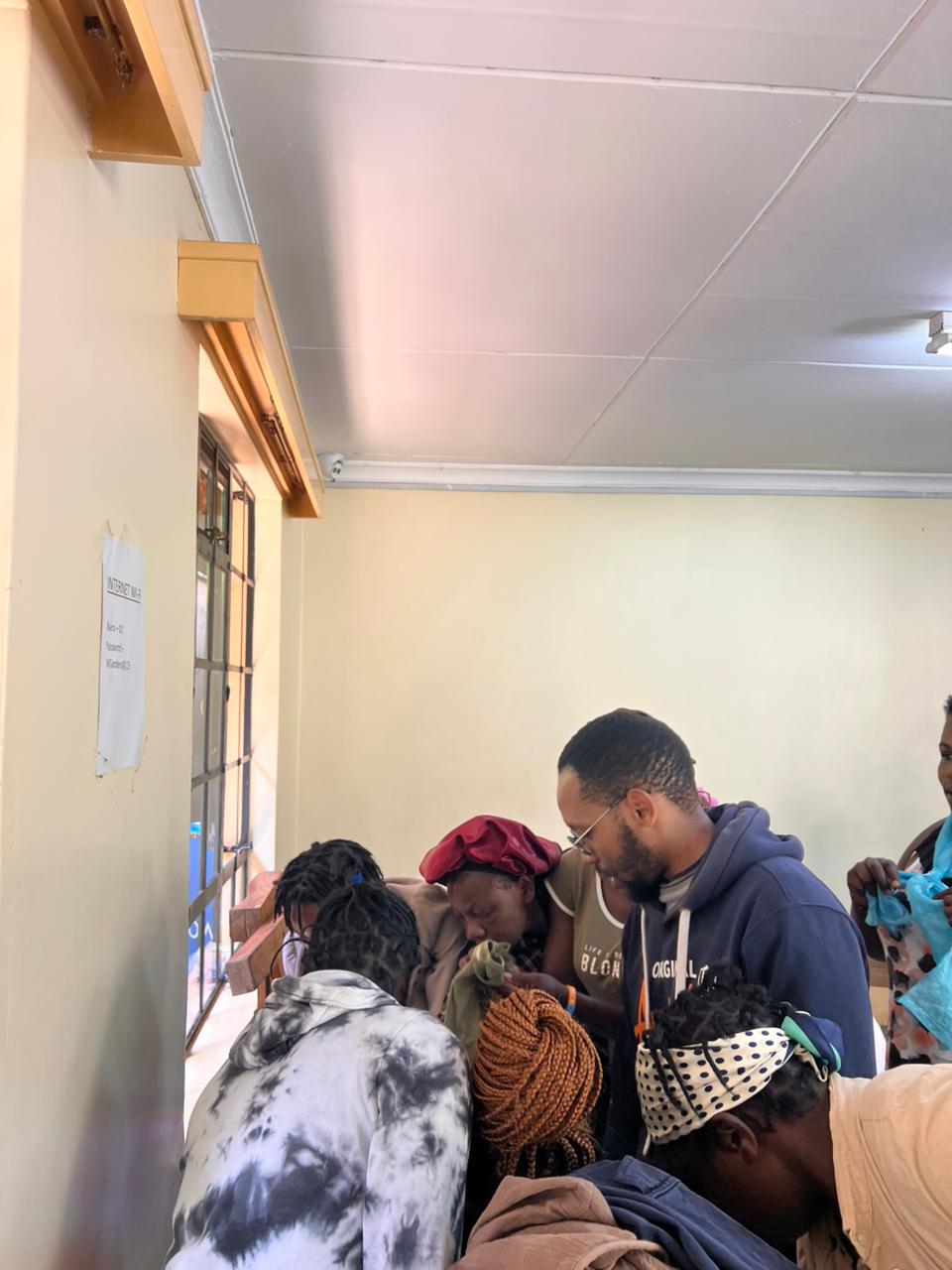
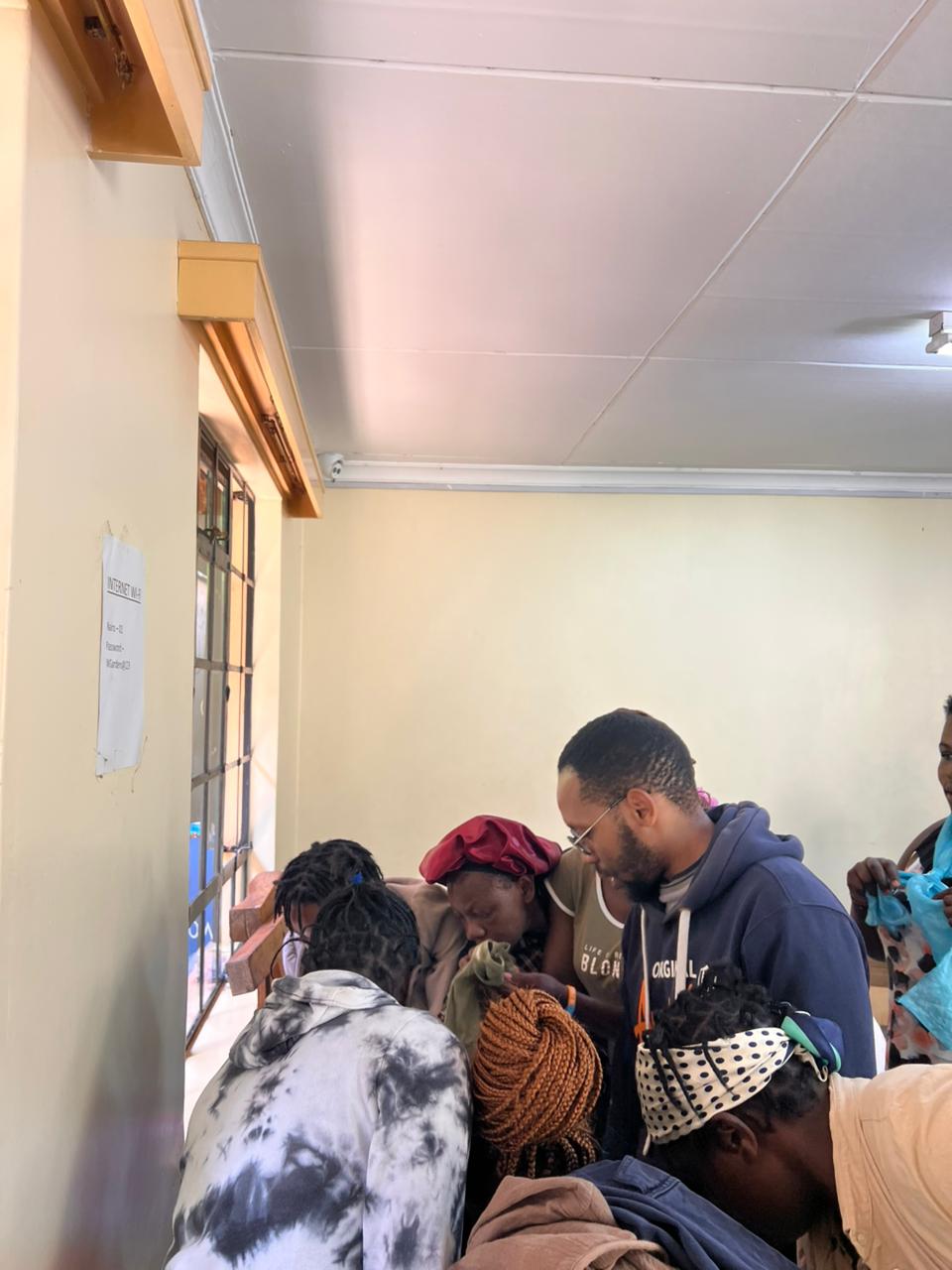
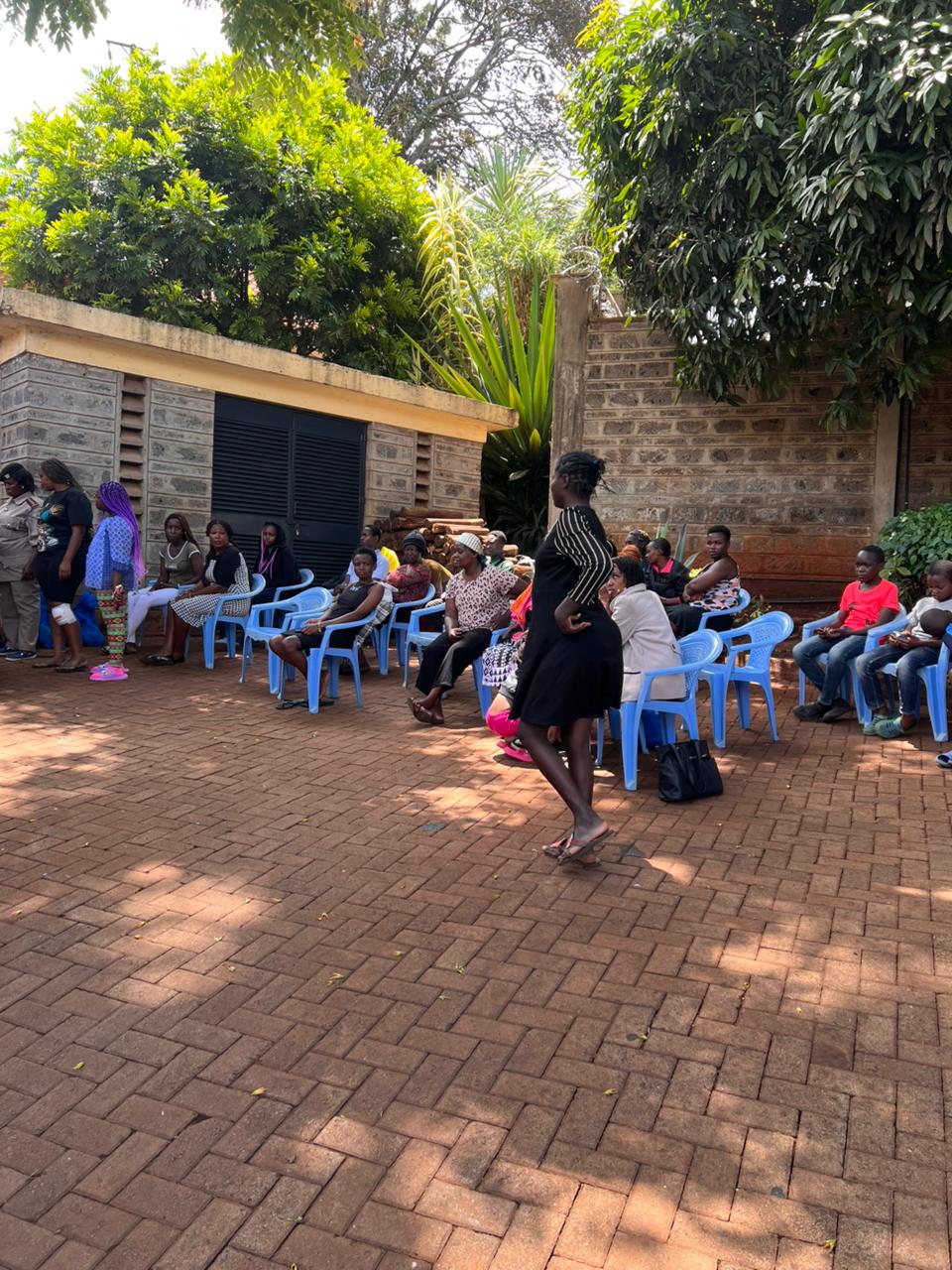
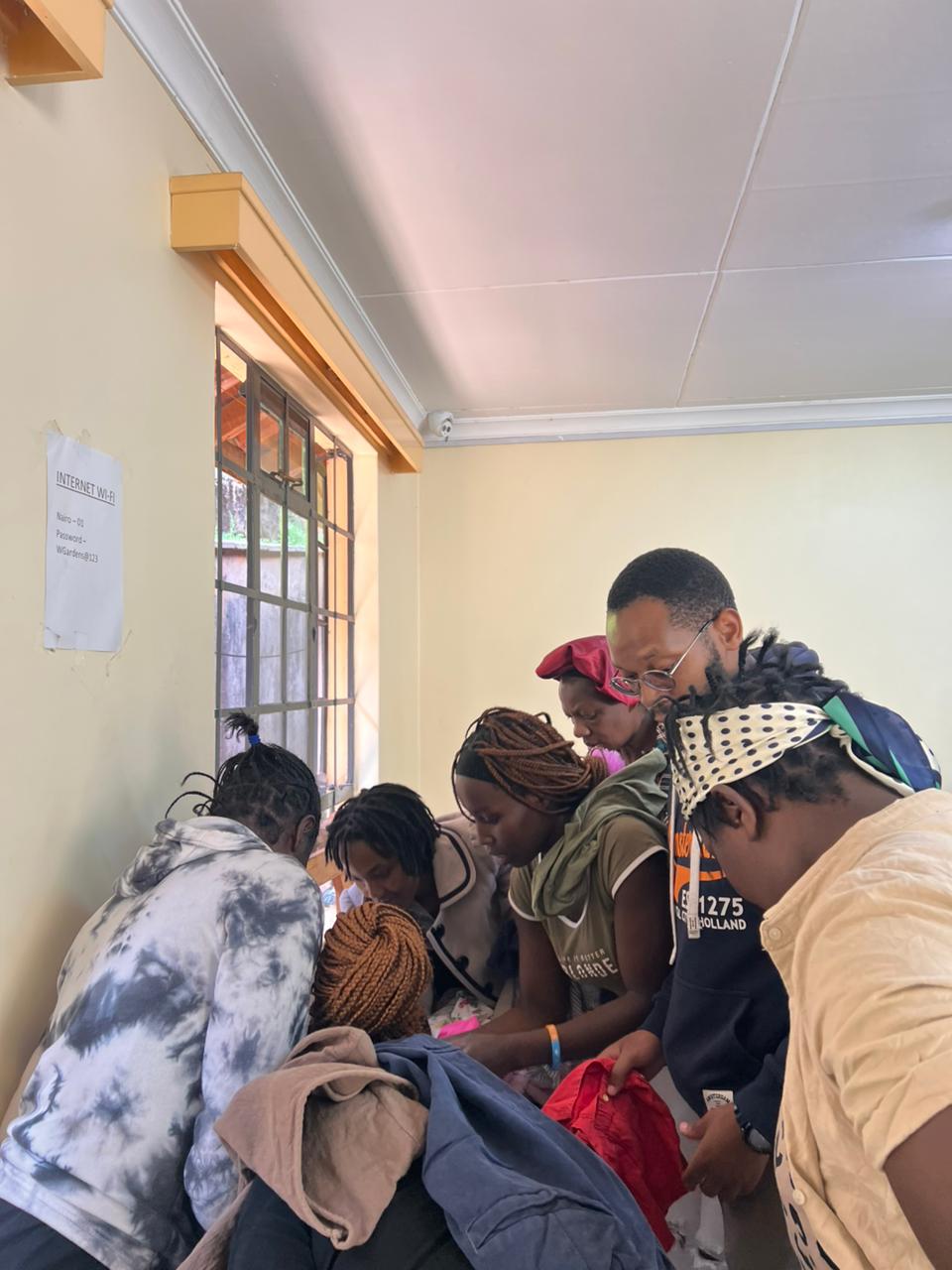
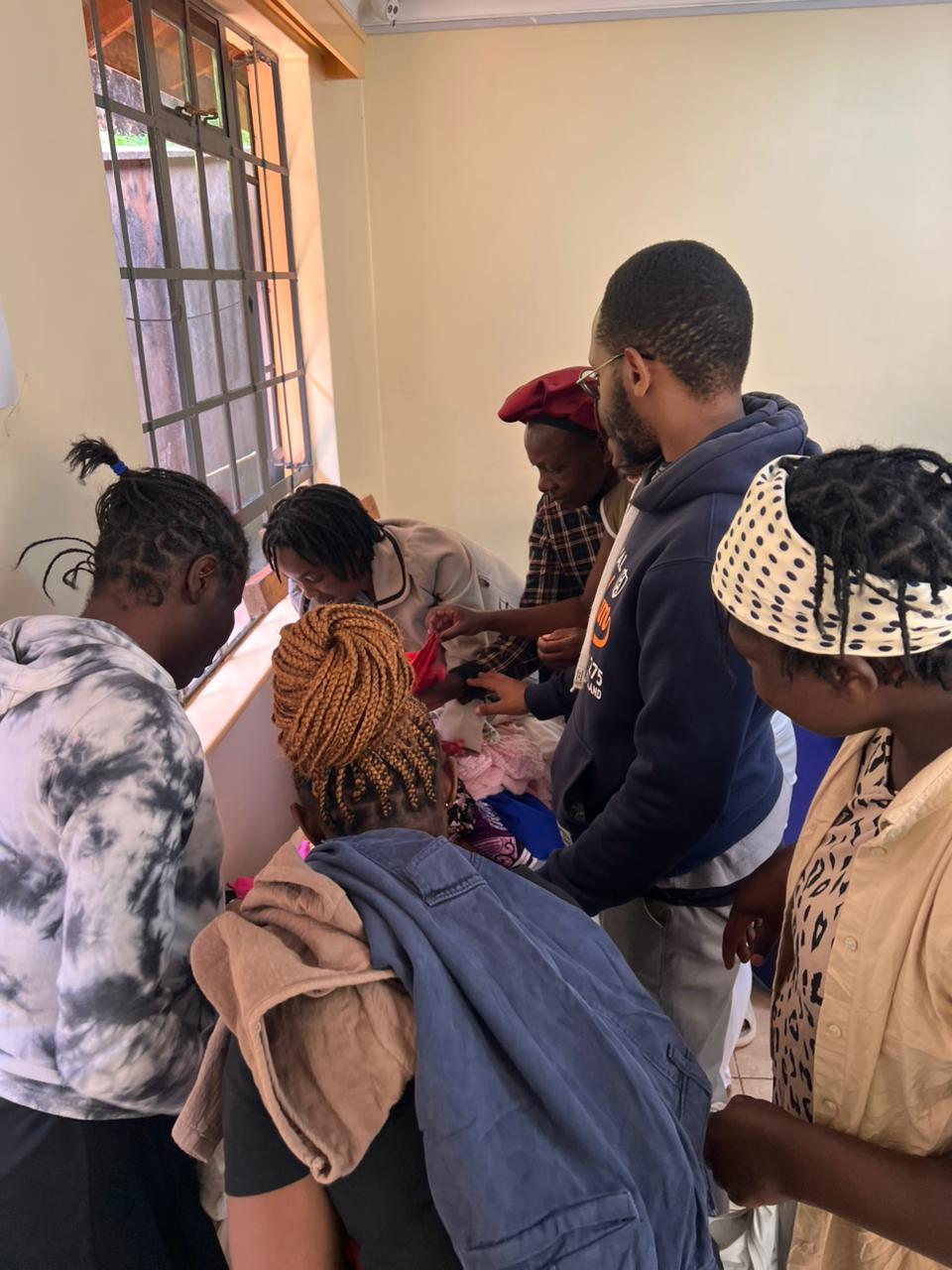
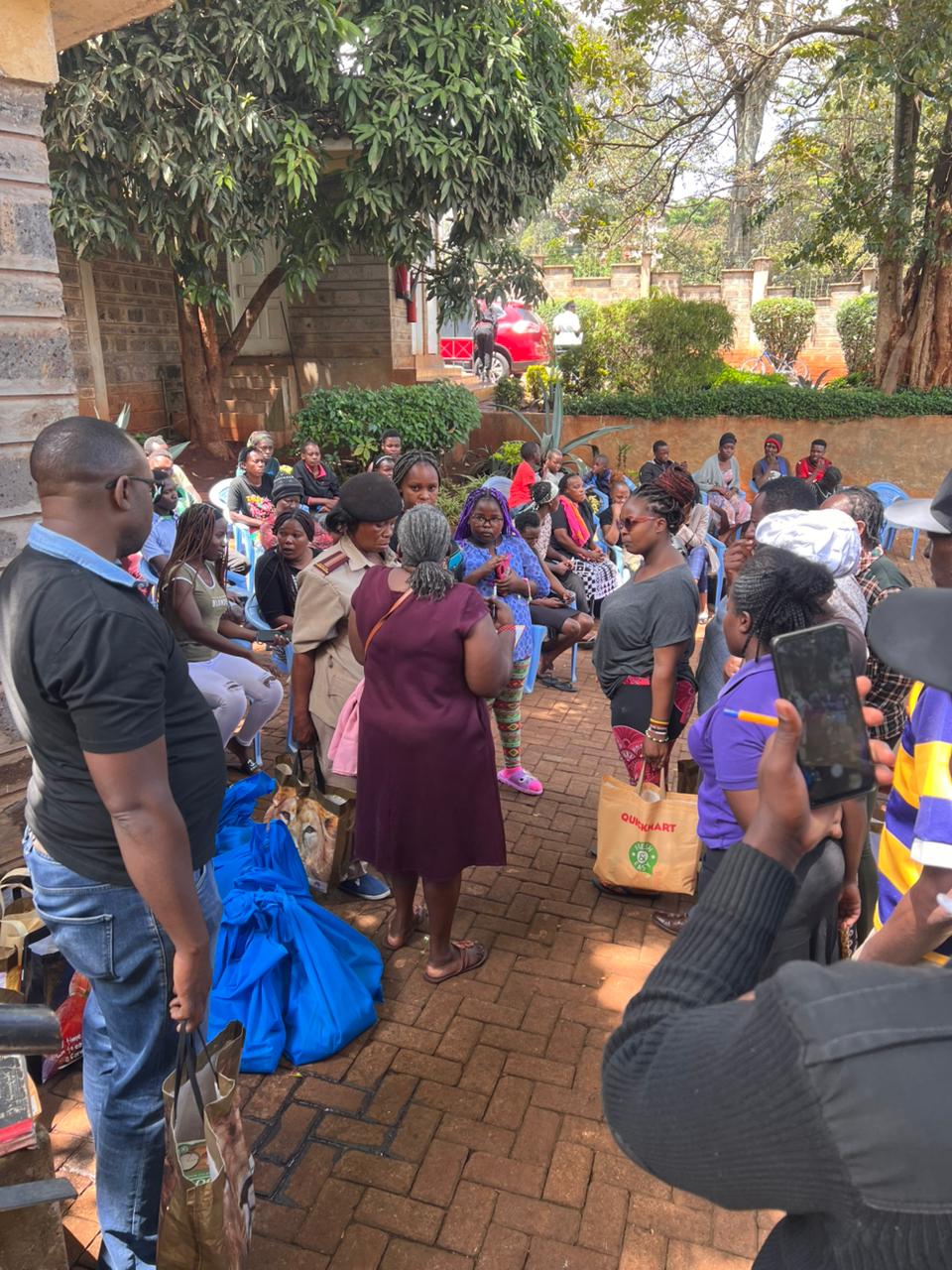
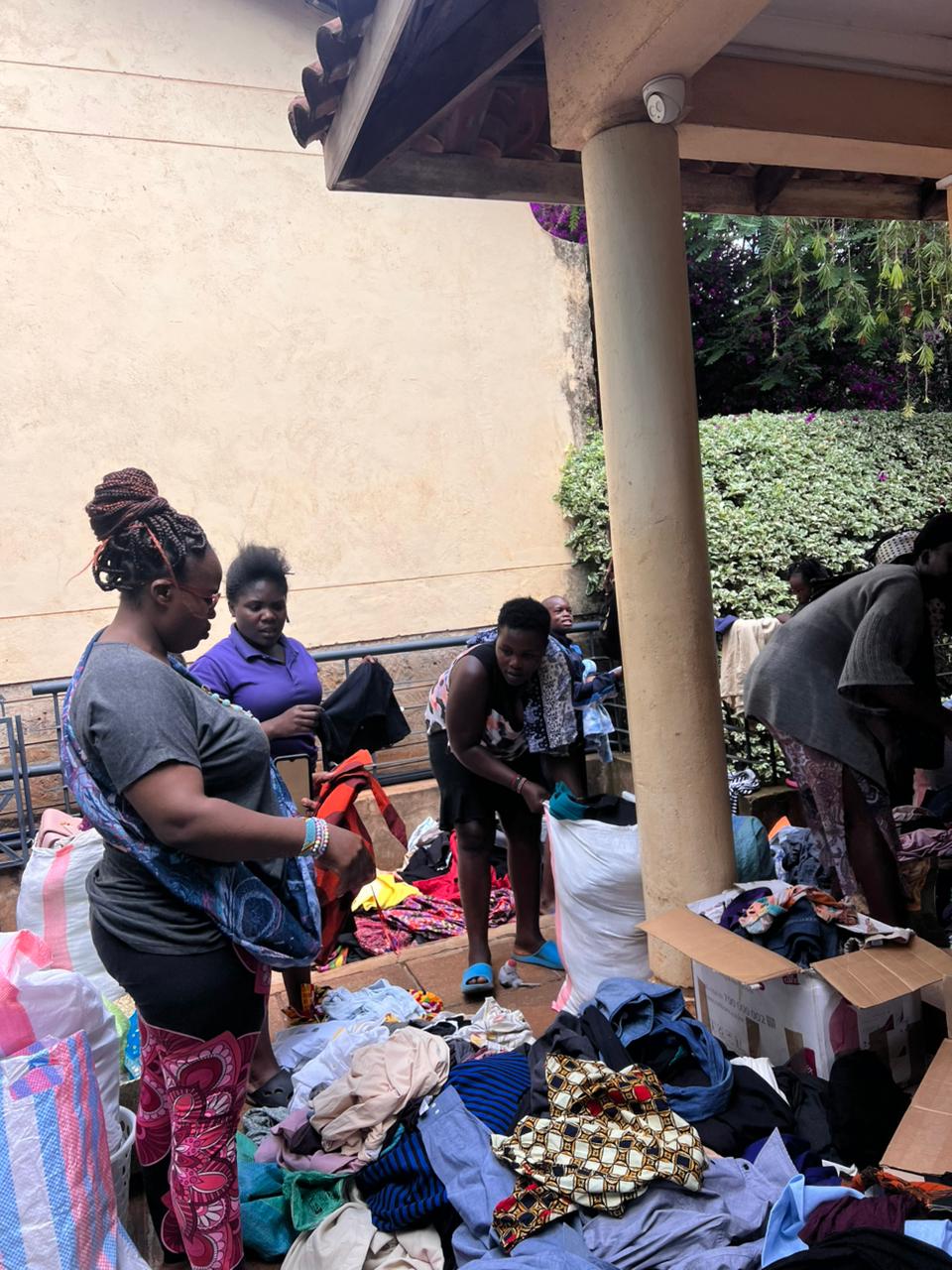
A week ago, everything changed during a community support drive.
I met a woman—Rh-negative, pregnant, with one surviving child and three babies lost. She was asking us for money to buy RhoGAM, a medication that prevents Rh incompatibility complications during pregnancy. The heartbreaking part? She needed this medication years ago. If she'd gotten it after her first pregnancy, those three babies would probably be alive today.
But she couldn't afford it. Public facilities didn't have it in stock. And now she was asking strangers to become her permanent safety net for this pregnancy and every future one.
I gave her money that day. But walking away, I couldn't shake the question: What happens when we're not around? What about the next woman in the next village who doesn't know someone "well-to-do" to call?
That's when it hit me: this isn't a money problem. It's a system problem.
And the tragedy doesn't end at prevention. Even when mothers DO get RhoGAM, complications can still arise. When babies are born critically ill and need emergency Rh-negative blood, the same chaos repeats: desperate Facebook posts, frantic phone calls, unverified donors, and too often—it's too late.
I'm a web developer. I build systems for a living. And I realized: if I can build a website to sell baking supplies or showcase engineering projects, I can build infrastructure to save lives.
Rh-Finder was born from that realization.
What I Learned
The Medical Reality
I spent the past week learning everything I could about Rh incompatibility:
RhoGAM is prevention, not treatment. It's an injection that stops a mother's immune system from attacking future Rh-positive babies. It costs 5,000-15,000 KES per dose in Kenya—out of reach for most mothers.
When prevention fails, babies need emergency blood transfusions. Specifically, they need Rh-negative blood for exchange transfusions to remove their mother's antibodies. This blood is rare (only about 7-15% of Kenyans are Rh-negative) and hard to find in emergencies.
The system has two critical failure points: Access to preventive medication and access to emergency blood. Most solutions only address one. I realized we need to address both.
The Human Reality
I learned that medical emergencies in Kenya often depend on who you know, not what the system provides:
- Mothers find out too late they need RhoGAM because there's no proactive system to catch them at critical milestones
- There's no way to know which facilities have RhoGAM in stock without calling around desperately
- Emergency blood searches rely on viral Facebook posts and word-of-mouth—exposing patient privacy and wasting precious time
- Donors are unverified strangers, creating safety risks
The gap isn't just medical. It's infrastructural.
The Technical Reality
I learned that the solution doesn't require fancy technology:
- Most Kenyans have basic mobile phones capable of receiving SMS and push notifications
- GPS geo-fencing is proven technology
- The hard part isn't the tech—it's building trust, ensuring privacy, and creating partnerships with official health bodies
How I'm Building This
Phase 1: Research & Partnerships (Months 1-2)
Before writing a single line of code, I need to:
- Meet with KNBTS and Ministry of Health to understand their systems, regulations, and how Rh-Finder can complement (not compete with) their work
- Interview hospital staff to understand their pain points when posting emergency blood requests
- Talk to Rh-negative mothers to understand what would actually help them access RhoGAM
- Connect with NGOs (Amref, WHO maternal health programs) to understand existing subsidy structures
Phase 2: MVP Development (Month 3)
I'm building this in phases, starting simple:
Technology Stack:
- Frontend: React with TypeScript for the web portal and React Native for mobile app (works on both Android and basic phones via SMS fallback)
- Backend: Firebase or Supabase for real-time notifications and database management
- SMS Integration: Africa's Talking API for SMS-based alerts (crucial for donors without smartphones)
- Geolocation: Google Maps API for geo-fencing donor alerts
- Authentication: Two-factor authentication via phone + National ID verification
MVP Features:
- Donor registration portal with two-step verification (digital ID check + medical confirmation)
- Hospital portal for posting emergency blood requests
- Geo-alert system that notifies nearby eligible donors
- RhoGAM supply tracker showing real-time stock at 5 pilot facilities
- Basic subsidy matching connecting mothers to existing NGO programs
Phase 3: Pilot Testing (Months 4-6)
- Launch with 2 hospitals in Nairobi for emergency blood matching
- Partner with 5 facilities for RhoGAM supply tracking
- Register 100+ verified donors initially
- Enroll 20+ Rh-negative expectant mothers for preventive tracking
- Collect feedback and iterate quickly based on real-world use
Phase 4: Scale (Months 7-12)
- Expand to 10+ hospitals across Nairobi
- Onboard pharmacies for RhoGAM supply visibility
- Formalize partnerships with KNBTS and Ministry of Health
- Register 500+ verified donors
- Target: Prevent 50 fetal deaths through RhoGAM access, save 20+ lives through emergency blood matching
Challenges I'm Facing
1. Trust & Verification
Challenge: How do I ensure every donor is legitimate without creating barriers to entry?
Approach: Two-step verification (digital ID + medical confirmation by healthcare professional). This means partnering with clinics who can verify blood types during routine check-ups. It's more work upfront but builds trust in the system.
2. Privacy & Data Protection
Challenge: Handling sensitive medical data in compliance with Kenya's Data Protection Act.
Approach: Double-blind system from day one—hospitals never see donor addresses, donors never see patient identities. All data encrypted. Partner with legal advisors specializing in health tech. Privacy isn't an afterthought; it's the foundation.
3. Donor Fatigue
Challenge: How do I prevent donors from getting burned out by constant alerts?
Approach: Smart eligibility algorithms that only alert donors who:
- Match the needed blood type
- Haven't donated in 3 months
- Are within a reasonable distance (15km radius)
- Have indicated availability
Plus gamification (badges, recognition) to keep engagement positive.
4. RhoGAM Supply Chain
Challenge: I can't create RhoGAM or control supply. I can only make existing supply more visible.
Approach: Focus on what I can control—visibility and access. By showing real-time stock and connecting mothers to subsidy programs, I remove the barriers of "I don't know where to find it" and "I can't afford it." The supply chain itself requires partnership with Ministry of Health and pharmaceutical distributors.
5. Scaling Beyond Nairobi
Challenge: Rural areas have limited internet connectivity and smartphone penetration.
Approach: SMS-first design. Basic phones can receive text alerts with hospital name and urgency level. Donors can respond via USSD codes. The system works even without smartphones or data plans.
6. Sustainability
Challenge: How do I fund this long-term?
Approach:
- Start with grant funding (Aethra, maternal health NGOs)
- Partner with insurance companies who benefit from reduced maternal/neonatal mortality
- Potentially charge hospitals a small fee per successful donor match (subsidized for public hospitals)
- Never charge mothers or donors
What Success Looks Like
In 12 months:
- A mother in Kisumu gets alerted at 28 weeks that she needs RhoGAM, finds it at a nearby facility, and gets 80% of the cost covered through the app
- A baby born with HDFN at Kenyatta Hospital gets Rh-negative blood within 15 minutes because three verified donors responded immediately
- The woman I met doesn't need to ask strangers for money—she has a system she can rely on
That's the world Rh-Finder is building.
Built With
- africa's-talking
- firebase
- google-maps
- react
- react-native
- two-factor-authentication
- typescript


Log in or sign up for Devpost to join the conversation.