-
-
RGAC Virtual University
-
-
-
-

Inspiration :
As a student in India, I’ve personally experienced the challenges of a broken education system.
Students pay over ₹1,50,000 per year for engineering courses, yet receive outdated, theory-heavy education with little to no real-world application.
Around 80% of Tier 3 colleges lack functional laboratories or qualified teaching staff & Teaching is not meting our requirements and amount we payed.
Many government schools and colleges have unsafe infrastructure, and in most cases, there is only one teacher available, who may not be able to provide quality instruction, guidance, or motivation to students.
Rural and marginalized students face additional barriers due to financial constraints and poor geographical access to quality education.
The curriculum followed in many institutions is more than 20 years old, not aligned with current industry needs. At present we are at AI emerging
Students are burdened with exams, assignments, and lab records, but gain very little practical knowledge. We are unable to fogous on what we want to learn.
For example, I personally have written:
8 semester exams
24 internal assessments
50+ assignments
15 lab records
In reality, I spent 70% of my time writing, and only 10% truly enjoying learning or building skills.
My Vision :
I want to change this. My goal is to build an education system that is:
Affordable
Skill-oriented
Driven by real knowledge, ethics, and hands-on learning
What it does :
We are building India’s first VR-based Virtual University, focused on affordable, skill-first, and immersive learning. In this system, students can perform experiments using an VR which is build they can perfome an action what reality , attend classes, and earn certifications — all in a fully virtual environment using Virtual Reality (VR) and Augmented Reality (AR).
Key Features : Our platform includes a Learning Management System (LMS) where both students and teachers interact seamlessly. Students can watch teaching videos anytime, anywhere, through the LMS. These videos remain permanently available for them. Teachers upload pre-recorded videos to YouTube in private mode (only accessible through the LMS). The content can be enhanced with Augmented Reality (AR) to make learning more interactive and visual, helping students better understand complex concepts. This ensures that students are not dependent on live classes or fixed schedules — learning becomes flexible, accessible, and personalized.
New Way of Evaluation of students :
- In the current education system, students are calibrated based on marks in exams.
- In our Virtual University, students are evaluated based on skills, creativity, and real-world problem-solving.
- There is free course's like Music and Dancing and sports and other they can learn which is free for them. Hackathons, and project-based learning will be used to measure knowledge, not rote memory.
How RGAC Virtual University works :
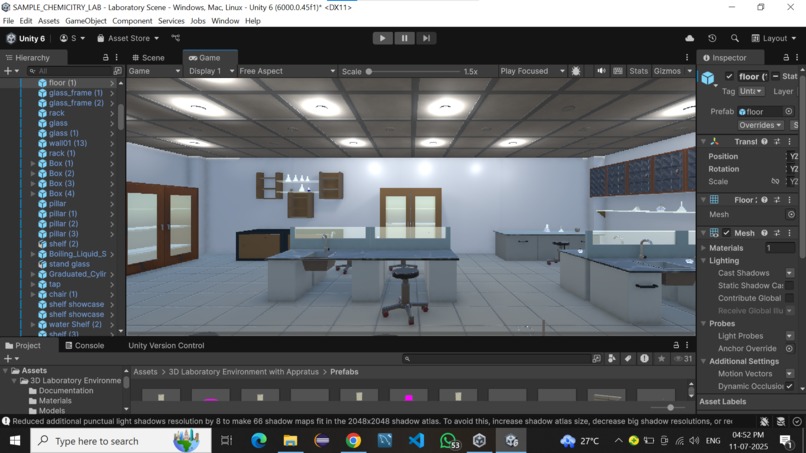
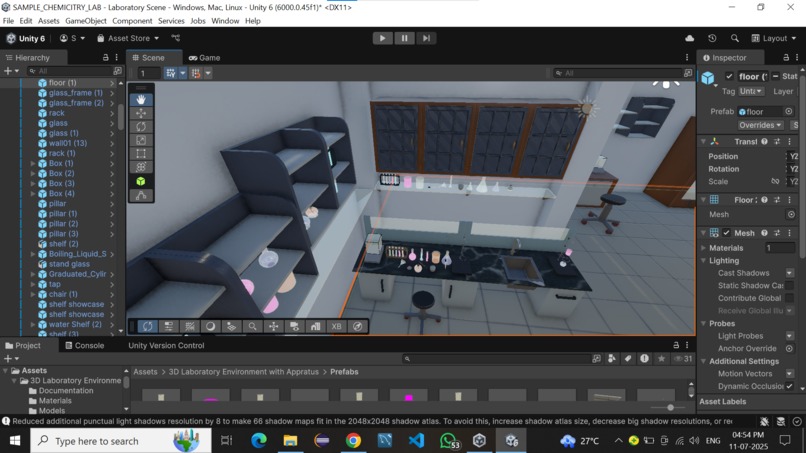
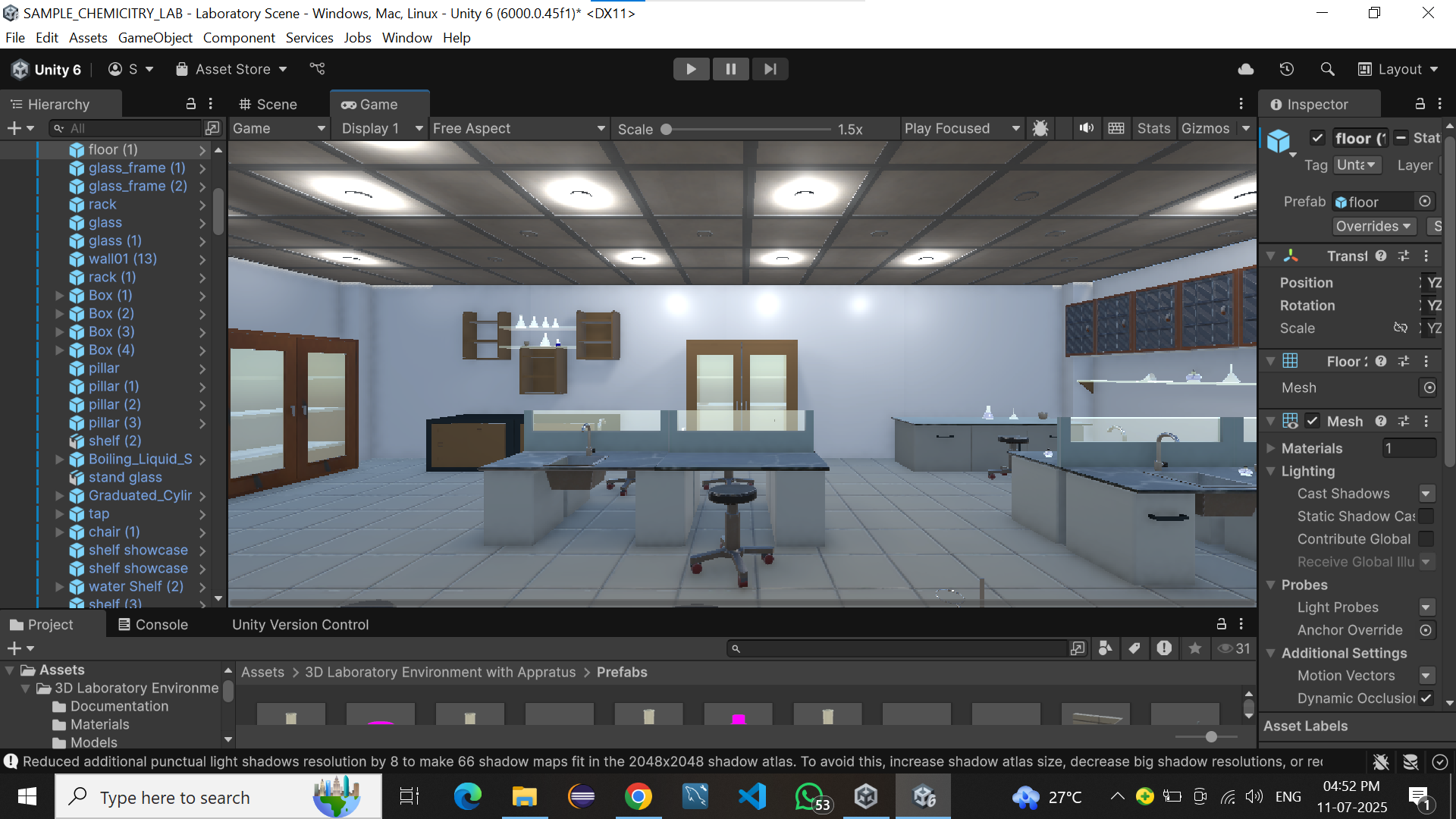
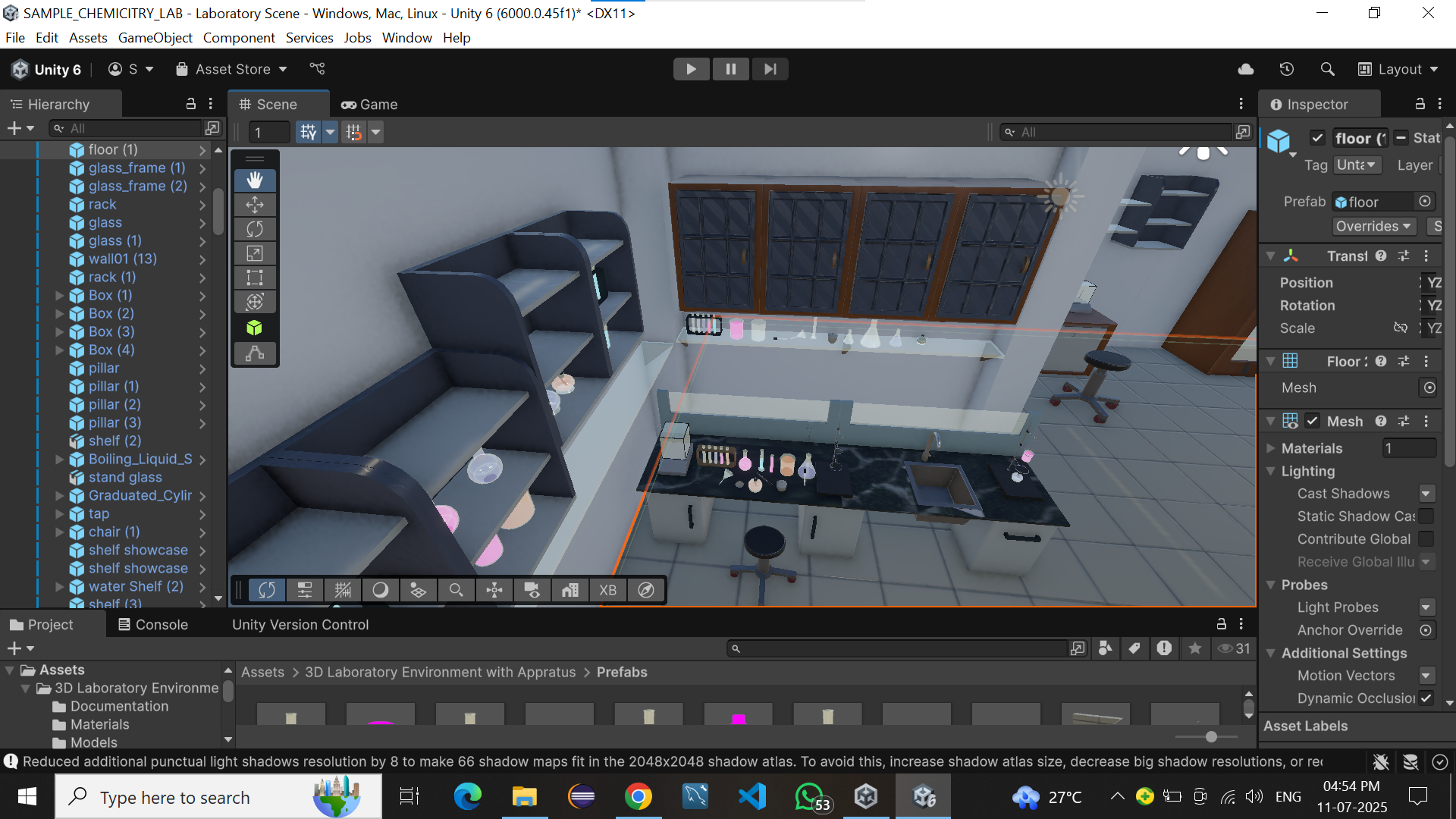
Imagine a student wearing a VR headset and entering a virtual chemistry lab. They can mix chemicals, observe reactions, and conduct experiments — just like in a real lab, but completely virtual. Now, imagine the same experience for aeronautical, mechanical, electrical, and computer science students. They can: Practicing an lab related space related to aeronautical engineering and mechanical and the ECE, Electronic so on . Lab related to the robotics working and coding in VR by observing the real moments of robotics . Run simulations — all inside a realistic VR environment We are building interactive VR models that feel like the real world. This makes learning exciting, practical, and easier to understand.
What makes RGAC Different :
Affordable Learning: Learn at a much lower cost than traditional colleges Skill-First Education: Focus on what matters — hands-on practice, not just theory Recognized Degree: Earn valid certifications and degrees through our platform Innovation Hub: Hardworking and talented students are supported with: Recognition Mentorship Opportunities to launch startups or join top companies We believe real talent should not go unnoticed. If a student builds something great, we help them turn it into a product or even a company of their own.
How we built it :
Challenges we ran into : Technical Infrastructure Developing scalable VR labs and LMS platforms that can support thousands of concurrent users, while maintaining low latency and high performance.
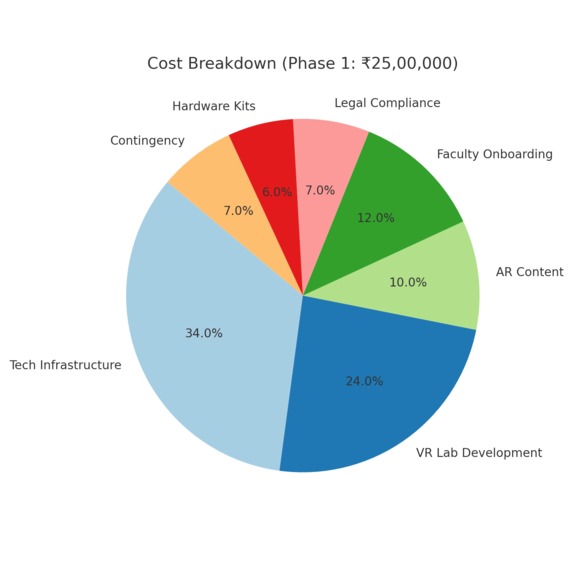
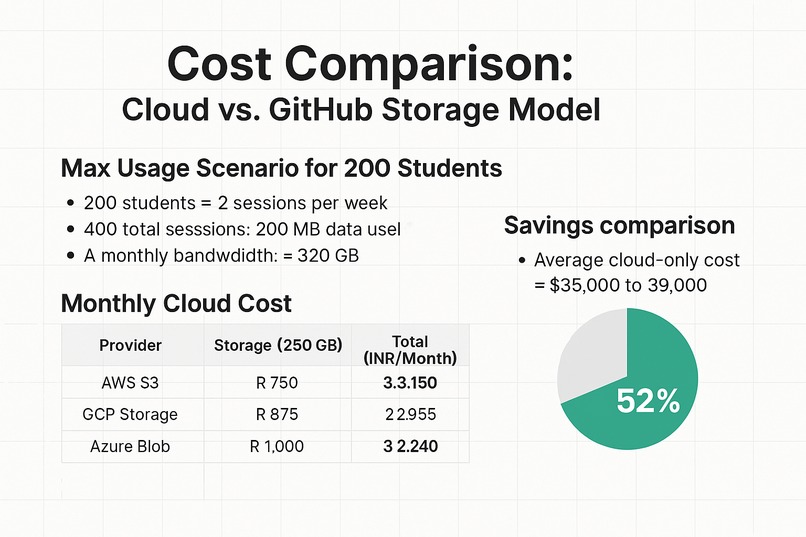
Financial Constraints Initial setup costs for VR content creation, cloud deployment, faculty hiring, and marketing exceeded basic budget projections.
Government Collaboration Delays Aligning with public institutions required multiple approvals and longer negotiation cycles, delaying school integrations.
Awareness and Adoption Gaining trust from Tier 2 and Tier 3 students unfamiliar with VR-based learning posed an early user onboarding challenge.
Internet Accessibility Students from rural areas often lacked stable connections, prompting us to design a 2G-optimized, mobile-friendly platform.
Accomplishments that we're proud of : Built India’s First VR-Based Virtual University Complete with immersive, industry-aligned labs in electronics, robotics, chemistry, and computer science.
Achieved 3,904+ Early Users (0.1% of 3.9M Market) Reached our Year 1 pilot user base through organic growth and regional partnerships.
Launched LMS with AI-Powered Features Including private YouTube integrations, student performance dashboards, and virtual lab tracking.
Recognized by Industry & Academia Partnered with local colleges, received interest from government for large-scale deployment in rural schools.
Affordable Pricing Model Made high-quality technical education accessible at ₹5,000–₹20,000/year, 10x cheaper than most coaching platforms.
What we learned : Skill-Based Learning Is the Future Students retain more when learning through real projects and simulations than through rote memorization.
Government Schools Need Plug-and-Play VR Labs “Build Once, Use Many Times” is the best model for public institutions with limited funds.
AI-Driven Evaluation Is More Effective Evaluating students on creativity, problem-solving, and hands-on tasks leads to more job-ready graduates.
Rural Students Are Eager but Underserved With the right tools and content access, rural youth show higher engagement than urban counterparts.
Gamification and AR/VR Boost Motivation Features like badges, hackathons, and virtual robotics competitions increase participation and excitement.
What's next for RGAC Virtual University : Building an University which is simillar to reality of India education where every one can asscess it.
Built With
- api
- express.js
- node.js
- nosql
- react
- reset
- typescript
