Inspiration
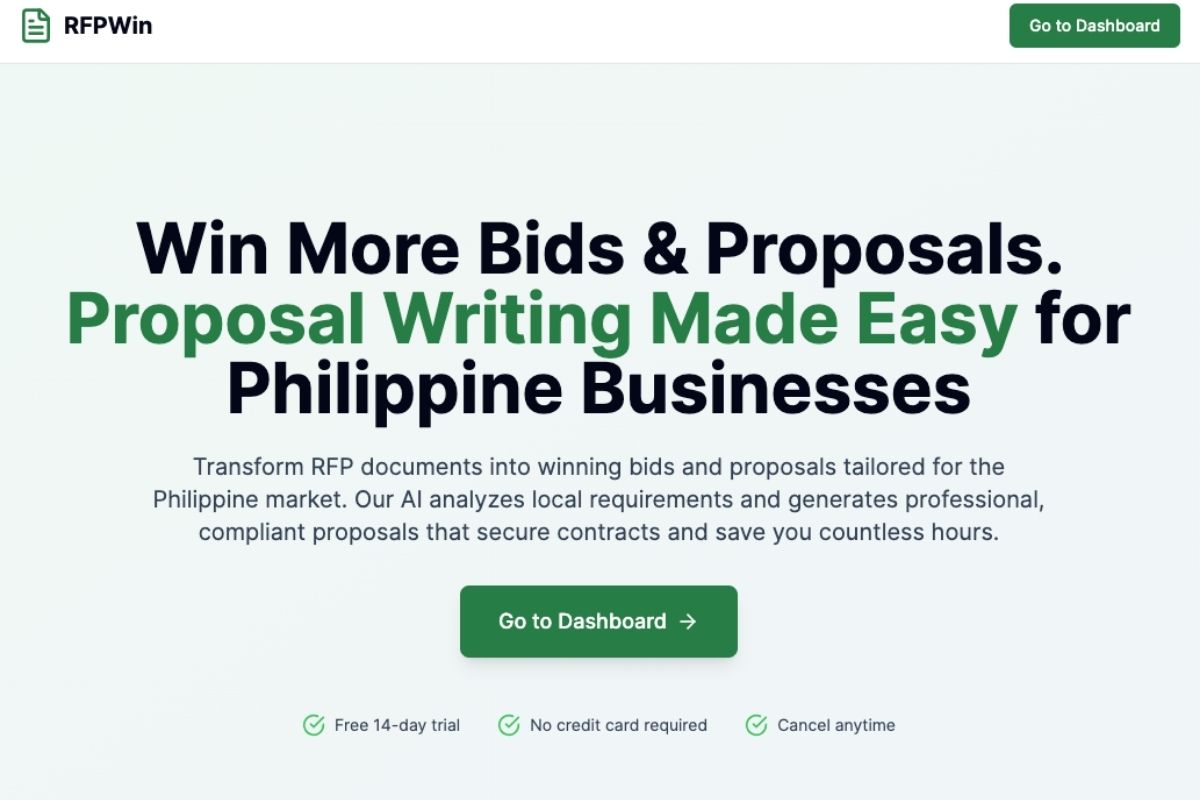
The inspiration for RFPWin came from recognizing the significant time and effort businesses, especially in the Philippines, spend on writing proposals. Responding to Requests for Proposals, whether for government tenders or private sector opportunities, often involves repetitive tasks, strict compliance requirements, and a need for tailored content. The goal was to create a tool that could automate this process, making it faster, more efficient, and more accurate, ultimately helping businesses win more contracts.
What it does
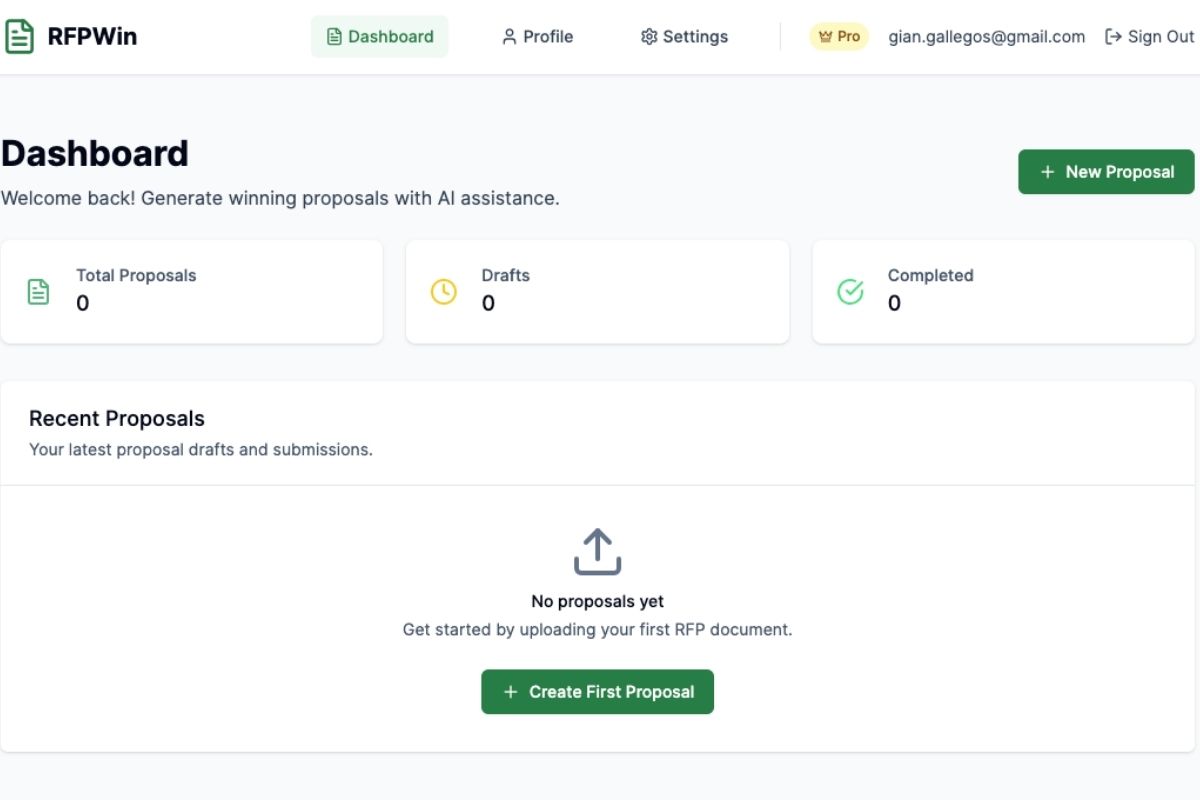
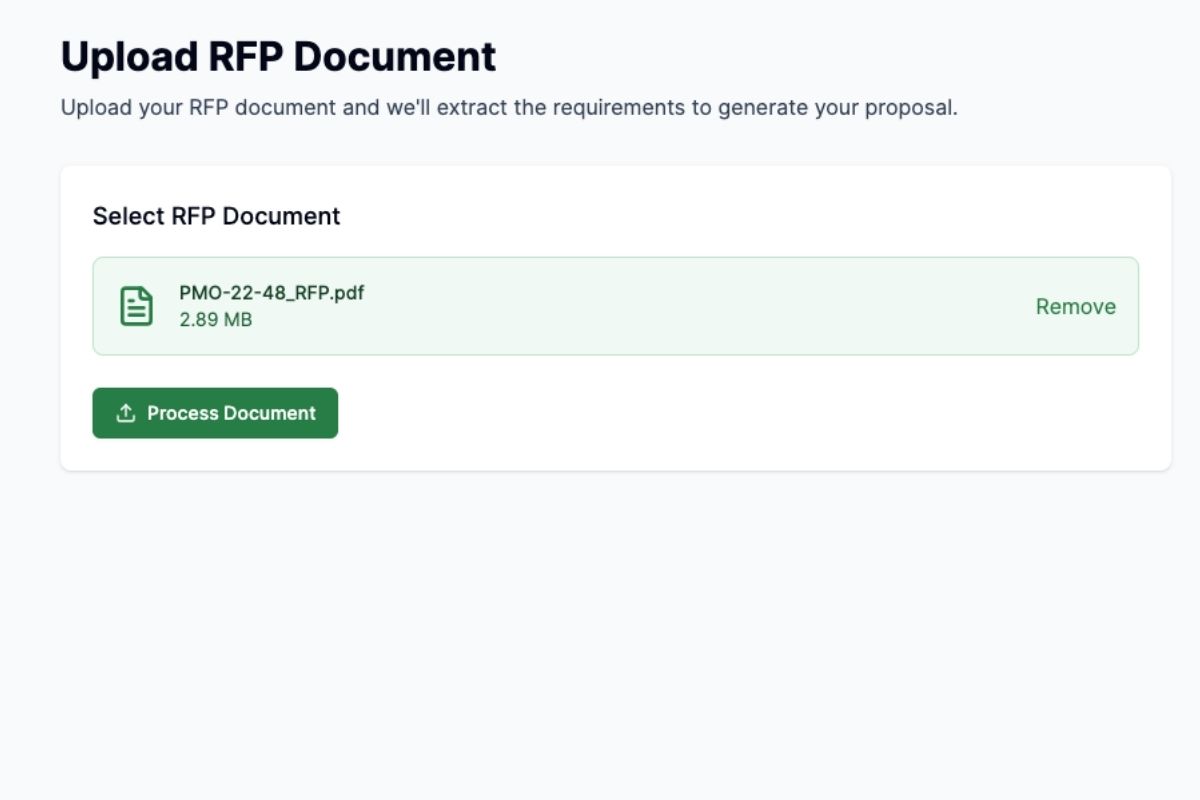
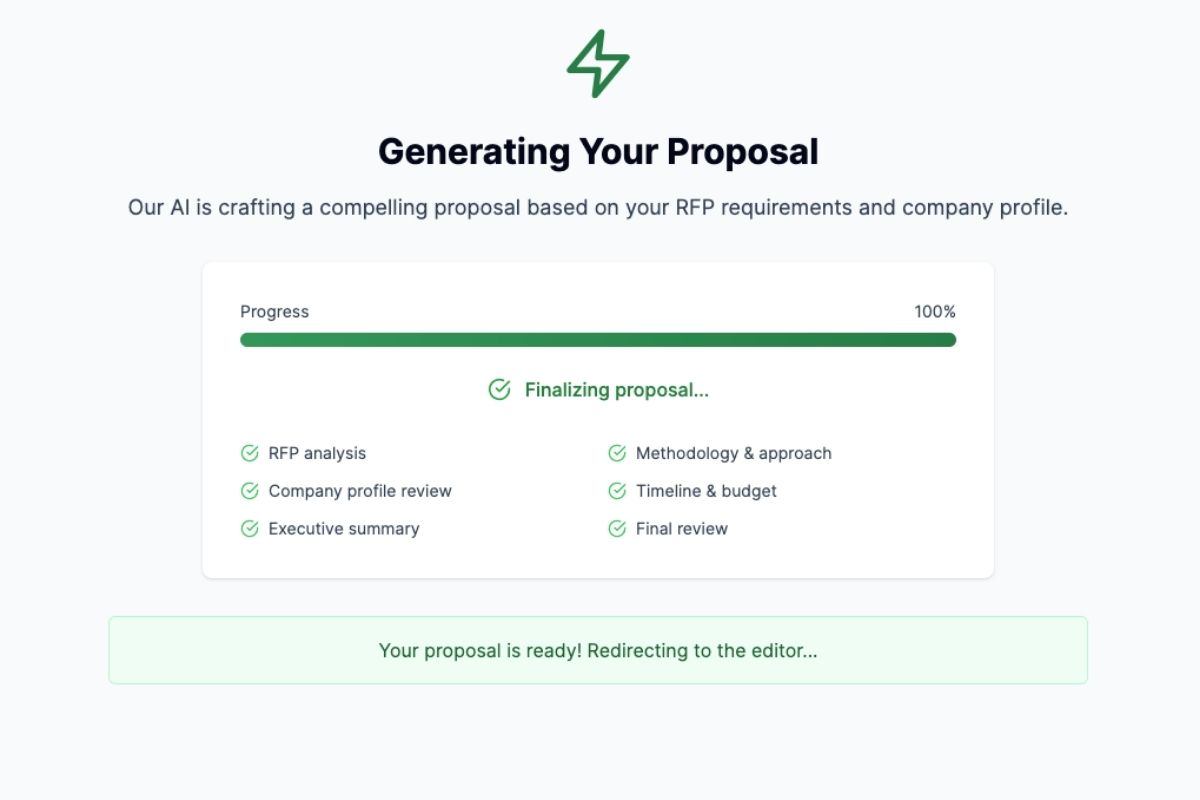
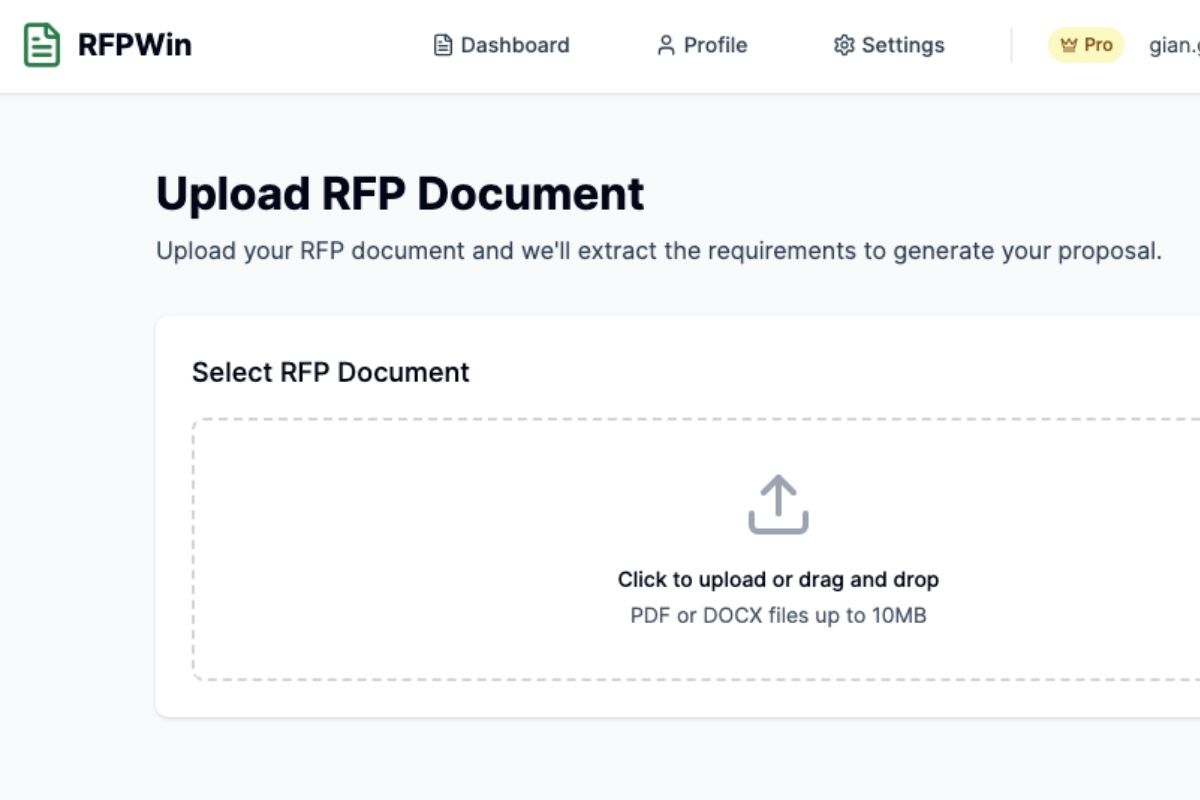
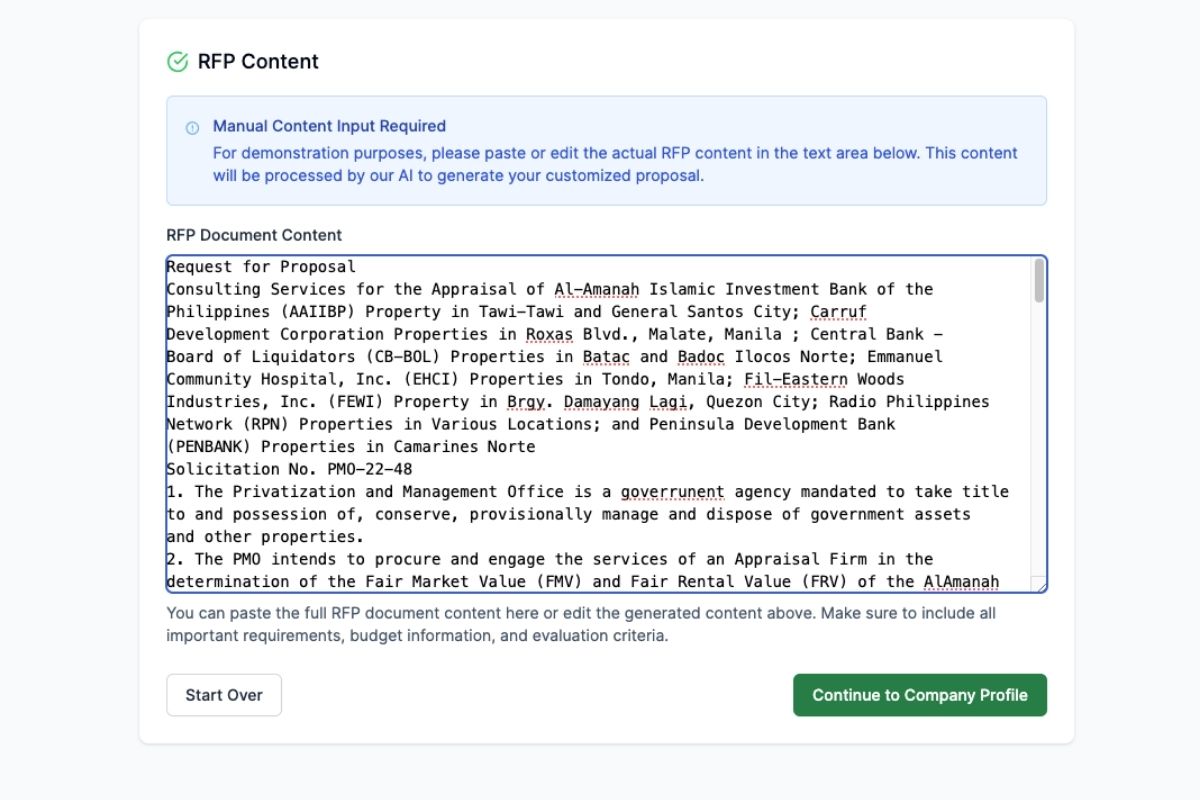
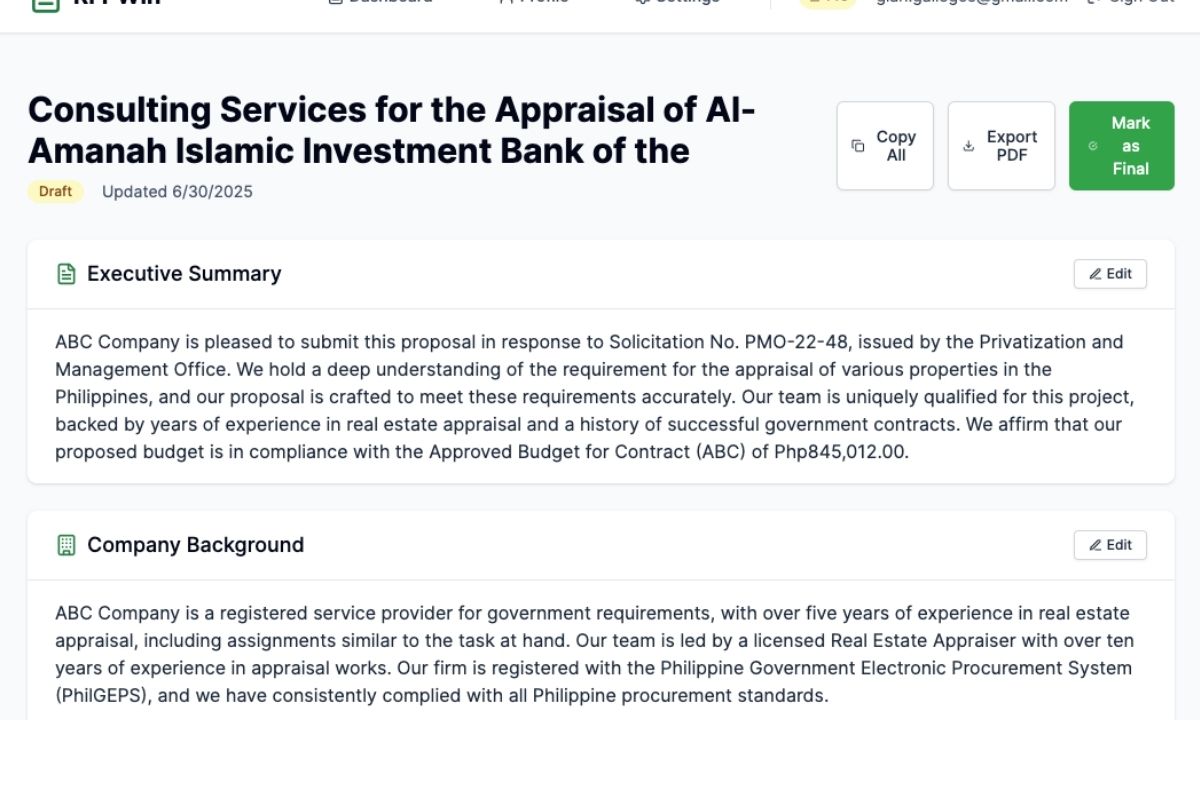
RFPWin is an AI powered application that helps users generate professional business proposals. Users can upload their Request for Proposal documents, and the system uses artificial intelligence to analyze the content and extract key information. It then combines this extracted data with the user's company profile to automatically generate a comprehensive proposal. The generated proposal includes sections like an executive summary, company background, methodology, timeline, and budget. Users can then review and edit these sections within the application before exporting the final proposal as a PDF document. The application also manages user accounts and tracks generated proposals.
How I built it
The application was built using React and TypeScript for the frontend, providing a dynamic and type safe user interface. Tailwind CSS was used for styling, allowing for rapid and consistent design. For user authentication and database management, Supabase was integrated, offering a robust backend solution. The core intelligence of the application relies on the OpenAI API, which powers the AI driven proposal generation. Client side PDF generation is handled by jsPDF. Vite serves as the build tool, ensuring a fast development experience. The project structure is organized into components, hooks, utility functions, and pages to maintain modularity and readability.
Challenges I ran into
One of the main challenges was effectively integrating the AI to produce relevant and compliant proposal content. Crafting the right prompts for the OpenAI API to understand and generate text tailored to Philippine procurement standards required careful iteration. Another challenge involved simulating the file upload and text extraction process, as direct file processing was outside the scope of the initial build. Managing the application's state, especially across different pages like the company profile and proposal generation, also presented complexities. Ensuring a smooth user experience while handling asynchronous AI operations and local storage for data persistence was also a key consideration.
Accomplishments that I proud of
I am proud of successfully integrating the AI to generate coherent and structured proposals. Creating a user friendly interface that allows for easy input of company information and subsequent editing of AI generated content was also a significant accomplishment. The ability to export the final proposal as a professional PDF directly from the browser adds a polished touch to the application. Implementing secure user authentication with Supabase and setting up a clear project structure are also points of pride, laying a solid foundation for future development.
What I learned
Through this project, I gained deeper insights into prompt engineering for large language models, understanding how subtle changes in instructions can significantly impact AI output. I also learned more about integrating third party APIs like OpenAI and Supabase into a React application, including handling authentication flows and data persistence. The project reinforced best practices in frontend development, such as component reusability, state management, and responsive design with Tailwind CSS. Additionally, I learned about the nuances of client side PDF generation and managing local storage effectively.
What's next for RFP Win Proposal Generator
The next steps for RFPWin include implementing actual file upload and text extraction capabilities for PDF and DOCX documents, moving beyond the current mock functionality. Enhancing the AI's capabilities to handle more complex RFP structures and provide even more nuanced, Philippine specific content is also a priority. Future plans involve integrating a full Stripe payment system for subscription management, expanding the database schema to store RFPs and proposals persistently in Supabase, and adding features like proposal versioning and team collaboration.
Built With
- eslint
- jspdf
- lucide
- openai
- react
- supabase
- tailwind
- typescript
- vite


Log in or sign up for Devpost to join the conversation.