-
-
RFIDBLS
-
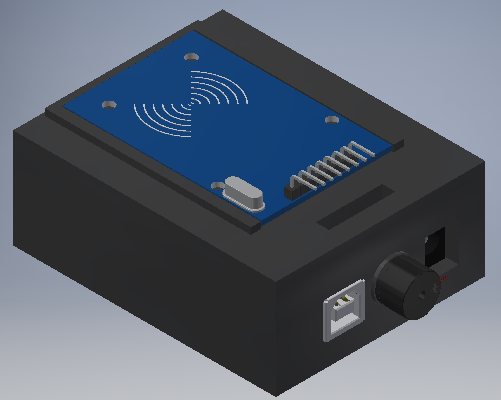
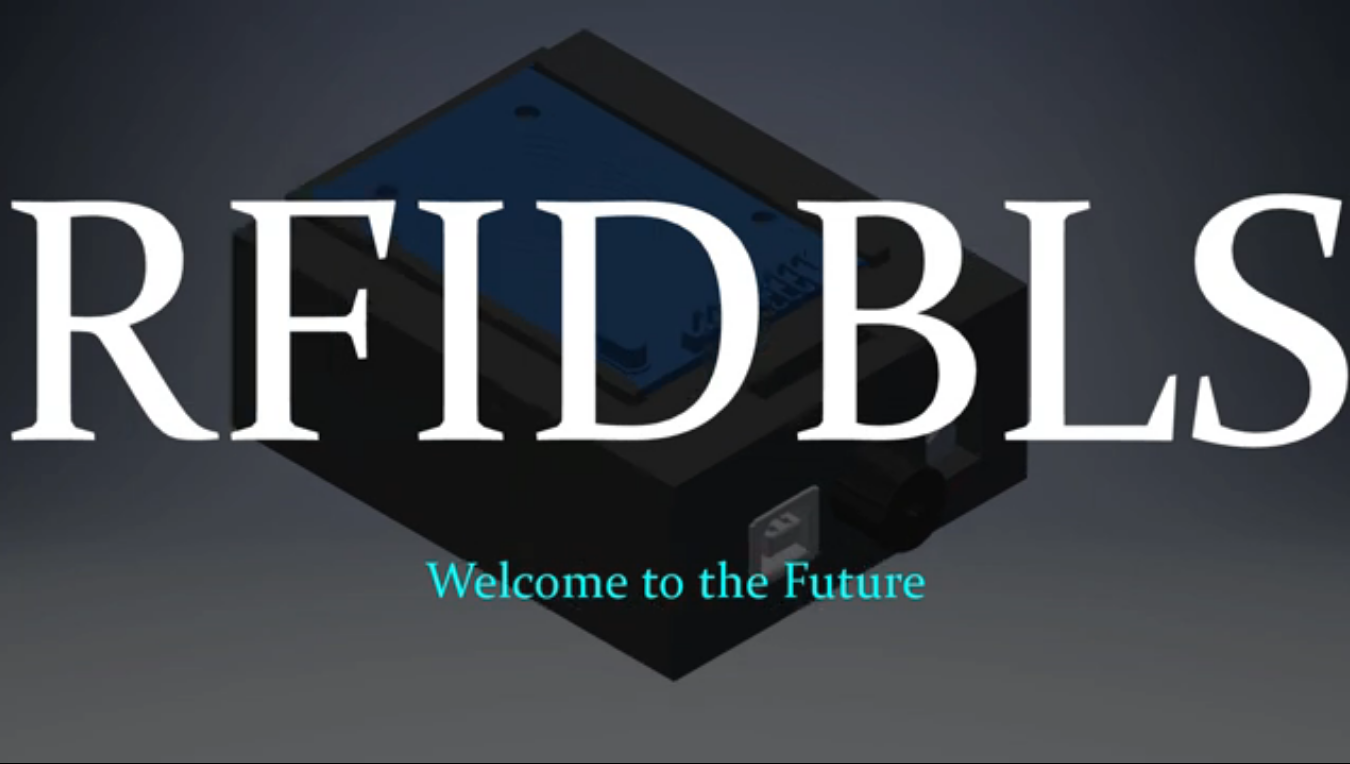
3D Model of Project
-
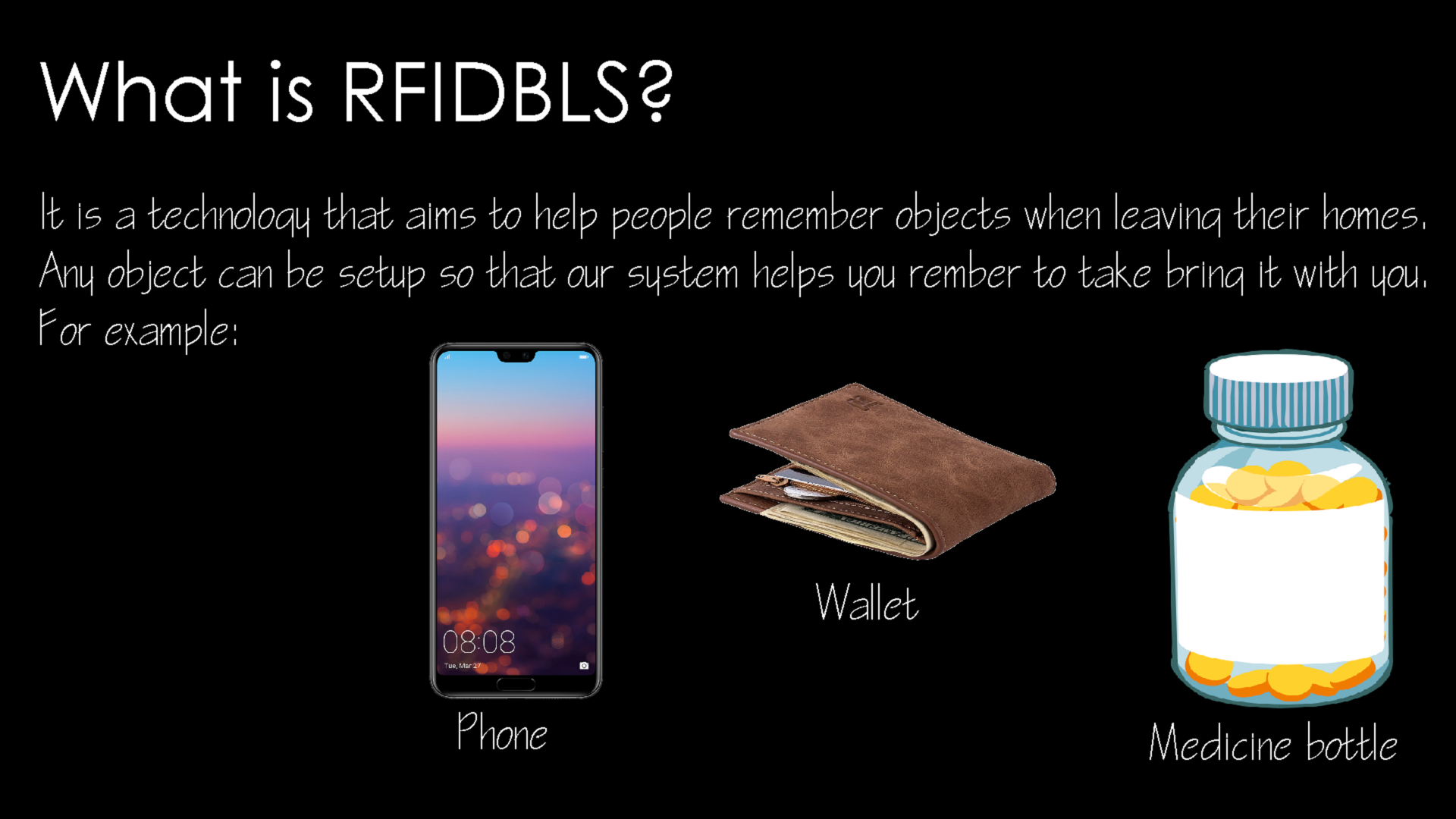
What is RFIDBLS?
-
How does the product work?
-
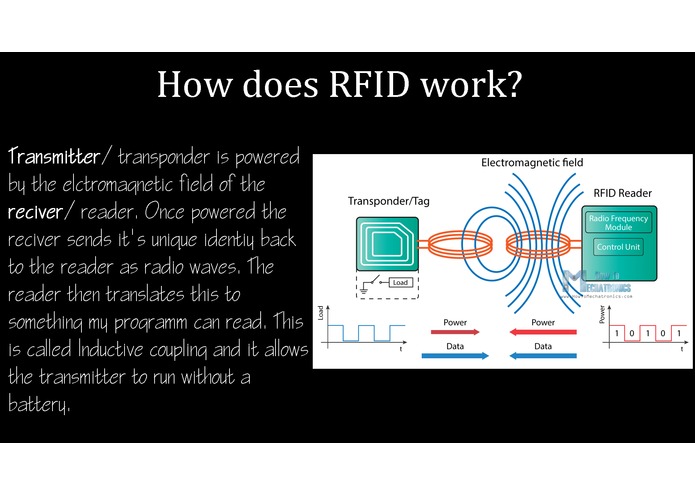
How does RFID work?
-

Welcome to the future!

Problem:
People forget things when they are leaving their house. This can cause hundreds of hours of commuting back and forth. This problem is emphasized in elderly people or people with mental disorders.
Inspiration:
When I got my first phone I often forgot it to bring it with me when I left the house, I got in trouble a lot because of this. So I was determined to fix it. After thinking for a while and trying several ideas I finally settled on RFIDBLS. Well at that time it did not even have a name, just a fun project to work on and improve my skills.
What it does:
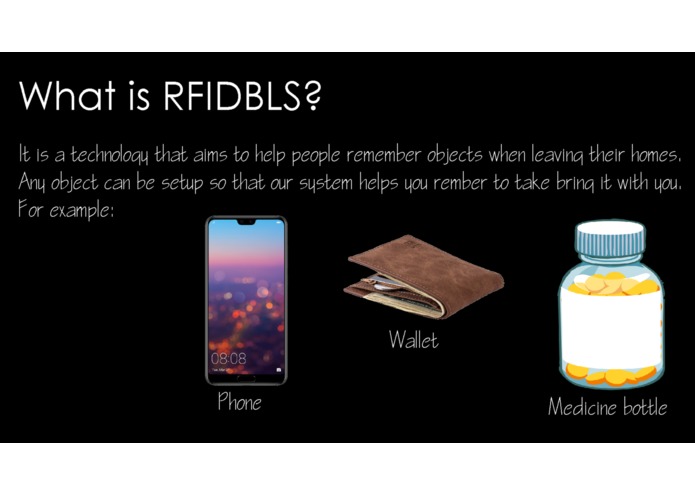
I will be using circuitry and electronics that communicate with each other to sense if a person has left without a necessary object. It will then tell you what you are missing through the use of a speaker. It will help you to not forget things that are important to you. For example your phone, wallet, headphones, keys, glasses, license, folder, water bottle, etc.
How it works:
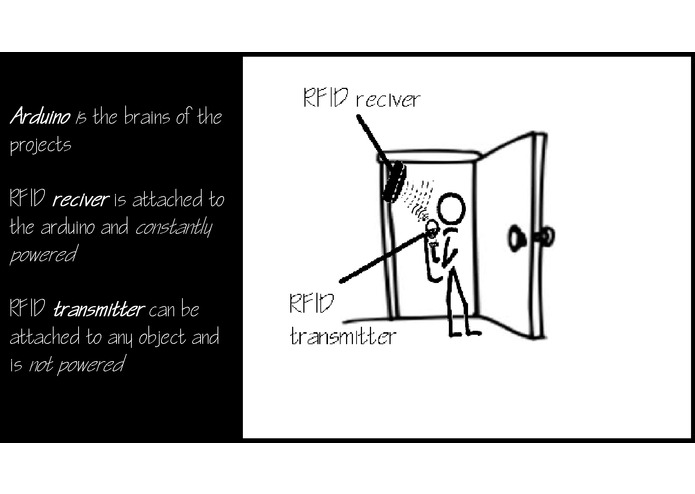
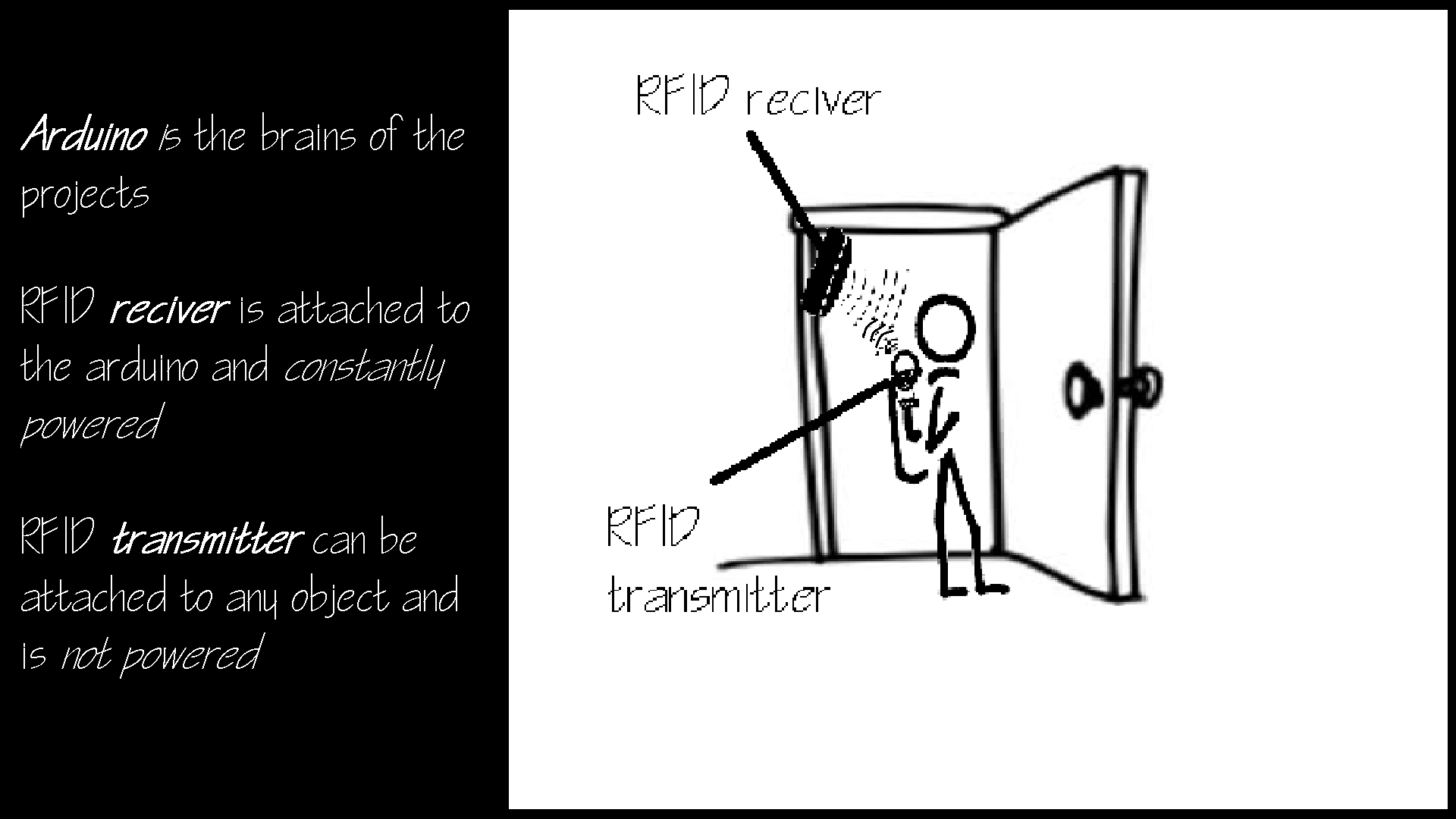
I will be using the “Arduino” a microcontroller, a microcontroller is a computer present in every circuit that is responsible for controlling the voltage to different components of the circuit through output pins. It can make smart decisions based upon a program stored inside the Arduino which often uses input pins to read data from the outside world. This is, the brains of our project.
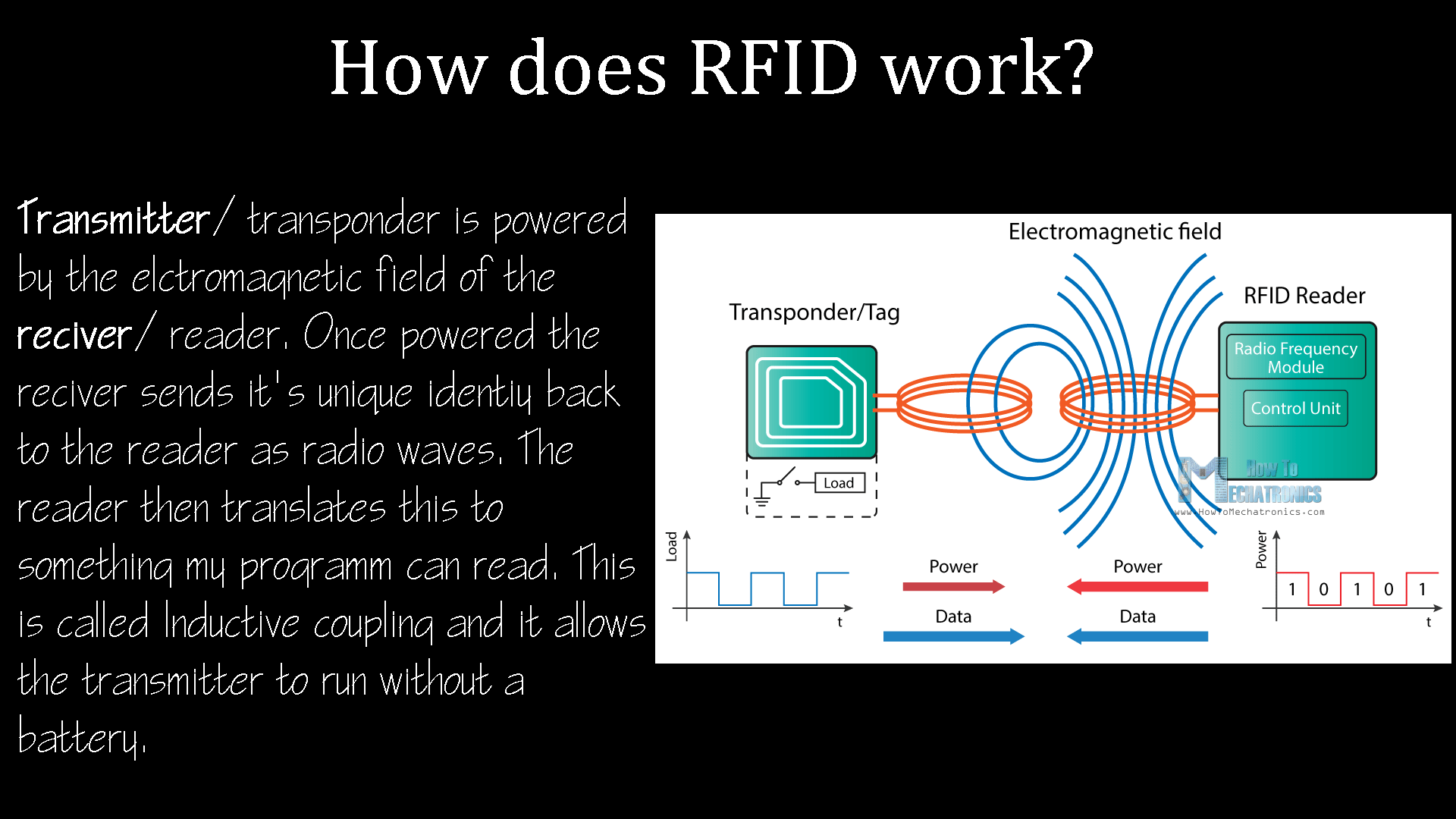
An RFID receiver will be attached to the Arduino to read the data it receives from the RFID card/ keyring it is known as the transmitter. The receiver will be powered by the Arduino who it’s self will be either powered from a battery or directly from a wall outlet, this is the part that will be permanently attached to the door. The receiver picks up radio waves sent by the transmitter when it comes within a certain range, these waves are then converted into something the computer can more easily read. This works because the receiver creates a small electromagnetic field and when the transmitter comes in range of the field the power harvested from the reader's electromagnetic field due to induction, powers the transmitters microchip and antennas. Once it has power it then sends back a radio signal to the receiver which then interprets it as that devices unique identity (UID).
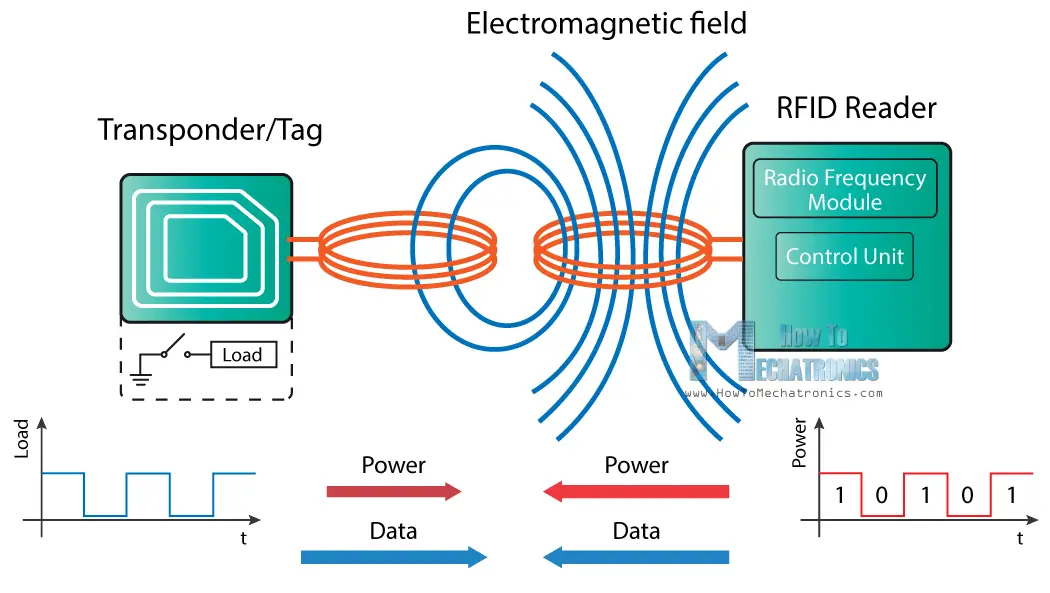
It will then compare to its pre-stored values and if it matches it will perform a specific task. Because of this process known as Inductive coupling, this means that the transmitter does not need any power as it gets powered by the electromagnetic field of the receiver. There are also two types of RFID tags (the transmitters) Active and Passive. They both have their advantages and disadvantages like size, battery, power, distance, price etc… In this project I choose a passive tag because it was cheap discreet, and required no power meaning you would not have to recharge your tracking system and it would work regardless of any other factors. However, the disadvantage to this is range, because a passive tag needs to be inside the receivers electromagnetic field to be powered it does not have as large a range as an active tag which is constantly powered and is constantly sending out radio waves from a far distance.
Challenges I ran into:
- The largest problem surrounding RFIDBLS, which is still a problem I have not been able to overcome is its range. The range of the RC522 RFID Chip is very limited and not the desired length (the length of a door, which is around 2m).
- I was struggling with finding and then using the correct library to interface with my RFID chip. I eventually found a solution to this problem after hours of searching and debugging.
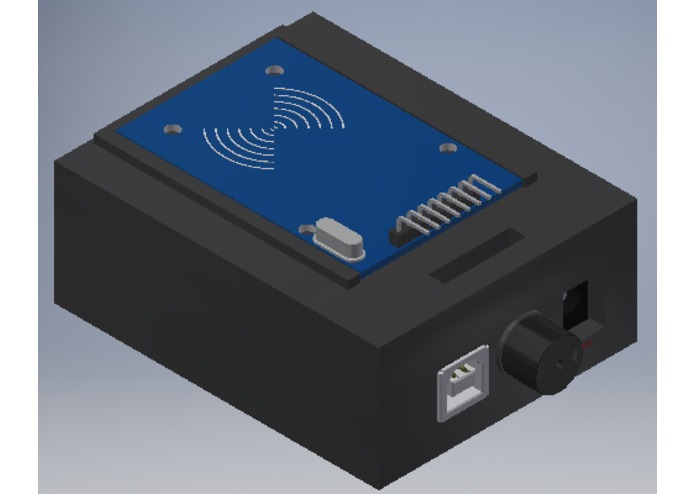
- The 3D printed model was very slightly smaller than the Arduino Uno and so I could not use the model. Even after trying to cut it manually (with a knife!) it was just a little too small.
What I leanred:
From electronics to programming this was a great experience for me and I learned a lot. I mainly improved my skills in electronics, Arduino programming, RFID and it's surrounding technologies like NFC, CAD, video editing, and product marketing.
What's next for RFIDBLS?:
A lot! I plan on improving nearly every aspect of the design. I first want to improve its range, that is priority number one. I am aware that this will be no easy task as I will have to find the right RFID sensors and then make them work with the Arduino. After that, I plan on shrinking the project. Instead of an Arduino Uno, I might move to an Arduino Nano. This will drastically reduce the size of the product and make it look less ugly on doors. Also, I plan on making a 3D modelled case instead of one made out of cardboard by hand.


Log in or sign up for Devpost to join the conversation.