-
demo video

Inspiration
The inspiration for Rewrite came from recognizing the shortcomings of existing writing assistants. Tools like Grammarly, while popular, raise privacy concerns since they send user data to the cloud. On top of that, the subscription model felt excessive for users who want a simple rephrasing and proofreading tool without ongoing payments. I wanted to build a solution prioritizing privacy and affordability, offering a local, one-time payment alternative.
What it Does
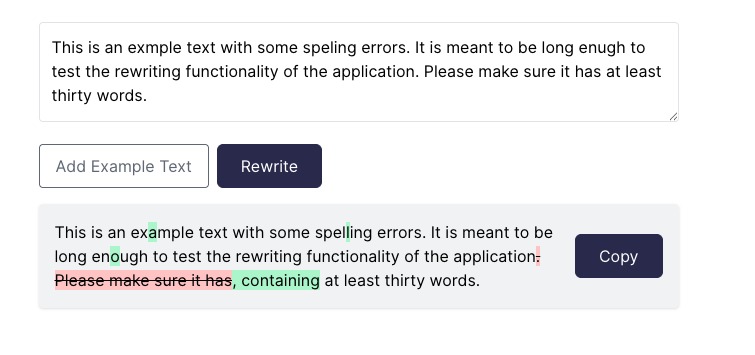
Rewrite allows users to rephrase and proofread their text with just a click. It operates fully locally, ensuring that no data is sent to the cloud. Whether you’re working in a browser, a desktop app, Word, or Google Docs, Rewrite offers seamless integration, giving users full control over their writing without compromising on privacy.
How I Built It
I started by focusing on building Rewrite as a browser extension and desktop app, prioritizing a smooth user experience. Integrating with tools like Word and Google Docs was important, so I ensured these platforms were supported. I used modern web technologies to make sure Rewrite is lightweight but powerful, using a local language model to process text privately and efficiently.
Challenges I Ran Into
Building a local-only AI tool was a major challenge. Most competitors leverage the power of cloud computing, but I wanted Rewrite to be fully local for privacy reasons. Ensuring high performance and quick response times without cloud resources was tough, but I found ways to optimize the tool for speed and accuracy. Another challenge was clearly communicating the one-time payment model, as users are so accustomed to the subscription-based approach.
Accomplishments That I'm Proud Of
I’m proud of creating a tool that truly respects user privacy while still delivering the performance users expect. Getting Rewrite to function smoothly across multiple platforms—browser, desktop, Word, and Google Docs—was a significant technical achievement. I’m also proud of offering a pricing model that breaks the cycle of endless subscriptions, giving users real value for their money.
What I Learned
Through the process of developing Rewrite, I learned a lot about the demand for privacy-focused products. Many users are willing to switch tools if it means they have better control over their data. I also learned the importance of creating clear messaging around product features, especially when your model differs from the norm (like offering a one-time payment).
What's Next for Rewrite
In the future, I plan to continue refining Rewrite’s AI capabilities to make it even better at rephrasing and proofreading. I also want to expand platform support, possibly including mobile apps, and explore additional languages for non-English users. More integrations and user-friendly features are on the horizon, ensuring Rewrite stays at the forefront of privacy-first writing tools.

Log in or sign up for Devpost to join the conversation.