-
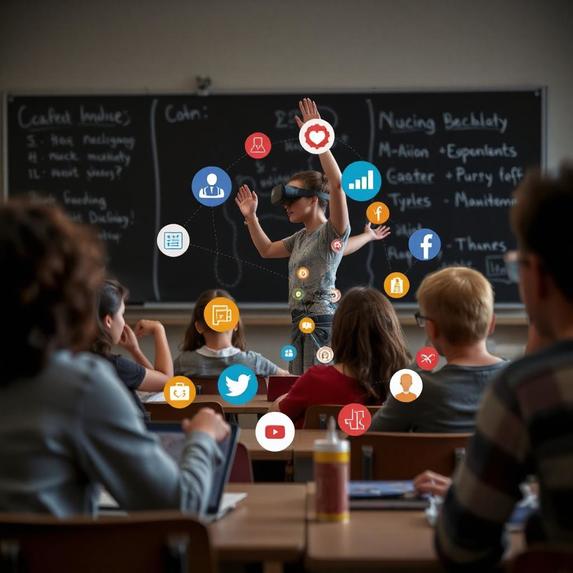
vr integration in education
-
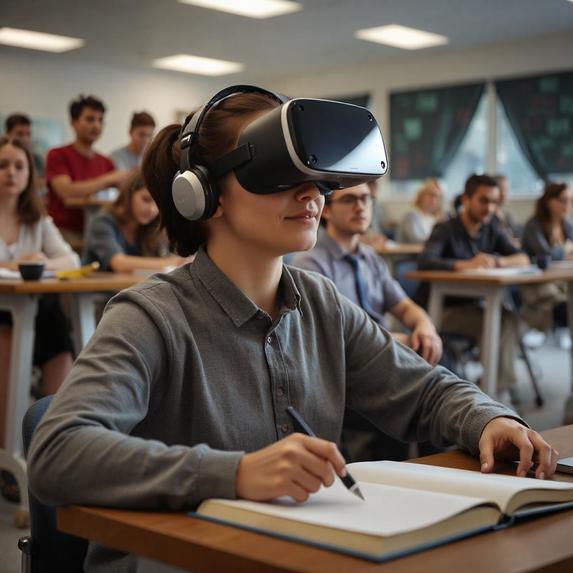
VR and AI integration in education system
Inspiration
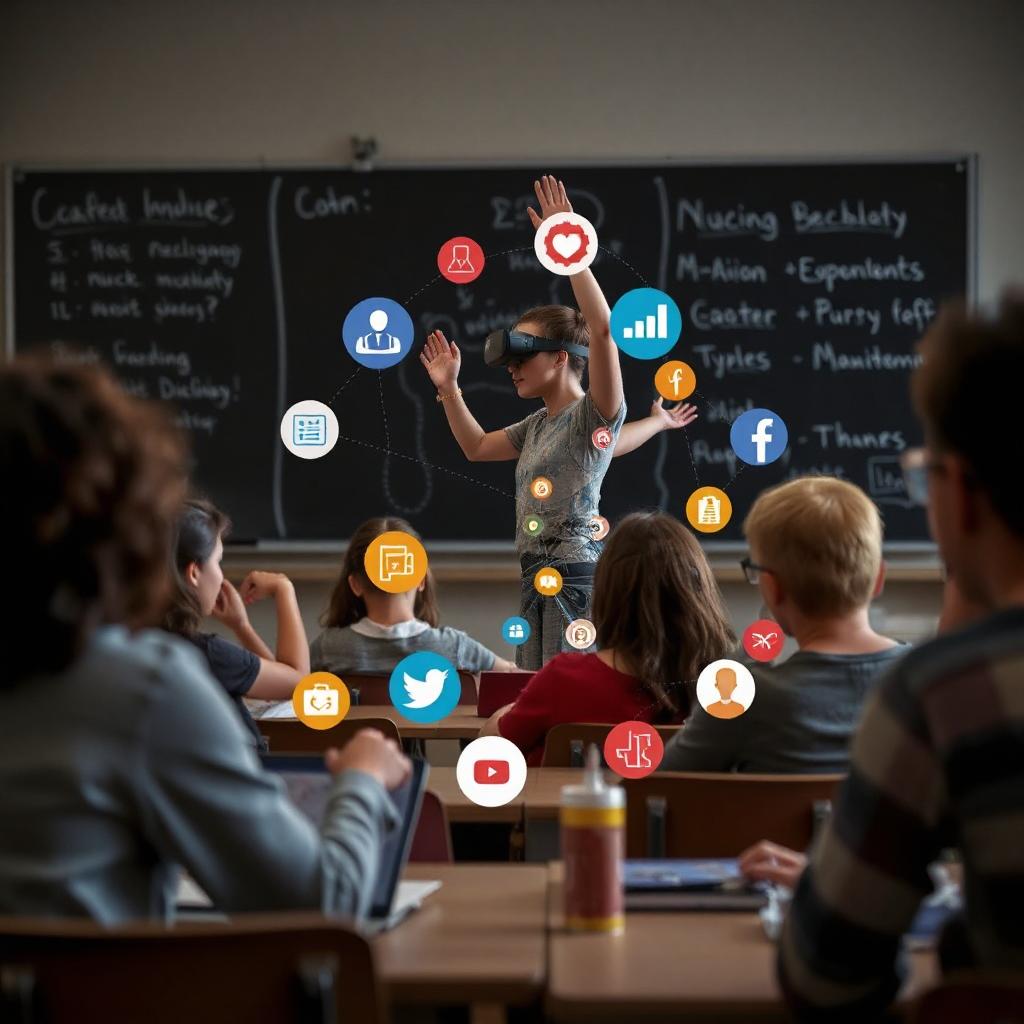
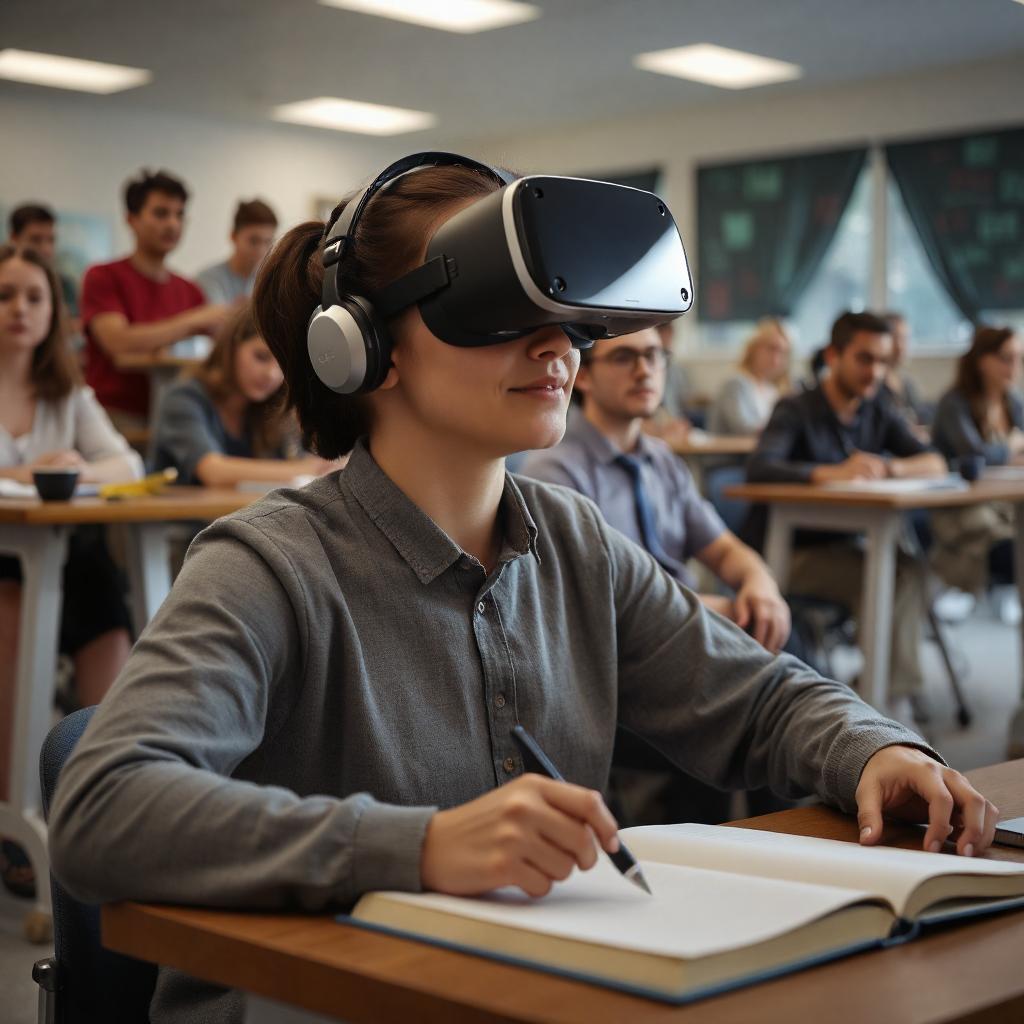
My motivation stemmed from witnessing the challenges inherent in traditional education methods. Many students, across different age groups, seemed disengaged and struggled to keep pace with standard curricula. The COVID-19 pandemic highlighted these issues, revealing how disconnected students could feel in remote classes. I envisioned a solution that could re-engage learners, making education not only informative but also exciting and versatile through the use of technology.
What it does
Personalized Learning Experiences By leveraging AI algorithms, the platform assesses individual student performance and preferences. It adapts the curriculum and learning materials in real-time to fit each learner’s unique pace, strengths, and weaknesses. This personalized approach ensures that no student is left behind and that they are constantly challenged within their capabilities.
Immersive VR Environments The project offers a variety of virtual reality scenarios that simulate real-world situations, enhancing the learning experience. Students can explore historical events, conduct science experiments, or engage in language immersion—all within a controlled, interactive environment. This hands-on approach helps increase engagement, comprehension, and retention.
Interactive Content Incorporating interactive elements, the platform allows students to take part in activities, quizzes, and simulations within the VR environment. This interactivity promotes active learning, encouraging students to engage with the material rather than passively consume information.
Collaboration Tools The platform includes features that enable students to collaborate on projects and engage with peers in virtual classrooms. This fosters teamwork and communication skills, crucial for today’s collaborative work environment.
Teacher Dashboard Educators are equipped with a dashboard that provides insights into student progress and engagement. They can monitor performance metrics, tailor lesson plans accordingly, and provide additional support where needed.
Accessible Learning The VR and AI integration aims to make learning more accessible to a diverse range of students, including those with learning disabilities. Customizable features allow for accommodations and adjustments to optimize learning experiences for every user.
Data-Driven Insights The system collects data on student interactions and outcomes, allowing for ongoing analysis and improvement of learning materials and approaches. This feedback loop helps ensure that the educational tools remain effective and relevant.
How we built it
The development of this project followed a systematic process:
Initial Research: I began by investigating existing educational tools to identify gaps and opportunities for innovation. This groundwork guided my planning and development direction.
Prototyping: I created preliminary prototypes using design tools to visualize the user interface and experience. Using Unity, I developed basic VR environments to simulate potential educational scenarios.
AI Integration: Collaborating with AI specialists, I implemented machine learning techniques that allow the system to customize content according to each student’s progress and understanding.
Testing and Feedback: I organized sessions where educators and students could test the prototypes. Their feedback was crucial for iterating and improving the overall functionality and engagement of the project.
Challenges we ran into
While the process was rewarding, I faced several obstacles:
Technical Hurdles: Integrating advanced AI features within a VR framework posed technical challenges, including hardware limitations and ensuring compatibility across different devices.
Maintaining Engagement: Striking the right balance between educational value and interactive engagement was complex. Some users had difficulty adjusting from traditional learning environments to immersive experiences.
Resource Allocation: Limited funding and resources forced me to make tough choices about features and prioritize essential functions without sacrificing quality.
Encouraging Adoption: Gaining buy-in from educators and institutions to use new technologies was a significant challenge, requiring me to demonstrate the tangible benefits through pilot programs and evidence-based results.
Accomplishments that we're proud of
Successful Prototype Development We developed an interactive VR prototype that effectively showcases the potential of immersive learning experiences. The prototype received positive feedback during initial testing sessions, demonstrating its capacity to engage students and promote active learning.
Personalized Learning Mechanisms We implemented advanced AI algorithms that successfully personalize learning pathways based on student performance and preferences. This adaptability has shown significant improvements in student engagement and retention of information.
Diverse Learning Scenarios Created a wide range of immersive learning environments across different subjects, including history, science, and languages. Each scenario was designed to enhance understanding through experiential learning, allowing students to explore concepts in a tangible way.
What we learned
Embarking on this project taught me several valuable lessons:
Understanding Learner Diversity: I realized the importance of accommodating various learning styles and preferences. Conducting interviews and surveys with educators and students provided insights into their unique experiences and needs.
Tech Know-how: I gained hands-on experience with VR development platforms such as Unity, along with insights into the functionality of AI in personalizing learning experiences.
Team Collaboration: Working alongside educators, developers, and tech experts was crucial. It reinforced the idea that diverse perspectives lead to more effective solutions.
Effective Project Management: Juggling project timelines and deliverables taught me flexibility and prioritization, essential skills in navigating unforeseen challenges.
What's next for Revolutionizing-Education-with-AI-and-VR
The future of "Revolutionizing Education with AI and VR" is filled with potential and promise. By focusing on these strategic initiatives, we are poised to create transformative educational experiences that engage learners, empower educators, and pave the way for a more inclusive and effective education system.


Log in or sign up for Devpost to join the conversation.