-
-
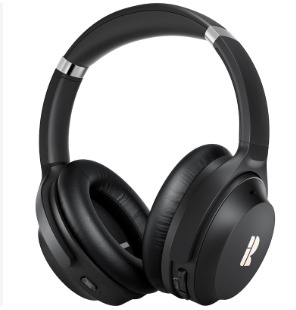
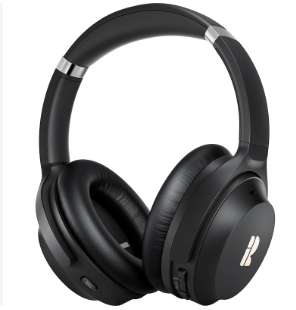
The Pristine Reference image
-
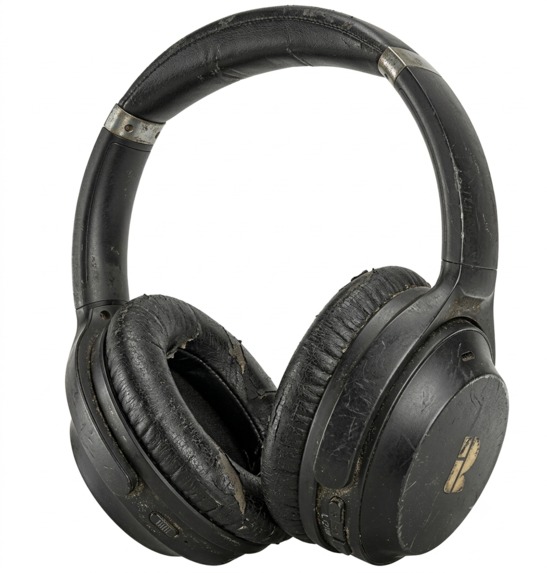
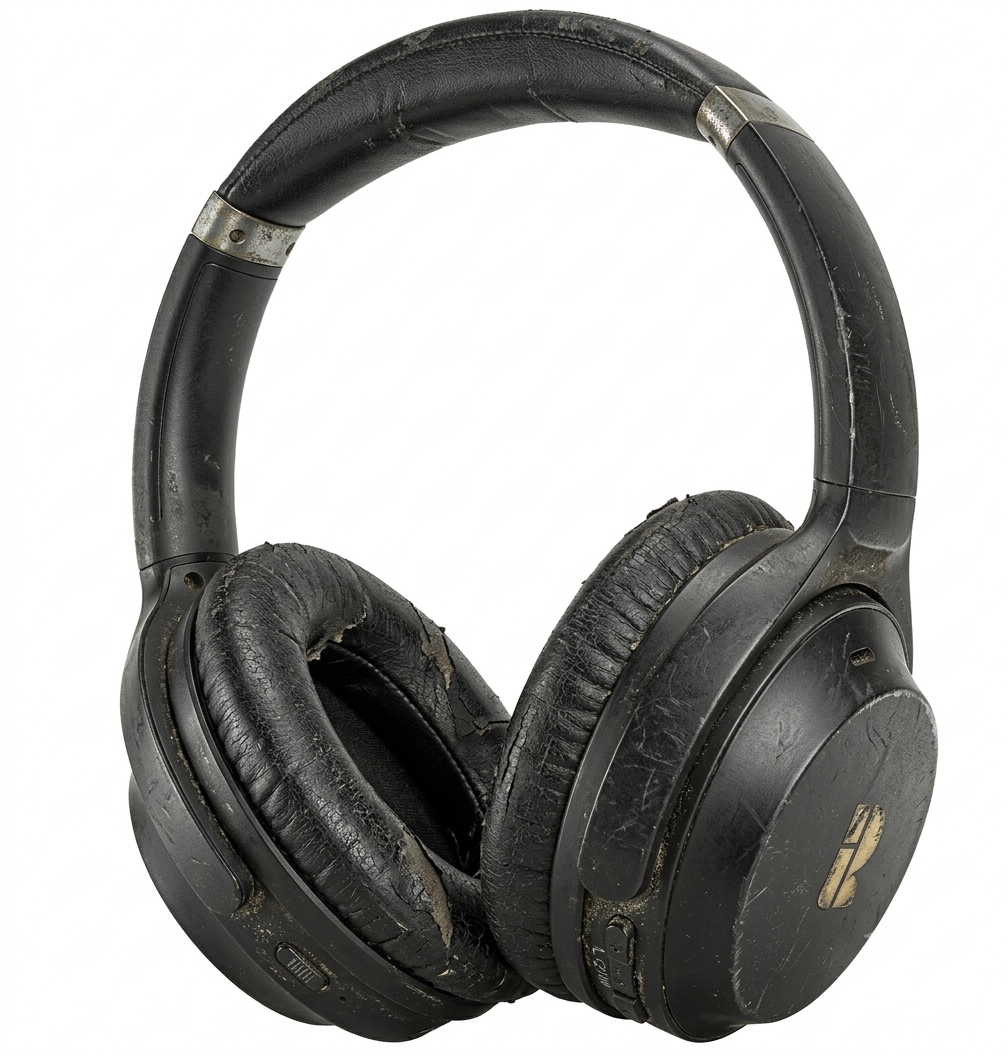
Little Scratch item image
-
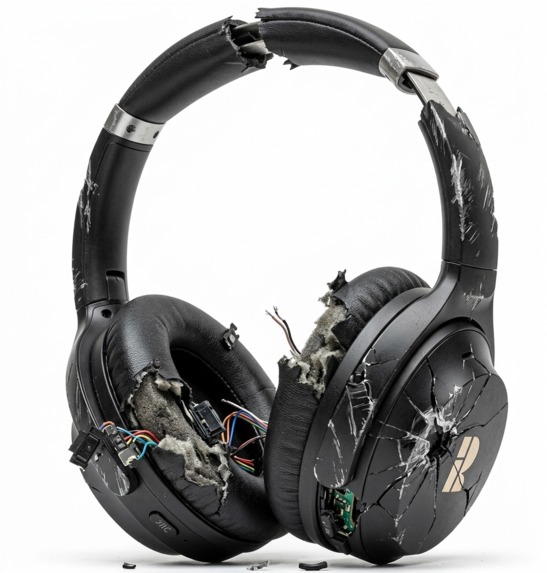
Surface Damage image
-
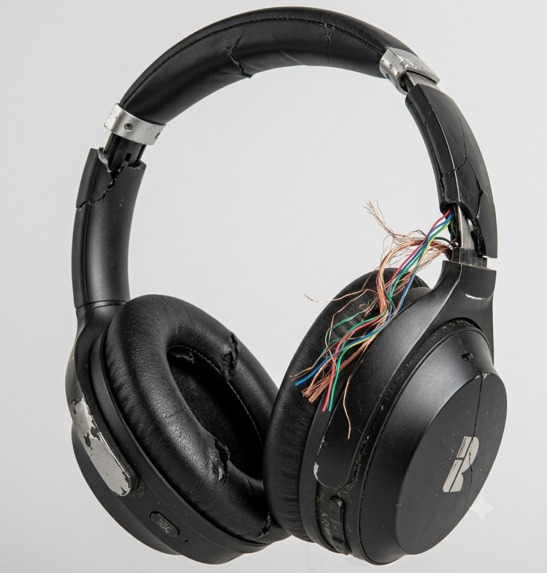
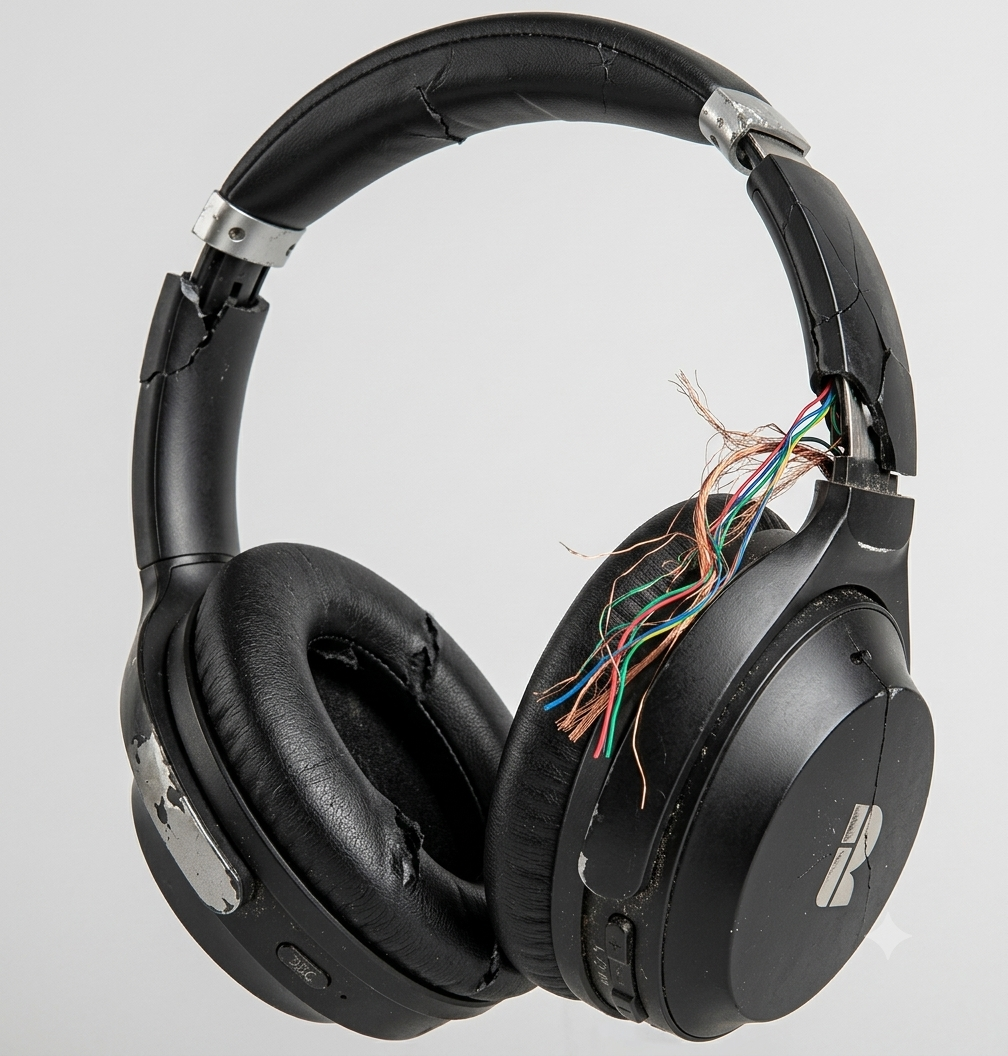
Wire damage item image
-

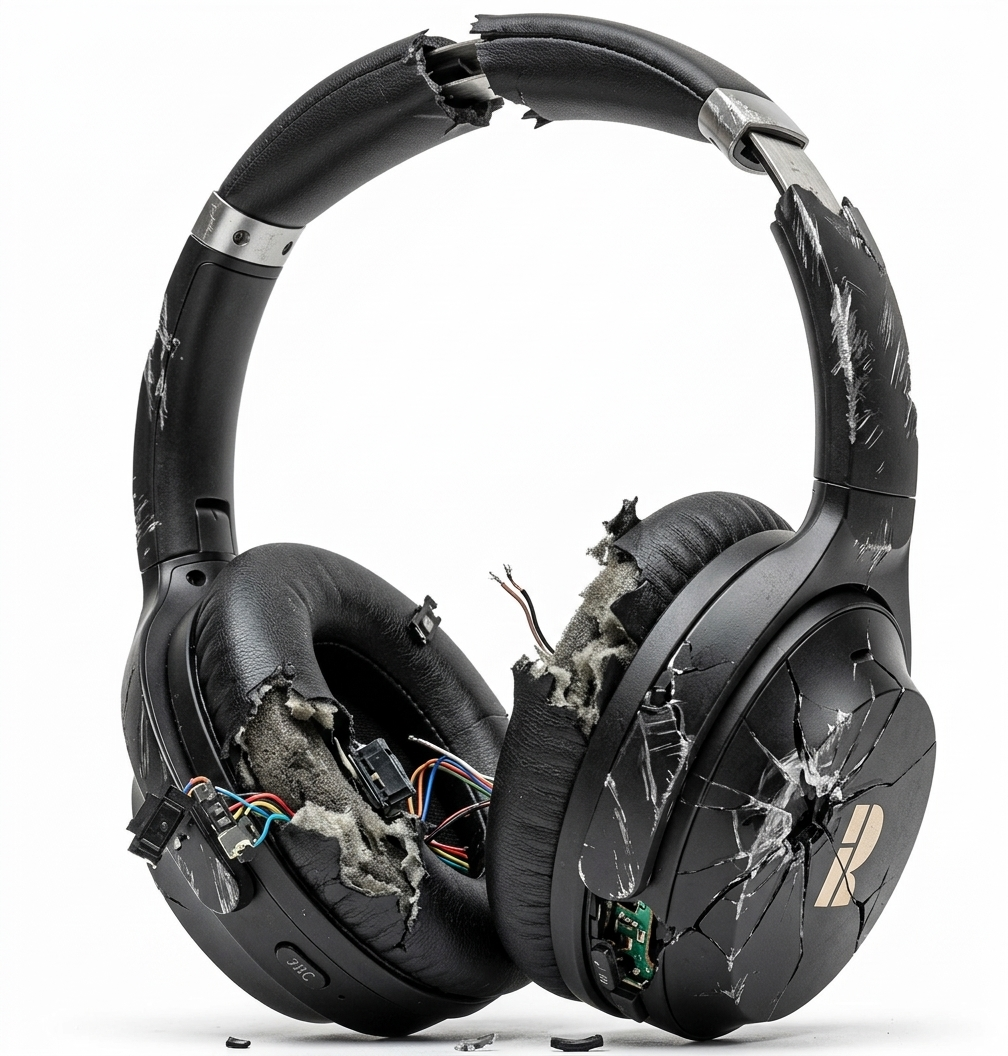
Totally broken item image

Inspiration
E-commerce returns generate billions in losses and tons of preventable landfill waste every year. Most warehouses process returns using slow, subjective manual checks or rigid rules that toss fixable products straight into the trash. We built ReverseLogix AI to change that has no need of large datasets. We wanted to make reverse logistics smarter by pairing computer vision with actual economics-turning a frustrating cost sink into a data-driven recovery process.
What it does
ReverseLogix AI scans returned items and instantly decides the most profitable path forward:
Visual Defect Detection: Compares returned items against a pristine stock image to spot color fading, cracks, and structural warping.
Smart Disposition: Automatically routes items to the right path—Direct Restock, Refurbish, Repair, Parts Salvage, or Recycle.
Real-Time Recovery Math: Factor in MSRP, technician labor, shipping, restocking fees, and salvage credits to calculate your actual net recovery.
Analytics Dashboard: Tracks cumulative P&L, repeat returns, and total e-waste saved.
How we built it
We built the core with FastAPI and SQLite, paired with a custom OpenCV pipeline for image analysis.To handle tricky real-world photos, we use SIFT feature matching to align images before comparing them. Color degradation is calculated using Delta-E in the LAB color space:$$\Delta E = \sqrt{(L_1^* - L_2^)^2 + (A_1^ - A_2^)^2 + (B_1^ - B_2^*)^2}$$From there, our financial engine runs the numbers to find the true net yield:$$R_{\text{net}} = V_{\text{resale}} + F_{\text{restock}} - (C_{\text{labor}} + C_{\text{materials}} + C_{\text{freight}} + C_{\text{disposal}})$$The front end relies on Tailwind CSS and Chart.js to keep everything clean and fast.
Challenges we ran into
Bad Photo Angles: Return photos are never taken in perfect studio conditions. Simple image overlays failed immediately, so we had to build an alignment step using homography matrices to align incoming items to our reference shots.
Lighting Shifts: Standard RGB checks broke whenever lighting changed. Switching to the LAB color space helped us separate pure brightness from actual material color fading.
Balancing Repairs vs. Labor: A broken item might sell for $100 after repair, but if technician labor costs $120, fixing it is a trap. Getting our visual algorithms to talk smoothly with dynamic economic sliders took quite a bit of tuning.
Accomplishments that we're proud of
Sub-Second Decisions: The full pipeline aligns photos, runs defect checks, and calculates net yield in under 800ms.
Business-Minded Vision: We built a tool that doesn't just look for scratches—it cares about margins and labor costs.
Lightweight & Self-Contained: Everything runs locally without relying on expensive third-party APIs.
What we learned
Visual condition is only half the story. Just because something can be fixed doesn't mean it should be. We learned that blending computer vision with fast cost-modeling yields far better business decisions than relying on visual scores alone.
What's next for ReverseLogix AI
Custom Defect AI: Train localized YOLOv8 models to classify specific damage types—such as deep glass scratches, cracked housings, liquid indicator triggers, or missing accessories—with higher precision.
Multimodal Inspection Summaries: Integrate Vision-Language Models (VLMs) like GPT-4o or Gemini Vision to generate conversational, step-by-step repair guides for warehouse technicians based on scanned visual anomalies.
Predictive Fraud & Policy Guardrails: Leverage historical return logs to flag high-risk buyers, detect "wardrobing" or counterfeit swaps, and automatically adjust restock fees based on return frequency.
Automated Secondary Marketplace Routing: Connect the decision engine directly to liquidation channels and secondary platforms (e.g., eBay, Back Market, B-Stock) to list refurbished items automatically at dynamically calculated optimal prices.
ERP & WMS Native Integrations: Build webhooks and connectors for major platforms like Shopify, SAP, and Oracle WMS to trigger instant customer refunds and auto-assign warehouse storage bins upon scan completion.Visual condition is only half the story. Just because something can be fixed doesn't mean it should be. We learned that blending computer vision with fast cost-modeling yields far better business decisions than relying on visual scores alone.

Log in or sign up for Devpost to join the conversation.