-
-
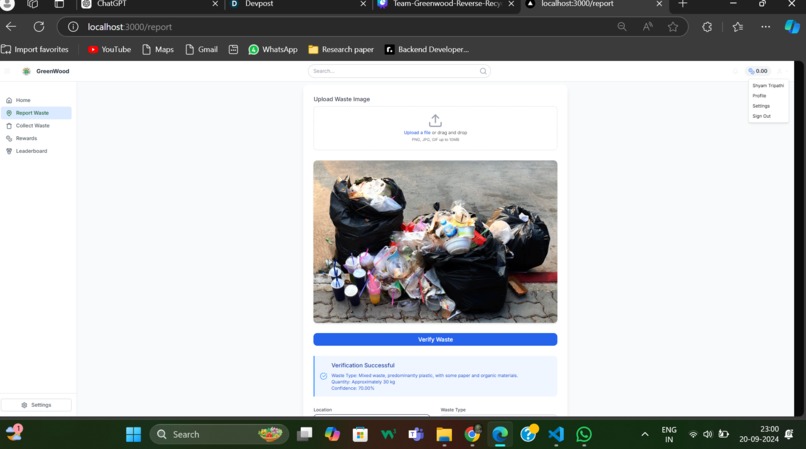
Gemini AI verification
-
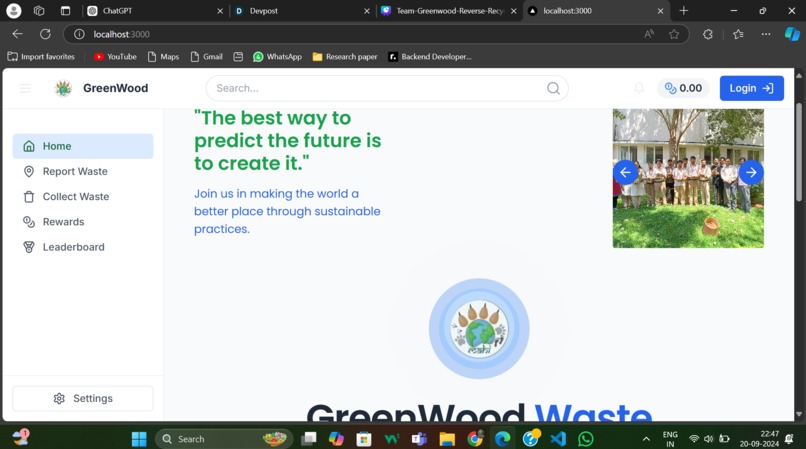
Main Landing page
-
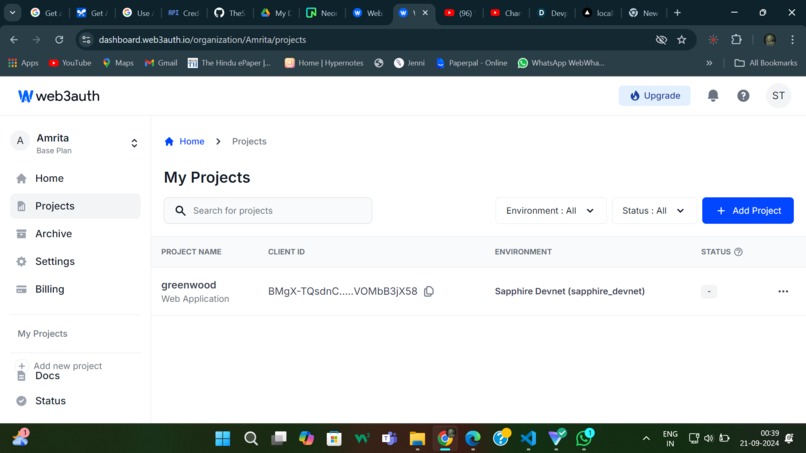
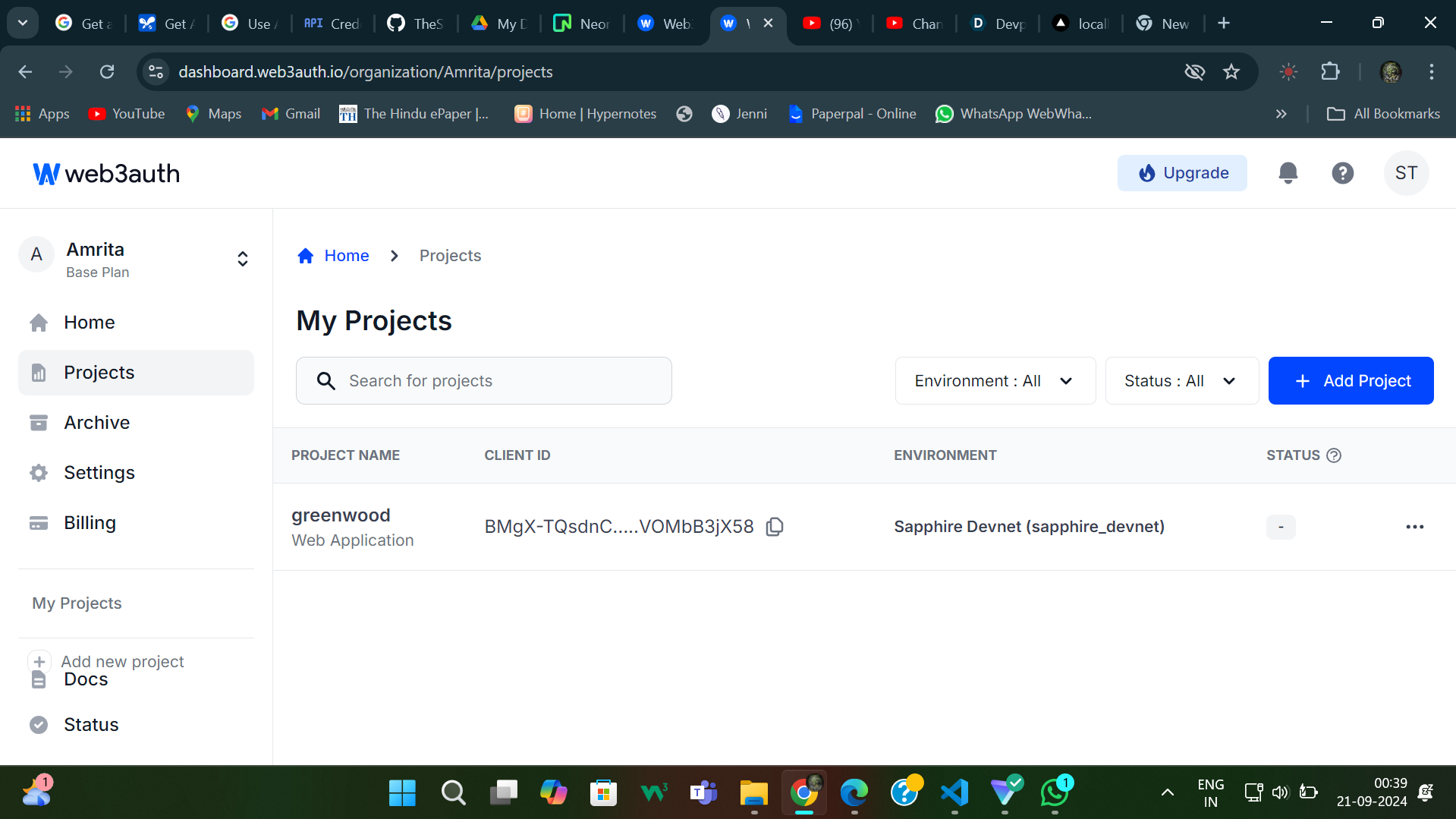
web3auth platform
-
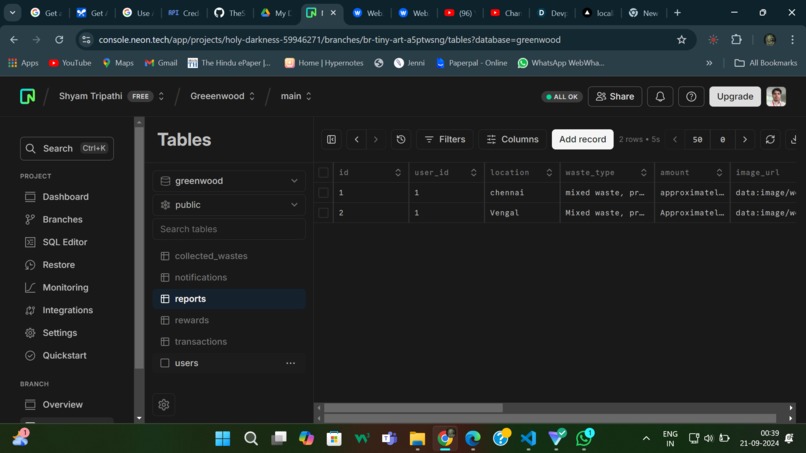
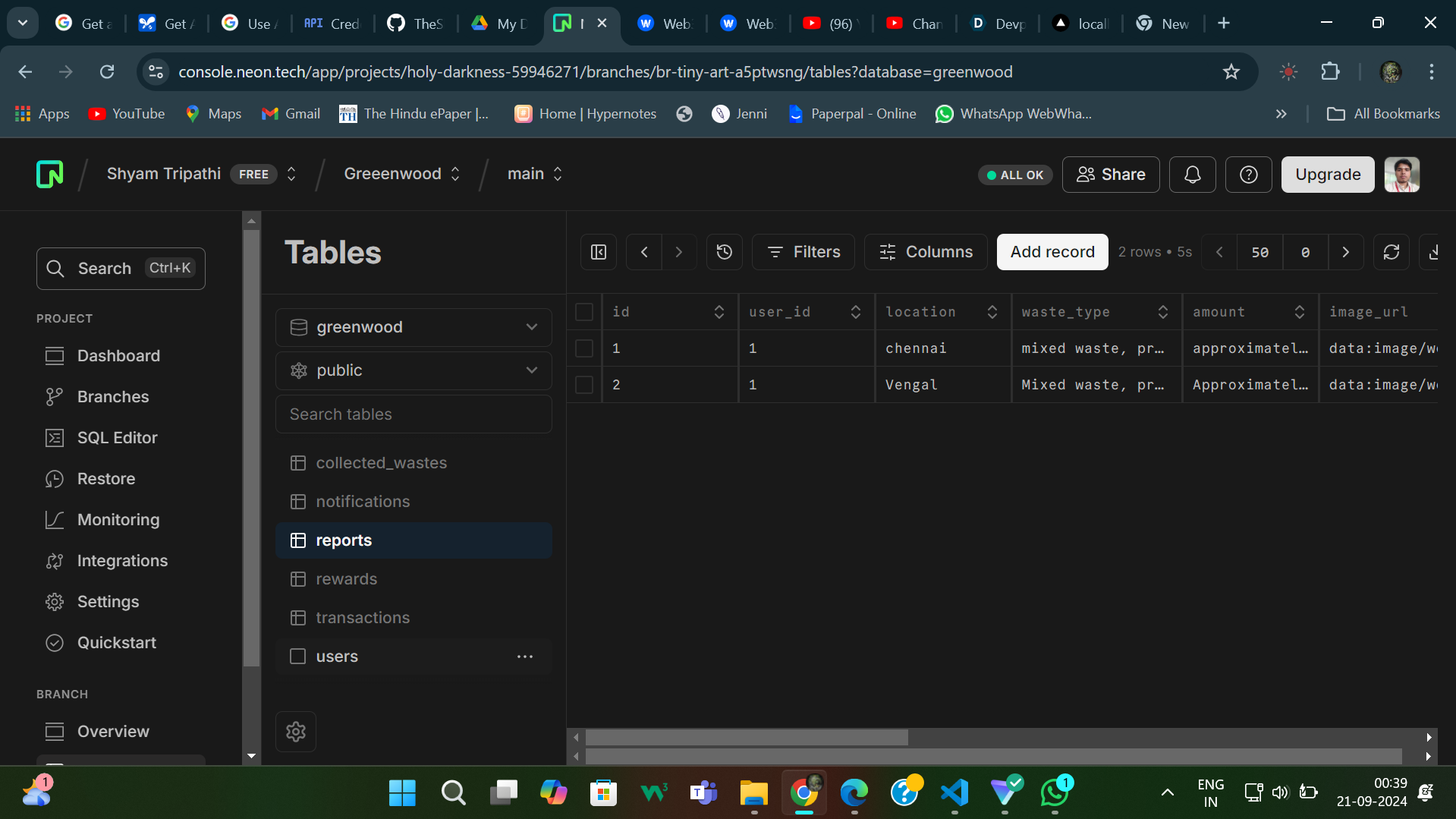
Neon Database
-
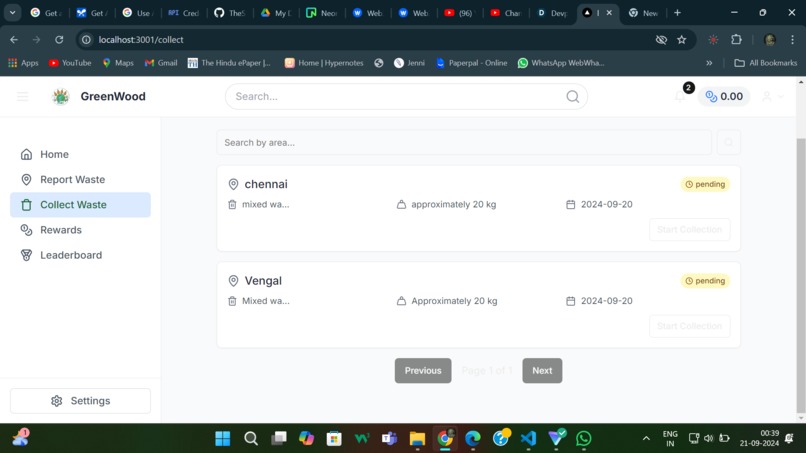
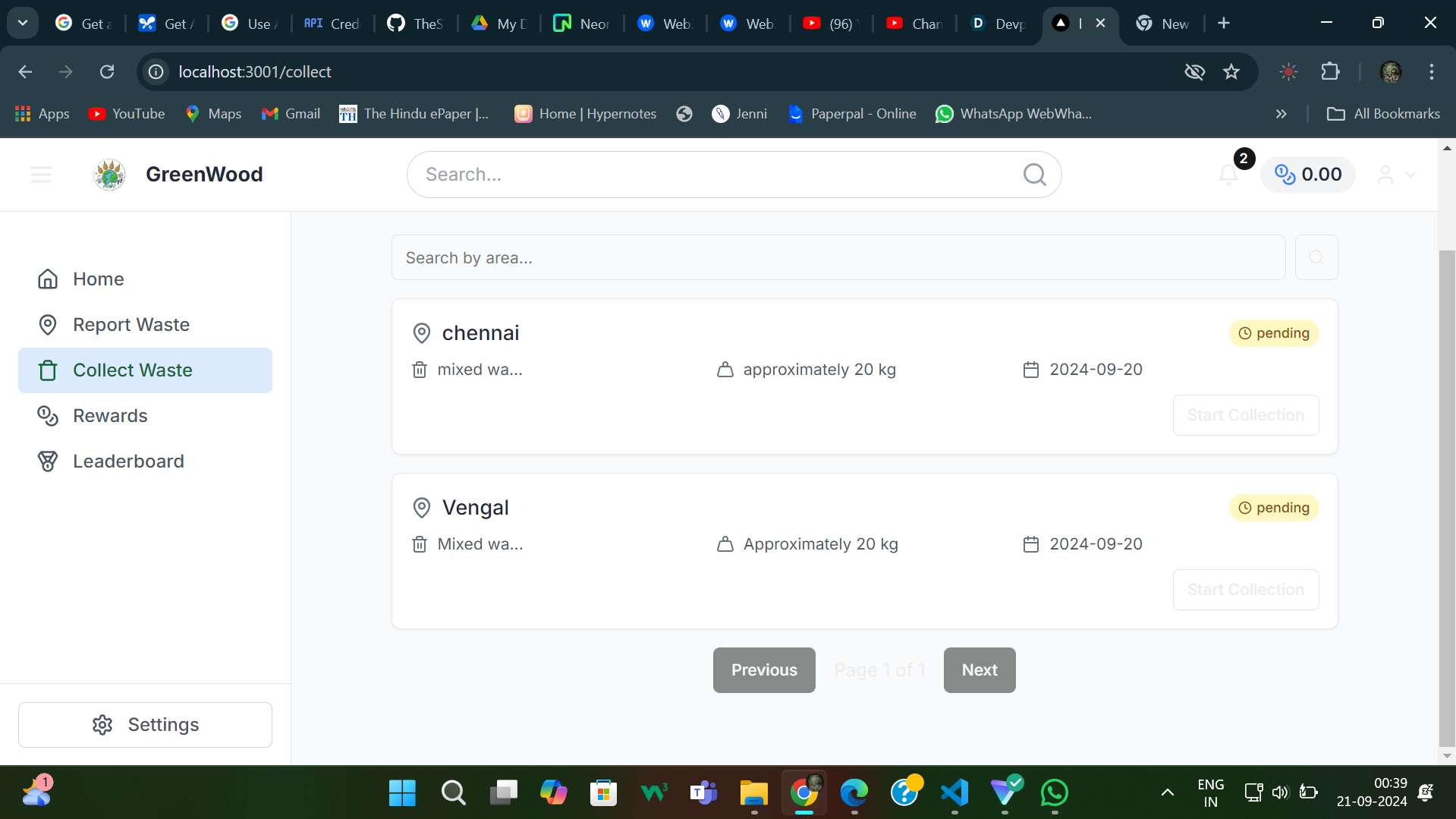
Collection page


Inspiration
The rising concern over improper waste disposal and segregation on campuses inspired the creation of GreenWood. Overflowing landfills and the incorrect sorting of recyclable and hazardous materials are not only harming the environment but also creating unsustainable practices. We wanted to leverage modern technology to address these challenges head-on by making waste management smarter, more efficient, and incentivized. Our vision was to foster an eco-conscious environment, starting with educational campuses and eventually scaling to larger communities.
What it does
GreenWood is an AI-powered waste management platform that streamlines waste segregation using machine learning. The platform allows users to scan and classify waste, which helps train the system to automate the process over time. Users are incentivized to correctly dispose of waste through rewards and leaderboard rankings, encouraging responsible recycling behavior. Additionally, GreenWood has future plans to integrate CCTV monitoring and Reverse Vending Machines (RVMs) to enhance the accuracy of waste segregation and offer tangible rewards for recycling.
How we built it
We developed GreenWood using Next.js for the frontend and Node.js for the backend, with Google Gemini AI powering the machine learning component for waste classification. For data storage, we used PostgreSQL to manage user activity and waste classification records. The system also utilizes tools like Web3Auth, **NeoN, and **Drizzle to manage authentication and rewards. In Phase I, the system primarily focuses on training the machine learning model through manual user inputs, and as more data is gathered, the waste classification becomes increasingly automated.
Challenges we ran into
One of the major challenges we faced was developing an effective machine learning model capable of accurately classifying waste into multiple categories. Additionally, creating a user-friendly system that can incentivize responsible behavior without being too intrusive was tricky. Balancing between automation and manual input to improve accuracy also proved challenging. We also faced difficulties integrating reward systems in a way that felt meaningful and sustainable for long-term usage.
Accomplishments that we're proud of
We’re proud of building a working machine learning model that can classify waste with increasing accuracy as it gathers data. Successfully integrating an incentive-based system with a leaderboard to promote friendly competition among users is another major achievement. Moreover, we’ve built a scalable architecture that can later support future additions like CCTV monitoring and Reverse Vending Machines. Creating a platform that directly addresses real-world environmental issues gives us a sense of accomplishment and purpose.
What we learned
Throughout this project, we learned a great deal about machine learning, particularly how to train a model efficiently with user-generated data. We also gained experience in integrating AI with real-time applications and making complex systems user-friendly. Additionally, we explored the importance of user engagement in building sustainable practices and the critical role of incentives in motivating users to adopt responsible behaviors.
What's next for GreenWood Waste Management
Our future goals for GreenWood include the integration of CCTV monitoring to provide real-time feedback on waste disposal and Reverse Vending Machines (RVMs) at key locations to collect recyclables and reward users. We also plan to expand GreenWood beyond campus environments, adapting the system for use in municipalities, villages, and larger communities. Another goal is to continuously improve the machine learning model, making waste classification more accurate and reducing the need for manual input. Eventually, we aim to develop a mobile application to make waste management accessible anytime, anywhere.
Built With
- drizzle
- google-gemini-ai-api
- google-map-api-key
- neon
- next.js
- node.js
- postgresql
- react
- tailwindcss
- typescript
- web3auth


Log in or sign up for Devpost to join the conversation.