-
Charts
Inspiration
We were inspired by one of our teachers who was very unconventional and loved using games to teach us.
What it does
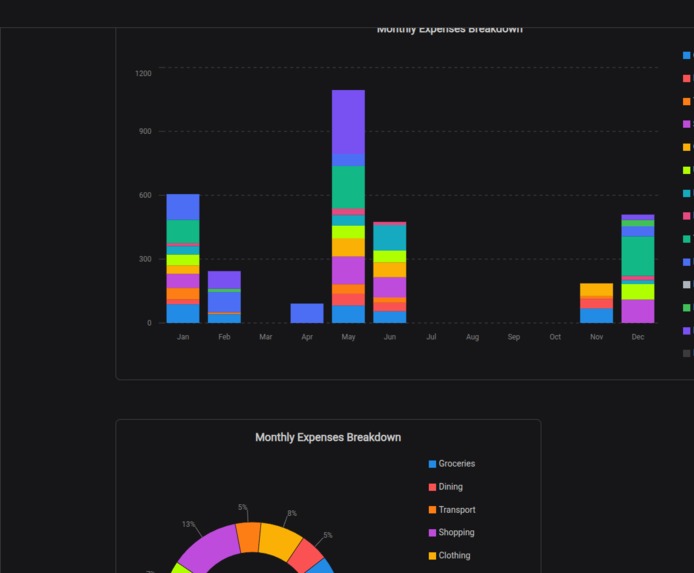
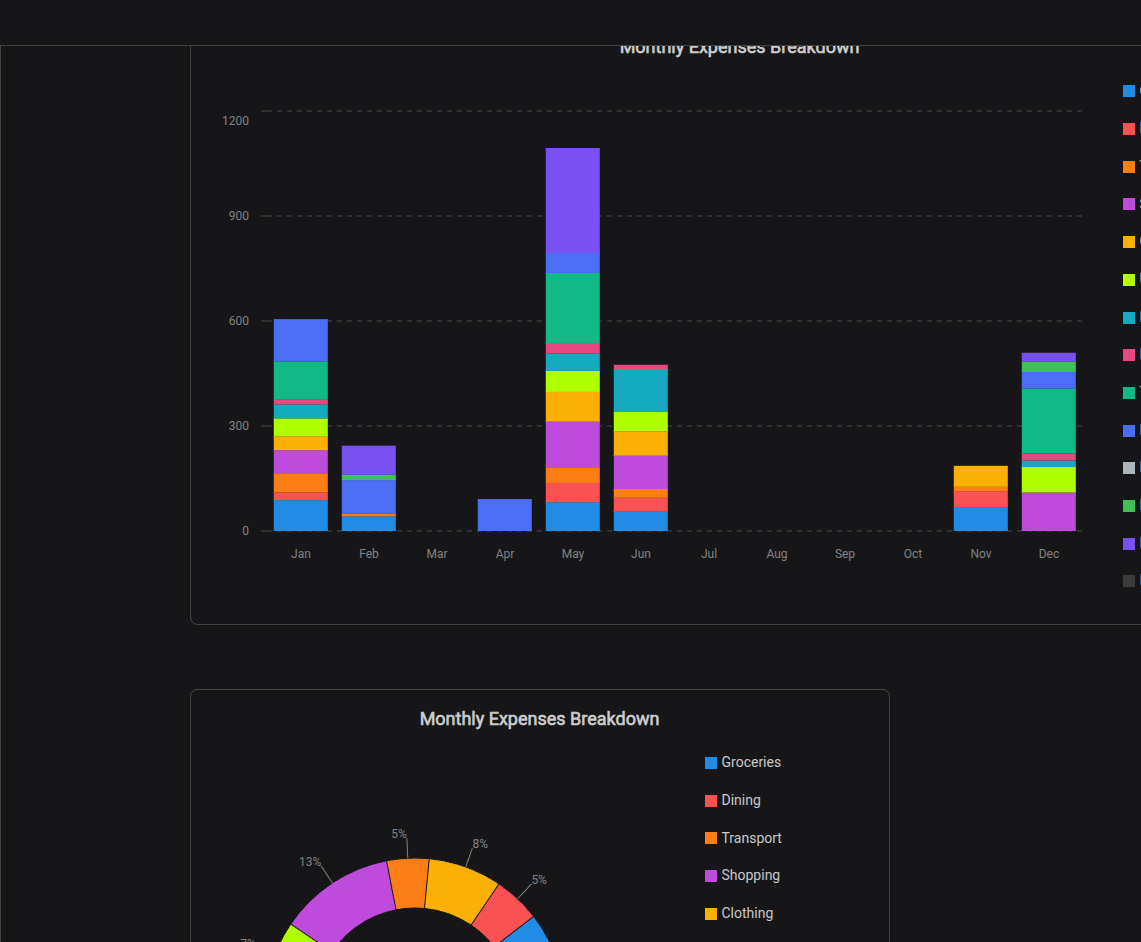
It’s a platform designed as an extension to the Revolut website or app. Given your monthly expense data and personal objectives, Gemini 2.0 Flask (the Google AI model) generates a series of monthly challenges to promote financial well-being and happiness. Complete the challenges, and you’ll be able to treat yourself with a little reward.
How we built it
Our team began the project by building an API to store the data processed by the AI model. Once we knew how the model worked, we divided our tasks and set about transforming the data, developing the frontend, and building the backend.
Challenges we ran into
We encountered connectivity issues between the database and the API: sometimes it worked and sometimes it didn’t. In the end, with patience, we managed to get everything working.
Accomplishments that we're proud of
The majority of our team hadn’t worked with an AI model before. By the end of the project, we realized that if we were to start over, we would spend far less time configuring and experimenting with the AI model.
What We Learned
Our team learned a great deal—both individually and as a group—by working with a diverse technology stack:
- FastAPI: a high-performance Python framework for building APIs.
- Pandas: a powerful Python library for data analysis.
- SQLite: a lightweight, file-based SQL database.
- Next.js: a React framework for server-rendered applications.
- Gemini 2.0 (Flask AI model): a Flask-based service for AI inference.
Each technology taught us best practices in its domain and how to integrate them into a cohesive platform.
What's next for Revault
We would like to integrate Revault into the official Revolut app, assess its effectiveness as a tool for universal financial education, and then iterate based on our findings.
Built With
- fastapi
- gemini
- google-genai
- javascript
- next.js
- pandas
- python
- sqlite

Log in or sign up for Devpost to join the conversation.