-
-
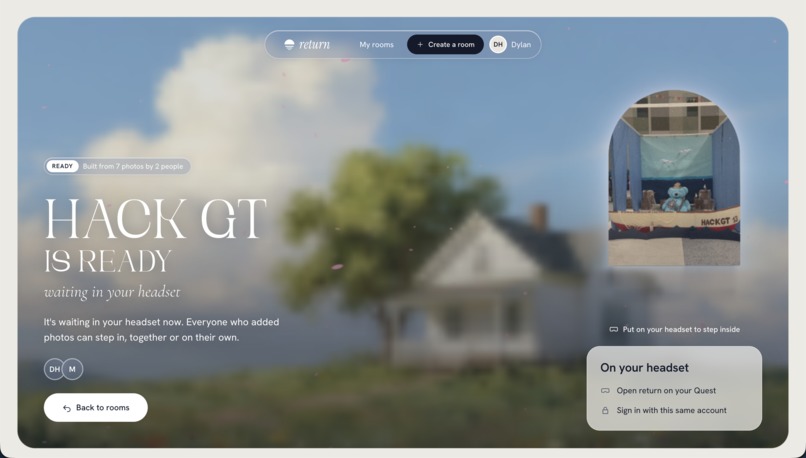
Your world is ready to enter
-
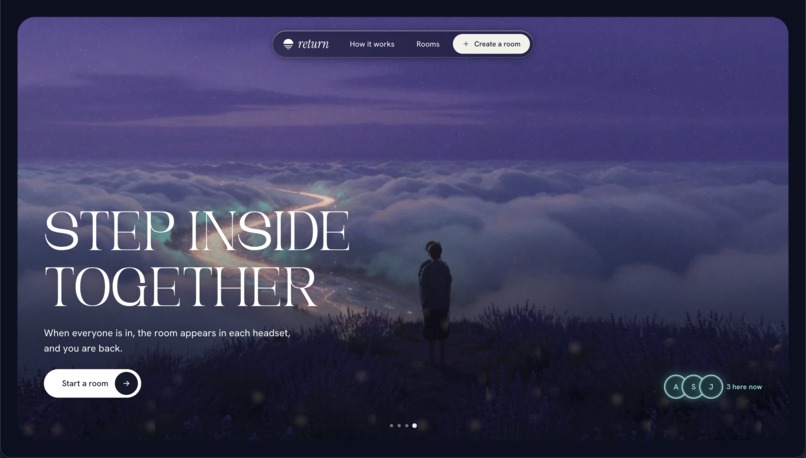
Step inside together
-
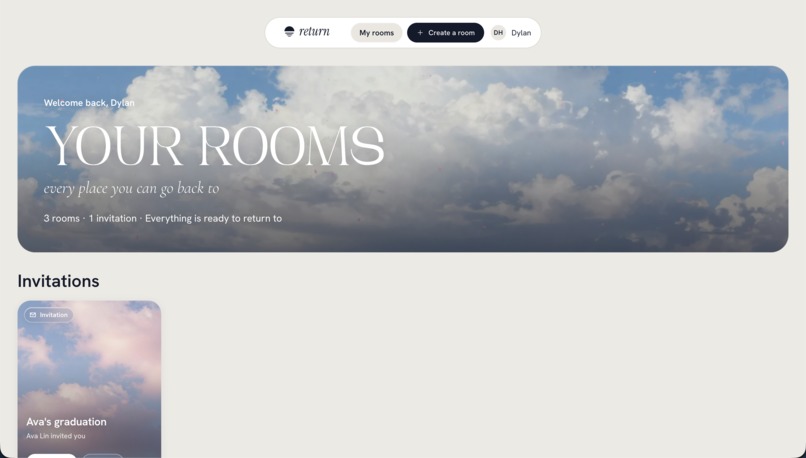
Room management section
-
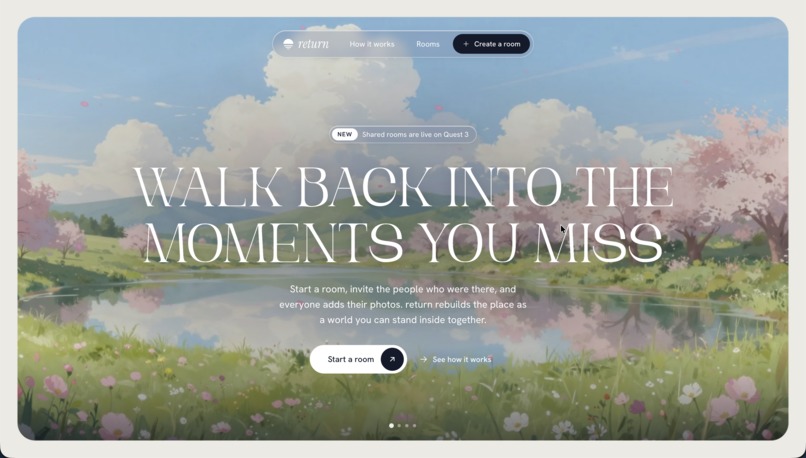
walk back into the moments you miss
-
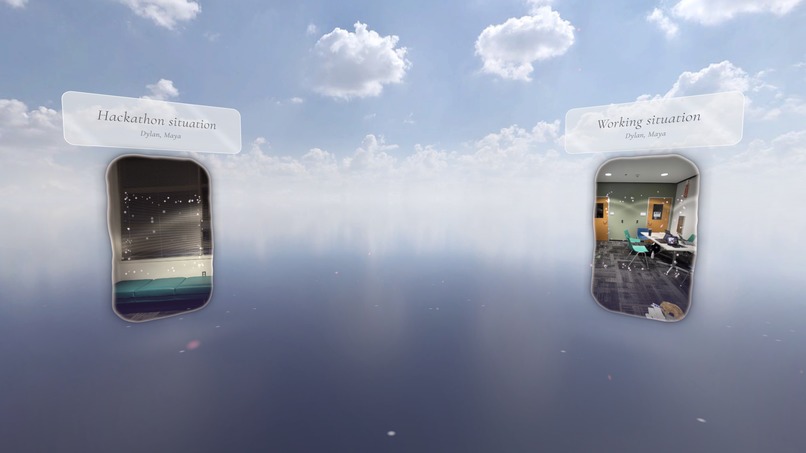
A glimpse into the past
-
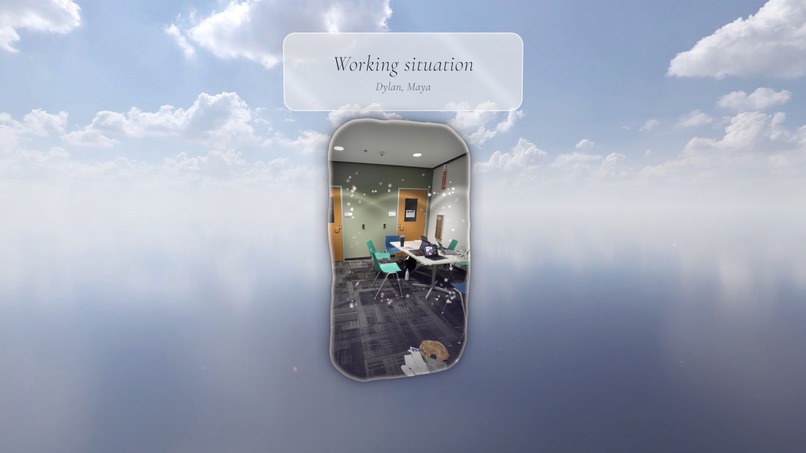
Just step inside
-
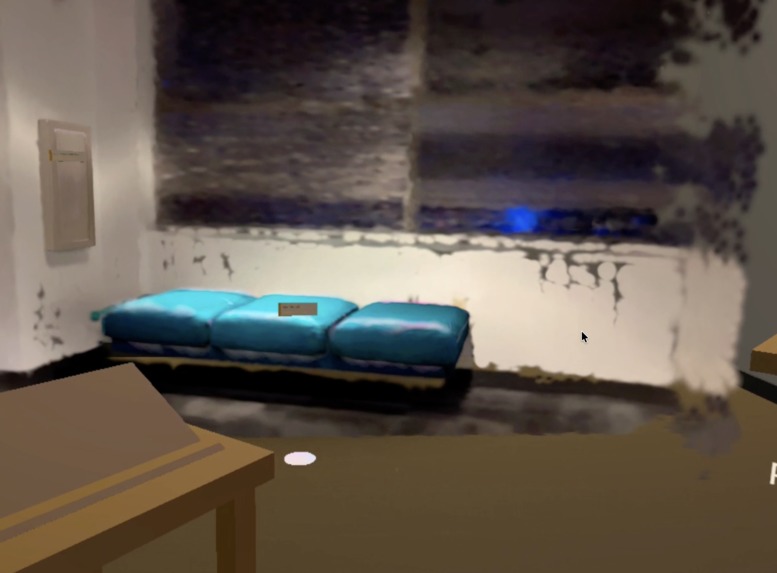
The bed I slept on
-
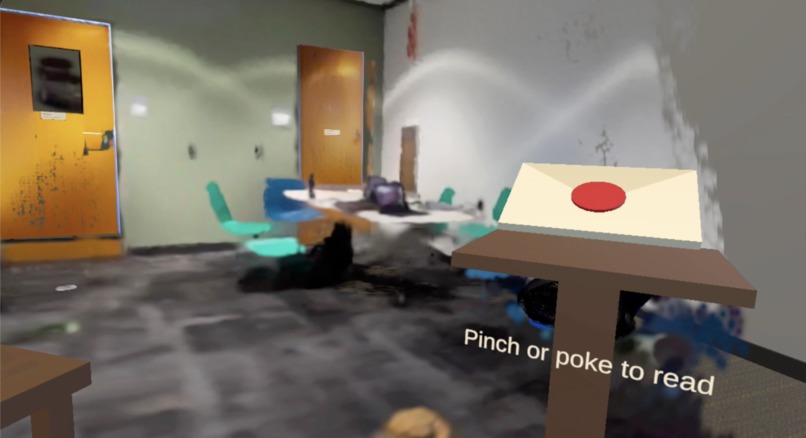
Our workspace
Inspiration
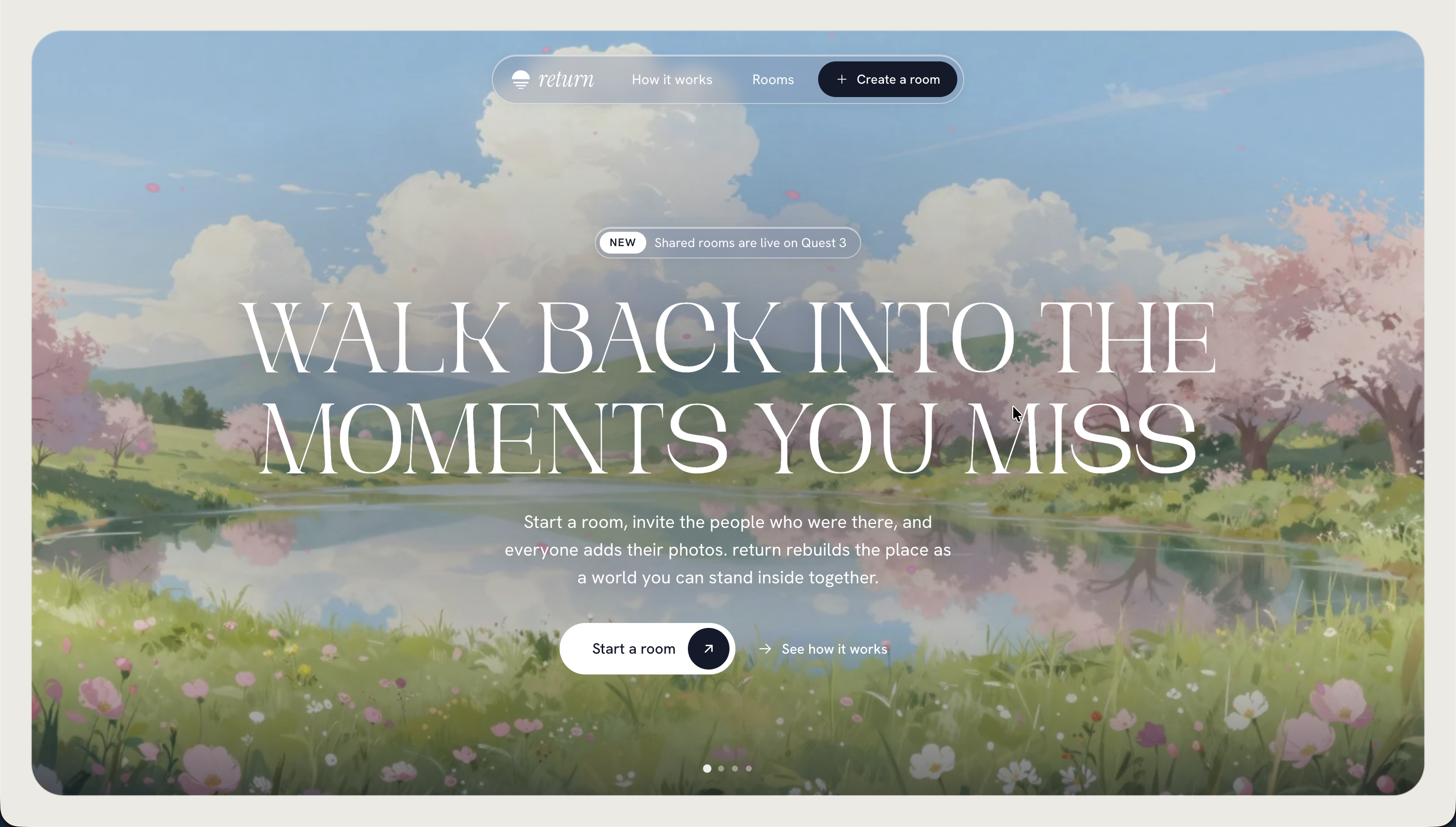
A lot of the people we care about don't live near us, and the ones who do are usually busy. We still send each other photos and FaceTime, but a photo only shows a slice of a place. It doesn't let someone stand where you stood. Experiencing something together in person has always been one of the ways people stay close, and distance takes that away. We built return so you can bring the people you love to the places you've been, even when you can't take them there yourself.
What it does
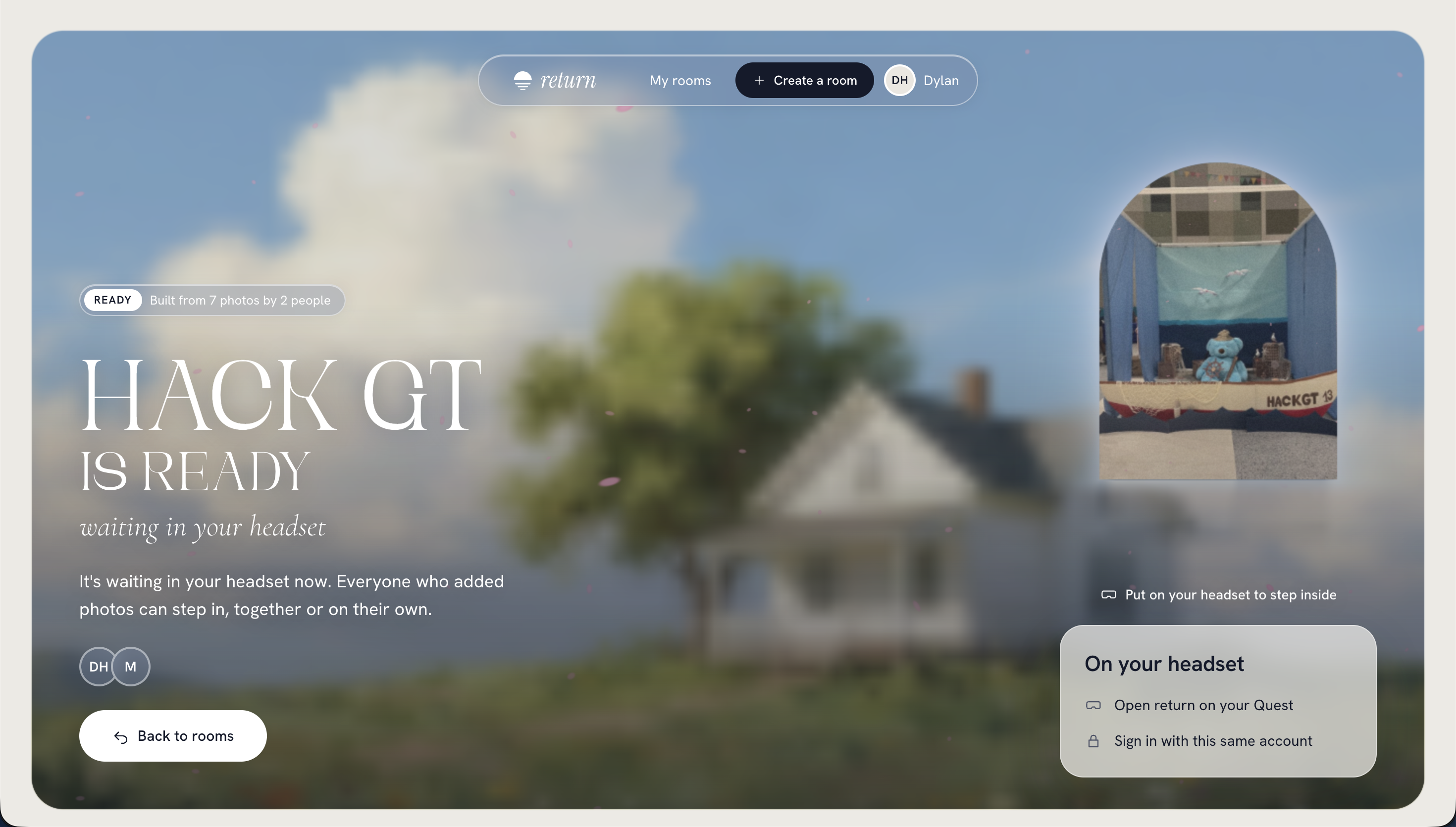
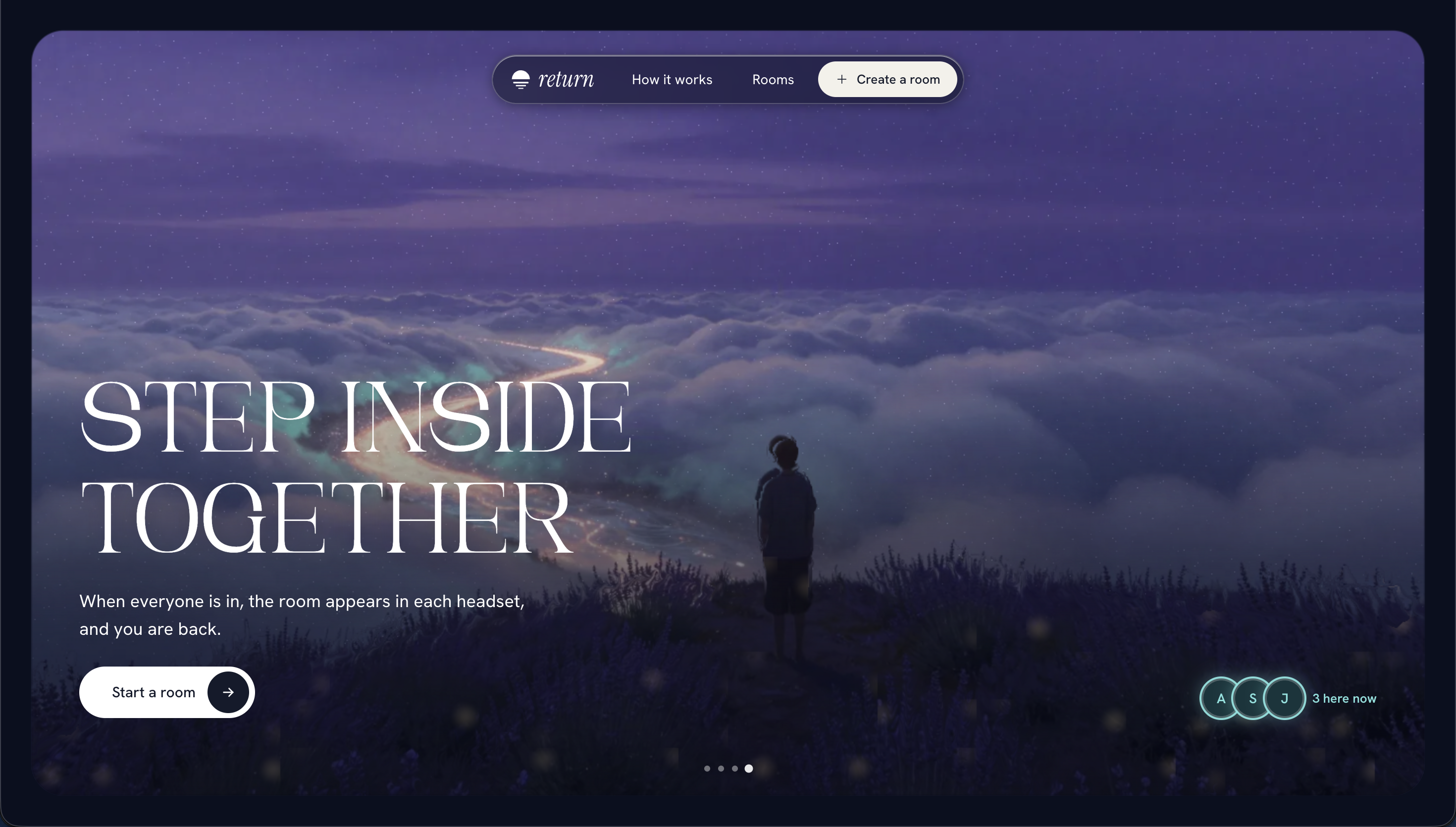
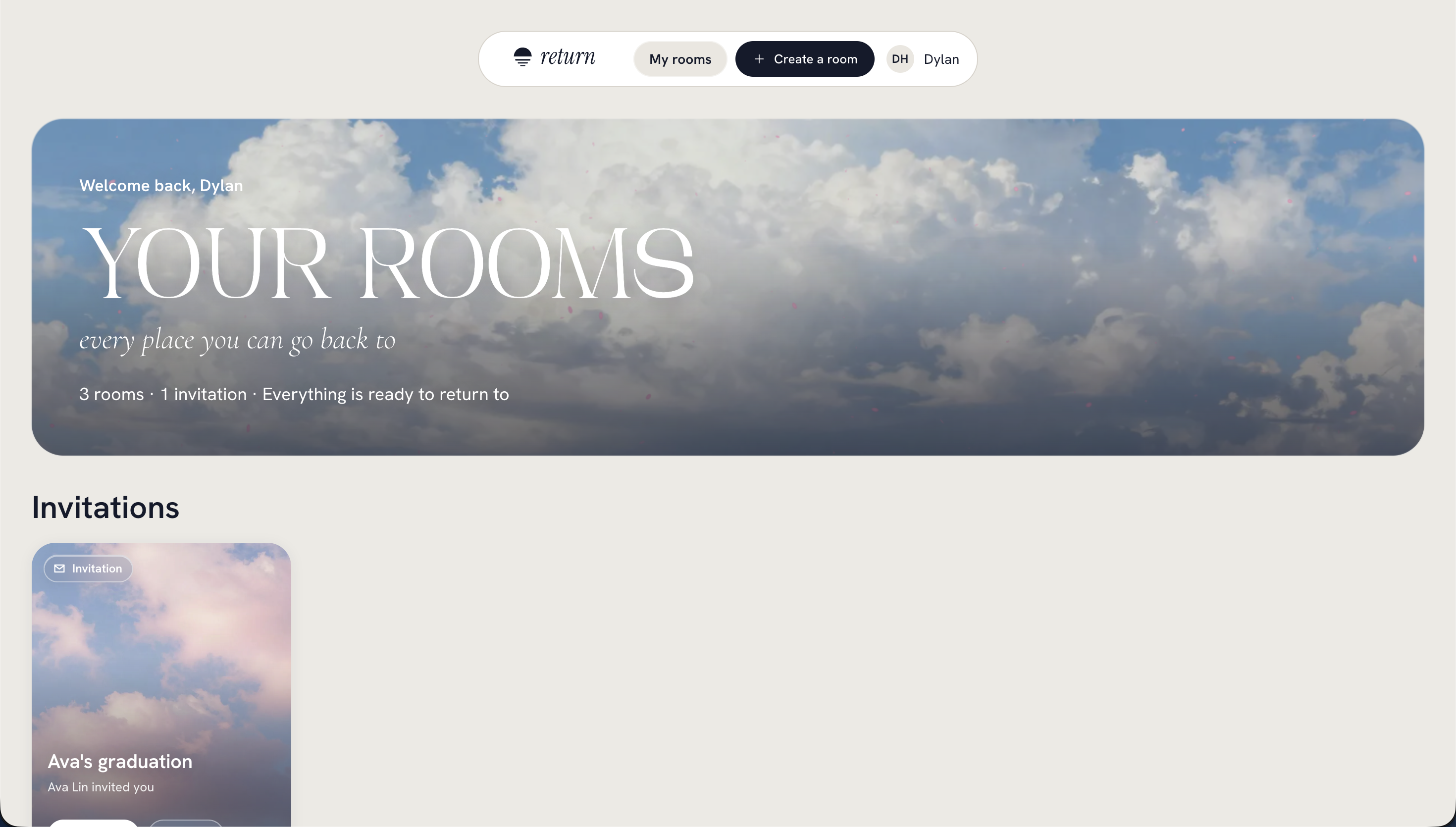
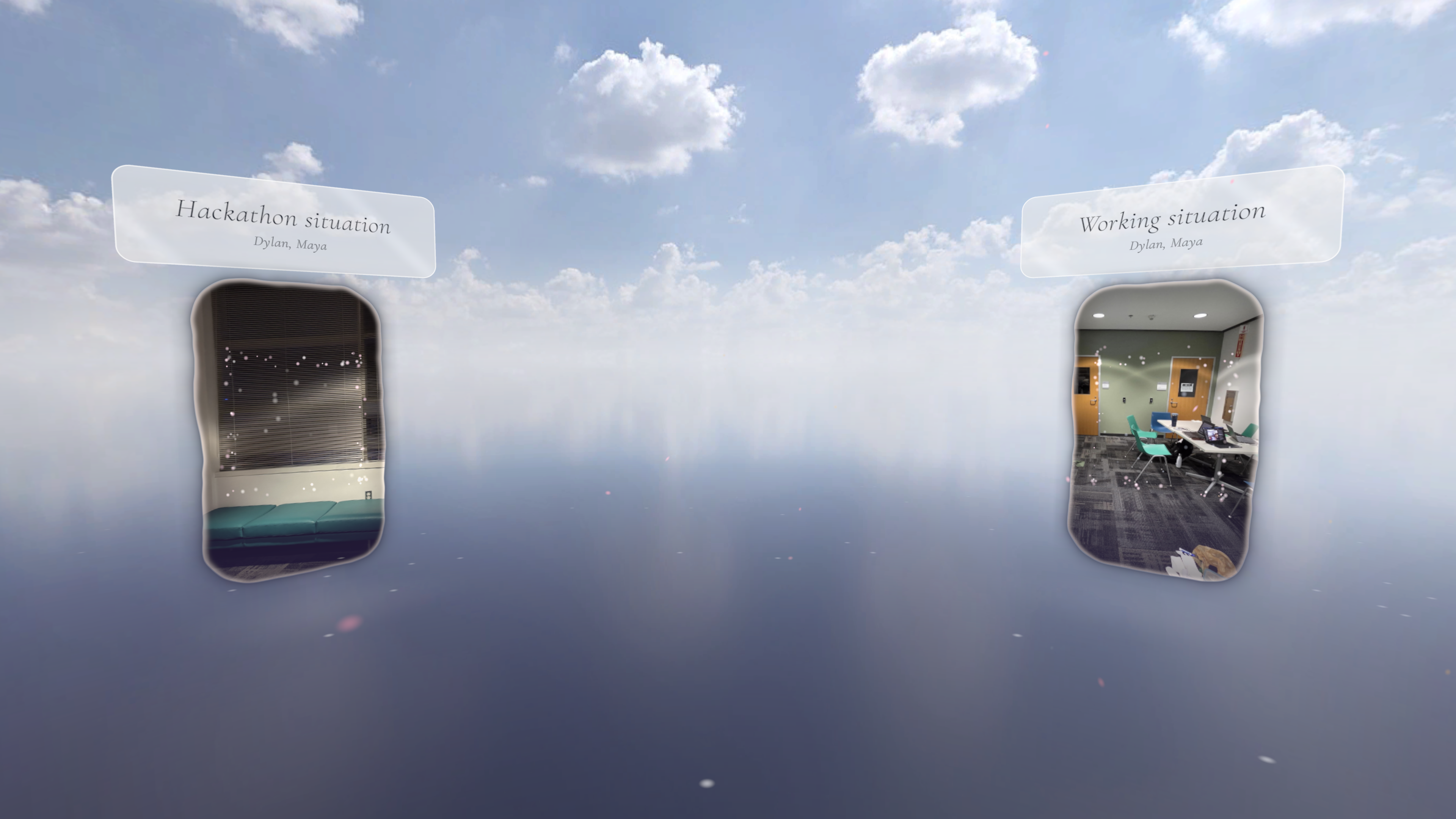
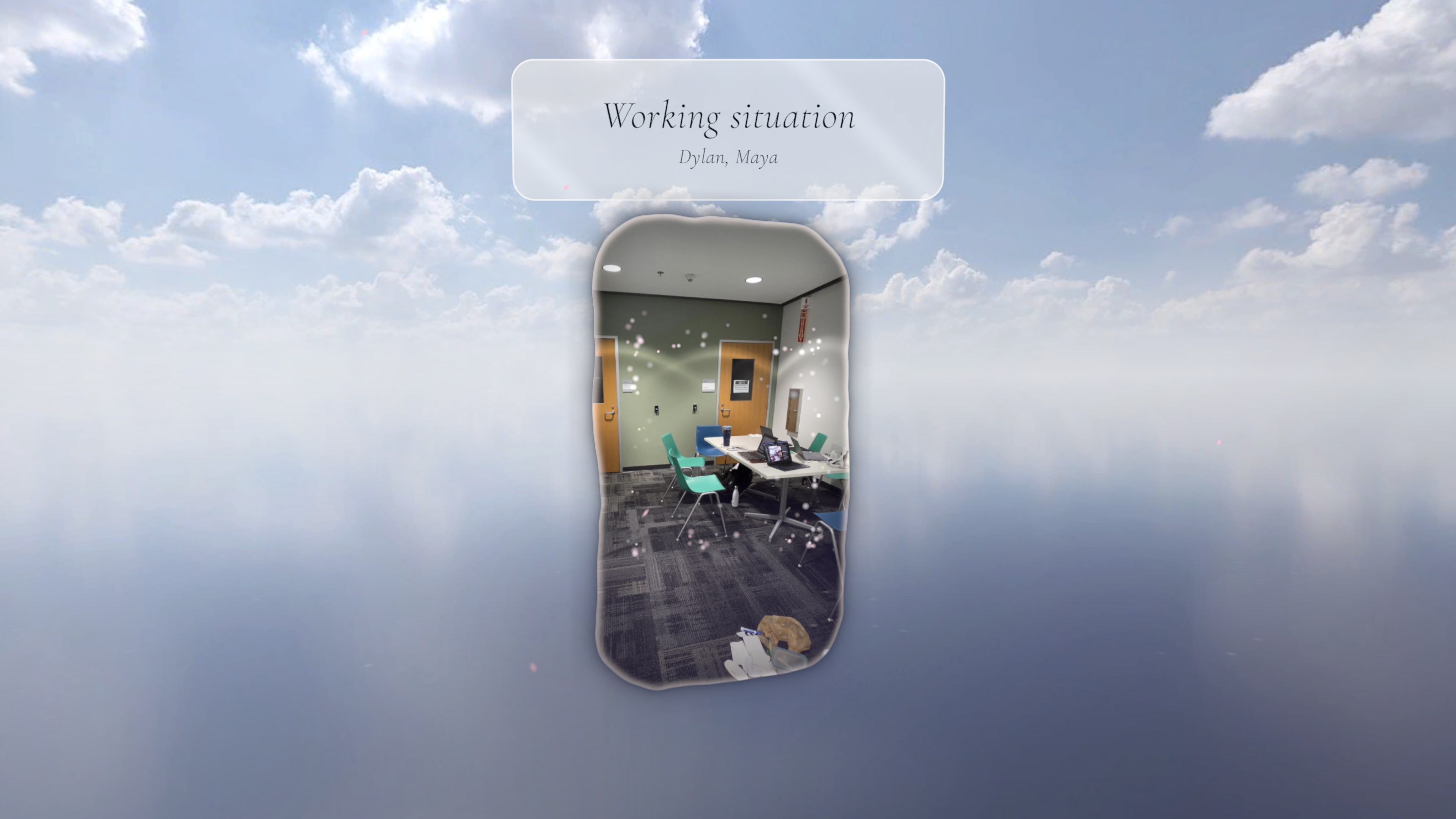
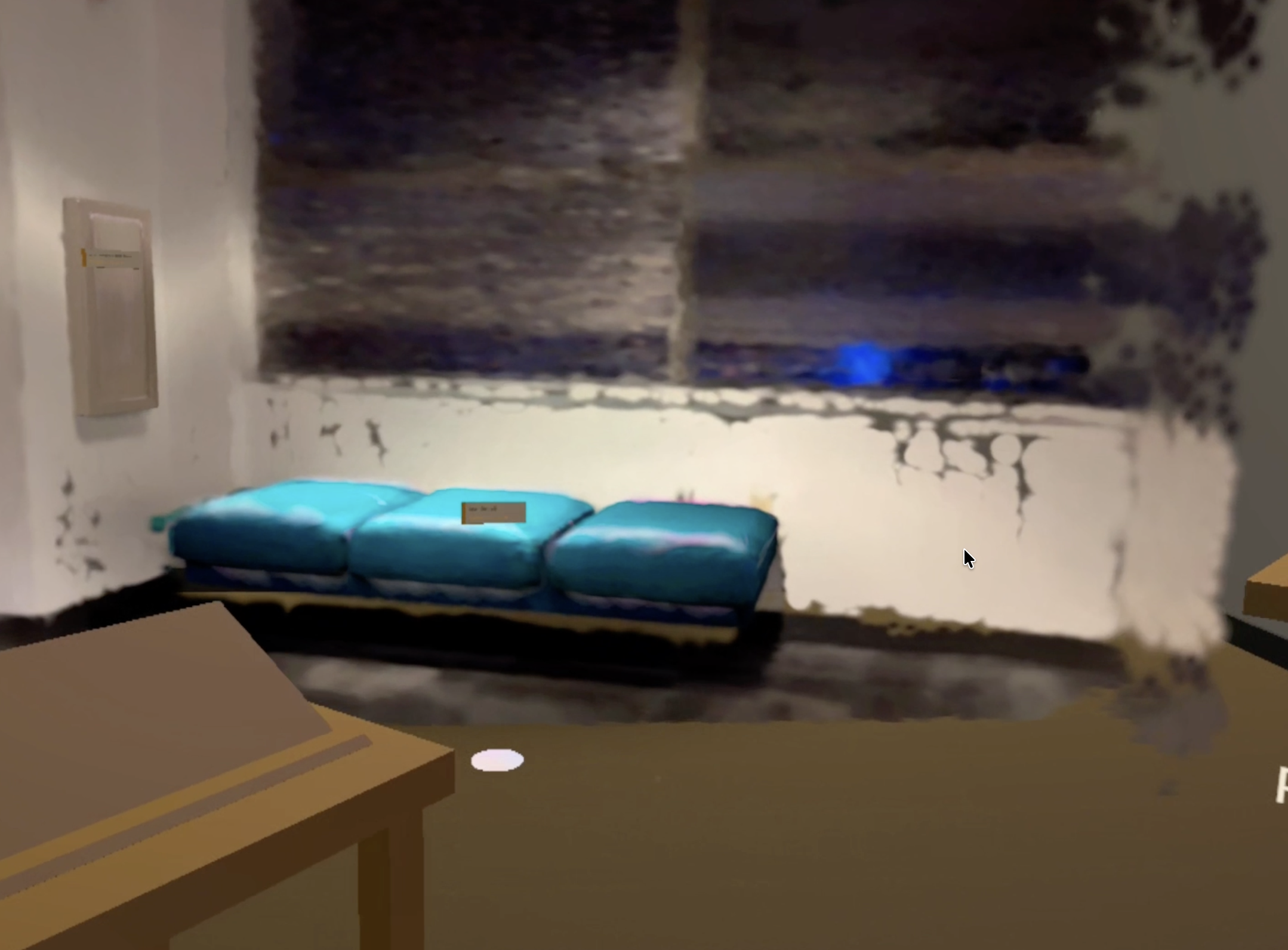
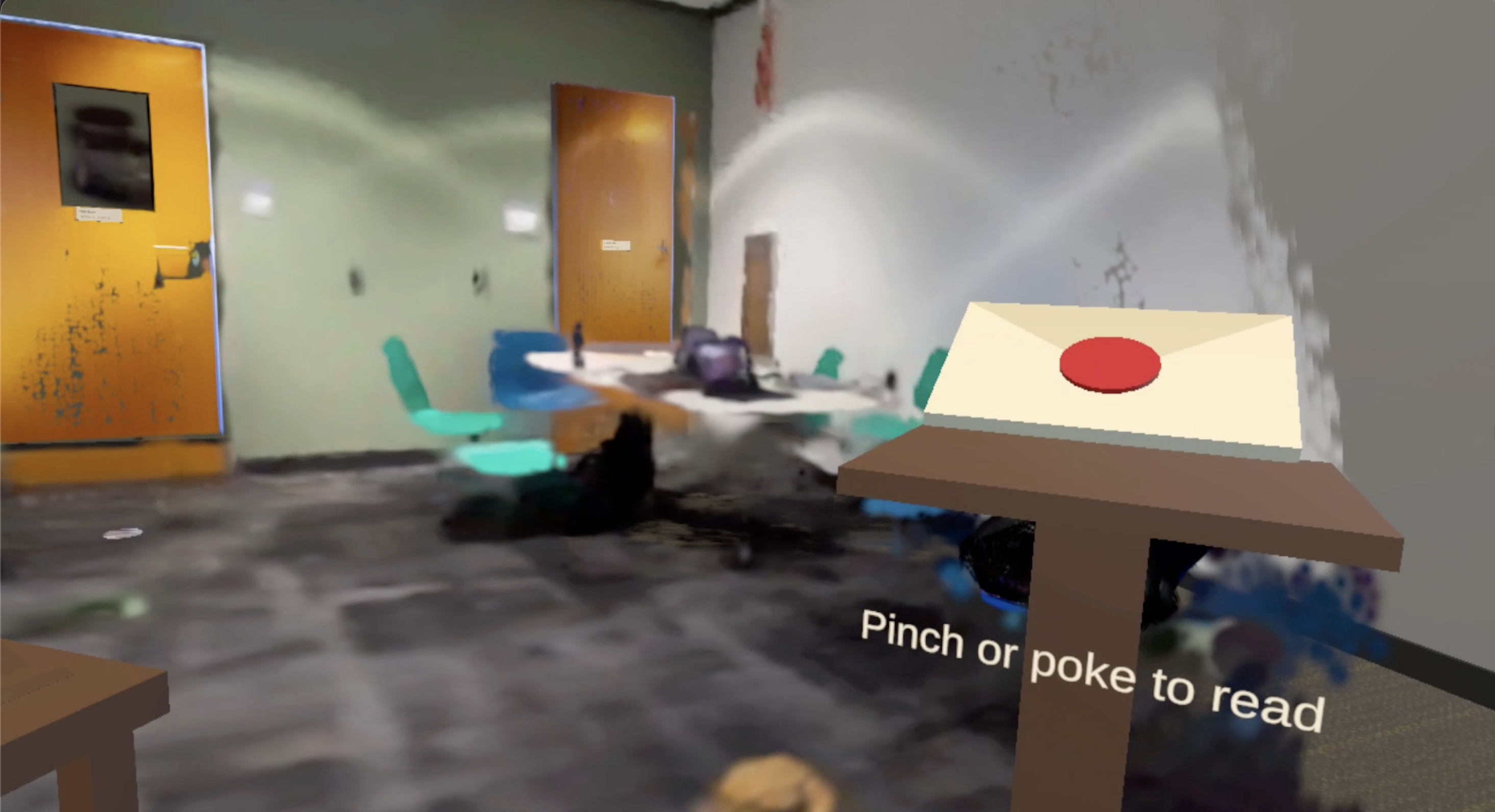
You create a room and invite friends by email. Each person uploads photos from a shared memory and writes a short letter. Once everyone has uploaded, return builds the room: SAM 3D turns the objects in the photos into 3D models, Apple's SHARP reconstructs the surrounding space, and NemoClaw arranges it all into a single Unity scene. The letters are placed inside as notes to find. Then everyone in the room can step into it in VR.
How we built it
The web app is where people create a room, invite friends, and upload photos and letters. Uploads go to S3 and the job state lives in DynamoDB, and the site polls for progress. An EC2 GPU pipeline picks up each job and runs SAM 3.1 and SAM 3D for the objects and Apple's SHARP for the space, then writes the results back to S3 and DynamoDB. From there a NemoClaw agent running on Muse uses its tool configs to lay out the entire scene, and Unity MCP builds it in Unity. The finished rooms run on Meta Quest, where each person has their own account and their own letters to find.
Challenges we ran into
The NemoClaw tooling and really the whole challenge of integration between the SAM 3D and SHARP models and actually creating the unity scene that is interactive for the VR world.
Accomplishments that we're proud of
Creating the full pipeline from webapp image upload to complete unity scenes.
What we learned
Getting models to work on their own is the easiest part. The models can work perfectly in a sandbox but the real hard part is getting one model's output to be something the next step can actually use. We learned a lot about how 3D reconstruction works in practice and how to build agents with real tools to interact with other phases of the integration pipeline.
What's next for return
We want return to hold more than one memory. Right now a room is a single moment. We want to connect those rooms into a quasi-gallery for each relationship, so you can walk through everything you've shared with one person instead of one memory at a time. We also want rooms to keep growing. You could add a photo on an anniversary or after a trip, so the space changes as the people in it do.
Built With
- amazon-dynamodb
- amazon-ec2
- amazon-web-services
- applesharp
- fastapi
- grok
- meta
- meta-quest
- muse
- nemoclaw
- python
- react
- sam3.1
- sam3d
- typescript
- unity
- unity-mcp
- vercel
- vite
- vr


Log in or sign up for Devpost to join the conversation.