-
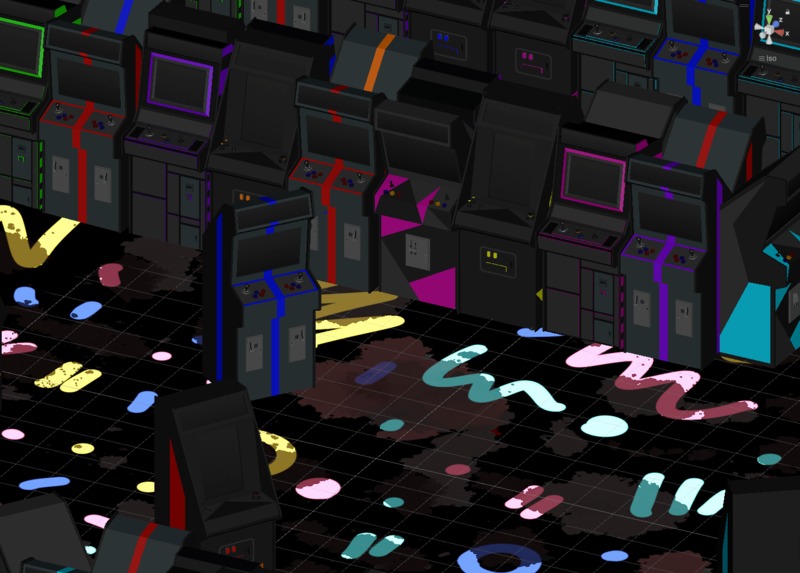
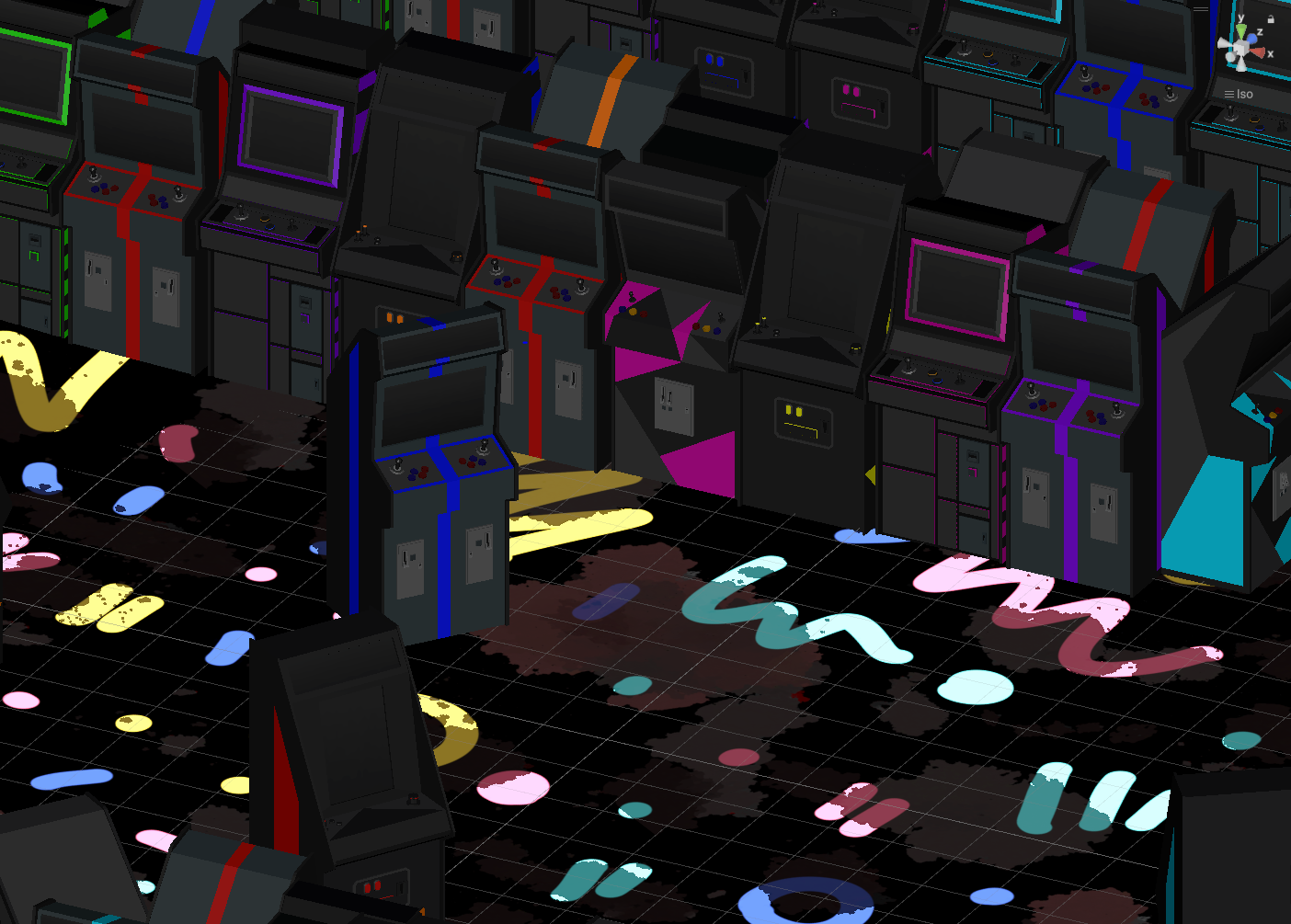
As our game is VR, it's difficult to import s photo from it but here is a screenshot of our game from Unity
Inspiration
Our inspiration for the design actually came from the retro prompt, retro games always make us think of arcade games and so we decided to use them in our game, despite it not quite being retro. We also wanted to take the opportunity to use the Roto chairs in a game environment and see how that effects the player experience
What it does
Our game uses the VR oculus headset (& controllers) as well as the Roto turning chair to give the users an interactive experience as they make their way through a maze of arcade cabinets. As the player turns their head, the Roto chair will spin them in the corresponding direction, ensuring minimal motion sickness and also allowing a new form of control to the player.
How we built it
Using Unity VR , a mixture of handmade assets as well as assets from the Unity store, we were able to build a map of the maze. We then replaced our walls with the arcade machines and used shader graphs and tile mapping to configure the floor so that it glows, pulses and is slightly uneven.
Challenges we ran into
Our original idea was a lot more complex, featuring the concept of minigames and a more however we really struggled in connecting to the chair and using the SDK, so we decided to reconvene and decide what would work best as an experience with the Roto chair. As we were very inexperienced with the concept of using VR, we struggled with being able to even connect Unity to the Oculus. However we solved this through unconventional methods, such as building every time we want to play test. While cumbersome it proved an effective way of getting the game done. So with all this and more, we had to slightly retcon our idea (just slightly) and completely change it to something new, and something we thought was much better.
Accomplishments that we're proud of
Considering how much we were struggling and the fact that we had genuinely nothing until like 11pm, to have the game that we have now, we are pretty proud. Not only did we learn a lot of things ranging from global volume in Unity to basic VR controls and how we can use different hardware, but to have something that works and looks visually interesting is something we are extremely proud of.
What we learned
We learned the basics of making a VR experience. How to use shader graphs to create and combine interesting textures (for example, we wanted there to be grime on the floor without it looking obviously tiled so we used a wide ranger of shaders to accomplish this). We also learned how to use the Roto chair in a way that made our game interesting and entertaining.
What's next for PJ Plush
Assignment 2 of our course, and potentially building more vr games in the future (given more time and less stress). While we want to continue developing 3D games, we would be very interested in trying out more experimental and interesting things outside of our comfort zone.


Log in or sign up for Devpost to join the conversation.