-
-
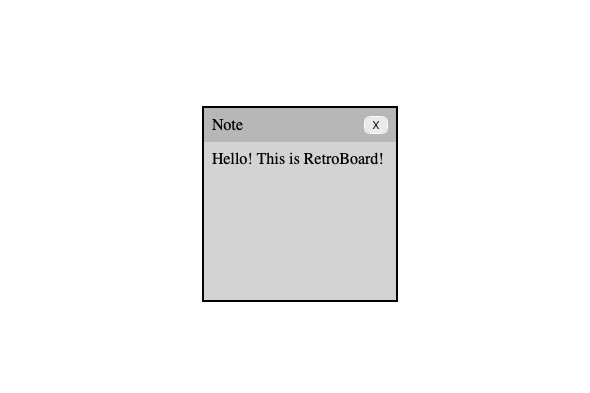
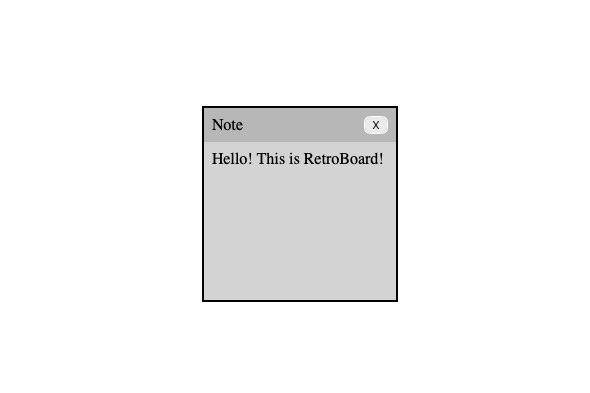
Hello! This is RetroBoard!
-
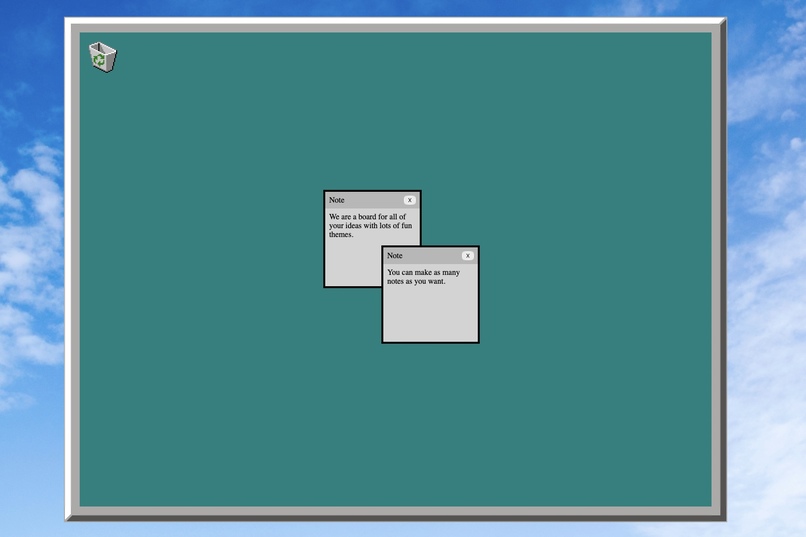
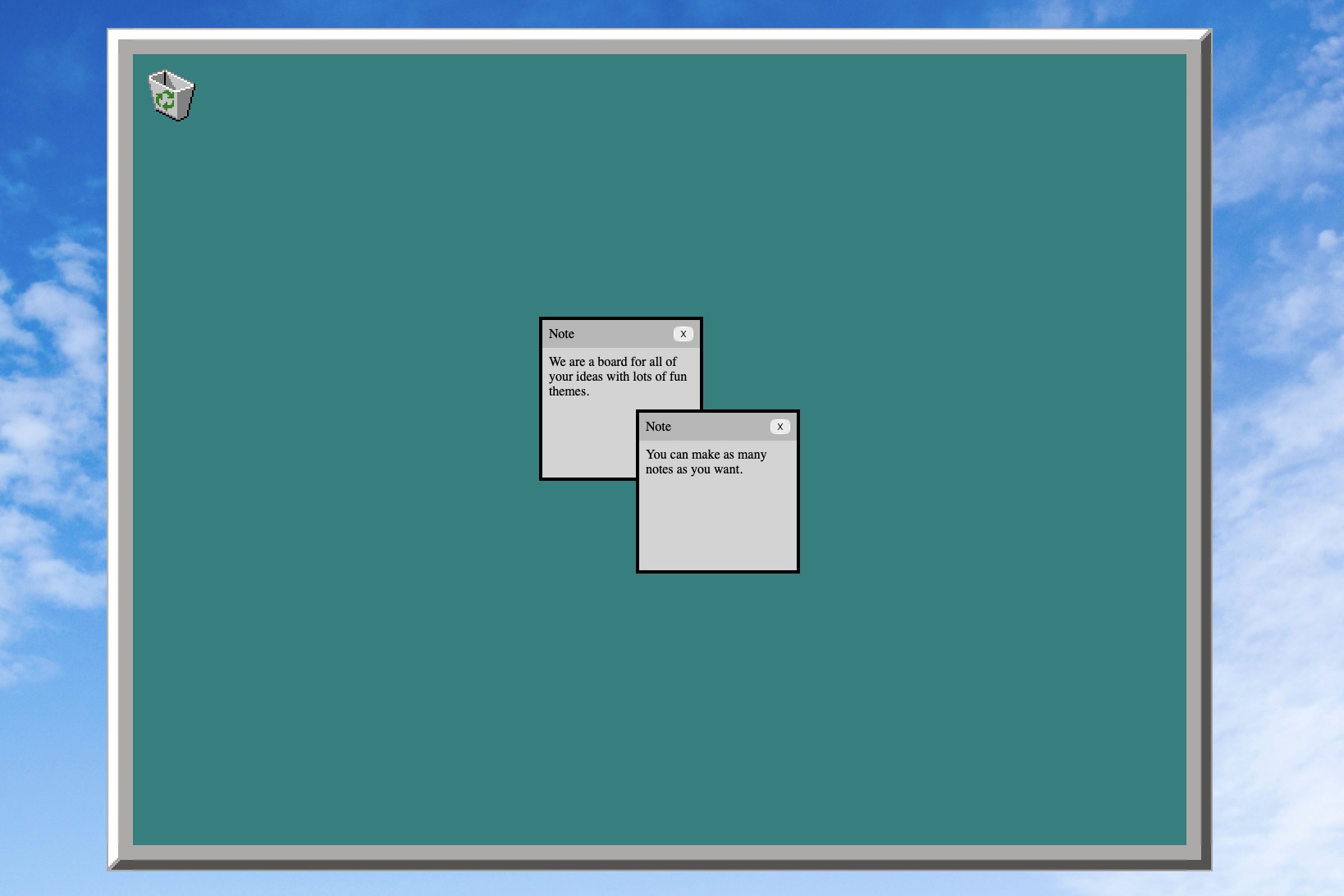
We are a board for all your ideas with lots of fun themes. You can make as many notes as you want.
-
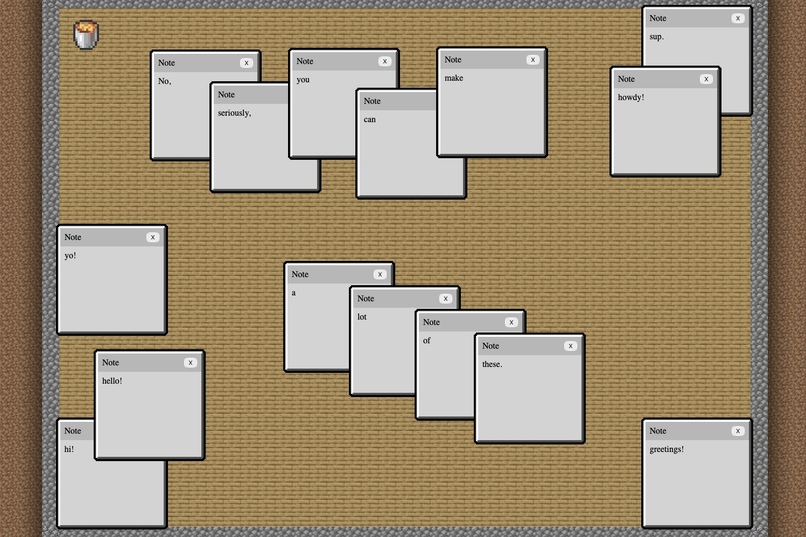
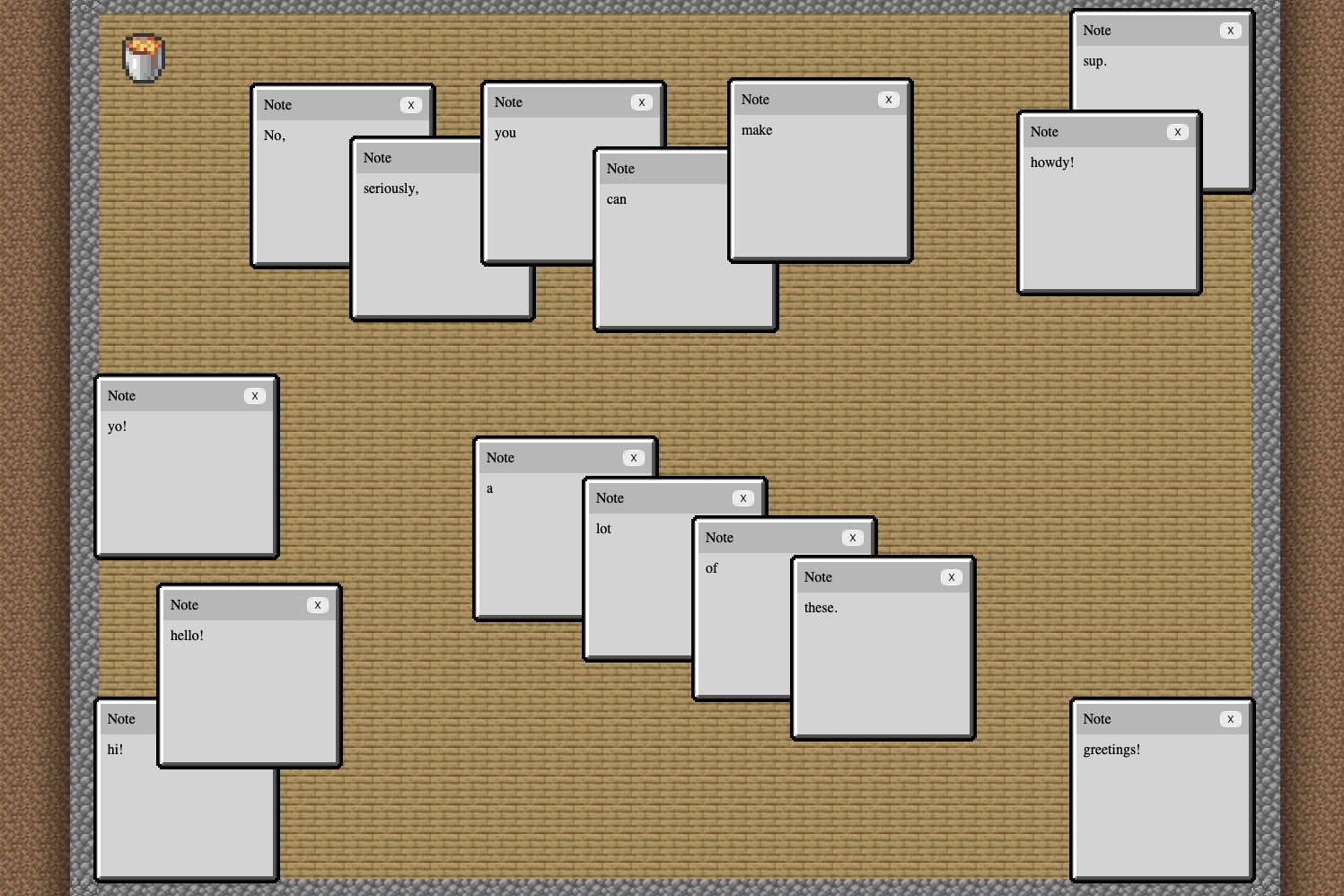
No, seriously, you can make a lot of these.
-
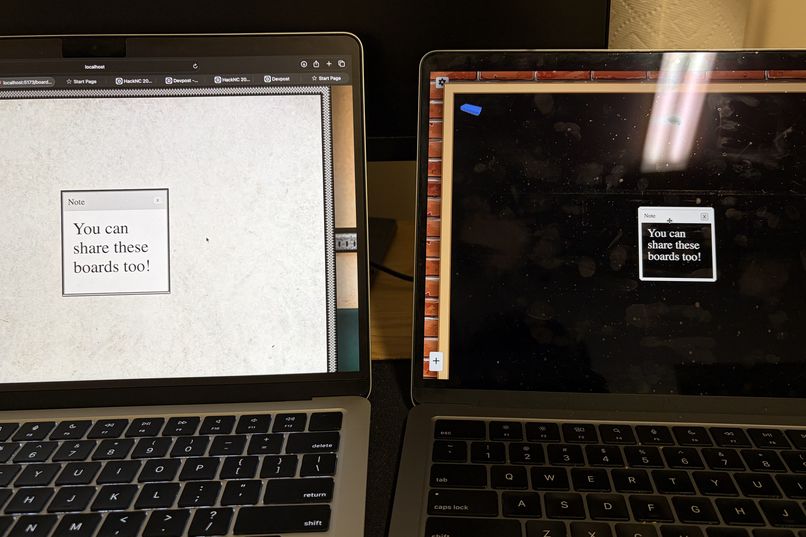
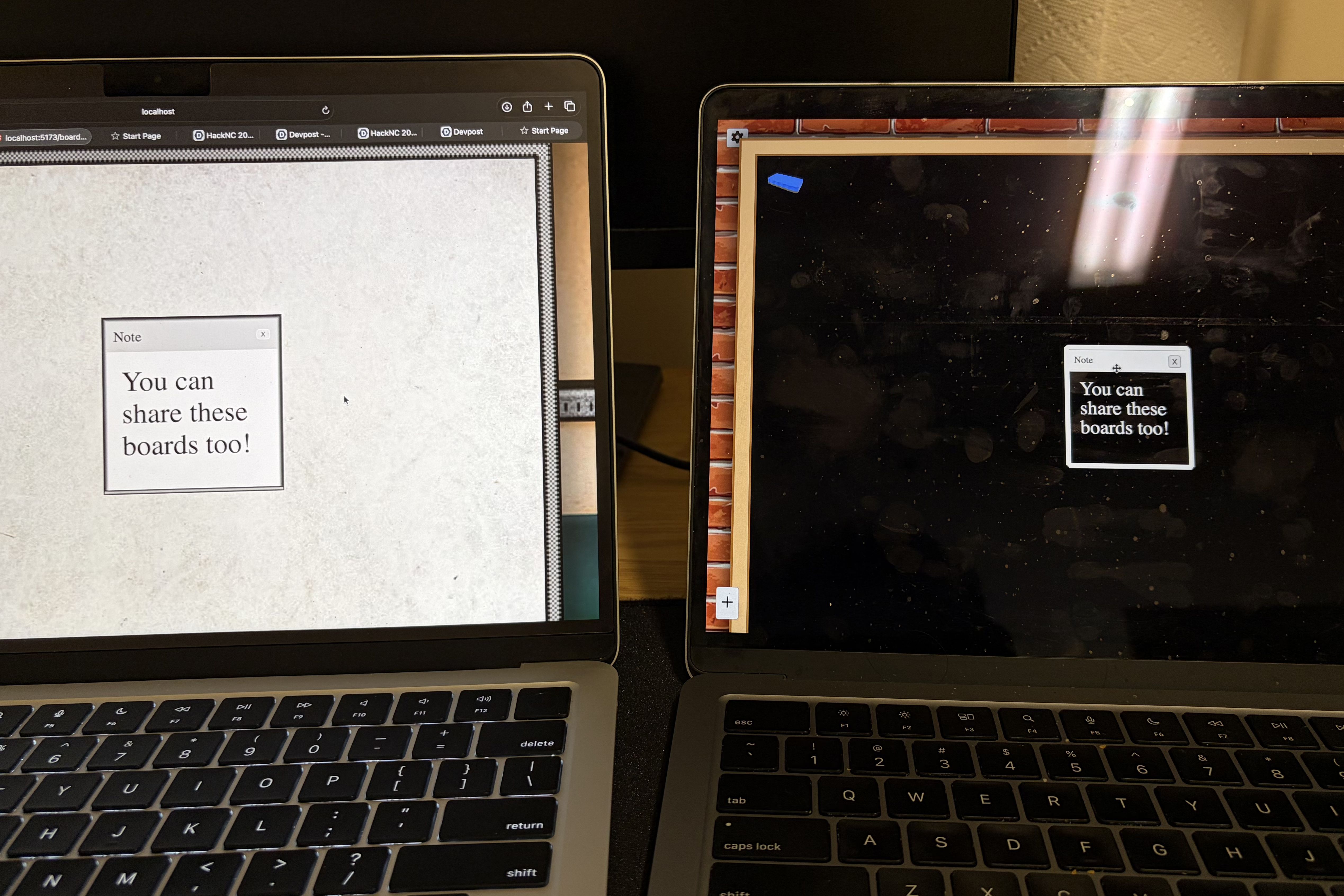
You can share these boards too!
-
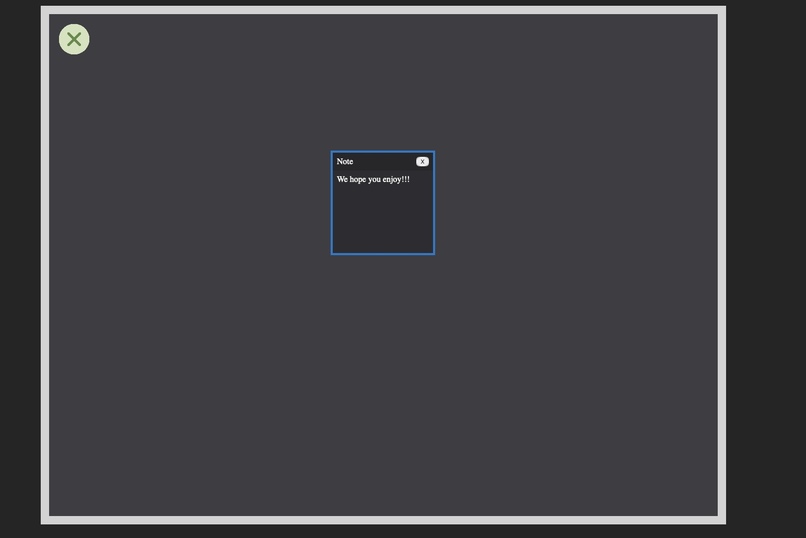
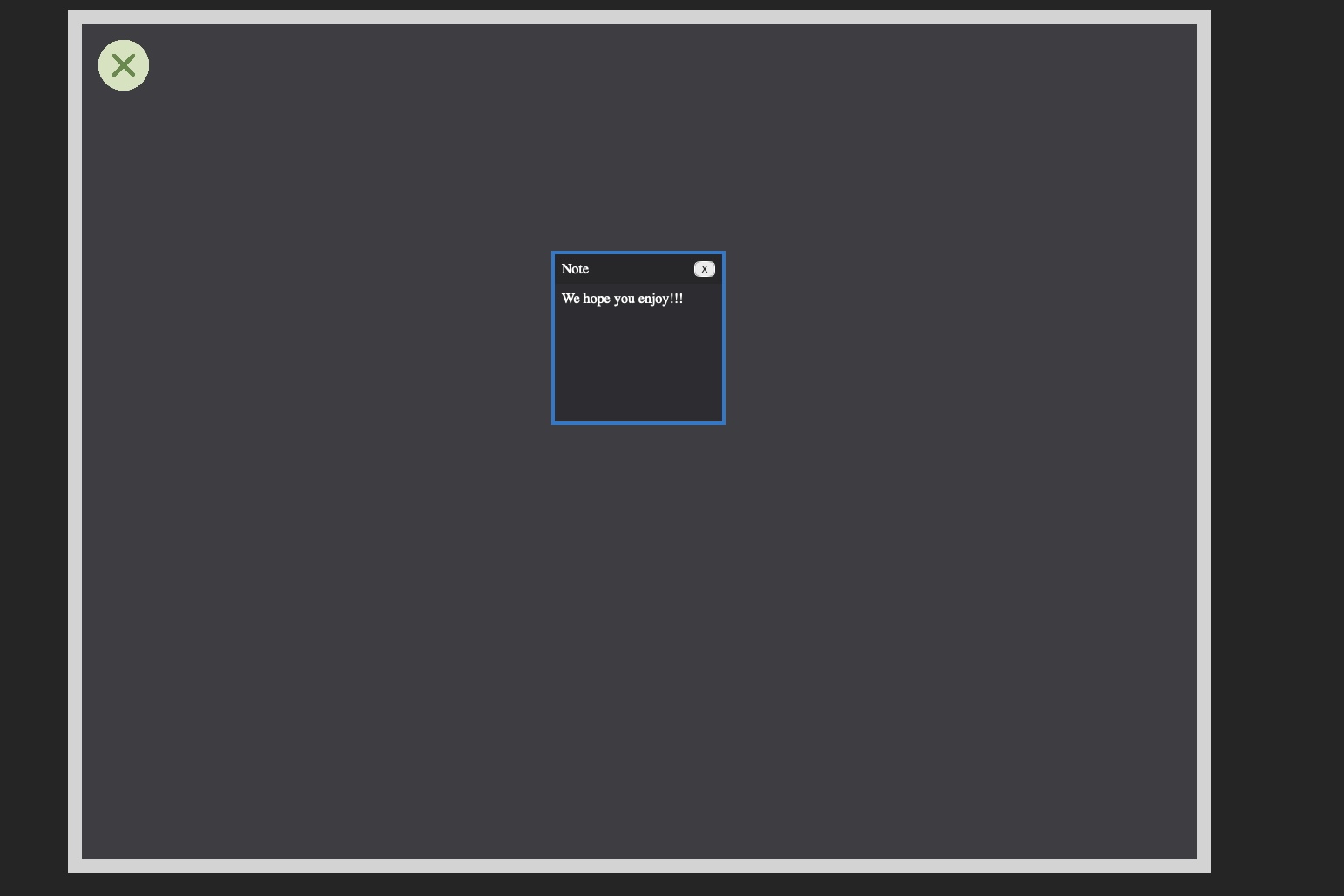
We hope you enjoy!!!
Inspiration
We were inspired by the interfaces of the past, along with the late Google Jamboard. We wanted to make a collaborative ideas board, but unlike the rest, we also wanted it to have some whimsy.
What it does
RetroBoards lets you place text cards onto a canvas. You can move them all around, and as it's all in the cloud, you can also share your boards with friends.
How we built it
We had a list of ideas for a minimum viable usable project, as well as a few stretch goals. We then divided into frontend and backend teams, and tried to complete tasks in a way that would allow as many people to be working simultaneously as possible.
Challenges we ran into
We spent some time setting up our project and figuring out a project structure. Additionally, figuring how to connect our FastAPI backend with a SvelteKit-based frontend took some thinking.
Accomplishments that we're proud of
We're really proud of the fact that the notes stay across boards, even across devices. We're also really happy with the customized themes we added—there's quite a number of them!
What we learned
We learned more about databases, writing our own APIs, connecting APIs from the backend to frontend, and managing projects with Git.
What's next for RetroBoards
Our next step would be to continue scaling and pushing out more collaborative support for RetroBoards. The collaborative features of the program are very limited, as we can only share links between friends. We'd like to add a public section of boards that people can view. We would also like to make our boards customizable so that users can create their own themes and push out for other users to use!
Built With
- css
- fastapi
- html
- javascript
- node.js
- postgresql
- python
- supabase
- sveltekit
- typescript
- vercel


Log in or sign up for Devpost to join the conversation.