-
-
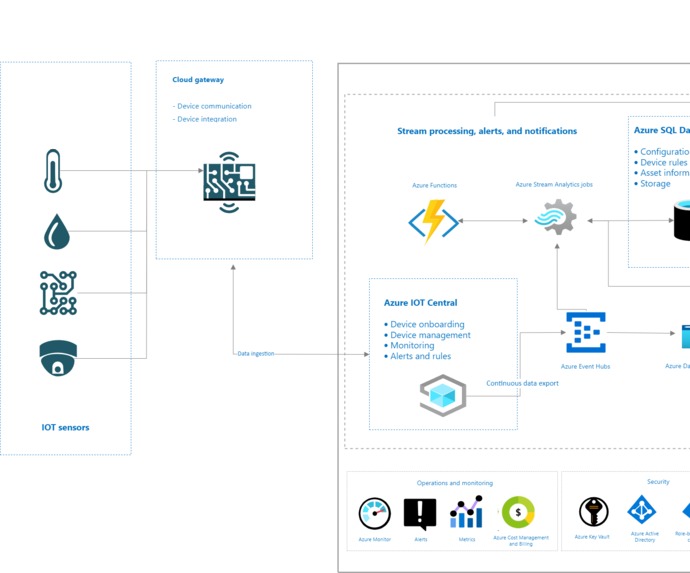
AZURE ARCHITECTURE
-
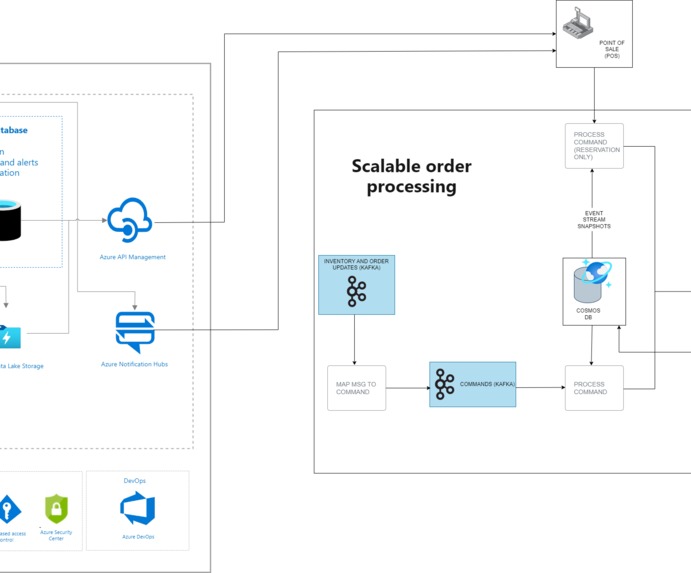
AZURE ARCHITECTURE
-
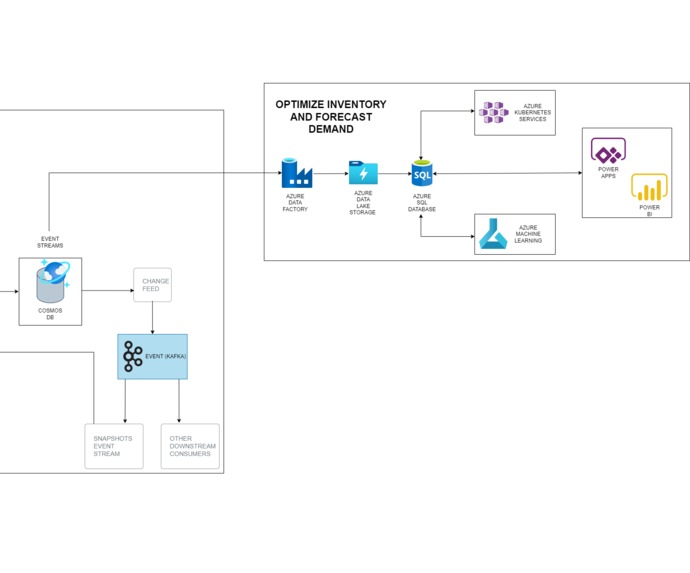
AZURE ARCHITECTURE
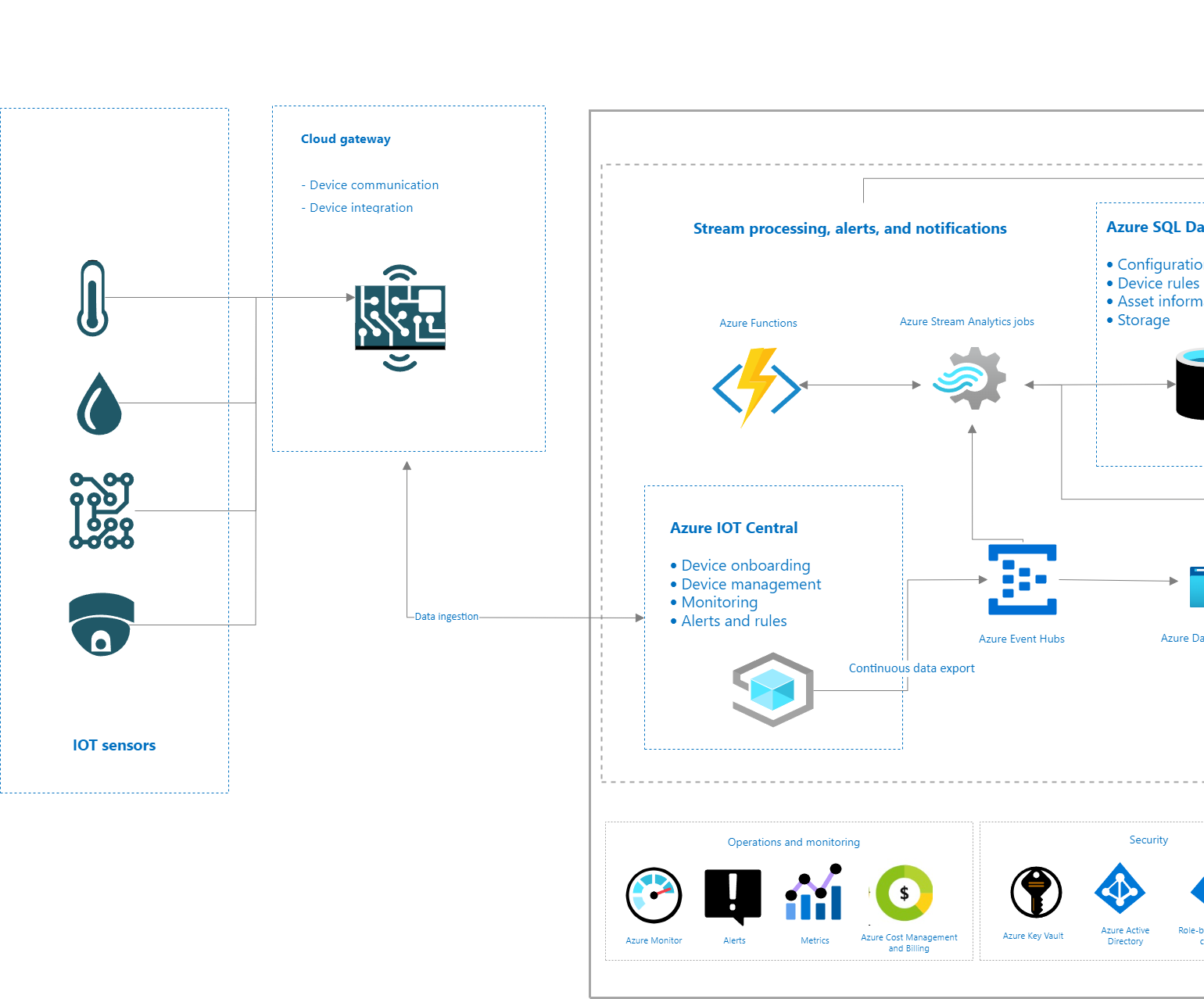
INSPIRATION🌞
Observing neighborhood stores manage an inventory crisis gave rise to the idea for it. We envisioned a tool that would lighten their workload and improve day-to-day operations. The goal was to develop a retail inventory management system that would work with their current systems and be cloud-based.
WHAT IT DOES🖥️🤓
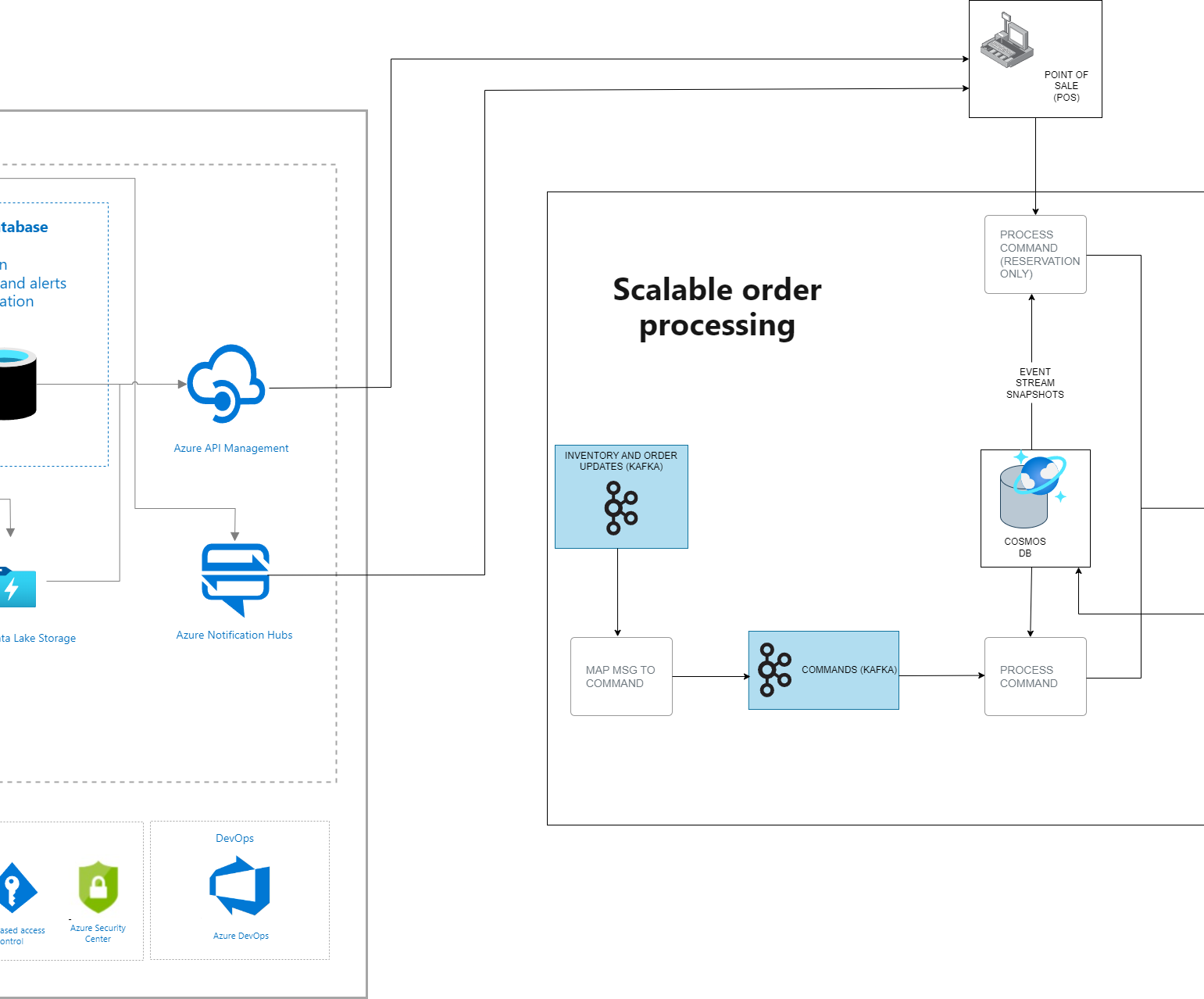
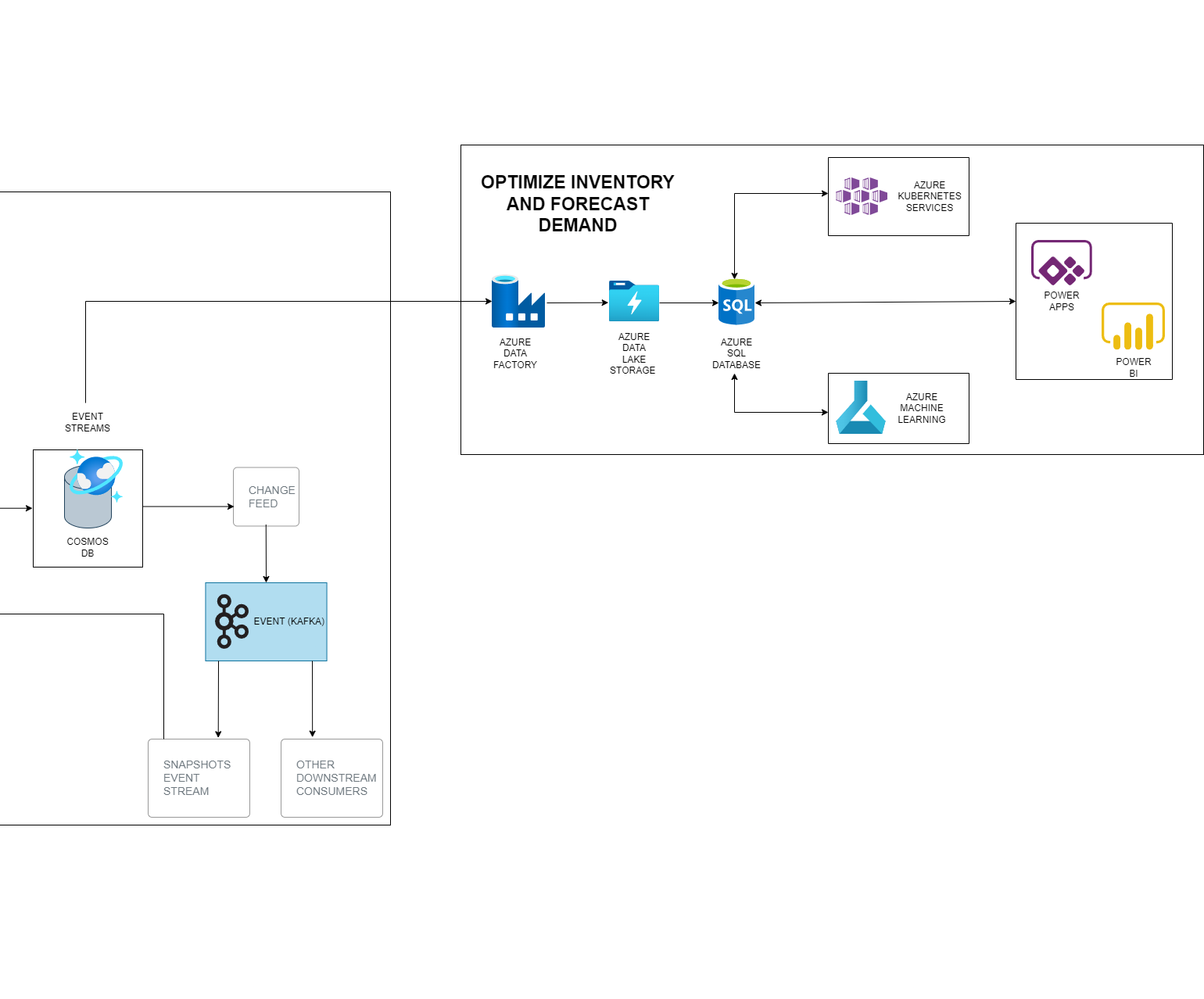
The goal of the Retail Inventory Management System is to provide retail chains with an advanced, effective, and anticipatory inventory management system. The initiative aims to improve operational efficiency, cut expenses, and contribute to the overall success of retail enterprises by seamlessly connecting with point-of-sale systems and offering real-time analytics. It is a cloud based architecture that means it uses Azure cloud services in a microservices architecture to achieve flexibility and scalability. It develop connectors and APIs to integrate with existing point-of-sale systems, ensuring a smooth flow of transactional data. It also utilizes Azure IoT Hub for real-time monitoring of inventory levels, providing immediate insights into stock movements. :sun:
HOW WE DID IT🚀👾
For the architecture design, a microservices architecture was used to improve flexibility and scalability. We used Azure services, including Azure SQL Database for safe data storage, Azure Functions for serverless computation, and Azure IoT Hub for device communication. Utilized Azure Machine Learning to create and implement predictive models, enabling retailers to optimize inventory by taking into account demand projections and past trends. We developed connectors and APIs that enable smooth connection with various point-of-sale systems, guaranteeing a smooth transfer of transactional data to the cloud.
CHALLENGES WE RAN INTO🎖️🛑
We ran into many problems throughout the project. Some of them are, managing the difficulties of complying with various data protection laws while maintaining the security of sensitive transaction and inventory data. The system had to manage different transaction volumes at multiple retail locations, which raised scalability issues. Overcoming aversion to change and making sure that the new cloud-based system is properly trained for users.
WHAT WE LEARNED✅🫡
It was a good experience to learn about system interoperability and the necessity of flexible data exchange protocols through the flawless integration with multiple point-of-sale systems. A thorough understanding of cloud-based architectures was necessary to build features for real-time inventory tracking, especially when utilizing Azure services like Azure IoT Hub and Azure Functions for scalable and rapid data processing. Choosing the best machine learning models, training them on historical data, and making sure the forecasts match changing retail environments were all difficult tasks when implementing predictive analytics. It required constant learning to strike a balance between feature-rich capability and an easy-to-use user interface. Iterative design and development cycles were necessary to prioritize the end-user experience while delivering a reliable inventory management system.
Not only this but we also learned how to productive cooperation and partnership with a variety of people and coordination and communication in a group environment. Prioritization of tasks for optimal productivity. Developing a structured approach to problem-solving. Articulating ideas clearly and persuasively and many more.
WHAT'S NEXT FOR Sky Inventorium - Soaring Beyond Retail Limits📈🔥
We will continue exploring opportunities for adding new features that could further enhance the project's functionality. We will gather insights into user experiences, pain points, and suggestions for improvement. Plan for iterative development cycles based on user feedback and identified areas for enhancement and prioritize features and improvements that align with the project's goals. Also, we will engage with the hackathon community to share insights, experiences, and lessons learned. We will try to engage in conversations, forums, and knowledge-sharing websites pertaining to the project's field of interest.


Log in or sign up for Devpost to join the conversation.