-
-
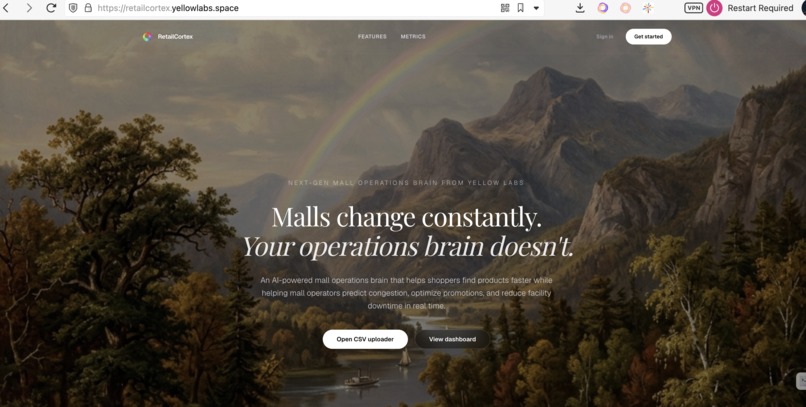
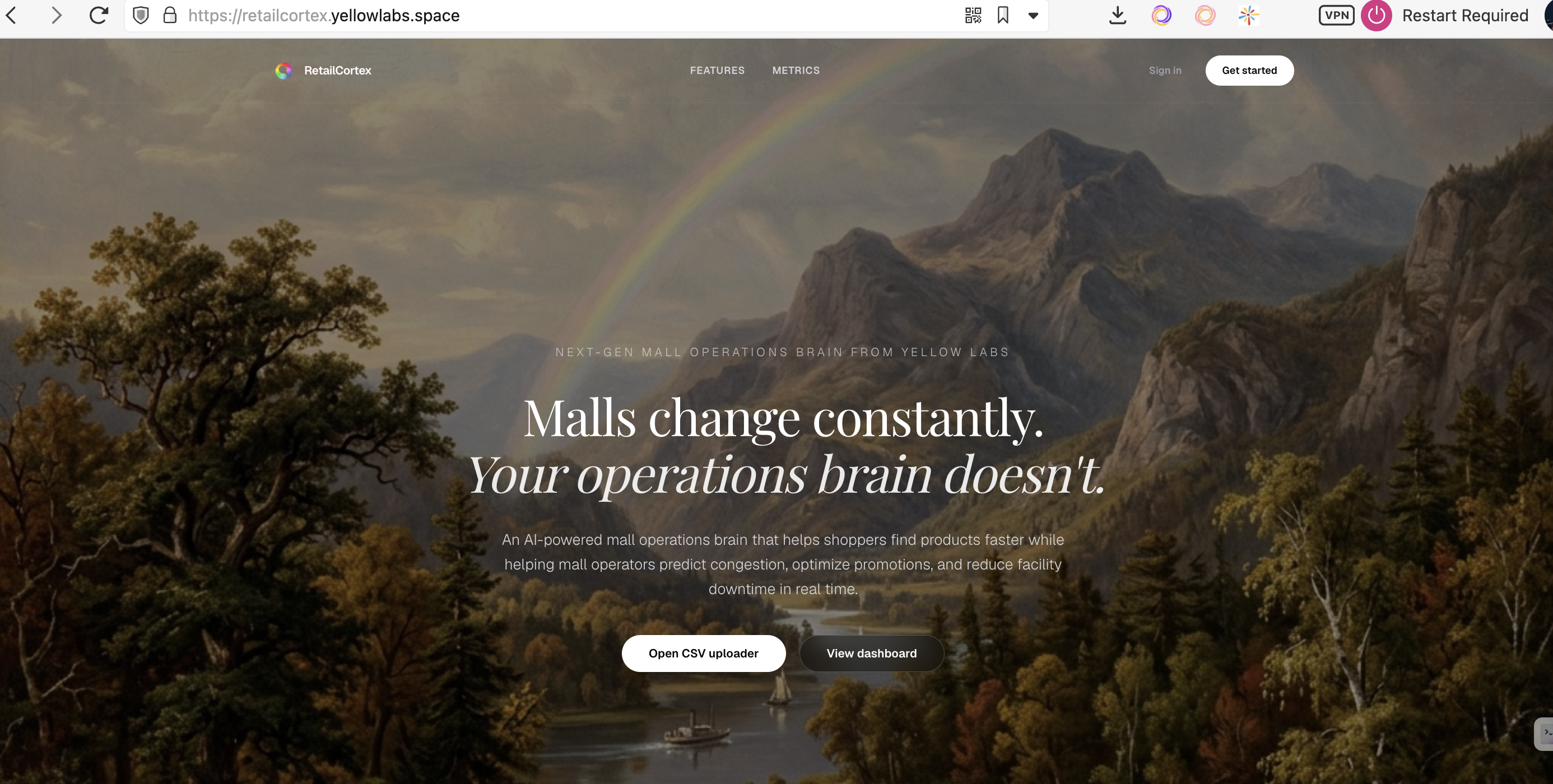
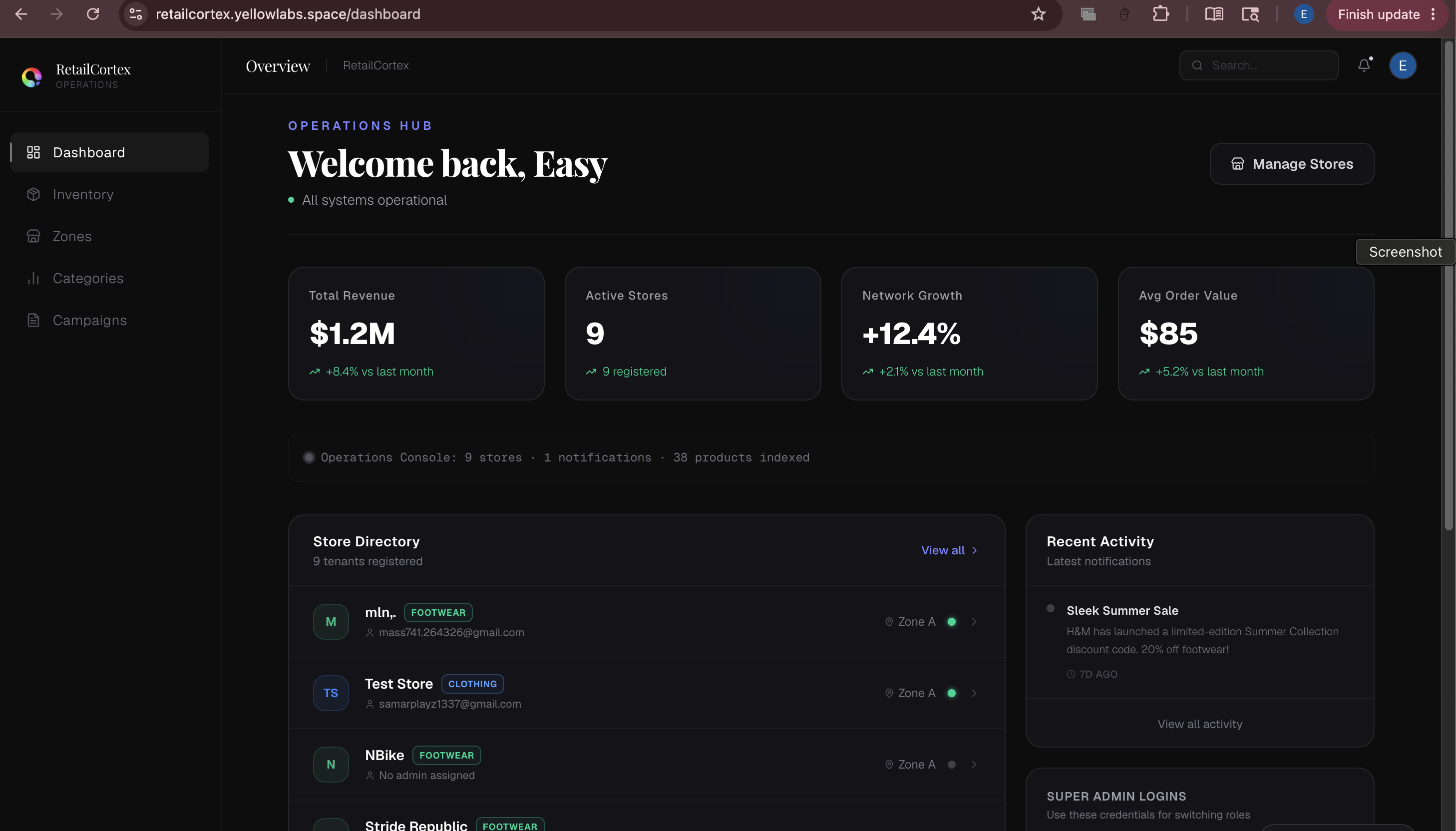
RetailCoretx Home Page
-
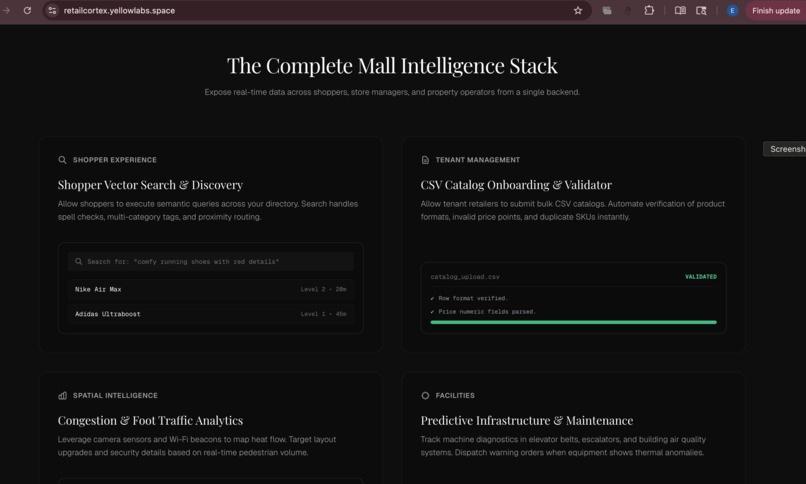
RetailCoretx Home Page
-
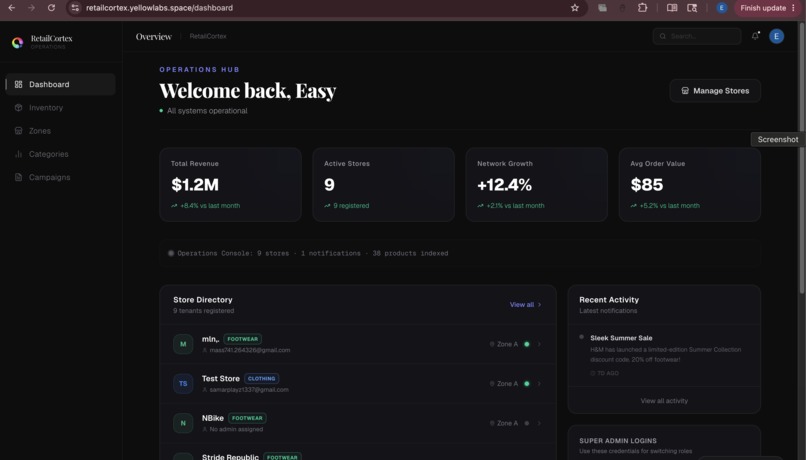
DashBoard
-
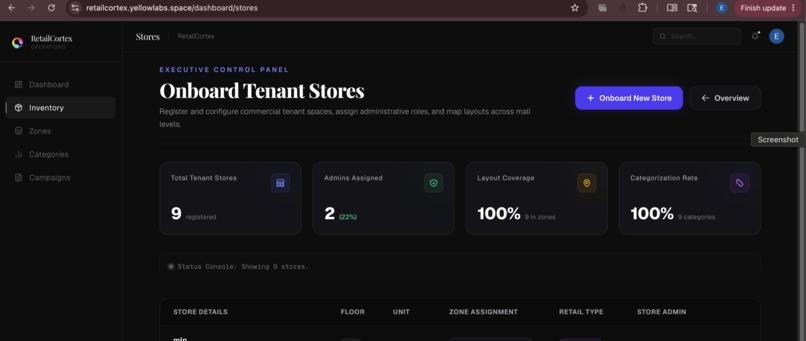
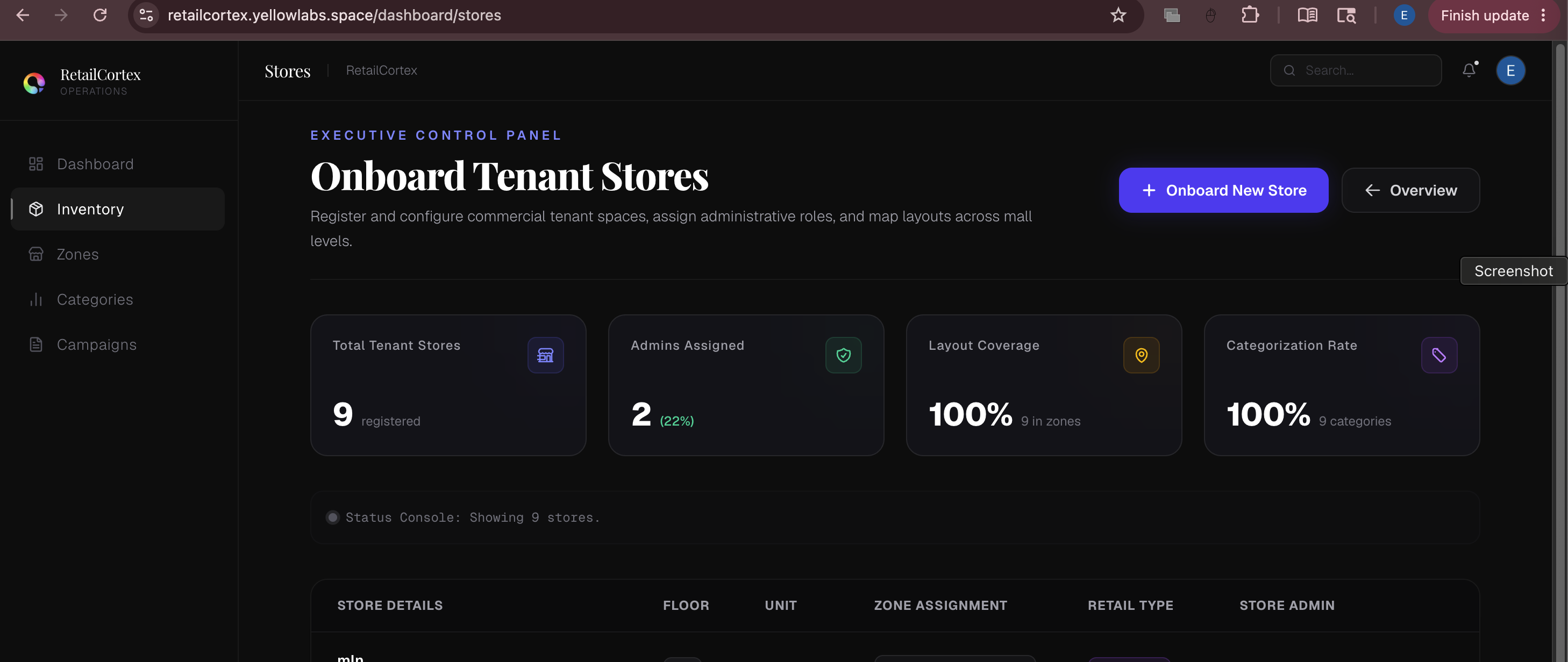
Tenant Store Onbaording
-
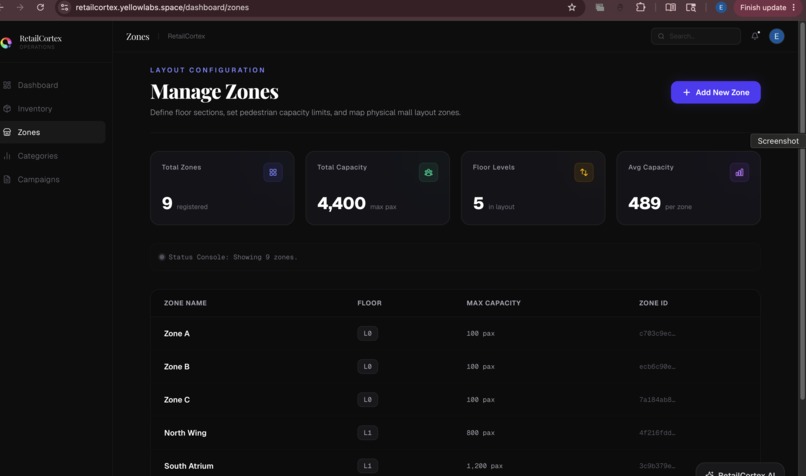
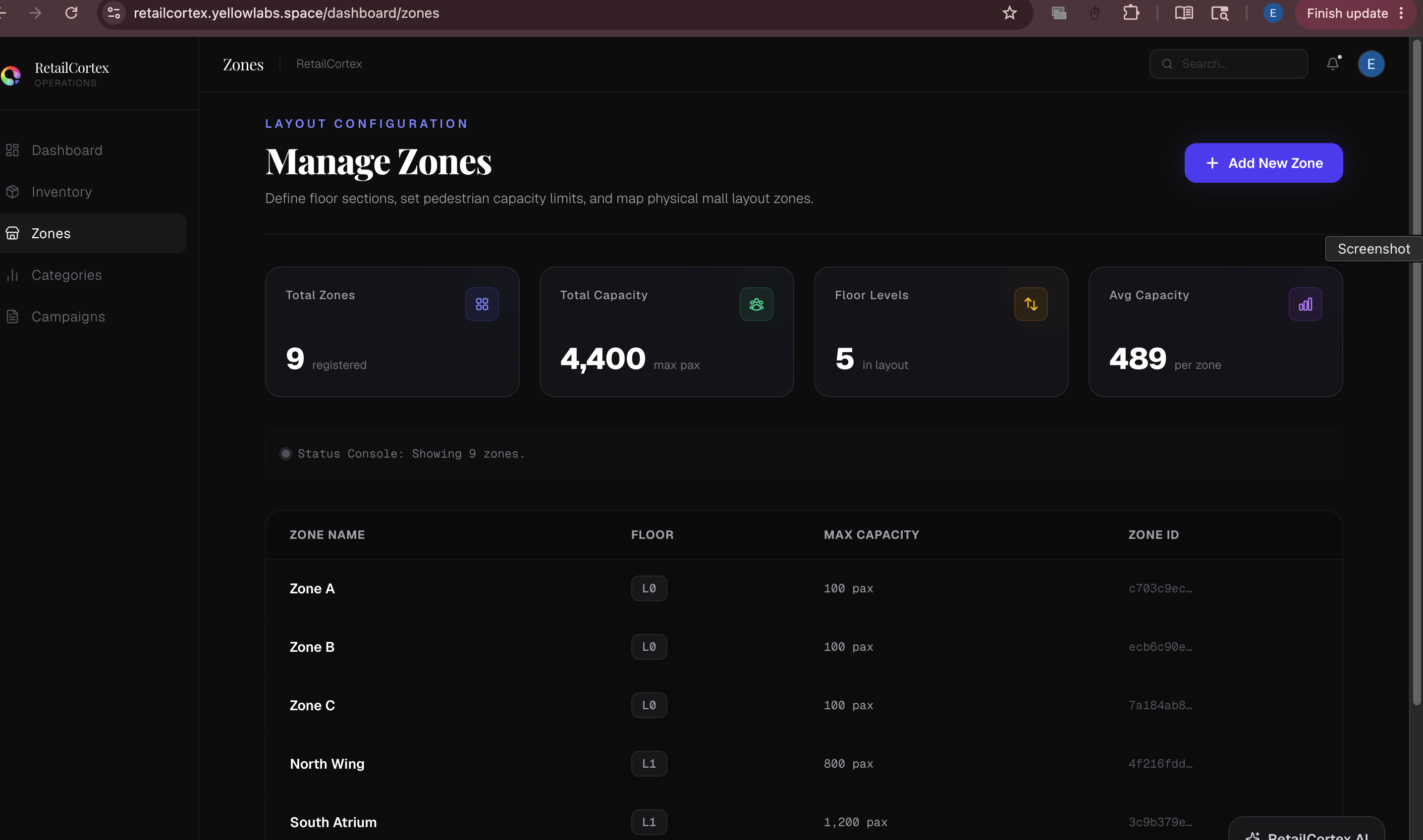
Manage Zone in the Mall
-
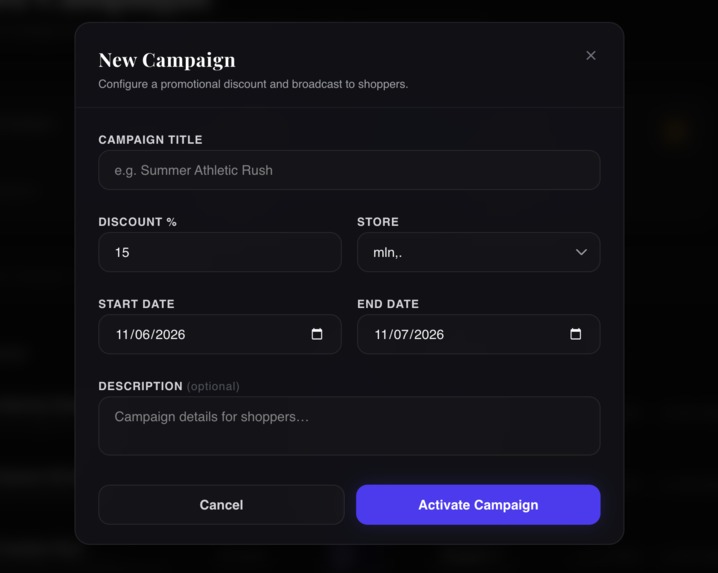
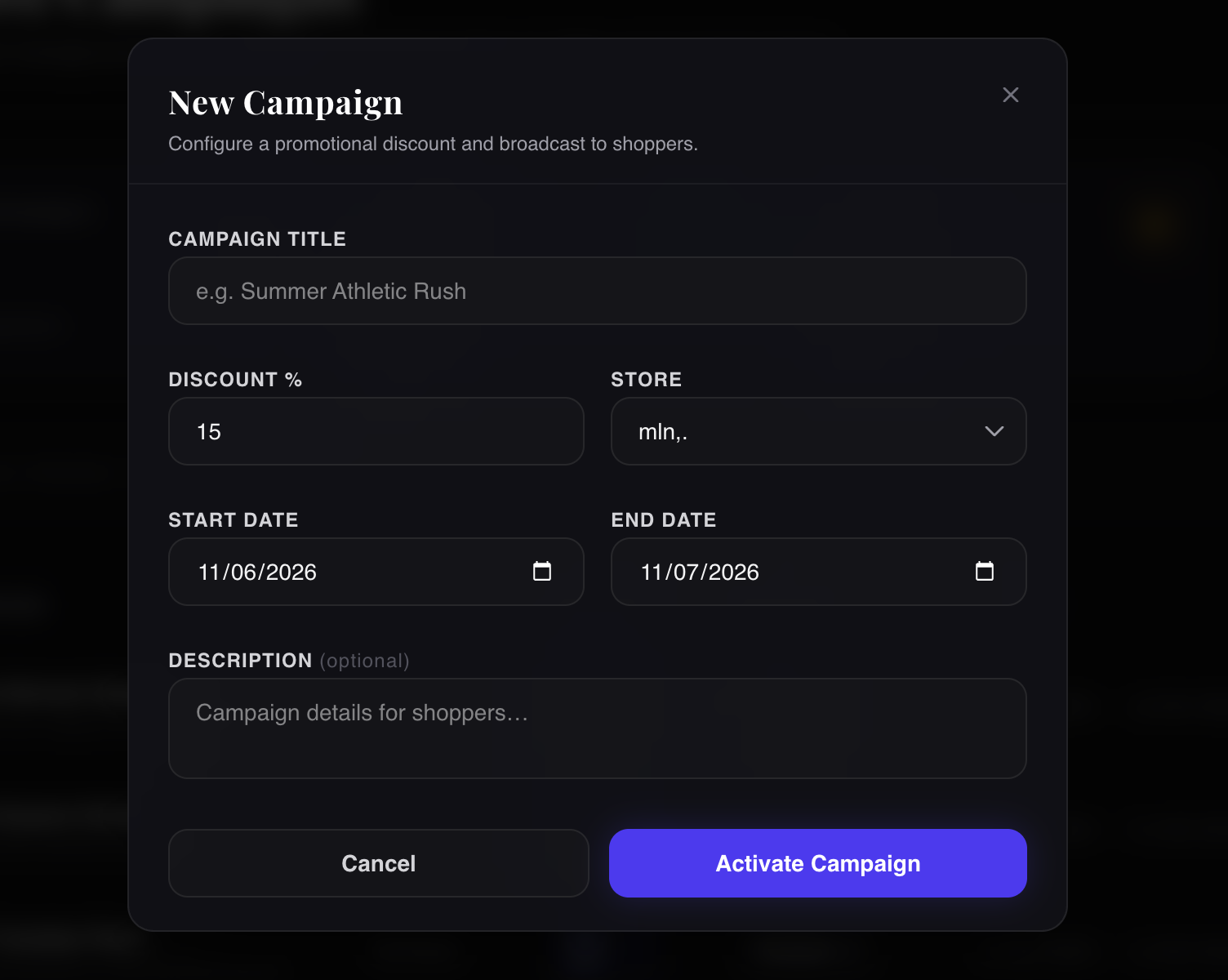
Add campaign
-
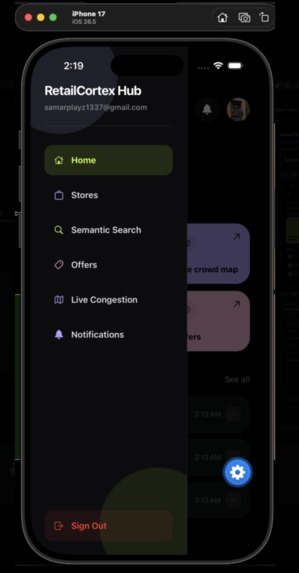
App Dashboard
-
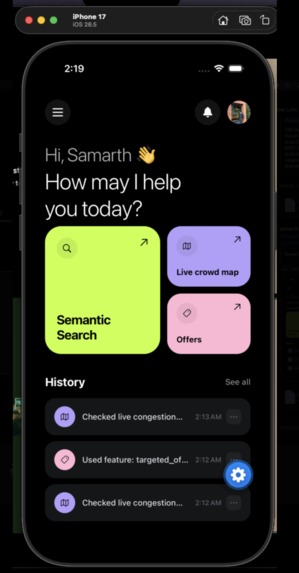
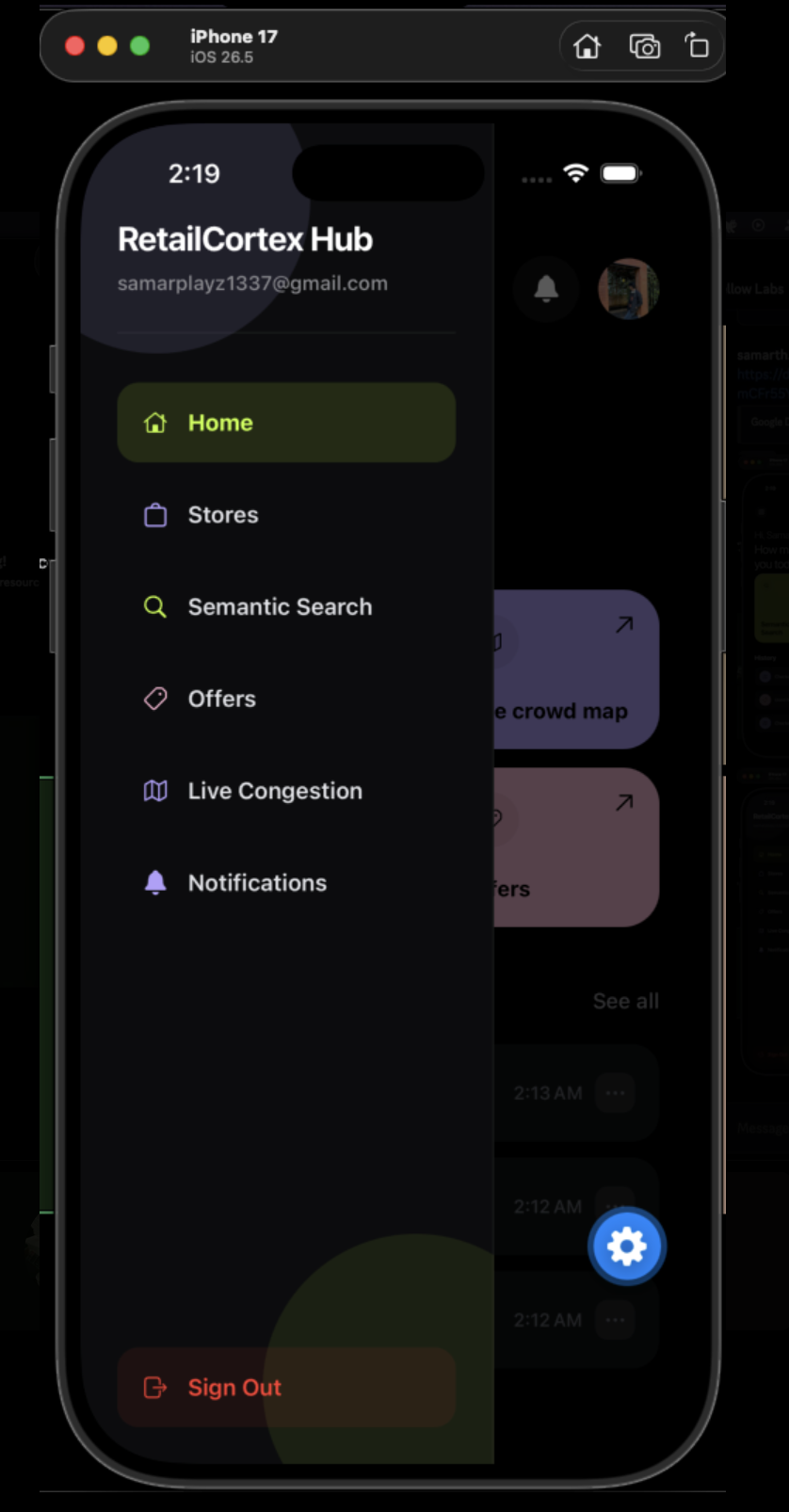
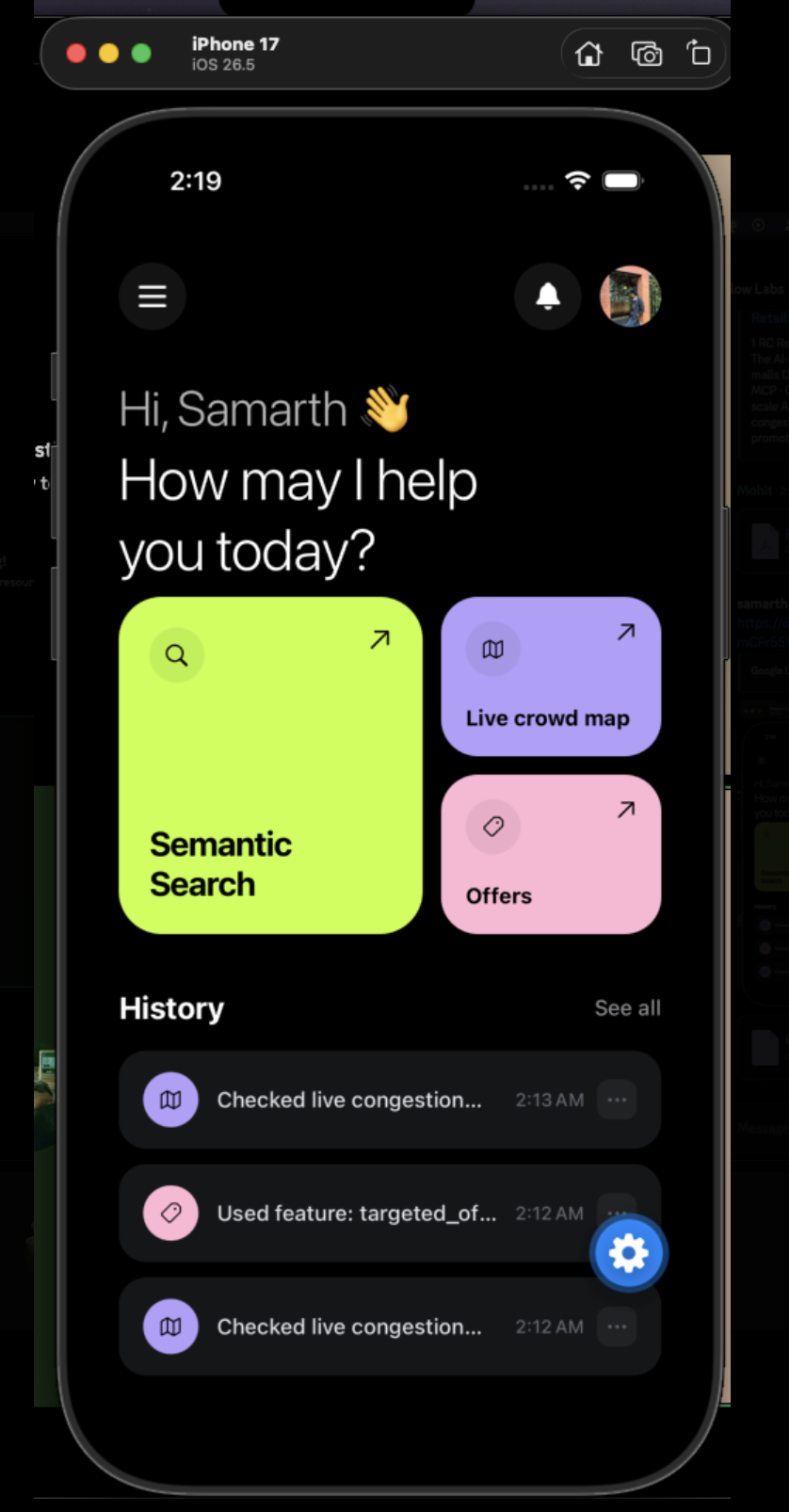
Retail's Cortex Mobile App
-
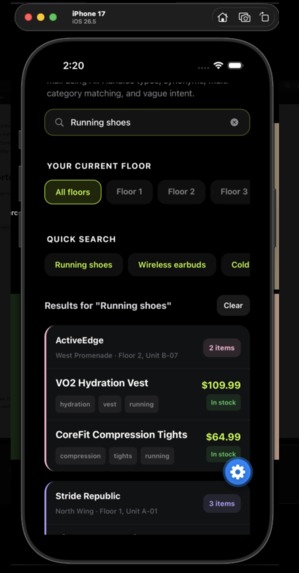
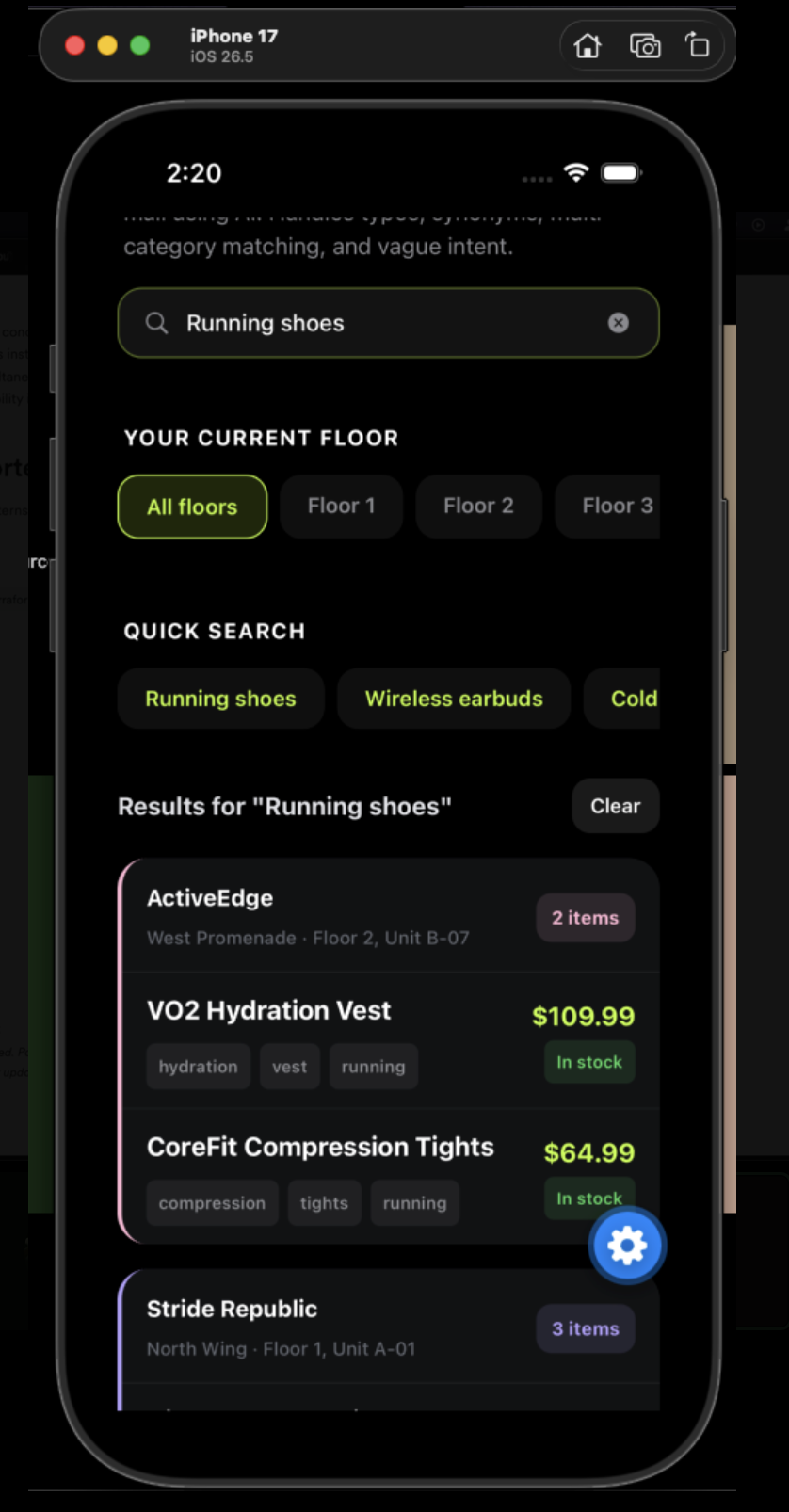
Semantic search of products on available stores!
-
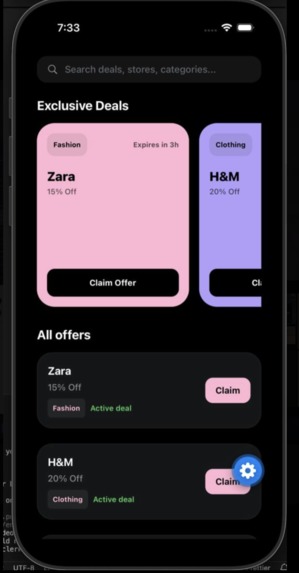
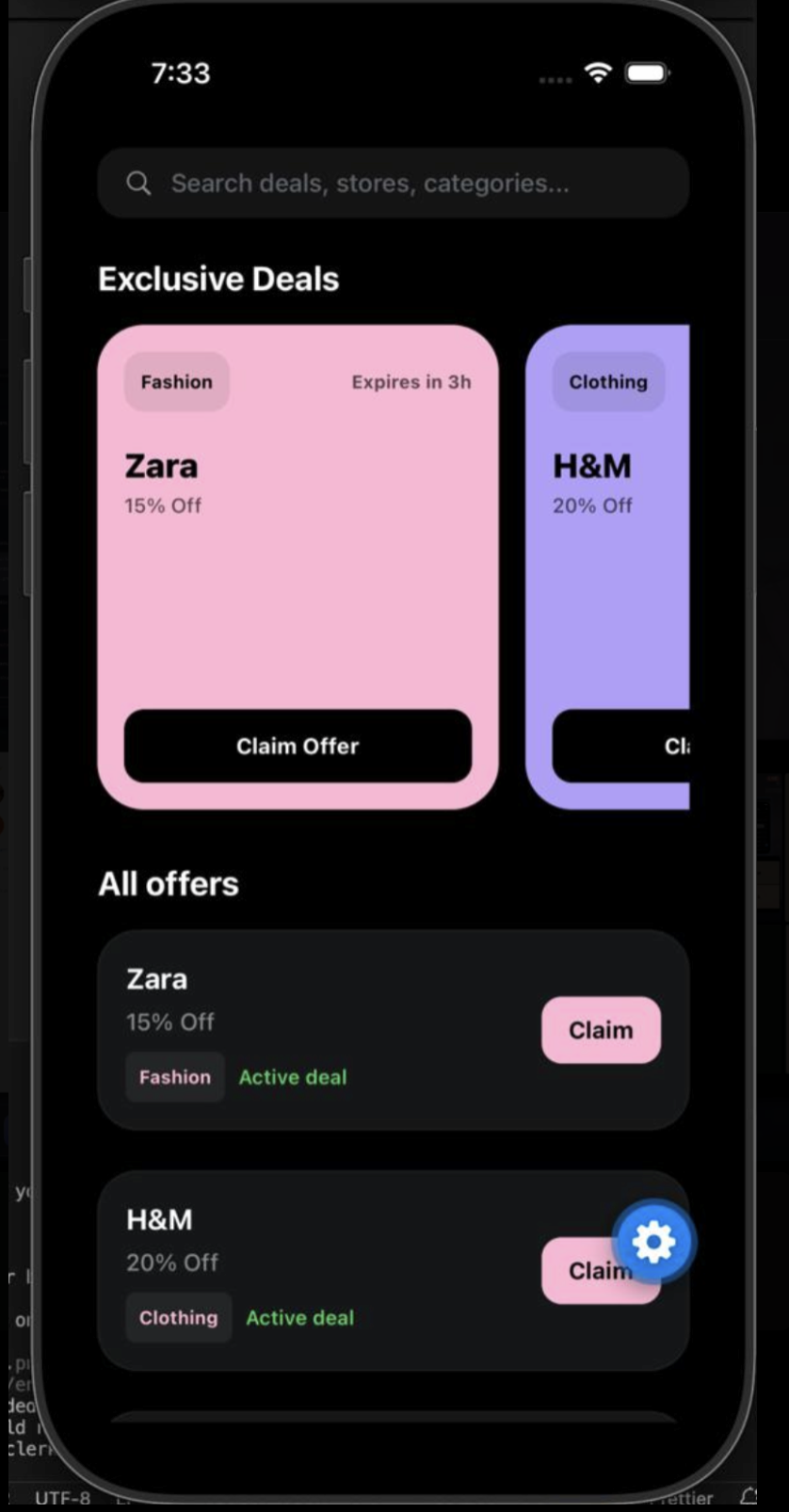
Brand Deal's & Offers
Inspiration
Every weekend, millions of people walk into a mall and immediately feel lost. They wander past the wrong wing, miss the sale they came for, and leave frustrated. Meanwhile, the mall's operations team is flying blind, no live view of where crowds are forming, no early warning before an escalator backs up, no way to push the right offer to the right shopper at the right moment. Stats: 41% shoppers leave without finding what they want 300K+ sqft typical large mall floor: hard to navigate manually Shops which are not at front locations, Cortex can still get u traffic!
What it does
We asked: what if the mall had a brain? One that connected the physical world foot traffic, equipment health, zone density with the digital one product search, personalised offers, real-time routing. Retail Cortex is that brain.
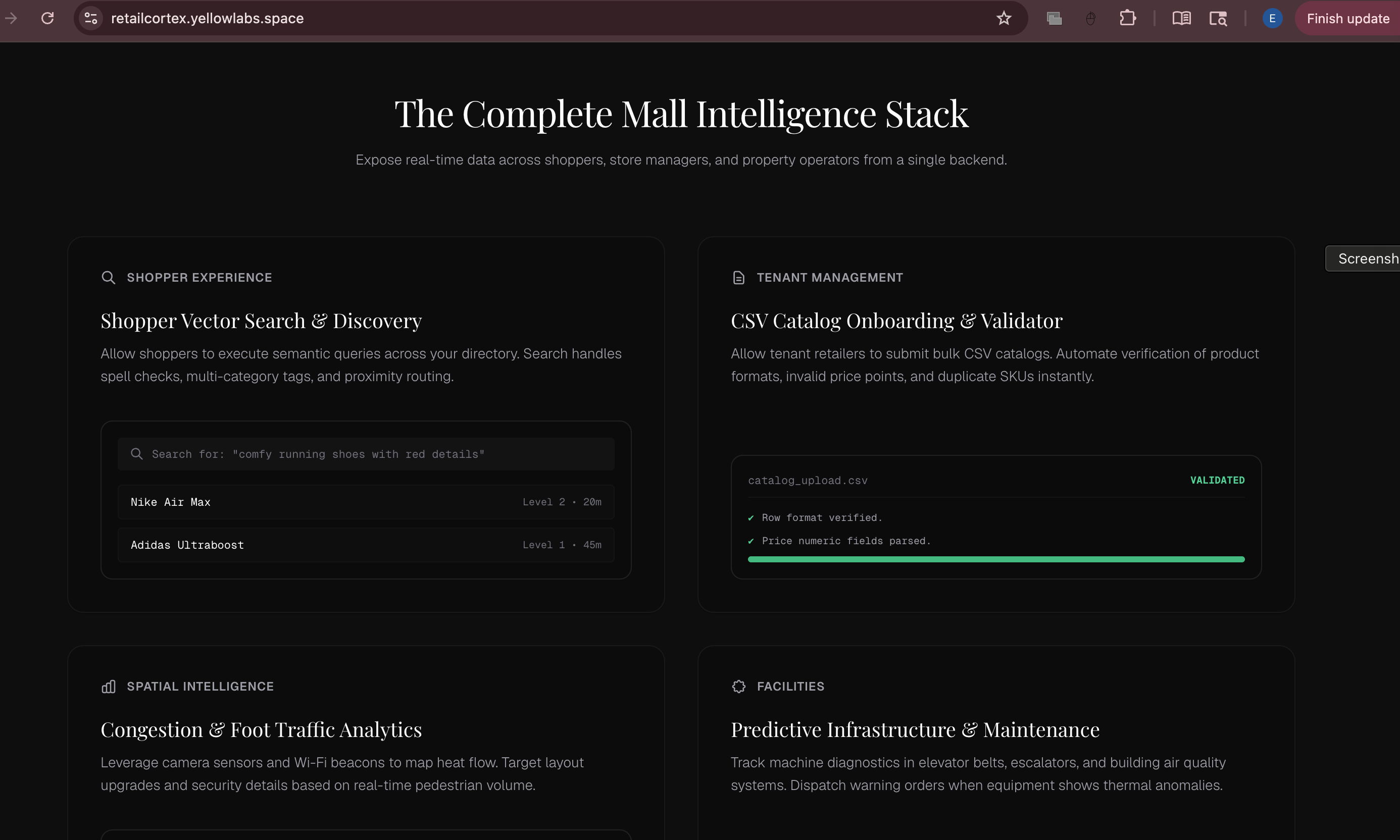
Smart shopper routing: Finds any product across all stores, checks live crowd density, and delivers the fastest uncongested route. Live congestion prediction: Dynatrace observability surfaces crowd hotspots before they form, auto-alerting operations and rerouting signage in real time. Contextual promotions: Pushes live discount offers based on where the shopper is, what they searched, and which stores have available inventory nearby.
How we built it
Agent pipeline Shopper view: Shopper query→Elastic product search→Dynatrace crowd check→Route optimisation→Live offer push→Ops alert if congested for techstack refer to: link
Challenges we ran into
For Retail Cortex was balancing model efficiency with navigational simplicity. Pulling live data from two MCP servers, Dynatrace for crowd telemetry and Elastic for product search, simultaneously meant the agent had to be fast without overwhelming the shopper with complexity. A response that was technically rich but hard to follow defeated the purpose entirely. We had to make deliberate trade-offs: how much context does the agent surface, and how much does it silently handle? Getting that boundary right, so the shopper sees a clean route and not a wall of data, took significant iteration.
Accomplishments that we're proud of
Scalable architecture: built to handle mall-scale concurrent users without degradation Real-time processing: live crowd and inventory data reflected in routing decisions instantly Live feedback loop: shopper actions continuously inform the ops dashboard in real time Multi-user support: simultaneous shopper queries and ops monitoring without conflict Dynatrace for physical space: used infrastructure observability in a genuinely novel context, modelling footfall zones the same way software systems model service health.
What we learned
Scalable architecture: built to handle mall-scale concurrent users without degradation Real-time processing: live crowd and inventory data reflected in routing decisions instantly Live feedback loop: shopper actions continuously inform the ops dashboard in real time Multi-user support: simultaneous shopper queries and ops monitoring without conflict Dynatrace for physical space: used infrastructure observability in a genuinely novel context, modelling footfall zones the same way software systems model service health.
What's next for Retail Cortex
Predictive staffing: use historical Dynatrace patterns to recommend staffing per zone, per hour, days in advance.
Built With
- fastapi
- gcp
- next.js
- react
- tailwind
- terraform
- typescript
- uvicorn


Log in or sign up for Devpost to join the conversation.