-
-
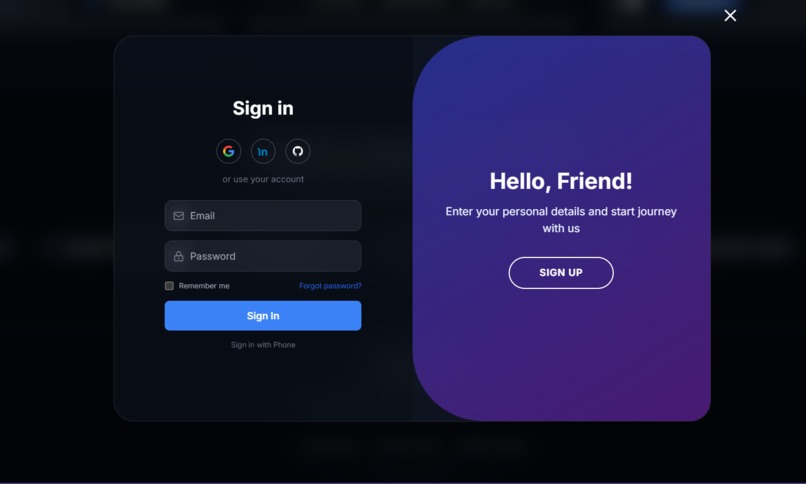
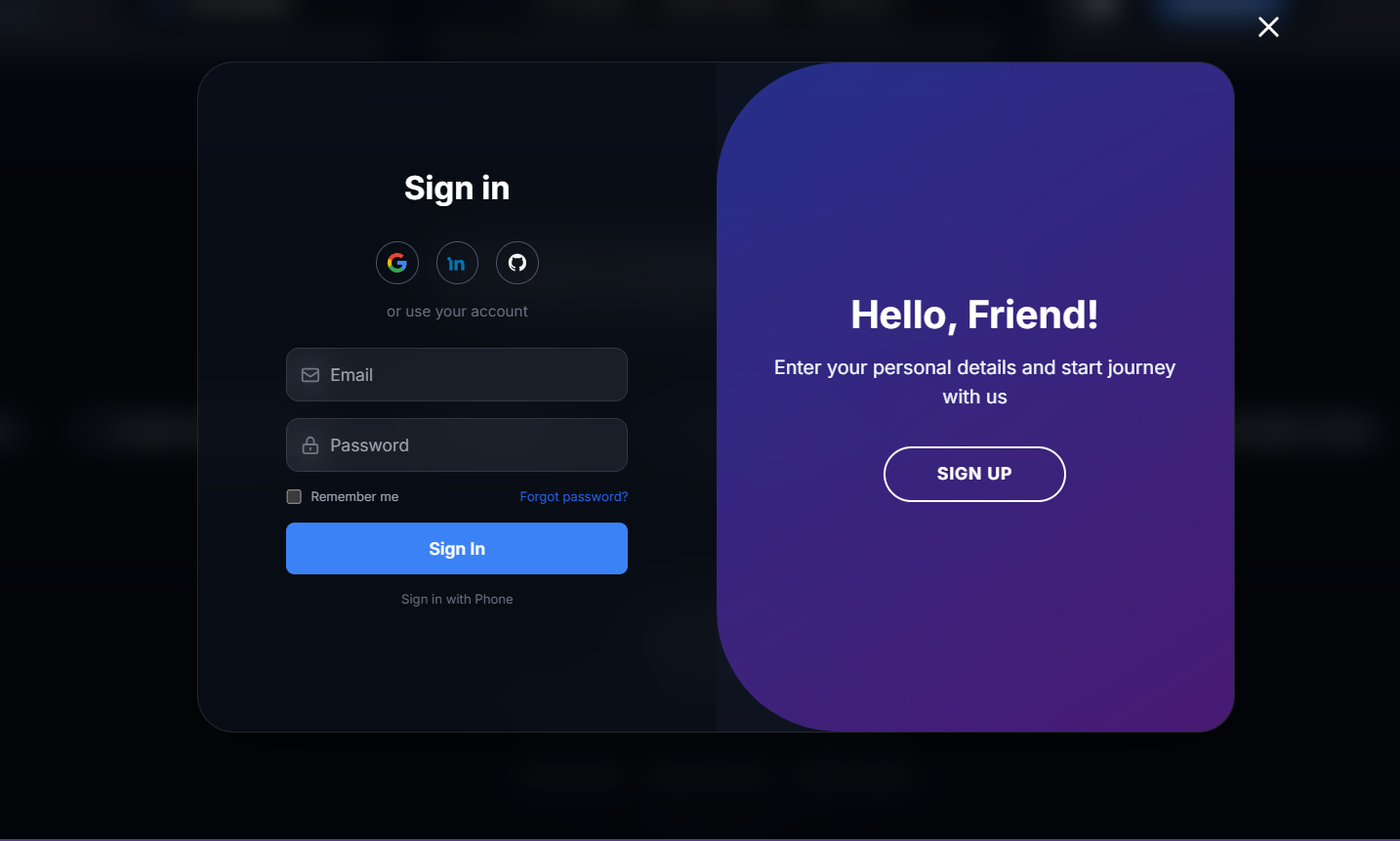
LOGIN
-
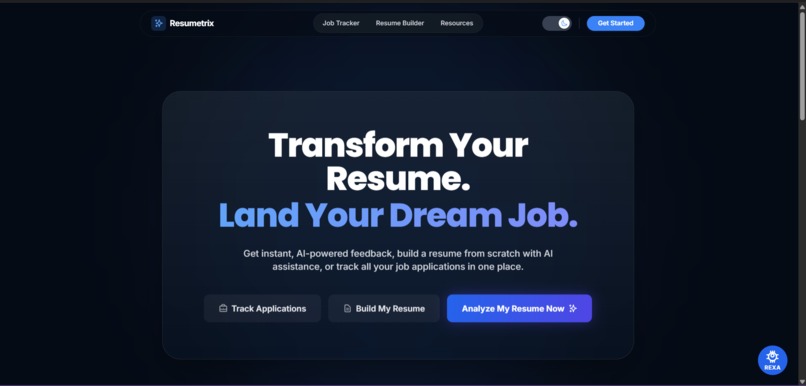
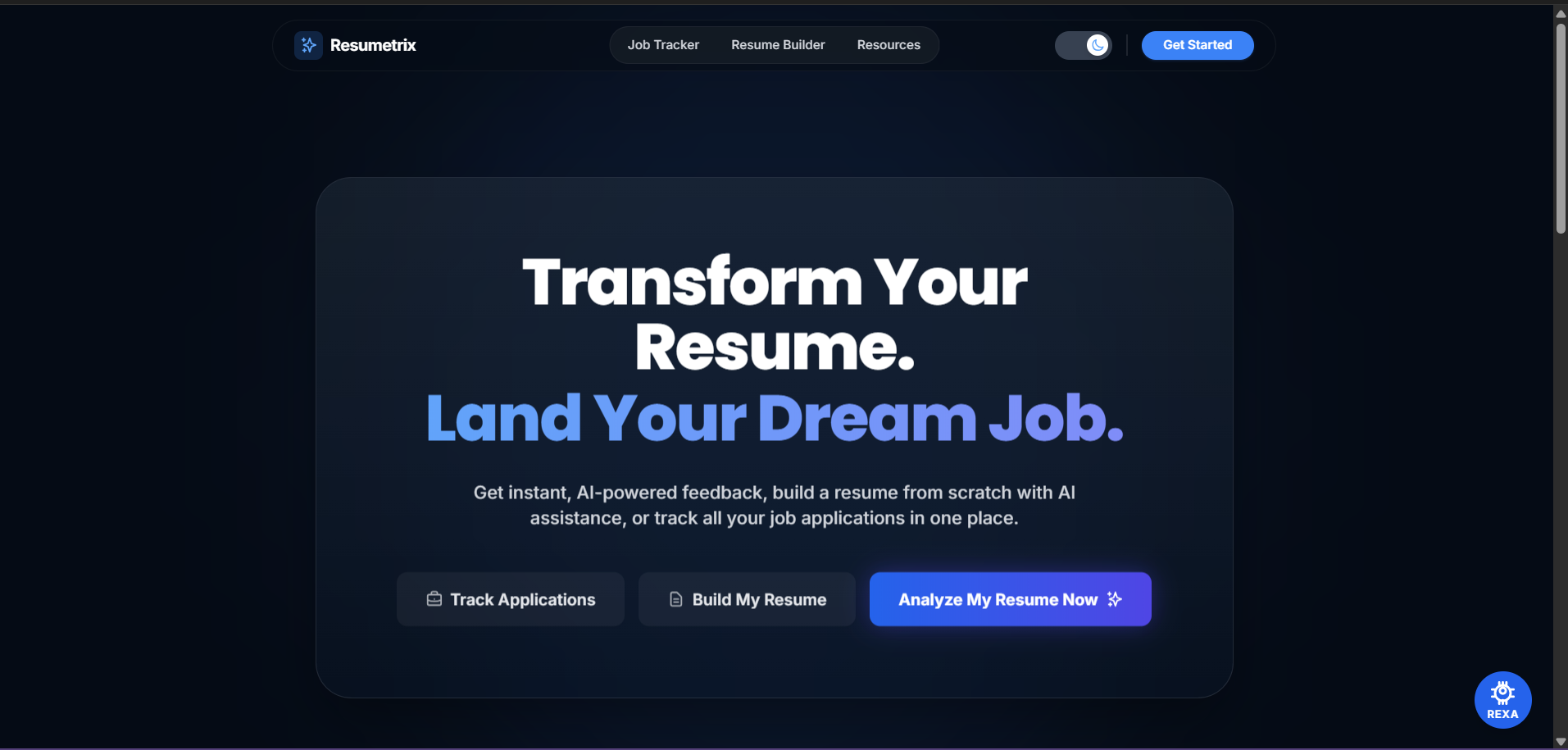
HOME
-
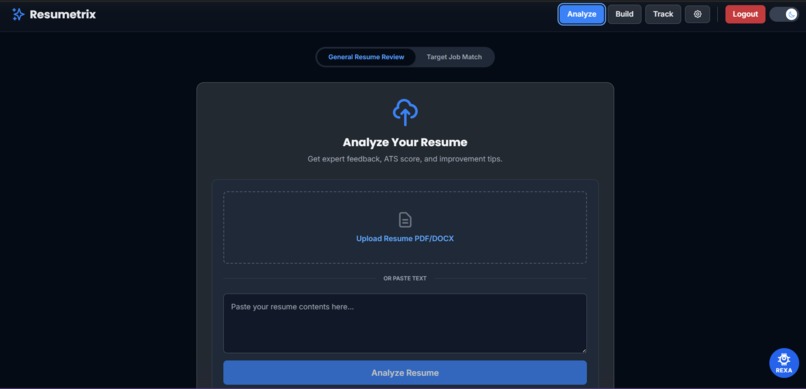
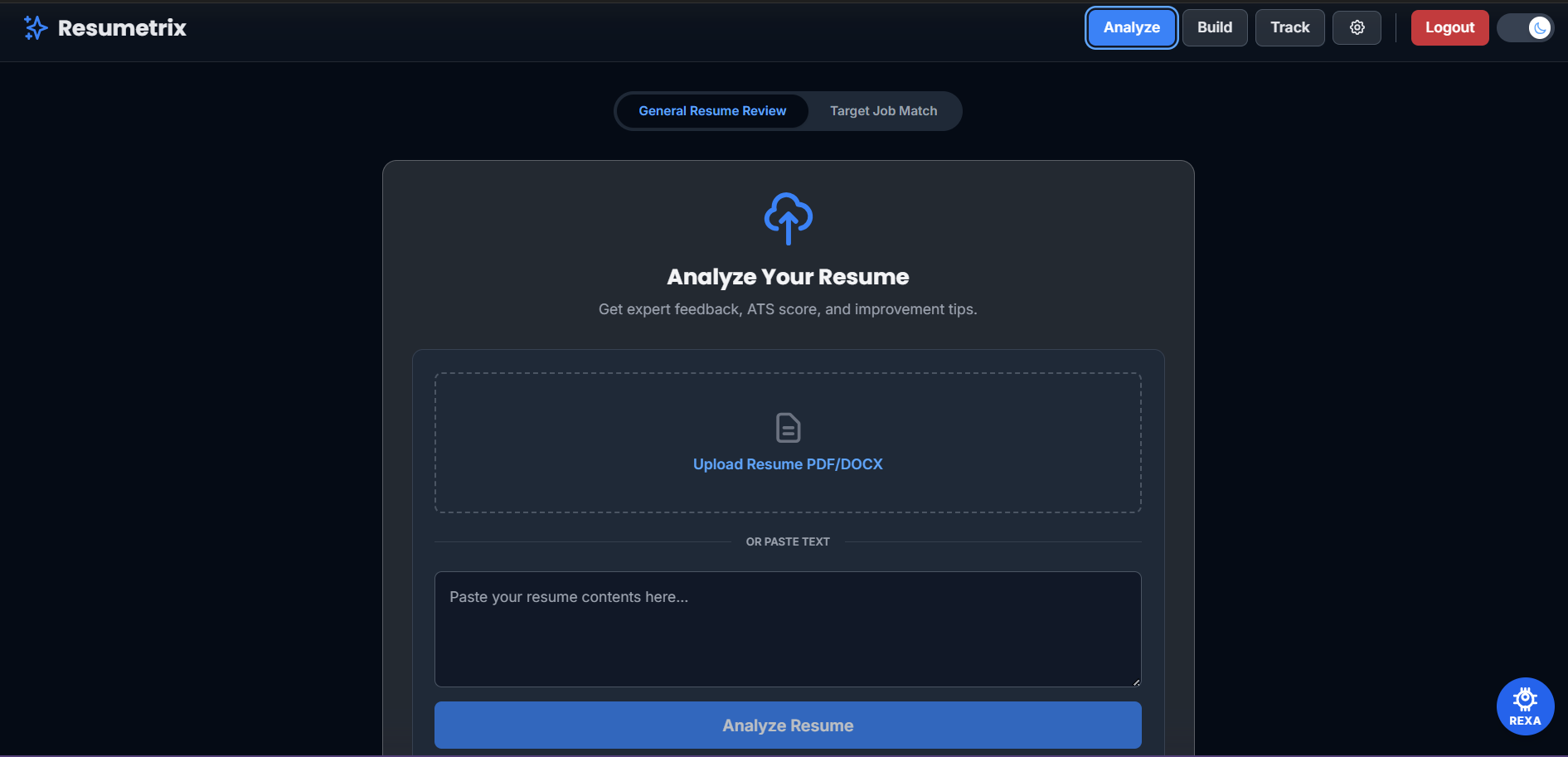
UPLOAD
-
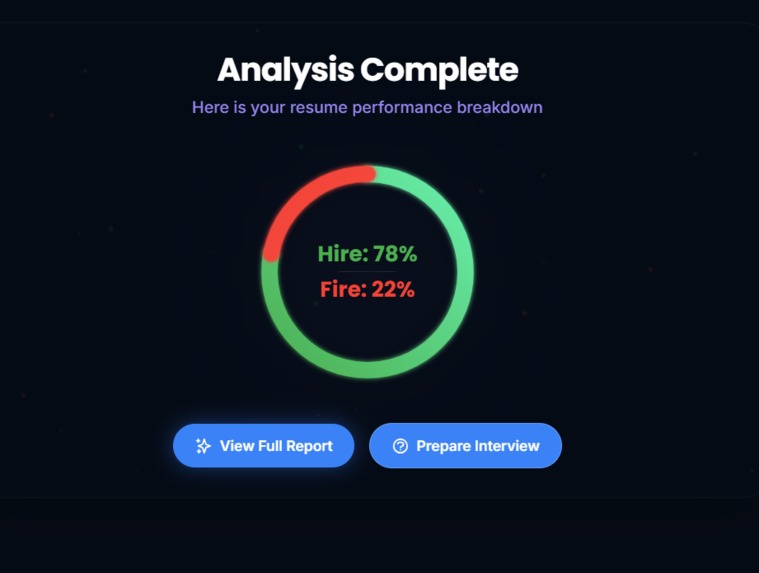
ANALYSIS
-
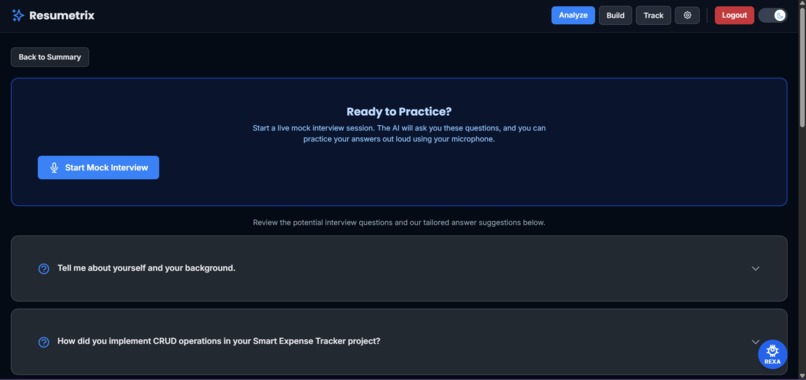
MOCK INTERVIEW
-

PRODUCT

Inspiration
The inspiration for RESUMETRIX came from a common problem faced by students and fresh graduates: having the right skills but still getting rejected due to poorly optimized resumes and lack of structured interview preparation. While applying for internships and entry-level roles, I realized that most platforms solve only one part of the problem—resume building or interview practice—but not the entire hiring journey. This gap motivated me to build a single AI-driven system that guides users from resume analysis to interview readiness in a practical and structured way.
What it does
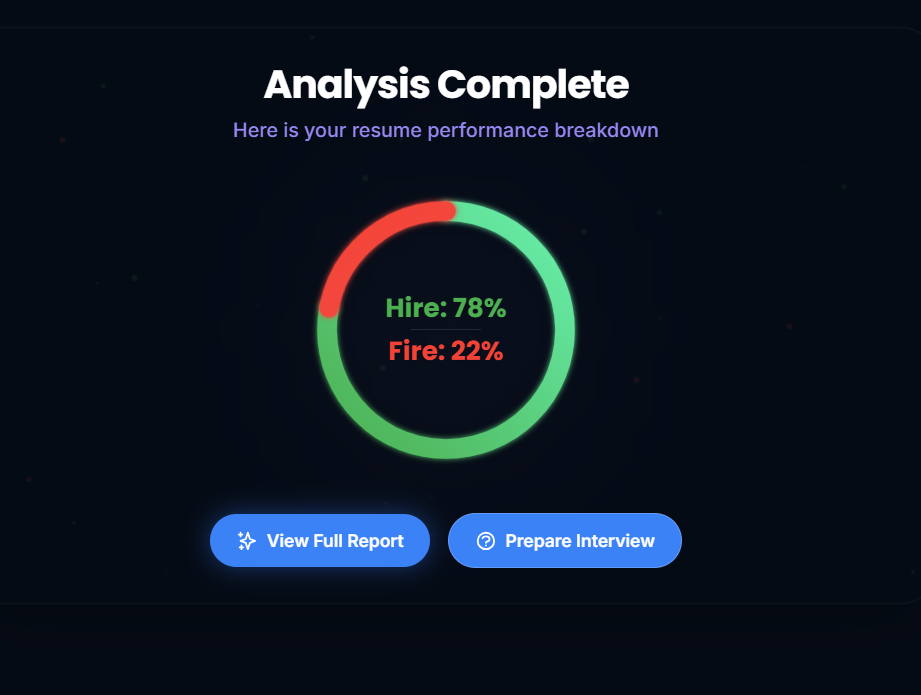
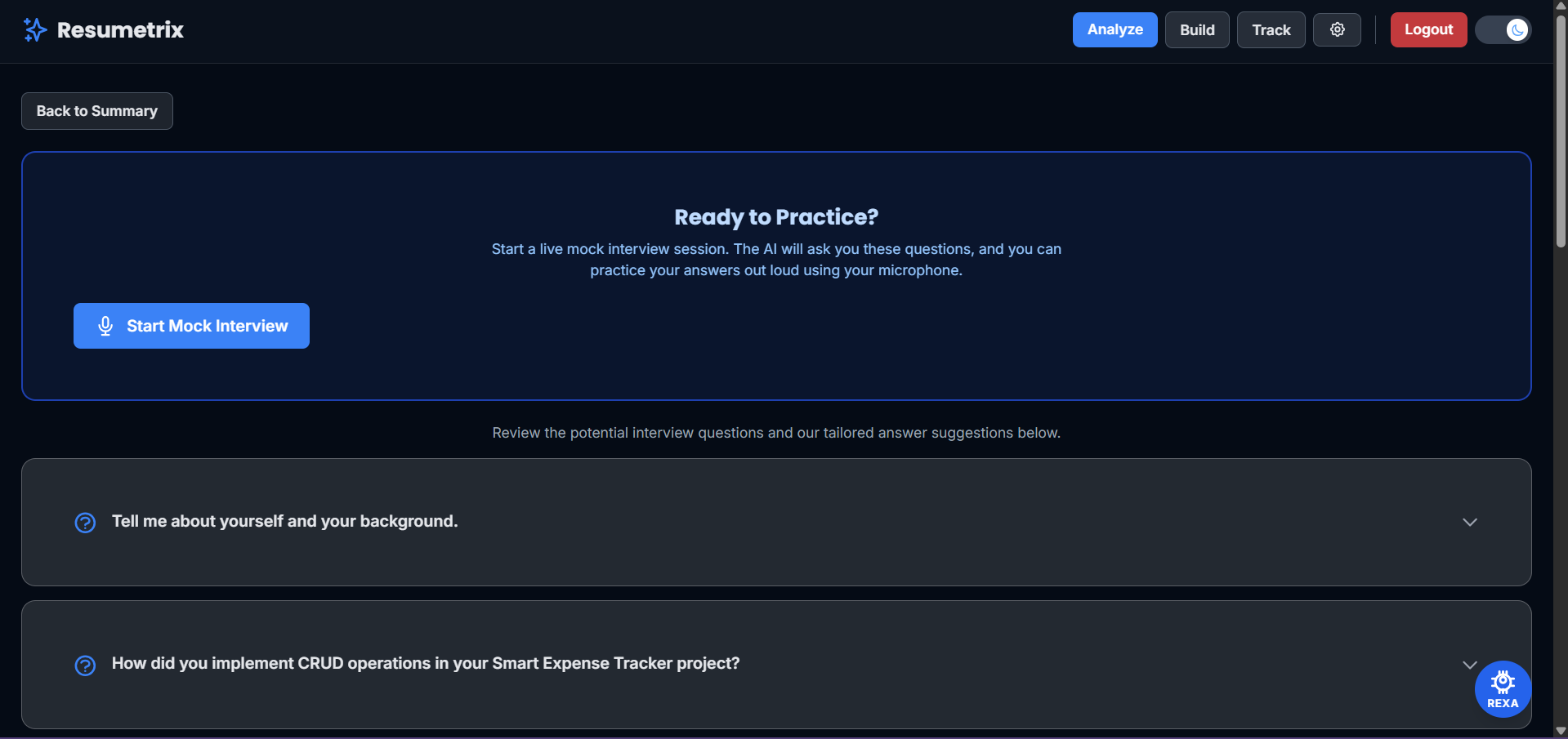
RESUMETRIX is an AI-powered career toolkit that:
- Analyzes resumes and job descriptions
- Extracts skills and keywords
- Scores resumes for ATS compatibility
- Provides tailored resume improvement suggestions
- Generates personalized interview questions
- Simulates real interview conditions with timed responses
- Delivers post-interview feedback and improvement tips
It helps users understand why they are being filtered out and how to improve.
How we built it
The project was built using a modular approach:
- Frontend: React, TypeScript, and Tailwind CSS for a responsive and modern UI
- AI Prototyping: Google AI Studio was used to experiment with prompts, response formats, and AI logic
- Architecture: Clear separation between UI, AI logic, and backend planning
- Design Focus: Reusable components, smooth transitions, and a guided user journey
AI Studio helped validate ideas quickly before planning external backend services for scalability and storage.
Challenges we ran into
- Platform limitations: Google AI Studio is great for prototyping but not for handling large-scale app logic or persistent data, which caused performance issues as the project grew.
- Prompt consistency: Ensuring AI outputs were structured, relevant, and not generic required multiple prompt iterations.
- Scope management: Balancing advanced features with the time and constraints of a college project.
- Performance tuning: Avoiding long loading times and buffering during AI interactions.
Accomplishments that we're proud of
- Built a functional AI-driven career assistant from scratch
- Designed a complete career preparation flow, not just isolated features
- Created a clean, professional, and mobile-responsive UI
- Successfully integrated AI reasoning into practical, real-world use cases
- Reached ~60% completion with a strong foundation for expansion
What we learned
- AI applications need proper system design, not just model calls
- Prototyping tools and production systems serve different purposes
- Separation of frontend, backend, and AI logic is essential
- User experience and clarity are as important as technical accuracy
- Iteration and testing are key to building reliable AI features
What's next for RESUMETRIX
Next steps include:
- Adding a lightweight backend with Firebase for data storage and user history
- Automating resume parsing and interview scoring
- Improving AI accuracy with structured outputs and validation
- Deploying the application externally for real-world testing
- Expanding features like job tracking and portfolio analysis
RESUMETRIX is evolving from a prototype into a scalable, real-world career preparation platform.
Built With
- api
- firebase
- framer-motion
- gemini
- google-ai
- react-js
- rest
- tailwind-css
- typescript


Log in or sign up for Devpost to join the conversation.