ResumeLand
Inspiration
Job applications today are static, forgettable, and one-dimensional. Resumes get skimmed in seconds, and candidates struggle to stand out beyond bullet points.
We asked: What if a resume wasn’t read… but experienced?
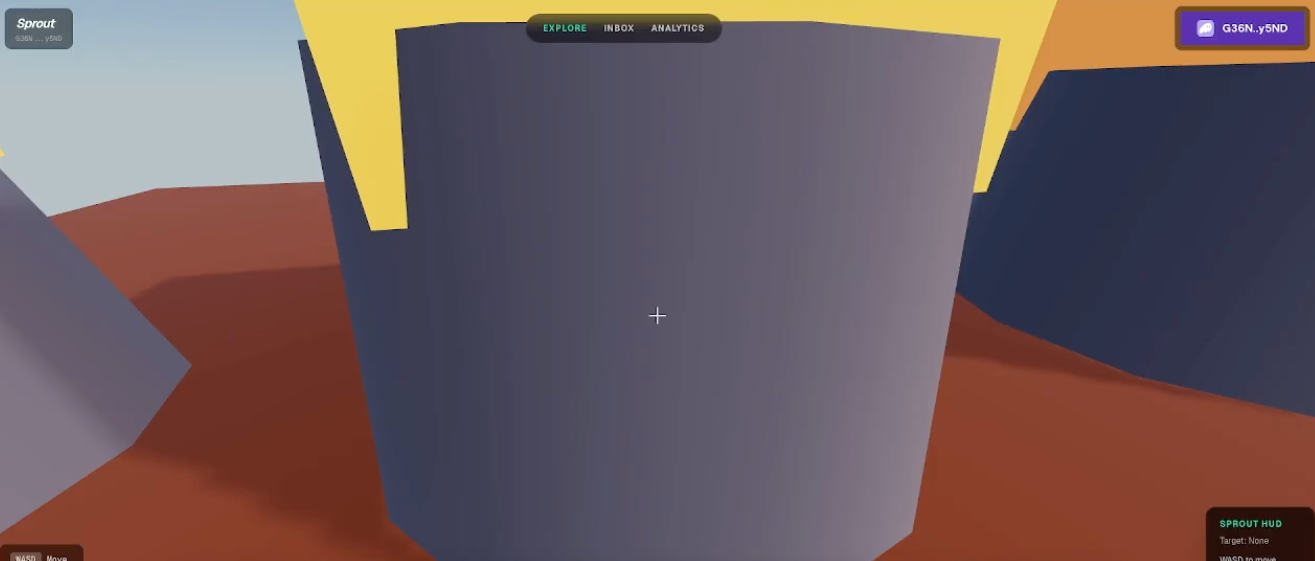
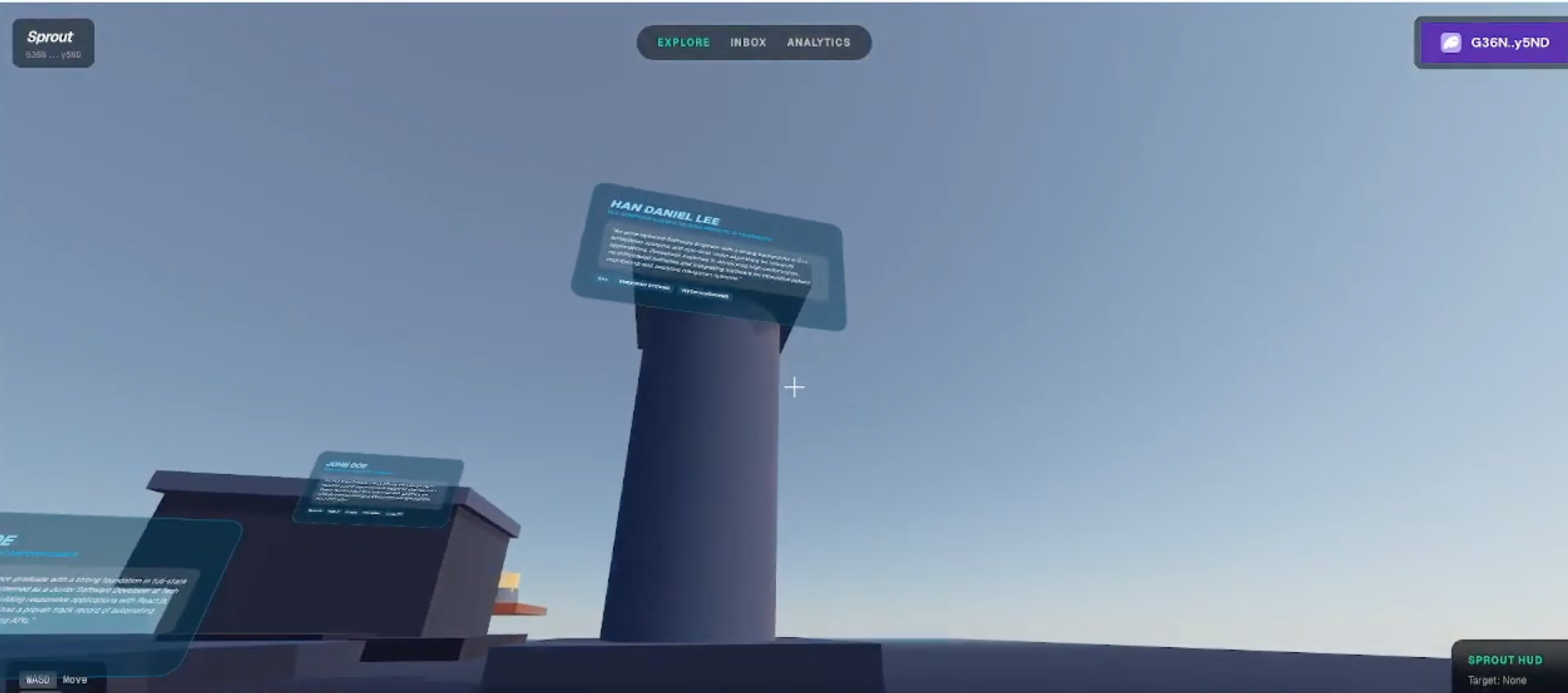
ResumeLand transforms resumes into immersive, explorable 3D worlds—turning candidates into interactive stories instead of PDFs.
What it does
ResumeLand is a WebGL-powered 3D portfolio experience where:
Applicants upload their resume and send it to a recruiter’s wallet Resume data is extracted and stored Recruiters enter a first-person game world generated from the latest received resume Skills become towers, projects become structures, and experience becomes a path Users can mint NFT snapshots of their exploration directly to their Phantom wallet
👉 It’s a resume → world → memory → NFT pipeline
How we built it
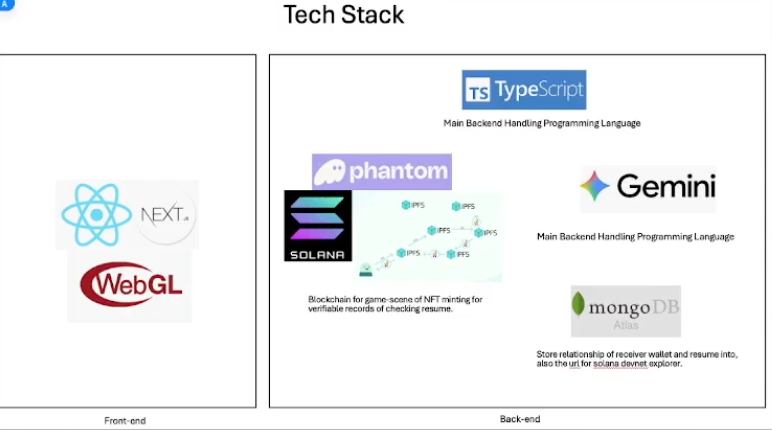
Frontend Next.js + TypeScript React Three Fiber for WebGL Three.js for rendering Physics with Rapier Custom first-person controller + pointer lock system
Backend API routes for: resume upload PDF parsing NFT minting MongoDB for resume + metadata storage
Blockchain Solana devnet Phantom wallet integration NFT minting pipeline using Metaplex AI
Gemini API extracts: skills projects experience summaries TLDR descriptions
MLH Track - Best use of Solana
We integrated Solana directly into the gameplay loop.
Inside ResumeLand, users can press “M” to:
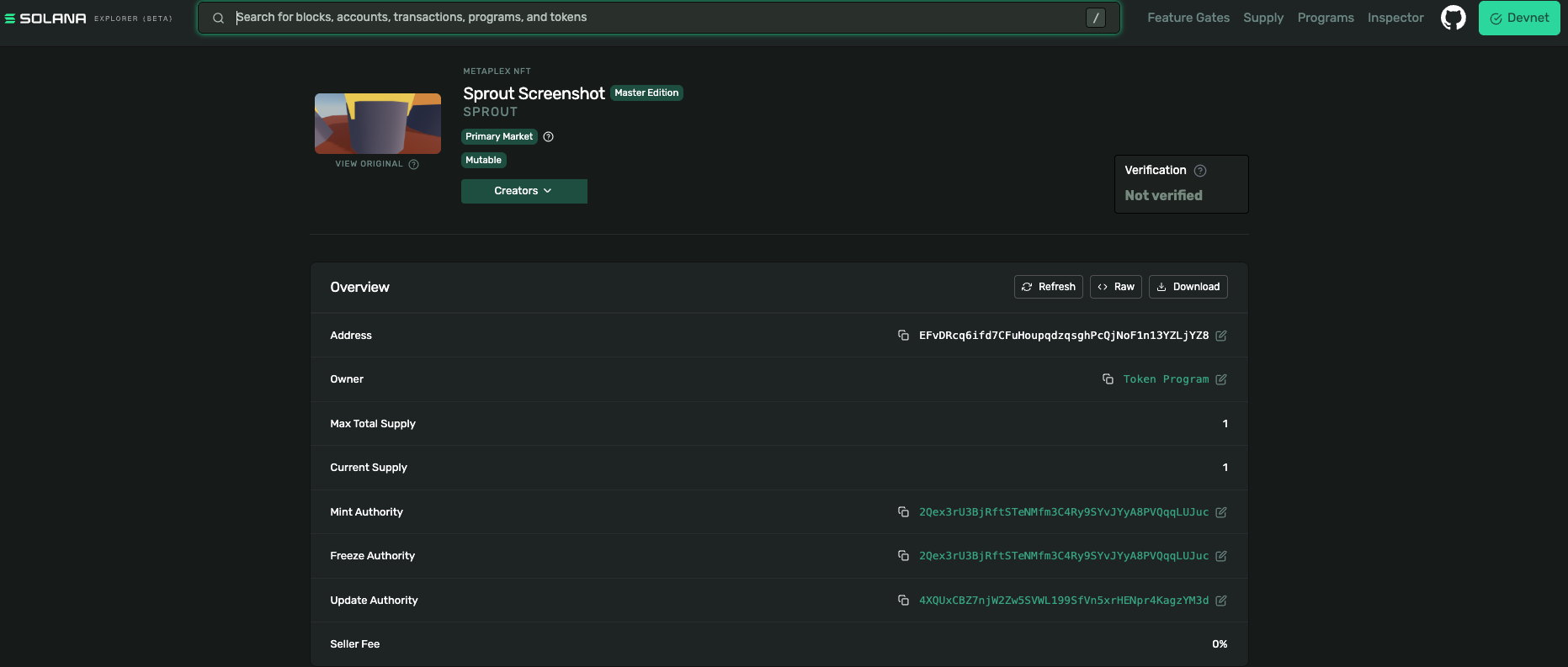
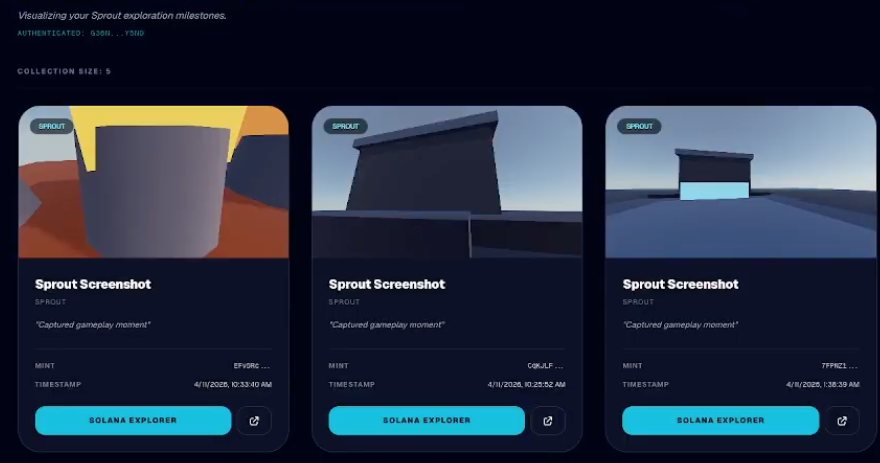
Capture a real-time screenshot of the 3D experience Upload the image to IPFS via Pinata Mint it as an NFT on Solana (devnet)
This creates a proof-of-exploration artifact, where each NFT represents a unique interaction with a candidate’s resume world.
The NFT minting pipeline:
In-game screenshot → canvas capture Upload to IPFS (Pinata) Generate metadata JSON Mint NFT using Solana (Metaplex) Return explorer link to user
This turns resume exploration into a verifiable, ownable experience.
MLH Track - Best use of MongoDB
We used MongoDB as the central data layer connecting applicants, recruiters, and NFTs.
We store:
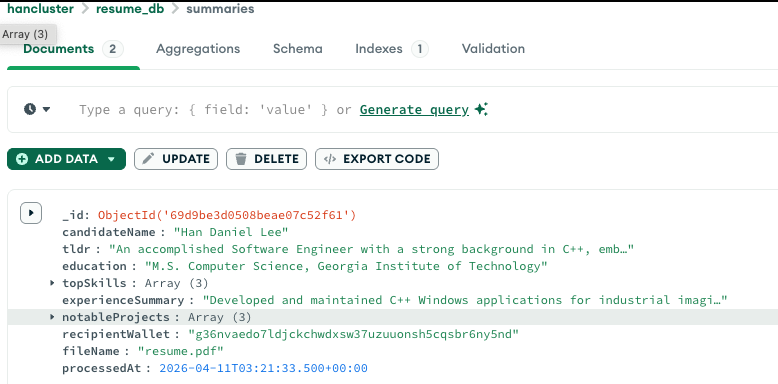
Resume submissions: senderWallet (applicant) receiverWallet (recruiter) Extracted structured resume data NFT minting results: mint address transaction signature IPFS metadata URI
This allows:
Recruiters to query all resumes sent to their wallet Applicants to track their submitted resumes Linking NFTs directly to resume context
MongoDB enables fast iteration and flexible schema design for combining AI output + blockchain metadata.
MLH Track - Best use of Gemini API
We used Gemini API to:
We used Gemini API to transform raw PDF resumes into structured, usable data.
When a resume is uploaded:
The PDF is processed through Gemini We extract: candidate name TLDR summary top skills experience summary notable projects
This structured output is then:
Stored in MongoDB Used to dynamically generate the 3D game world
So Gemini is not just summarizing — it is powering procedural world generation.
MLH Track - Best use of GoDaddy Registry
https://www.404jobnotfound.biz/
What we learned
UX matters just as much as tech in Web3 apps Pointer lock and browser APIs are tricky but powerful AI is most impactful when it drives experiences, not just text Data modeling (wallet relationships) is critical for multi-user systems Building immersive apps requires thinking beyond traditional UI
What's next for ResumeLand
Multiplayer recruiter sessions (shared exploration) Voice-guided resume narration (ElevenLabs) Rich interactions (walk up → open project details) Better procedural generation (unique worlds per candidate) On-chain credential verification (diplomas, certifications) Export ResumeLand as a shareable link / NFT world
Built With
- gemini
- mongodb
- next.js
- pinata
- solana
- typescript
- webgl

Log in or sign up for Devpost to join the conversation.