-
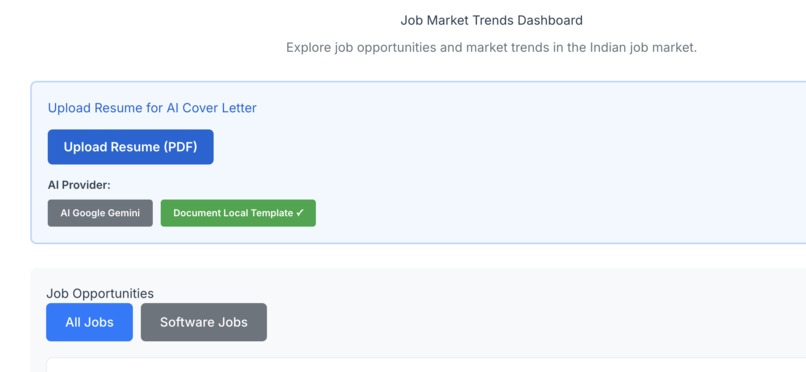
one click cover letter generator based on resume for all adzuna jobs
-
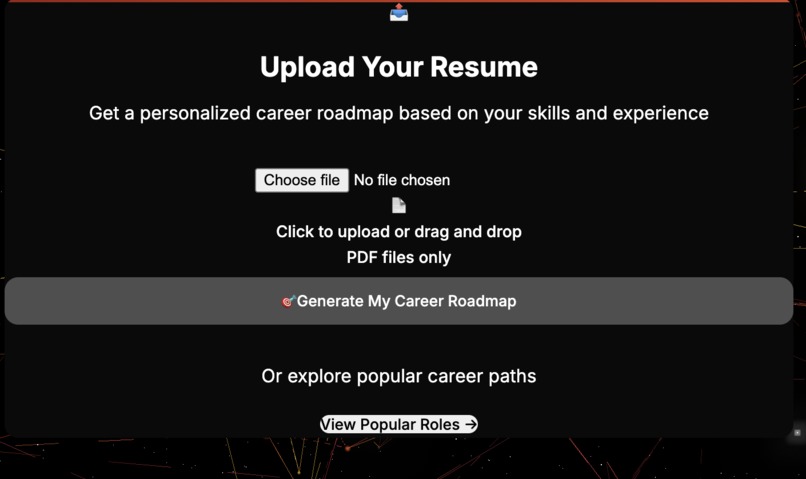
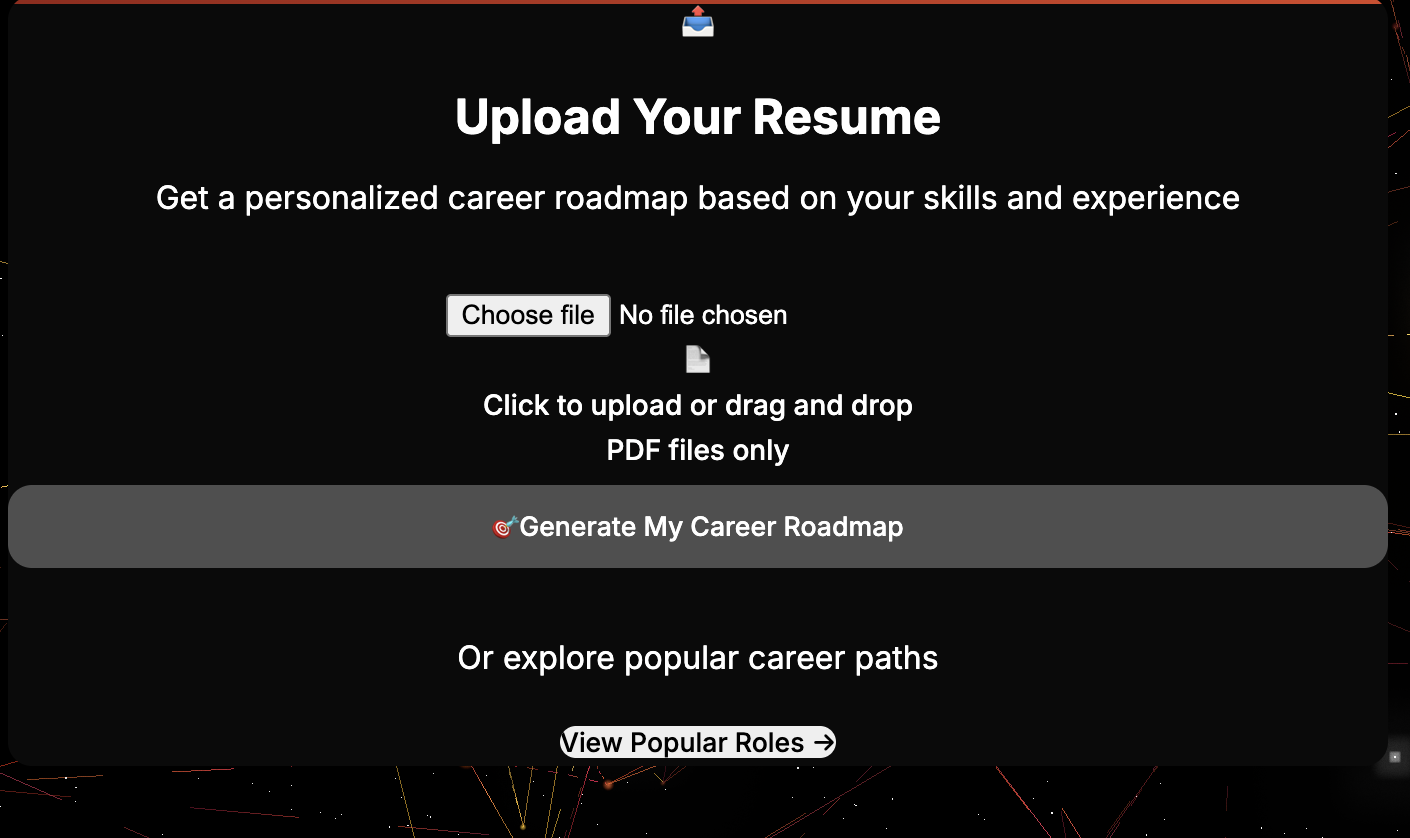
roadmap generator
-
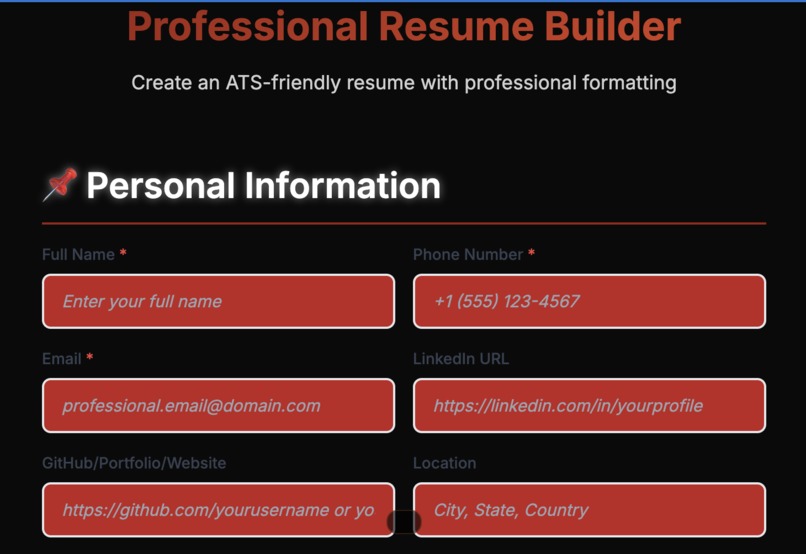
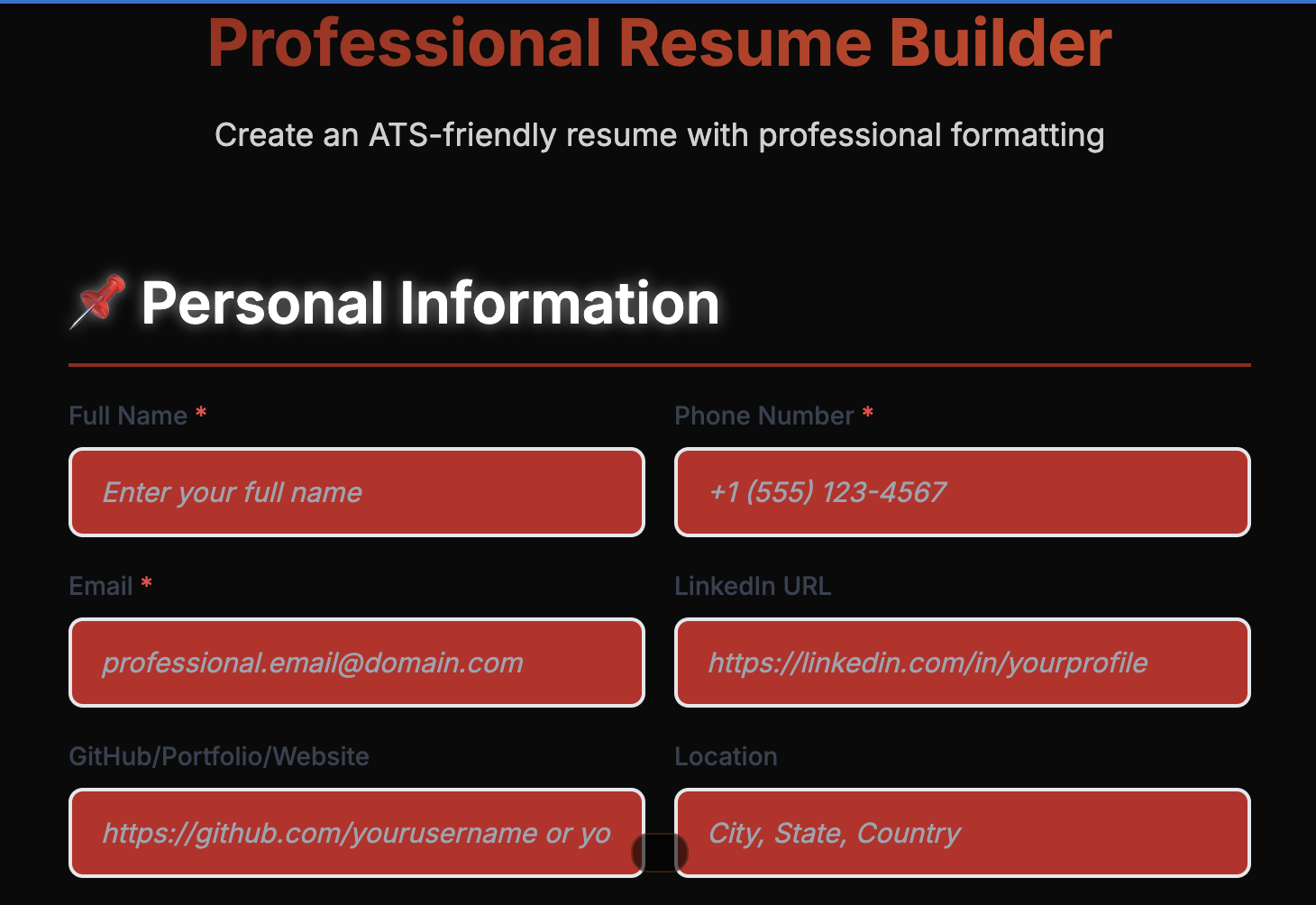
resume builder
-
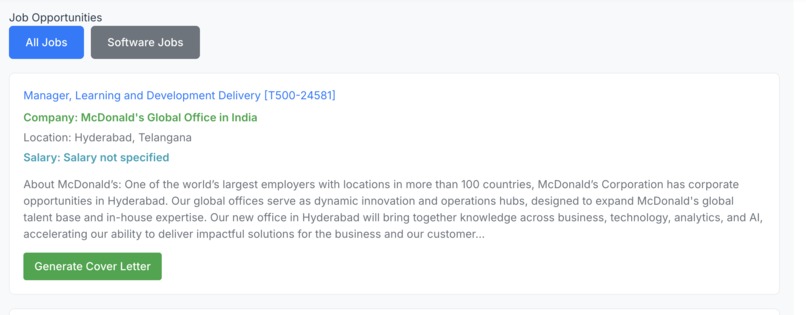
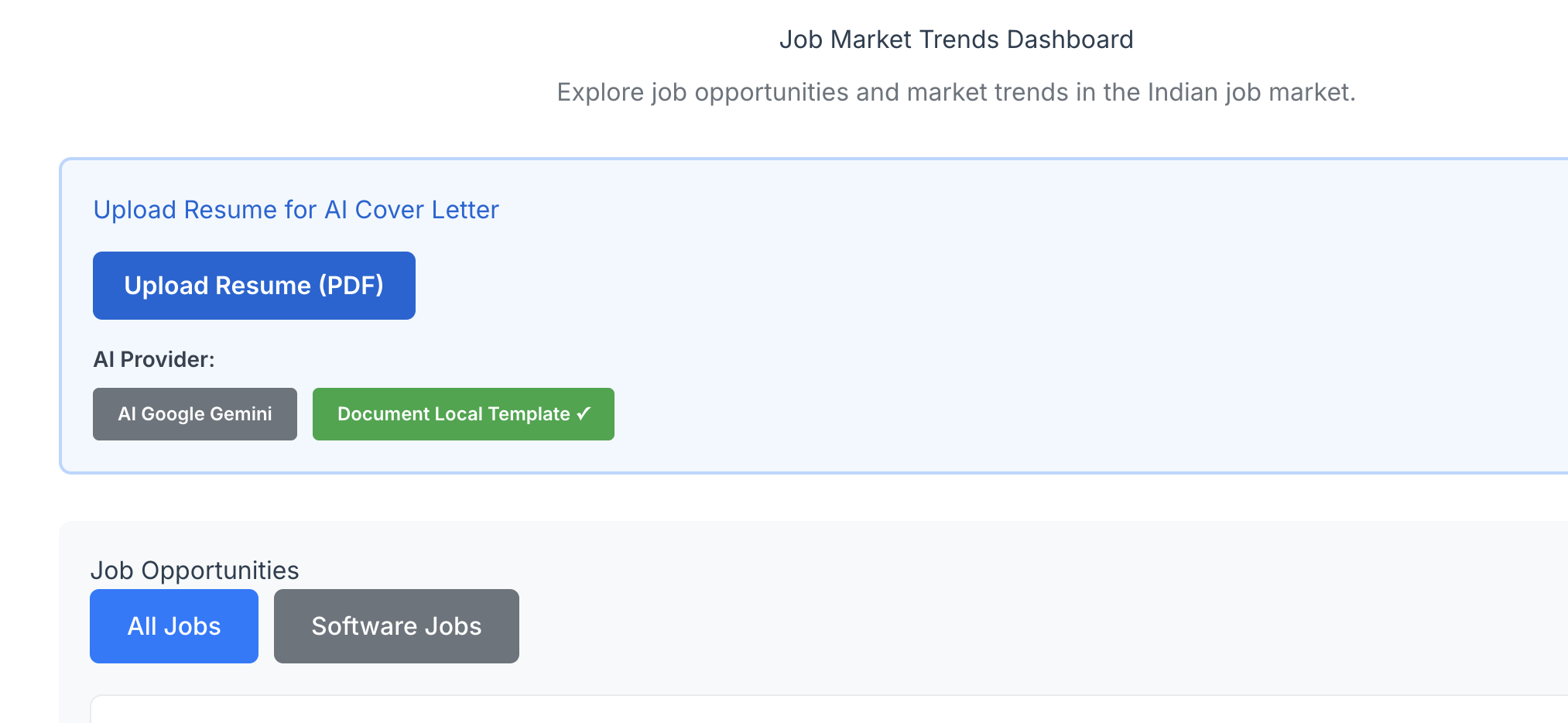
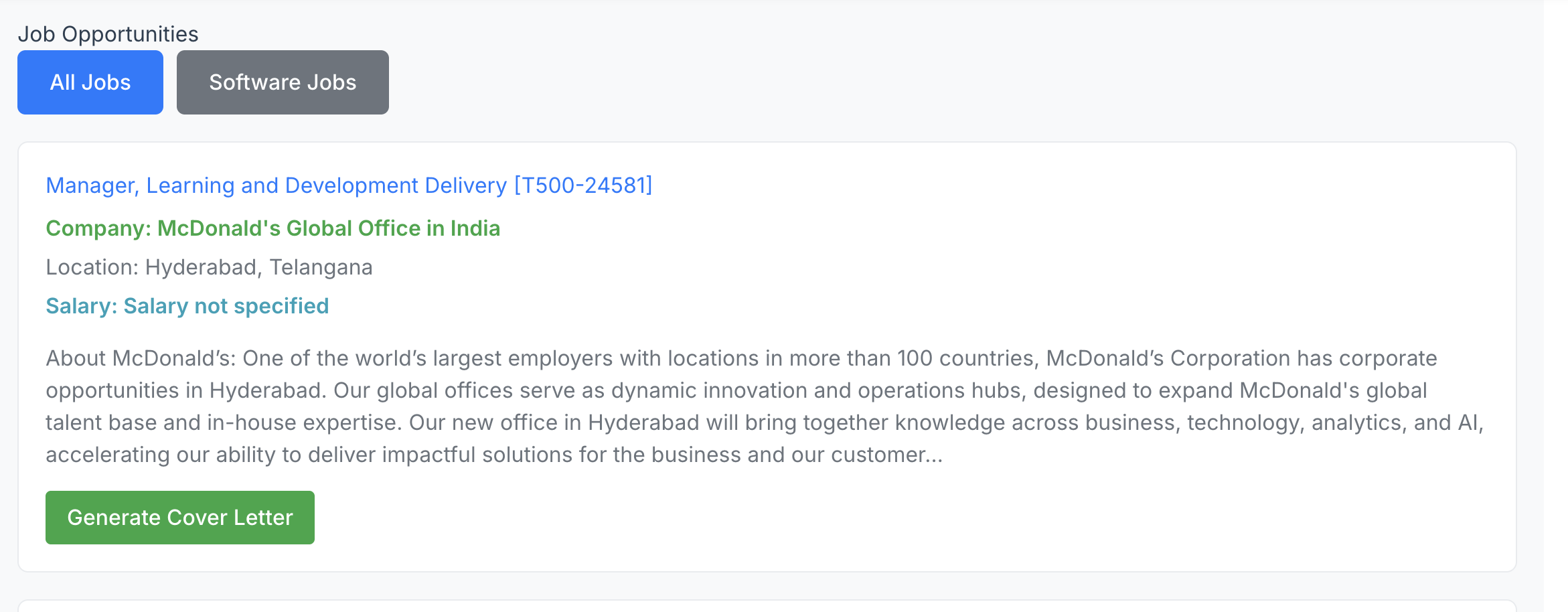
jobs at adzuna one click cover letters
-
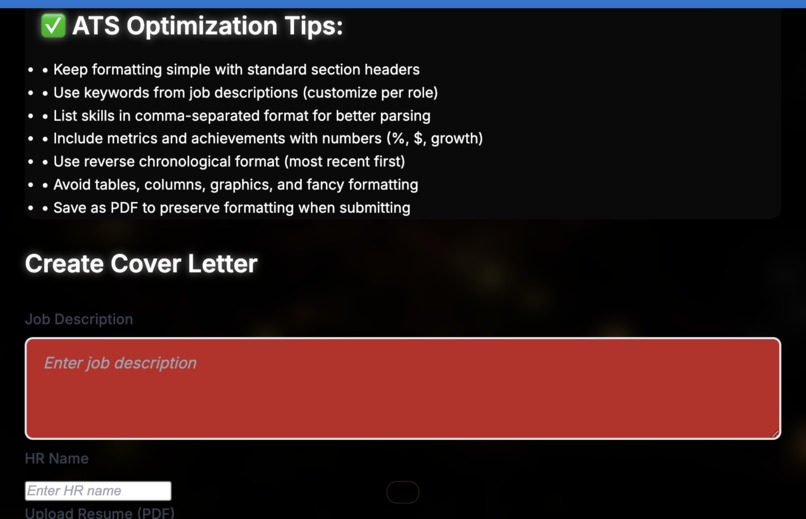
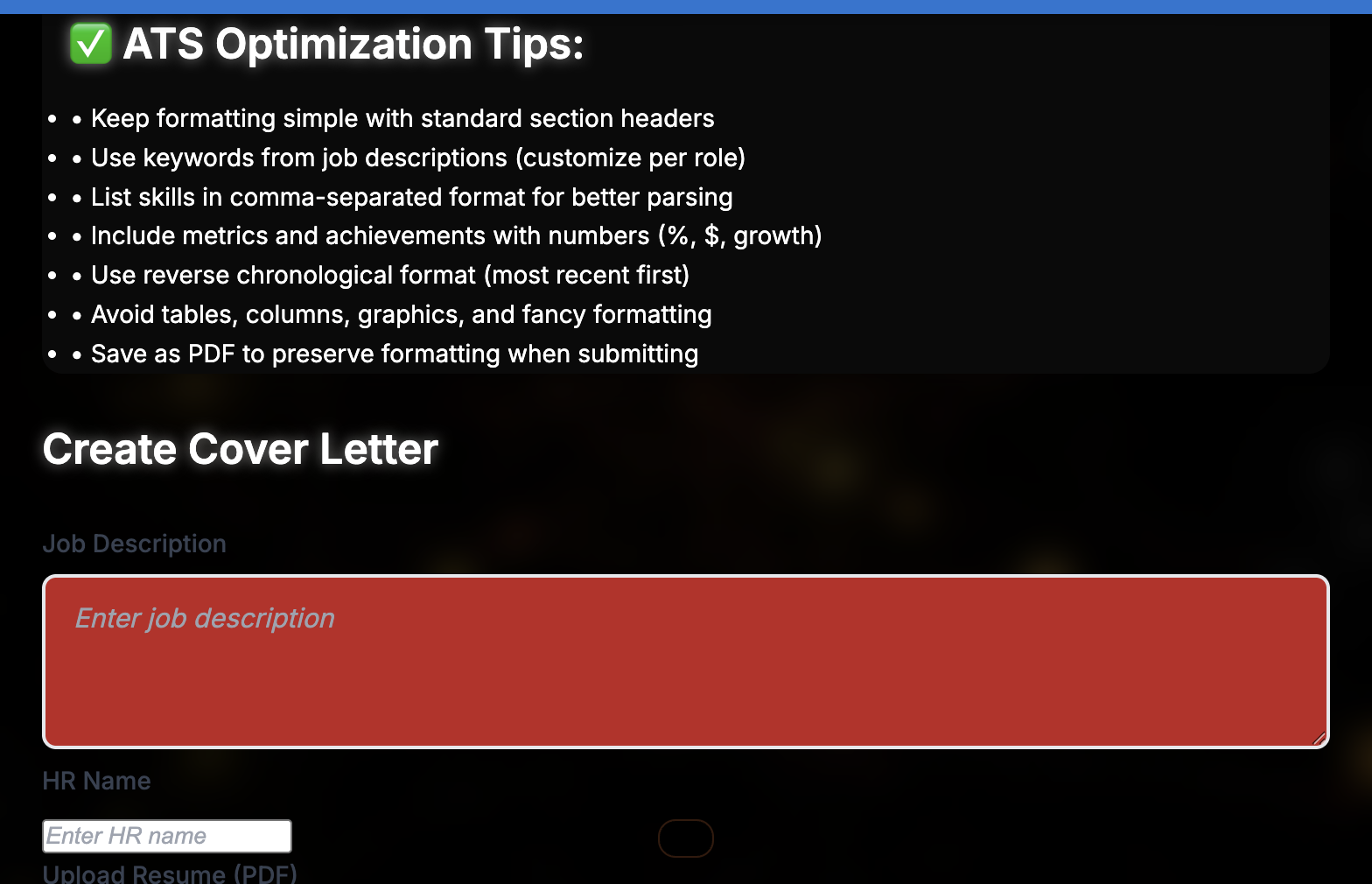
cover letter generator
-
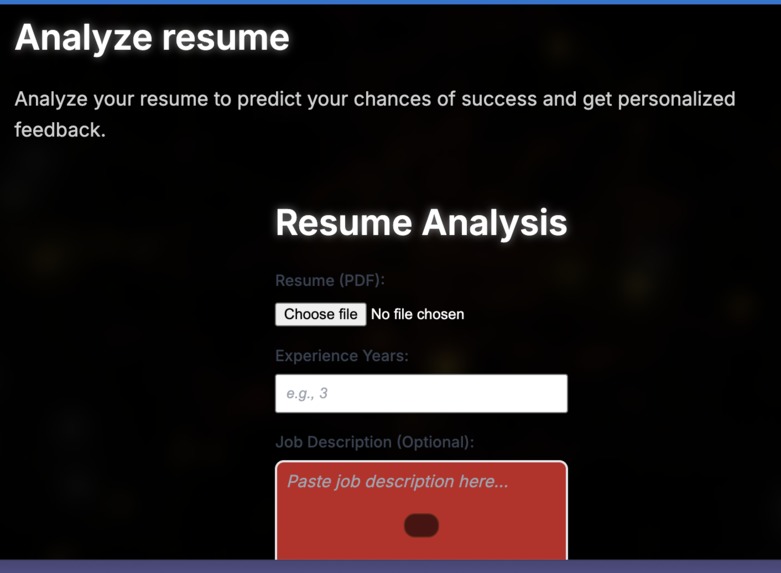
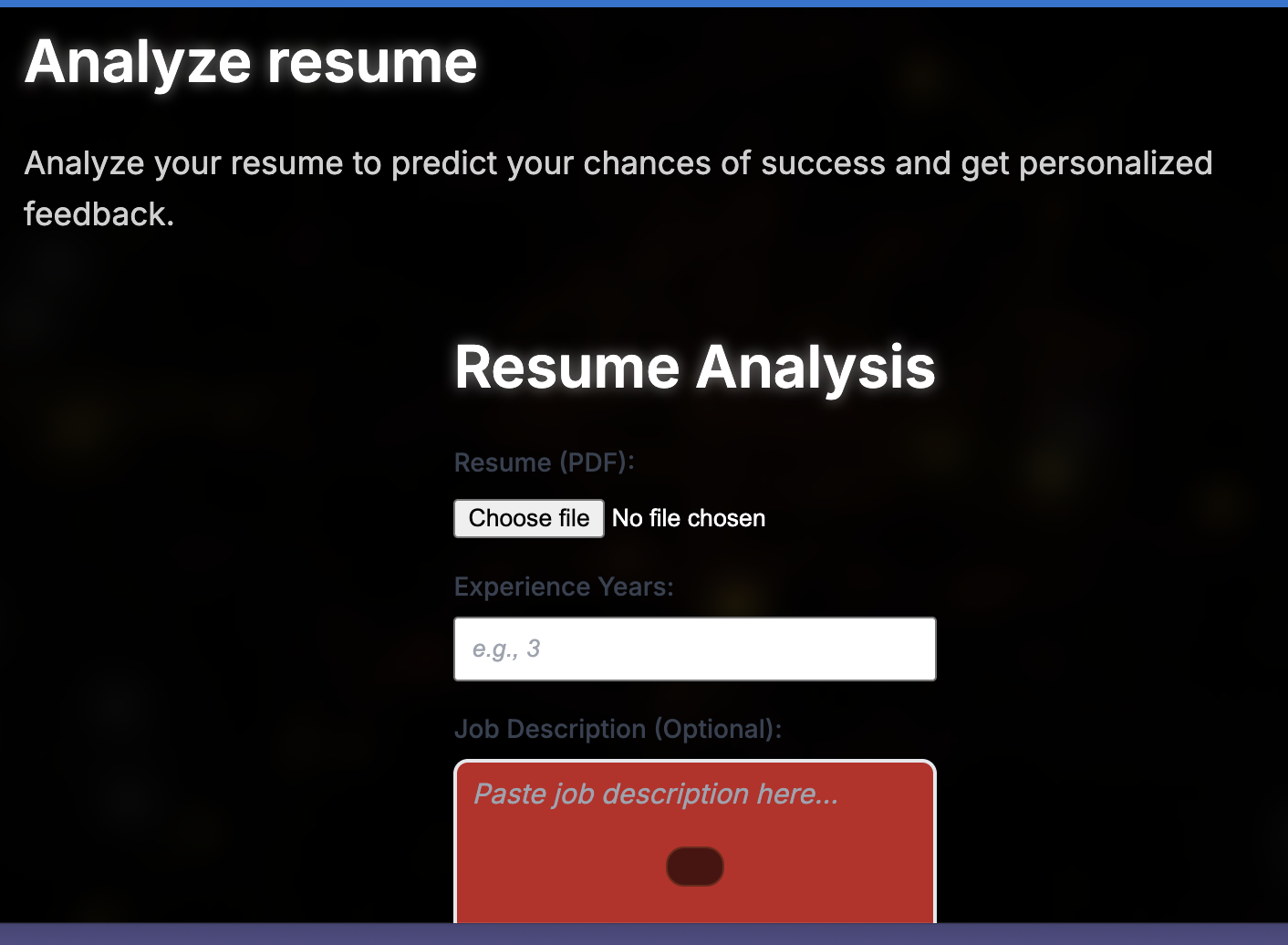
resume analysis based on kaggle dataset current resume experience and jd
-
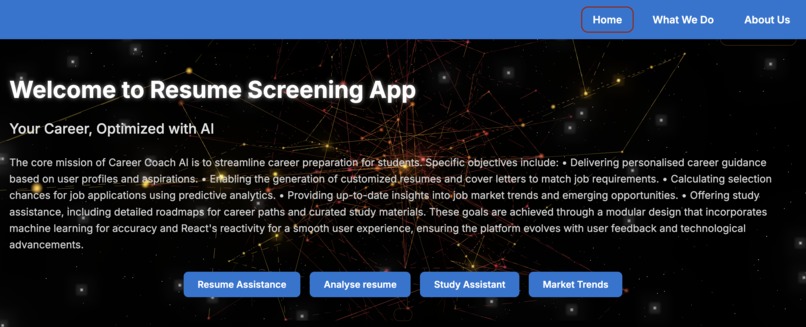
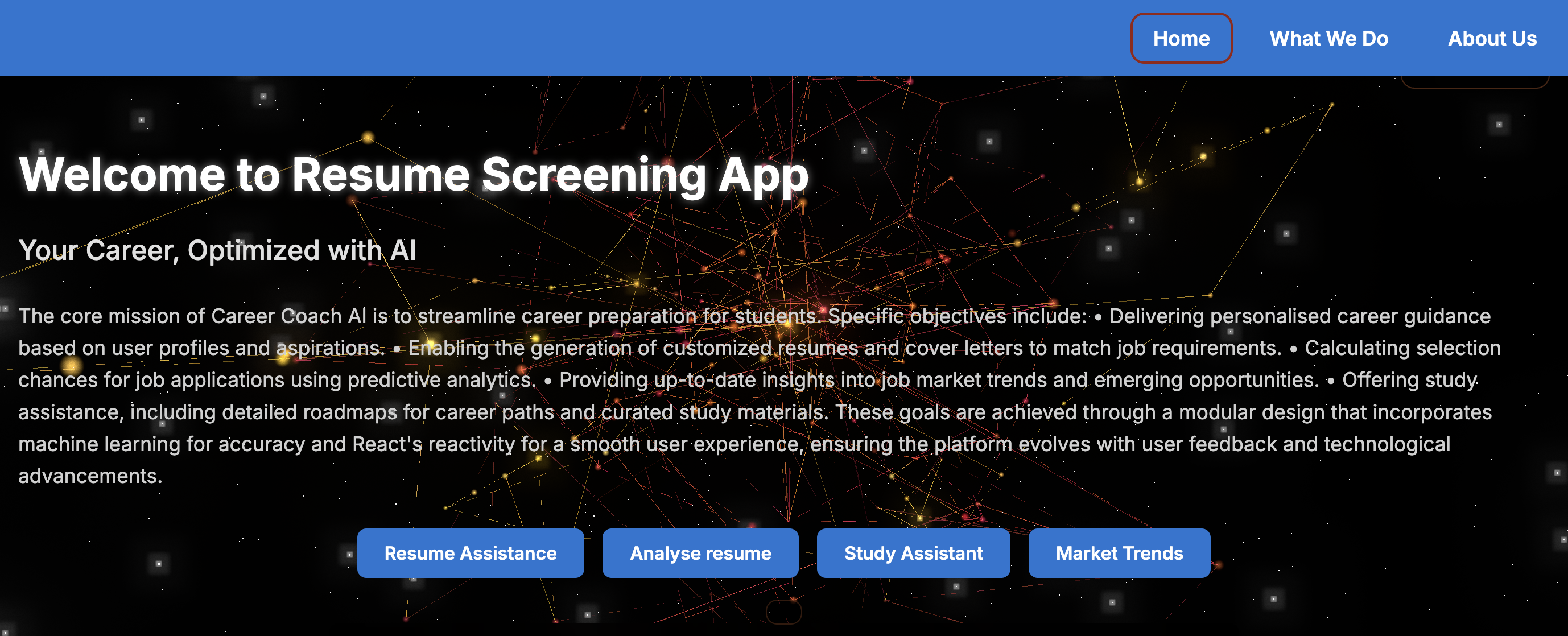
home page
Inspiration
Job applications can be frustrating, especially for students who are just starting out. Most people apply to many jobs without really knowing why they are getting rejected or what they should improve. Existing tools either focus only on resume building or give very generic advice, which does not help much in real situations.
This project was inspired by the idea of making the job application process more clear and guided. Instead of just helping users create resumes, we wanted to build something that can also analyze, predict, and suggest improvements so users can make better decisions.
What it does
The Resume Screening App is designed as a complete career assistance tool. It helps users at different stages of the job application process.
Users can generate customized resumes and cover letters based on job descriptions. The app also analyzes resumes and estimates the probability of getting selected by comparing the user’s profile with job requirements. It includes a roadmap generator that suggests what skills or areas the user should focus on next. In addition, it shows job market trends and live job listings using external data, and allows users to generate cover letters directly for those jobs.
Overall, the app tries to reduce guesswork and provide more clarity during job applications.
How we built it
The frontend of the application is built using React, which helps in creating a dynamic and modular user interface. For AI-based features like resume generation, cover letters, and roadmap suggestions, we used the Grok API.
For job-related data and market trends, we integrated the Adzuna API, which provides real-time job listings and insights. The resume analysis feature is supported using a Kaggle dataset with thousands of entries, which helps in estimating selection probability based on factors like experience, skills, and job requirements.
We also used Axios for API communication and jsPDF to allow users to download generated resumes as PDF files.
Challenges we ran into
One of the main challenges was designing the resume input form. Since it requires a lot of information, it was difficult to keep it detailed without making it overwhelming for users.
Another challenge was ensuring that the AI-generated responses were actually useful. This required careful structuring of inputs and prompts. Working with the dataset for probability estimation was also not very straightforward, as real-world data needed to be simplified into a usable format.
Integrating multiple APIs and handling features like PDF upload and generation also added complexity to the project.
Accomplishments that we're proud of
We are proud of building a project that goes beyond a simple resume builder and covers multiple aspects of the job application process.
The integration of AI with real-world job data makes the application more practical. Features like probability prediction and roadmap generation add value by giving users direction instead of just output.
Overall, we were able to create a system that feels more like a guided tool rather than a static application.
What we learned
We learned how to work with different APIs, especially AI-based ones, and how important it is to structure inputs correctly to get meaningful outputs.
This project also helped us understand how to combine real datasets with application logic. We improved our skills in React and learned how to design modular components.
Another important learning was thinking from a user’s perspective and focusing on features that actually solve real problems.
What's next for Resume Screening App
In the future, we want to improve the accuracy of the prediction system by using more advanced models.
We also plan to add more detailed feedback for resumes so users can clearly understand what to improve. Features like job matching, application tracking, and progress monitoring could make the app more complete.
Built With
- adzuna
- ai
- cover-letter
- css-(ui-design-and-styling)-grok-api-(ai-based-resume
- javascript
- llm
- react

Log in or sign up for Devpost to join the conversation.