What has to be changed : Currently only a small subset of exchange numbers are used within each area code to indicate communities. A large portion of them could be used to indicate businesses, governments, and charitable organizations, all without replacing existing infrastructure, as most modern telephone service providers have already digitized and virtualized their systems. This is true worldwide and worldwide this change could be easily and efficiently carried out in a matter of months. It would not inherently require their involvement or any changes, but as you will see this greatly eases the function of the device and efficiency involved.
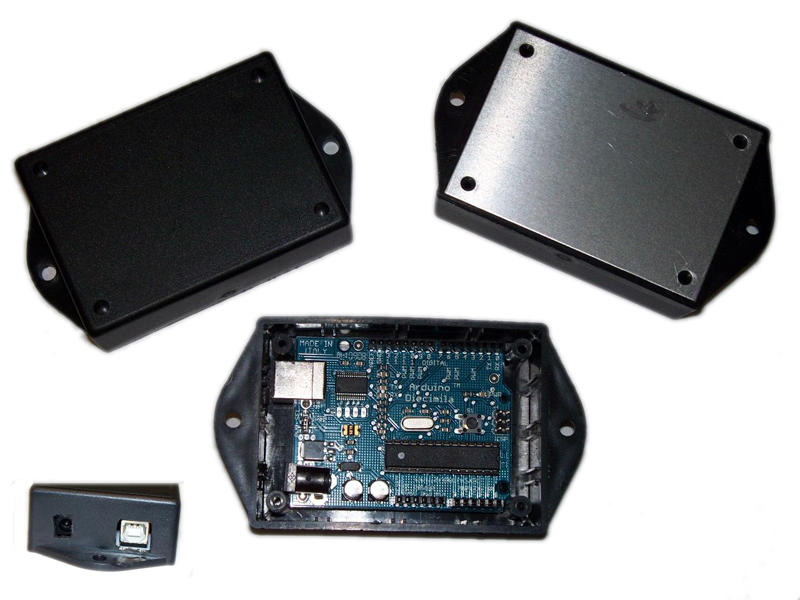
Simply deploying a small black box type device that sits on the line between jack and handset, which automatically detects business telephone exchanges, and forces the caller to pass an audio captcha or repeat a phrase or even complete a simple algebra problem and key it in on the remote handset would effectively eliminate most robocalling. This solution can also be implemented as software that runs on VOIP software as a plugin, cell phones as a provider-offered service, and any other system. By default it would protect any and all copper line installations.
Evidence: The current system involving captcha verification for most modern websites is fairly easy to use and effective at preventing automated spam. The larger a database it can run off of, the better the system works, particularly if you introduce randomized auditory spam into the stream to confuse analyzing algorithms.
Ease of use: Install it and flip the switch and you're done. Or just ask your cell phone provider. Or install it and toggle it on in the settings. Very easy to use. The consumer has to do nothing to maintain it. Consumers could only make the mistake of installing it backwards, in which case the device can detect which end has the dial tone and reverse itself.It would be satisfying to use this solution personally and I am sure others would agree. Individuals with disabilities would find it easy to use. It can be quickly and effectively rolled out but will be more efficient if it only has to filter out calls on specific exchanges. Detecting the source of a robocall and only letting certain calls through has it's own set of difficulties.
Mitigatability: Robocallers could design equipment to listen for the captcha and solve it, then speak it back into the system or return the answer. This is not immediately neutralizable but a sufficiently complicated linguistic captcha will make it difficult for a computer to solve it. Example "(spoken) If Harry gives sally a duck, who has no duck?" "(Expected answer) 42779"
My idea can be put into production immediately.

Log in or sign up for Devpost to join the conversation.