-
-
game icon 1027x1027
-
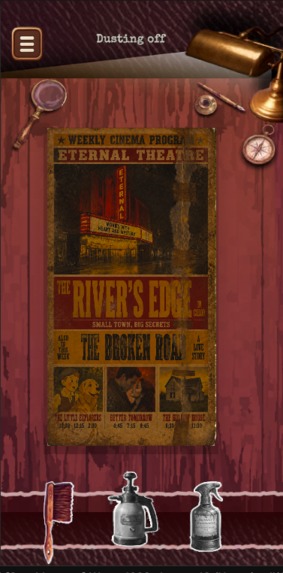
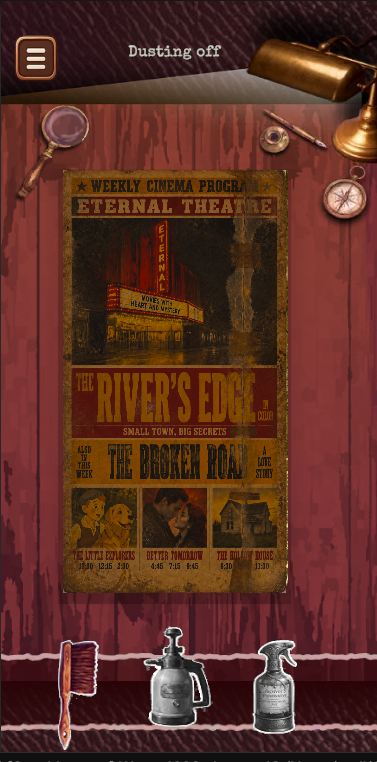
dirty poster
-
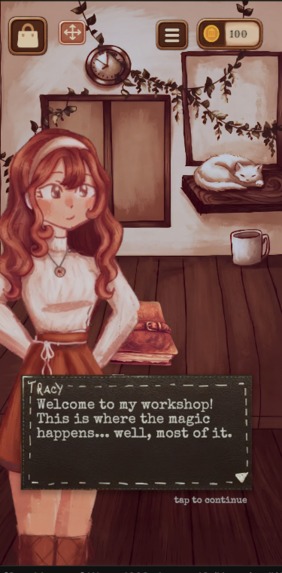
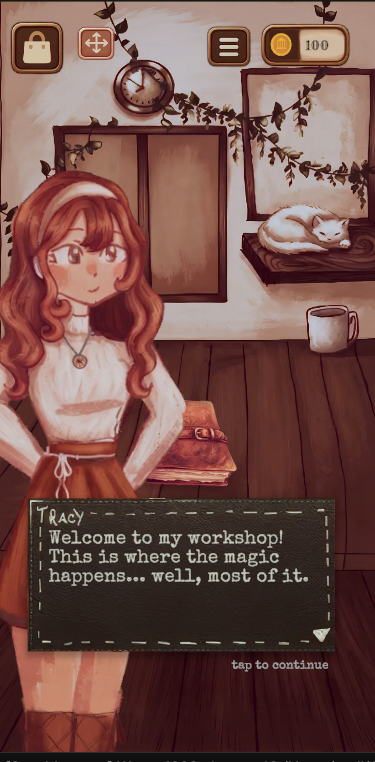
deskhub/home page
-
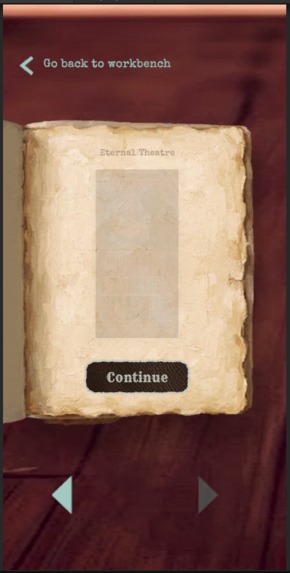
poster selection menu
-
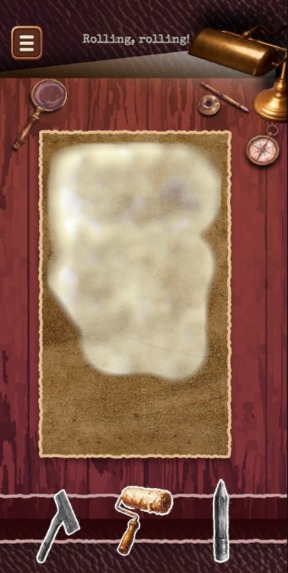
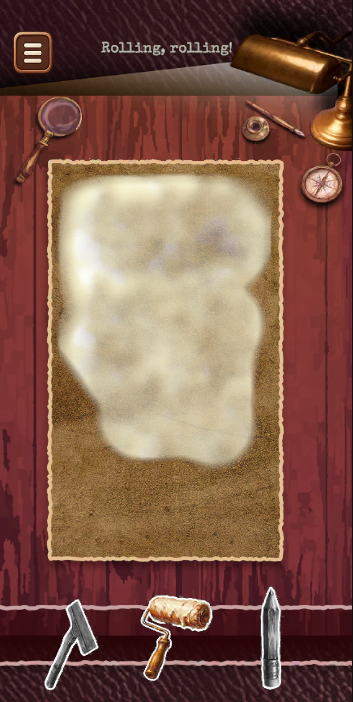
adding adhesive to poster back
-
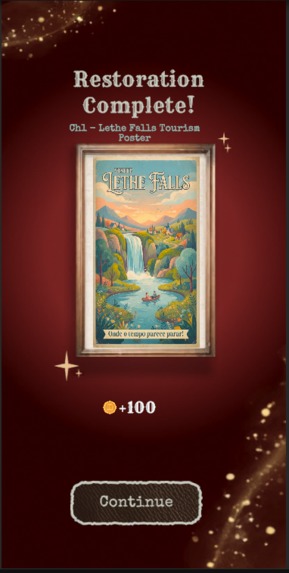
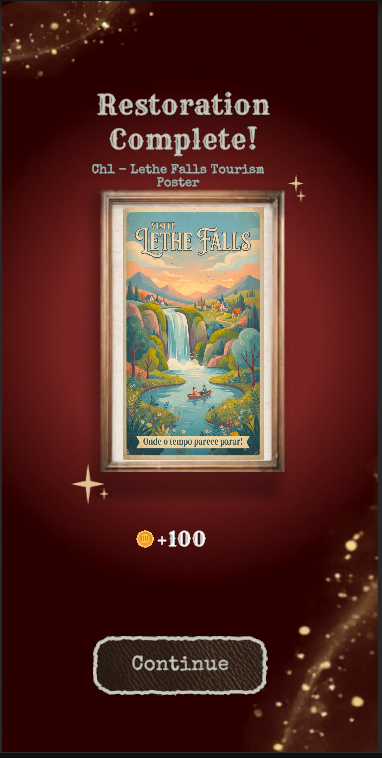
poster finished and coin reward
-
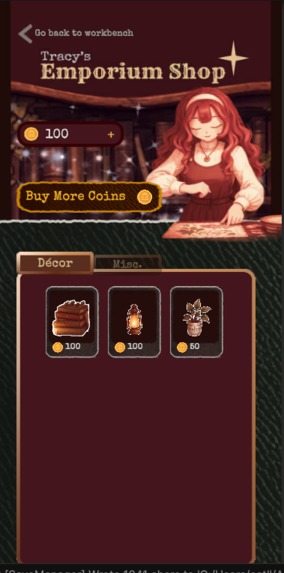
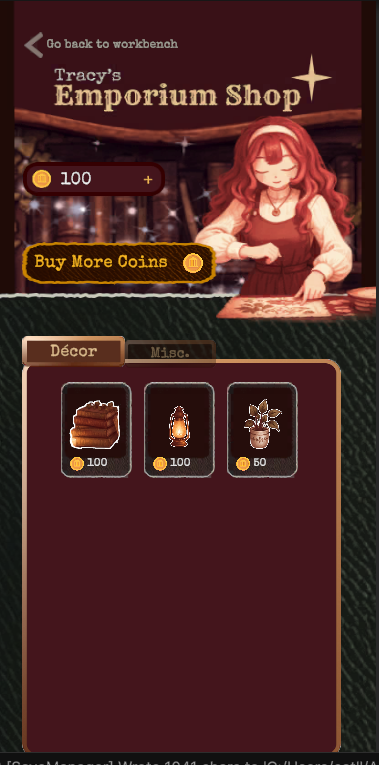
decoration shop
-
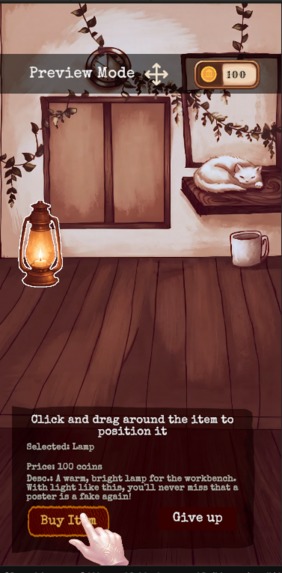
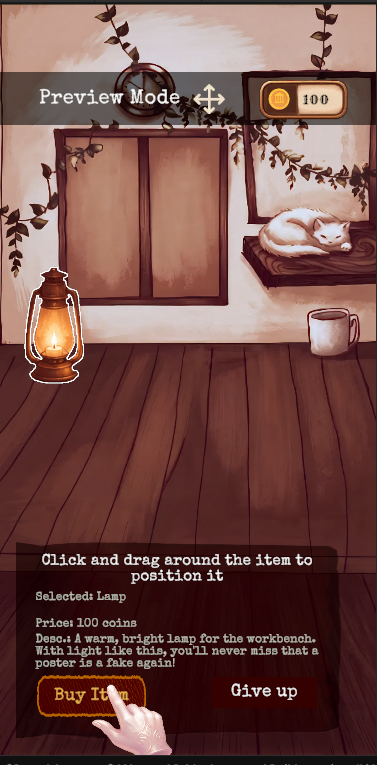
buying item from shop and placing it
-
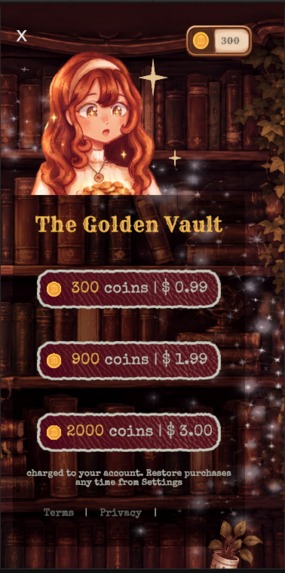
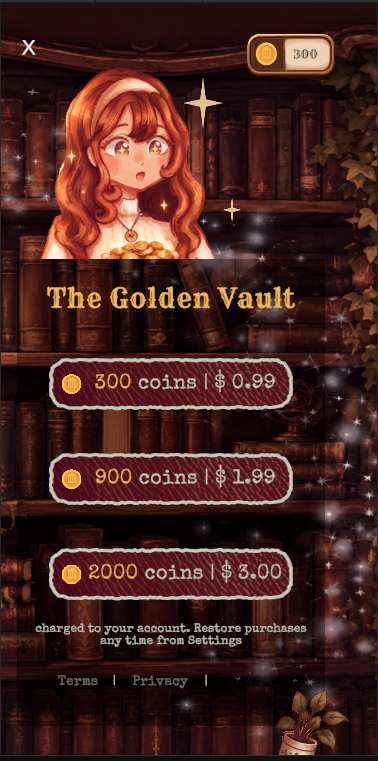
coins purchase screen, purchases made with revenueCat
-

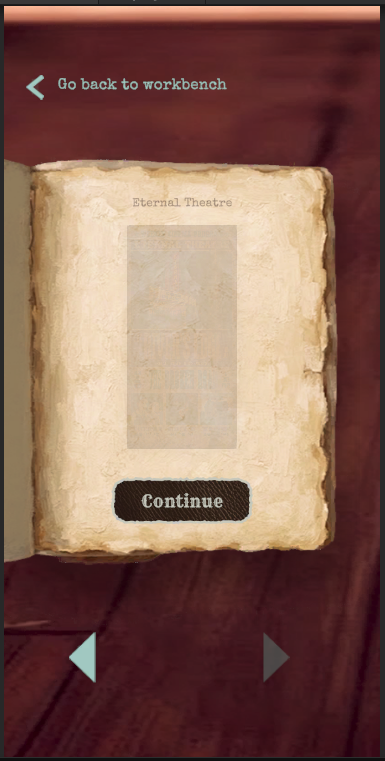
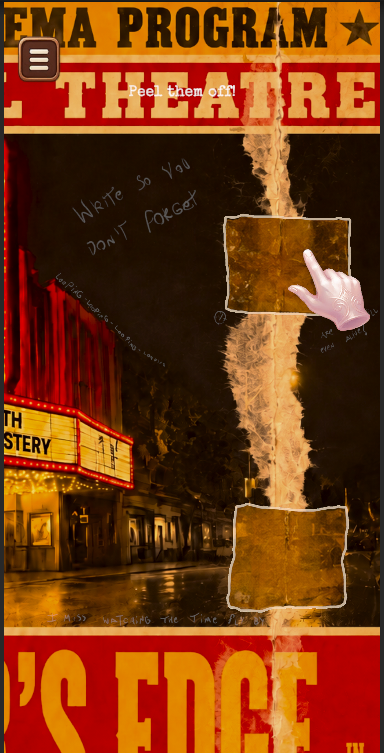
sticker removal and hidden details
Inspiration
I fell into Fourth Cone's poster restoration videos and didn't come out for a while. At some point I noticed I'd started daydreaming about doing it myself — about the specific satisfaction of bringing a piece back — and that's when it clicked that I should make a game out of it.
The story came from the same place. Most ASMR games feel empty to me. They have the texture and the sound and nothing underneath, and that wasn't what I wanted to make. So I asked what's actually alluring about restoration, and the answer wasn't the tools. It's the magic of recovering a lost past, and the mysteries sitting inside the object. A stain is a record of something. A bad repair means somebody was here before you.
So the story had to be a mystery where the restoration is the investigation — not a plot delivered between levels, but something you uncover with your hands, one layer at a time. Underneath that, the game is about the tension between preservation and restoration: whether you hold an object still or let it change. That's a live argument in the conservation community, and it turned out to be a good argument to build characters out of.
What it is
You run a paper conservation shop. Damaged posters arrive, and you repair them through a process grounded in real practice — surface cleaning, washing, deacidification, lining, mending, inpainting. Then you catalogue the piece, and the town printed on the first one returns no records. No map, no headline, nothing.
Restoring a piece pays out coins, which you spend in a shop on small objects for your desk.
How I built it
Unity and C#, solo.
Every poster is a ScriptableObject: its damage profile, which restoration stages apply, the art layers for each stage, the catalogue fields, and the narrative beats attached to it. Adding a cycle means authoring a data asset, not writing code. That was the architectural bet of the whole project — the game is planned at around twenty cycles, and one person can only ship that many if content authoring is separated from systems work.
Monetization runs through the RevenueCat SDK as consumable coin packs, developed against the Test Store.
What I learned
I came from Godot and 2D, so this was my first real project in Unity. Most of what I learned was the unglamorous half of shipping mobile: Android build configuration, dependency resolution, and the fact that the RevenueCat SDK doesn't run in the Editor at all, so every purchase test costs a device build. That changes how you schedule a week.
I also learned that a lot of the development work happens outside of the game, so just because the game is wonderful and finished doesn't mean it will be successful. There are plenty of battles you've yet to fight, getting your developer account, the 14 days testing period, keeping your players coming back to the game with notifications, monetization set up, and so much more.
The bigger lesson was about scope. I originally planned to have the full 4 chapters of the game released this month.
What's here is two complete posters instead, after all, two finished pieces say more about what the game is than twenty rough ones would.
Challenges
Time, mostly. I lost a stretch of the build window to health issues and came back to a deadline rather than a schedule, which forced the scope decision above earlier and harder than I'd have liked. The correspondence system and the shop objects that carry their own memories are both designed and both cut from this build.
The other challenge was making the mystery legible through gameplay alone. The second poster has a tear somebody already mended badly with tape, and lifting that tape reveals an older repair underneath, done properly, by someone who was still learning. Nobody tells you that. You have to notice it — which meant the restoration mechanic had to be precise enough that noticing is possible. (I was really happy when all my playtesters noticed the details and got curious to know more, just like I wanted!)
A big challenge, which I was not able to overcome in these two months, was to register on google play in time, I underestimated the time it would take for them to analyse my documents for me to start playtesting, so I couldn't participate in the game/design categories.
What's next
The remaining cycles, released in chapters. The letters that arrive with each piece. And shop objects that remember where they came from, so decorating becomes a second way of reading the story.

Log in or sign up for Devpost to join the conversation.