-
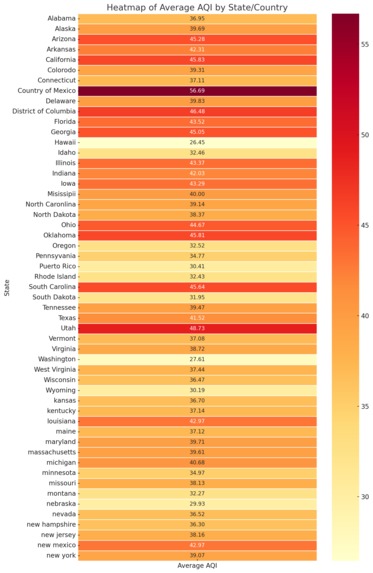
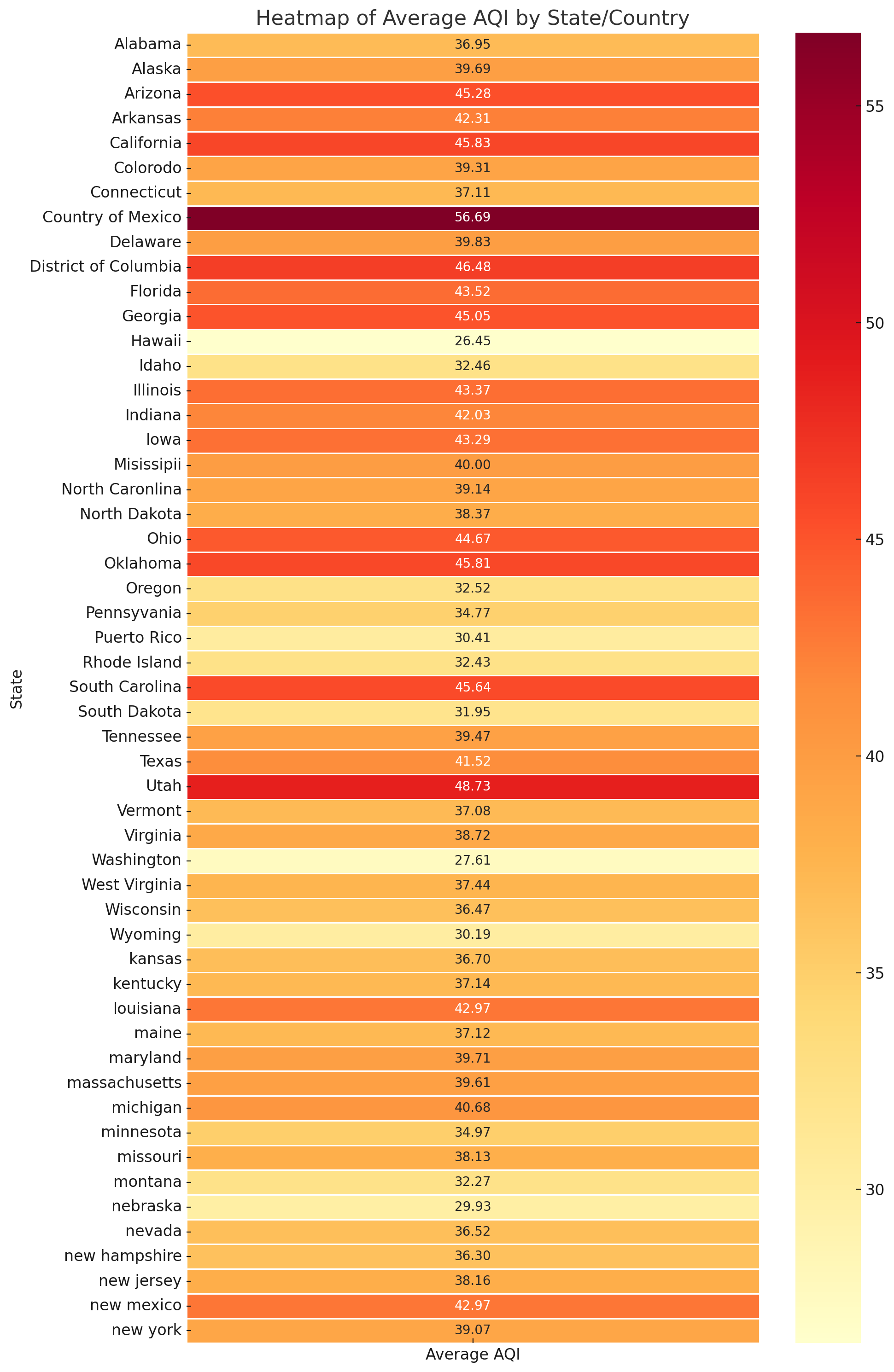
AQI heat map comparison by US and Mexico
-
Inspiration
We were deeply inspired by the profound impact that monarch butterflies have on our ecosystem and society, far beyond their role as pollinators. These iconic creatures represent a delicate balance in nature, one that many of us take for granted. The decline of monarch populations serves as a poignant reminder of the fragility of our natural world. The environmental challenges they face—habitat loss, climate change, and pesticide exposure—are reflections of the broader environmental struggles we all face. While we, as humans, have adapted and hardened ourselves to these shifts, the monarchs’ plight is a clear signal of the ecological consequences that will affect future generations if left unaddressed. Their survival is intertwined with our own, and it is our responsibility to protect the natural world that sustains us all.
What it does
This analysis provides critical insights that will help shape future conservation efforts, not only for Texas but for the entire nation. By identifying the key factors contributing to the decline of monarch butterfly populations—such as pesticide use and habitat loss—we can develop targeted strategies to mitigate these issues. Our findings serve as a foundation for policy recommendations and environmental restoration plans that can be implemented at the state level. More importantly, this analysis raises awareness about the broader ecological implications, inspiring collaboration among communities, policymakers, and environmental advocates. We hope that by shedding light on the urgent need to protect monarchs, our work will foster a collective effort to combat this environmental crisis, ensuring that both monarch butterflies and our ecosystems are preserved for future generations.
How we built it
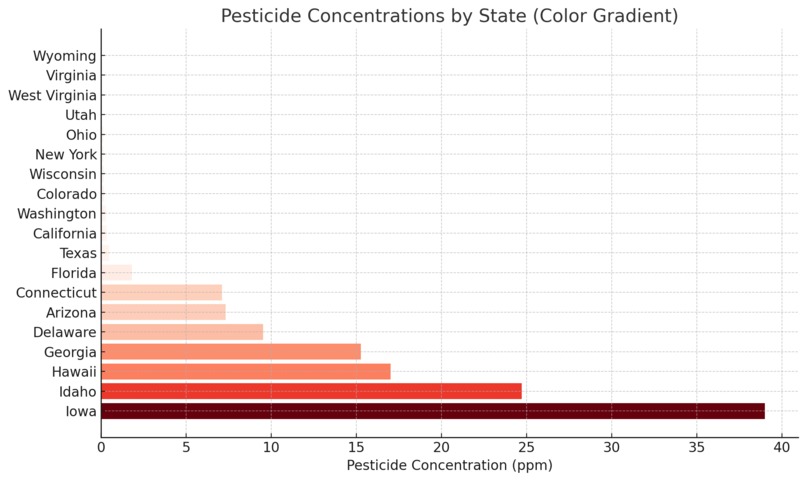
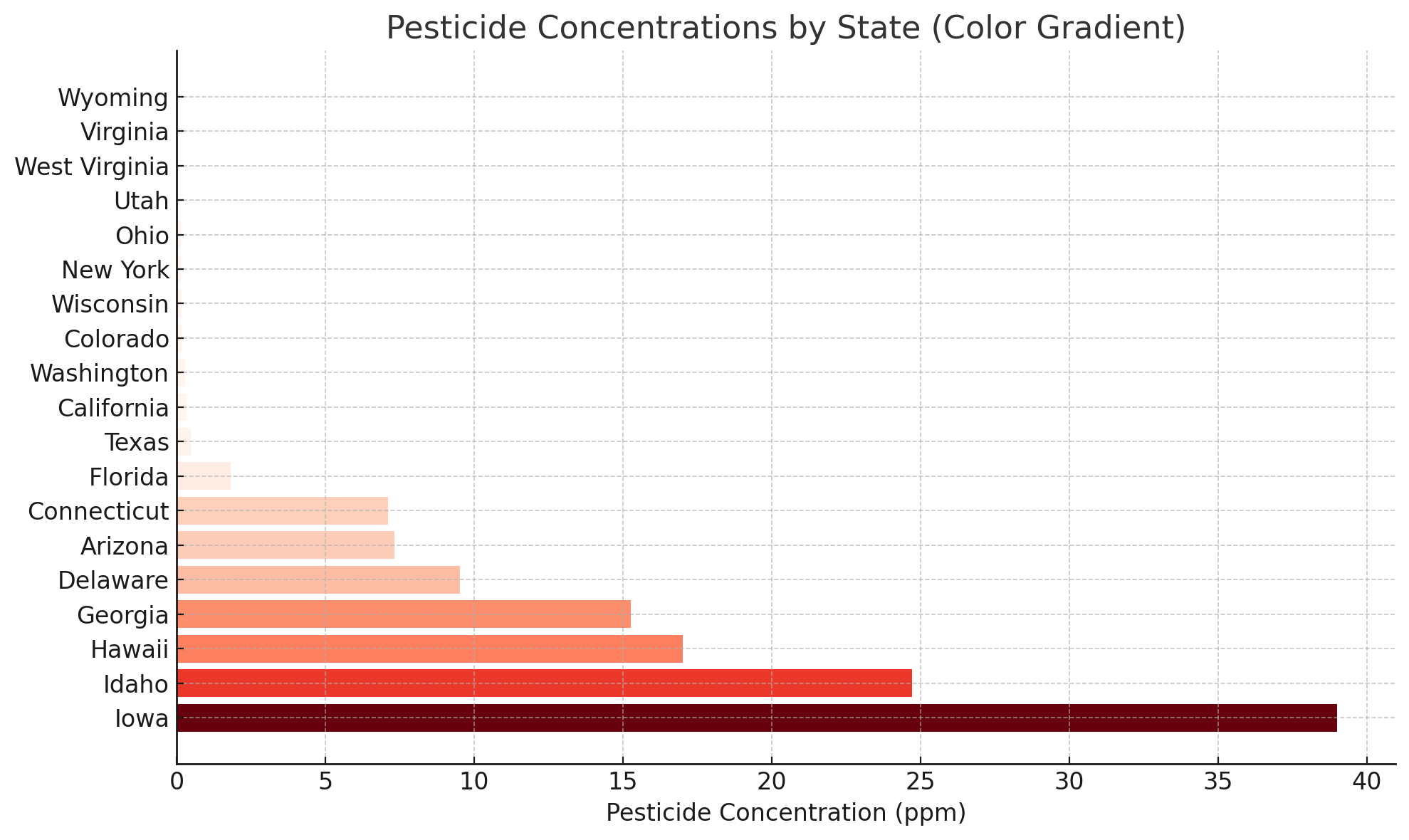
We leveraged a range of tools and technologies to guide our analysis, including CODAP for mapping, large language models such as ChatGPT and LLaMA for insights, and Python for some initial data exploration—utilizing it to the best of our current abilities. As a team new to data analysis and data science, we relied heavily on AI to help us streamline the process, troubleshoot challenges, and refine our solutions. CODAP proved invaluable for visualizing data, enabling us to create maps comparing pesticide concentration levels by acreage across different states and illustrating Air Quality Index (AQI) values in a clear and compelling way.
Additionally, we spent a significant portion of our time working in Excel, which became our primary tool for organizing, categorizing, and cleaning the dataset to ensure reproducibility. Excel's robust features allowed us to manage large amounts of data efficiently, ensuring that our work was both thorough and well-structured. In summary, we utilized a combination of AI-powered tools and hands-on data manipulation to develop a comprehensive and meaningful analysis.
Challenges we ran into
Throughout the project, we encountered several challenges, but with the guidance of mentors and the assistance of AI tools, we were able to overcome them. Initially, the biggest hurdle was figuring out how to start and deciding on the best approach to tackle the project. While it seemed straightforward at first, determining our direction was unexpectedly the most difficult part of the process. However, with more insights, we were able to find our footing and take the necessary first steps.
On the technical side, we faced difficulties using CODAP for mapping, as our dataset was too large for the software to process efficiently. This enabled us to go through the time-consuming task of splitting and organizing the data manually. Excel became an invaluable tool for handling the large dataset, especially when Python posed issues with installing certain libraries. Another significant challenge was that we had an abundance of creative ideas and solutions we wanted to explore. Unfortunately, our technical limitations prevented us from implementing them all, and while AI tools like ChatGPT were helpful, there were still time constraints.
Accomplishments that we're proud of
We are incredibly proud of our perseverance and commitment to this project, especially knowing that we were competing against teams with a wide range of skills and experience levels. Despite the challenges, we embraced the opportunity to learn and grow, pushing ourselves to show up and keep an open mind throughout the process. One of our biggest accomplishments was successfully managing and analyzing data using various tools, including ChatGPT, Excel, CODAP, Python 101, and SQL Database 101. Each of these tools presented its own learning curve, but we took on the challenge and were able to leverage them effectively to reach our project goals. The fact that we pulled through, learned so much, and delivered meaningful insights makes us proud of what we achieved together as a team.
What we learned
Participating in this event has been an invaluable learning experience for our team. Through the various workshops on Python, SQL, R, and Large Language Models (LLMs), we gained a solid foundation in data analysis tools and techniques. We also taught ourselves how to handle and organize large datasets by exploring Excel features we were previously unaware of, which significantly improved our data management skills.
Beyond the technical knowledge, we learned a great deal about group collaboration and leadership. Working together as a team, we developed our ability to communicate, delegate tasks effectively, and support one another in tackling challenges. This event has not only expanded our technical expertise but also strengthened our teamwork and problem-solving abilities.
What's next for Restoring The Wings
Looking ahead, our future plans include extending the analysis to observe trends over a longer period, allowing us to gain deeper insights into how the factors affecting monarch butterfly populations evolve over time. A key goal would be to develop an automated system that continuously monitors and evaluates new data. This automation would provide real-time insights into concentration levels, environmental changes, and other critical factors, enabling timely intervention strategies. By incorporating machine learning and advanced data processing, the system could help predict potential threats and recommend management practices, making conservation efforts more proactive and sustainable in the long term.

Log in or sign up for Devpost to join the conversation.