🍽️ Restaurant Management System
🧠 Inspiration
Running a restaurant involves juggling many moving parts — managing staff, handling orders, tracking inventory, and keeping customers happy.
We noticed that many restaurants still rely on manual or disconnected systems, leading to inefficiency and errors.
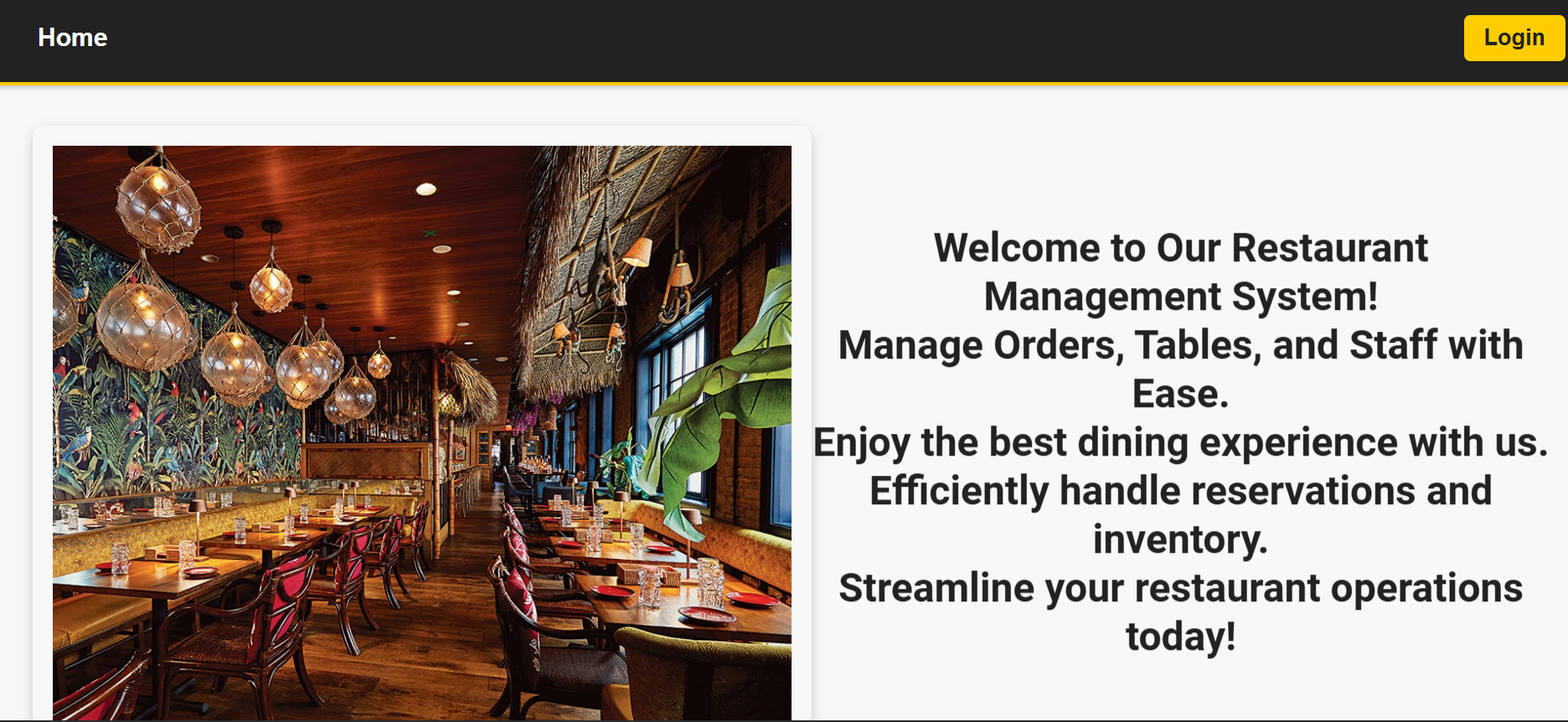
Our inspiration was to create a centralized digital platform that simplifies restaurant operations while maintaining flexibility and scalability.
⚙️ What it does
The Restaurant Management System provides an end-to-end solution for restaurant operations, including:
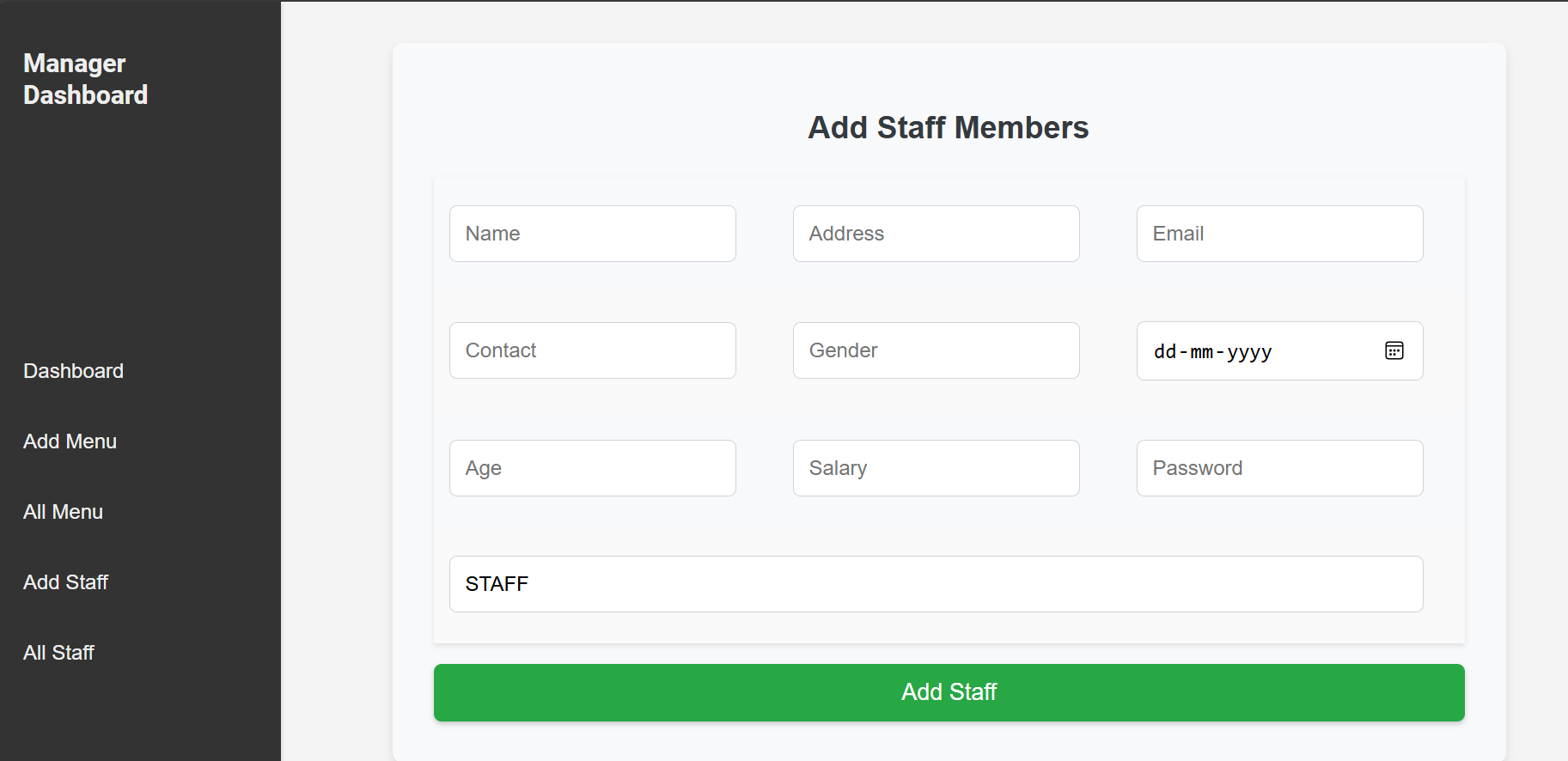
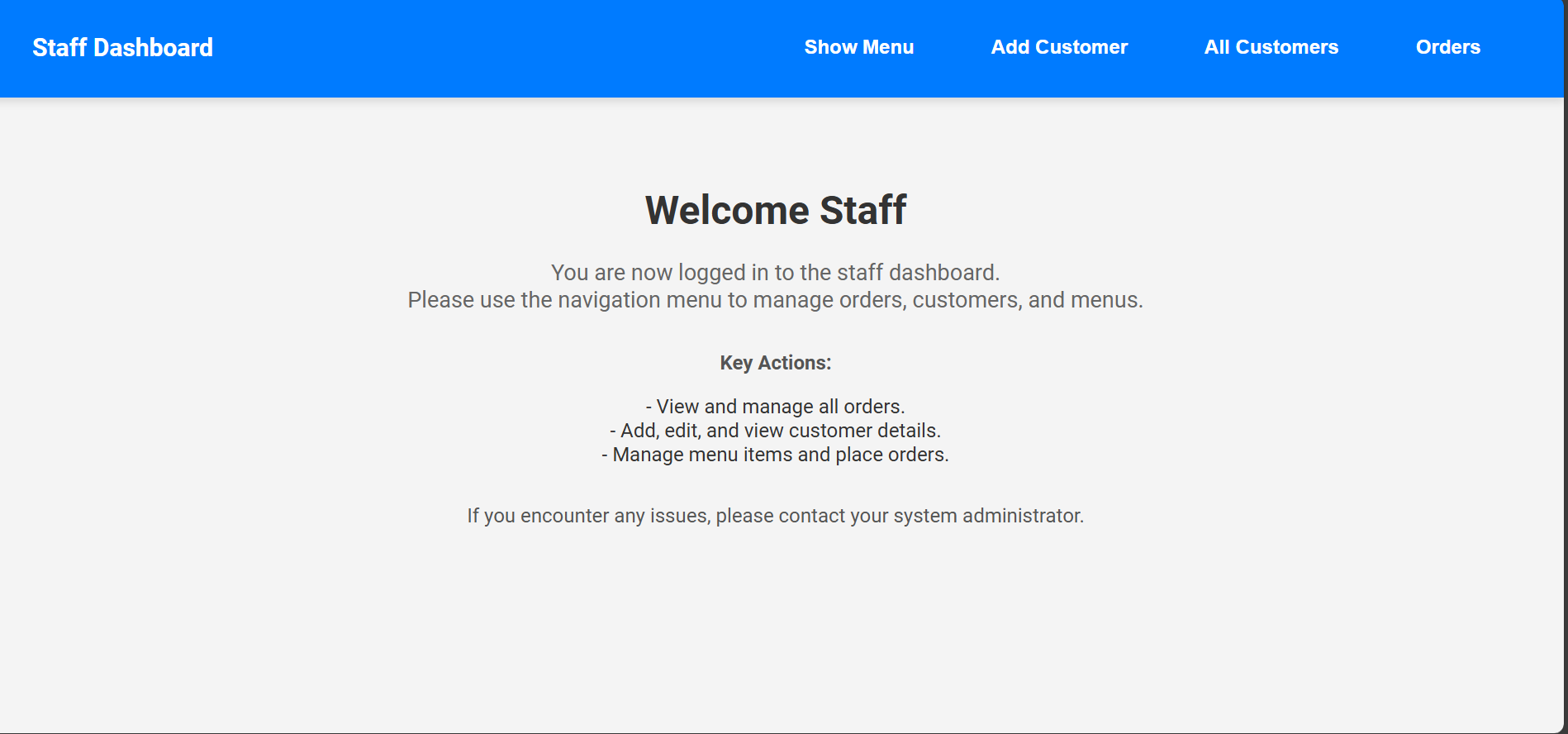
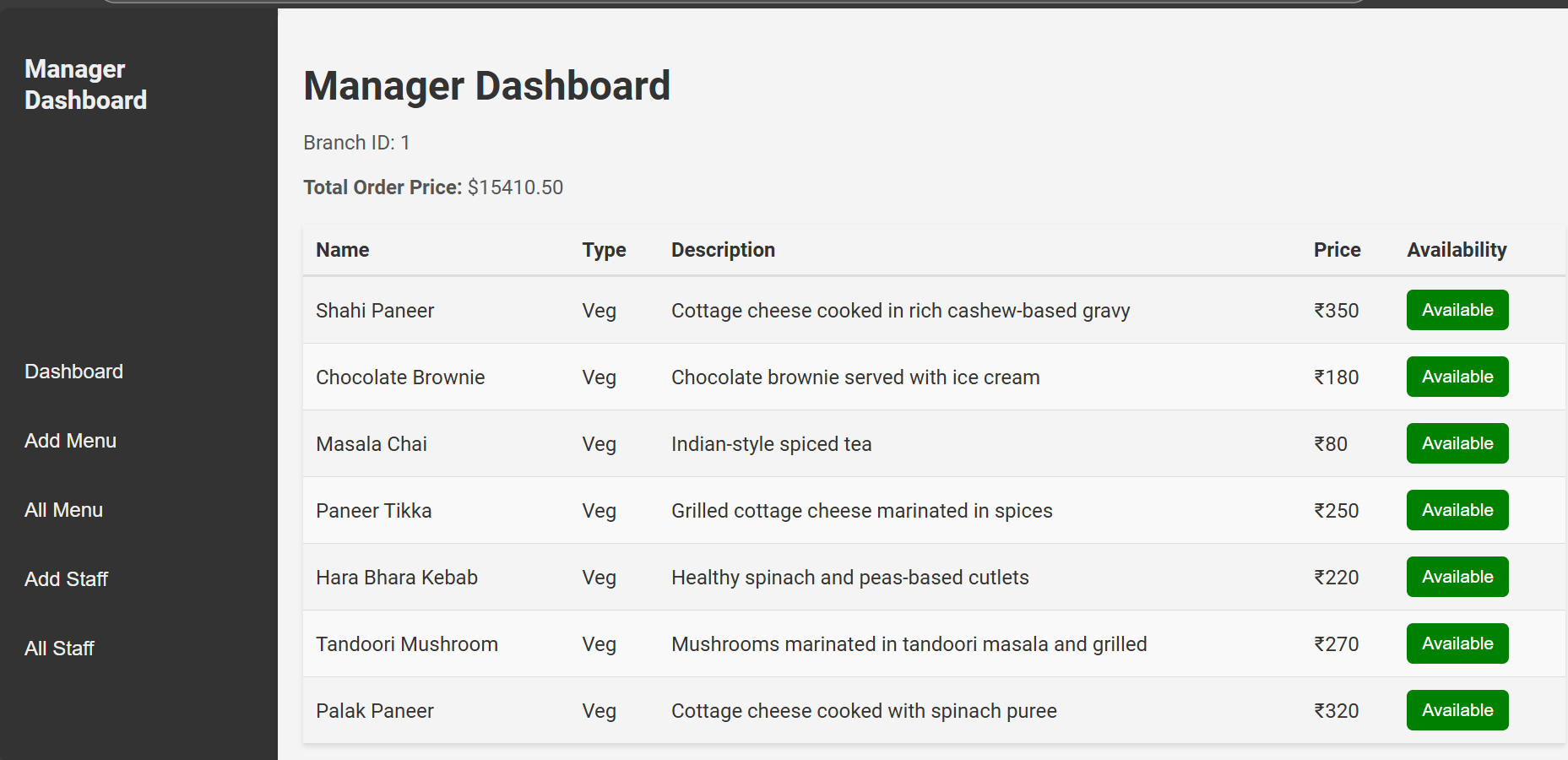
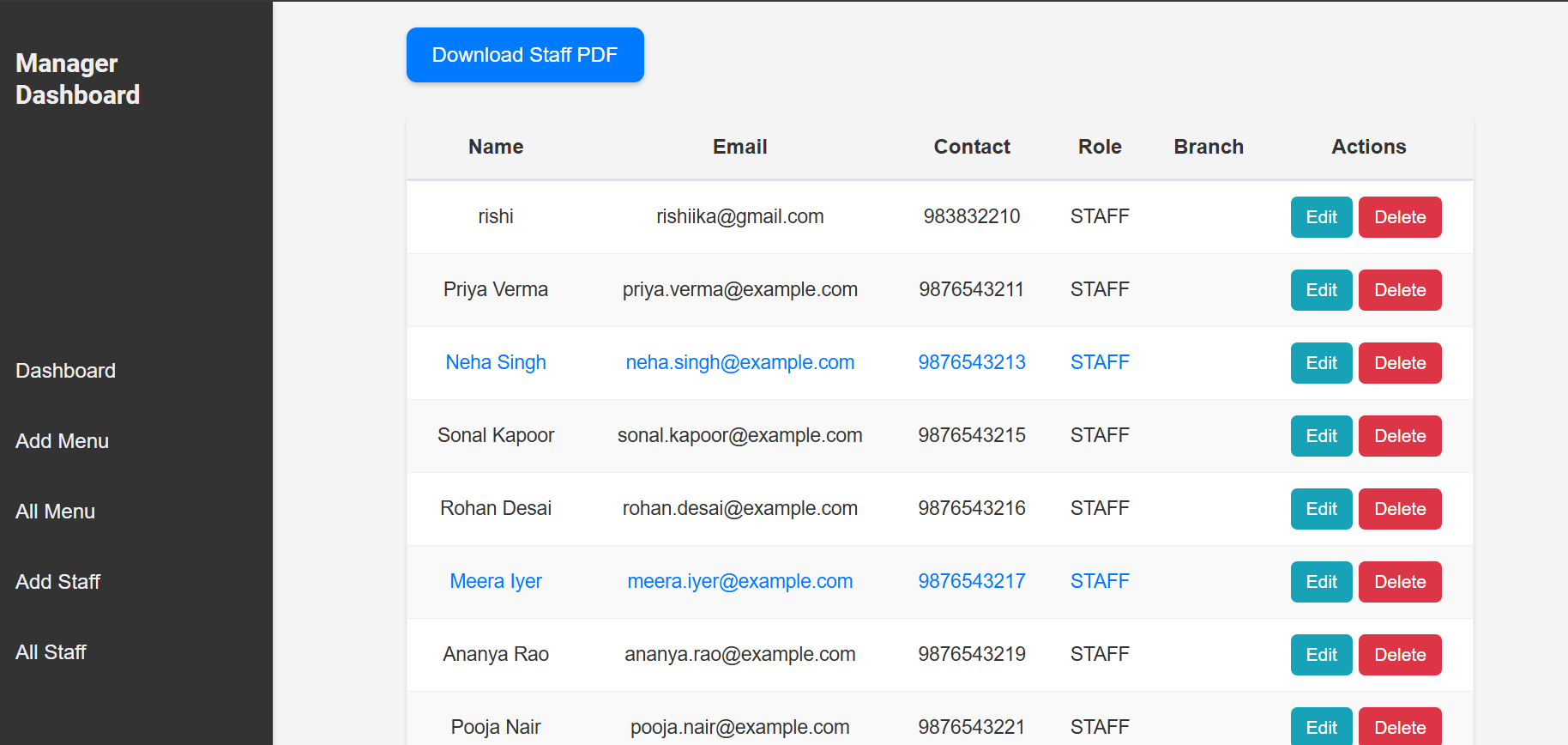
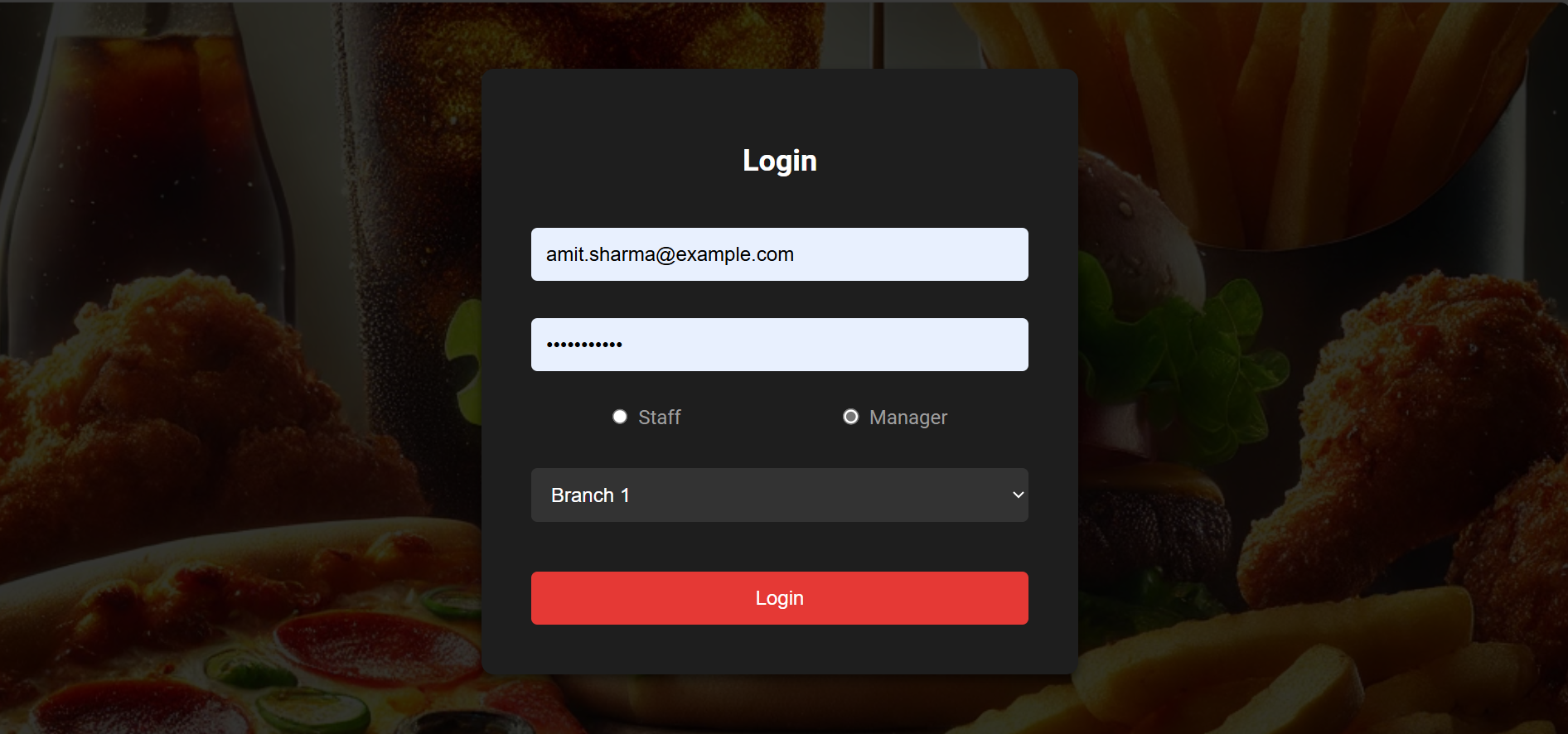
- 👥 Role-based Access: Managers and staff have separate access levels.
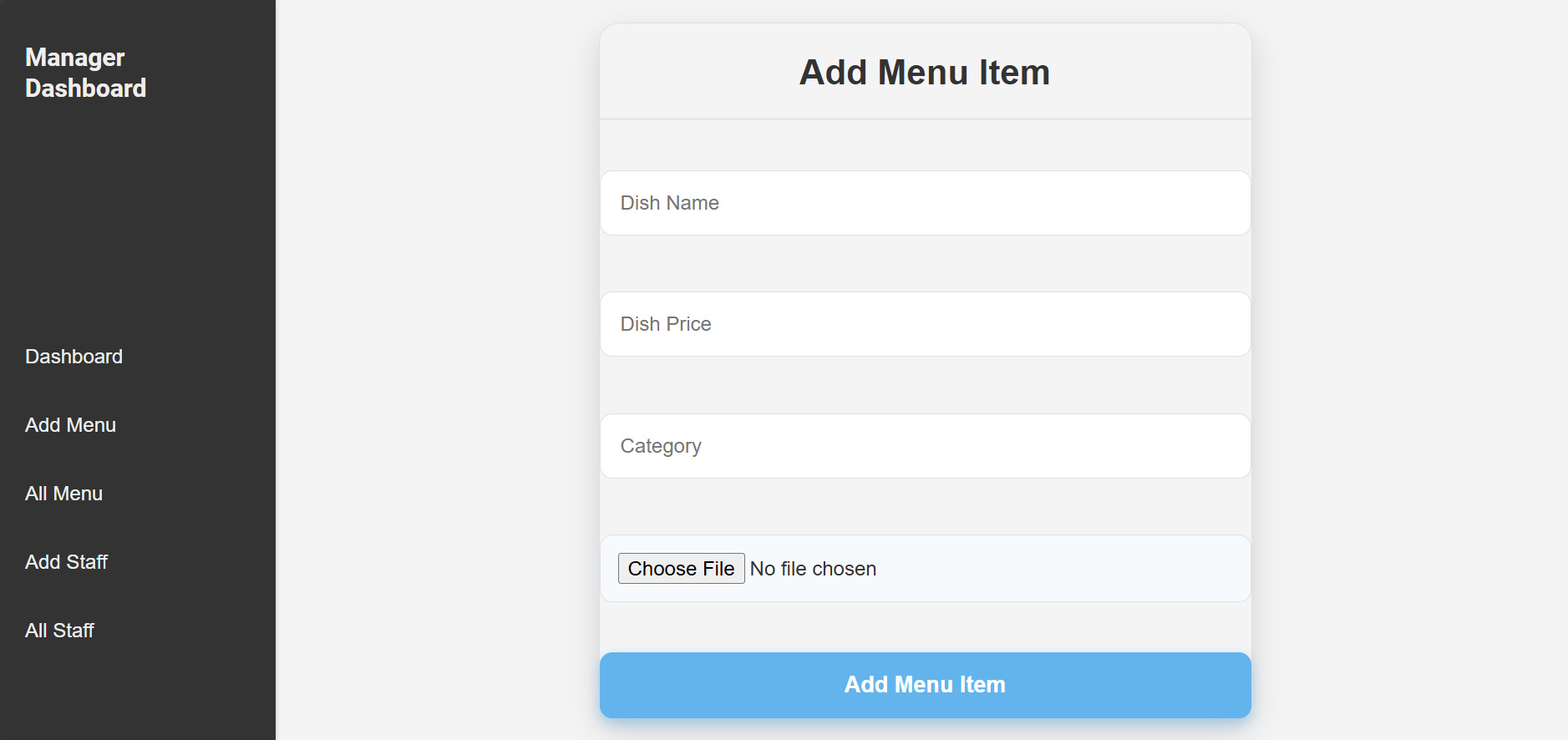
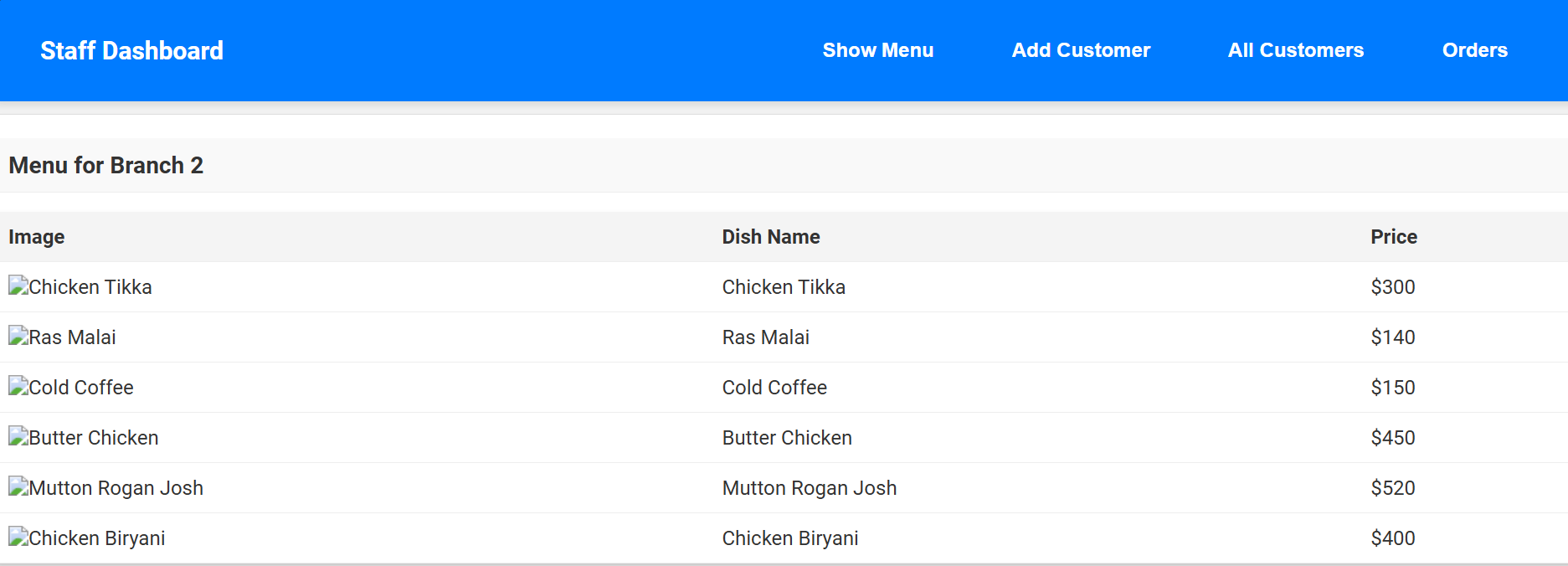
- 📋 Menu Management: Managers can add, edit, and remove menus for their branch.
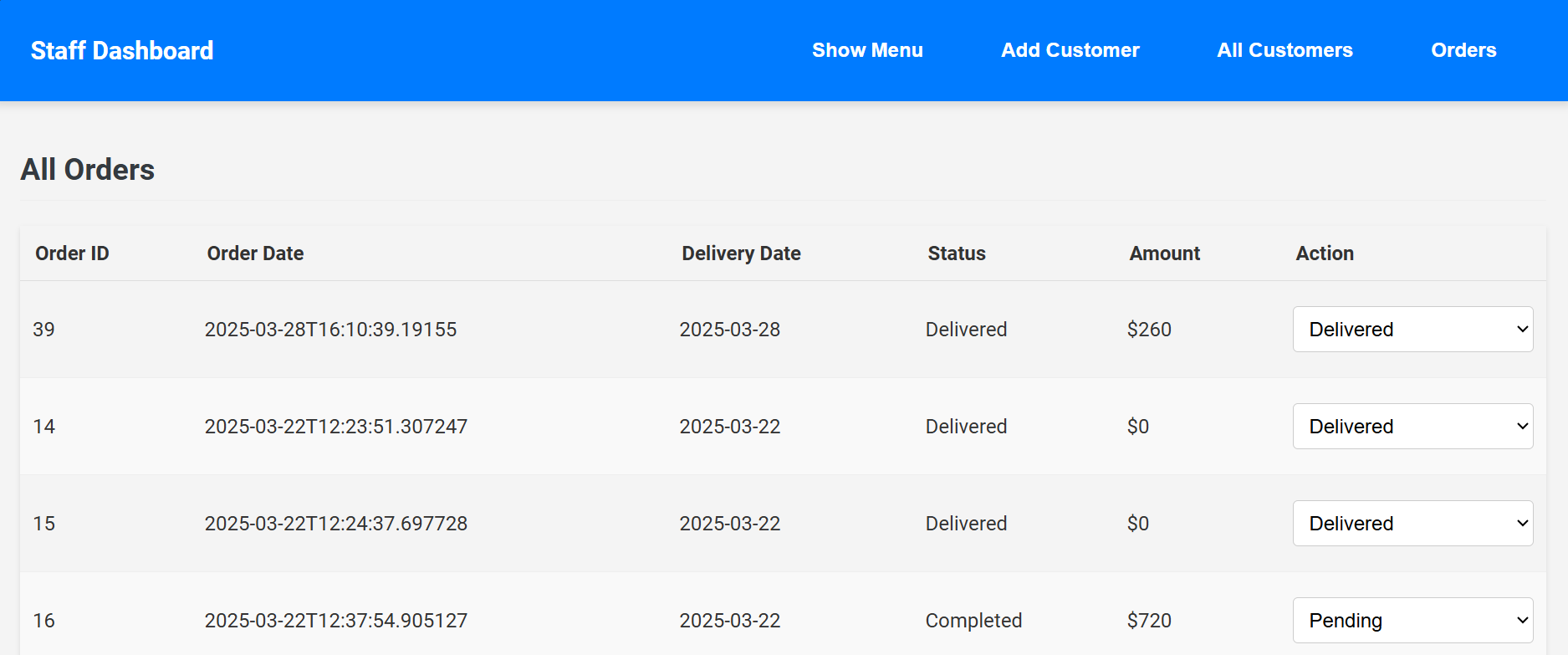
- 🧾 Order Handling: Staff can create, update, and cancel food orders.
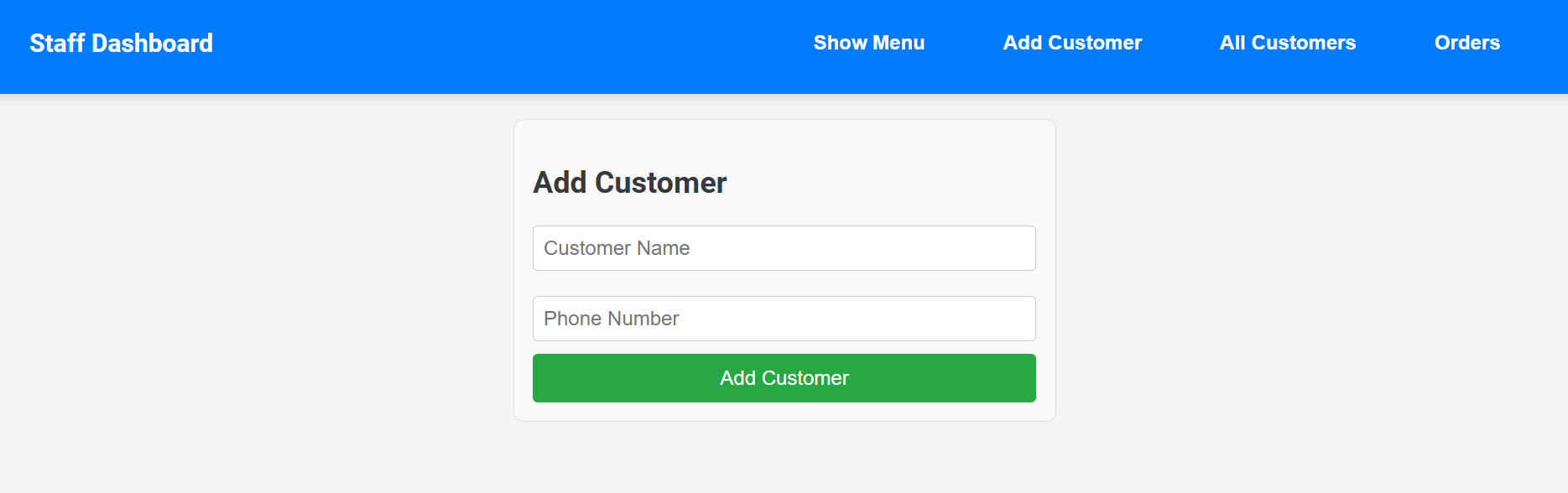
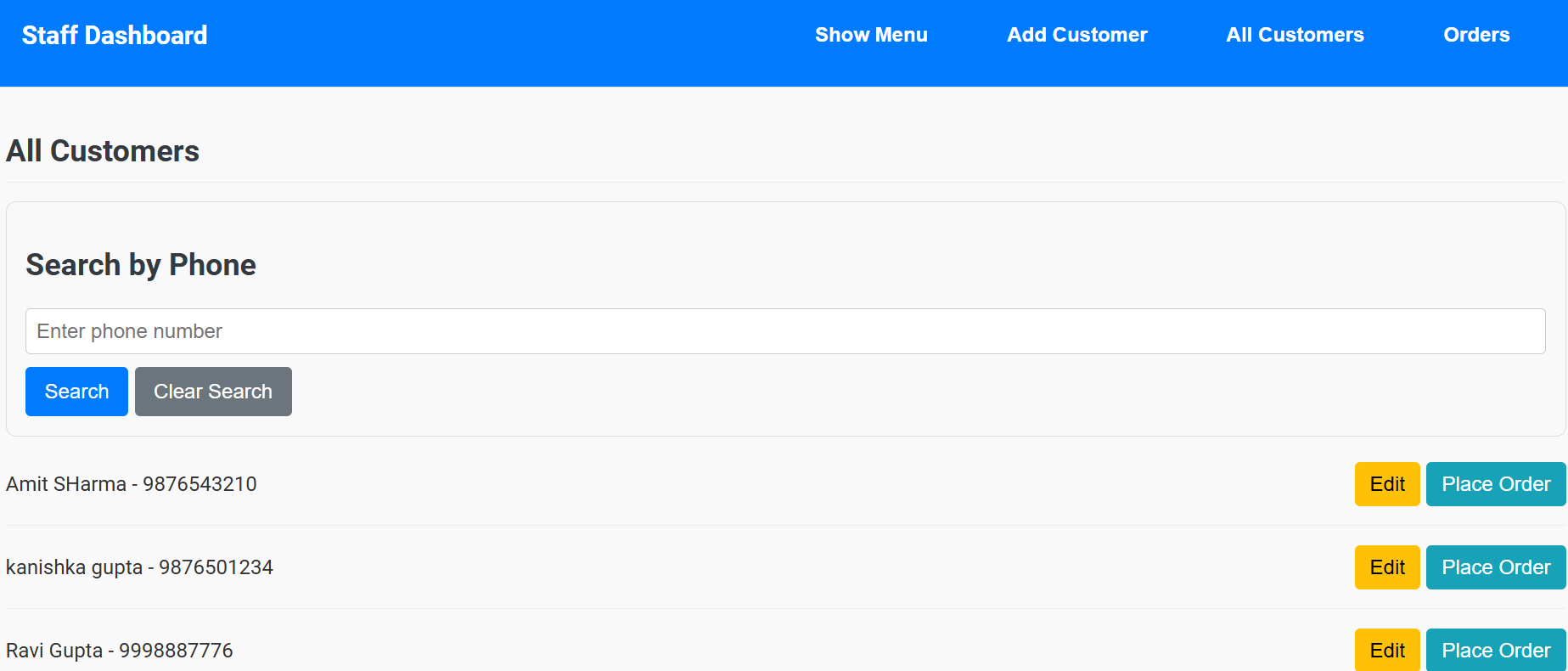
- 🍽️ Customer Management: Staff can add and manage customer data.
- 🏢 Branch Management: Multi-branch support with dedicated menus and teams.
- 📊 Data Organization: Centralized database for smooth tracking and analytics.
It brings together all the critical operations in one unified system.
🛠️ How we built it
We developed the project using a full-stack architecture for scalability and maintainability:
- Frontend: React.js for a responsive and interactive user interface
- Backend: Java Spring Boot for a robust and secure API layer
- Database: PostgreSQL with Hibernate ORM for efficient data management
- Integration: RESTful APIs to connect the frontend and backend seamlessly
This combination allowed us to design a clean, modular, and production-ready solution.
🚧 Challenges we ran into
- Designing a normalized database schema for multiple entities and relationships
- Managing authentication and role-based access in Spring Boot
- Ensuring smooth frontend-backend integration, especially for nested API calls
- Configuring Hibernate mappings and resolving lazy initialization issues
- Coordinating as a team while maintaining consistent code quality
🏆 Accomplishments that we're proud of
- Building a fully functional full-stack system from scratch
- Implementing role-based access and real-time operations
- Creating a clean and intuitive UI with ReactJS
- Designing a scalable database model that supports future growth
- Completing the project within the hackathon timeline — with solid documentation and structure
📚 What we learned
- Integrating ReactJS with Spring Boot APIs effectively
- Deep understanding of Hibernate ORM and entity relationships
- Applying best practices in API design, security, and database normalization
- Collaborating efficiently under time constraints
- The value of modular planning and architecture for large-scale systems
🚀 What's next for Restaurant Management System
- Adding AI-based analytics (e.g., popular dish prediction, sales insights)
- Integrating inventory tracking and low-stock alerts
- Implementing online ordering and payment integration
- Enhancing UI/UX dashboards with visual analytics
- Deploying on AWS or Render for real-world scalability
🧩 Code Example
// Example: Spring Boot Controller for Food Orders
@RestController
@RequestMapping("/api/orders")
public class FoodOrderController {
    @Autowired
    private FoodOrderService foodOrderService;

    @PostMapping
    public ResponseEntity<FoodOrder> createOrder(@RequestBody FoodOrder order) {
        return ResponseEntity.ok(foodOrderService.saveOrder(order));
    }
}


Log in or sign up for Devpost to join the conversation.