-
-
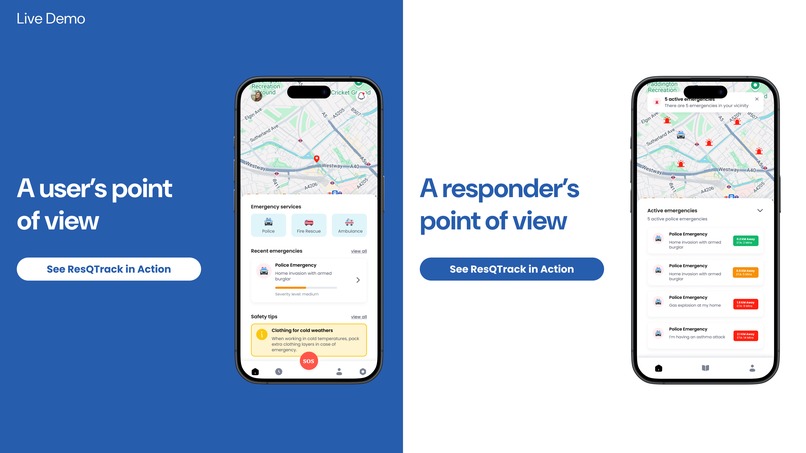
Application
-
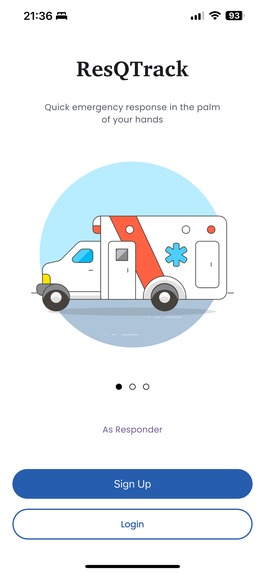
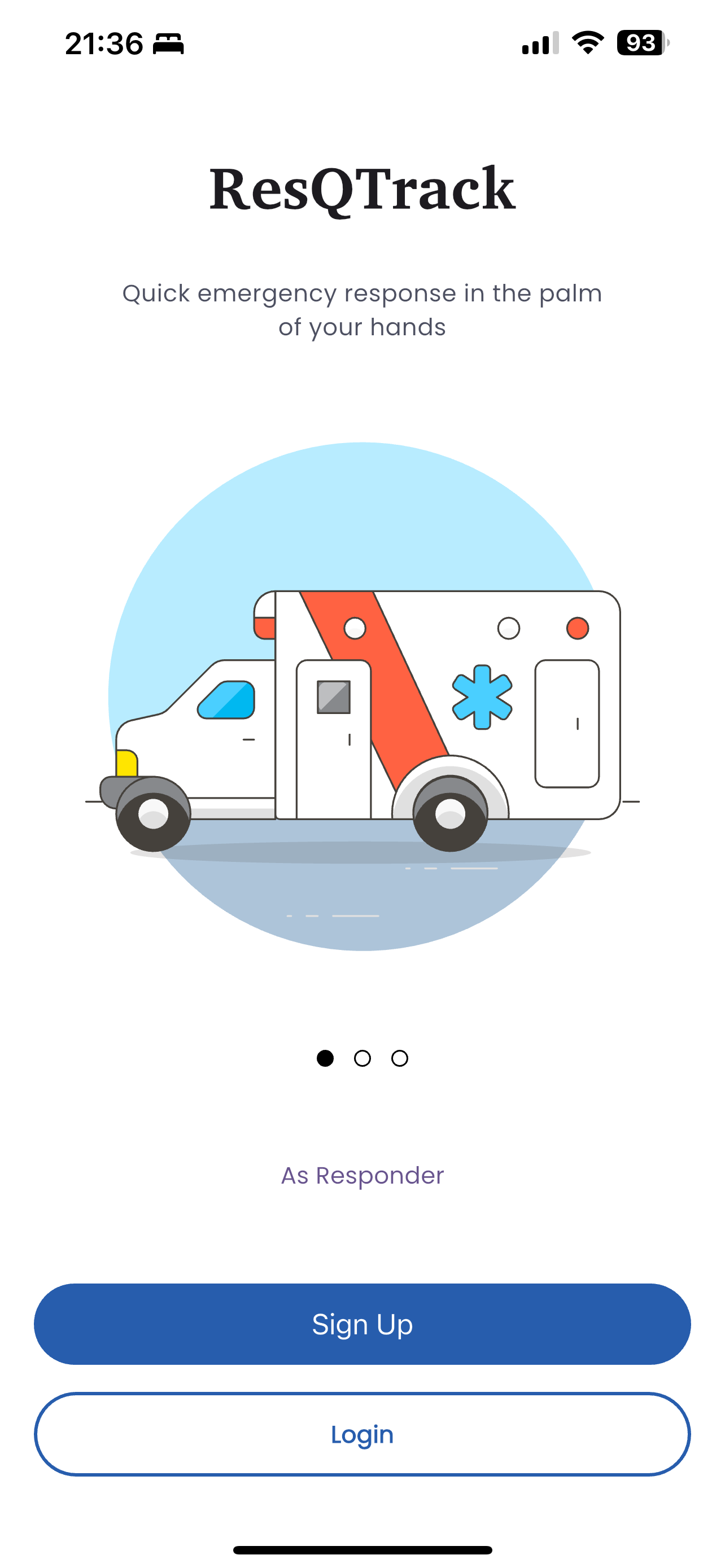
Onboarding
-
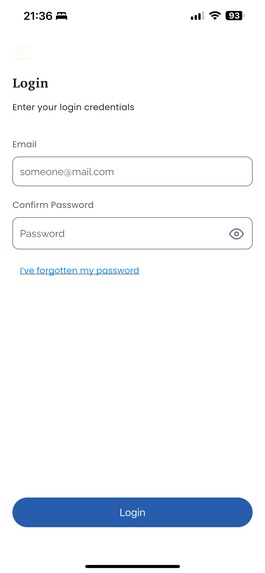
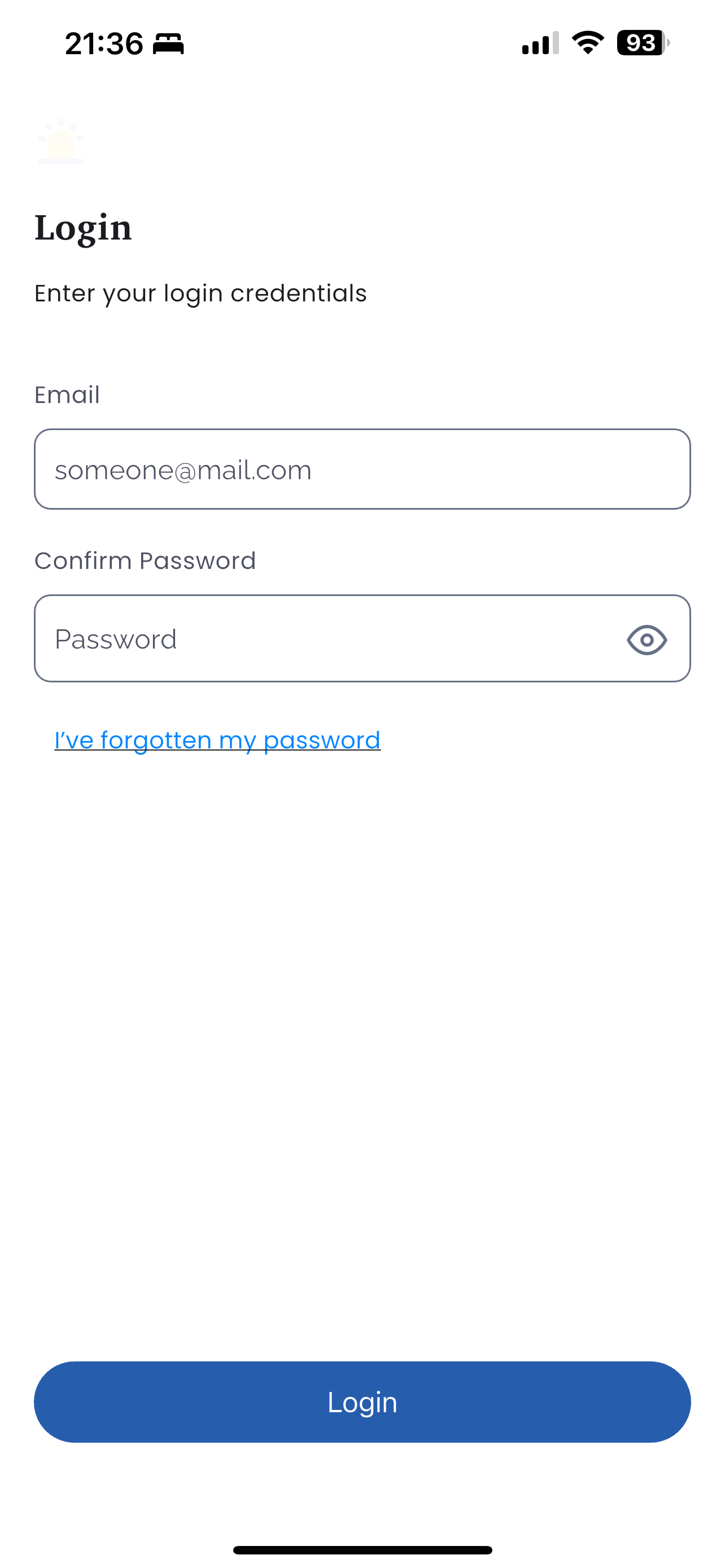
Login for users
-
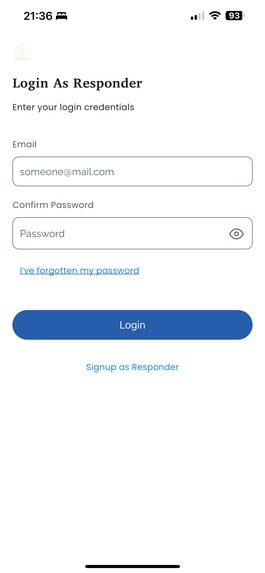
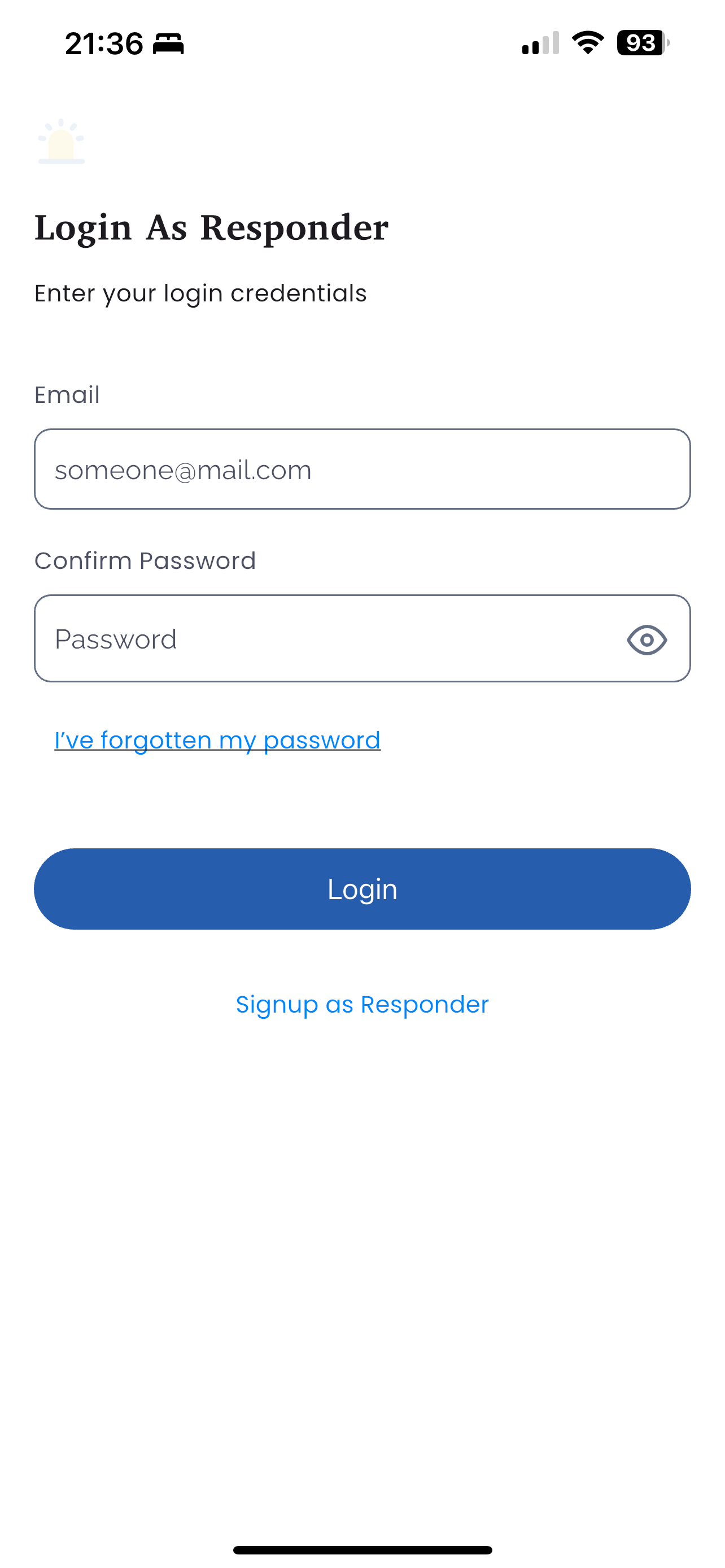
Login for responders
-
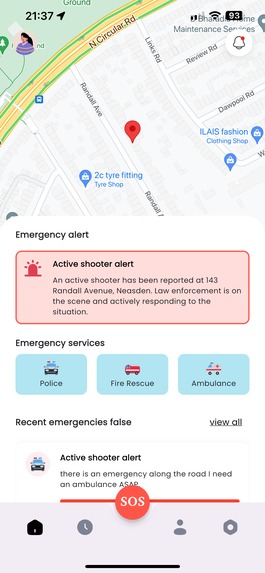
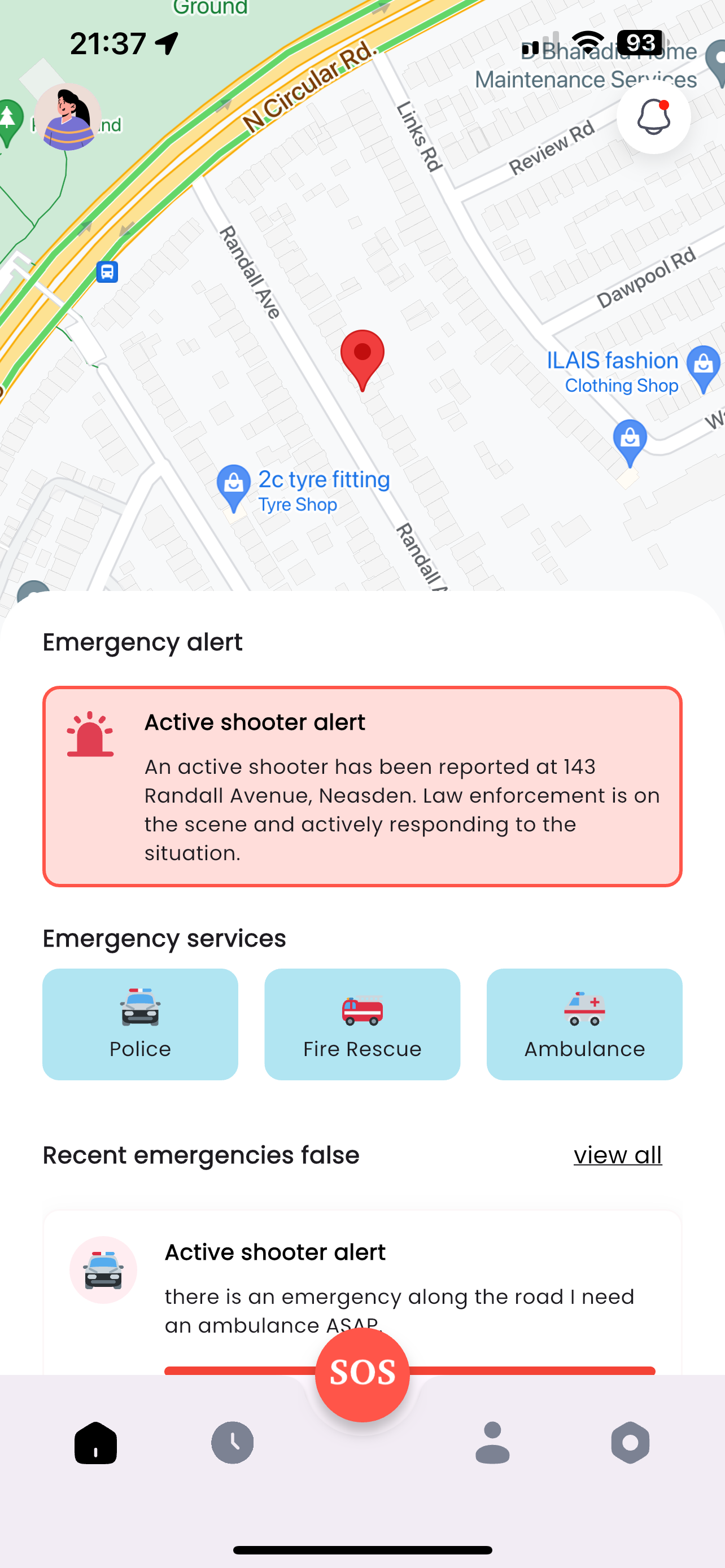
Home screen for user
-
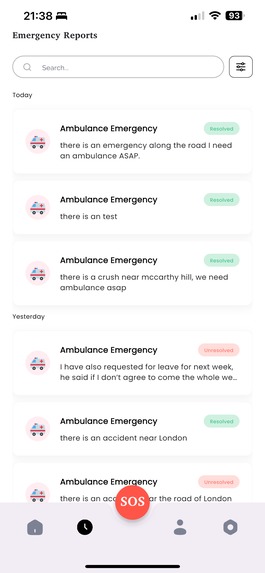
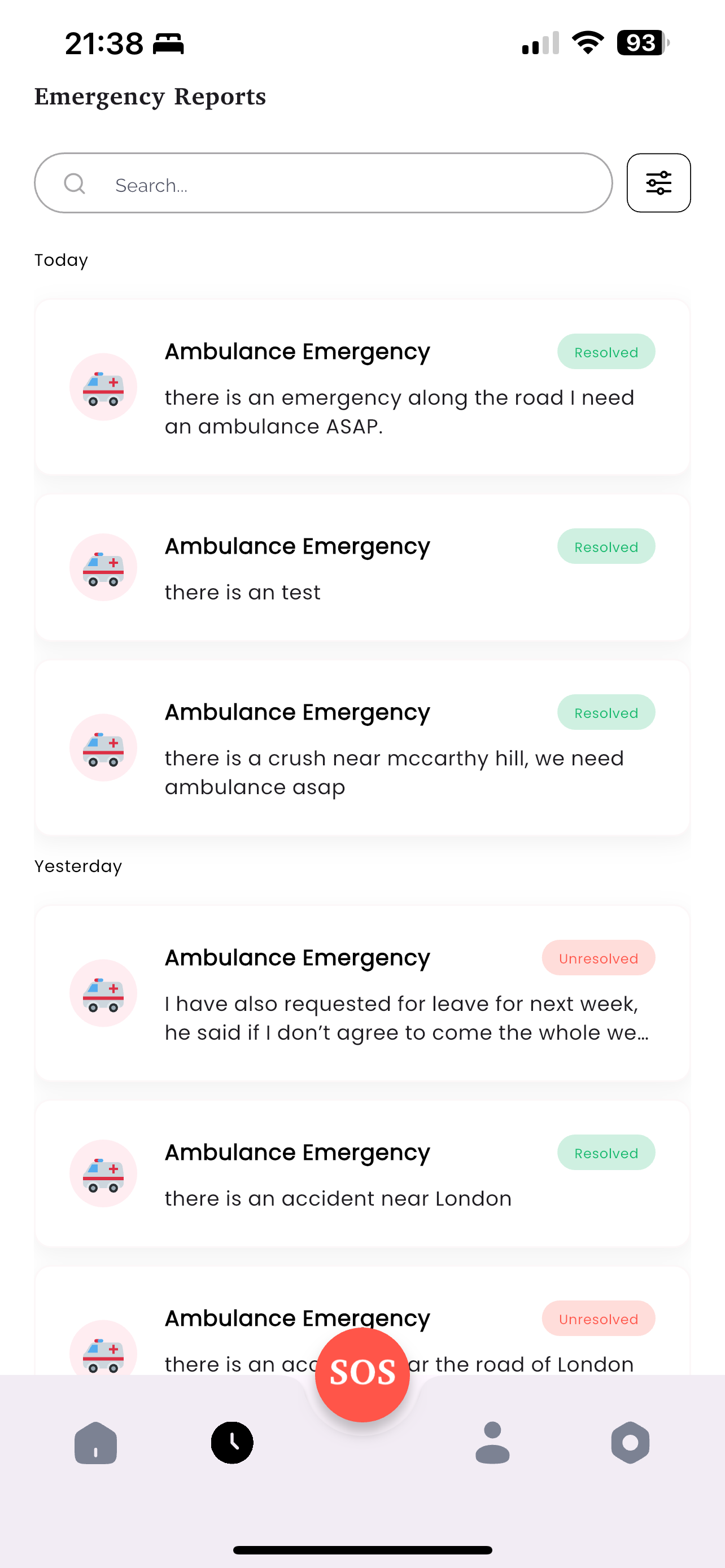
My emergency
-
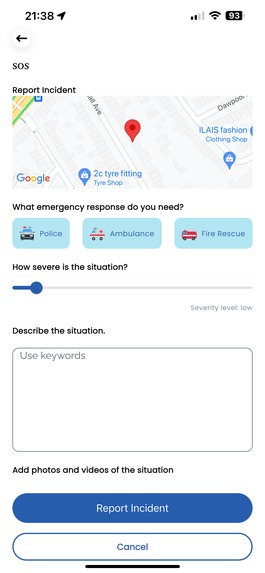
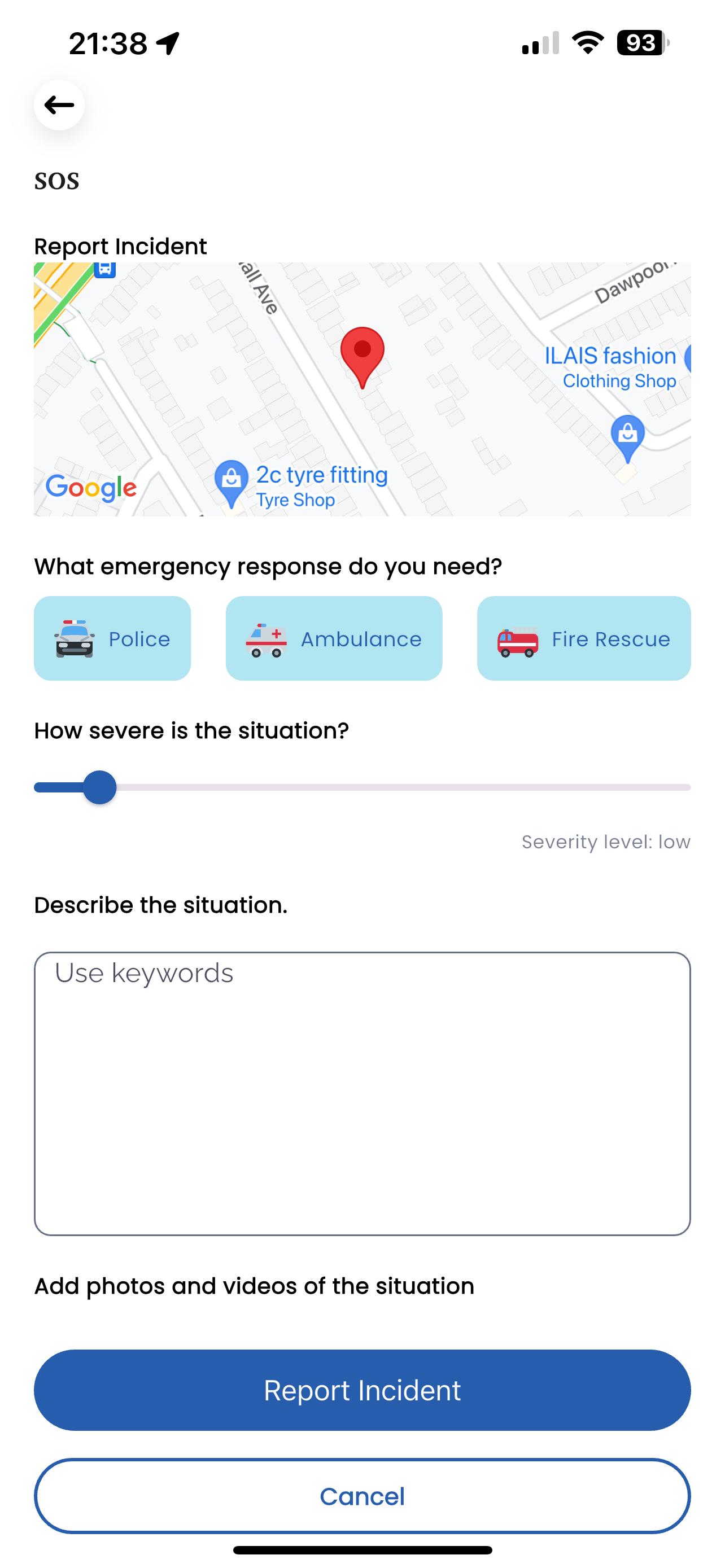
Create an emergency
-
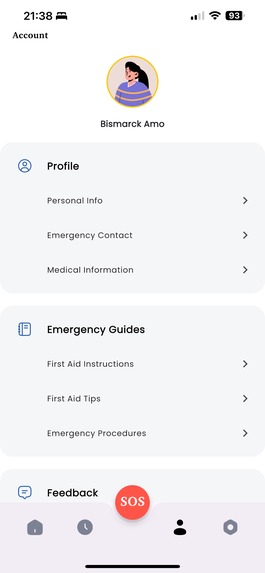
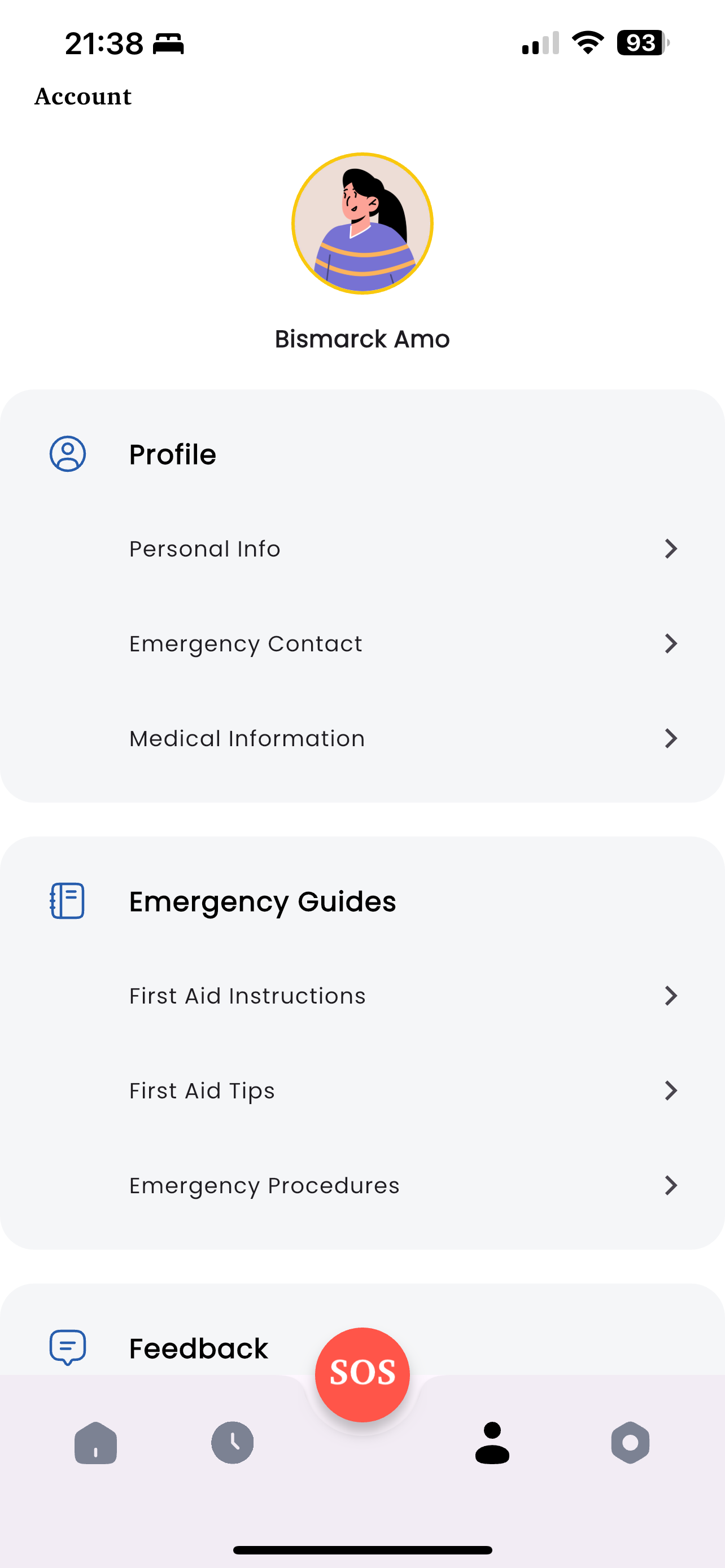
Profile
-
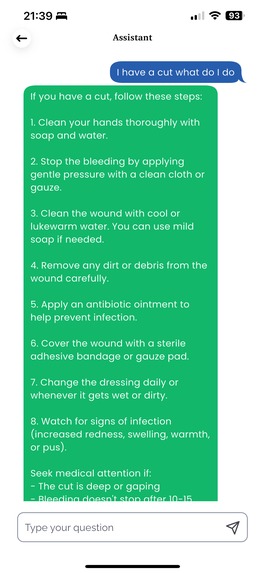
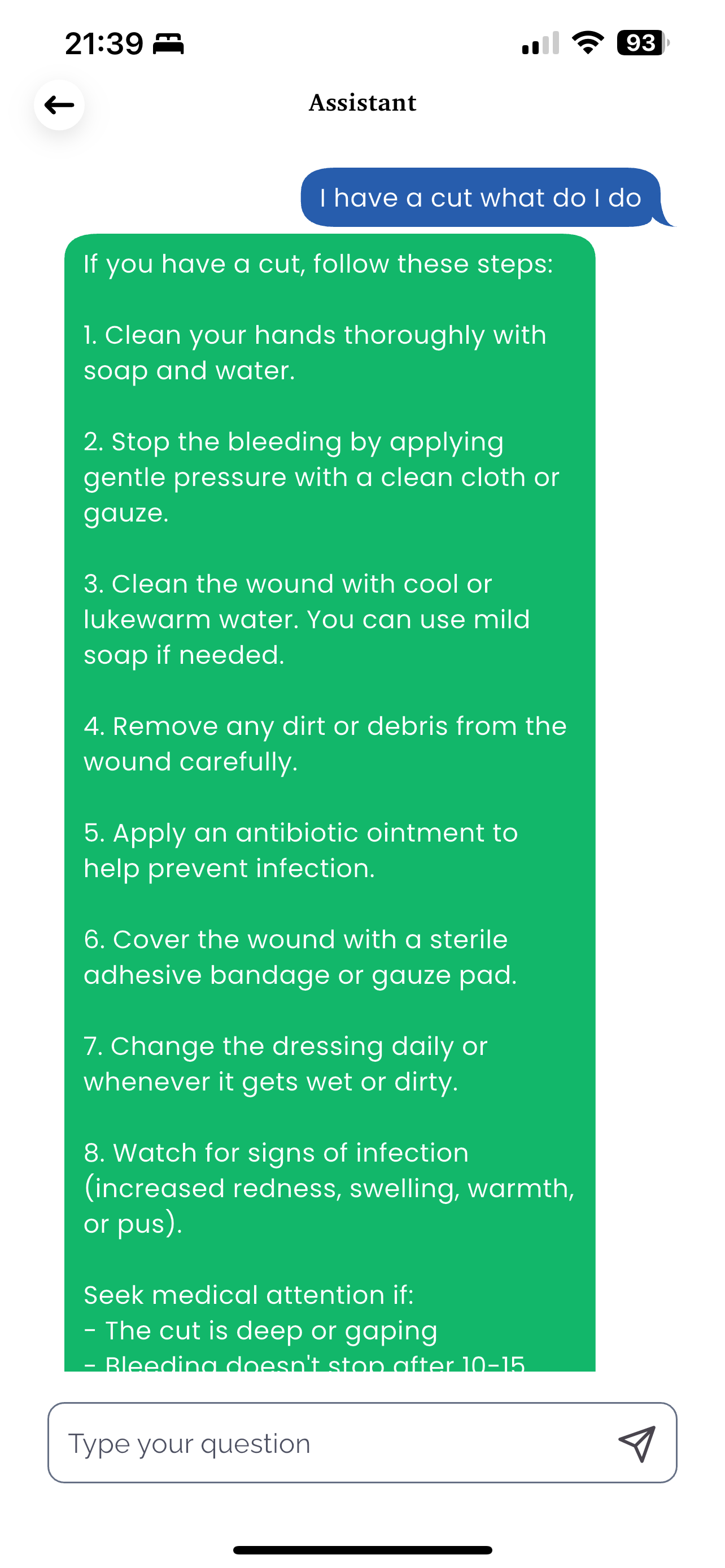
AI Assistant
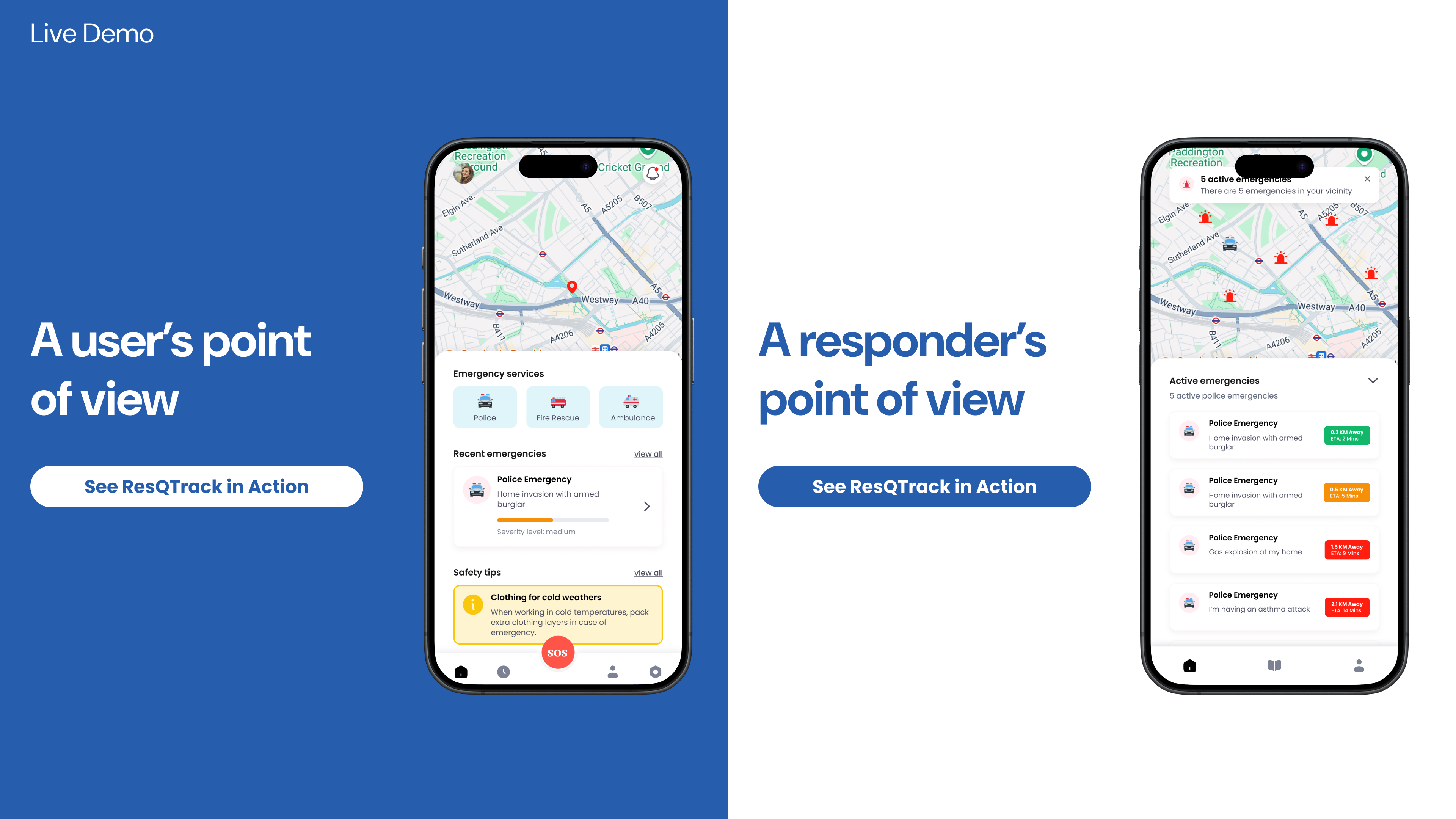
ResQTrack: Emergency Response Reimagined 🆘🚑🚒🚓🚨🌟
Inspiration 💡
The idea for ResQTrack was born from a harrowing personal experience. Last summer, during a solo hiking trip, I found myself lost as daylight faded. 🏞️🌙 The fear and helplessness I felt in those moments, wishing for a way to call for help and guide rescuers to my location, became the driving force behind ResQTrack. We realized that in today's connected world, there should be a more efficient way to bridge the gap between those in distress and those who can help. 🌉🆘
What it does 🛠️
ResQTrack is a cutting-edge emergency response application that revolutionizes how people connect with first responders. Key features include:
- One-touch SOS button for instant emergency alerts 🆘
- Real-time location sharing with precise GPS coordinates 📍
- In-app communication with first responders via text, voice, or video 💬🎥
- AI-powered emergency classification and resource allocation 🤖
- Comprehensive dashboard for first responders to manage multiple emergencies 📊
- Integration with existing emergency service systems 🔗
How we built it 🏗️
We leveraged a powerful tech stack to bring ResQTrack to life:
- MongoDB Atlas on AWS for scalable, reliable data management 🗄️
- Flutter for cross-platform mobile app development 📱
- Nestjs for the backend API 🖥️
- Amazon Bedrock for AI-driven emergency classification 🧠
- Amazon SageMaker for predictive resource allocation models 📈
- WebRTC for real-time communication features 🔊
Challenges we ran into �障
- Ensuring real-time data synchronization across devices in areas with poor connectivity 📡
- Balancing user privacy with the need for quick access to critical information during emergencies 🔐
- Integrating with various existing emergency service systems across different regions 🌐
- Optimizing battery usage while maintaining constant location tracking 🔋
- Ensuring the AI models make accurate predictions without bias 🎯
Accomplishments that we're proud of 🏆
- Developed a highly intuitive user interface that can be operated easily in stressful situations 🖱️
- Achieved sub-second response times for emergency alerts ⚡
- Successfully integrated AI models that significantly improve resource allocation efficiency 🧠
- Created a scalable system capable of handling thousands of simultaneous emergency reports 📈
- Implemented end-to-end encryption for all sensitive user data 🔒
What we learned 📚
- The critical importance of user testing in high-stress scenarios 🧪
- Techniques for optimizing data transmission in low-bandwidth situations 📉
- Strategies for working with emergency services to integrate new technologies 🤝
- The complexities of building AI models for time-critical decision making 🕒
- The importance of accessibility features in emergency applications ♿
What's next for ResQTrack 🚀
- Expand language support for global accessibility 🌍
- Integrate with IoT devices for automatic emergency detection (e.g., fall detection, unusual heart rates) 📡
- Develop a wearable device companion for the app ⌚
- Implement augmented reality features for improved navigation and situation assessment 👓
- Collaborate with more emergency services worldwide for broader integration 🌐
- Enhance AI capabilities to predict and prevent potential emergencies 🔮
Built With
- agora
- amazon-web-services
- flutter
- langchain
- mongodb
- nestjs
- sagemaker


Log in or sign up for Devpost to join the conversation.