-
-
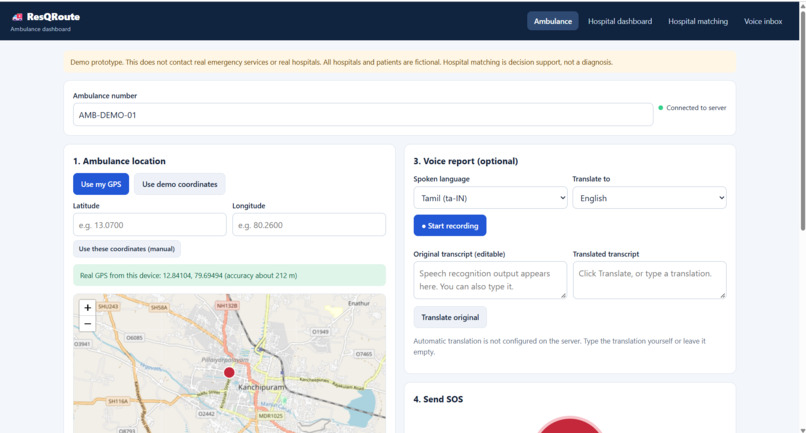
AMBULANCE DASHBOARD(ALLOWING GPS ACCESS AND RECORDING THE VOICE NOTE ABOUT THE PATIENTS CONDITION. IT WILL BE TRNASCRIPTED TO TEXT)
-
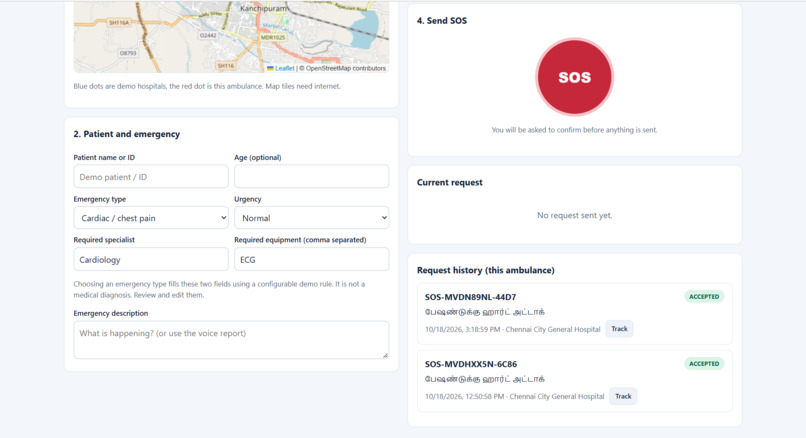
AMBULANCE DASHBOARD(SOS REQUEST WILL BE SEN TO THE HOSPITAL)
-
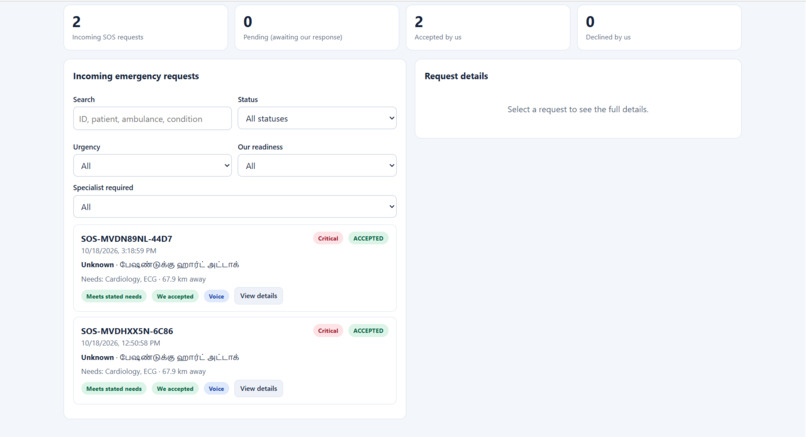
HOSPITAL DASHBOARD(HOSPITAL VIEW THE INCOMING REQUEST AND CHECK THE AVAILABILITY)
-
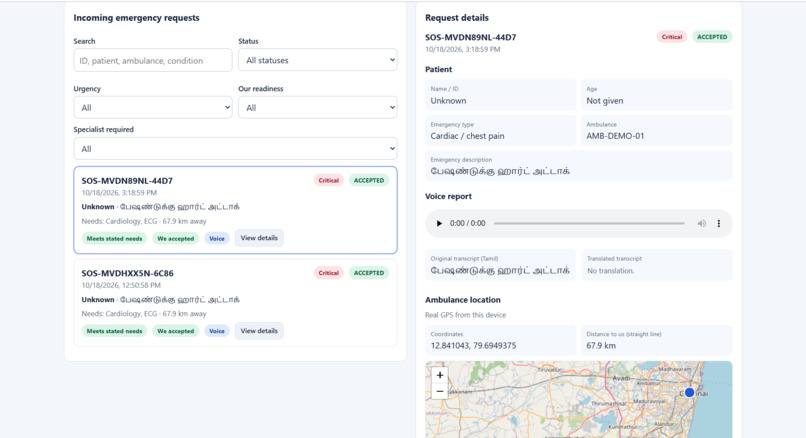
HOSPITAL DASBOARD(HOSPITAL ACCEPT OR REJECT THE REQUEST BASED ON ITS AVAILABILITY)
-
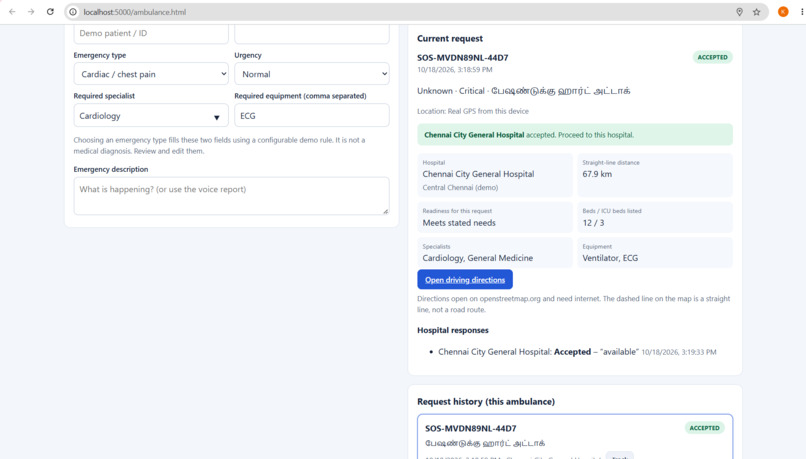
AMBULANCE DASHBOARD(AFTER ACCEPTING, IT'LL BE VISIBLE TO THE AMBULANCE DASHBOARD & DRIVER CAN DIRECTLY NAVIGATE TO THE RESPECTIVE HOSPITAL)
-
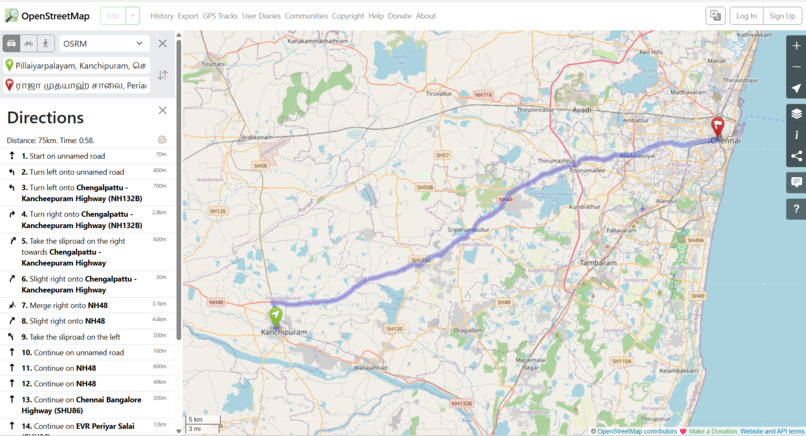
MAP DIRECTION TO THE ACCEPTED HOSPITAL(HOSPITAL'S ROUTE MAP CAN BE VIEWED WITH THE HELP OF GPS)
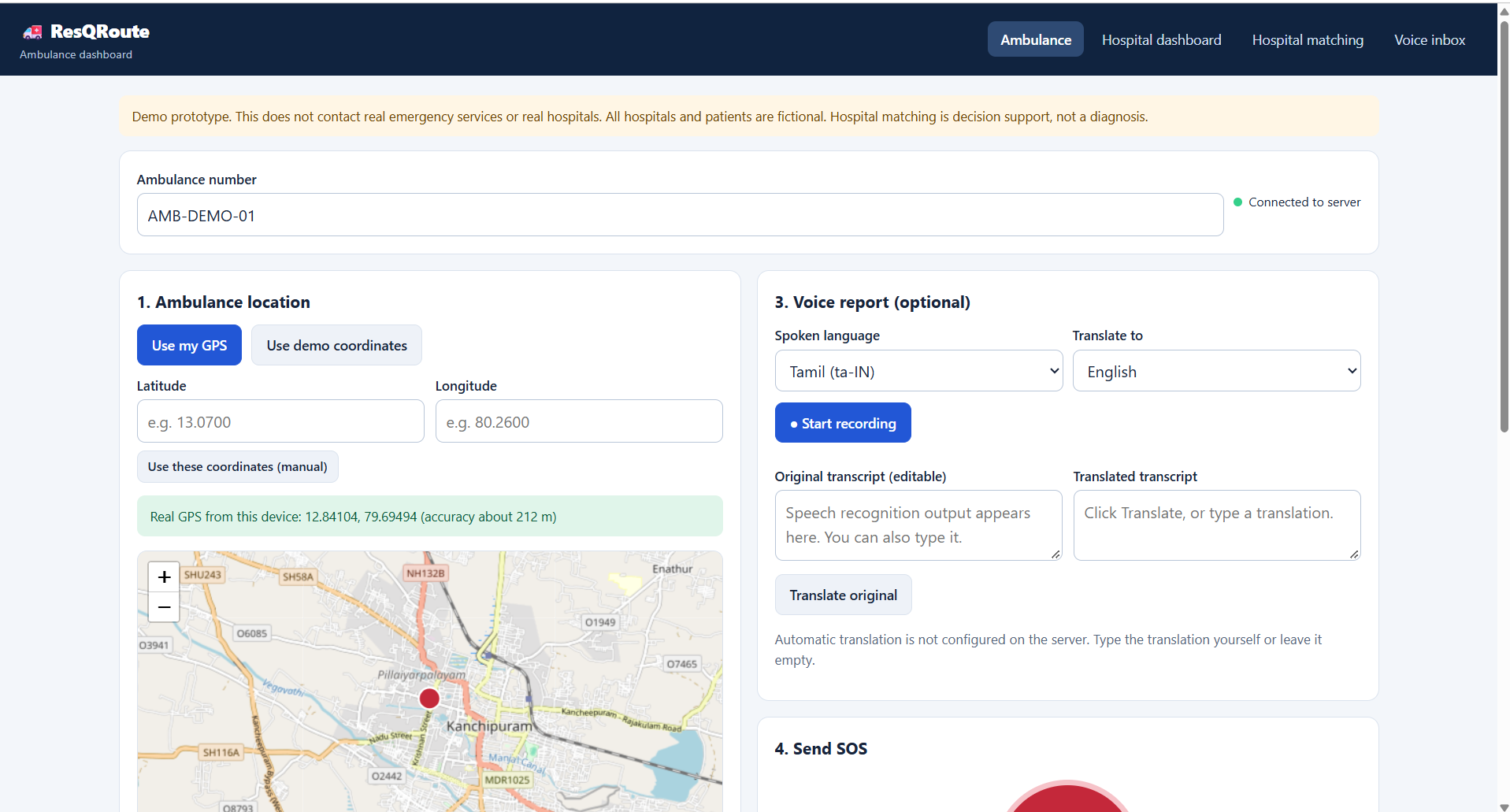
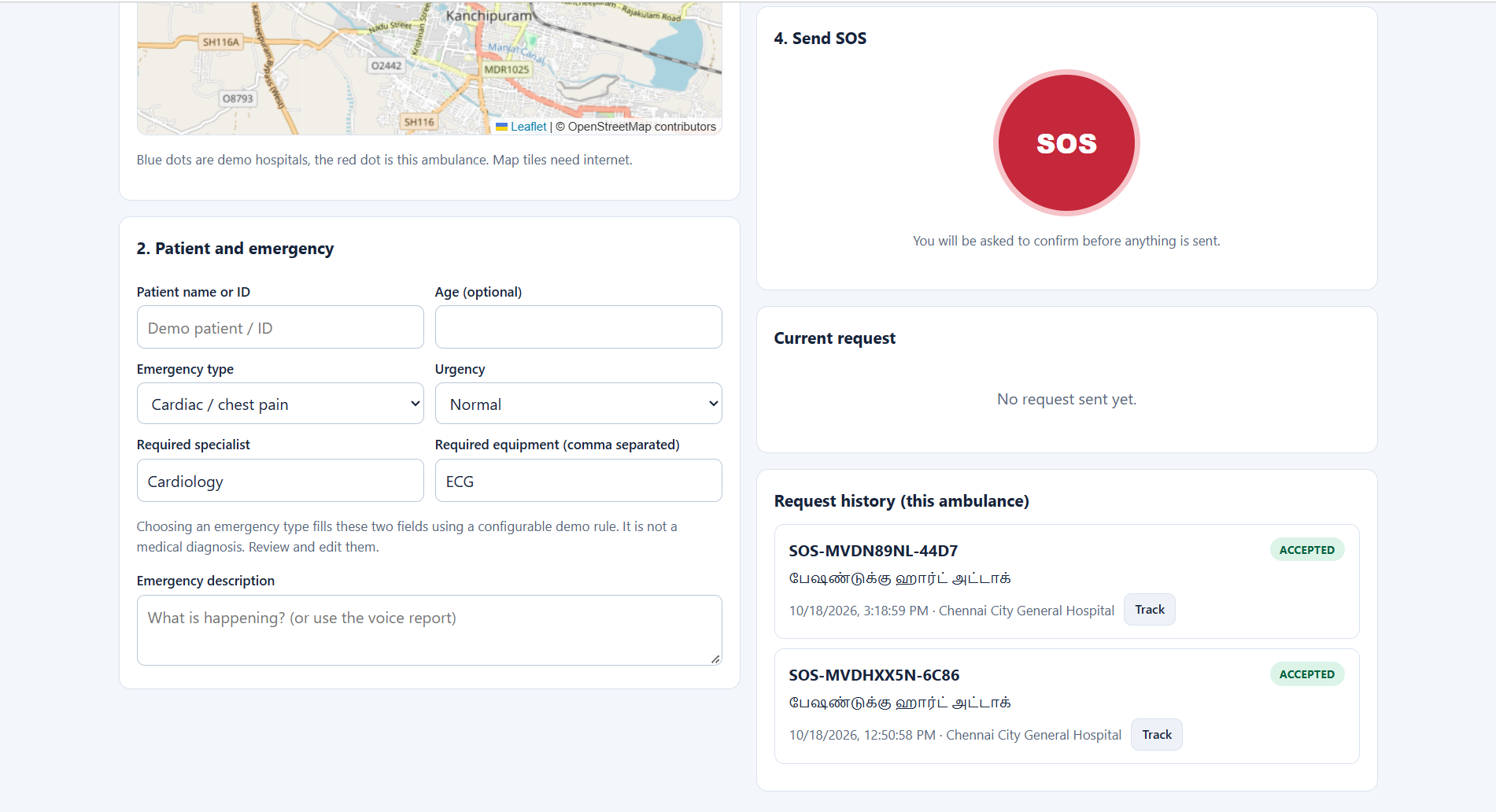
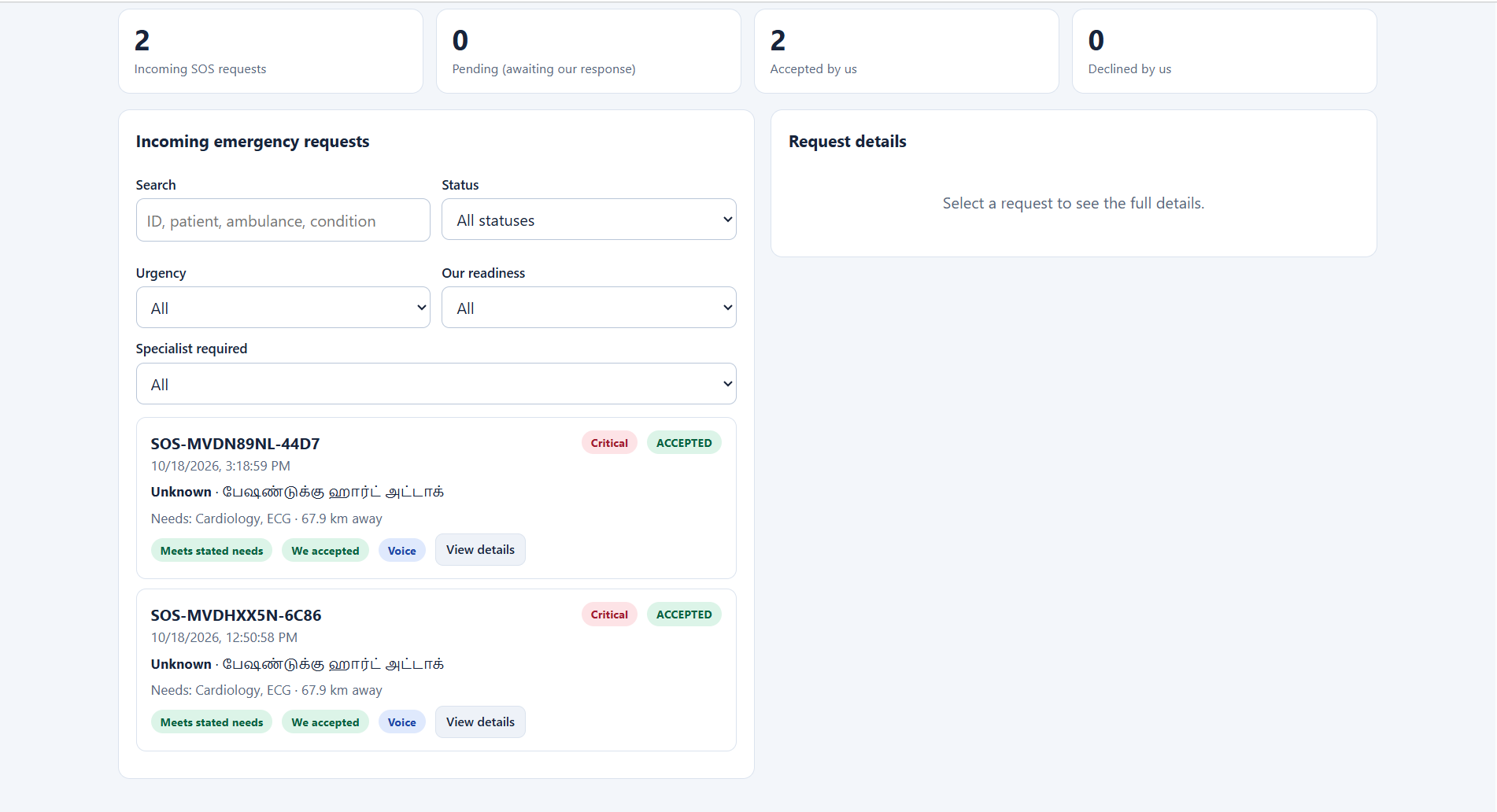
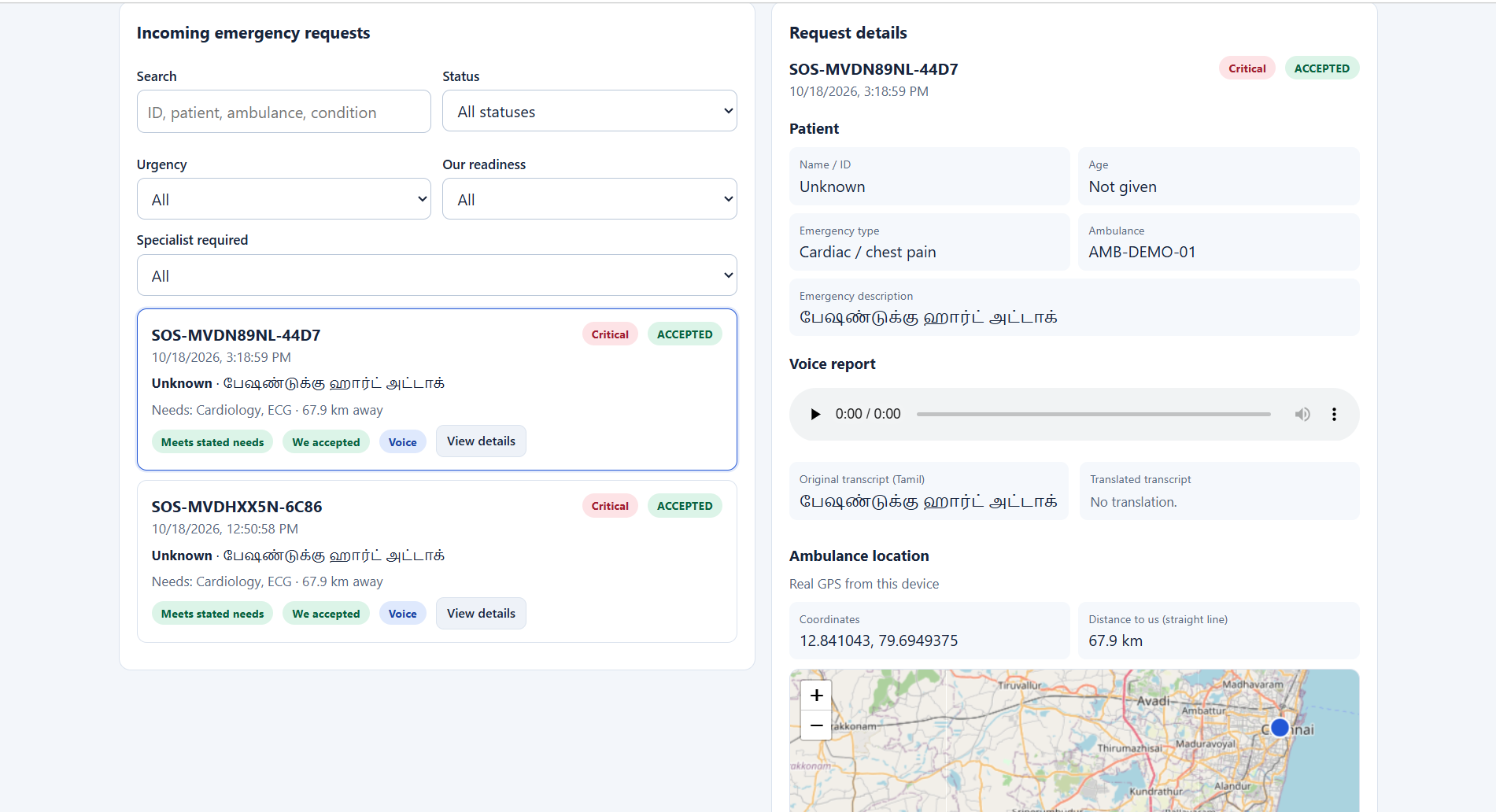
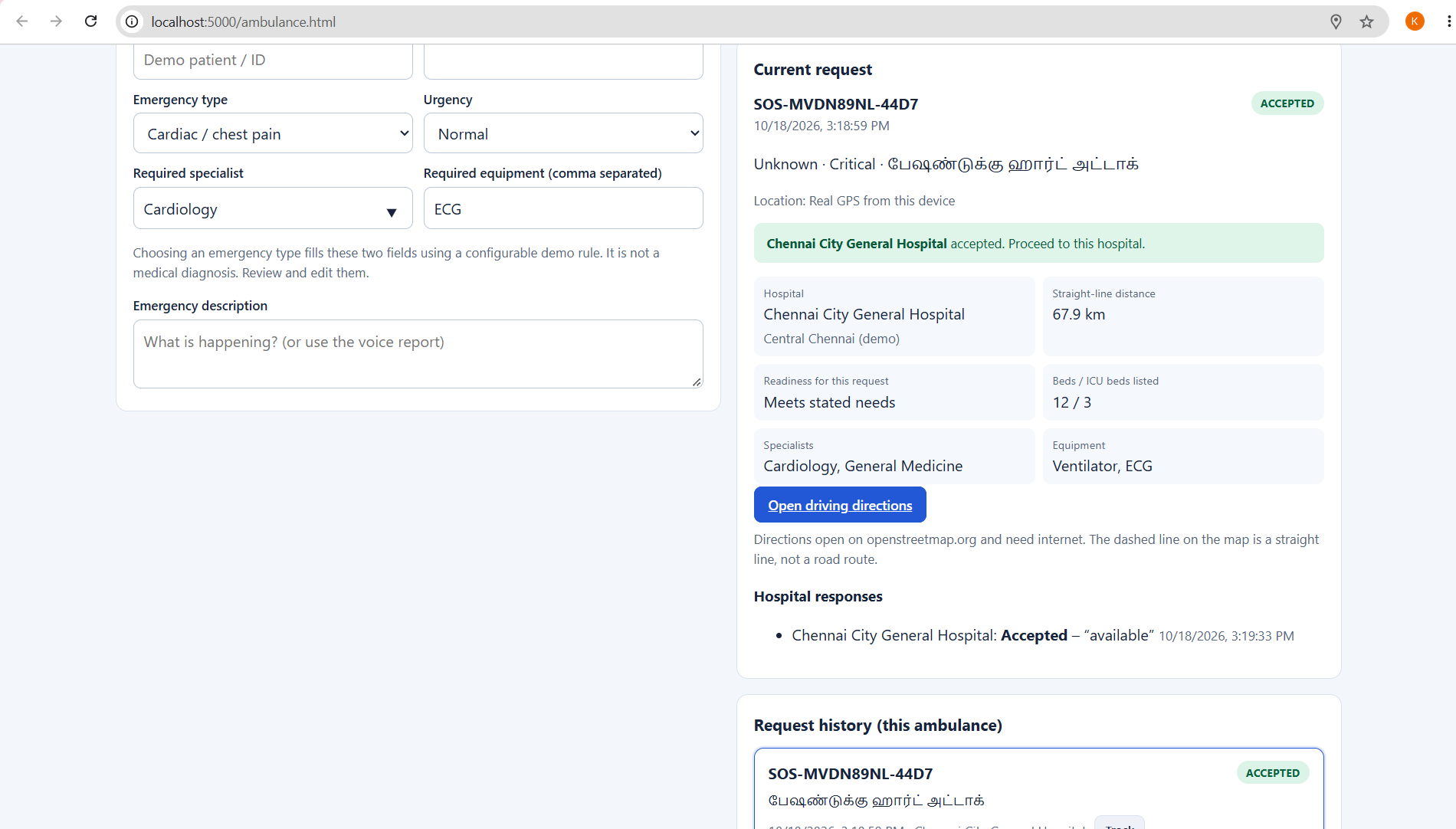
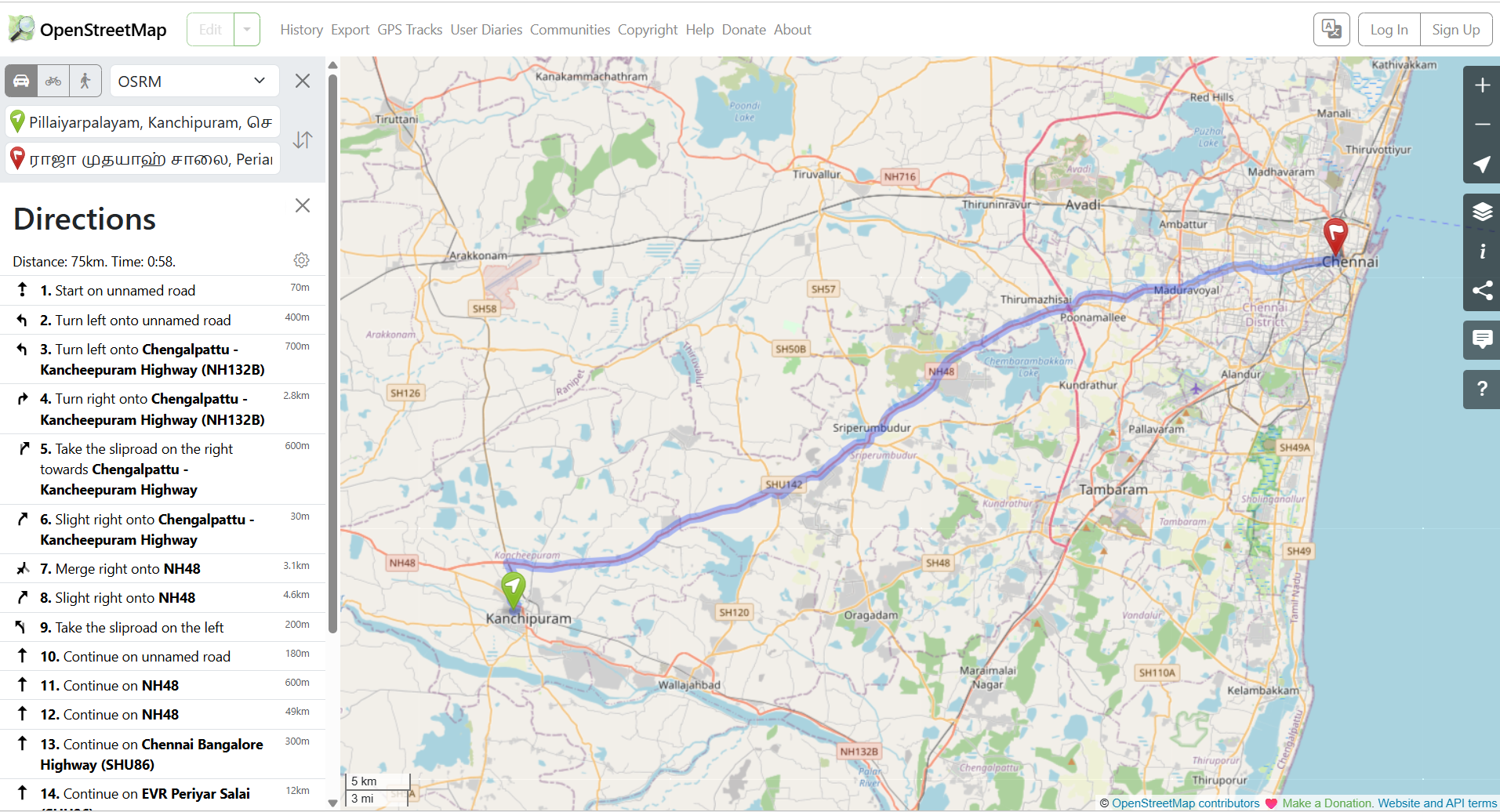
ResQRoute is a healthcare-based emergency coordination project designed to help ambulance teams identify and reach the most suitable hospital during a medical emergency. Instead of selecting a hospital based only on distance, ResQRoute considers hospital facilities, specialist availability, emergency readiness, and ambulance location.
The main goal is to reduce avoidable delays, improve communication between ambulances and hospitals, and help patients reach an appropriate hospital faster.
- What problem does ResQRoute solve? Imagine an ambulance is carrying a patient who has suffered a severe heart attack.
- The nearest hospital is only 3 km away, but its cardiac specialist is unavailable.
- The ambulance takes the patient to that hospital.
- The hospital cannot provide the required treatment, so the patient must be transferred again.
- This second transfer wastes valuable time and may increase the patient's risk. ResQRoute addresses this problem by checking hospital suitability and availability before the ambulance chooses its destination.
Distance matters, but the nearest hospital may not always be the best hospital for the patient's emergency.
- How ResQRoute works
Step 1: SOS activation
Ambulance personnel press the SOS push button during an emergency. In the proposed hardware-integrated version, the button triggers the software emergency workflow.
Step 2: Voice-based patient information
The system records a short voice message about the patient's condition. Speech recognition can transcribe it, and translation can help hospitals understand messages in different languages.
Step 3: GPS location sharing
The ambulance's location is shared with the system so that nearby hospitals can understand where the emergency is happening.
Step 4: Hospital matching
Nearby hospitals receive emergency requests. The system can compare distance, required specialists, ICU beds, ventilators, and other relevant facilities, based on available data.
Step 5: Hospital acceptance or rejection
Hospitals review the request through their dashboard and accept or decline it according to their actual availability.
Step 6: Route guidance and tracking
After a suitable hospital accepts, the ambulance can be directed there, with live tracking and an estimated time of arrival (ETA), where supported.
- Real-life example: How ResQRoute helps a patient Illustrative scenario — the hospitals and availability figures below are examples, not live hospital data.
Situation
A patient experiences severe chest pain near Anna Nagar, Chennai. The ambulance team presses the SOS button and records a Tamil voice message describing the patient's symptoms.
Hospital comparison
- Hospital A: 3 km away, but no cardiac specialist currently available.
- Hospital B: 6 km away, with a cardiac specialist and emergency facilities available.
- Hospital C: 5 km away, but its ICU capacity is insufficient for this case.
ResQRoute's response
The system highlights Hospital B as a potentially suitable choice based on the available information. Hospital B reviews the patient's information, confirms readiness, and accepts the request. The ambulance then follows the selected route.
Result: The ambulance can avoid an unnecessary first stop at a hospital that cannot provide the required care. This can reduce avoidable transfer delays, improve preparation before arrival, and help the emergency team respond more efficiently.
ResQRoute supports the decision; it does not replace medical judgment or guarantee a particular clinical outcome.

Log in or sign up for Devpost to join the conversation.