Here is the updated submission copy with the name changed back to Orion. You can copy and paste this directly into your form!
Inspiration
In Pakistan, there is no unified 911. During a crisis, citizens must manually dial separate numbers for ambulances, police, or fire departments. If the victim is panicked, unconscious, or a child, they cannot explain their location or medical history. We realized that the life-saving infrastructure (Edhi, Rescue 1122, Chhipa) already exists, but the coordination is broken. Orion was built to bridge this gap—making emergency response automatic, intelligent, and reachable by everyone, not just those with smartphones.
What it does
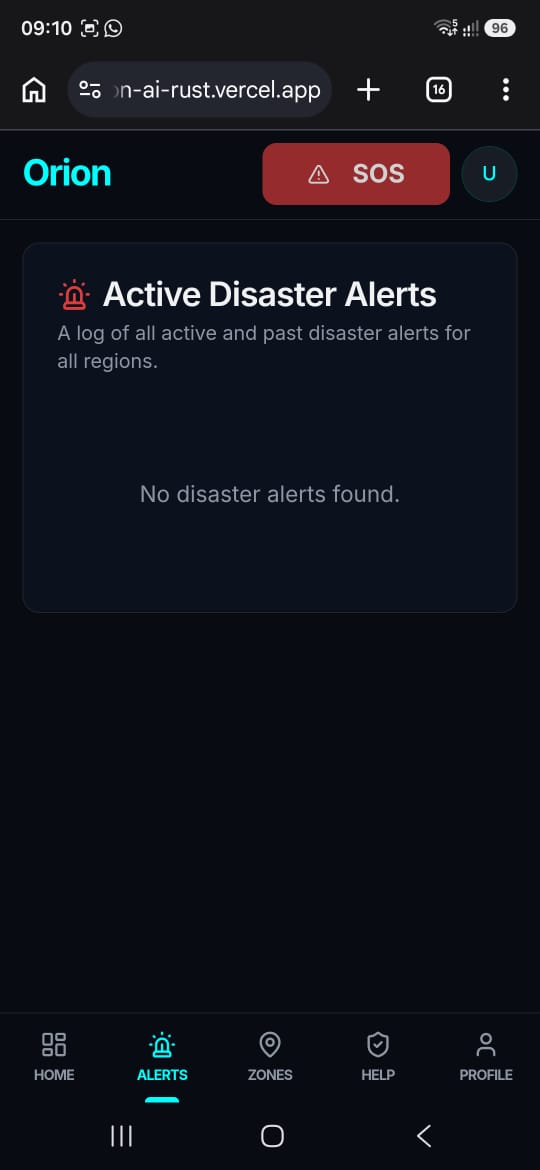
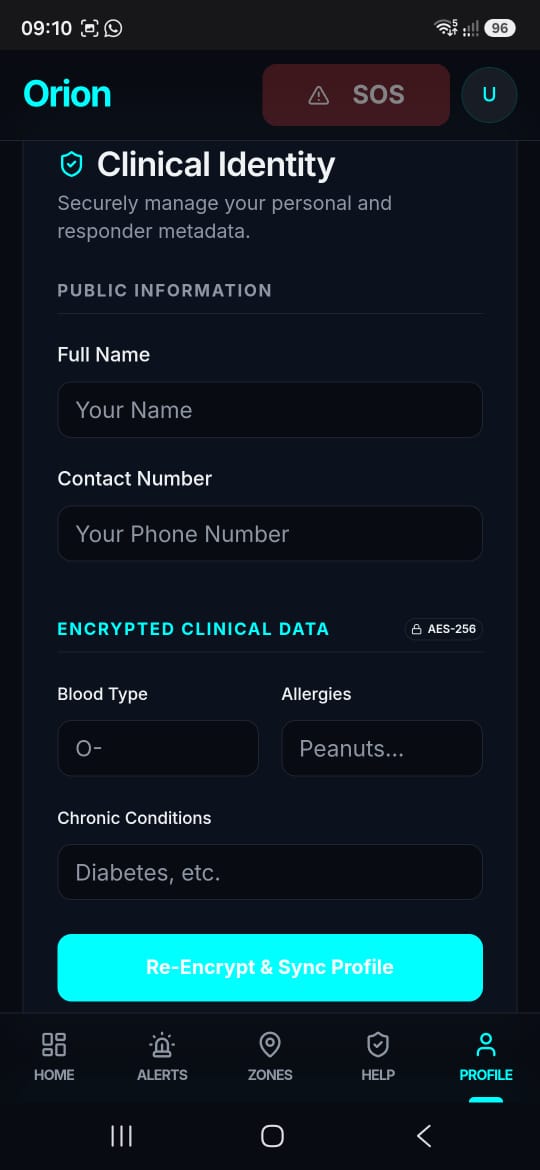
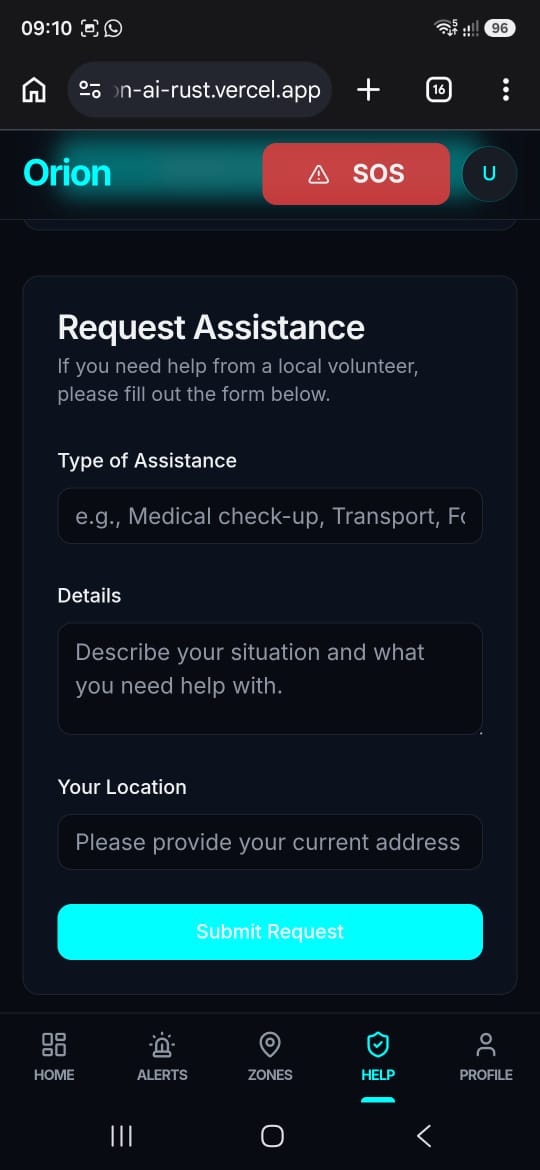
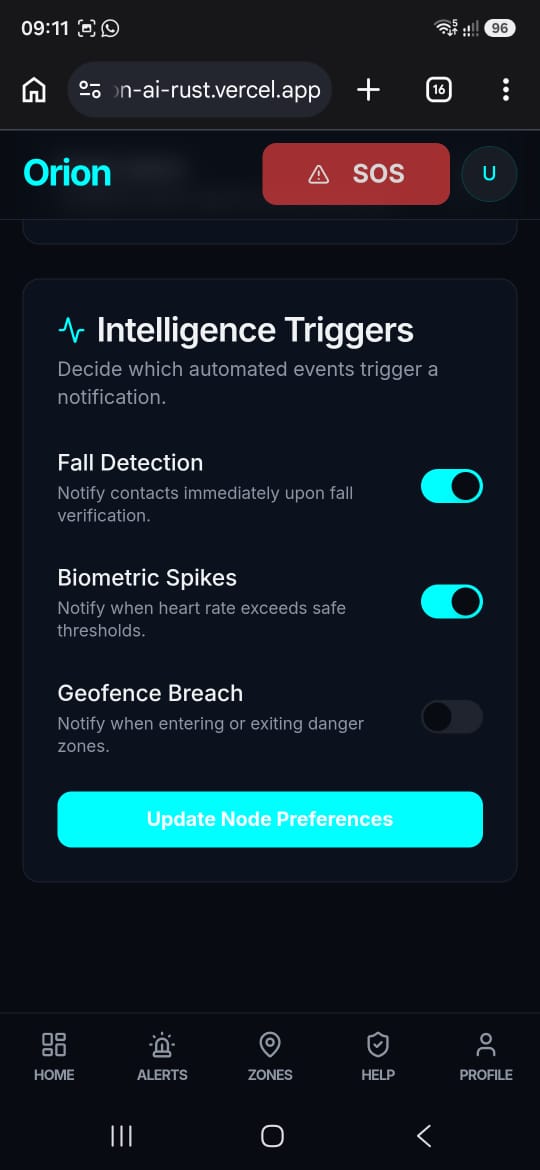
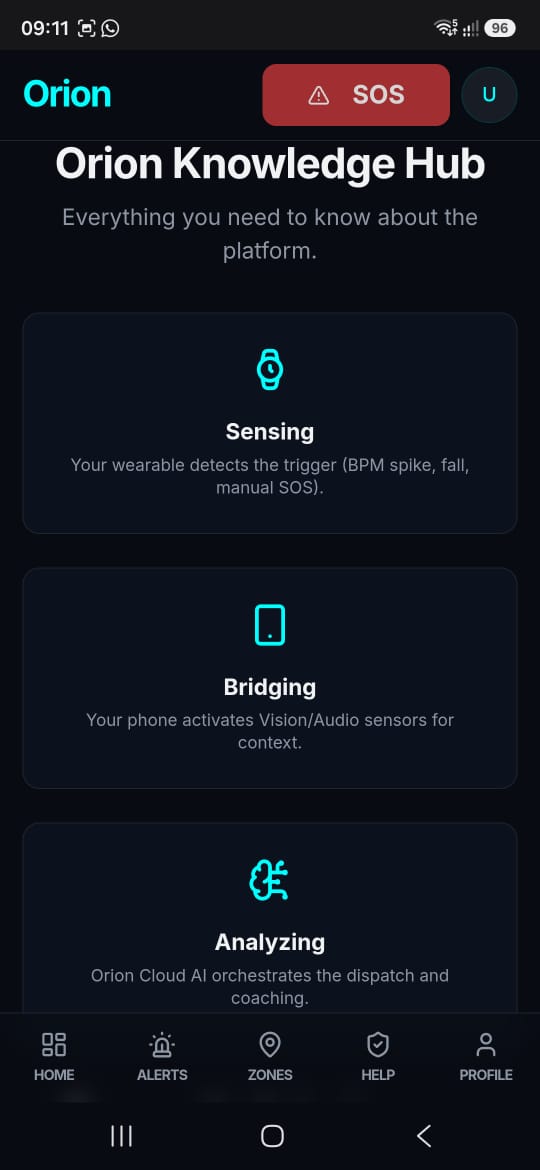
Orion is an intelligent emergency dispatch layer. Instead of just pressing a panic button, users trigger an AI-powered pipeline via text, voice, or automated smartwatch crash detection. The AI instantly classifies the emergency, formats a structured "Hospital Brief" (including blood type, allergies, and location), and dispatches it via SMS to emergency contacts and hospitals. It features zero-knowledge encryption for medical profiles and includes an SMS fallback, ensuring even users without internet access can receive help.
How we built it
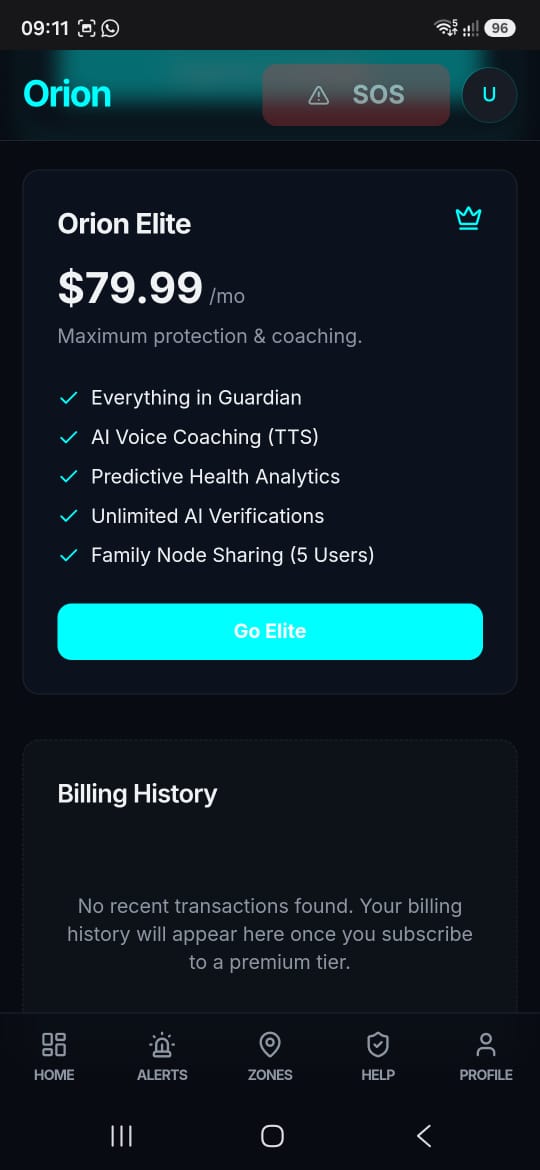
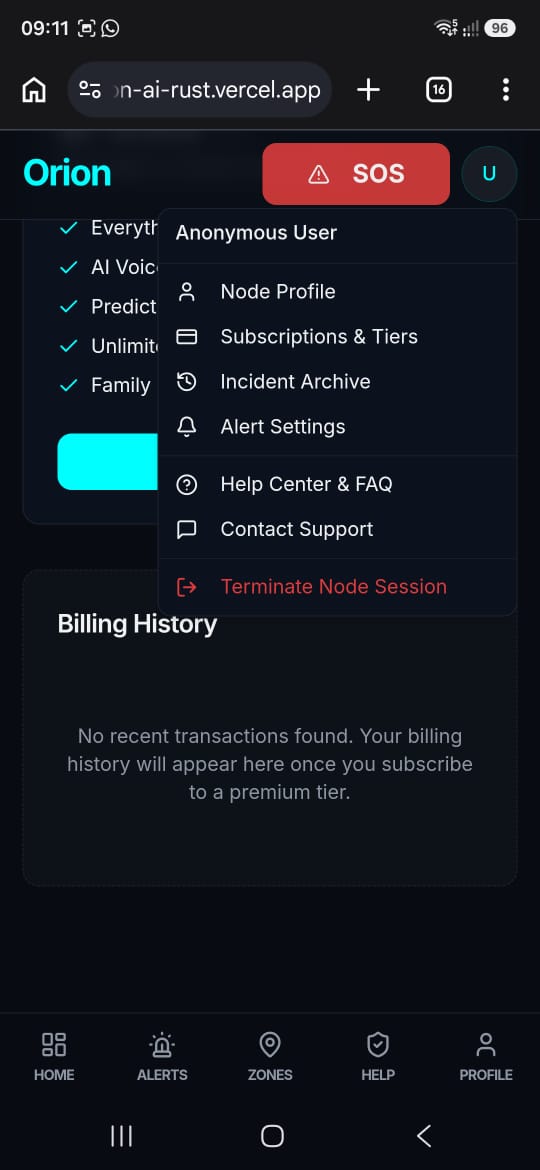
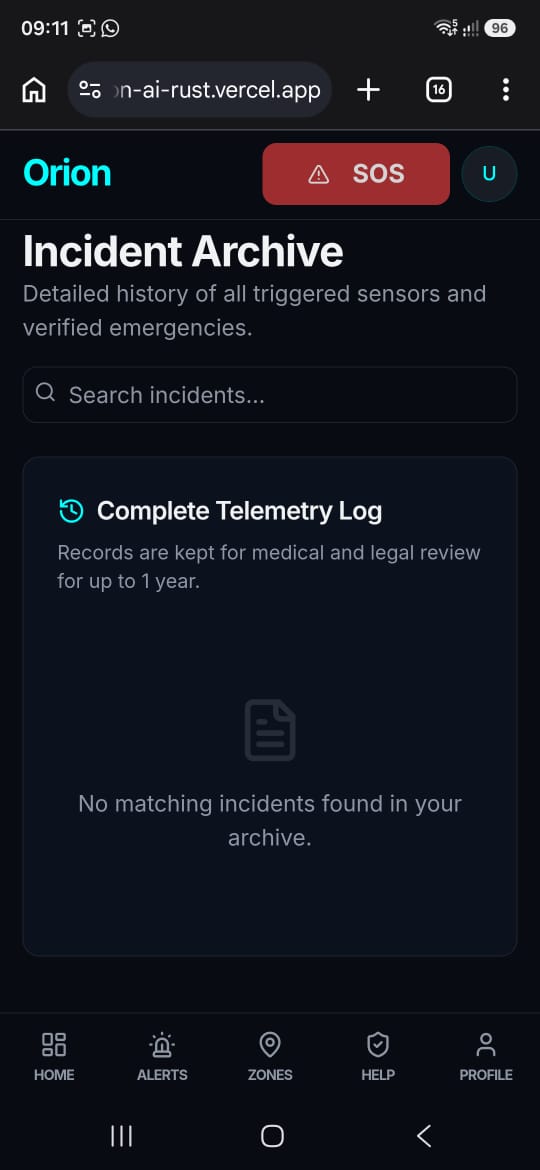
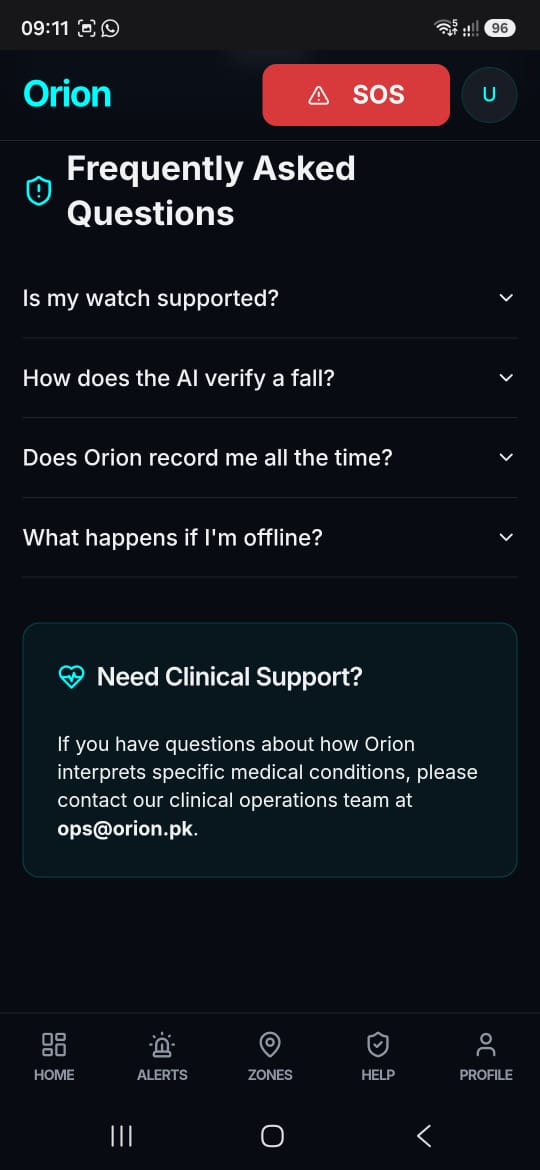
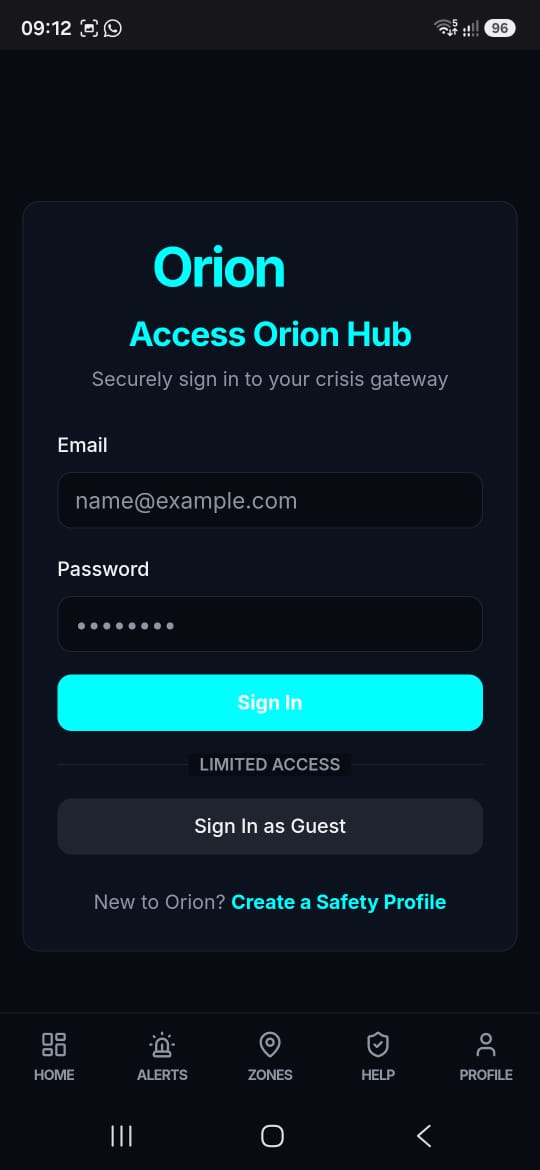
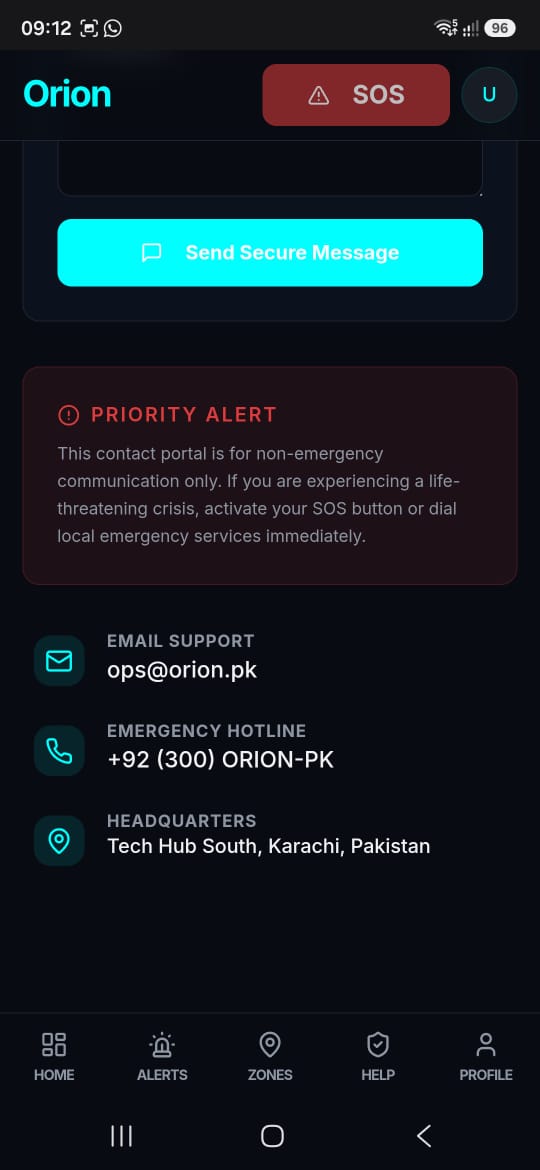
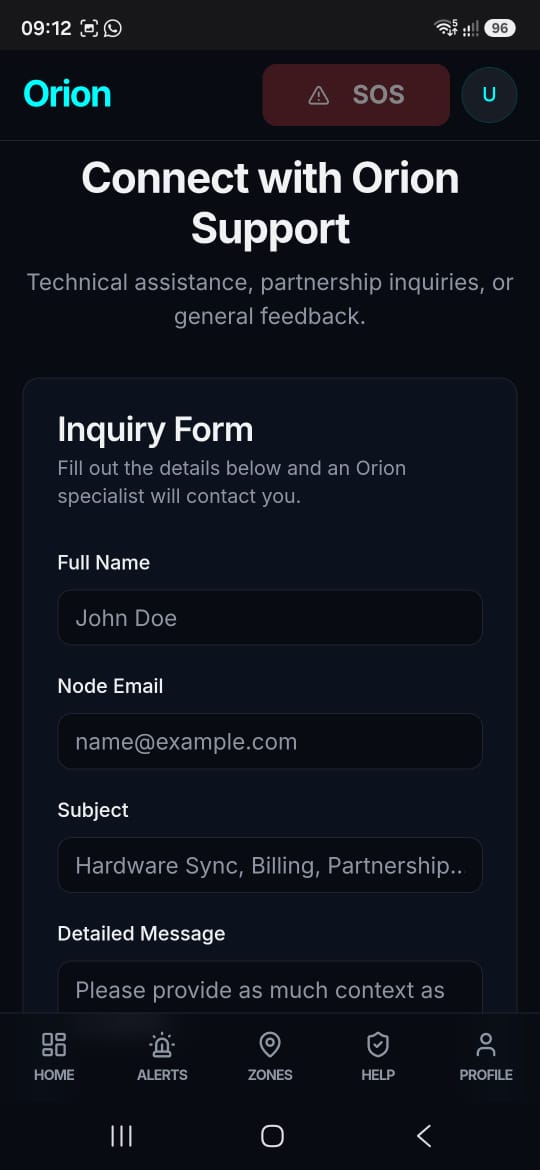
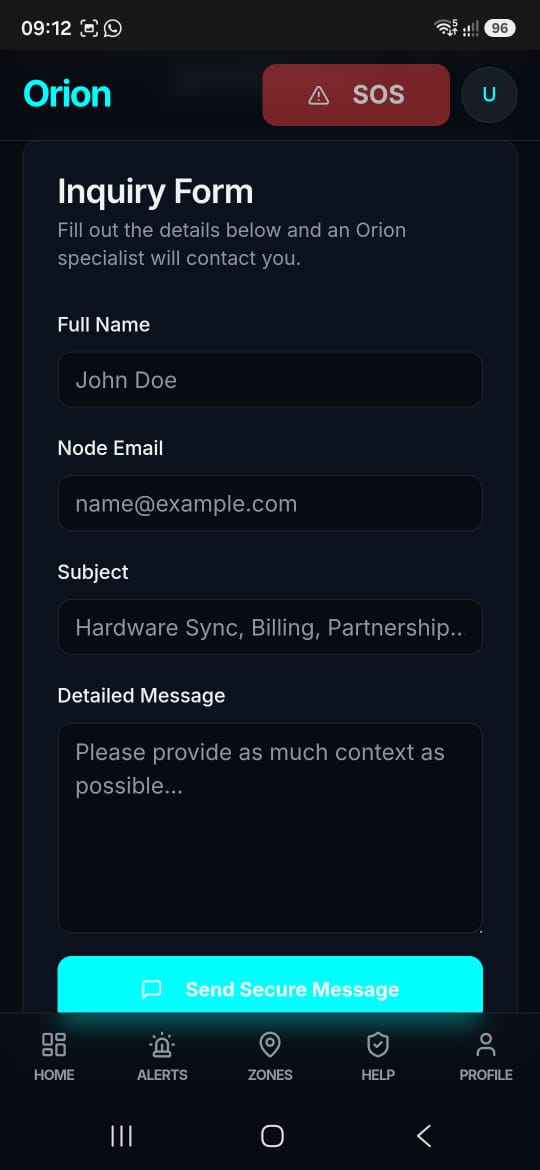
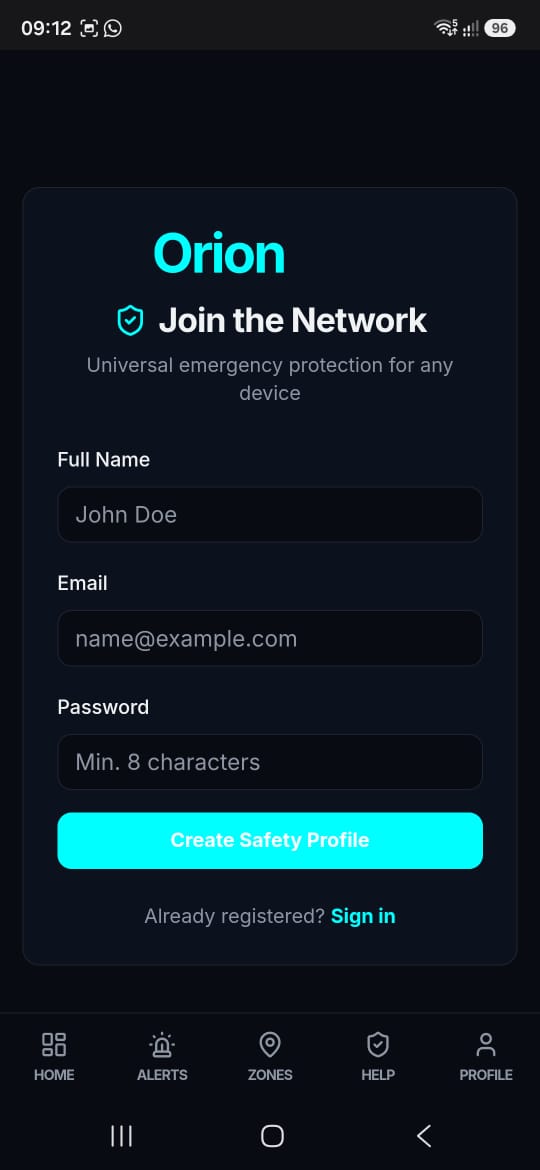
We built Orion using Next.js (App Router) and Tailwind CSS, focusing on a high-contrast, 3D "tactile" UI designed to be usable by anyone, even a 3-year-old, in a high-stress situation. The backend runs on Firebase for authentication and Firestore for data. To ensure strict compliance with Pakistan's data privacy laws (PDPB), we implemented zero-knowledge encryption using crypto-js—medical data is encrypted on the client before it ever touches the database. For the AI brain, we used LLMs to process messy user input into structured JSON, and we utilized Twilio to dispatch the final medical briefs via SMS.
Challenges we ran into
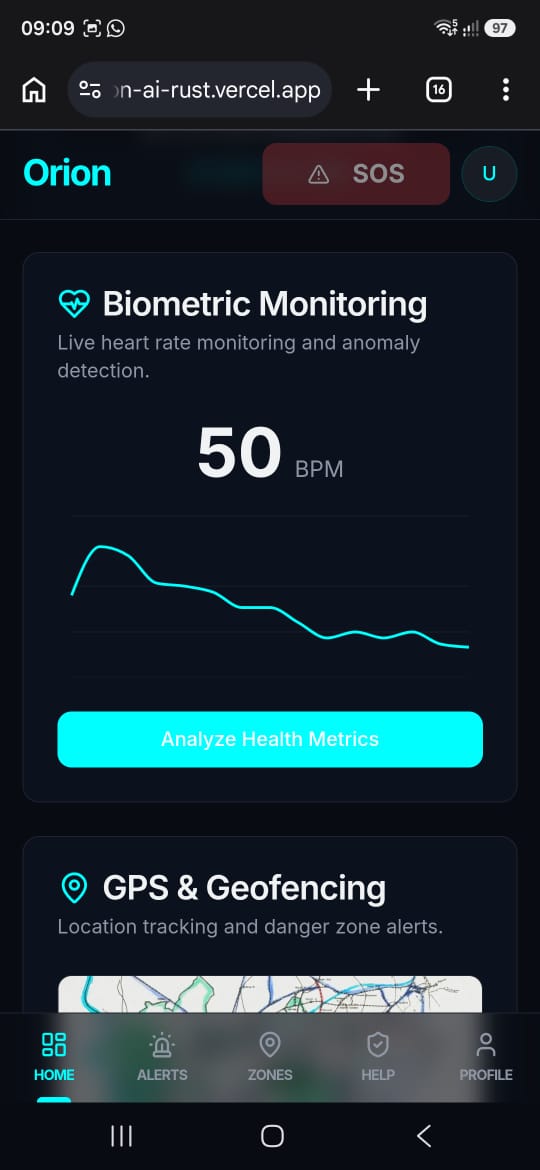
The biggest challenge was hardware integration. Sourcing and programming a custom smartwatch with live vitals and crash detection was impossible within the hackathon timeframe. We solved this by building a robust simulation script that mimics the smartwatch's data payload (e.g., sudden stop + heart rate spike), allowing us to perfect the automated AI dispatch logic. Another challenge was ensuring strict medical data privacy, which we overcame by implementing client-side zero-knowledge encryption.
Accomplishments that we're proud of
We are incredibly proud of the UI/UX. Instead of a generic dashboard, we created a 3D, tactile SOS core that feels like a physical reactor button—intuitive enough for a child, yet premium enough to trust with your life. We’re also deeply proud of the seamless AI-to-SMS pipeline. Watching the AI instantly format a messy emergency description into a clean, hospital-ready SMS brief in real-time feels like magic.
What we learned
We learned that in emergency tech, the KISS (Keep It Stupid Simple) theory isn't just a design choice; it's a matter of life and death. We also learned how to engineer strict LLM system prompts to avoid hallucinations and output reliable JSON data. Finally, navigating Pakistan's data privacy regulations taught us how to design a zero-knowledge architecture from the ground up.
What's next for Orion
Next, we plan to move from software simulation to actual hardware by building an ESP32 + LoRa smartwatch that provides live vitals and works even when cell towers are down. We aim to secure MOUs with local NGOs (Edhi, Rescue 1122) to integrate our dispatch system directly into their volunteer networks, and officially roll out the radius-based blood donor matching system.
Built With
- ai
- crypto-js
- data-privacy
- emergency-response
- firebase
- firestore
- generative-ai
- healthcare
- iot
- javascript
- llm
- next.js
- openai
- public-safety
- react
- saas
- sms
- social-good
- tailwind-css
- twilio
- typescript
- ui/ux
- vercel
- wearables
- zero-knowledge


Log in or sign up for Devpost to join the conversation.