-
-
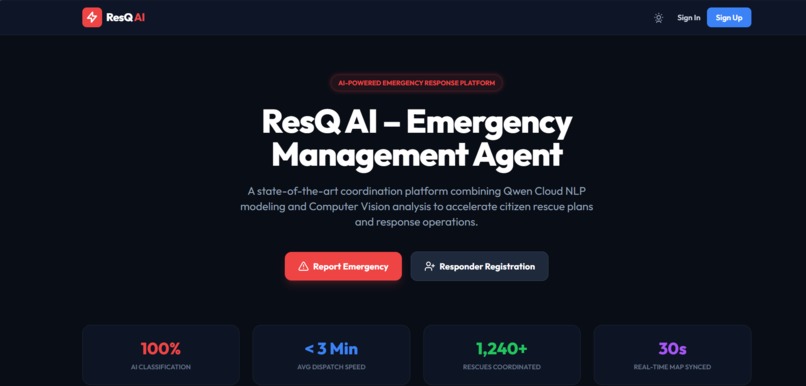
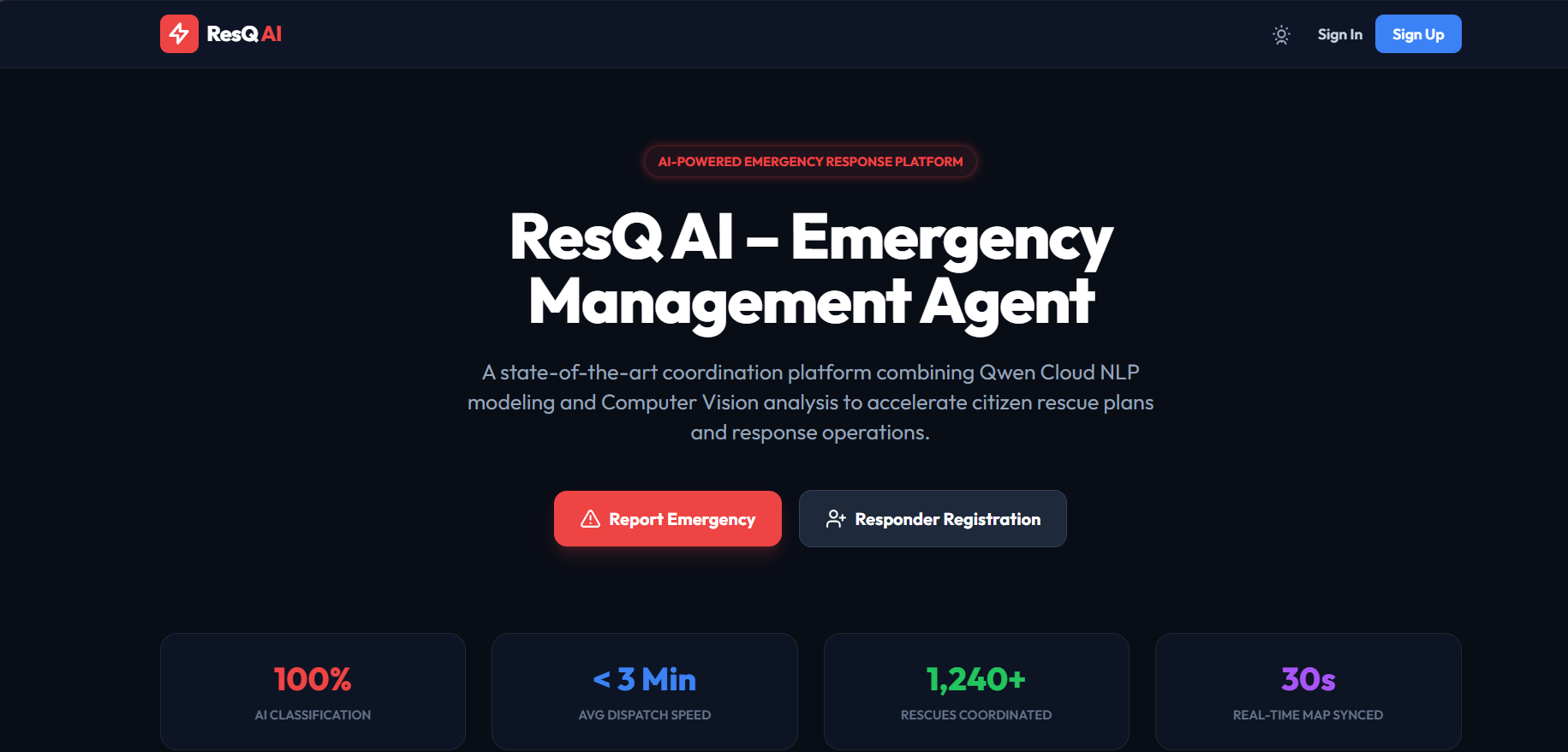
HOMEPAGE
-
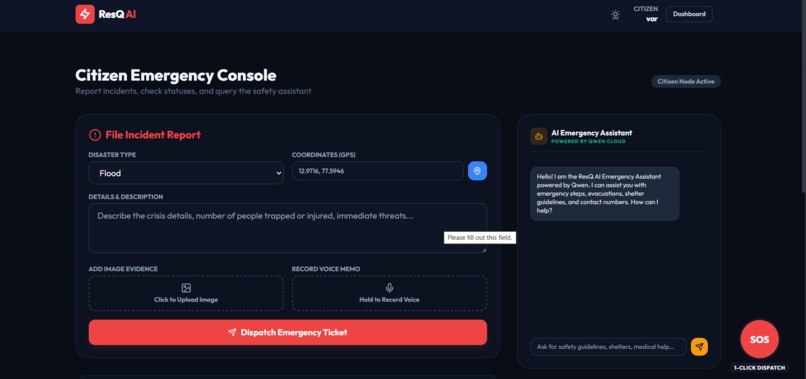
QUERY AND CHATBOT
-
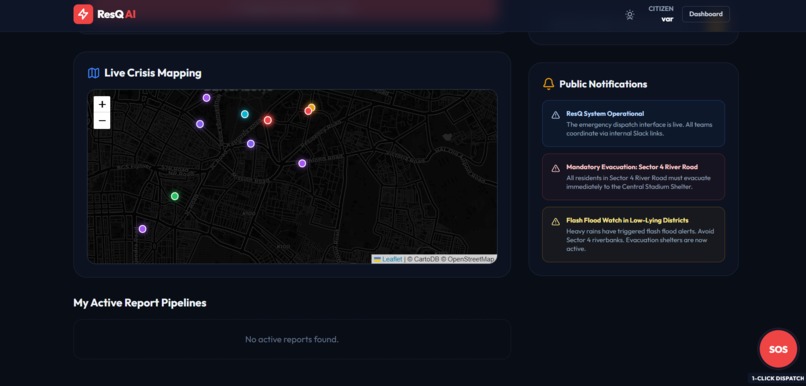
LOCATION TRACKER
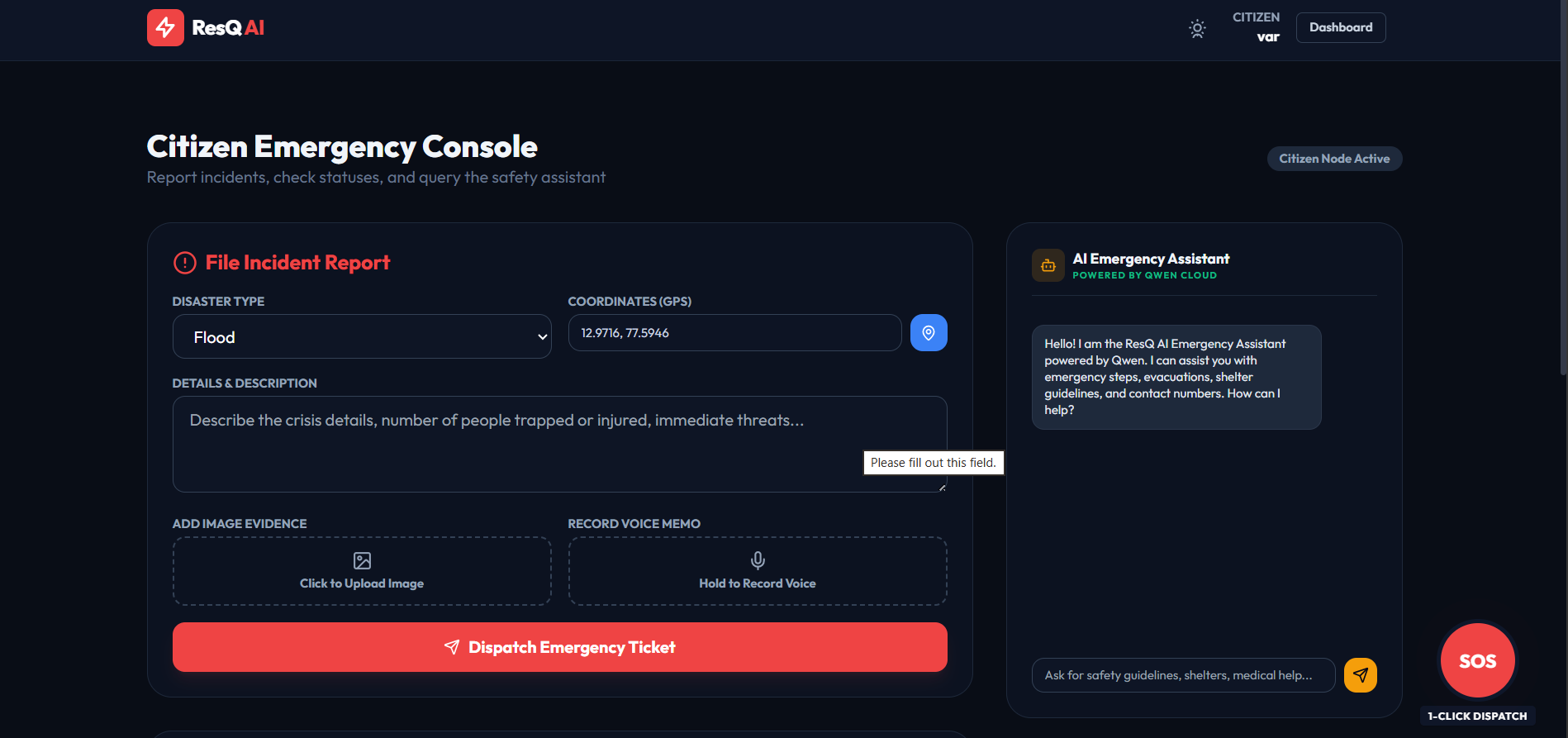
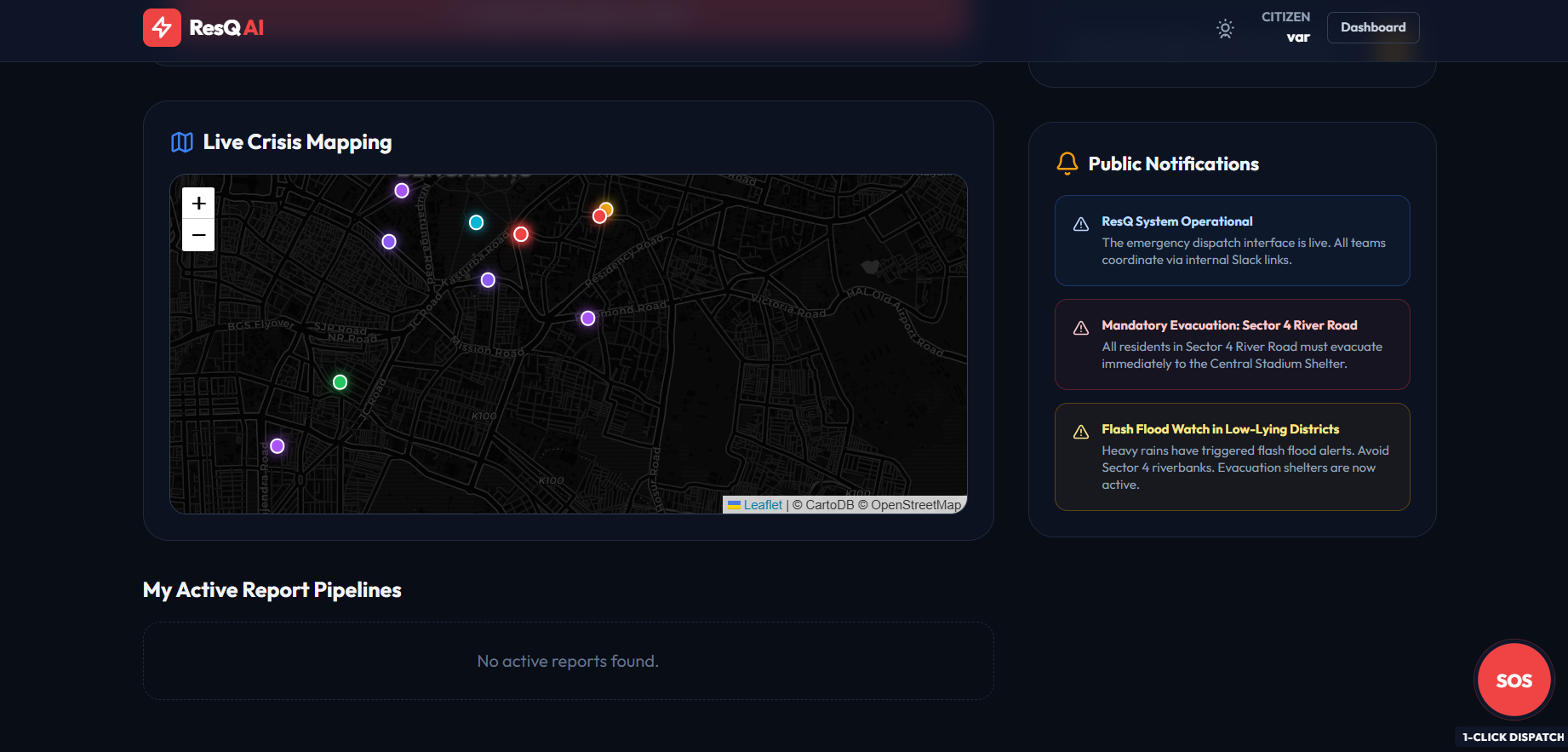
Inspiration
Natural disasters and emergencies often expose the limitations of existing response systems. Information arrives from multiple sources, making it difficult for emergency teams to verify incidents, prioritize rescue operations, and coordinate resources quickly. We wanted to build an AI-powered platform that transforms scattered emergency reports into actionable insights, helping responders make faster and smarter decisions while keeping citizens informed and safe
What it does
Natural disasters and emergencies often expose the limitations of existing response systems. Information arrives from multiple sources, making it difficult for emergency teams to verify incidents, prioritize rescue operations, and coordinate resources quickly. We wanted to build an AI-powered platform that transforms scattered emergency reports into actionable insights, helping responders make faster and smarter decisions while keeping citizens informed and safe
How we built it
We designed a full-stack web application using React and Tailwind CSS for the frontend and FastAPI for the backend. Qwen Cloud powers the AI capabilities, including natural language understanding, report summarization, multilingual communication, and intelligent decision support. Computer vision is used to analyze uploaded images, speech-to-text converts voice reports into text, Google Maps API provides real-time location mapping, PostgreSQL stores incident data, and Slack API enables seamless communication between emergency response teams.
Challenges we ran into
Processing reports from multiple formats such as text, voice, and images.
Prioritizing emergencies accurately using AI. Designing a simple interface that remains effective during high-stress situations. Integrating AI reasoning, maps, notifications, and Slack into a unified workflow. Ensuring the platform remains scalable for large-scale disasters with thousands of simultaneous reports.
Accomplishments that we're proud of
Built an end-to-end AI-powered disaster management platform.
Developed an intelligent incident prioritization workflow. Enabled multilingual communication for better accessibility. Integrated Slack to improve coordination among emergency teams. Created an interactive dashboard with live incident tracking and AI-generated insights. Designed a scalable solution that can support future integrations with drones, IoT sensors, and predictive analytics.
What we learned
This project strengthened our understanding of AI agents, disaster management workflows, system architecture, and real-time collaboration. We learned how to combine large language models, computer vision, speech recognition, mapping technologies, and cloud services into a single platform that addresses a real-world challenge. We also gained valuable experience in designing AI solutions that are practical, scalable, and user-centric.
What's next for ResQ AI: Intelligent Disaster Response Platform
Our next goal is to evolve ResQ AI into a comprehensive disaster intelligence platform. We plan to integrate drone-based damage assessment, IoT sensors for real-time disaster detection, weather forecasting APIs for predictive alerts, and satellite imagery for situational awareness. We also aim to introduce offline reporting for low-connectivity regions, optimize resource allocation using AI, and collaborate with government agencies and disaster response organizations to support real-world emergency operations.

Log in or sign up for Devpost to join the conversation.