-
-
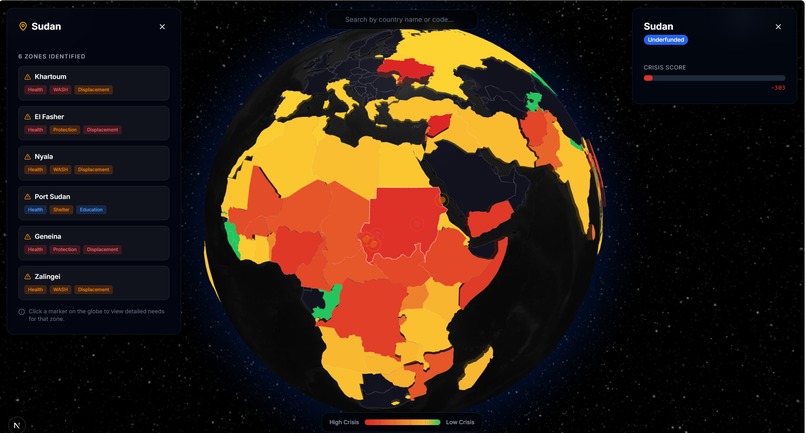
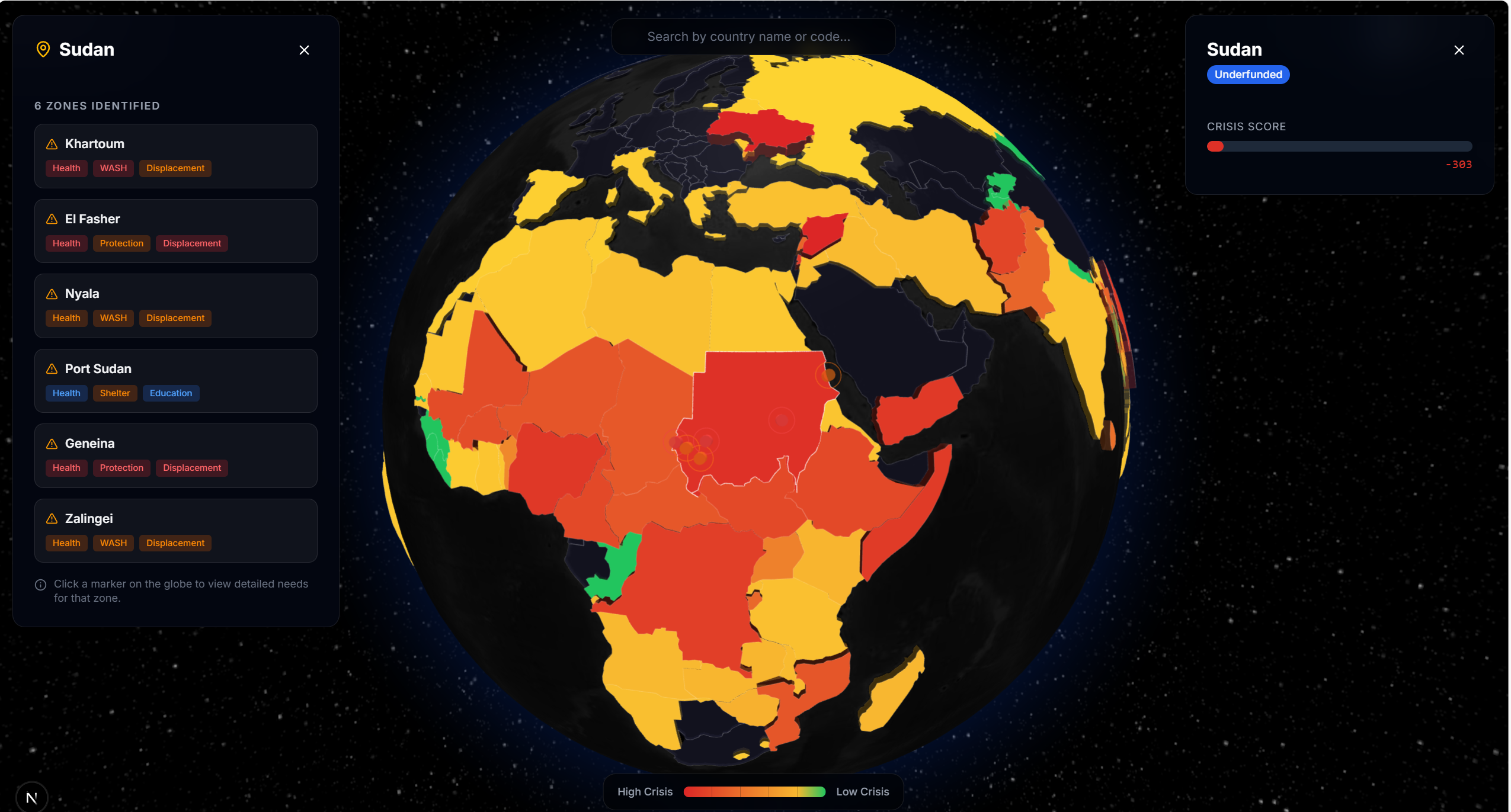
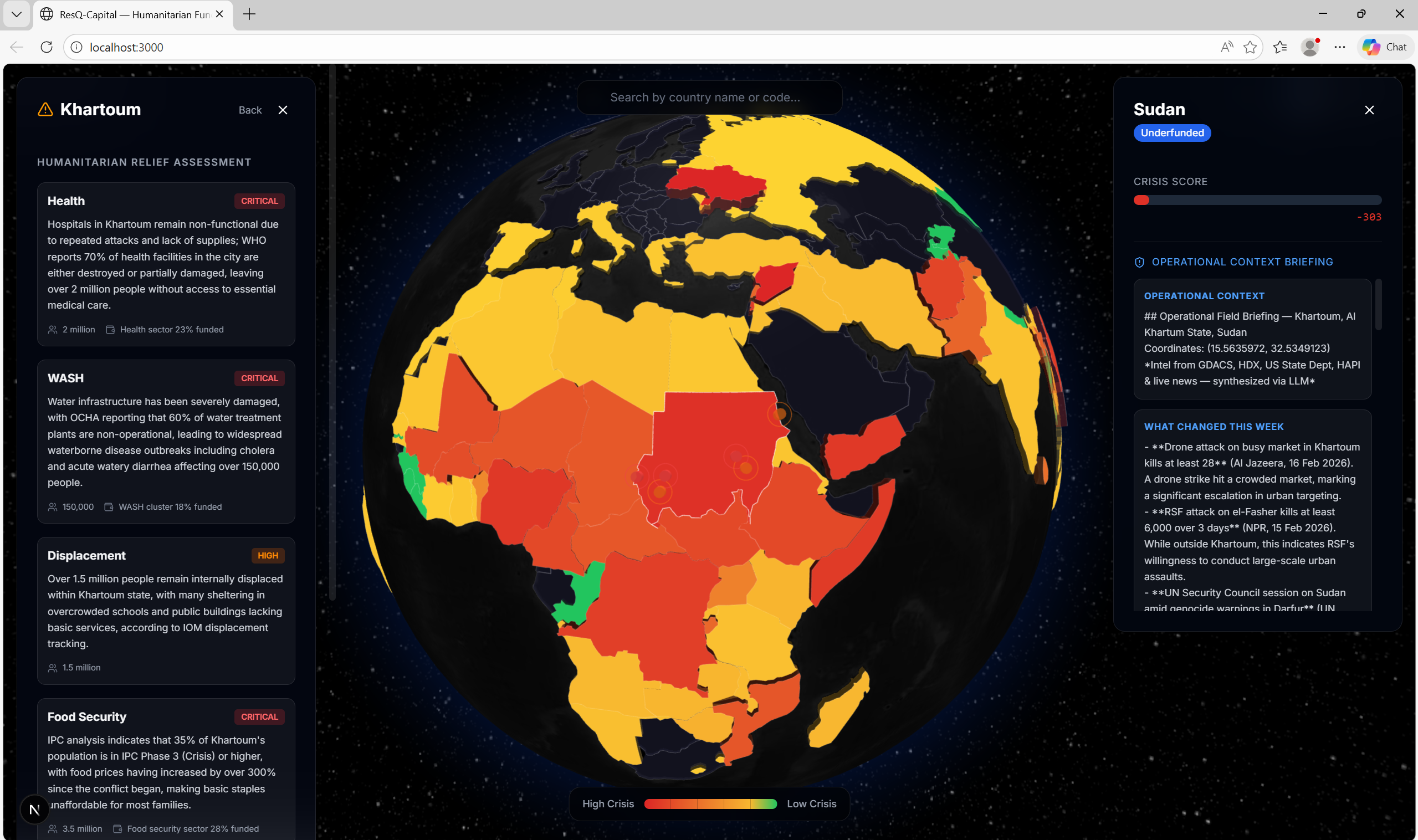
Fund Score + Cities in Need
-
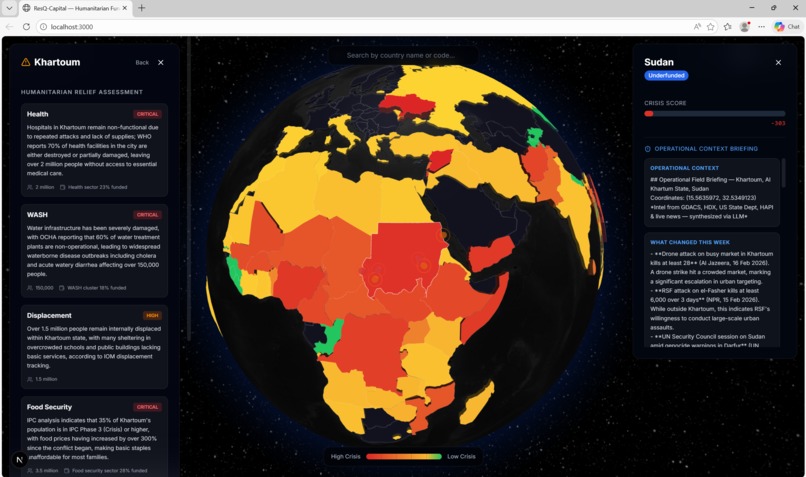
Crises Descriptions
-
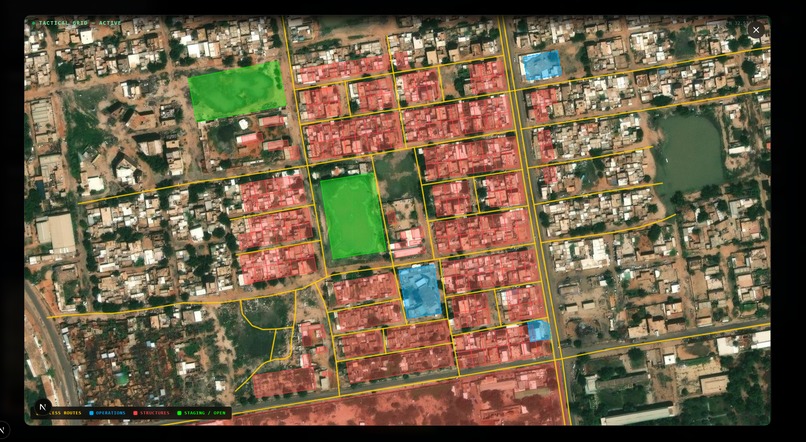
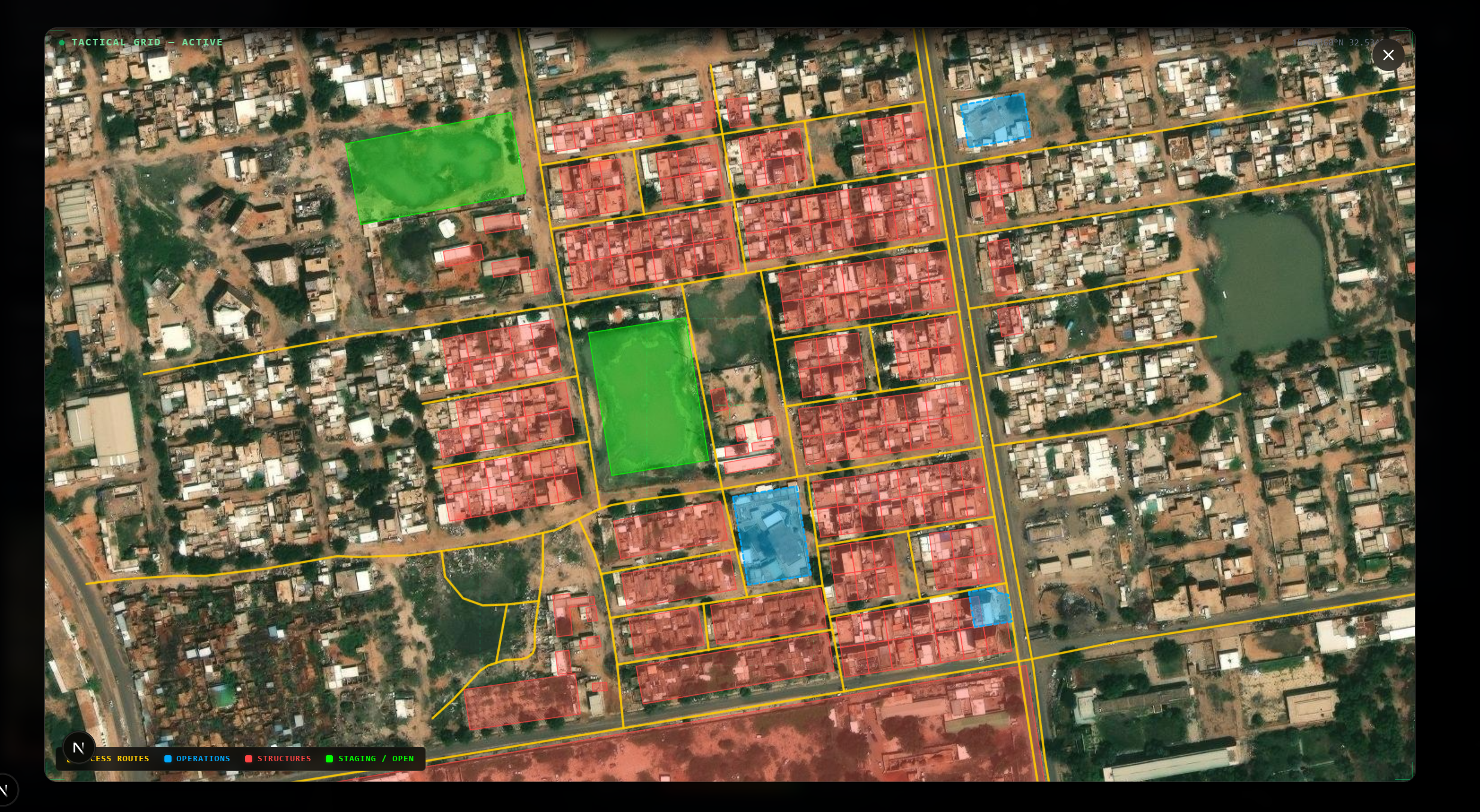
Tactical Overlay
Inspiration
Humanitarian aid distribution is a effort that often suffers from logistical bottlenecks like capital flow to highly publicized processes while critical underlying risks remain chronically underfunded. Because of this we were inspired to treat humanitarian aid like an efficient capital market, identifying these "undervalued" crisis zones and ensuring that when funding is allocated we can also create a logistics plan on the ground to actually distribute that funding.
What it does
ResQ is a platform that maps mismatch between humanitarian needs and funding from corporations like the UN. Once a underfunded zone is identified the platform uses satellite imagery to come up with a way to logistically distribute resources like things like medicine, food, and water. Simultaneously the platform also informs the user of the major issues in that given area so that aid workers can determine which areas to focus on.
How we built it
We built the platform using Databricks data to calculate the funding scores using tons of data points and complex mathematical formulas incorporating concepts like log flattening means and others. Following this once we identify countries in need of critical funding we can do a deeper dive using an Actian VectorAI DB to assess which specific regions within that country are deeply in need of funding and resources. Following this once a region has been identified we can analyze satellite imagery of the area in order to come up with a formulated plan in order to distribute these resources once humanitarian workers arrive on the spot. All of this is tied together using visualizations with NodeJS to incorporate a clean modern looking UI.
Challenges we ran into
Integrating all these technologies together and tying them together into a comprehensive frontend was probably the biggest challenge we ran into and using things like FastAPI to actually communicate between the frontend and the backend components of the project.
Accomplishments that we're proud of
We are most proud of the fact that we successfully built a modular architecture. Rather than a fragile chain we ensured that the image processing pipeline, labelling pipeline, and Databricks backend functioned as standalone features before combining them together into a single unit.
What's next for ResQ
Next we want to expand our crisis models to include real time predictive analytics for things like natural disasters and other technologies in order to determine and identify emerging crisis zones before they hit peak severity so we can render humanitarian aid as efficiently and effectively as possible.
Built With
- databricks
- llava
- node.js
- ollama
- osmnx


Log in or sign up for Devpost to join the conversation.