




1. Inspiration: Where Piano Keys, Brain Wiring, and a Helping Heart Met
For 15 years, the eighty-eight keys of a piano weren't just notes; they were my sanctuary. A place of beautiful logic, emotional release, and predictable calm in a world that often felt chaotic. Living with ADHD gave me a different kind of insight – a deep, personal understanding of sensory overload, the desperate need for focus, and how the digital world can often feel like a sensory minefield.
Then came Crystar, the non-profit I co-founded with fellow students. Working directly with autistic children and their incredible families, I saw their strength, but also their need for tools that truly understood. Resources were scattered, interfaces often jarring, and genuine moments of sensory peace in digital spaces felt rare.
That's where the spark ignited. What if I could weave these threads together? Could I translate the resonant calm I found at the piano into something visual and interactive? Could I use my understanding of sensory needs to build a digital space that felt safe and welcoming? Could I channel the heart of Crystar into a tool that offered both practical support and moments of genuine beauty? Piano Heartbeat Blossom wasn't just an idea; it felt like a calling – a way to build a bridge between my worlds, using technology as the language of empathy.
2. What It Does: A Digital Sanctuary with a Soulful Beat
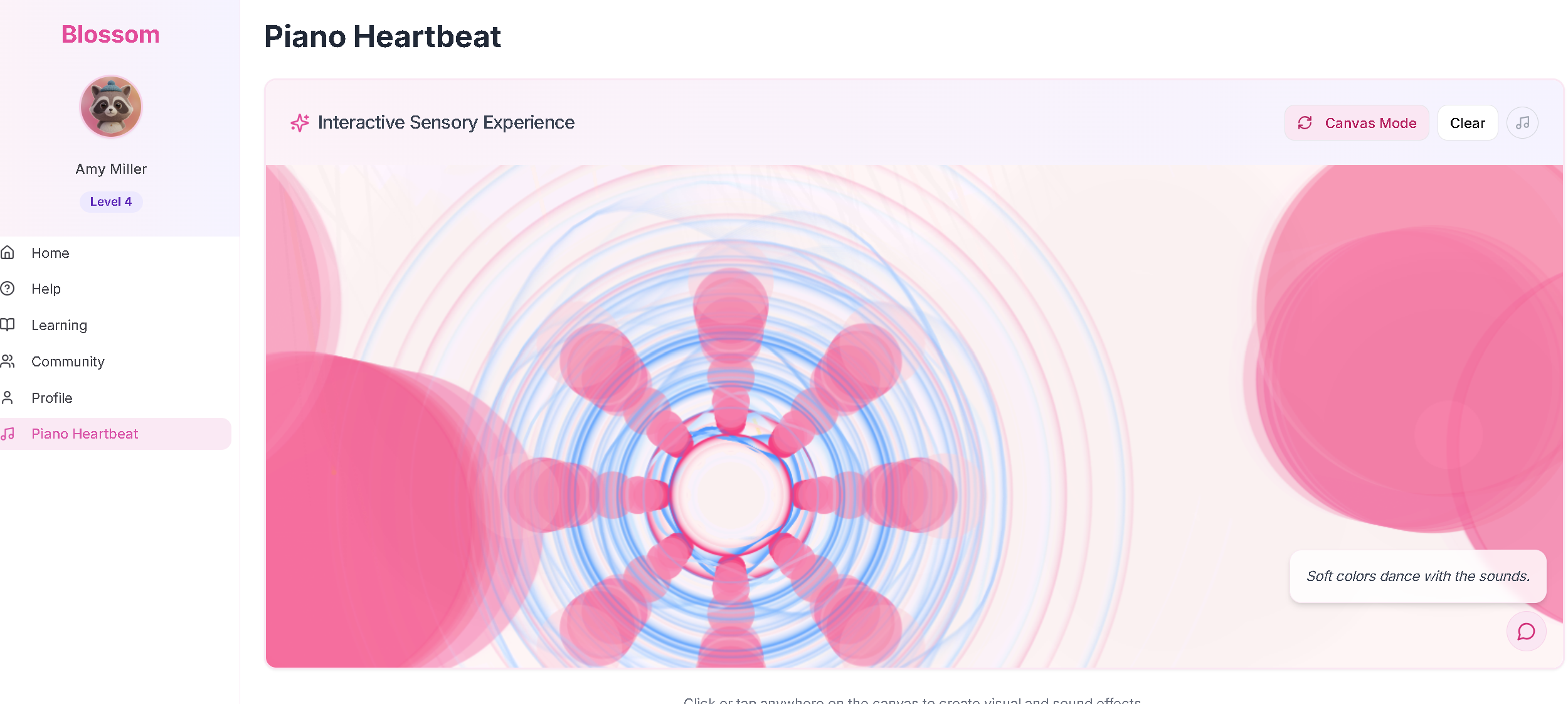
So, what is Piano Heartbeat Blossom? Imagine a warm, welcoming online space designed specifically for autistic children and their families. It's part practical toolkit, part digital canvas for the senses.
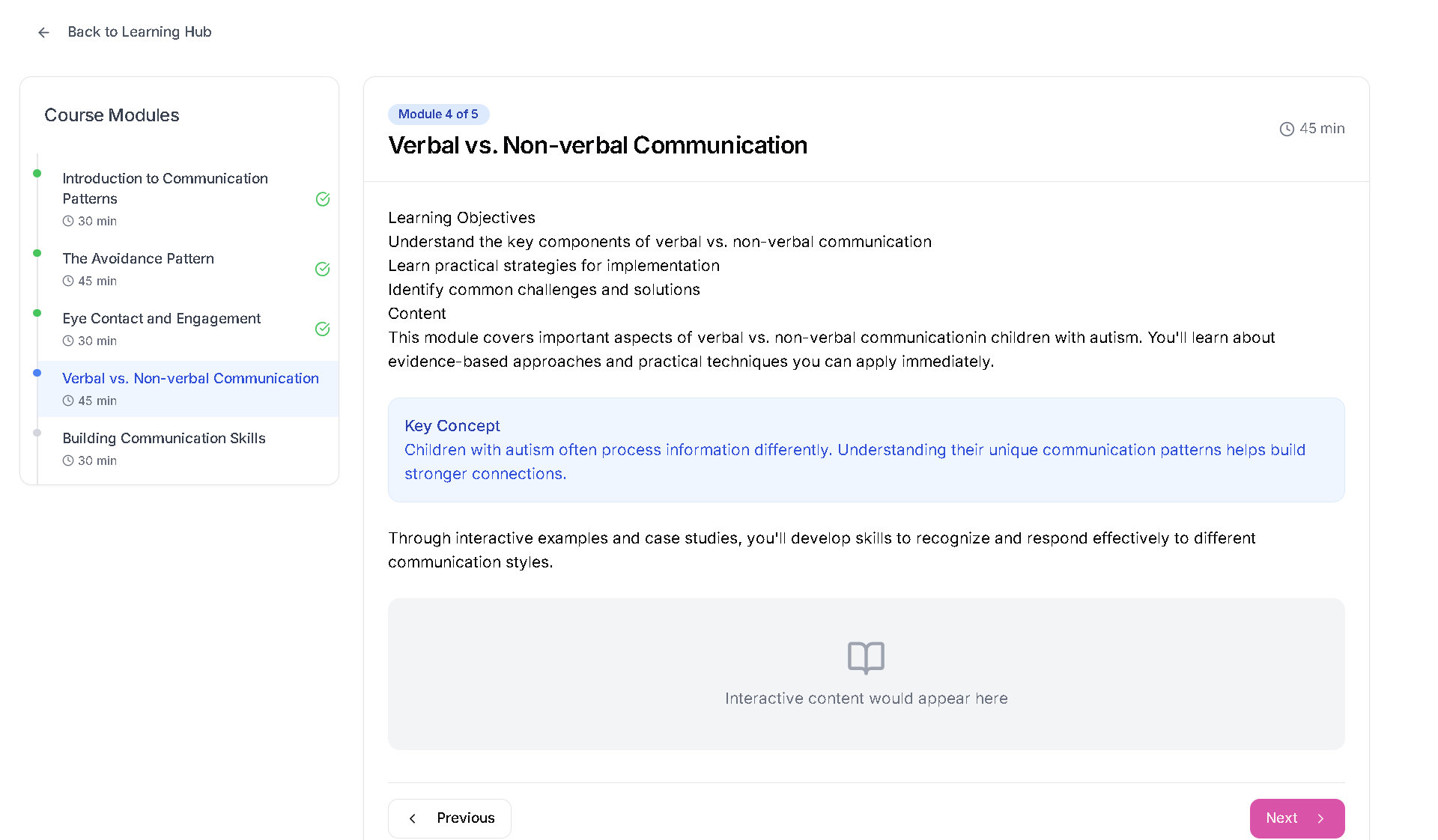
First, it’s the Blossom side: your family's go-to web hub. Think a clear dashboard to track progress visually, easy access to help and resources, engaging learning modules tailored for different needs, and a safe community space to connect with others who get it. It’s about bringing structure and support together, beautifully organized and accessible.
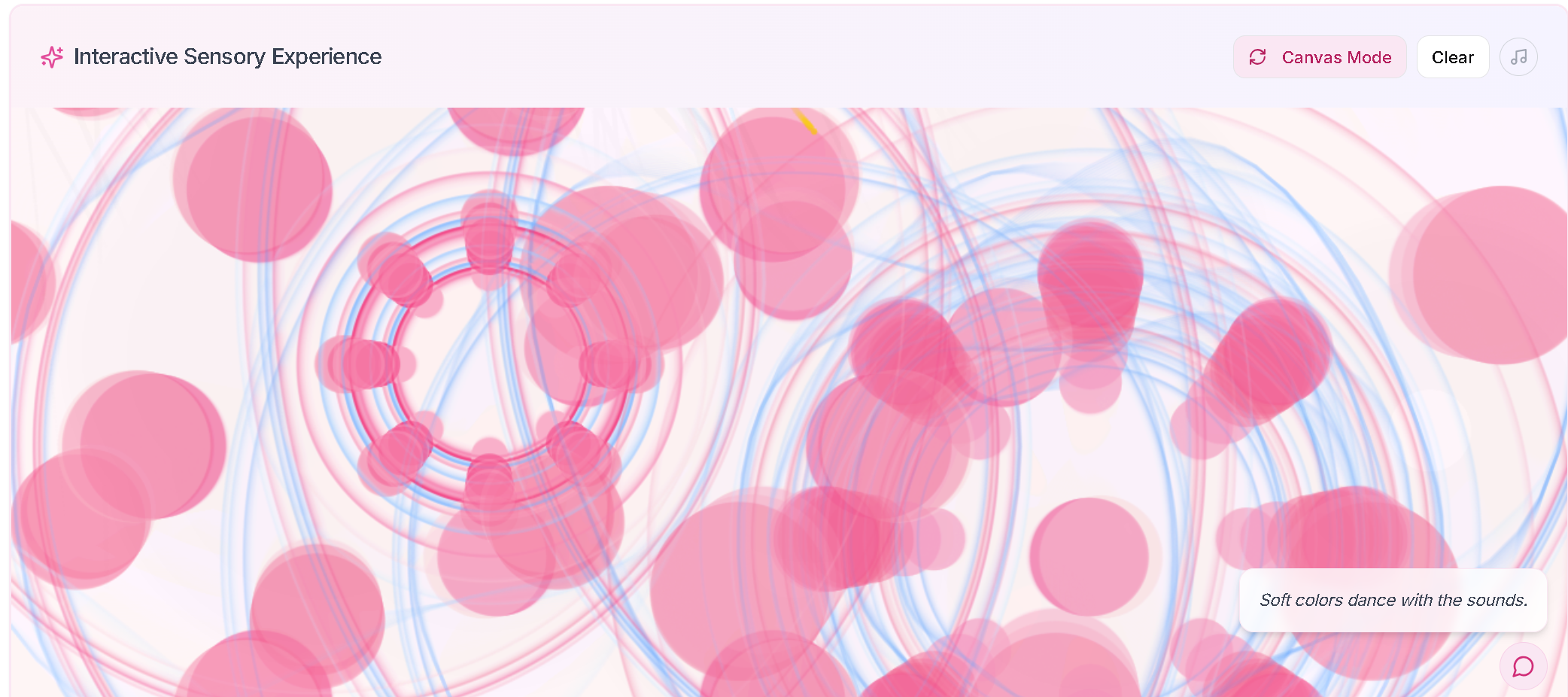
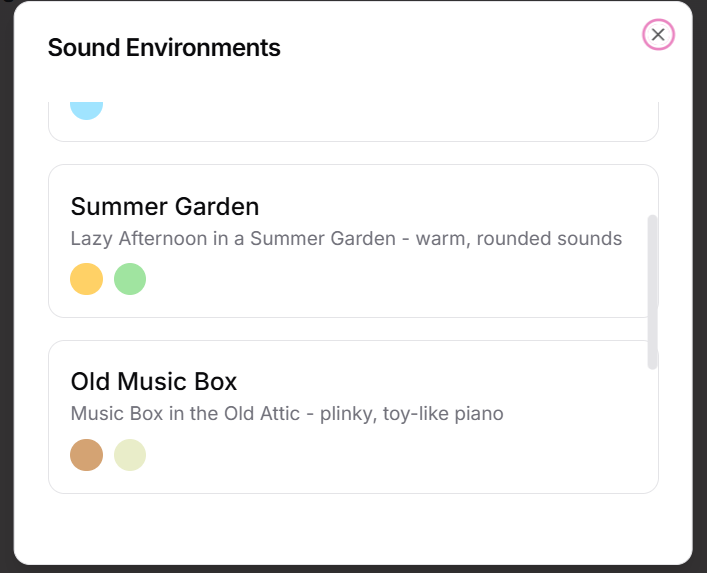
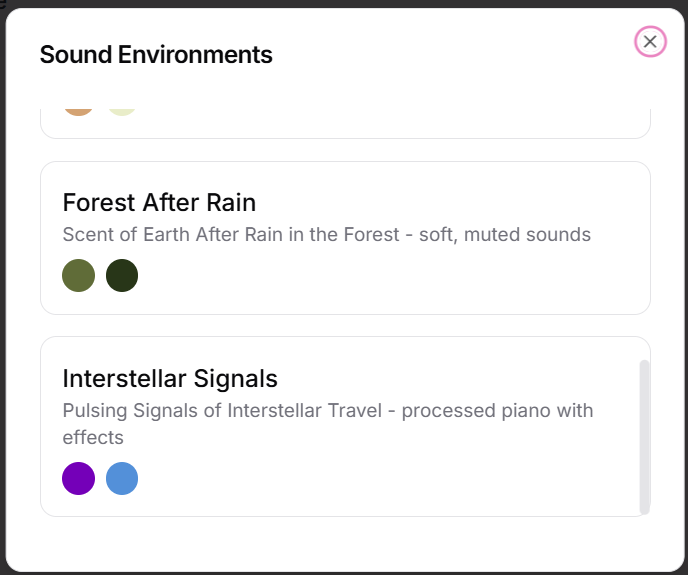
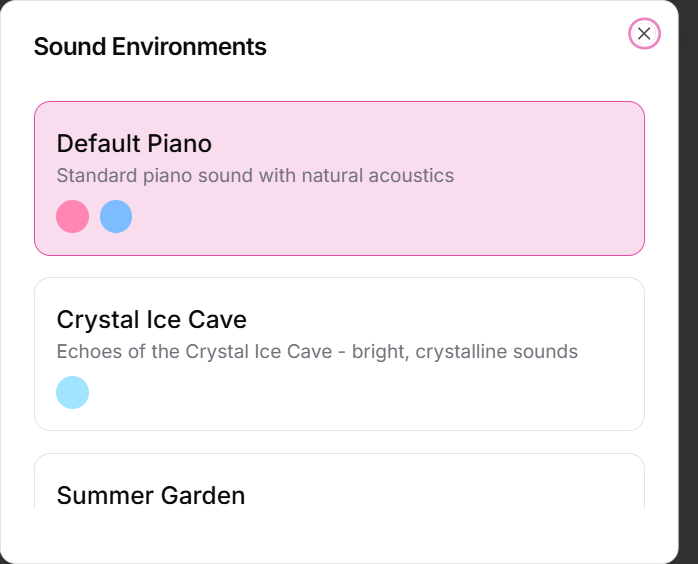
But then, there’s the Piano Heartbeat – the soul of the platform. This is where my heart truly lies. It's a unique, interactive module where simple taps don't just play sounds; they conjure light and motion. I carefully selected and even recorded piano notes that feel calming, and using code, made them blossom into gentle ripples, sparkling particles, or flowing cosmic visuals on screen. It's not a game; it's an invitation to explore, to breathe, to find a moment of peace through a sensory symphony you create yourself. You can even connect a MIDI keyboard to pour your own musical feelings directly onto the screen, or use our AI-powered "Sensory Story Snippets" (powered by Groq's incredible speed!) to get tiny, imaginative narratives inspired by your play. It’s about offering both the roots of support and the petals of sensory joy, all in one place.
3. How I Built It: A Solo Symphony of Code, Keys, and Care
Building Piano Heartbeat Blossom was a solo journey, a one-woman band trying to harmonize quite a few different instruments! The stage was set with modern web technologies:
- Next.js 15: The backbone, chosen for its power and speed, allowing me to build a complex, responsive web app efficiently.
- React, HTML, CSS, JavaScript: The everyday tools for crafting the user interface, making sure the "Blossom" side felt intuitive, clean, and welcoming.
- p5.js: This magical creative coding library was my paintbrush for the "Piano Heartbeat" module. It let me translate sound into those flowing, generative visuals that feel alive.
- Web Audio API: This gave me the fine-tuned control needed to make the piano sounds crisp, resonant, and perfectly timed with the visuals. And yes, many of those core piano sounds are samples I prepared myself, trying to capture just the right feeling.
- Groq API: To sprinkle in some AI magic! I integrated Groq for features like the "Sensory Story Snippets." Its blazing speed was key – I wanted AI interactions that felt instantaneous, not clunky.
But honestly, the most important "tool" was empathy. Every color choice, every animation curve, every interaction was filtered through the lens of: "How would this feel to someone sensitive to sensory input? How can I make this calming, not chaotic? How can I make this supportive, not stressful?" It was less about just writing code, and more about trying to code with kindness.
4. Challenges I Ran Into: The Tightrope Walk of Tech and Tenderness
Oh, there were definitely challenges! Building this solo felt like spinning plates while walking a tightrope sometimes.
- The Integration Puzzle: Getting the very different worlds of the structured Next.js platform and the free-flowing, canvas-based p5.js visuals to talk to each other nicely and feel like one seamless experience? That took some serious head-scratching and architectural juggling.
- The Sensory Dial: Finding that elusive "just right" for the Piano Heartbeat visuals was tough. How much sparkle is engaging versus overwhelming? How fast should ripples move to feel calming but not boring? It involved endless tweaking and trying to put myself in the user's sensory shoes.
- The Solo Scope Creep: When you're passionate, it's easy to want to build everything. Keeping the scope realistic for a hackathon while still delivering on the core vision required some tough choices and late-night focus sessions.
- The Weight of Responsibility: Designing for autistic children and their families isn't just another coding project. There’s a weight of responsibility to get it right, to be truly helpful, and to ensure the AI elements were safe, positive, and respectful. That kept me grounded and focused.
5. Accomplishments That I'm Proud Of: More Than Just Code
Looking at Piano Heartbeat Blossom now, even in its current form, I feel a quiet sense of pride.
- Bringing the Vision to Life (Solo!): Just managing to wrangle all the different pieces – the support platform, the sensory module, the AI integration – into a cohesive whole as a solo developer feels like a huge win.
- The Fusion Felt Real: I'm genuinely proud of how the project feels like an authentic blend of me – the pianist, the person with ADHD, the non-profit co-founder, the coder. It doesn't feel forced; it feels like the different parts of my life found a way to sing together.
- That Piano Heartbeat Magic: Seeing those visuals respond instantly and beautifully to the piano sounds... it still gives me a little thrill. It feels like I captured a little piece of that musical sanctuary I wanted to share.
- Building with Purpose: More than any specific feature, I'm proud that I tried to build something with heart, aimed at genuinely helping a community I care deeply about through Crystar. It feels meaningful.
6. What I Learned: Empathy as an Algorithm
This weekend wasn't just about learning new Next.js features or mastering p5.js animations (though I definitely did!). It was so much more:
- Coding with Compassion: I learned that empathy isn't just a soft skill; it's a crucial design principle, especially when building for specific needs. It influences technical choices, UI design, and even how you write placeholder text.
- My Perspective is a Superpower: My own experiences with piano and ADHD weren't limitations; they were the unique lenses that allowed me to see this specific problem and envision this specific solution. Embracing your unique background is innovation.
- The Solo Hustle: I learned a ton about project management, prioritization, and just plain grit when you're the entire team!
- Tech for Good Isn't Cheesy: It felt genuinely rewarding to channel my technical skills towards a mission I believe in. It reaffirmed my desire to keep exploring how technology can be used not just for efficiency or entertainment, but for connection, understanding, and well-being. This project is just the beginning of that exploration for me and for Crystar.
Built With
- css3
- groq
- html5
- javascript
- midi.js
- mp3
- p5.js
- webaudioapi



Log in or sign up for Devpost to join the conversation.