-
-
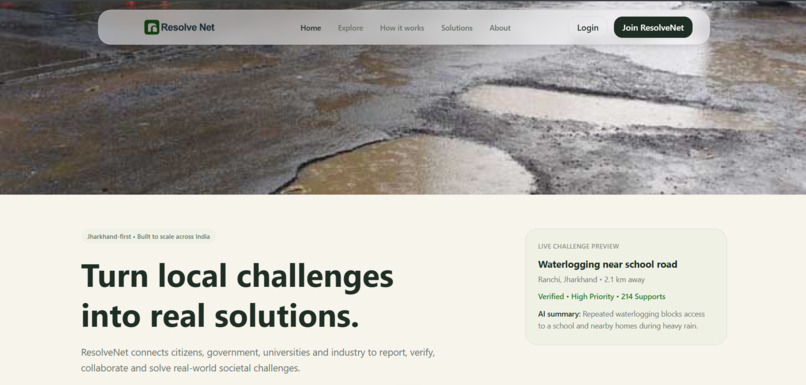
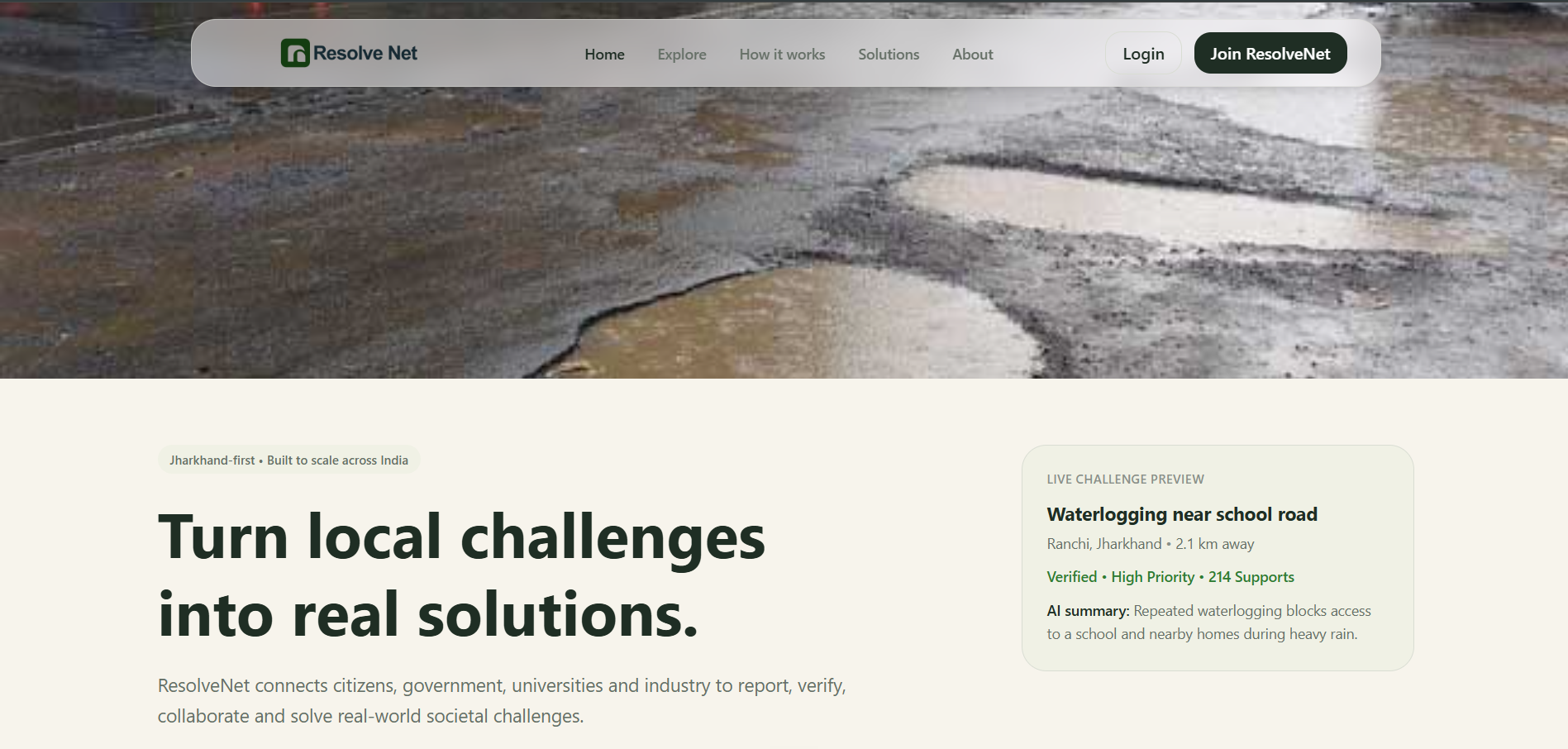
Home page of our website
-
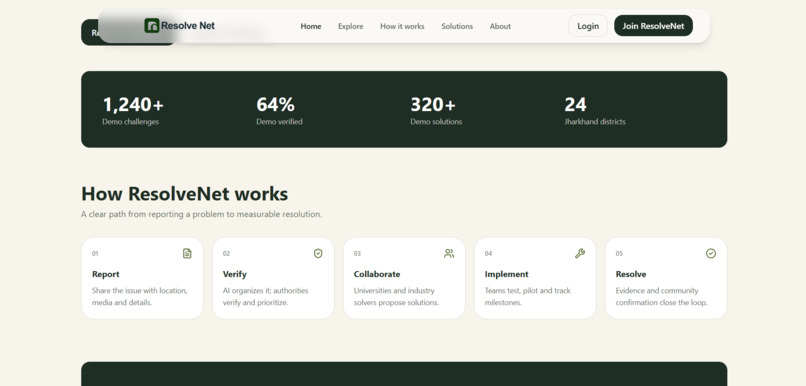
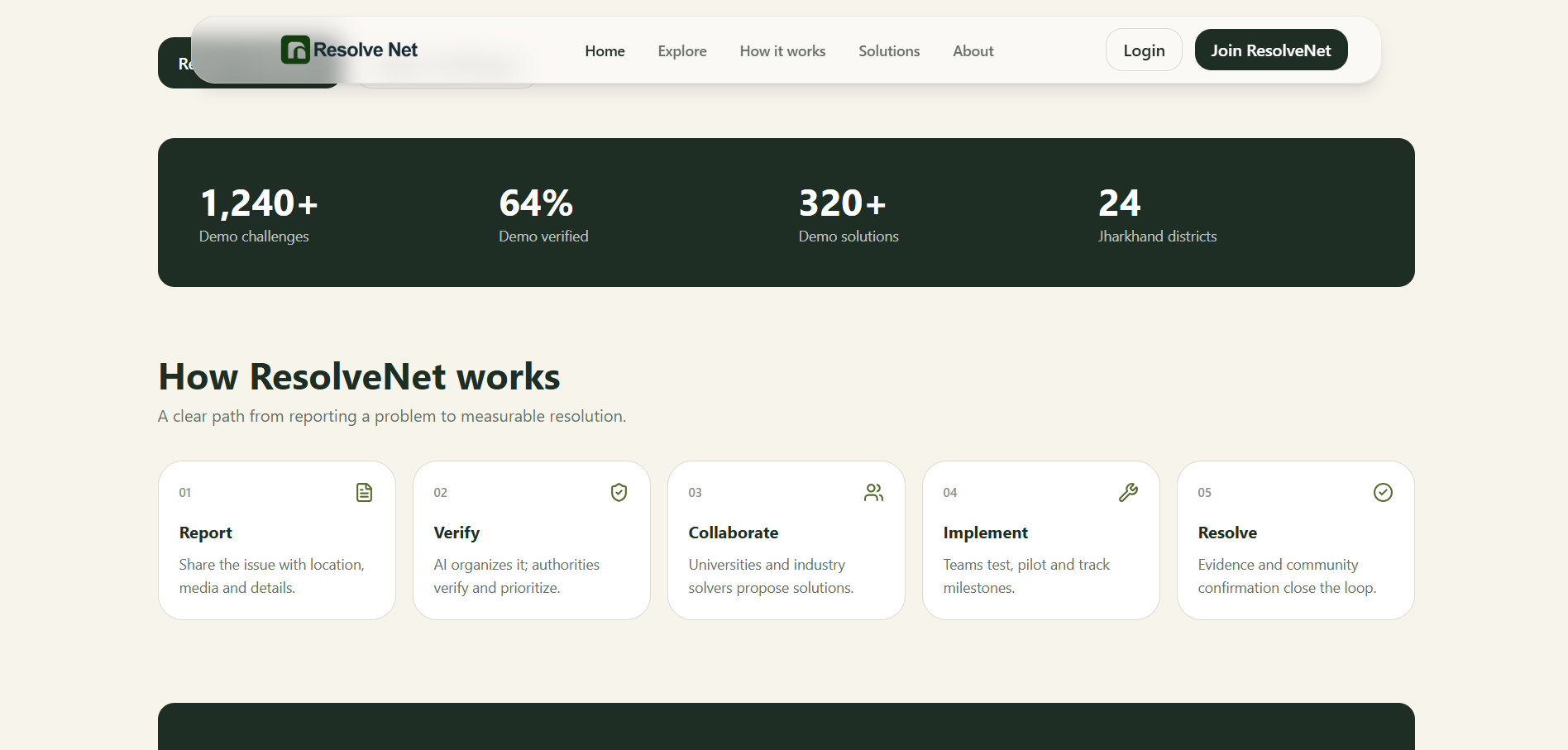
The additional information in our website
-
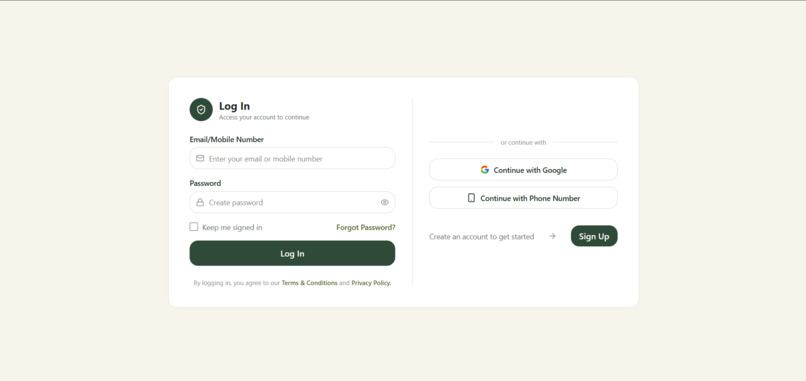
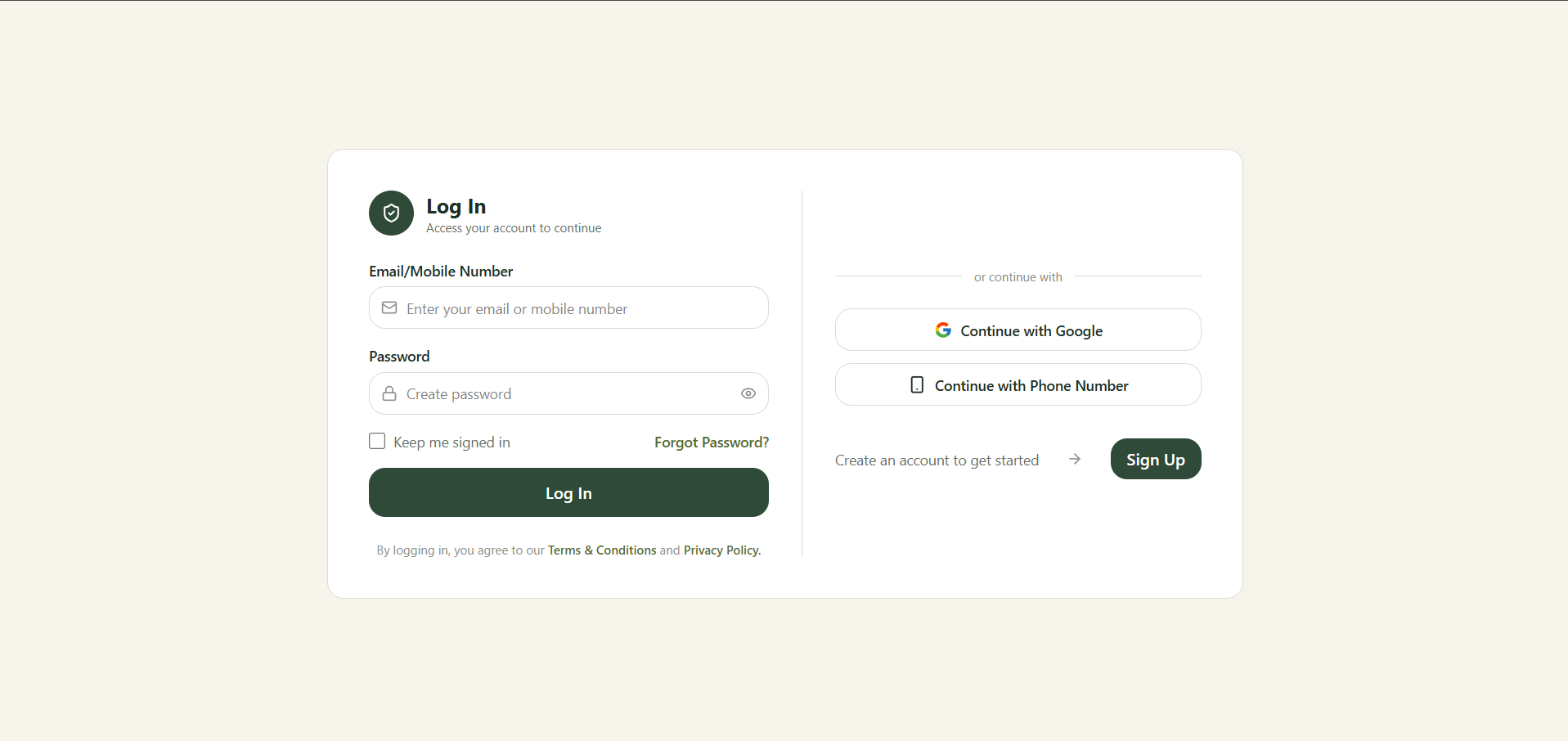
This is the login page where user can login or register as a new with there email or direct google authentication
-
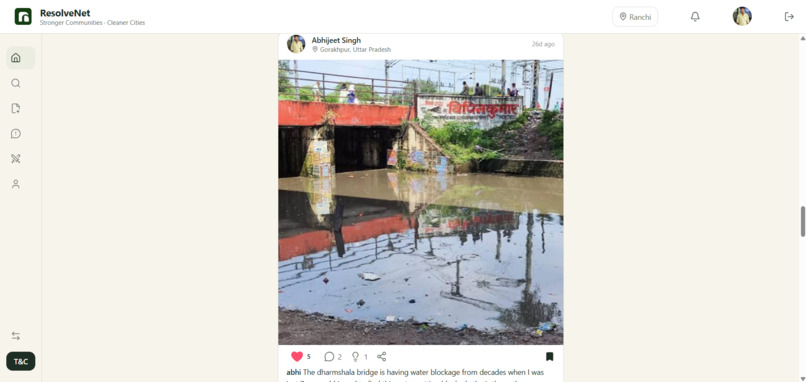
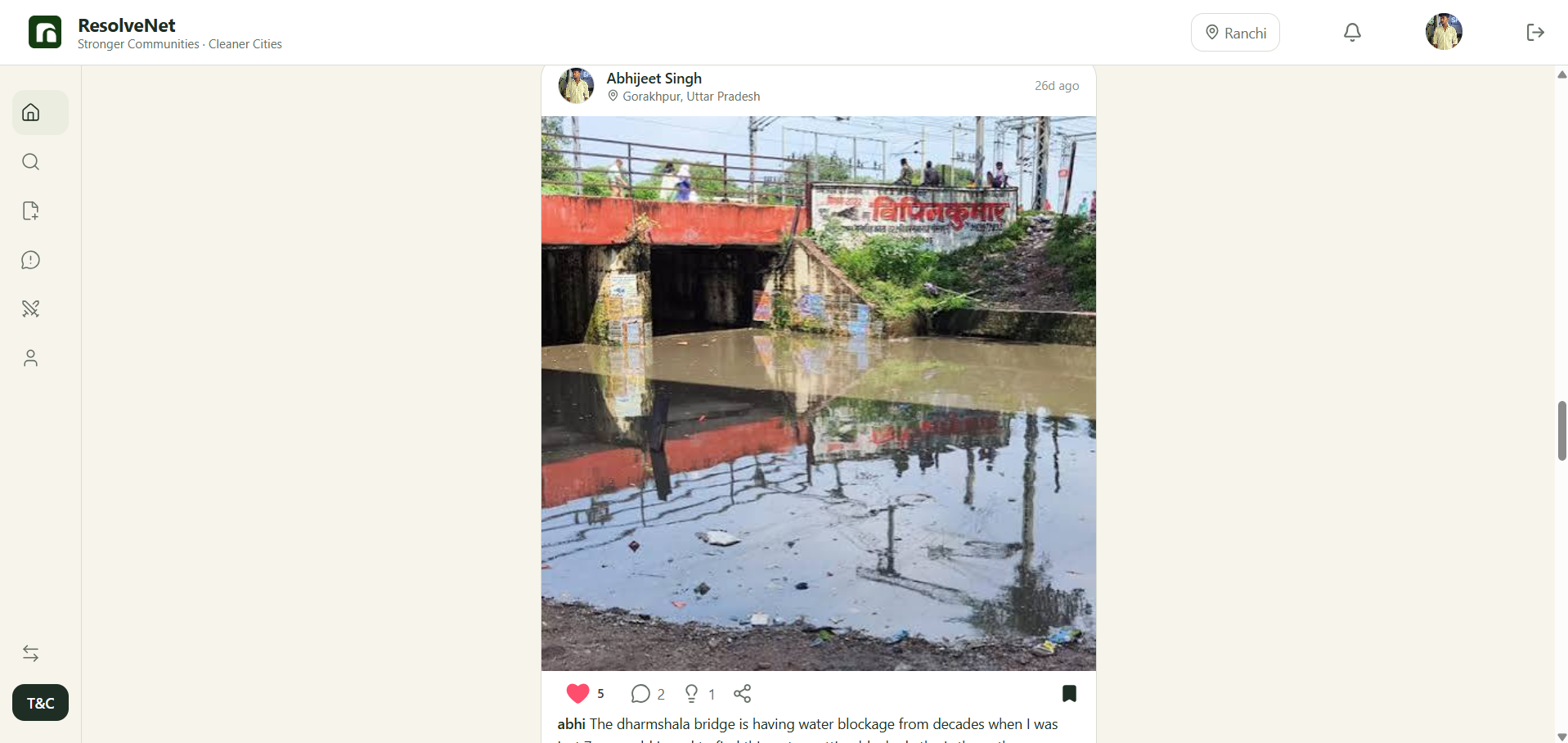
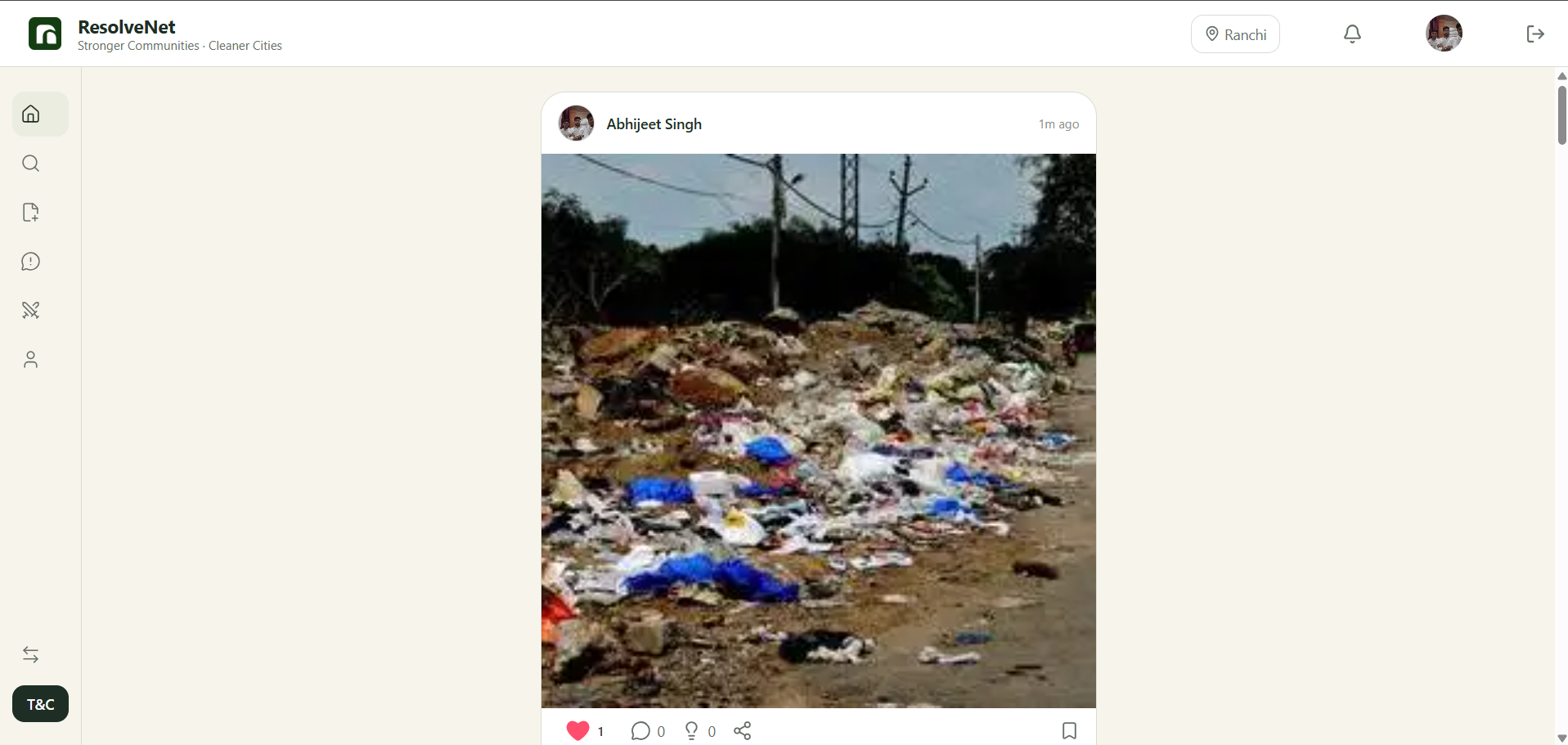
Citizen's complaint post feed, Where the citizens can see the other people complaint and support as well as agree with them.
-
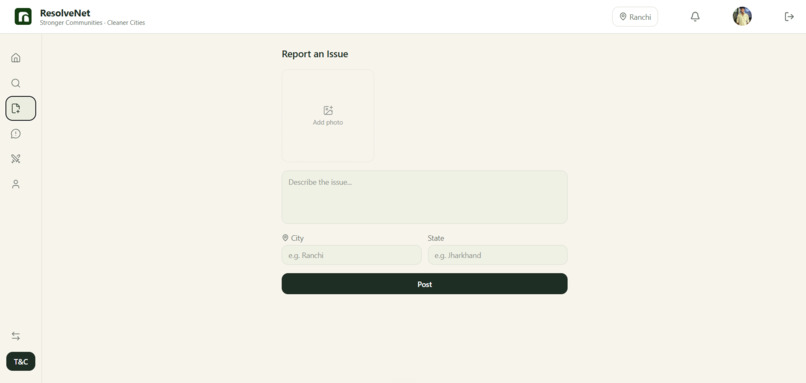
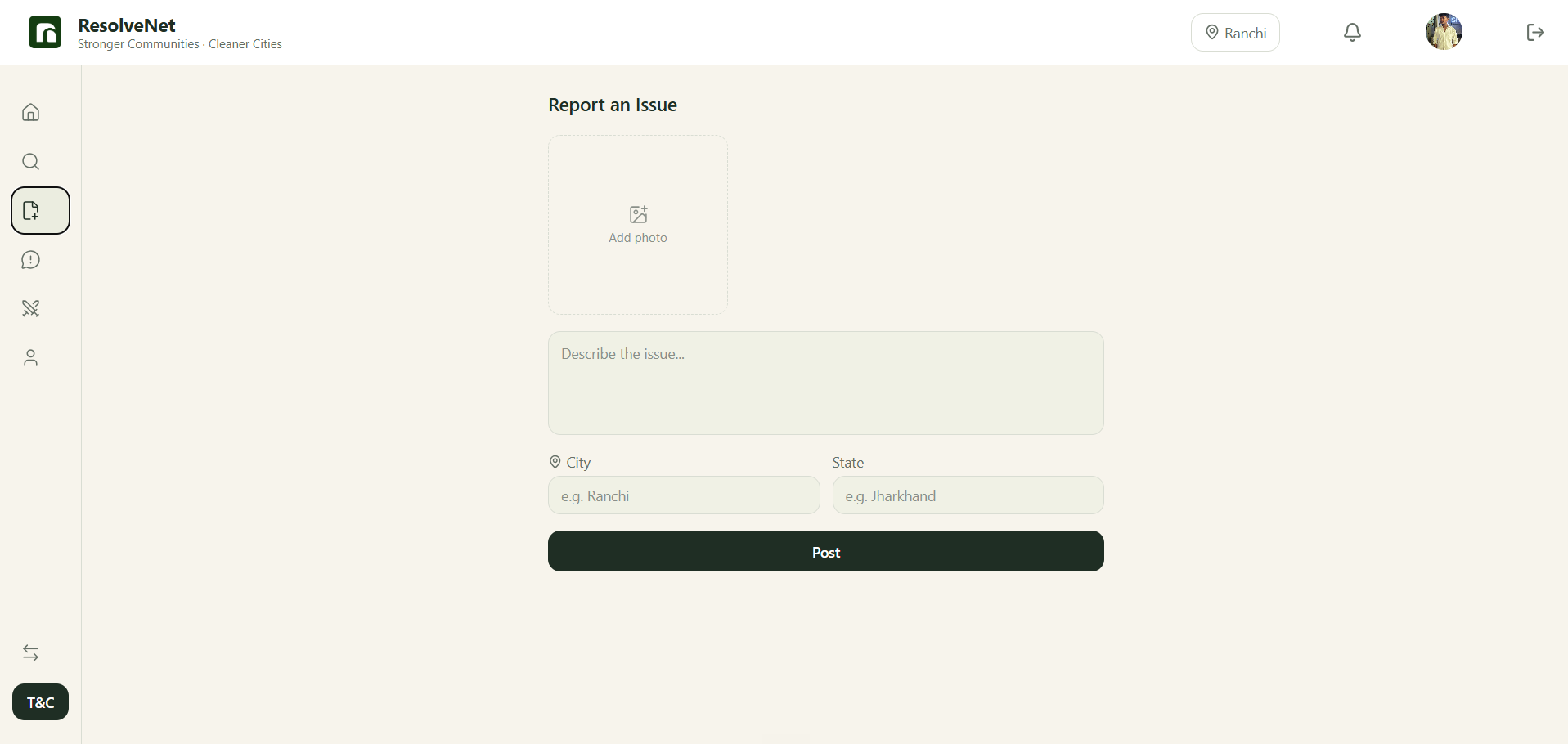
Here citizen's can register complain about there problem with the image attachment .
-
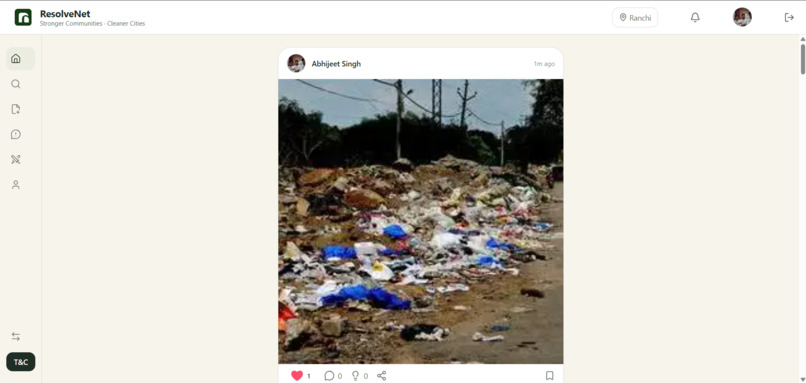
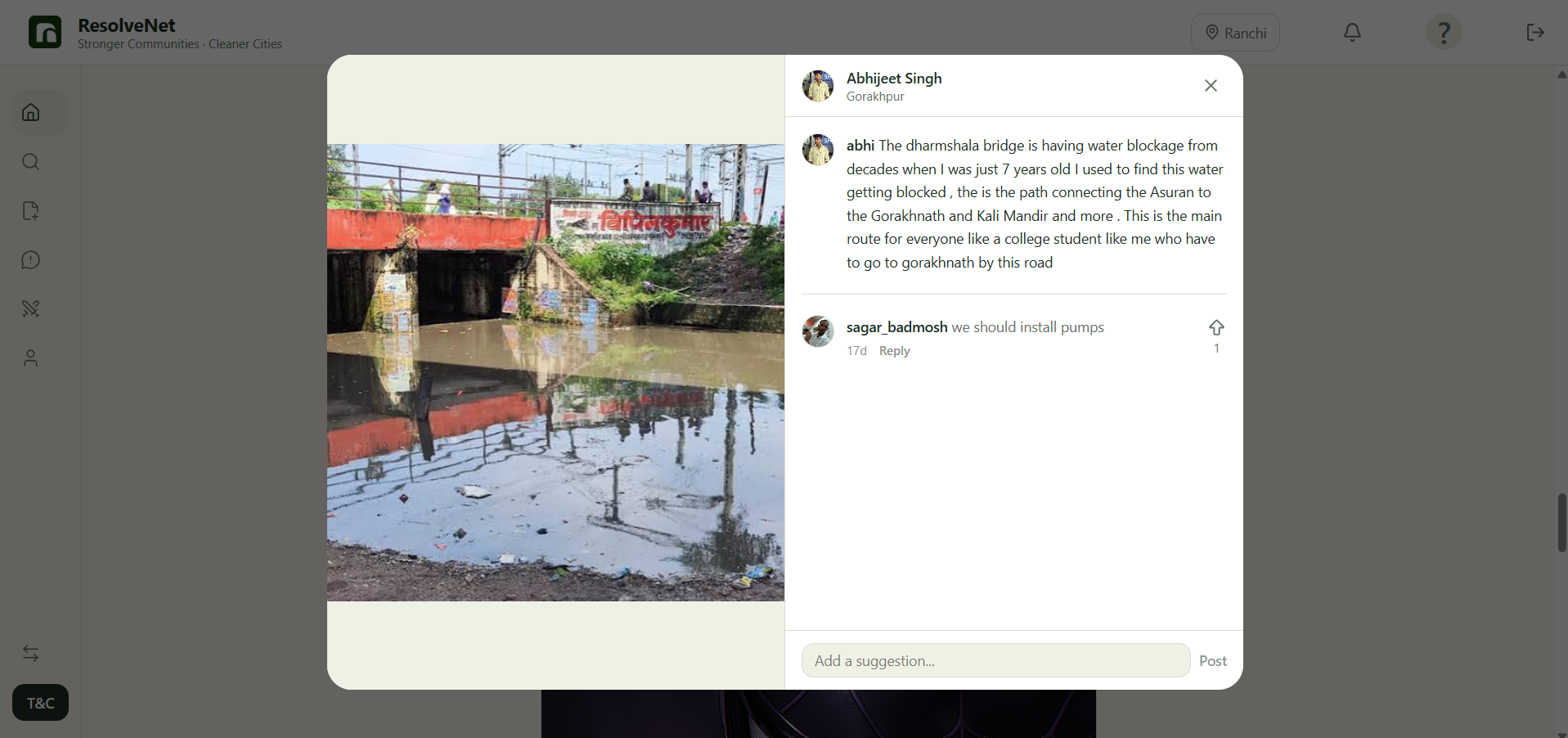
In this feed citizens can suggest idea and Government and Industry can work together to solve a problem.
-
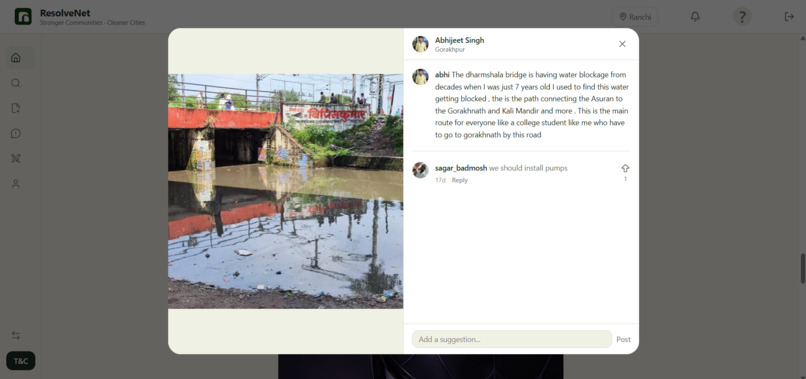
This the idea box where any citizens or the University can suggest solution and then Government and the Industry can work together to solve.
-
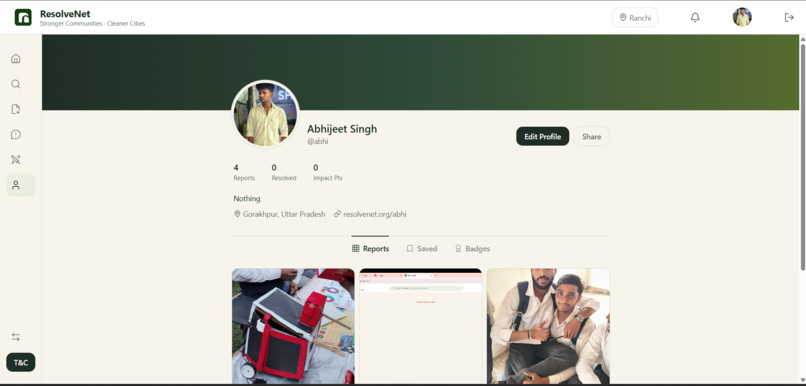
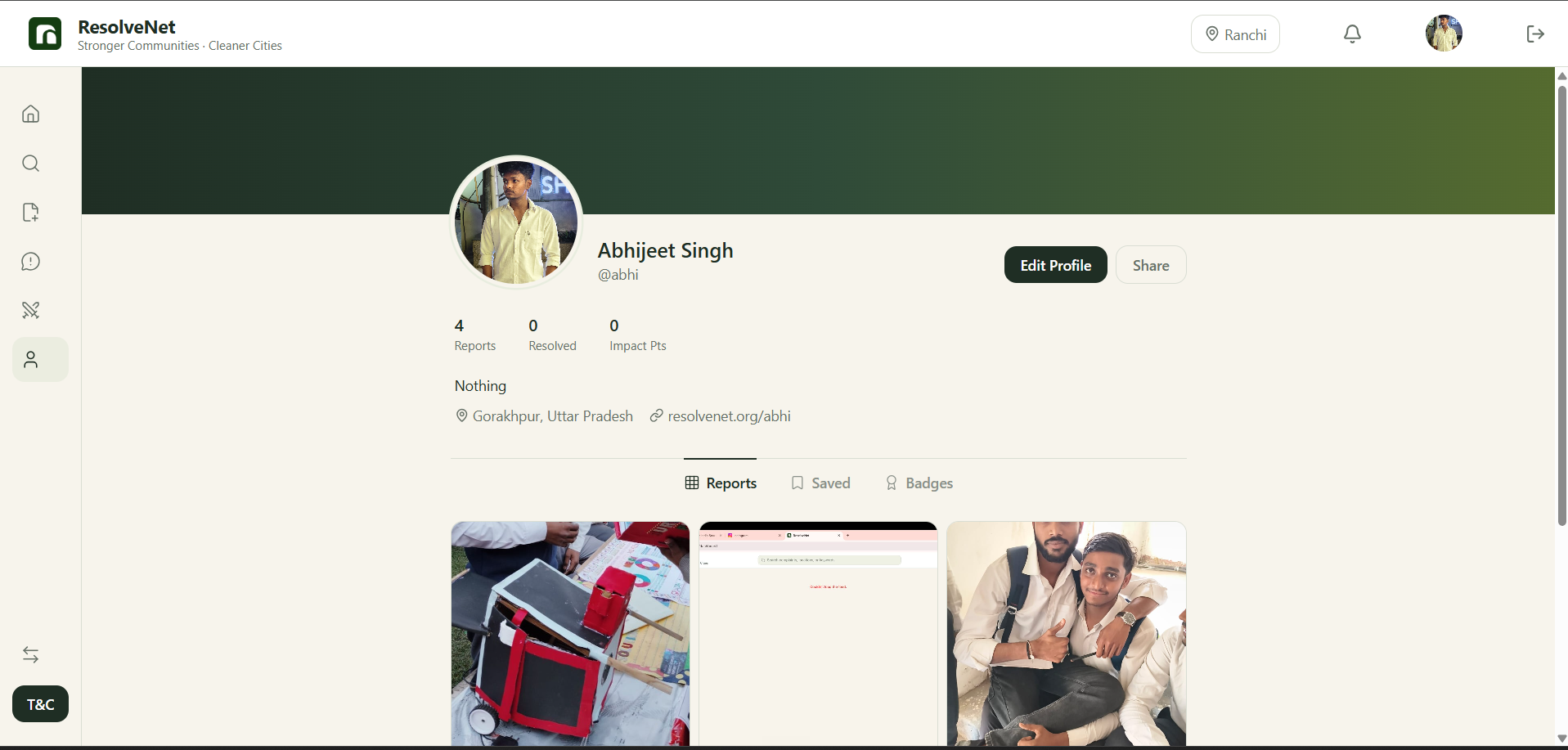
This is the user profile where he can see how much posts does he have as well as view and edit there profile details.
-
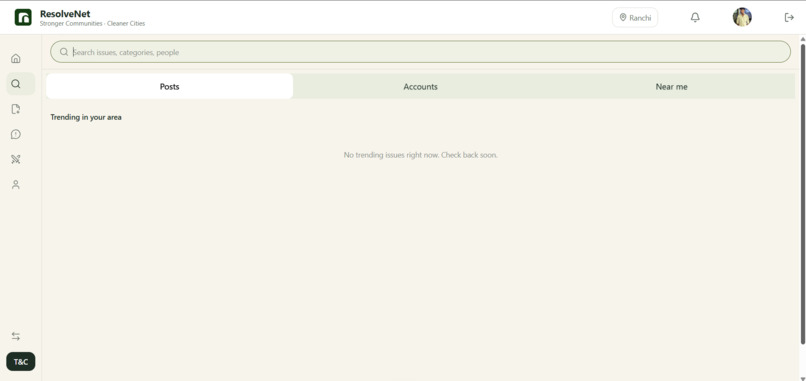
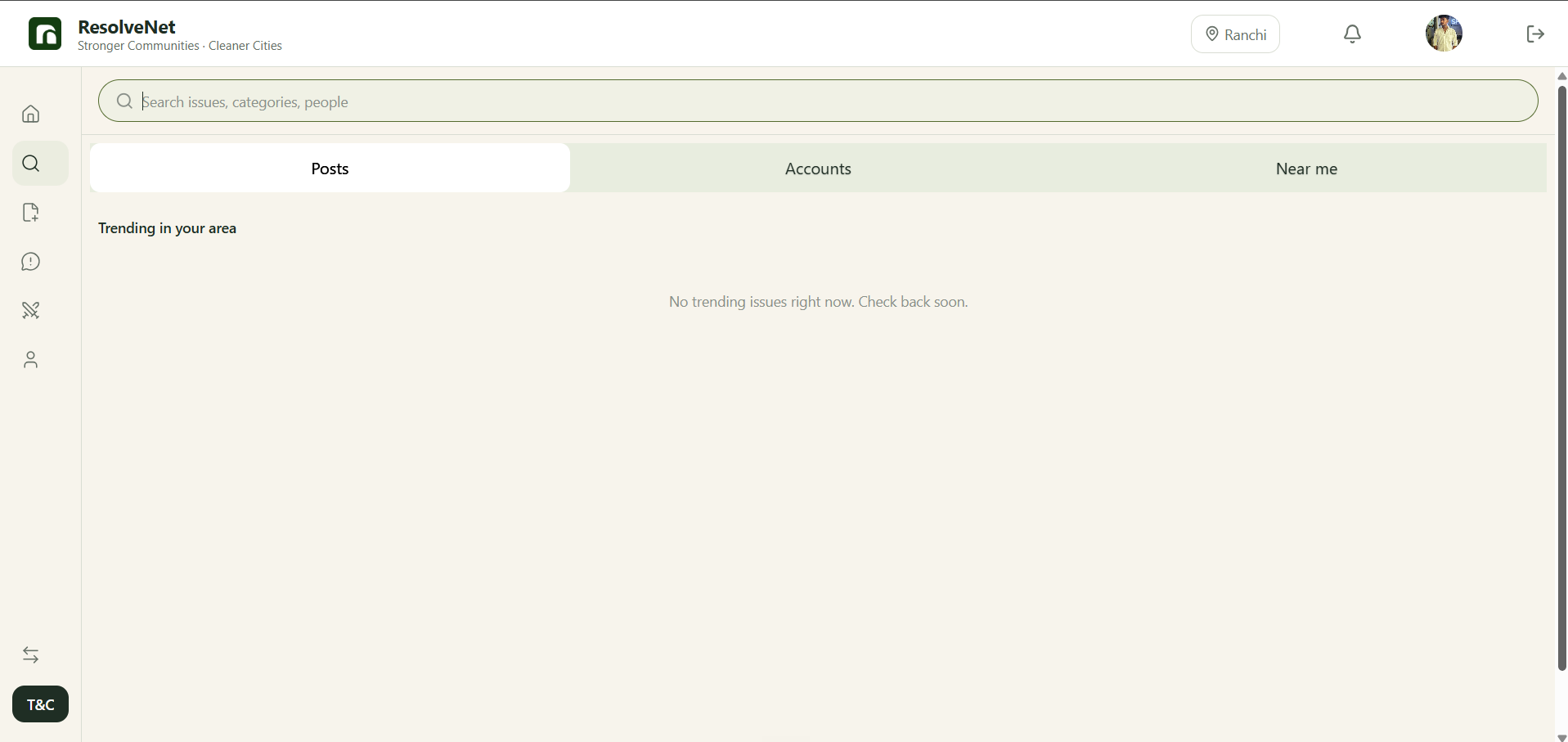
Here user can search posts and a other user as well as trending problem near there area.
ResolveNet — Connecting Challenges. Creating Solutions.
Inspiration
We came up with ResolveNet after thinking about how many problems affect our communities every day, from damaged roads and waste management to water wastage and poor public infrastructure. Often, identifying a problem is not the hardest part; getting it to the right people and turning it into a practical solution is.
We wanted to create a platform that connects people who experience these problems with the authorities, students, researchers, and industry experts who can help solve them. Instead of simply collecting complaints, ResolveNet aims to create a path from identifying a problem to collaborating on a solution.
What It Does
ResolveNet is an AI-enabled civic problem-solving platform designed to make collaboration easier and more effective.
- *Problem Reporting: Allows citizens to report local issues with descriptions, photos, and location details.
- *AI-Assisted Analysis: Helps organize reports, categorize problems, summarize information, and identify potentially duplicate issues.
- *Verification: Supports the review of reported problems before they move toward resolution.
- *Collaboration: Connects challenges with students, universities, researchers, and industry experts who may be able to contribute solutions.
- *Progress Tracking: Helps participants follow the progress of a challenge and understand the steps being taken toward a solution.
The main idea is to ensure that reporting a problem becomes the beginning of a solution, not the end of the process.
How We Built It
We designed ResolveNet with a modular architecture that can support different users, workflows, and future improvements.
- *React: Used to build the interactive user interface.
- Django and Django REST Framework:* Intended to handle backend logic, APIs, and application workflows.
- *PostgreSQL: Used or planned for managing structured application data, reports, and project information.
- *AI Integration: Planned capabilities include report classification, summarization, duplicate detection, and intelligent matching.
- *PostGIS: Can support future location-based analysis of reported problems.
Our focus is on bringing reporting, verification, collaboration, and progress tracking into one connected platform.
Challenges We Faced
- *Different User Needs: Designing a platform that works for citizens, authorities, researchers, and industry partners requires different workflows and responsibilities.
- *Unstructured Information: Reports can be incomplete, unclear, or repetitive, making organization and verification important.
- *Moving Beyond Reporting: Creating a pathway from identifying a problem to developing and implementing a solution requires more than a simple complaint form.
- *Planning for Growth: We considered how the platform could support additional features without making the overall system unnecessarily complicated.
These challenges encouraged us to focus on usability, structured information, and a system that can evolve over time.
What We Learned
- We learned to approach software development by understanding the real problem before deciding on the technology.
- We explored how frontend development, backend APIs, databases, AI, and geospatial capabilities can work together.
- We understood the importance of designing for multiple stakeholders rather than focusing on a single type of user.
- We learned that AI should support human decision-making, especially when reports require verification and prioritization.
Most importantly, we realized that technology becomes valuable when it helps people collaborate and turn ideas into meaningful action.
What's Next?
Our vision is to develop ResolveNet into a platform that makes civic or local problem-solving more connected, transparent, and accessible. No problem should be ignored , everyone has the rights to live a good life and there every problem should be solved
Future improvements could include:
- More advanced AI-assisted analysis and prioritization.
- Better matching between challenges and potential contributors.
- Dedicated dashboards for different stakeholders.
- Clearer project milestones and progress updates.
- Tools to measure the impact of implemented solutions.
- Make the system scalable for millions of user.
We believe that solving societal problems requires more than identifying what is wrong. It requires bringing together the right people, knowledge, and resources.
ResolveNet aims to make that connection possible — turning shared challenges into collaborative solutions.
Built With
- django
- django-rest-framework
- pgvector
- postgresql
- react
- supabase


Log in or sign up for Devpost to join the conversation.