Inspiration
Most agent demos show the final answer. Real operations need to know what happened before that answer: which route was tried, why fallback was used, what risk was detected, where a human had to approve, and what evidence the next operator can trust.
What it does
Resilient AgentOps Gateway turns agent execution into a reviewable operations surface with route decisions, fallback timeline, decision contract, Gateway I/O contract, cost estimate, human approval gate, evidence receipts, TrueFoundry challenge-fit summary, and a handoff packet for the next human or agent.
How it was built
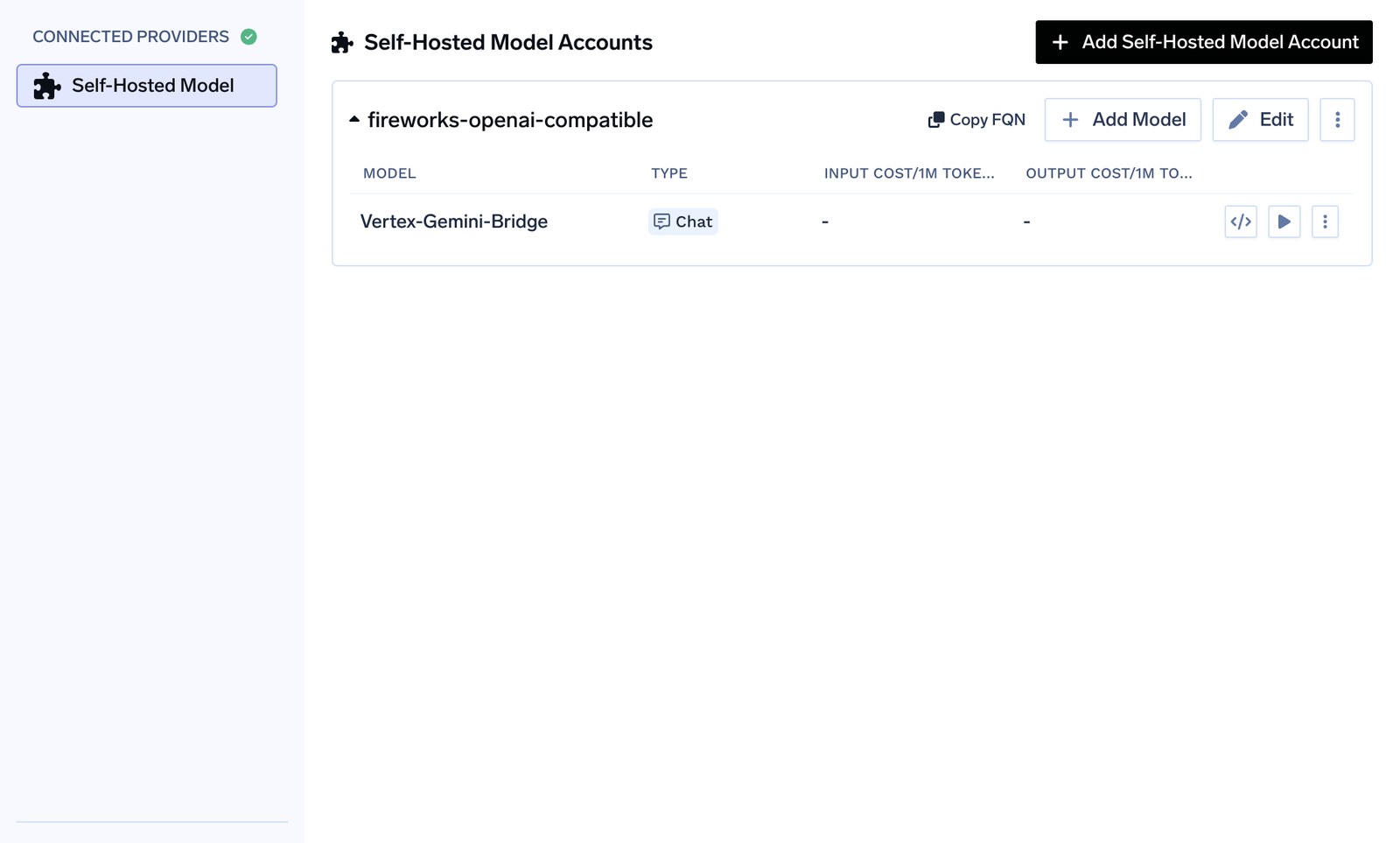
The MVP is a deterministic operations cockpit deployed on GitHub Pages. It includes a sample event model, fallback timeline, handoff packet, decision contract, Gateway I/O contract, public screenshots, demo video, Playwright verification, strict no-secrets and claim-boundary checks, a TrueFoundry smoke request script, a Vertex-to-OpenAI-compatible local bridge script, and a sanitized live TrueFoundry Gateway response proof.
What is proven
- Public app: https://daideguchi.github.io/resilient-agentops-gateway/
- GitHub: https://github.com/daideguchi/resilient-agentops-gateway
- Demo video asset: https://raw.githubusercontent.com/daideguchi/resilient-agentops-gateway/main/media/resilient-agentops-gateway-demo.mp4
- TrueFoundry dashboard proof: https://raw.githubusercontent.com/daideguchi/resilient-agentops-gateway/main/media/truefoundry-gateway-proof.png
- TrueFoundry response proof: https://raw.githubusercontent.com/daideguchi/resilient-agentops-gateway/main/media/truefoundry-gateway-response.json
- Gateway I/O contract: https://raw.githubusercontent.com/daideguchi/resilient-agentops-gateway/main/docs/GATEWAY_IO_CONTRACT.md
- Submission package: https://raw.githubusercontent.com/daideguchi/resilient-agentops-gateway/main/SUBMISSION_PACKAGE.md
Challenges
The biggest challenge was avoiding platform overclaiming. The product scenario is simulated, while the integration proof is intentionally narrow: one real TrueFoundry Gateway chat-completion request, stored as sanitized response metadata plus a dashboard proof screenshot.
What I am proud of
The project treats recovery as part of the product, not an implementation detail. It shows the path, the approval point, the evidence, and the handoff so a human or a later AI agent can understand whether the final answer should be trusted.
What's next
Next, the gateway should ingest live agent traces, compare model routes across providers, attach signed audit receipts, and support policy-specific approval rules for production teams.
Built With
- css
- gateway-i/o-contract
- github
- html
- javascript
- playwright
- python-verification-scripts
- truefoundry-ai-gateway

Log in or sign up for Devpost to join the conversation.