Inspiration
With the increase of natural catastrophes' intensity and the need for larger and taller buildings, VR is an interesting tool to cut costs and ensure safety, allowing to test a building's integrity before starting to build it.
What it does
The headset would probably need to be plugged to a PC with a high-end graphics card.
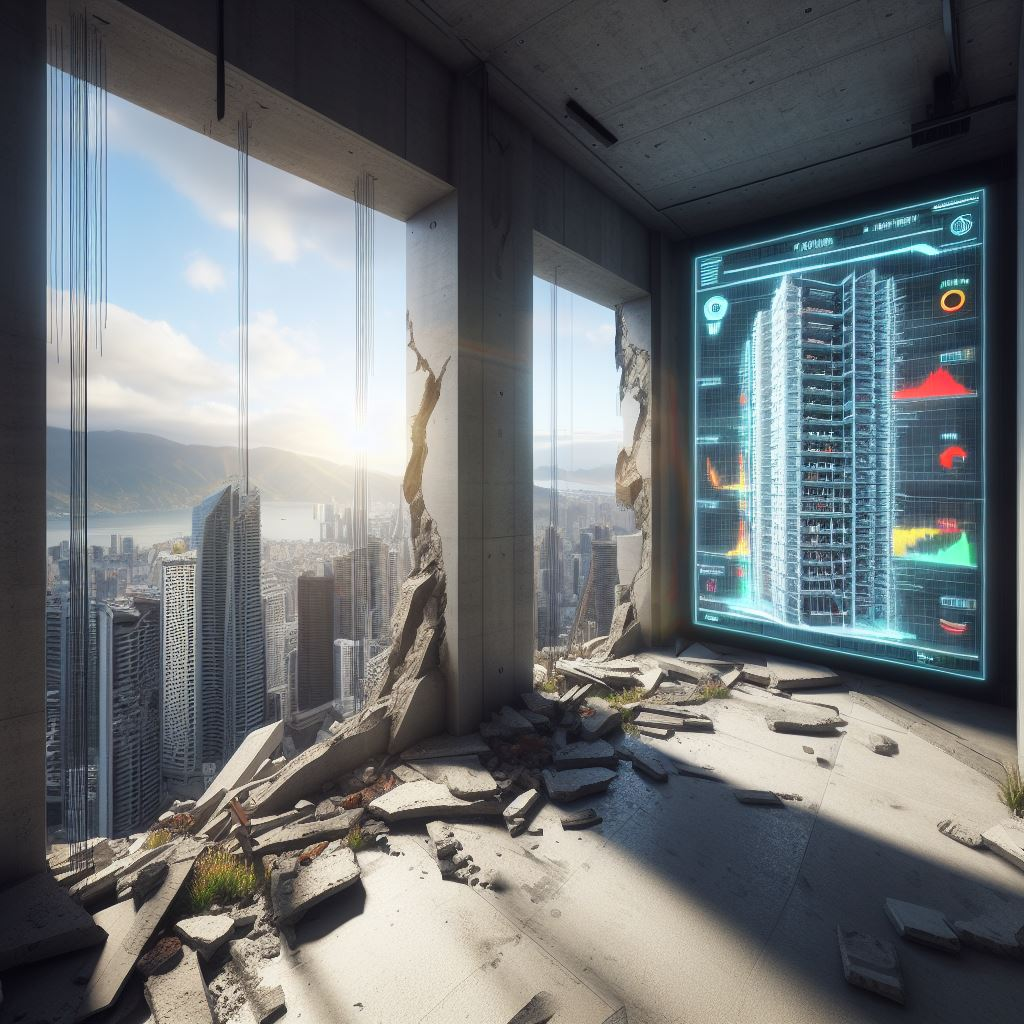
The application allows to create a building with a high level of detail (structure, materials...). The user can then simulate a natural catastrophe (an earthquake, a typhoon, a flood...) to check several things.
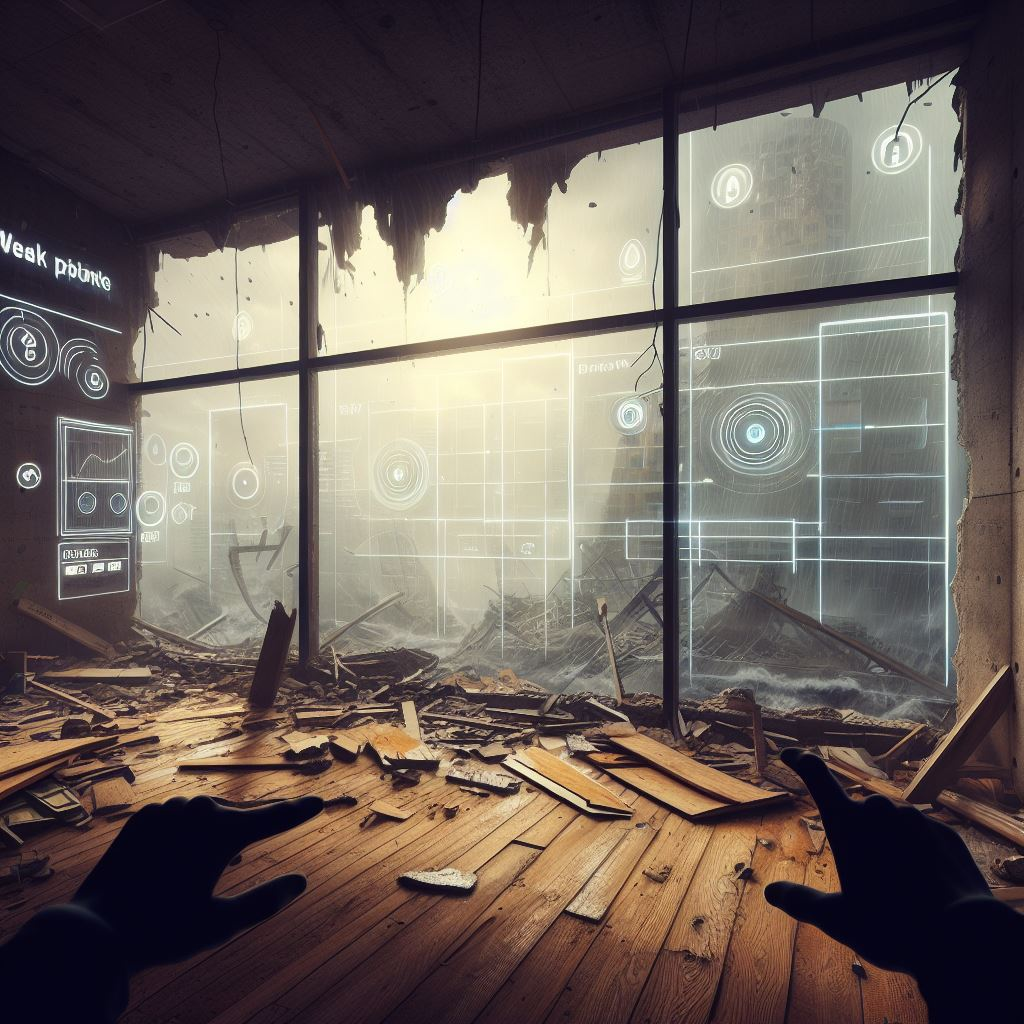
The first one being the integrity of the structure, to what extent could the building hold against certain types of catastrophes. The second one being for the people who are inside the building when such events happen. The use of VR allows the user to get inside the building, replicating the feeling (walls trembling, lights going off, ect...), or look around from outside to see if the structure has weak points for instance.
The user could use hand gesture to interact with the menus, in order to choose the scenario/catastrophe, adjust the intensity, change the POV (inside/outside, choose the floor), rewind, apply filters (show/hide weak points, floors...)
With Resilience VR, construction companies could make tests before starting to build, saving time and money. This would also allow to build safer buildings thanks to the ease of testing different scenarios.
Challenges we ran into
The limitations of headsets in terms of polygon counts and graphic power.
What's next for Resilience VR
Apply the idea to other fields that could benefit from it, optimize to have the app run on headset only, and not need to plug it to a computer.

Log in or sign up for Devpost to join the conversation.