-
-
-
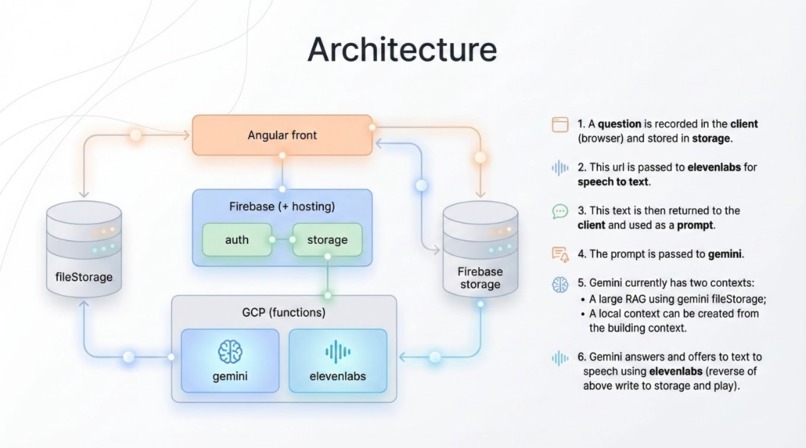
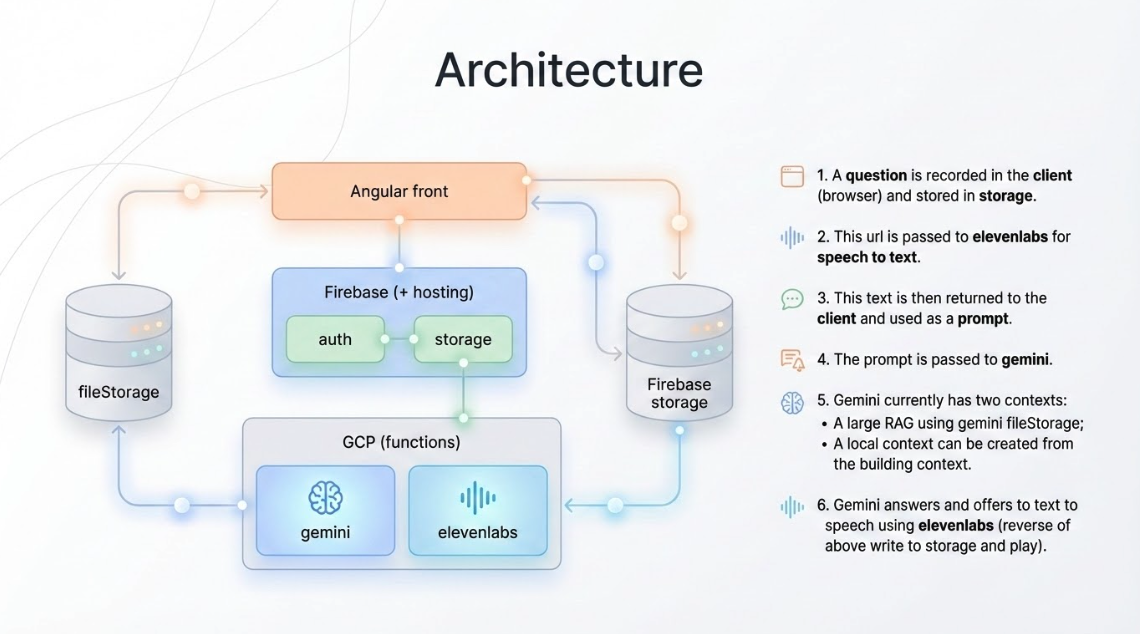
Architecture Slide
Inspiration
The inspiration for this project came from living in Paris with mediocre French. 8% of Parisian apartments are owned or inhabited by ex-pats and yet the laws are all in French, as well as the other 90% of the residents. The laws and requirements for managing a shared residency are complex and require careful attention due to personal financial liability. Added to this bureaucratic complexity is the 'personal' element of negotiating with other residents and other residencies. All of this came to a head when a friend of mine no longer able to cope asked if we couldn't use AI to help.
Before we look at that it helps to understand the concepts and situation. (Please note that is heavily focused on Paris France but the problems are valid for all of France and other European countries like Belgium).
Background to shared residencies
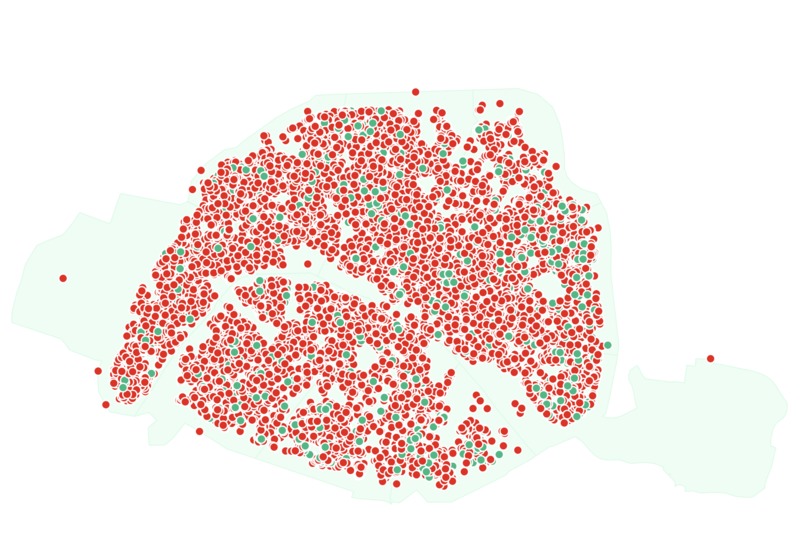
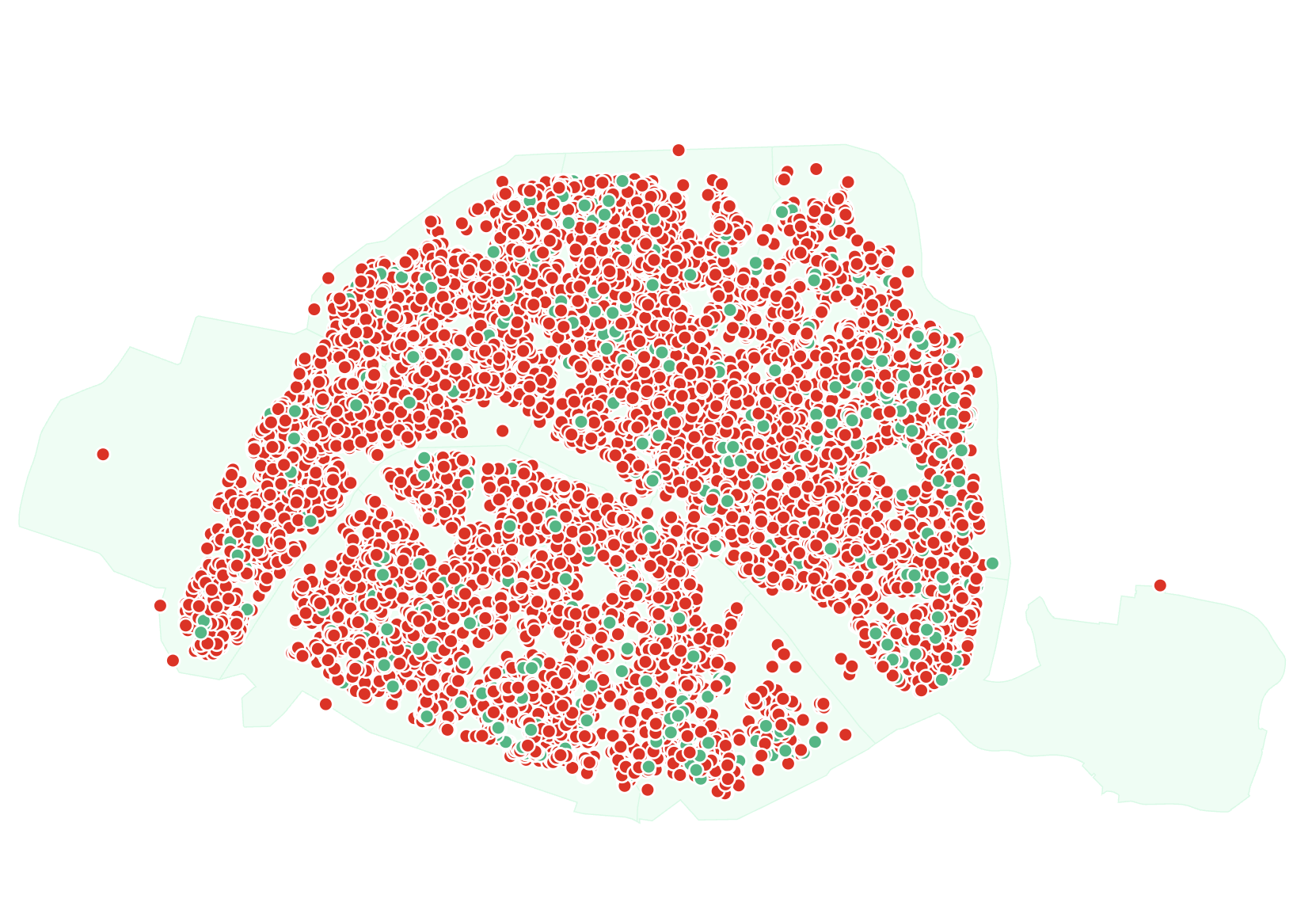
So welcome to paris, please head over to syndicai.fr for the actual data.
What we are seeing is every private residency meaning a building typically split into multiple apartments known as lots (lots can include parking and other spaces as well). By law every shared residence in France must by managed by a syndic (loi 1965 and decret 67) essentially a collective of all residents. This is a complex task and is thus typically managed by a professional company or syndic pro. An alternative is to self manage, this is called a syndic benevol.
The challenge today is that many buildings are struggling to either find a professional at a reasonable price or fail to self manage due to complexity and associated legal risks. This means that today in Paris some 14 thousand residencies are unmanaged and this is apparently the case for up to 43% of buildings in France.
Solution: syndicai
Syndicai has firstly the ambition to assist residents wishing to manage their shared residency with a set of core tools, which include:
- document storage (required by law)
- AGM meetings and minutes (required by law)
- managing required investigations (required by law)
- handling events and works (leaks, electricity, shared spaces etc)
Additionally the aim is to add in:
- A single source of communication: this is one of the biggest issues raised with syndics as they fight email, messages and snail mail.
- access to required documents such as the laws and standards.
- automated financial checks
- tasks, drafts of minutes and other legal documents
- a bulletin or news board for reminders of upcoming events etc
Of course we are adding in full LLM support from the start to simplify the complex landscape (please see the demo at this point).
AI & Voice Support
AI has been integrated from the start. As the model of the building encapsulates nearly all of the information available this is provided as a context to the LLM in order to answer any questions residents may have. On top of this there is voice input and output to simplify access (an additional benefit here is that this provides accessibility for people who maybe constrained in some way).
- This enables full Q&A with a conversational interface with speech to text and text to speech
- Creation of content such as issues or messages
We are looking at adding the additional tools provided by gemini for RAG if the context window is too large and for search if there are question outside of the context e.g. new regulations.
How we built it
Please see the architecture slide here

- firebase: the entire application is hosted on firebase of key interest is google storage which enables integration with elevenlabs. Also hosting, Auth, firebase and AI.
- angular & tailwind
- functions for integration with elevenlabs
- functions for integration with gemini for tooling (file and search)
High level: a building is composed of different services: ticketing, documentation, tasks, events etc. This composition is built into a context that can be used by gemini to answer the different questions.
Challenges
Actually the tech works wonderfully well ... I was quite surprised at how relatively easy it was to put together. Voice was net new to me and so was a concern.
The harder part for me was managing what is becoming a complex prompt plus the context window. This will still require some work.
The main challenge will be more on the business side. We are looking for people with syndic experience that are willing to try out new technologies. This isn't so easy. The plan for 2026 is to start promoting the concept (winning here would help) and interviewing small syndic pros and benevols.
Accomplishments that we're proud of
I am just very happy with the way it feels quite natural to talk to the building. It feels genuine which I think is very important. Its a serious topic and it shouldn't feel gimmicky.
What we learned
- I had never used elevenlabs or voice tech so that was great
- I have little experience in conversation flows as well. Most of my prompting has been for one shot tasks like image parsing. But the prompt is relatively concise even if the context isn't.
- I had not used gemini with filestore for RAG so that really opens the tech to many scensrios (removing the need for pipelines, parsers and other backend tasks).
What's next for Syndicai?
The goal is to:
- Find a co-founder/business developer that has syndic experience and believes in the project
- to try and find candidates to test the system ideally small co-pro that want to become benevol (our core market)
- develop fully the MVP required for the above.
- If the above moves as required we will look to incubate in a proptech accelerator or alternative (station F for example)
Acknowledgements & Credits
This is currently a solo project but a shoutout to: Marko Briesmann (https://www.linkedin.com/in/markobriesemann/) a German national who resident in Paris who came to me with his problems in his own residency.

Log in or sign up for Devpost to join the conversation.