-
-
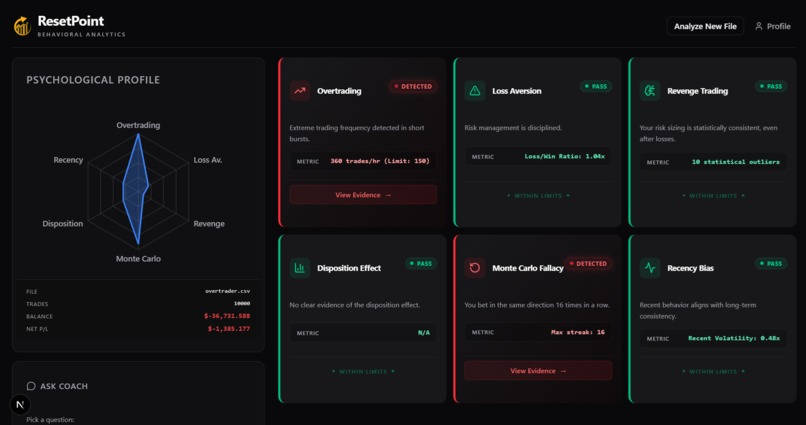
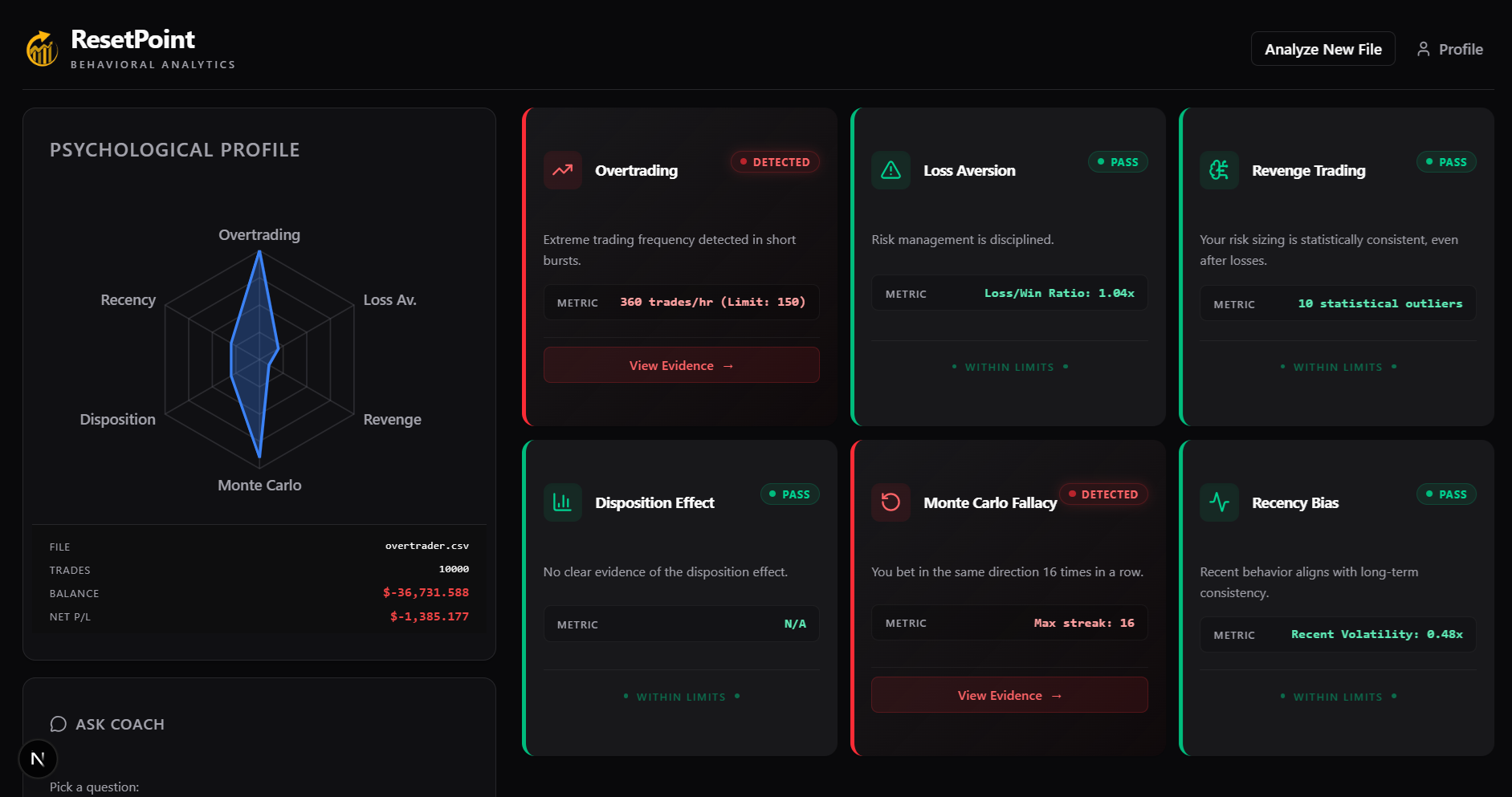
Psychological profile and bias radar
-
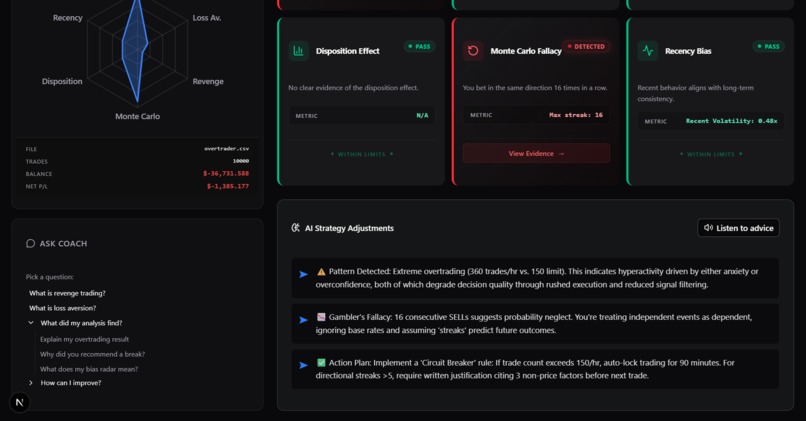
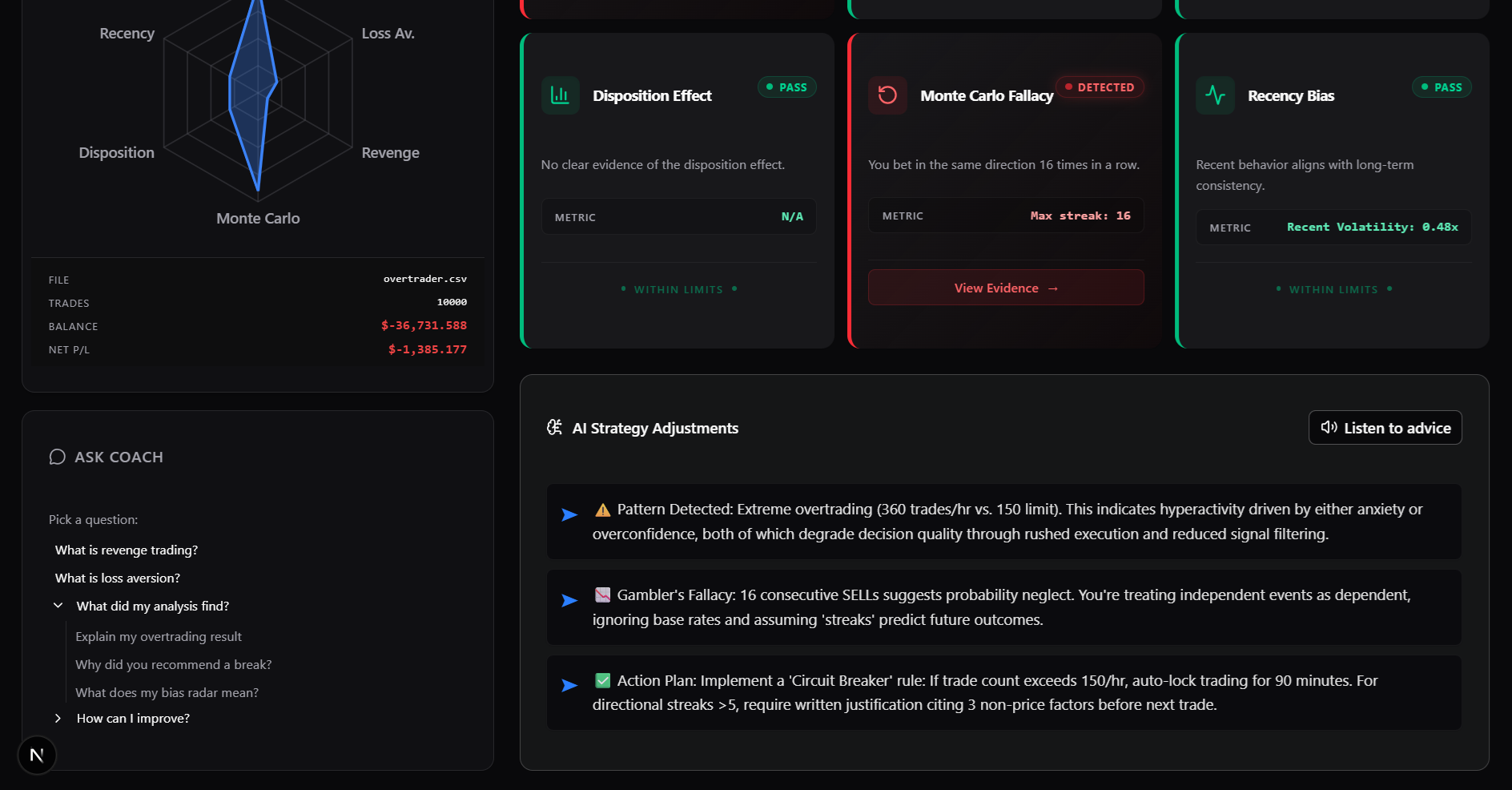
Coach Q&A and AI strategy advice
-
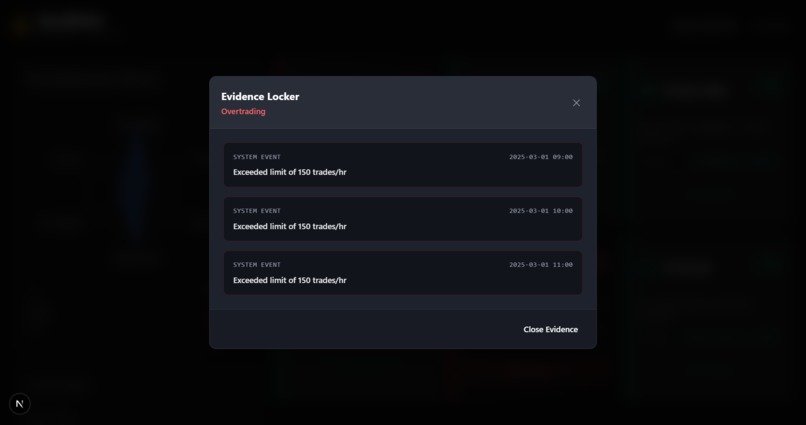
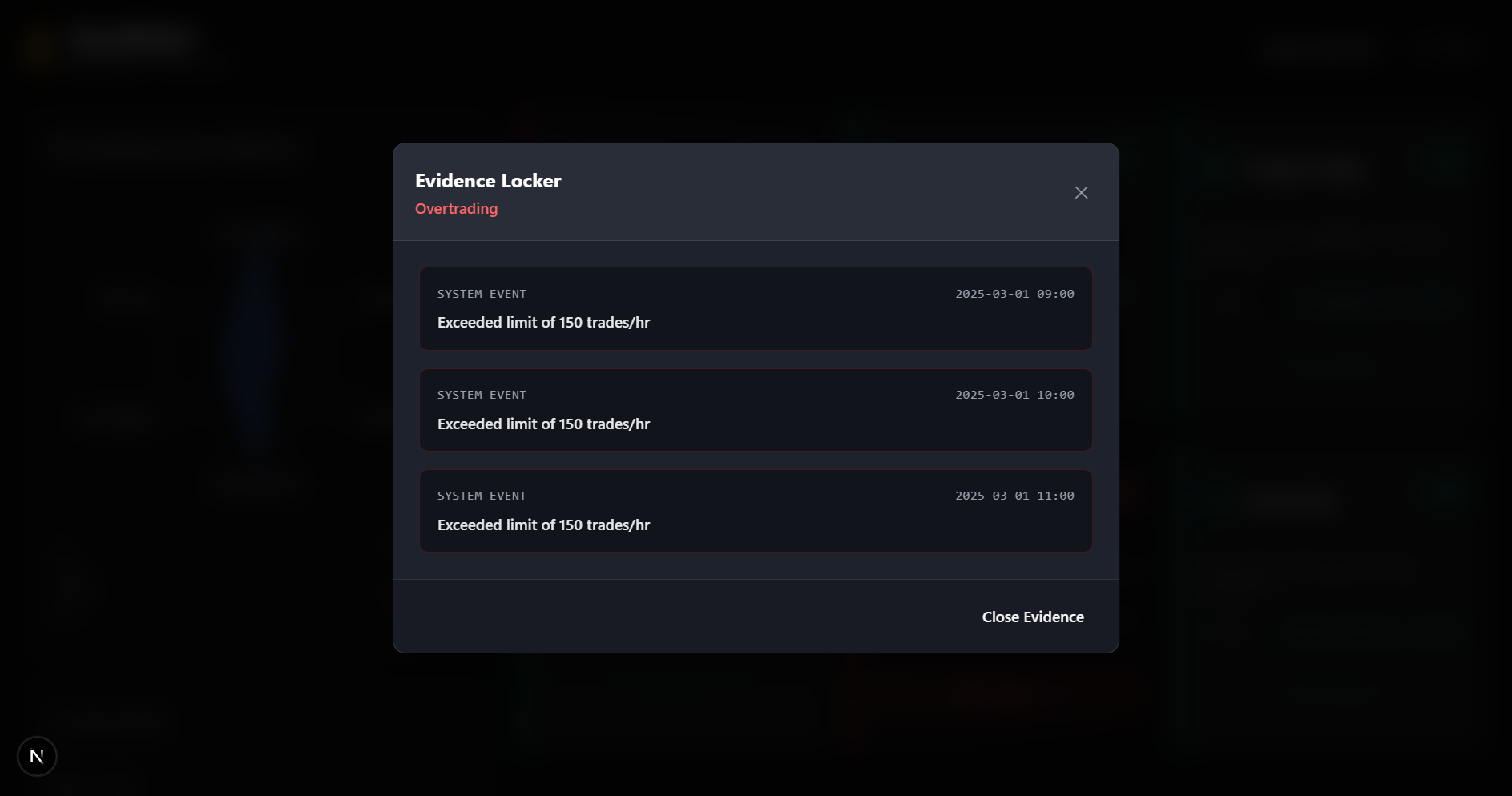
Trade-level evidence for each bias
-
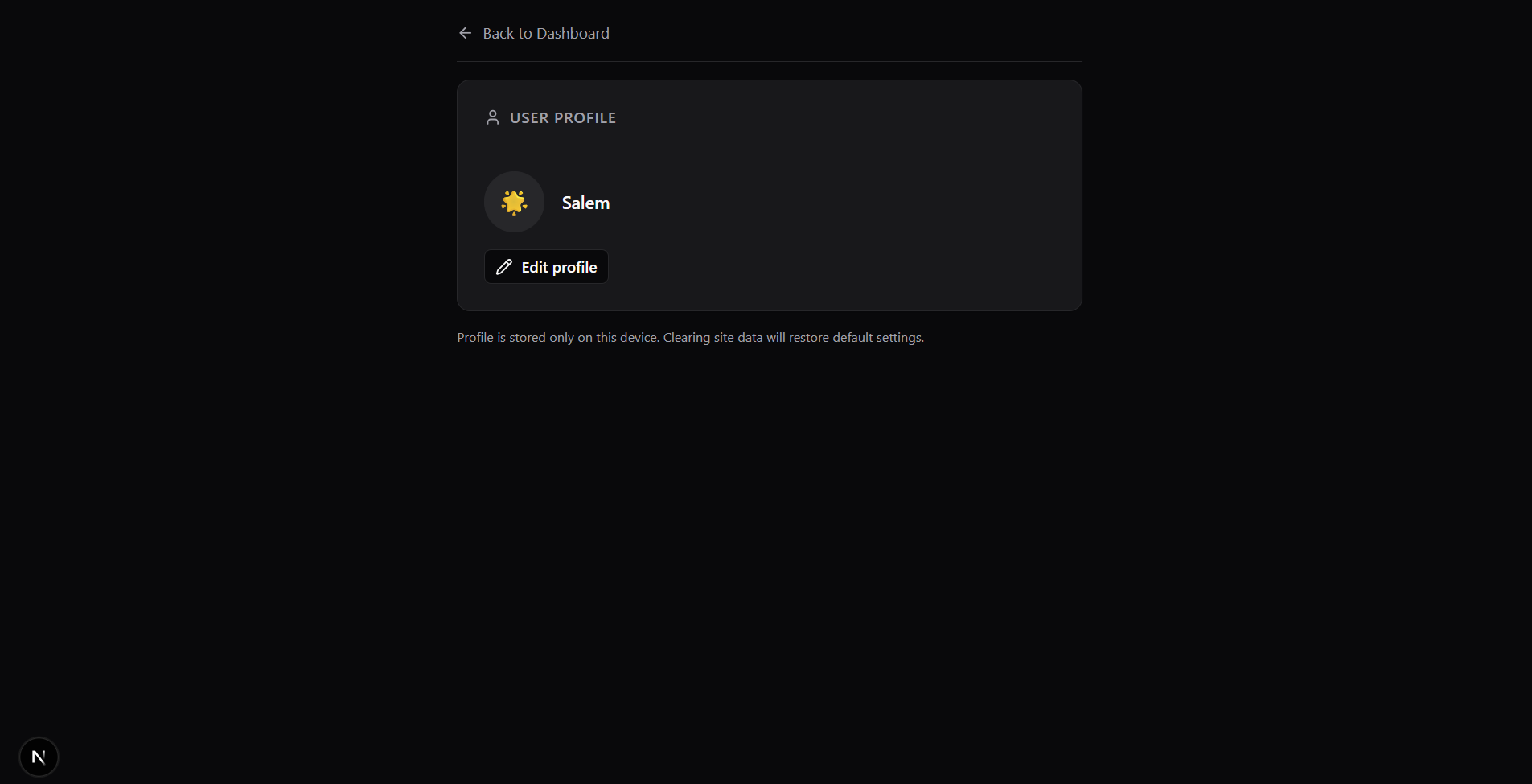
Name and avatar, stored locally
Inspiration
Retail traders don’t just lose money to bad strategies, they lose it to their own habits. Anyone who’s traded long enough has felt it: holding losers too long, trading too much after a loss, or breaking rules because “this one feels different.” Behavioral finance names these patterns, but traders rarely see them reflected in their own data.
We built ResetPoint to close that gap. Instead of generic advice, it looks at your actual trade history and shows where your psychology shows up. The goal is to turn abstract ideas like loss aversion or revenge trading into something personal, obvious, and usable. More like feedback from a coach than a textbook.
What it does
ResetPoint lets traders upload a CSV of their trades and get a behavioral finance check-up based on real data. It detects common trading biases and visualizes them with clear metrics and a bias radar so patterns are easy to spot. For each bias, the app explains why it was flagged and shows the specific trades that contributed to the result.
On top of that, ResetPoint provides AI-backed coaching. Users get practical strategy advice, can ask follow-up questions through an “Ask Coach” panel, and can listen to responses with text-to-speech. Profiles and preferences are stored locally, so the app works without requiring sign-up or accounts.
How we built it
The backend is a FastAPI service that parses uploaded trade CSVs and runs a rule-based bias detector over the data. The resulting summaries are sent to OpenRouter to generate coaching advice and handle follow-up questions. A dedicated endpoint connects to ElevenLabs to generate voice responses.
The frontend is built with Next.js, React, TypeScript, and Tailwind. It handles file uploads, equity curve visualization, the bias radar, per-bias evidence views, and the coaching interface. We deployed the backend on Vultr so the system runs independently in the cloud and can stay available.
Challenges we ran into
One major challenge was visualization. We initially wanted a single chart that showed full trade history with biased or anomalous trades marked in time. With dense data, this quickly became unreadable. We ended up prioritizing clarity by focusing on a bias radar and per-bias evidence views instead.
Another challenge was translating fuzzy psychological concepts into concrete rules. Ideas like revenge trading don’t have clean definitions in raw data, so we had to design simple heuristics and accept their limits. Getting the demo reliable across local development and a cloud-hosted backend also took extra setup and iteration.
Accomplishments that we're proud of
We shipped a complete, end-to-end experience: upload trades, detect behavioral biases, surface evidence, and deliver coach-style advice with optional voice. The backend is fully deployed and not tied to a local machine, and the demo flow is simple enough to run reliably in a live setting. Most importantly, we turned behavioral finance into something traders can understand in one session.
What we learned
We learned how to map abstract trading biases onto real CSV data using signals like win/loss streaks, holding times, and trade frequency. We gained hands-on experience integrating LLM-based coaching through OpenRouter and text-to-speech through ElevenLabs, and deploying a FastAPI service on Vultr. We also learned that visualizing large volumes of labeled financial data is as much a design problem as a technical one.
What's next for ResetPoint
We want to revisit time-based visualizations using better aggregation so traders can see when biases spike over weeks or months. Longer term, we’re interested in supporting more bias types, optional accounts to track improvement over time, and direct broker integrations to remove the need for CSV uploads. The goal is for ResetPoint to grow into a lightweight behavioral coach that evolves with a trader’s history.
Built With
- elevenlabs
- fastapi
- next.js
- openrouter
- python
- react
- tailwind
- typescript
- vultr

Log in or sign up for Devpost to join the conversation.