-
-
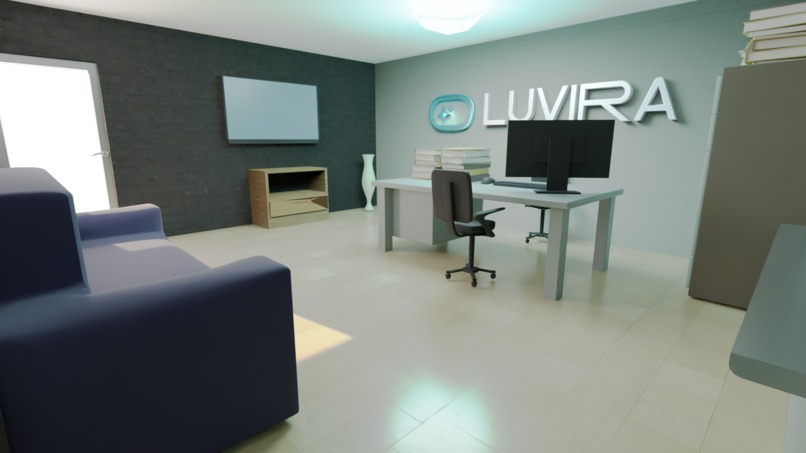
Stress Breaks Precision | Reset VR
-
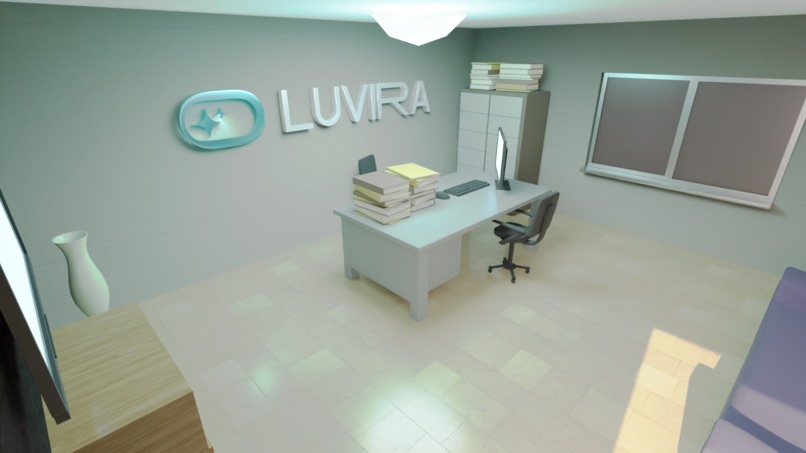
Micro-Stability Engine | MX Ink Precision Mapping
-
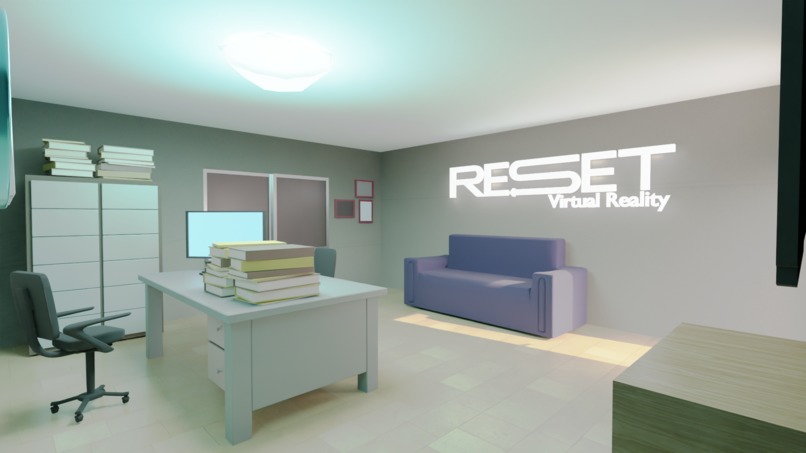
Analog Pressure & Tactile Erase | Precision Restored
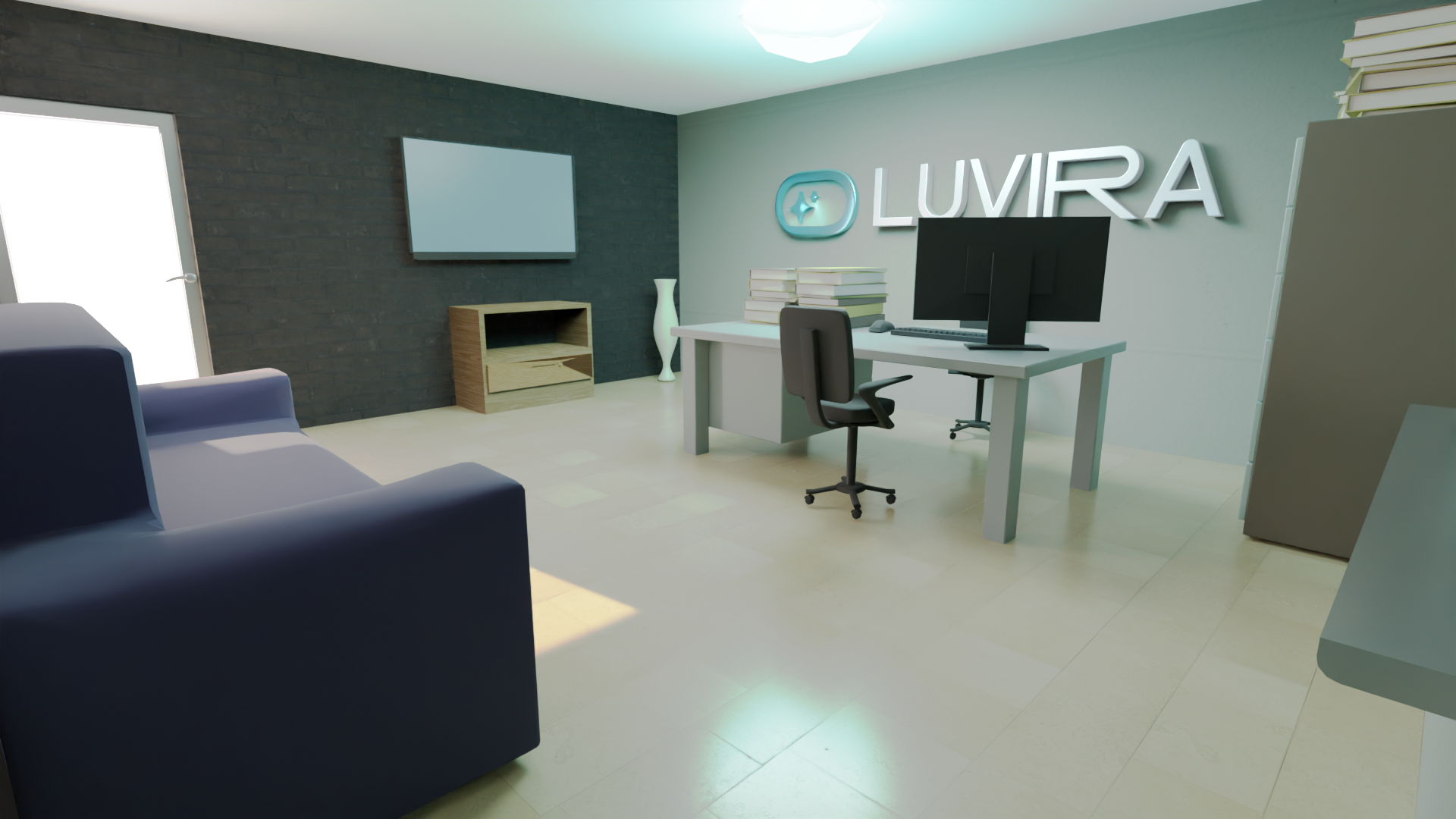
Inspiration
Reset VR was inspired by a simple observation: stress directly impacts precision.
In high-focus tasks—design, modeling, architecture, coding—micro-instability in hand movement often reflects cognitive overload. Traditional VR controllers are optimized for broad gestures and gaming interactions. The Logitech MX Ink stylus introduces a different paradigm: precision-first interaction.
We asked a foundational question:
What if focus could be expressed — and strengthened — through precision?
Instead of building another drawing tool, we designed a precision-driven spatial sanctuary that transforms the MX Ink into a real-time focus instrument.
Reset VR reimagines the stylus not as a creative accessory, but as a cognitive interaction device for deep work in mixed reality.
What it does
Reset VR leverages three native capabilities of the Logitech MX Ink:
- High-frequency 6-DOF spatial tracking
- Analog pressure sensitivity
- Tactile tail-eraser interaction
We developed a Micro-Stability Engine that interprets hand stability as a proxy signal for cognitive focus. While we do not measure physiological data directly, we use spatial precision patterns as a behavioral signal.
As hand stability improves, the environment becomes more structured and responsive.
The experience transforms precision into feedback:
A jagged line becomes smooth as stability improves
Spatial nodes melt and solidify based on analog pressure
Digital clutter can be physically erased using the stylus tail
Reset VR turns focus into something visible, tangible, and spatial.
How we built it
The project was architected in Unity for Meta Quest 3 and structured around a high-performance state system.
Input Layer
We leveraged the MX Ink’s 6-DOF tracking data and analog pressure input to drive environmental transformation.
Pose data feeds the Micro-Stability Engine
Pressure values map directly to spatial deformation intensity
Tail-eraser events trigger object state transitions
Stability Engine
We calculate micro-variance in spatial movement over time windows to derive a stability signal. This signal drives:
Line smoothing
Node solidity
Environmental glow intensity
The result is immediate visual feedback directly tied to stylus precision.
Performance Optimization
Because this project targets Meta Quest 3, we designed:
Lightweight shader logic
Minimal geometry
Efficient state transitions
Low-latency interaction loops
All interactions are optimized for smooth performance within standalone headset constraints.
Challenges we ran into
Avoiding Medical Claims
While hand stability can correlate with cognitive state, we were careful not to frame the experience as medical or diagnostic. Reset VR interprets stability as a focus signal—not a health measurement.
Balancing Performance and Visual Quality
Creating a premium, calm environment within Quest performance limits required careful shader restraint and controlled lighting.
Making Precision Feel Rewarding
The biggest challenge was designing feedback that feels meaningful but not gamified. We solved this by tying environmental transformation directly to micro-stability rather than arbitrary scoring systems.
Accomplishments that we're proud of
Successfully mapping analog pressure to real-time spatial architectural transformation.
Creating a stability-driven feedback loop that feels intuitive without requiring explicit instructions
Designing a hardware-native experience that meaningfully differentiates MX Ink from standard VR controllers
Maintaining smooth performance within Meta Quest 3 standalone constraints
What we learned
Building Reset VR taught us three key lessons:
Precision Changes Interaction Design
Designing for MX Ink is fundamentally different from designing for standard VR controllers. The stylus encourages intentional, fine-motor interaction rather than broad gestures.
Feedback Must Be Subtle
Overly dramatic effects break immersion. The most powerful feedback in mixed reality is minimal, controlled, and elegant.
Hardware-Native Thinking Wins
Instead of forcing an existing app concept onto MX Ink, we designed the experience around its strengths—precision tracking, pressure mapping, and tactile erasing.
The hardware became the experience.
What's next for Reset VR
Next steps include:
Expanding spatial anchoring to allow users to pin focus nodes to real-world surfaces
Introducing collaborative focus sessions for remote teams
Refining adaptive stability thresholds personalized to user behavior
Preparing the application for Meta App Store submission Reset VR represents a new direction for precision-driven productivity in mixed reality,built around the unique capabilities of MX Ink.


Log in or sign up for Devpost to join the conversation.