-
-
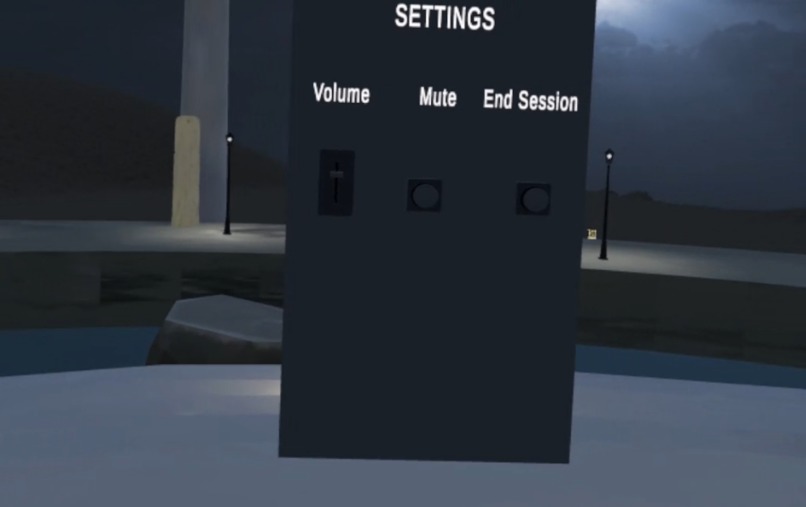
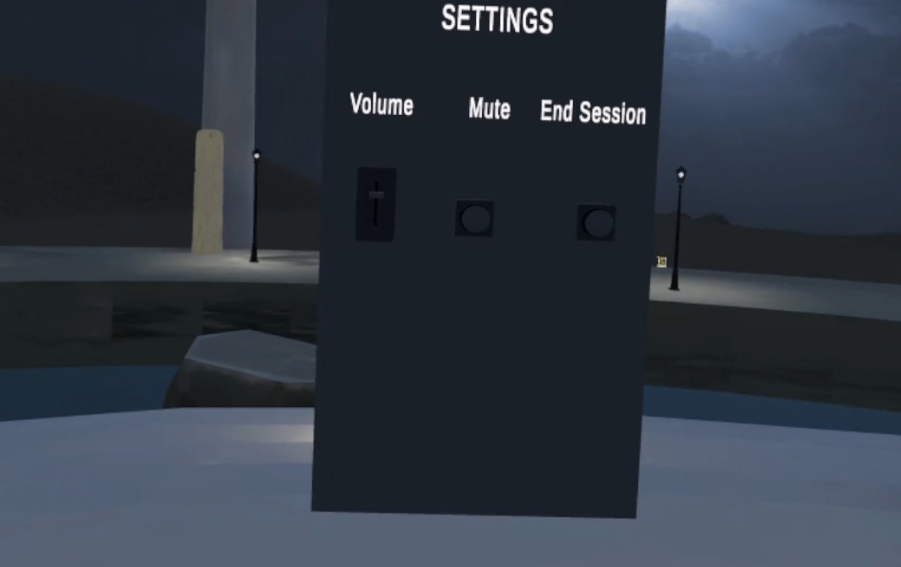
Simple controls let you adjust volume or end your session whenever you’re ready.
-
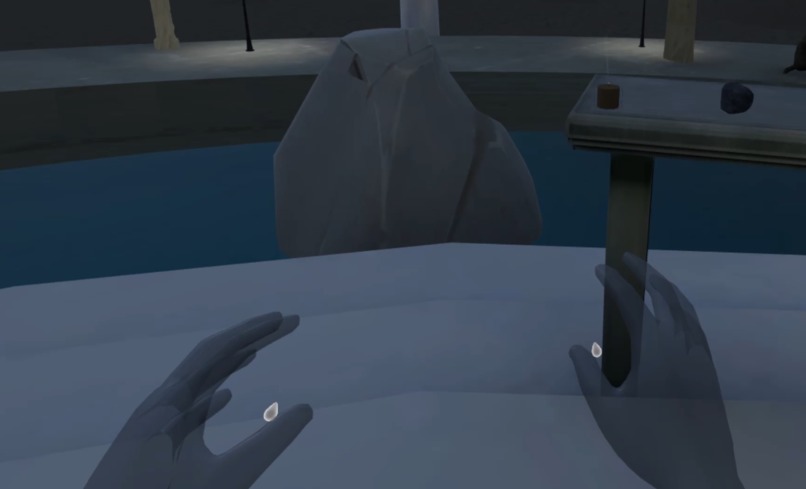
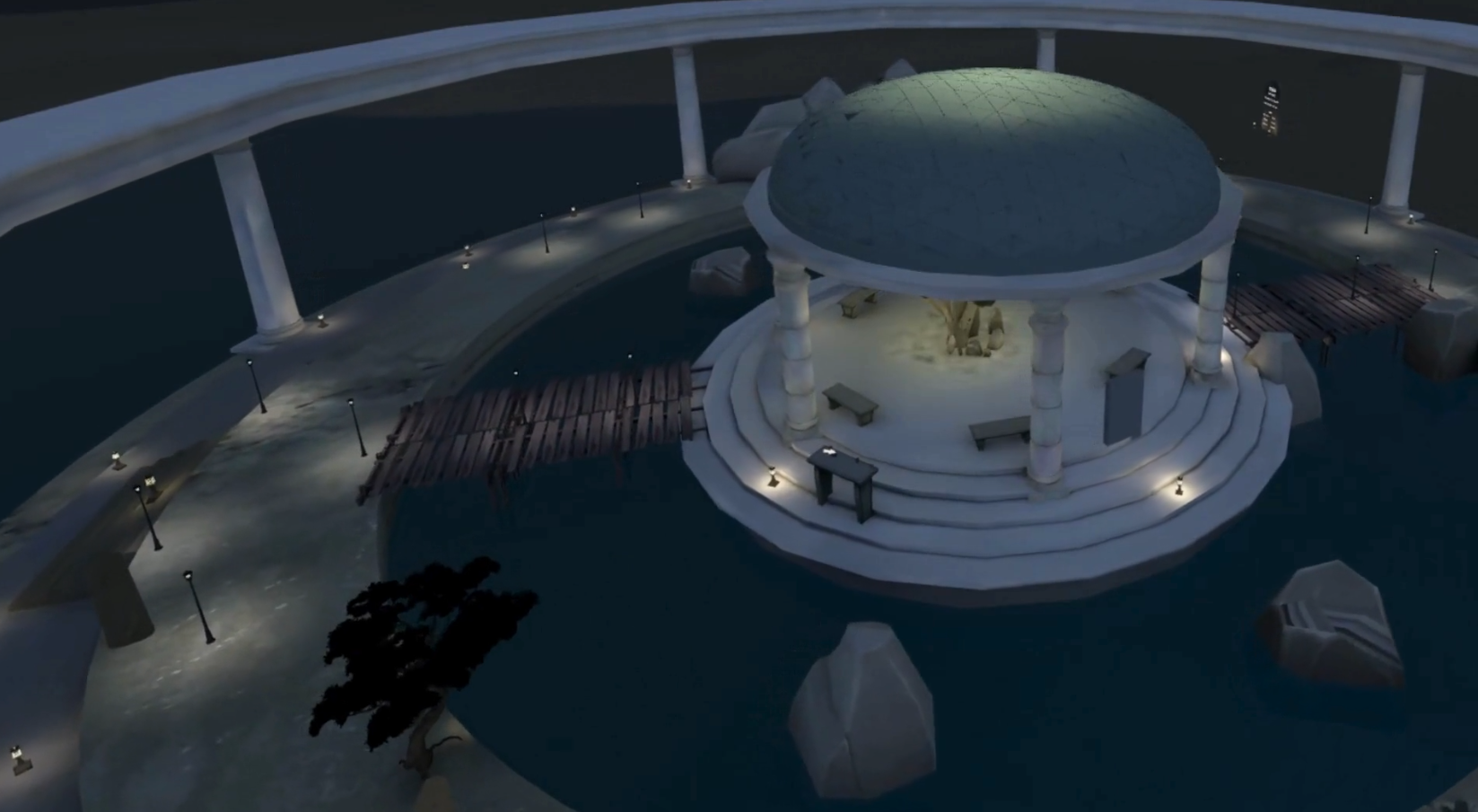
A peaceful sanctuary floating in the dark – designed for short mental resets
-
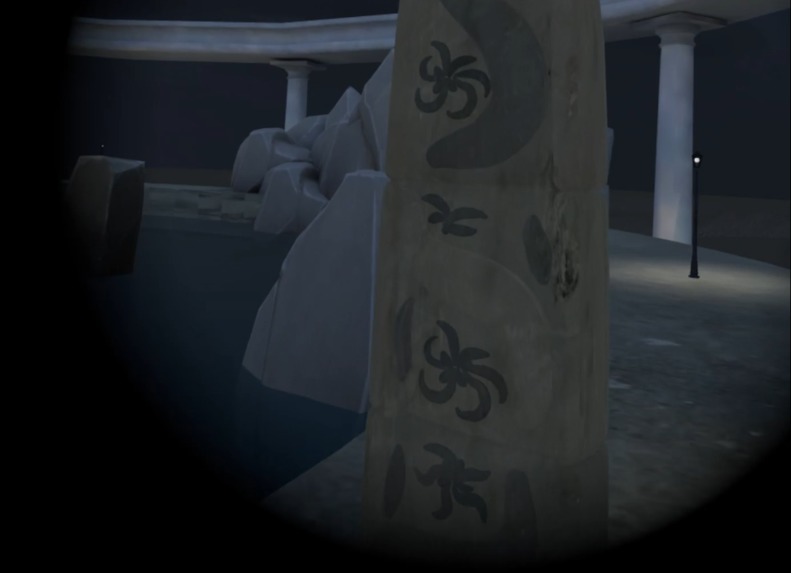
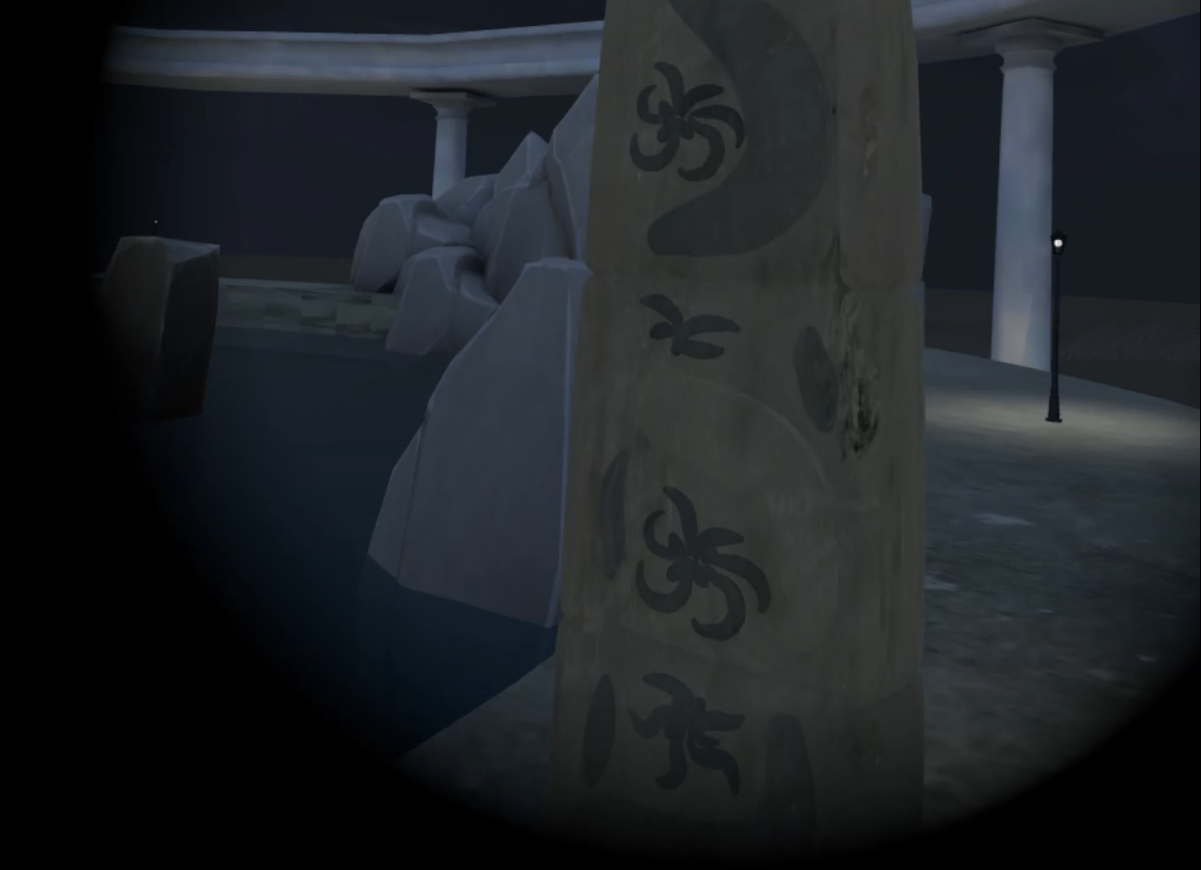
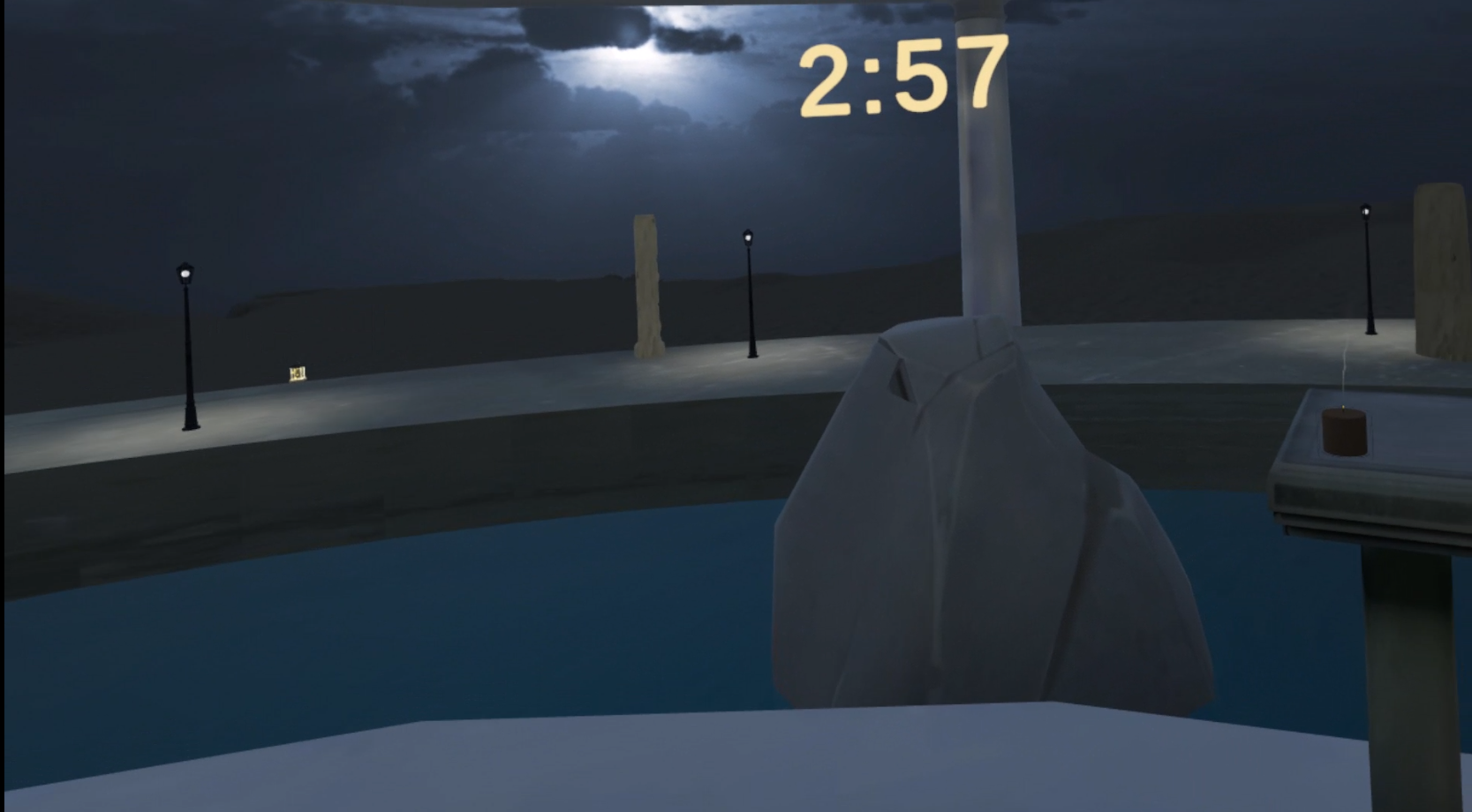
Soft details and carved stone give your eyes a quiet place to land
-
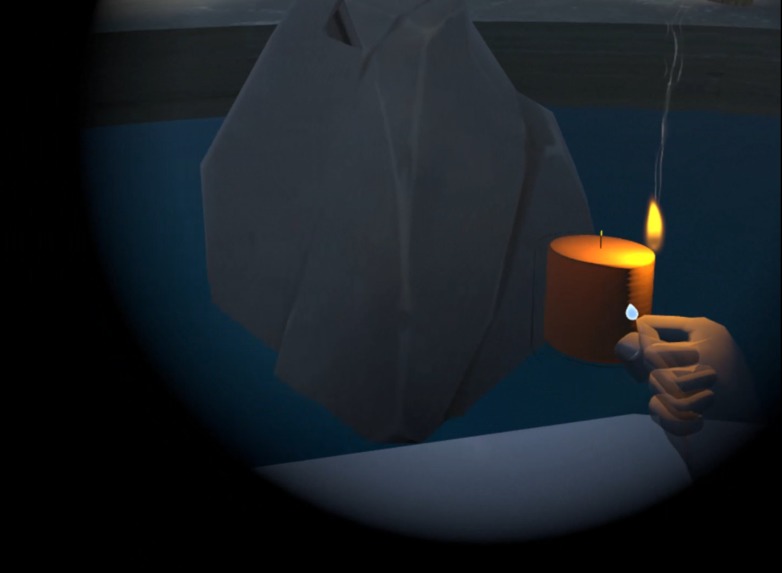
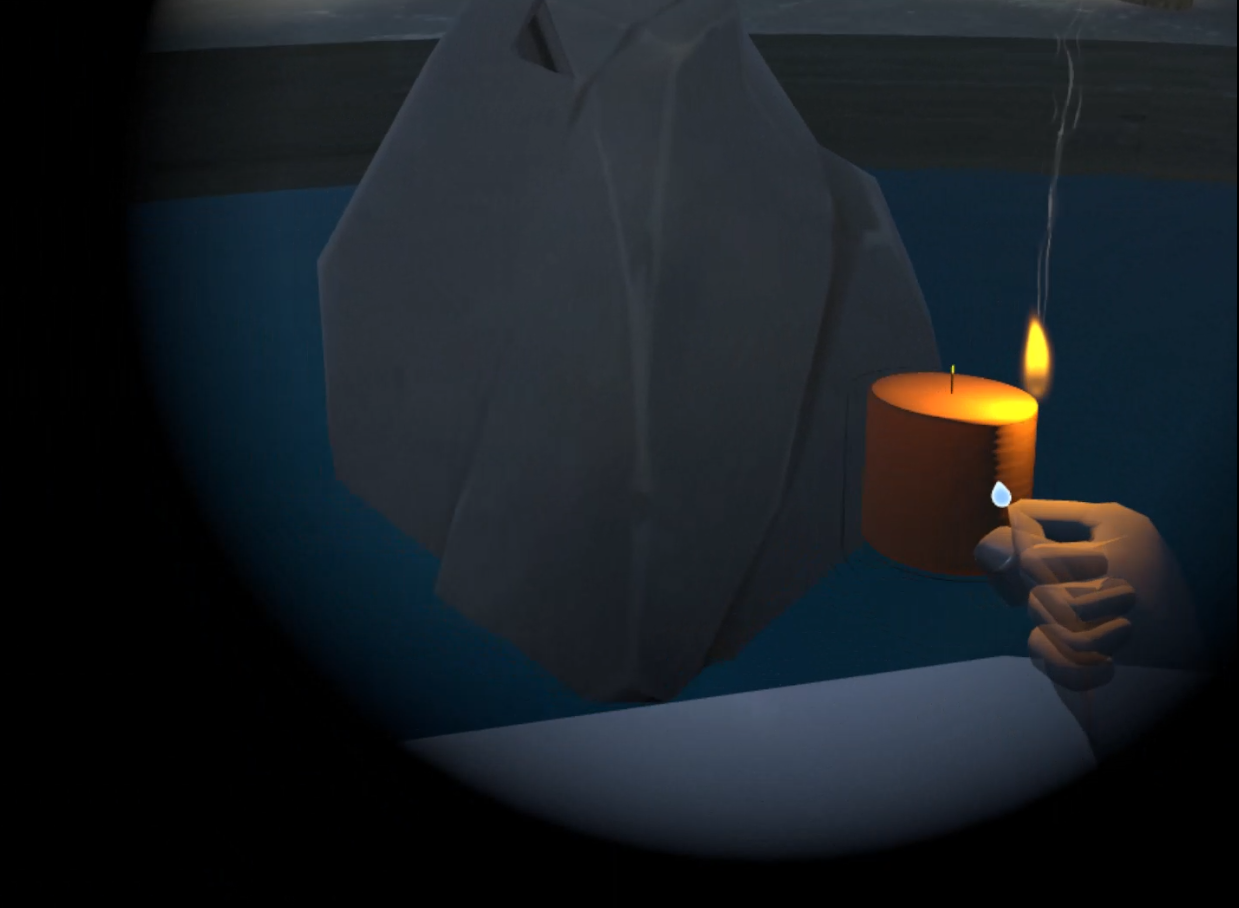
Light a single candle and let your focus rest on a gentle flame
-
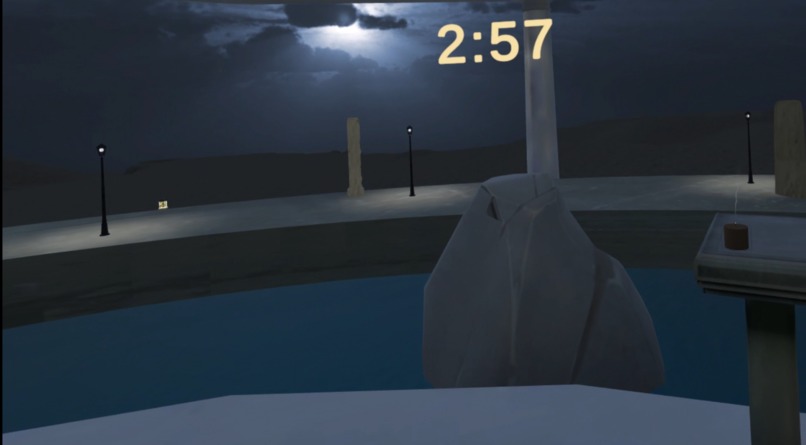
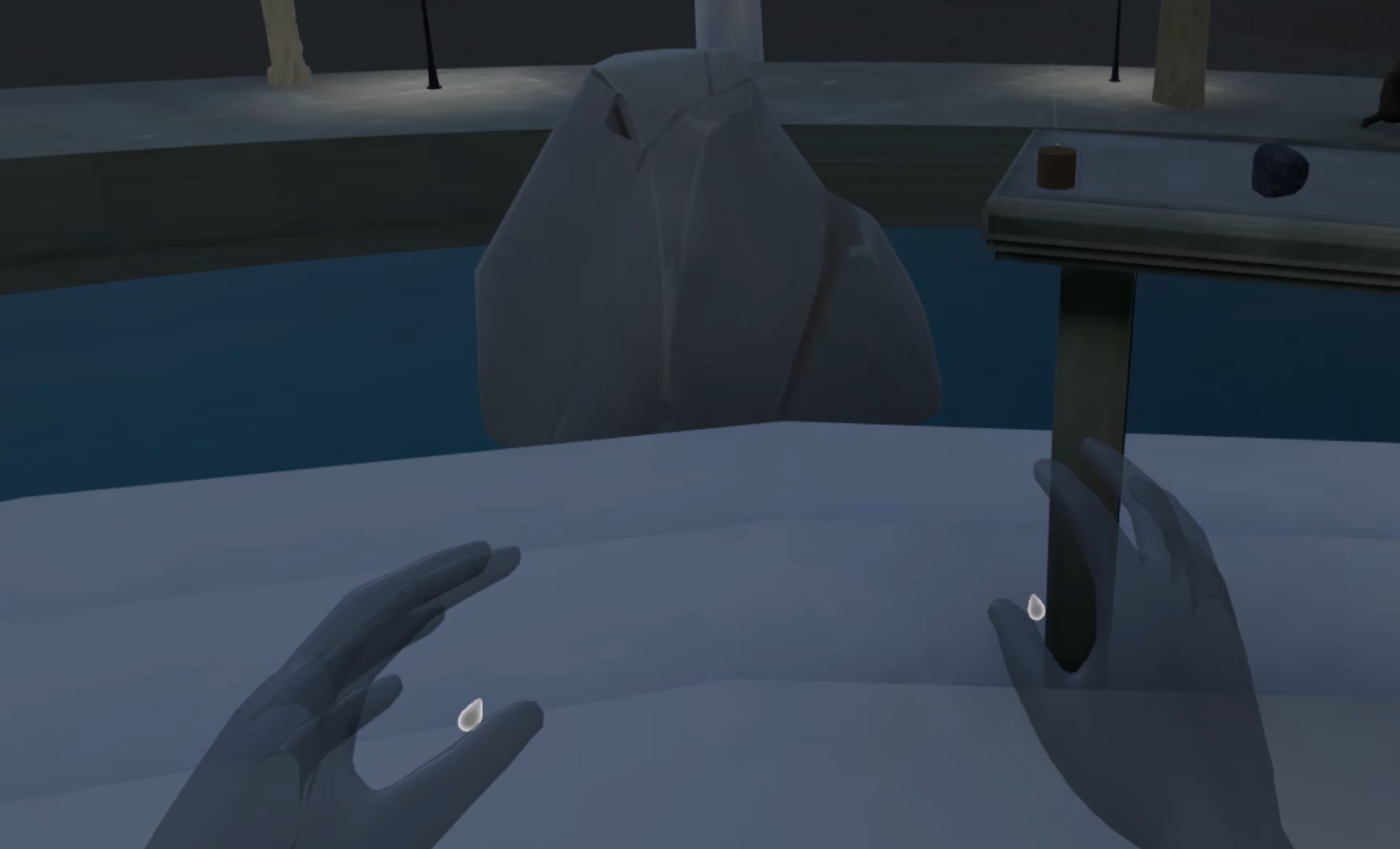
Settle at the water’s edge, hands resting, ready to breathe and arrive
-
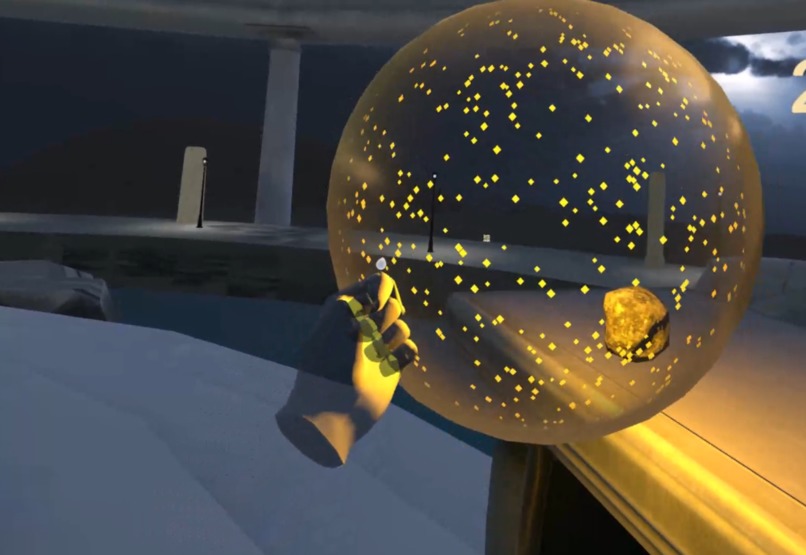
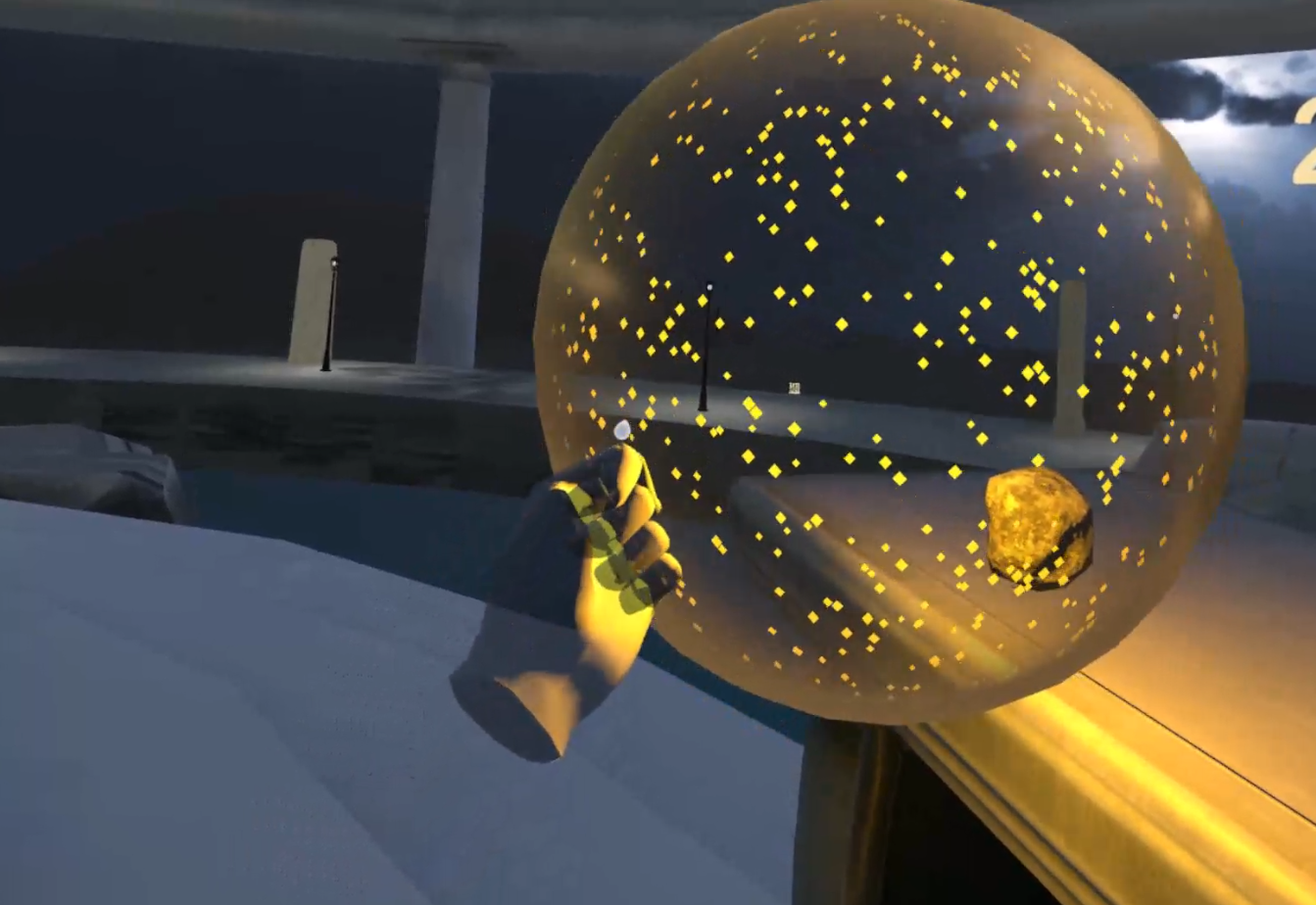
Release a glowing gratitude orb and watch it rise into the night sky
-
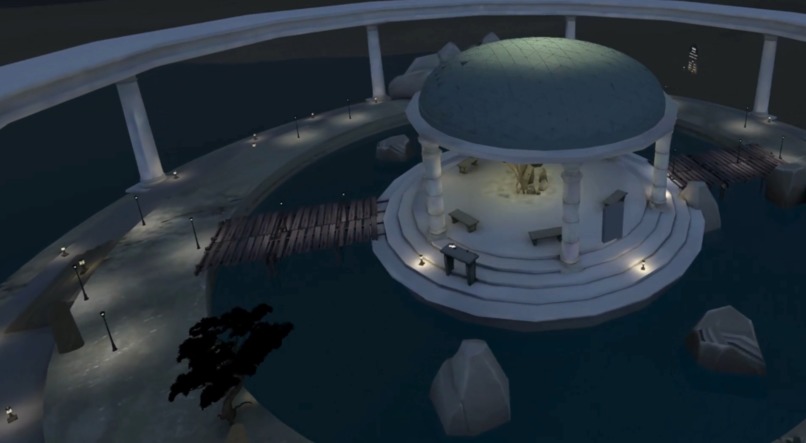
A calm night at the Ocean Temple – your reset space in Reset VR
-
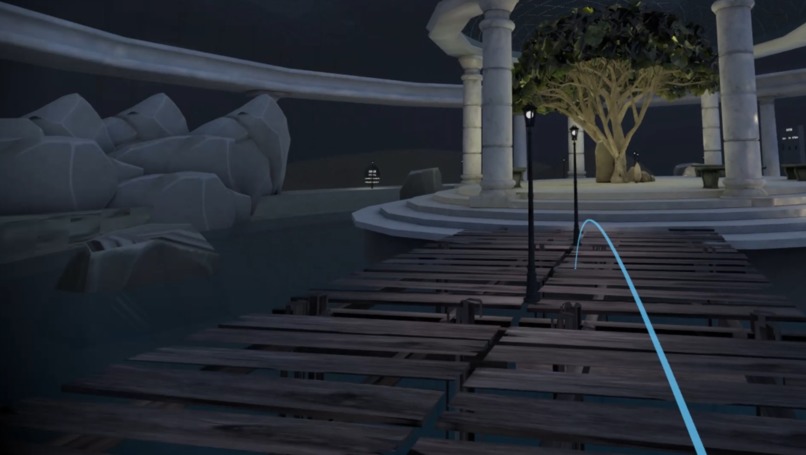
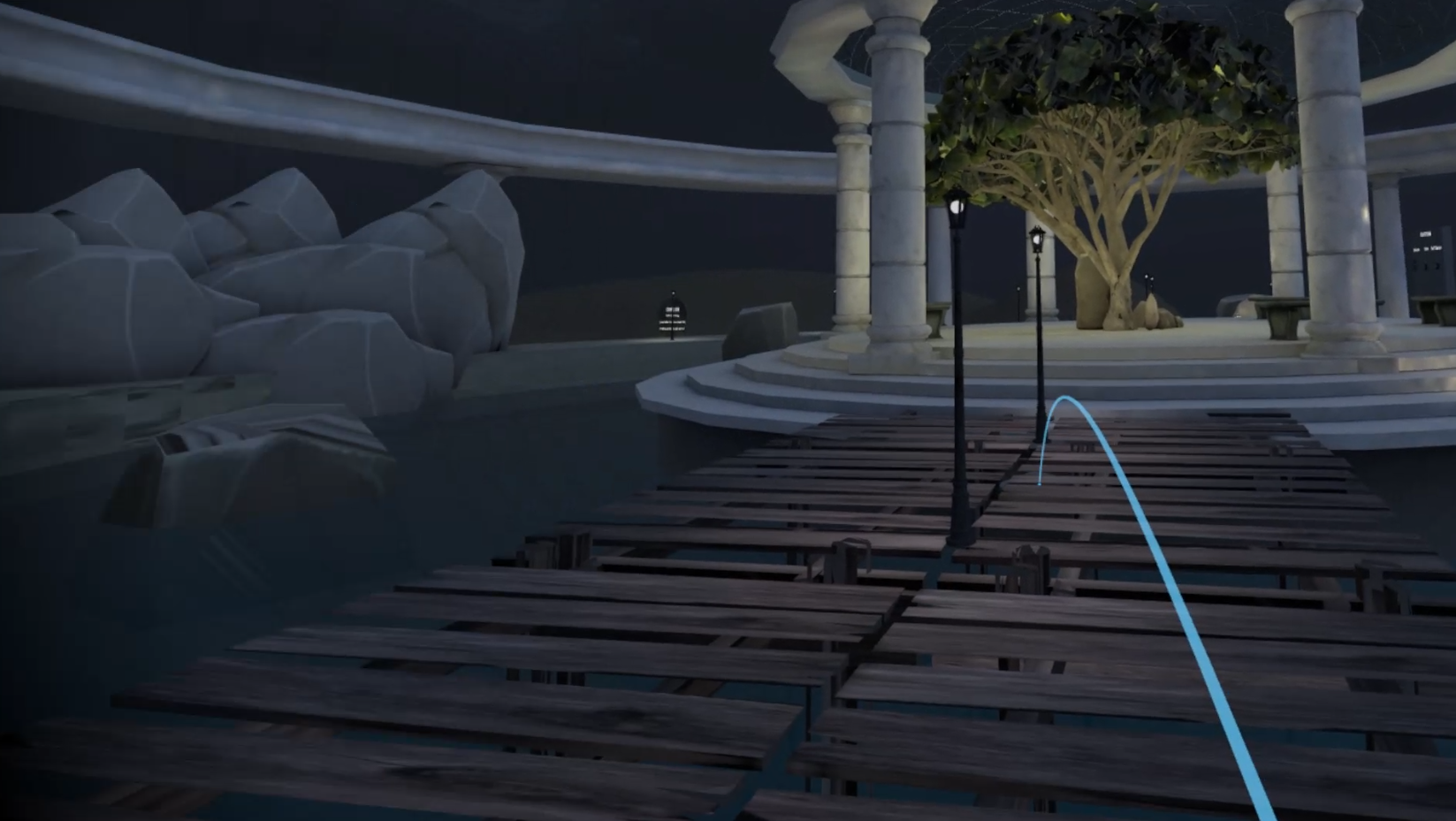
Move across the wooden bridge and explore the temple at your own pace
Inspiration
Reset VR was inspired by the feeling of being mentally overloaded but not having the time or energy for a 20–30 minute meditation session. Between meetings, deadlines, and constant notifications, I often just wanted a small, peaceful space to “step into,” breathe, and reset for a few minutes.
I couldn’t find many VR experiences designed specifically for these short, in-between moments, especially ones that felt calm, simple, and privacy-first. That gap is what led to Reset VR: a tiny, intentional reset button for the mind.
What it does
Reset VR is a short-session calming experience for Meta Quest 2 and 3. The player enter a serene night-time pond environment where they can:
- Gently toss stones into the water and watch ripples.
- Focus on candles and reflections as quiet visual anchors.
- Listen to a minimal, relaxing water soundscape.
At the end of the session, there’s an optional gratitude ritual. If the player chooses, they can speak one thing they’re grateful for. The app uses only the energy of their voice (not the words) to drive a glowing orb that rises and fades above the pond like releasing their gratitude into the space.
All voice handling is privacy-first: no transcription, no storage, no cloud.
How we built it
We built Reset VR in Unity targeting Quest 2 and 3:
Engine & SDKs: Unity with Meta XR All-in-One SDK and XR Interaction Toolkit.
Environment: A single optimized night pond scene using URP, baked lighting, and simple VFX to keep performance high.
Interactions: Stone throwing and candle focus using XR Interaction Toolkit, supporting both controllers and hand tracking.
Audio: Unity Audio Mixer for ambient water sounds and optional intro/outro voice guidance with volume/mute controls.
Gratitude Ritual: Unity’s Microphone API captures a few seconds of audio in memory only. We compute a simple envelope (voice energy over time) and feed that into a Gratitude Orb prefab (light + particles) that pulses and drifts upward. The raw audio buffer is then discarded.
We iterated with playtesting on actual hardware (Quest 2/3), profiling FPS and refining comfort and interaction reliability
Challenges we ran into
Performance vs. beauty: Getting the scene to feel rich and atmospheric while still maintaining good FPS on Quest 2 required multiple passes on lighting, shaders, and effects.
Hand tracking reliability: Making grabs, throws, and simple interactions work smoothly with both controllers and hands—and still feel calm, not “gamey”—took careful tuning.
Privacy-first voice design: We had to design the gratitude ritual so it felt meaningful but never crossed the line into recording, storing, or sending user voice data. That meant designing a purely local, non-transcribing pipeline.
Scope control: With many tempting ideas (more scenes, more rituals, AI, etc.), staying focused on a tightly-scoped MVP was a constant discipline.
Accomplishments that we're proud of
Building a fully working, short-session reset experience in less than 3 weeks that feels calm, not overwhelming.
Implementing an optional voice-based gratitude ritual that is both emotionally meaningful and privacy-preserving (no transcription, no storage, no cloud).
Supporting both hand tracking and controllers so more people can access the experience comfortably.
Hitting a solid performance baseline on real Quest hardware while still delivering a visually pleasing night pond environment.
What we learned
Small details—lighting, timing, and sound levels—matter a lot in a calm experience. A scene can feel “busy” even without many objects if the pacing or audio is off.
Hand interactions need clear affordances and feedback to feel trustworthy, especially in non-action, meditative contexts.
Privacy-by-design is absolutely possible in VR voice features, but it requires thinking differently (e.g., working with energy/envelopes instead of transcripts).
Short, 3–5 minute experiences can still feel meaningful if the entry, core loop, and closure are thoughtfully designed.
What's next for Reset VR
Adding a complementary day-time pond variant to give players two distinct mood options (day vs. night).
Further polishing hand tracking interactions and stone/candle feedback based on playtester input.
Refining the gratitude orb visuals, timing, and sound to make the ritual feel even more special and clear.
Expanding comfort and accessibility options (e.g., more granular settings, text options).
Preparing a more polished build and trailer for future submission to the Meta Horizon Store in the Lifestyle track.
Long term, Reset VR is meant to be one building block in a broader Luvira ecosystem focused on everyday mental clarity and reflection. Our goal is simple: help people carve out tiny, intentional pauses in their daily moments where they can breathe, reset, and then re-enter the real world feeling just a little more grounded
Built With
- interaction
- meta-xr-sdk
- open
- plugins
- toolkit
- unity


Log in or sign up for Devpost to join the conversation.