Inspiration
What it does
How we built itGenomic Bridge AI: Project Story
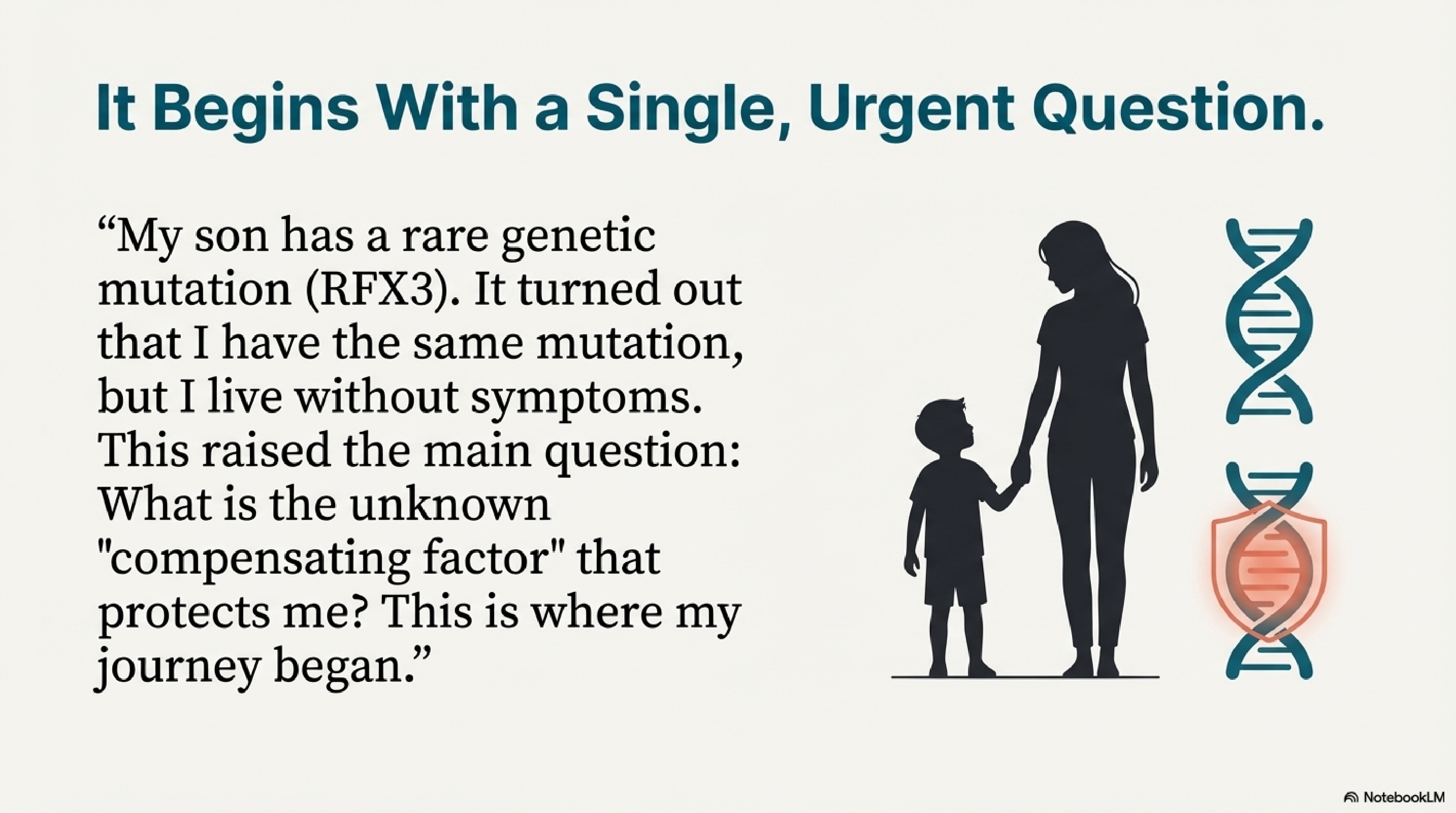
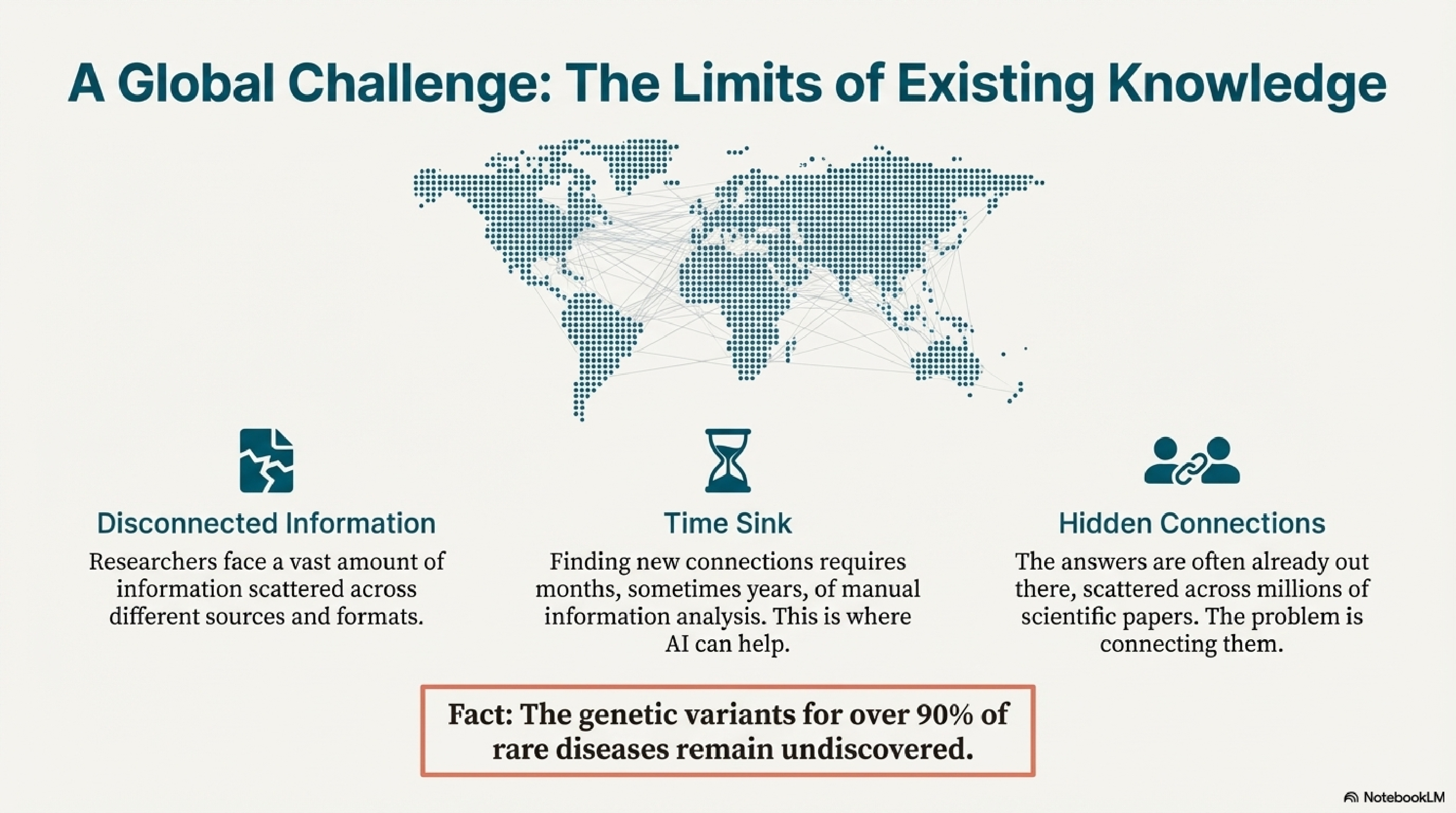
Inspiration: A Personal Challenge Addressing a Global Gap My inspiration stems from the critical need to solve a fundamental problem in rare genetic disorder research. My 5-year-old son was diagnosed with a genetic mutation on the RFX3 gene region, which is associated with his non-verbal status and signs of Autism Spectrum Disorder (ASD). Globally, only about 50 cases of this specific RFX3 mutation are documented, leading to a severe lack of data for clinical decision-making. Through personal investigation, I discovered that I am also a carrier of the exact same mutation, yet I live symptom-free. This became the pivotal starting point for the project: we must use Artificial Intelligence (AI) to analyze and identify the genetic or environmental compensation factor that successfully neutralized the mutation in my case. Researching this scale—integrating clinical data, genomic information, and empirical parental experience—is beyond human capacity; it demands the exponential power of AI.
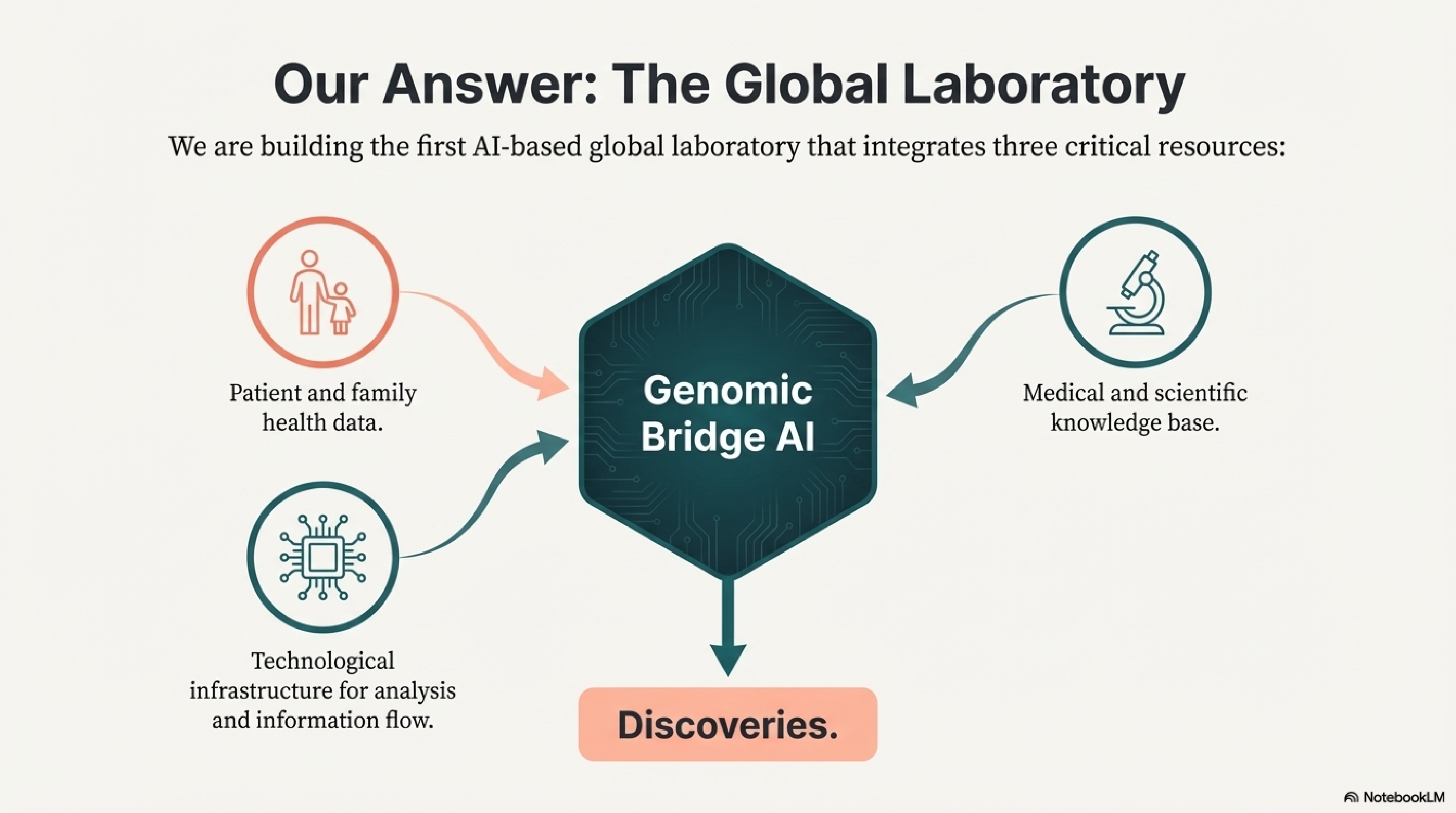
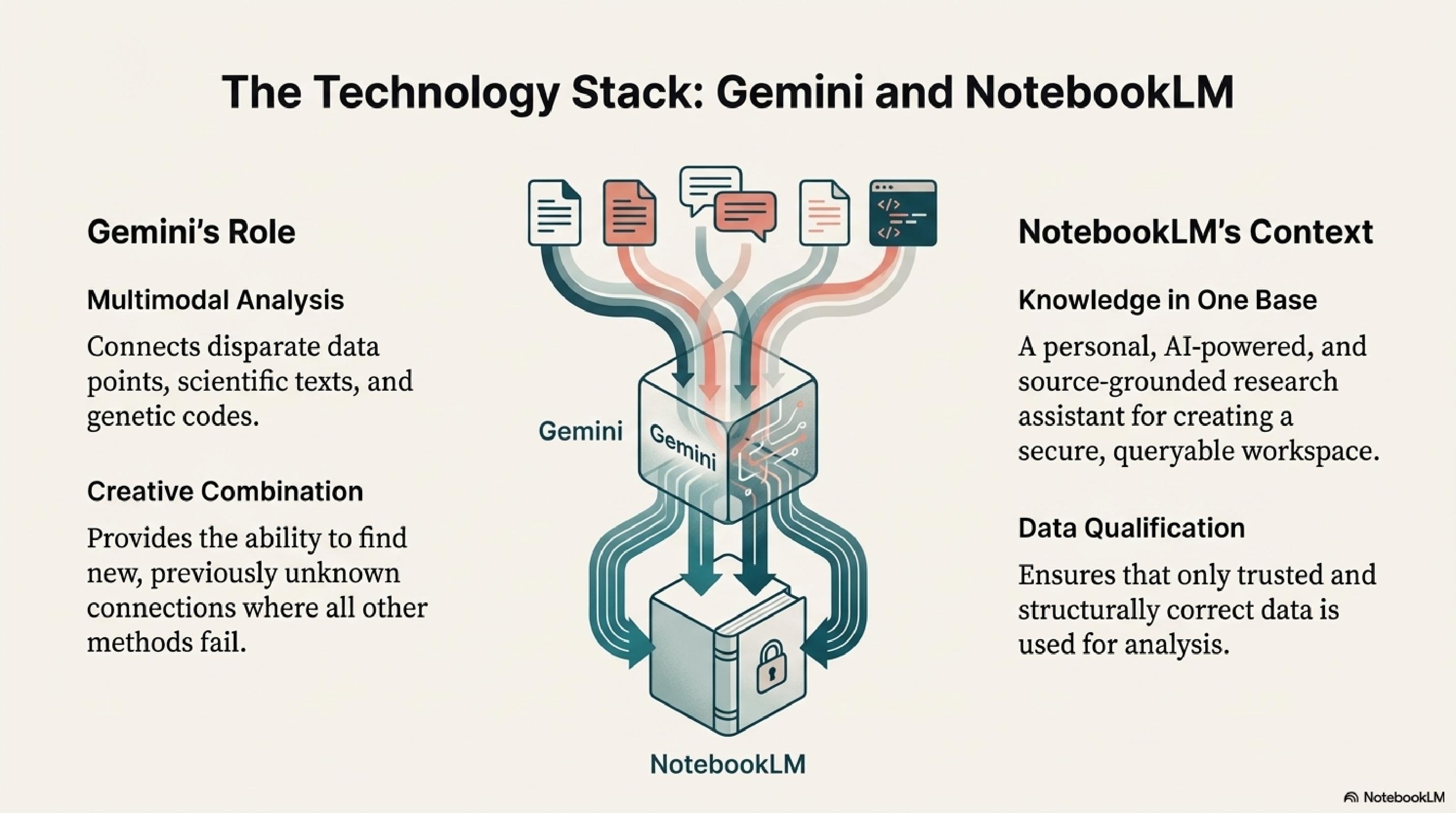
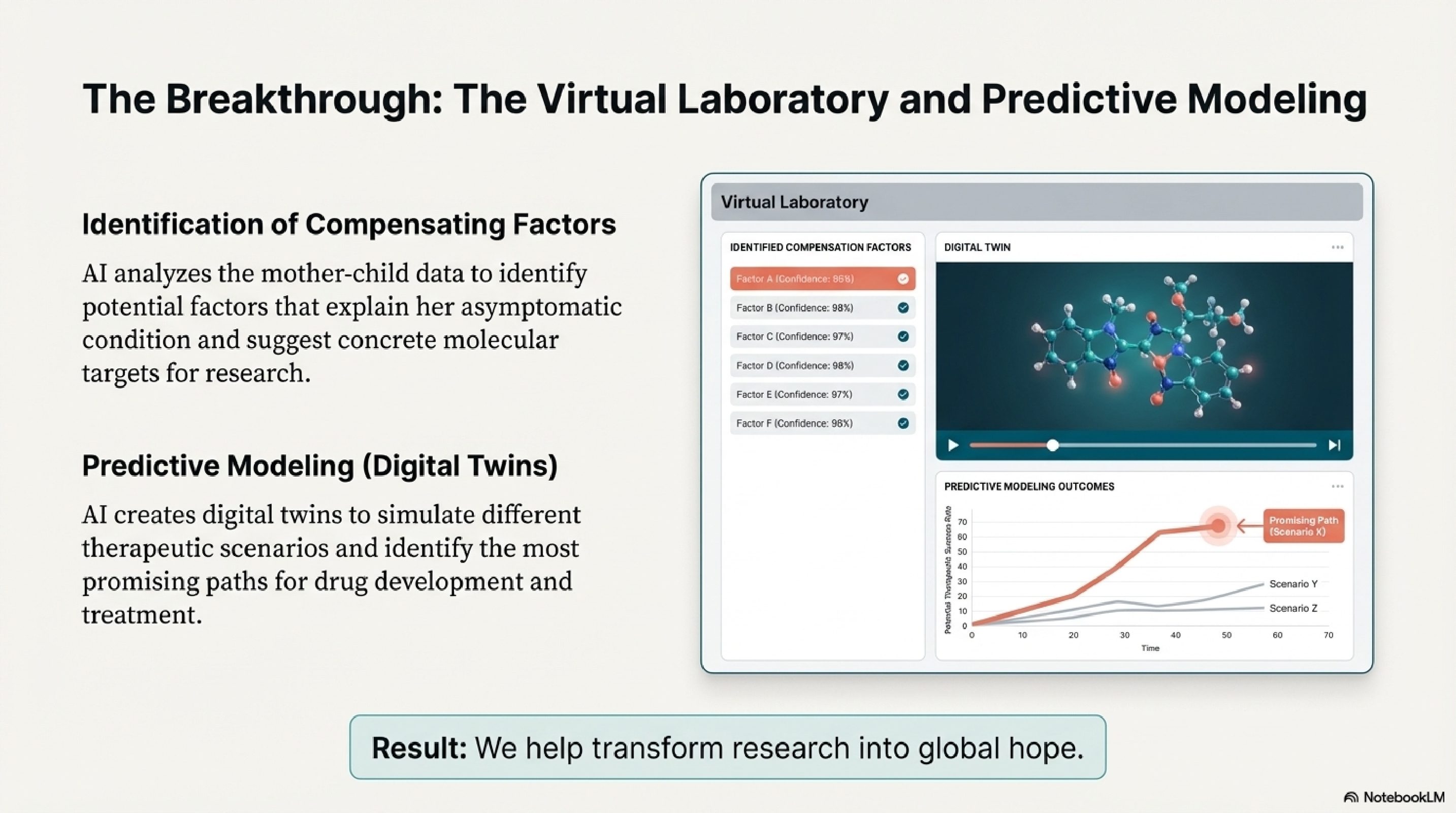
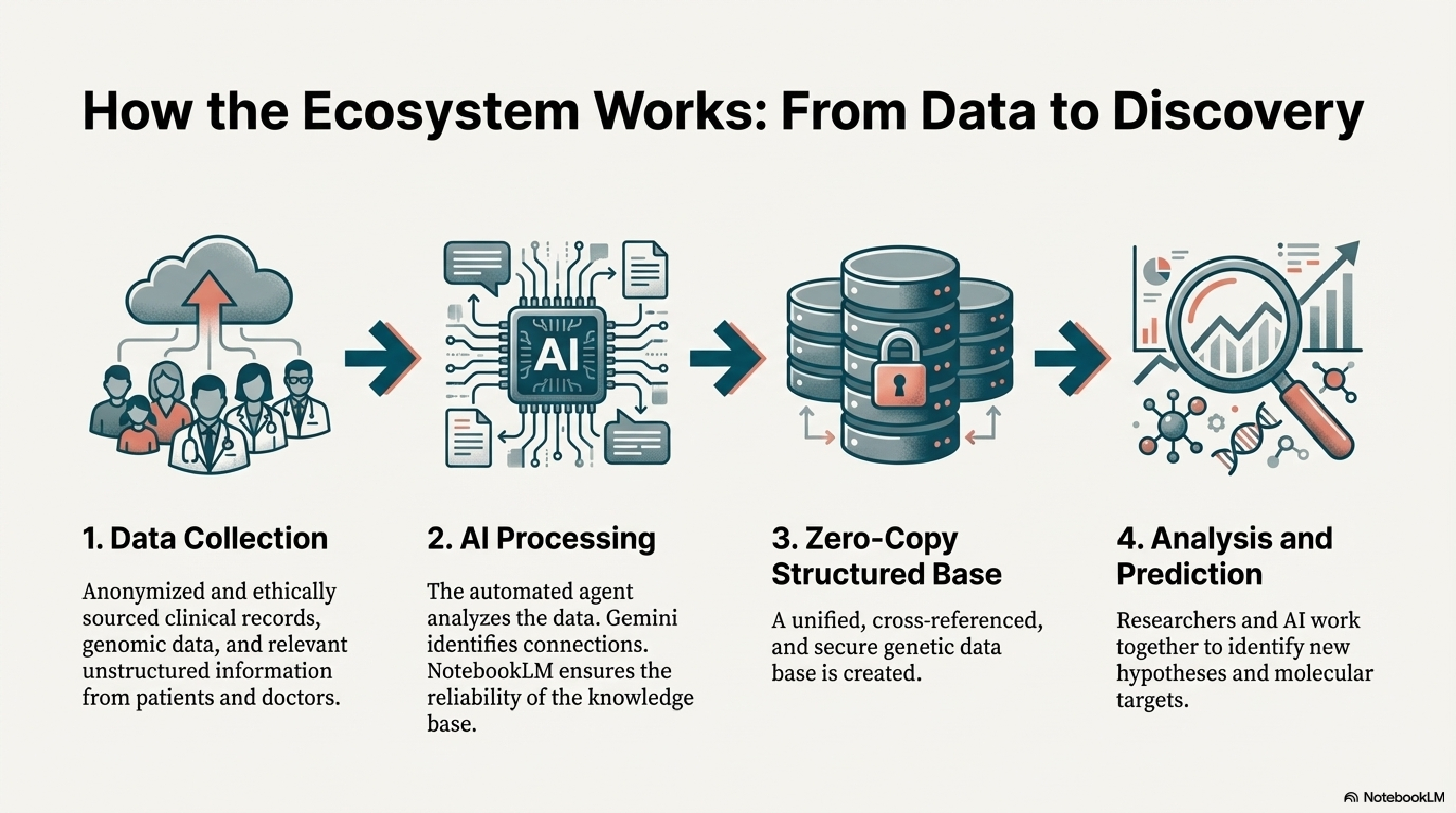
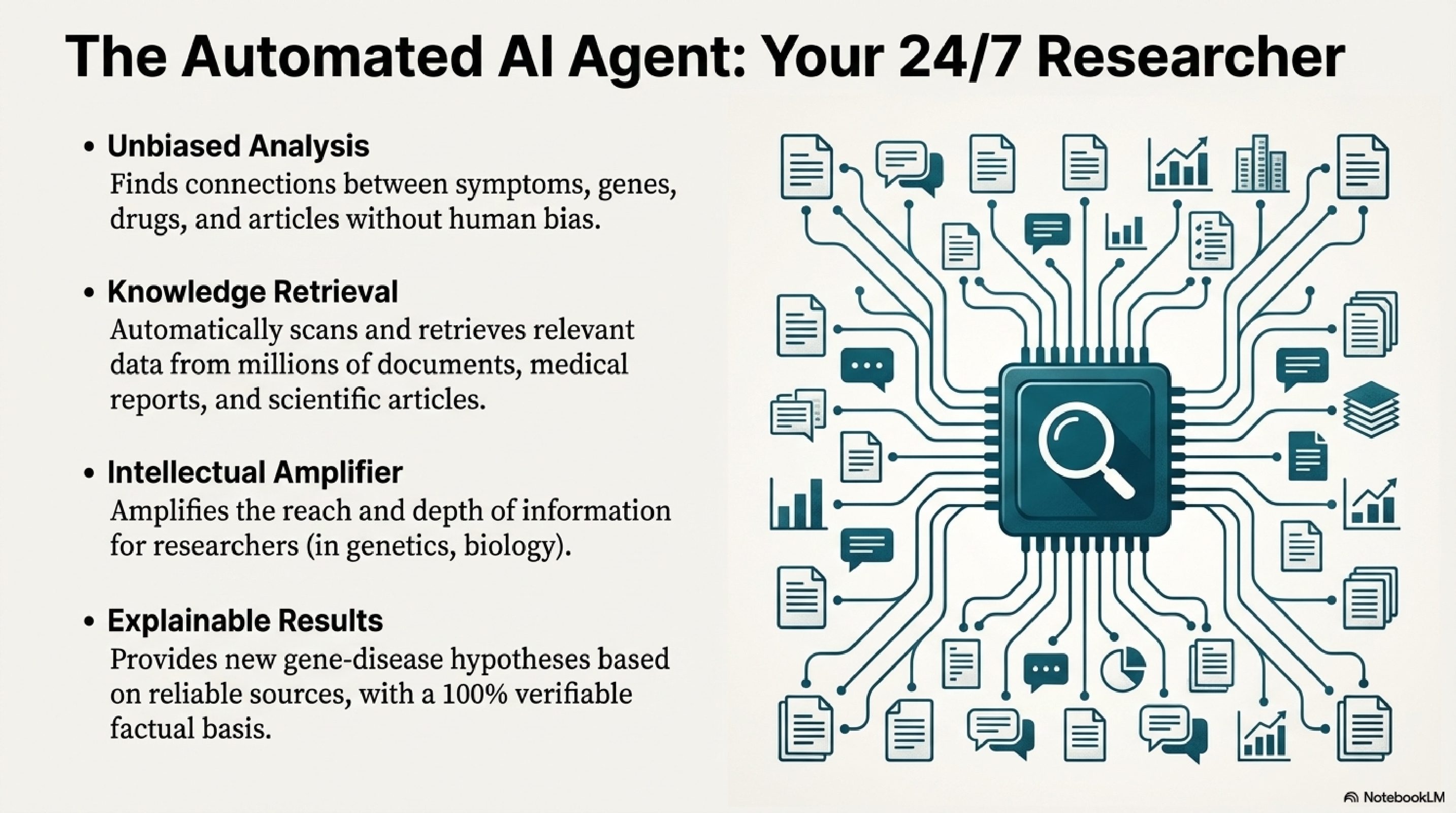
What you built: The Conceptual Framework and Architecture of an AI-Powered Research Platform We have established the conceptual framework and architecture for Genomic Bridge AI—the world's first AI-driven research platform focused squarely on the rare disease challenge. Architectural Foundation: The project's prototype is based on a planned integration leveraging the capabilities of Google's Gemini Gems and NotebookLM. AI Agent Planning: We have designed a plan for specialized AI agents, built with a Prompt Engineering Architecture, intended to: Collect, structure, and analyze fragmented global scientific publications and critical parental clinical data. Enable multilingual communication globally, ensuring no discovery is lost due to linguistic barriers. Predictive Modeling Concept: The AI is conceptualized to create Digital Twins and utilize Predictive Modeling. These models will test thousands of therapeutic scenarios, establishing relationships between genetic, clinical, and environmental profiles to identify the most promising paths for prevention and treatment.
Challenges you faced: Data Scalability and Precision Data Vacuum and Fragmentation: The primary challenge is ensuring that unique, empirical clinical data from parents (e.g., diet, lifestyle)—which may contain the vital compensation factor—can be seamlessly and accurately integrated with academic genomic research. Overcoming Initial AI Limitations: Early tests with existing language models (LLMs) yielded responses that were too superficial. To solve this, we designed a plan for a multi-layered, expert Prompt Engineering architecture to guarantee the highest analytical precision. Scalability and Management: The technical scale of this project is immense, demanding high-level management and the mobilization of a specialized technical team (programmers, designers, developers) skilled in ultra-complex tasks to bring the prototype to fruition.
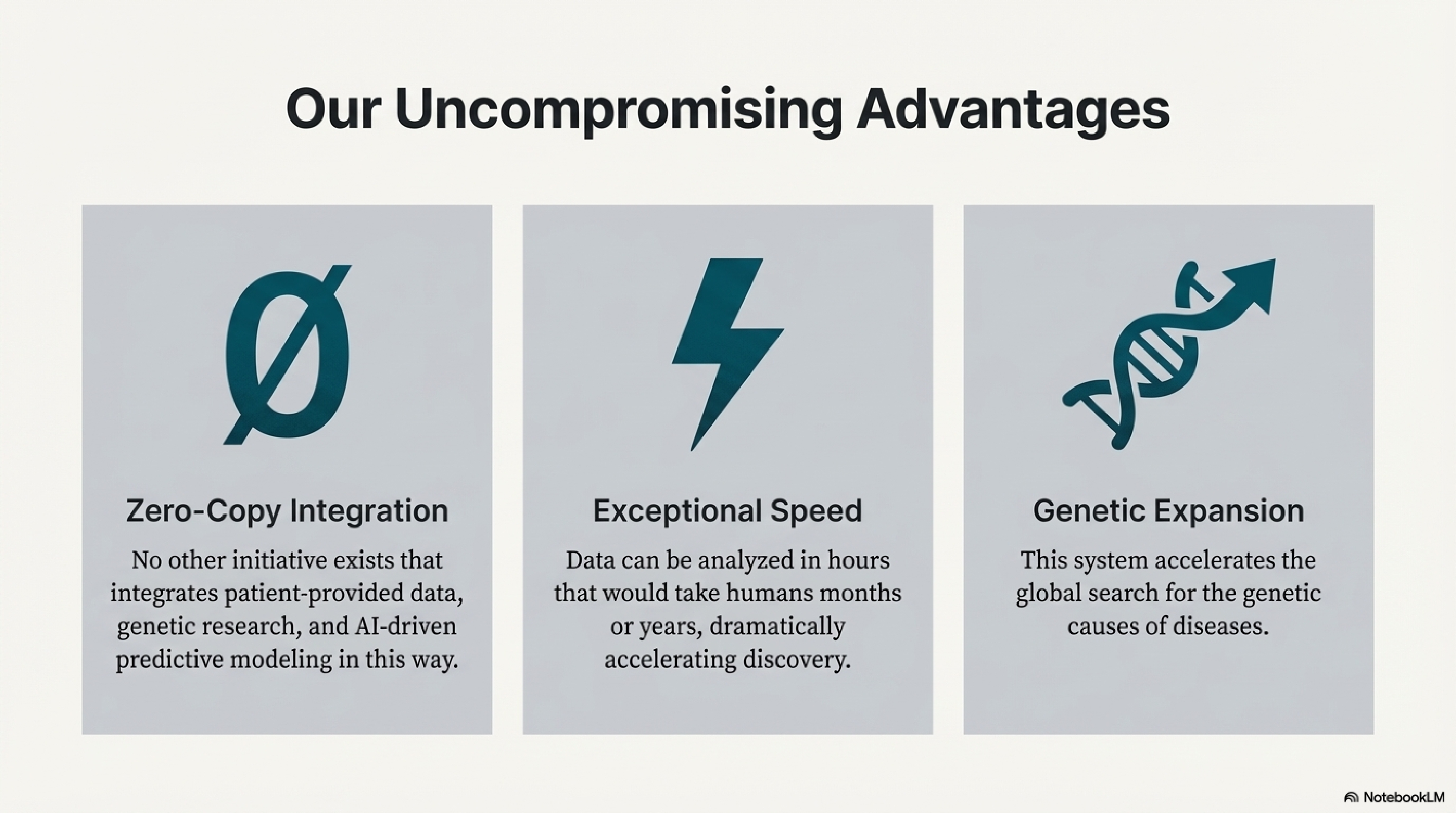
Format it Mathematically: Exponential Acceleration of Research The core impact of Genomic Bridge AI is the exponential acceleration of the research pace, which is critical for rare diseases: $$\text{Efficiency} = \frac{\text{A} \times \text{P}}{\text{T}{human}}$$ Where: A (AI Analysis): The speed of cross-analysis performed by the AI. P (Predictive Modeling): The accuracy of the predictive modeling in generating viable hypotheses. T{human} (Human Time): The time required for a human to perform the same analysis (years). Goal: The integration of AI ensures that genomic data cross-analysis and therapeutic hypothesis generation—which would take a human years—will be reduced to hours. Our project aims to accelerate ASD and rare genetic disorder research by 10X (tenfold), ultimately enabling millions of people to adapt to normal living conditions.
Built With
- gemini
- notebooklm

Log in or sign up for Devpost to join the conversation.