-
-
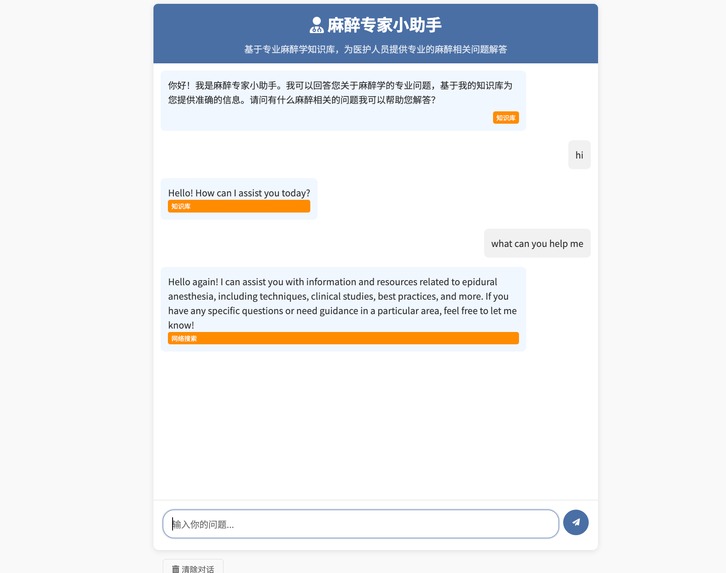
Med-reserach agent
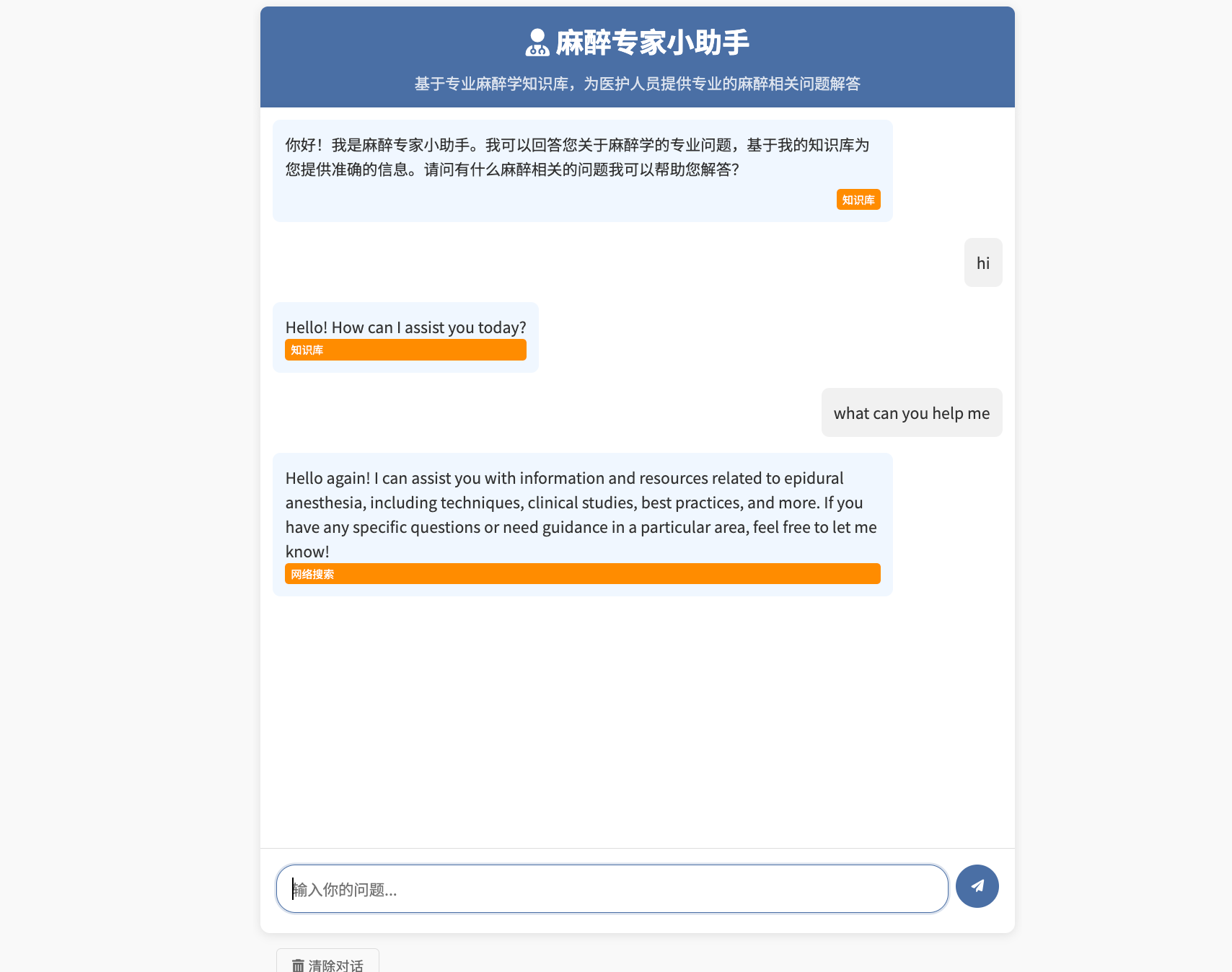
Research Agent for Epidural Anesthesia
Inspiration
The inspiration for this project came from the need to make medical research more accessible to healthcare professionals and researchers. Epidural anesthesia is a complex medical procedure with extensive literature, and practitioners often need quick access to specific information, images, and data from research papers. We wanted to create an intelligent agent that could instantly answer questions about epidural anesthesia research, display relevant medical images and charts, and provide seamless access to source materials - all through a conversational interface that works perfectly on any device.
What it does
Our Research Agent for Epidural Anesthesia is an intelligent PDF chatbot that transforms how users interact with medical research documents. The system:
- Provides instant answers to questions about epidural anesthesia procedures, techniques, and research findings
- Displays medical images inline including anatomical diagrams, procedure illustrations, and research charts when relevant to user queries
- Offers seamless PDF downloads of original research papers with properly formatted, clickable links
- Adapts to any device with a responsive design that works flawlessly on desktop, tablet, and mobile devices
- Understands context by maintaining conversation history and providing coherent follow-up responses
- Handles complex queries by intelligently detecting whether users are asking for visual content, textual information, or downloadable resources
How we built it
We built a full-stack web application using modern technologies and best practices:
Backend Architecture:
- Python Flask API for processing user queries and generating intelligent responses
- Advanced query processing with functions like
detect_query_type(),get_images_and_tables(), andformat_image_response() - Intelligent content retrieval system that analyzes PDF content and maps user questions to relevant sections
- Multi-language support with keyword detection for Chinese terms (图, 图片, 图表, 表格) and English equivalents
Frontend Development:
- Responsive HTML5/CSS3 interface with mobile-first design approach
- Advanced JavaScript with sophisticated message formatting and URL processing
- Smart link handling that converts plain text URLs to clickable download links while preventing duplicate displays
- Inline image rendering with responsive sizing (400px desktop, 300px tablet, 250px mobile)
Deployment Infrastructure:
- nginx web server with comprehensive security headers and CORS configuration
- Automated deployment using SCP-based scripts for seamless production updates
- Secure file serving for PDF downloads and image assets with proper MIME type handling
Challenges we ran into
1. Content Overflow on Mobile Devices
Long URLs and messages were breaking the chat interface layout on mobile devices. We solved this by implementing comprehensive CSS word-breaking and overflow controls with word-break: break-word and overflow-wrap: break-word.
2. Duplicate Link Display The system was showing URLs twice - once as plain text and once as clickable links. We developed a sophisticated placeholder system that protects existing HTML links while converting only plain text URLs to clickable elements.
3. Domain Configuration Issues The backend was returning development IP addresses instead of production domain names. We fixed this by updating the system message configuration to use the correct production domain (https://wingsai.cn).
4. nginx Configuration Conflicts Complex server configuration conflicts arose between the main nginx.conf and virtual host configurations. We resolved this by implementing proper path handling, security headers, and CORS policies.
5. Production Deployment Synchronization
Changes weren't persisting after deployment because the deploy script copies app.prod.js to app.js. We learned to update the production version first to ensure changes persist through deployments.
Accomplishments that we're proud of
1. Seamless Cross-Platform Experience We achieved perfect responsiveness across all devices - from 320px mobile screens to 1920px+ desktop displays, with touch-optimized interactions for mobile users.
2. Intelligent Image Display System Our system can detect when users ask for visual content and automatically display relevant medical images inline with proper captions and responsive sizing.
3. Smart URL Processing We developed an advanced URL detection and conversion system that handles complex edge cases while maintaining clean, accessible link formatting with download icons.
4. Production-Ready Security Implemented comprehensive security measures including CORS headers, XSS protection, content type validation, and secure file serving with directory access prevention.
5. Zero-Downtime Deployment Created an automated deployment system that ensures seamless updates to production without service interruption.
What we learned
Technical Insights:
- The importance of mobile-first responsive design in medical applications where practitioners use various devices
- How to implement sophisticated text processing that handles multiple languages and prevents UI breaking
- The complexity of production deployment synchronization and the need for proper file management strategies
- Advanced nginx configuration for serving mixed content types securely
User Experience Lessons:
- Medical professionals need instant access to visual content - inline image display is crucial for usability
- Download links must be immediately recognizable and accessible, especially for reference materials
- Conversation context is essential for medical queries where follow-up questions build on previous responses
- Performance optimization is critical - medical professionals can't wait for slow responses during patient care
Development Process:
- The value of comprehensive error logging and debugging capabilities in production environments
- How proper documentation and memory systems help maintain complex projects over time
- The importance of testing across real devices, not just browser developer tools
What's next for Research Agent for Epidural Anesthesia
Immediate Enhancements:
- Multi-PDF Support: Expand the system to handle multiple research papers simultaneously, allowing users to query across different studies and compare findings
- Advanced Search Capabilities: Implement semantic search across medical literature with relevance scoring and citation tracking
- User Session Management: Add persistent conversation history and user preferences for personalized experiences
Advanced Features:
- Medical Terminology Recognition: Enhanced NLP for medical terms, drug names, and procedure-specific vocabulary
- Citation and Reference Tracking: Automatic citation generation and reference linking between related papers
- Collaborative Features: Allow multiple healthcare professionals to share and discuss research findings within the platform
Integration Possibilities:
- Electronic Health Record (EHR) Integration: Connect with hospital systems to provide contextual research based on patient cases
- Medical Database Connectivity: Integration with PubMed, Cochrane Library, and other medical databases for expanded research access
- Mobile App Development: Native iOS and Android applications for offline access and push notifications
Research and Development:
- AI-Powered Insights: Machine learning models to identify trends and patterns across multiple research papers
- Predictive Analytics: Help predict potential complications or outcomes based on research data
- Real-time Updates: Automatic integration of new research publications and medical guidelines
Scalability and Performance:
- Cloud Infrastructure: Migration to scalable cloud platforms for handling increased user load
- Content Delivery Network (CDN): Global distribution of medical images and documents for faster access
- API Development: RESTful APIs for integration with other medical software and research tools
The Research Agent for Epidural Anesthesia represents just the beginning of how AI can transform medical research accessibility. Our vision is to create a comprehensive platform that not only answers questions but actively assists healthcare professionals in providing better patient care through instant access to the latest research and medical knowledge.


Log in or sign up for Devpost to join the conversation.