-
-
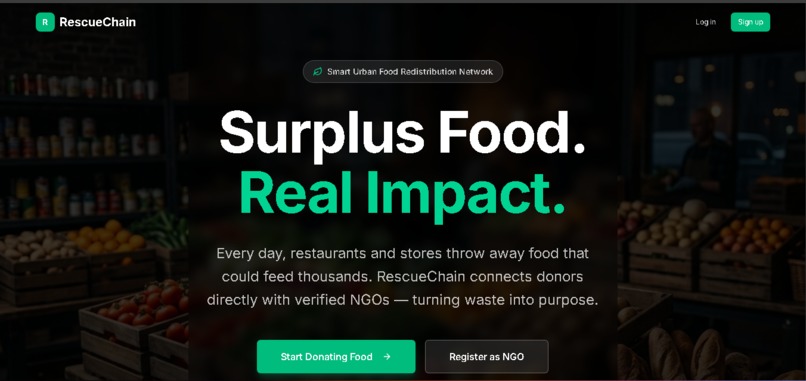
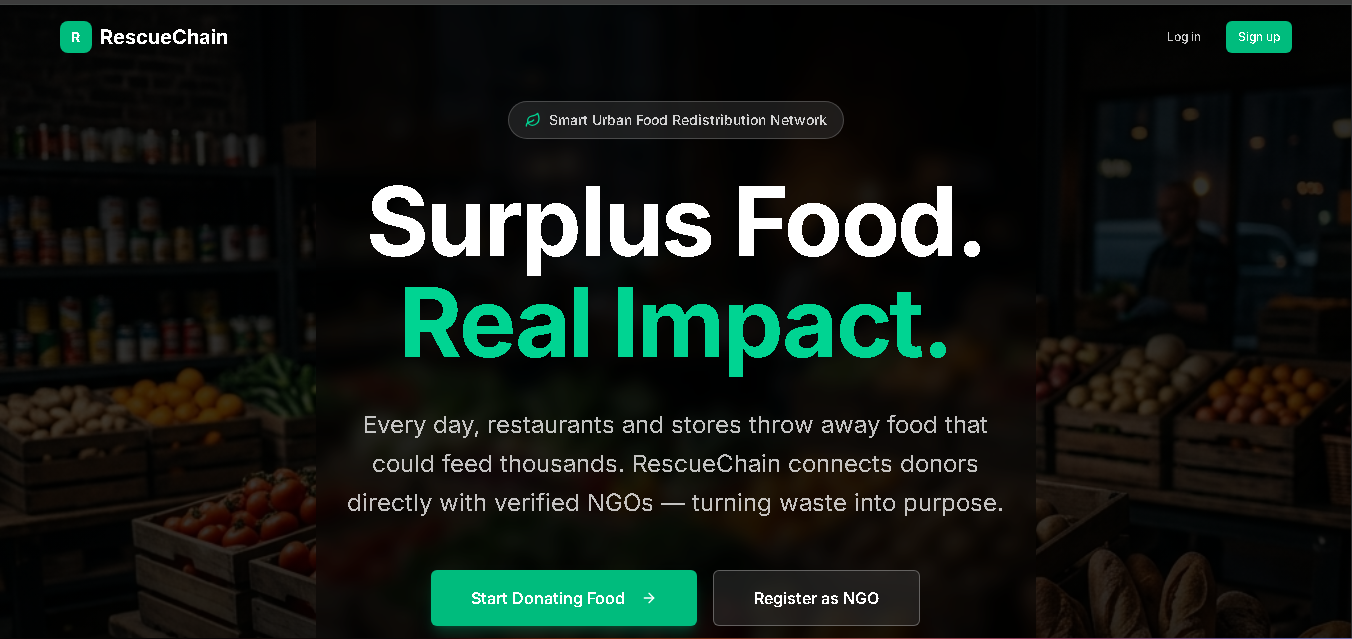
Landing Page
-
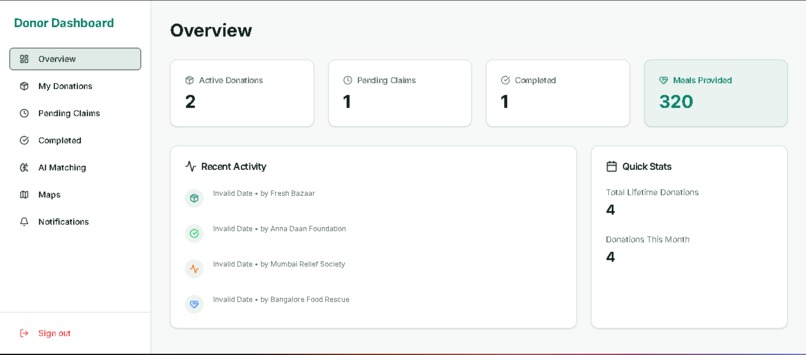
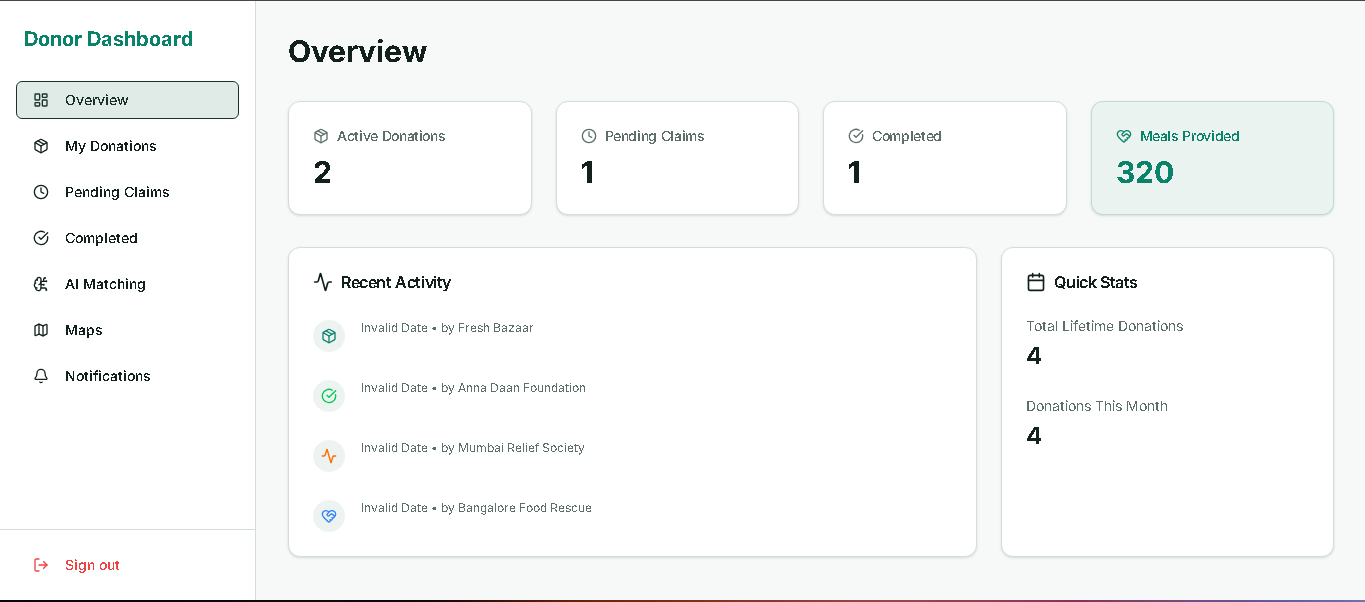
Dashboard
-
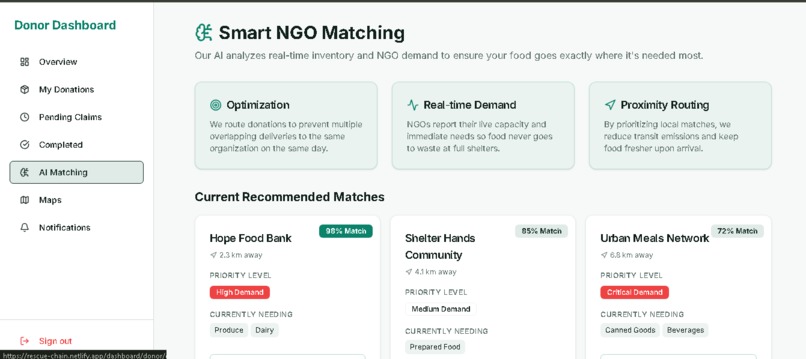
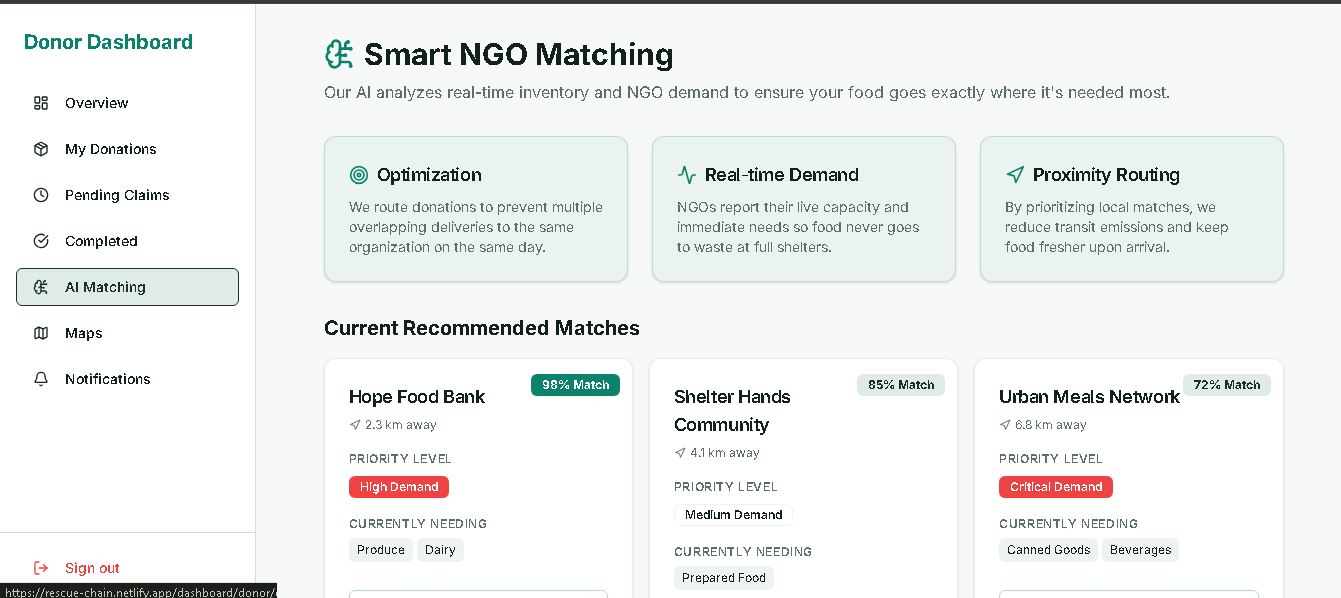
AI Matching
-
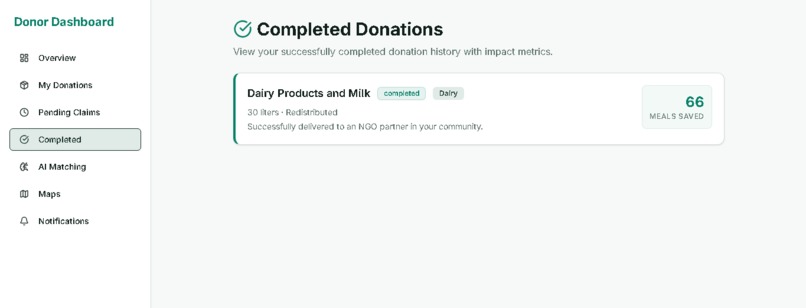
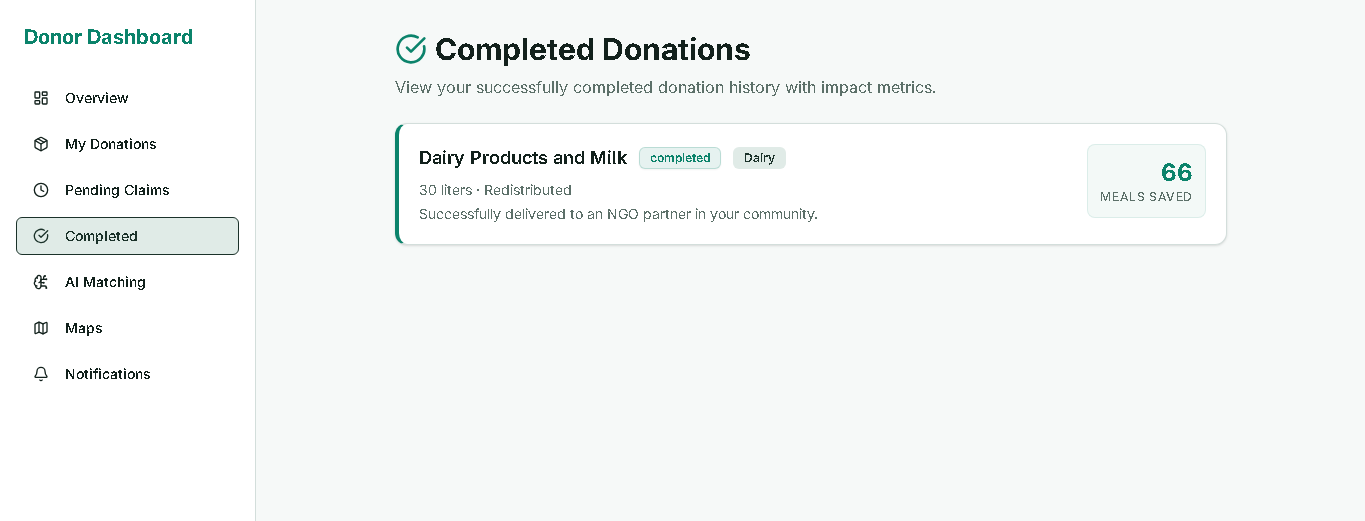
Completed Donations
-
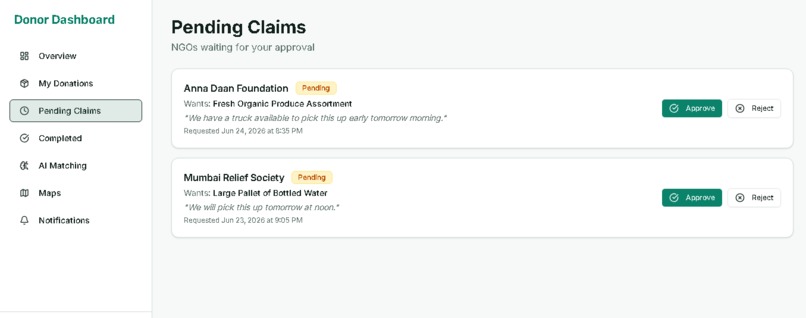
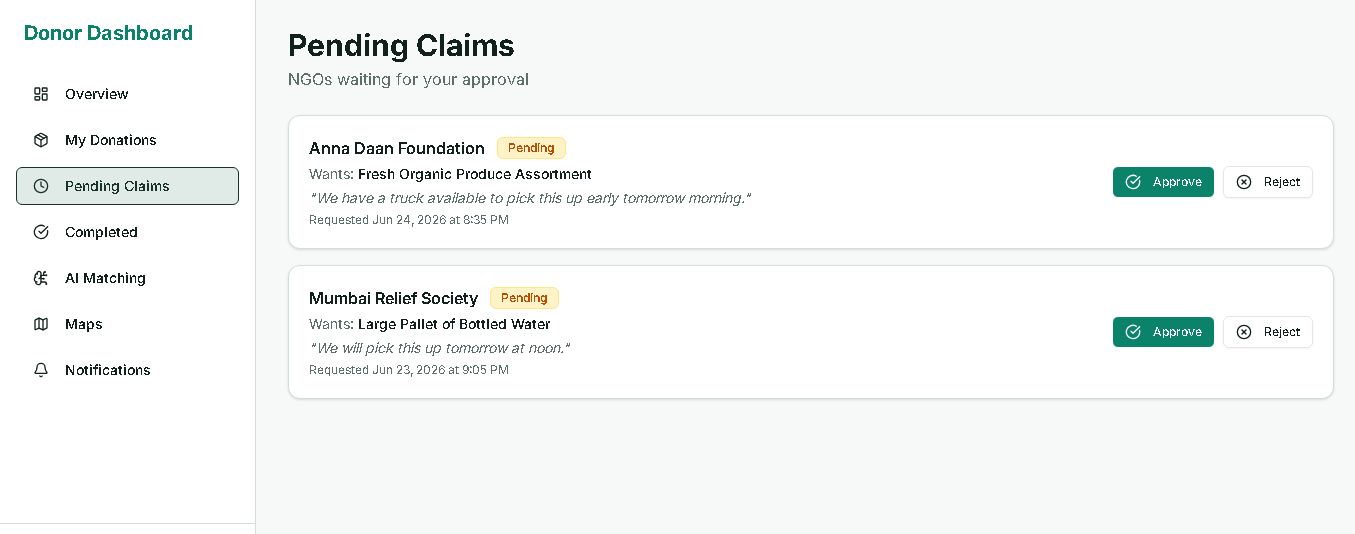
Pending Claims
-
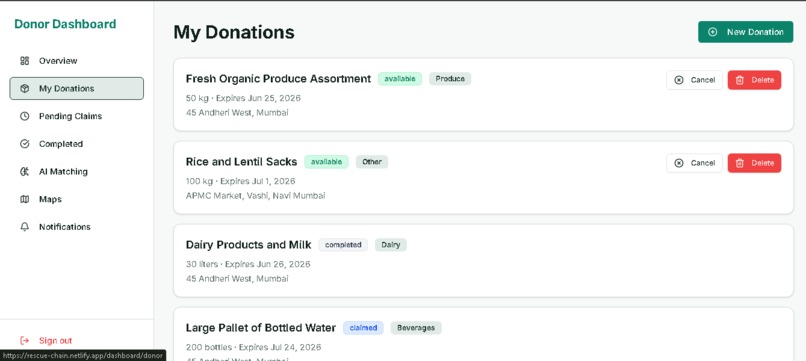
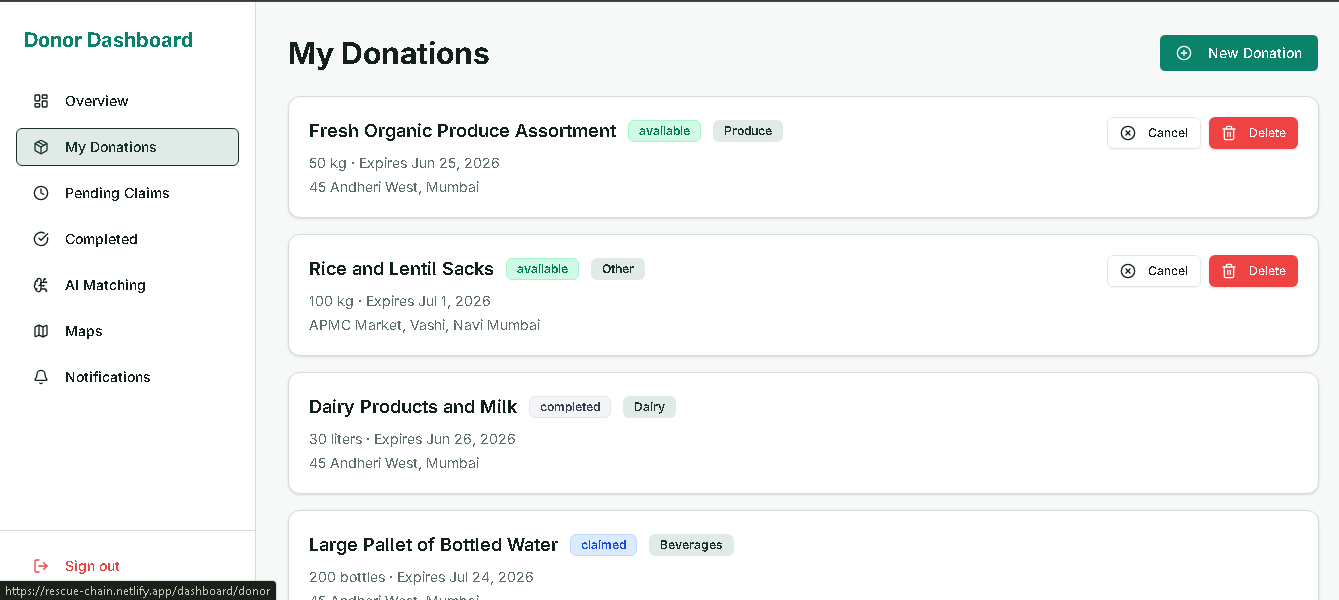
Donations page
Rescue Chain
Inspiration
Food waste is a problem we see around us every day. Restaurants, events, and households often end up throwing away perfectly edible food, while many NGOs and community organizations struggle to provide enough meals for people in need.
We wanted to build a solution that could bridge this gap. The idea behind Rescue Chain was simple: make food donation easier, faster, and more organized so that surplus food reaches the right people instead of ending up in the trash.
What It Does
Rescue Chain is a food donation platform that connects food donors with NGOs through a streamlined and technology-driven process.
Donors can quickly create donation listings, track their donations, monitor claims, and view completed distributions from a single dashboard.
One of the key features of the platform is its smart NGO recommendation system. Instead of forcing donors to search through multiple organizations, Rescue Chain suggests the most suitable NGOs based on factors such as their current demand, food requirements, and distance from the donor.
The platform also helps coordinate pickups, send notifications, and track the overall impact of donations, making the entire process more transparent and efficient.
How We Built It
While designing Rescue Chain, our primary focus was simplicity. We wanted users to be able to donate food with minimal effort while still providing enough information for NGOs to manage distributions effectively.
The platform revolves around a dashboard-based workflow that covers every stage of the donation process.
Donor Dashboard
The dashboard provides a quick overview of important information, including:
- Active donations
- Pending NGO claims
- Completed donations
- Total meals provided
- Recent activity
Donation Management
Donors can:
- Create new donation listings
- Edit or manage existing donations
- Monitor donation status
- Track expiry times for food items
Smart NGO Matching
To improve the chances of successful redistribution, the system recommends NGOs using factors such as:
- Current demand levels
- Food category preferences
- Distance from the donor
- Priority requirements
This helps ensure that donations are directed to organizations that can utilize them most effectively.
Logistics and Pickup Coordination
The platform supports pickup scheduling and route information, making coordination between donors and NGOs easier and reducing delays.
Notifications
Users receive updates for important events such as:
- Donation claims
- Scheduled pickups
- Expiring food donations
- Successful distributions
- General platform updates
Challenges We Faced
One of the biggest challenges was designing a workflow that could handle multiple stages without becoming complicated for users.
Food donation is not just about posting available food. It involves matching organizations, handling claims, scheduling pickups, and tracking completion. Bringing all these components together in a simple and intuitive interface required several design iterations.
Another challenge was developing a recommendation system that could provide meaningful NGO suggestions while considering different variables such as urgency, proximity, and food requirements.
What We Learned
Working on Rescue Chain taught us a lot about both software development and problem-solving.
Some of our key learnings included:
- Designing intuitive dashboards and user workflows
- Building solutions for real-world social challenges
- Managing complex interactions between different users
- Creating recommendation-based systems
- Using data to improve user experience and transparency
More importantly, we gained a better understanding of how technology can create a positive social impact when applied to practical community problems.
Impact
Rescue Chain aims to reduce food waste by creating a structured connection between food donors and NGOs.
By improving visibility, communication, and coordination, the platform increases the chances that surplus food reaches people who need it instead of being discarded.
A simple way to estimate impact is:
Meals Provided = Total Food Donated ÷ Average Food Required Per Meal
Every successful donation contributes toward reducing waste and supporting local communities.
Future Plans
We plan to continue improving Rescue Chain with features such as:
- Live map integration
- Advanced route optimization
- More intelligent matching algorithms
- Mobile application support
- Detailed analytics and reporting
- NGO verification and trust systems
Our long-term vision is to build a reliable food redistribution ecosystem where every surplus meal has the opportunity to reach someone in need.
Built With
- css
- html
- javascript
- node.js
- react
- supabase
- tailwind
- typescript


Log in or sign up for Devpost to join the conversation.