-
-
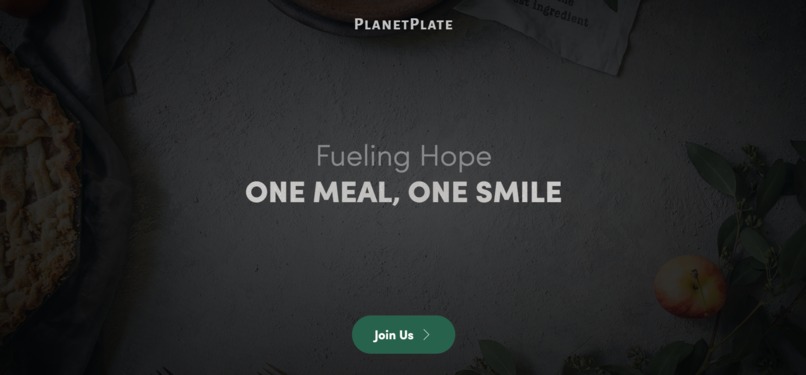
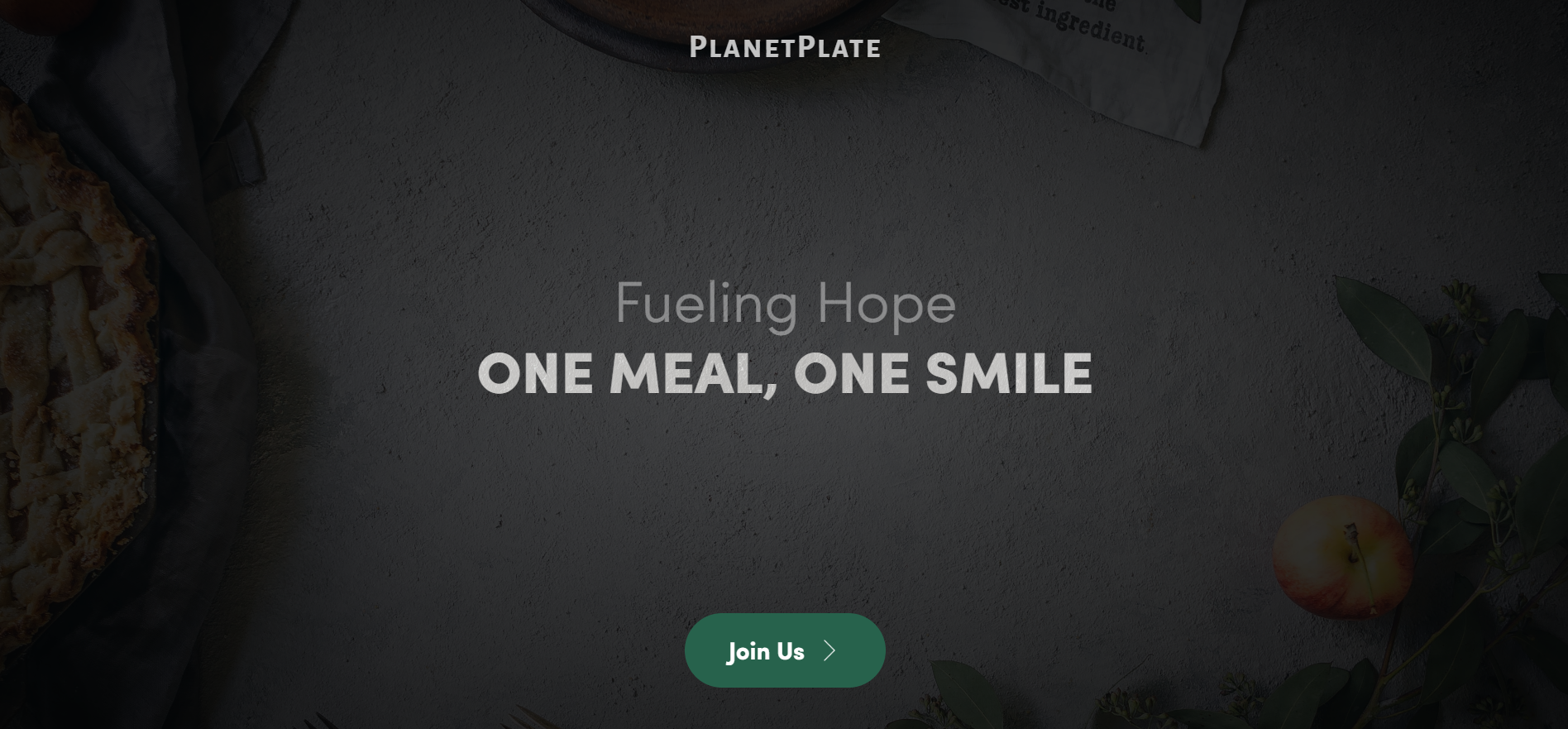
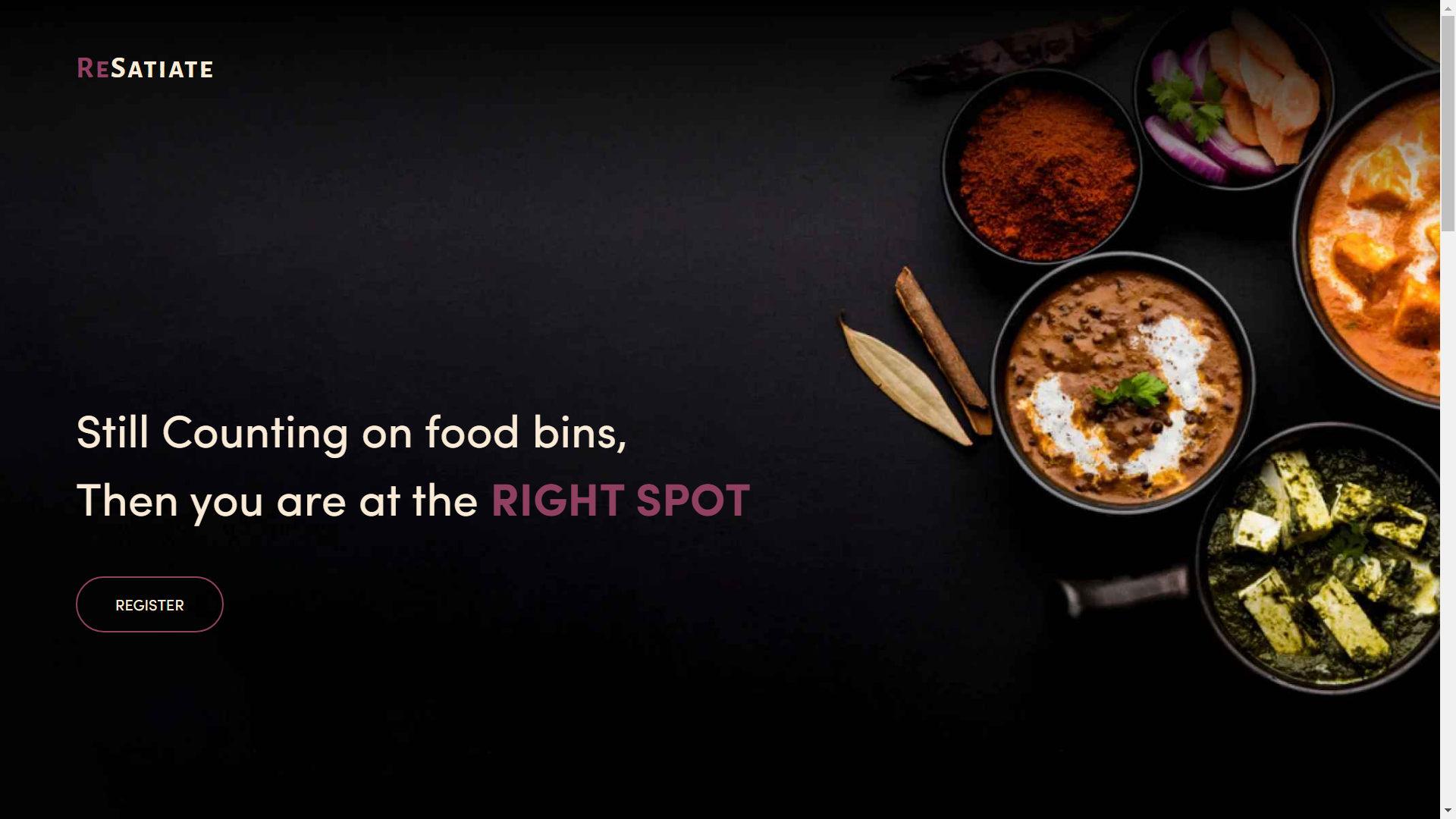
Landing page
-
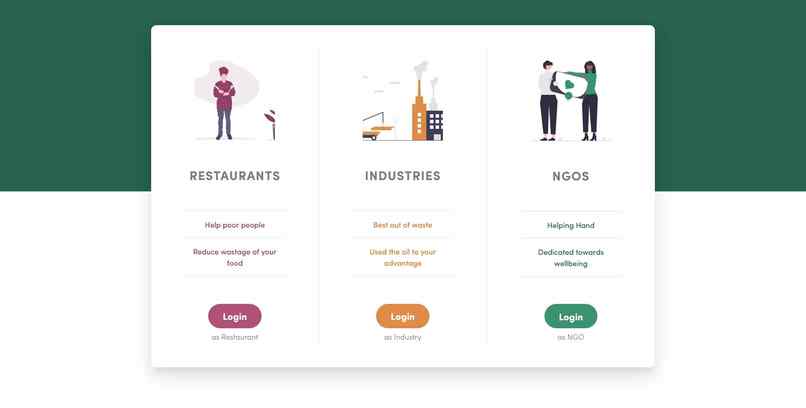
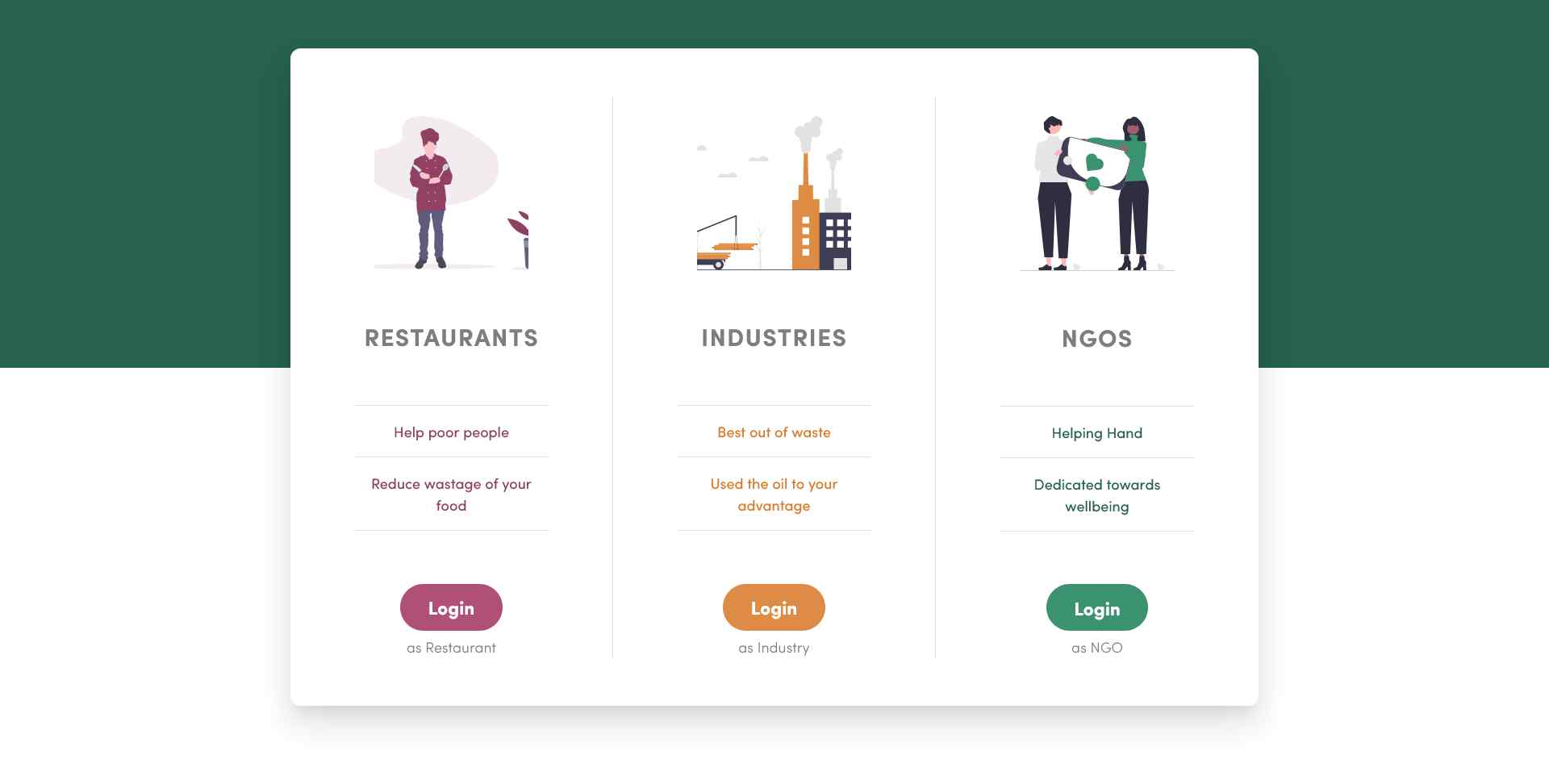
Signup/Login
-

Restaurant
-

Registration
-
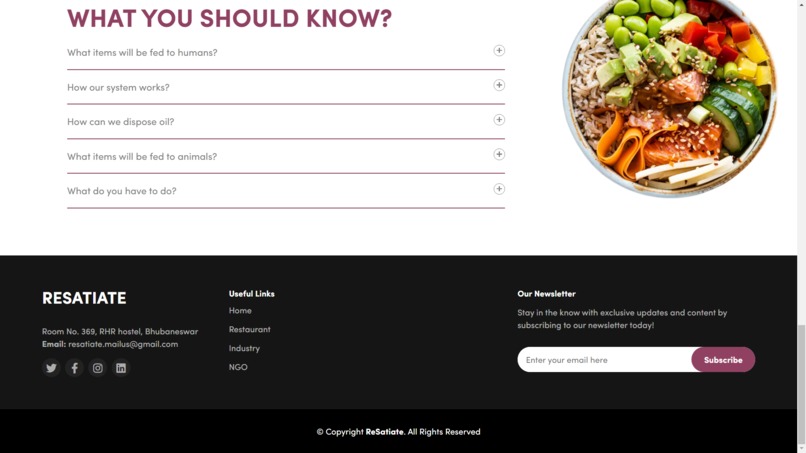
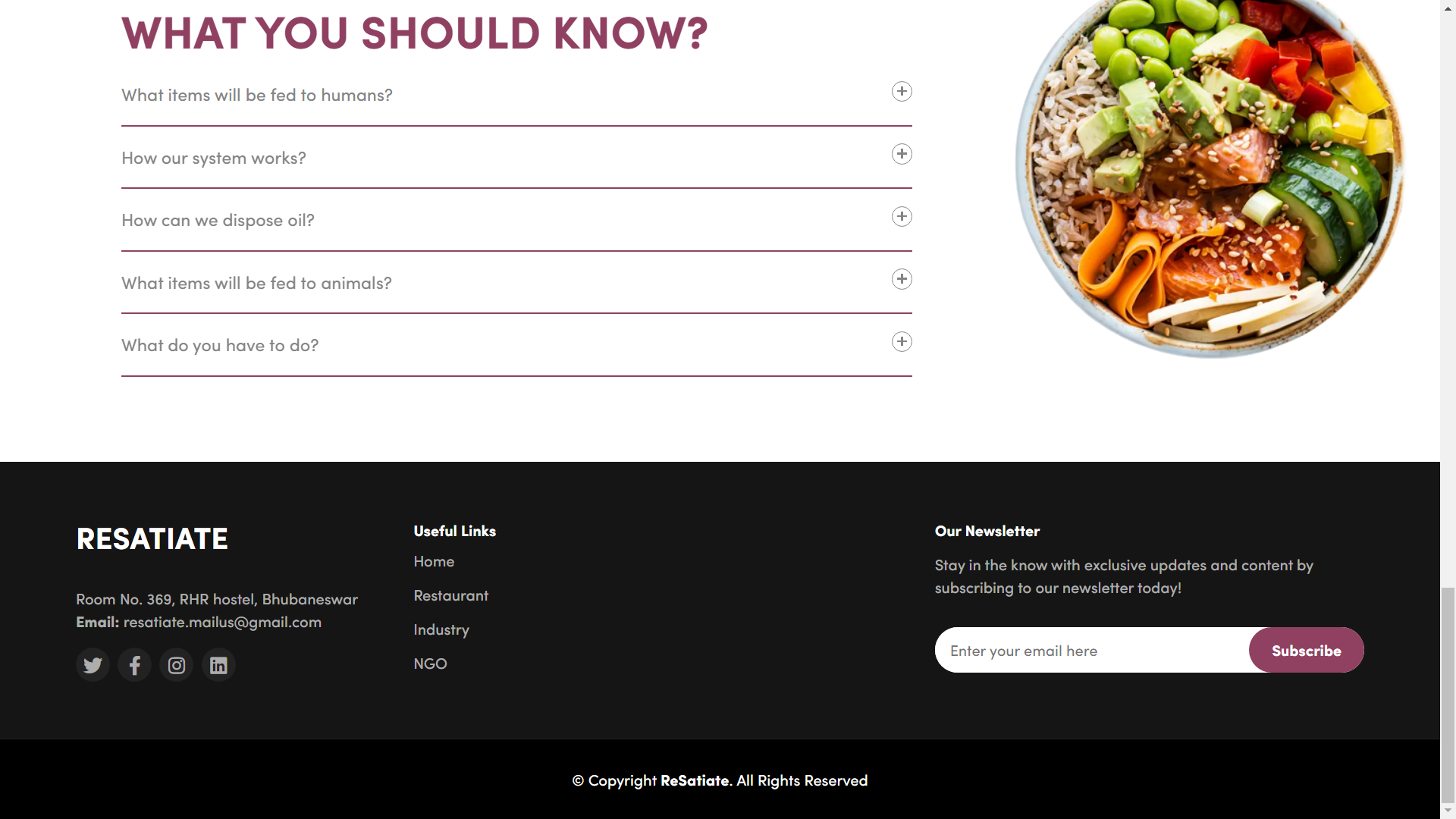
Frequently asked questions
-

Industry
-
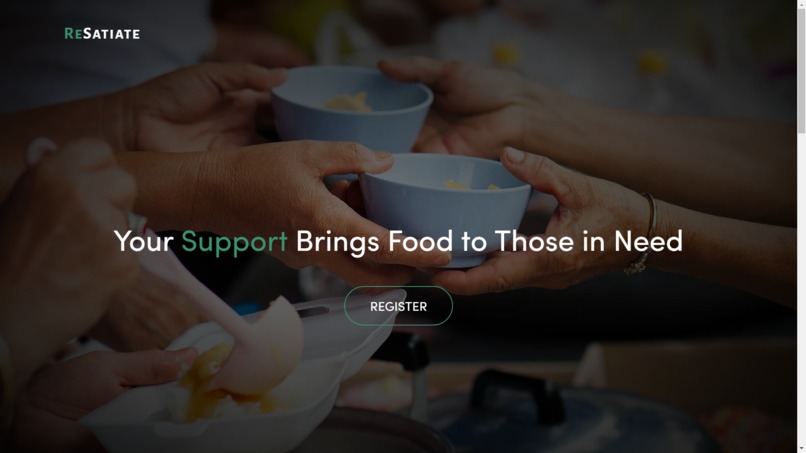
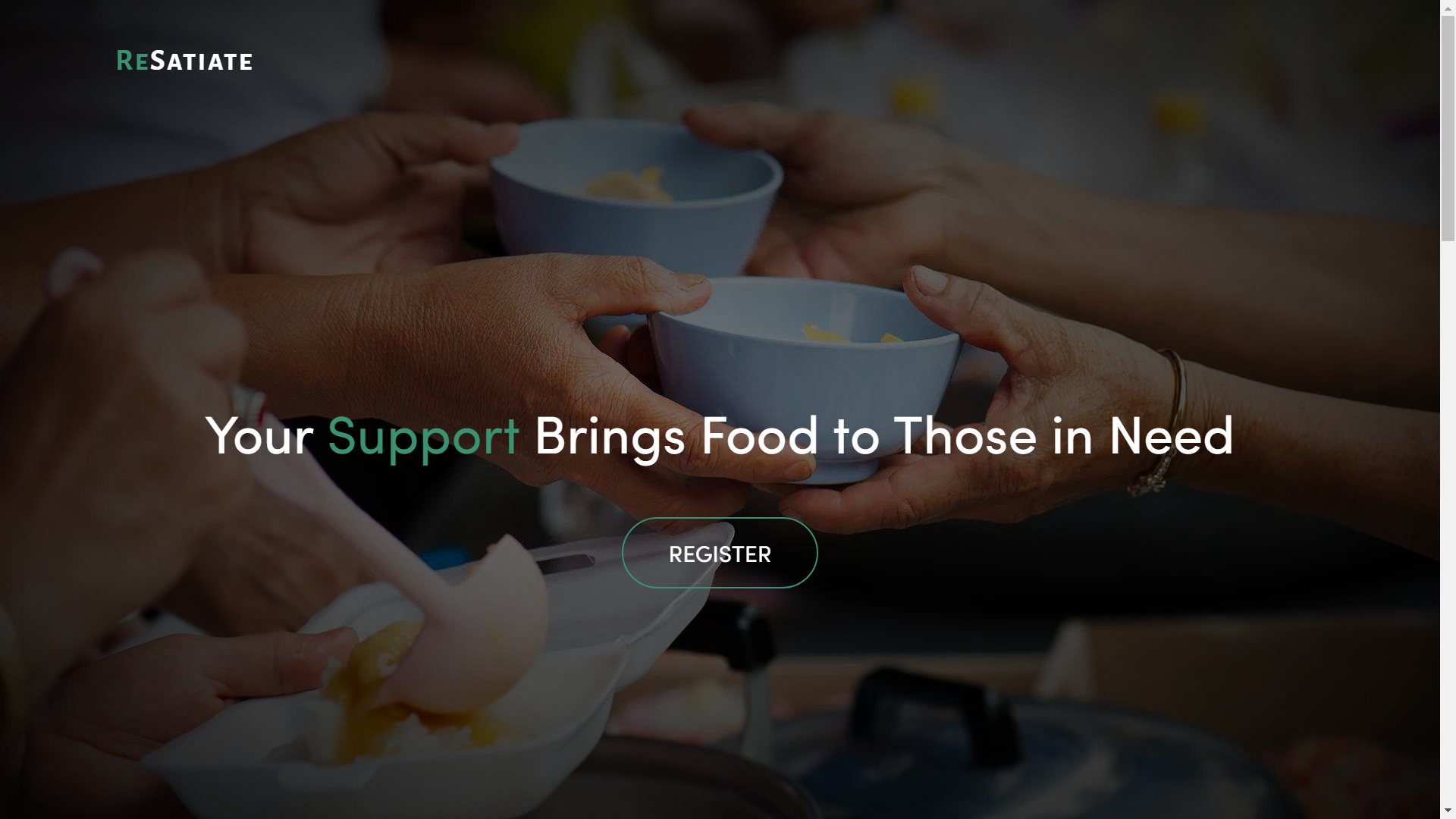
NGOs
-
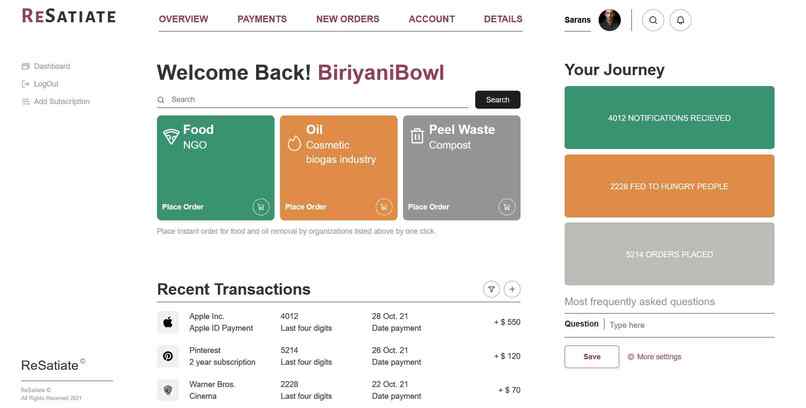
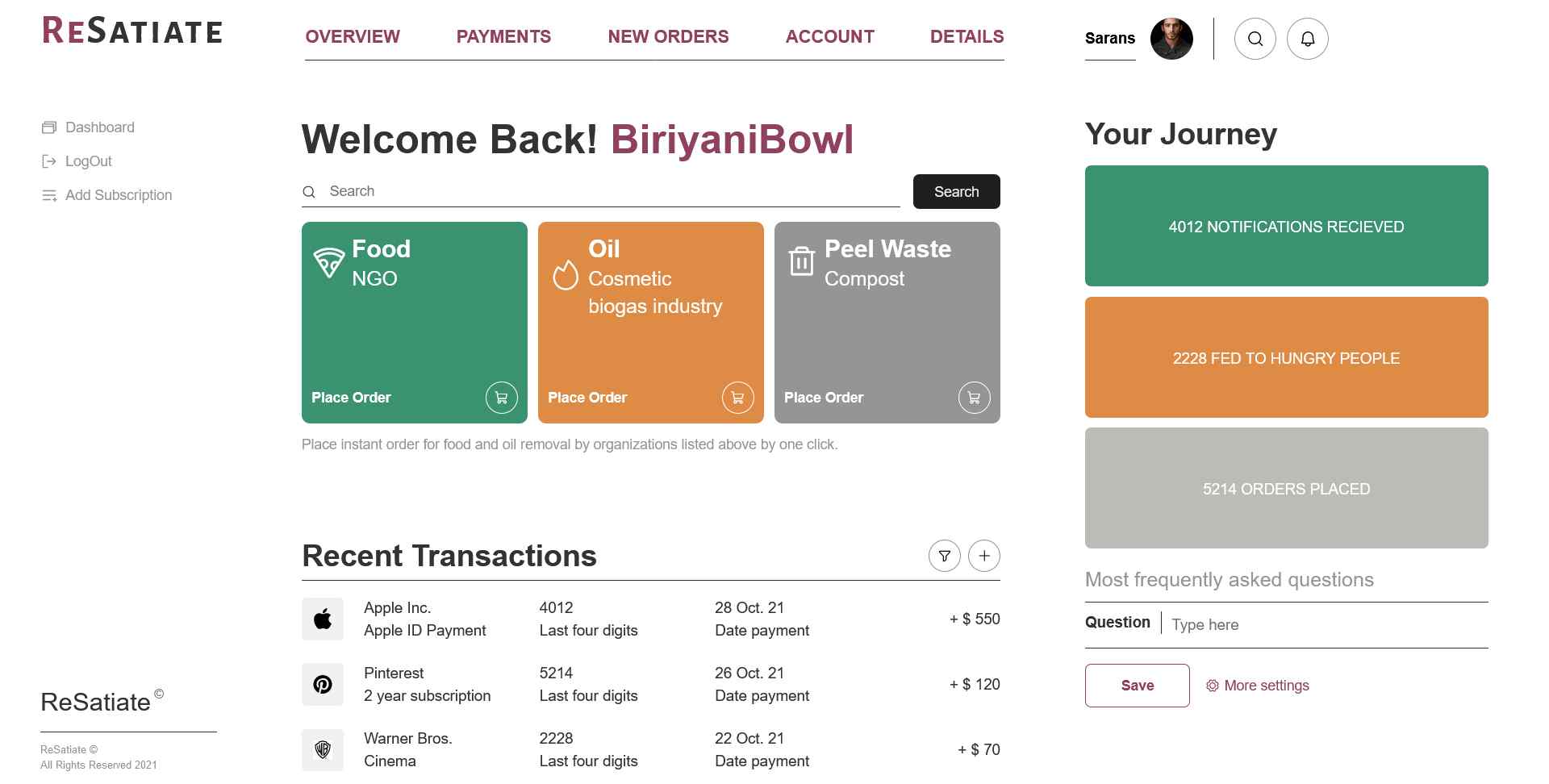
Restaurant Dashboard
-
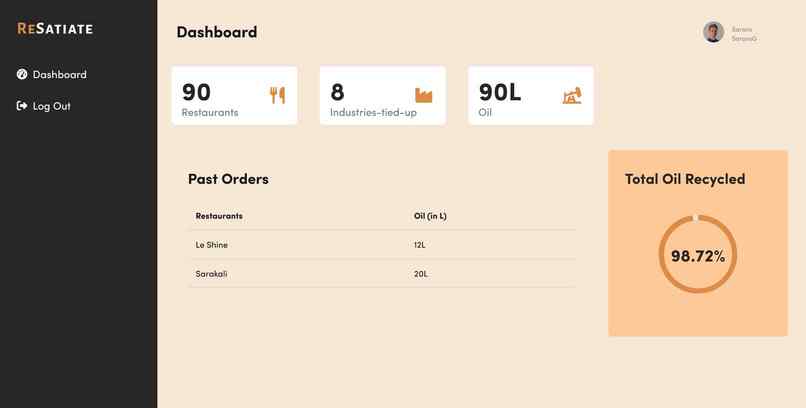
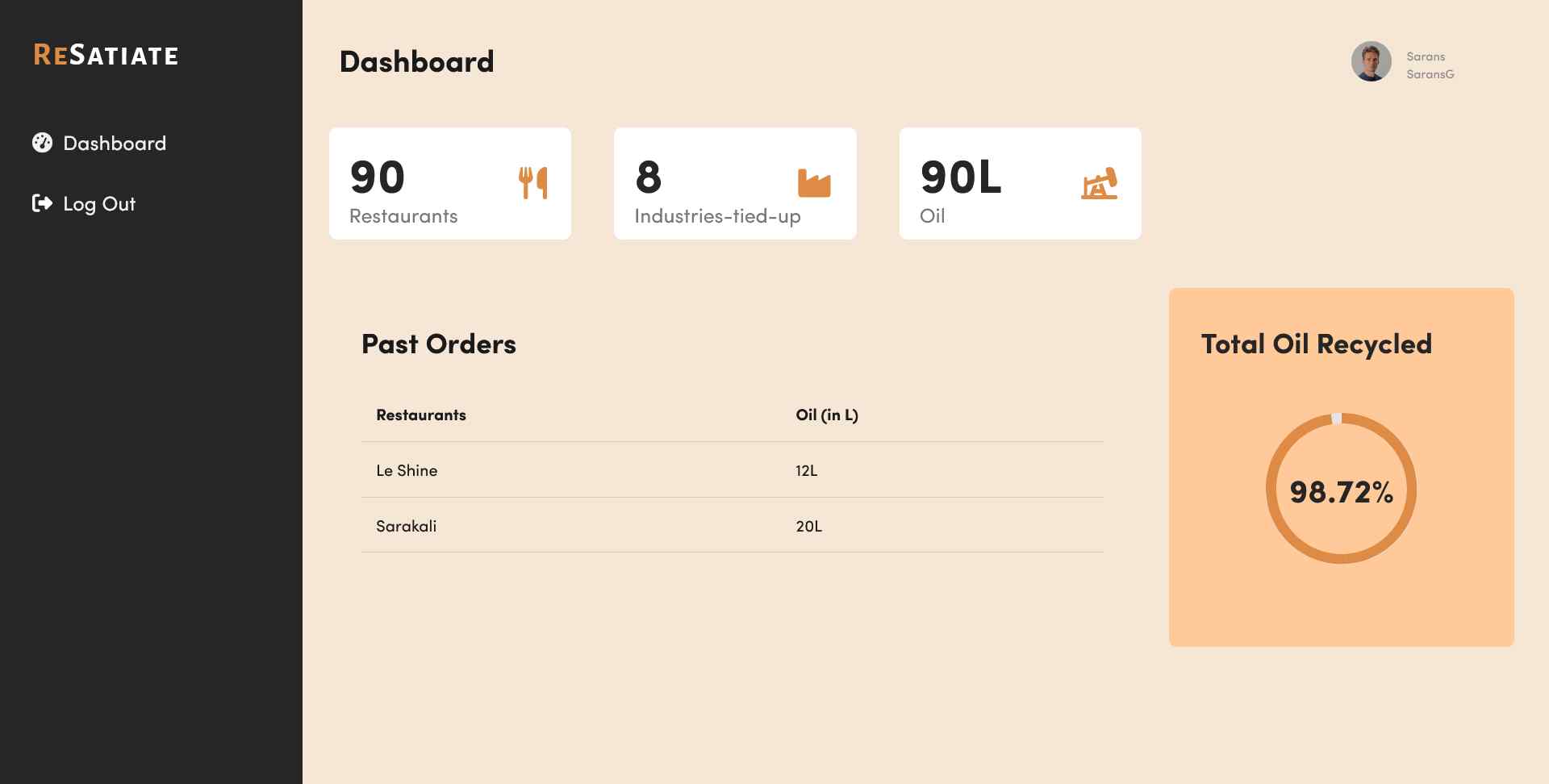
Dashboard for Industry and NGOs


Inspiration
The current food management system faces significant challenges in terms of uneven food distribution and the wasteful disposal of surplus food and by-products Food establishments, such as restaurants, often struggle to find efficient channels to redistribute excess food to those in need, leading to increased food waste and environmental impact Meanwhile, valuable by-products generated during food preparation are discarded in landfills instead of being reused in industries, contributing to resource depletion and pollution
1 Food Waste:
- According to the Food and Agriculture Organization of the United Nations (FAO), approximately 13 billion tons of food is wasted globally each year (Source: FAO)
- The value of wasted food in India is estimated to be around Rs 58,000 crore (approximately 78 billion USD) annually (Source: FAO)
- Restaurants and foodservice establishments contribute significantly to food waste, with a study estimating that they account for around 113 million tons of food waste in the United States annually (Source: ReFED)
2 By-Products and Oil Disposal:
- The wasteful disposal of food in landfills contributes to environmental pollution and greenhouse gas emissions In India, food waste in landfills leads to the production of methane, a potent greenhouse gas, exacerbating climate change (Source: The Energy and Resources Institute - TERI)
- Improper disposal of used frying oil and other by-products can lead to environmental pollution For example, used frying oil that ends up in landfills can release harmful substances and contribute to soil and water contamination
- Research indicates that the repeated use of frying oil can lead to the formation of harmful compounds, such as trans fats, acrylamide, and free radicals These compounds have been linked to health concerns, including cardiovascular diseases and cancer (Source: Journal of the American Oil Chemists' Society)
What it does
Our solution is driven entirely by the "Food Recovery Hierarchy," which serves as the guiding principle for our operations We have structured our platform into three major sections: Restaurants, NGOs, and IndustriesThe solution features a proper food distribution channel that connects restaurants with local NGOs, facilitating the redistribution of surplus food to those in need This system directly addresses the issues of uneven food distribution and food waste We offer both manual listing options, where restaurants can list their available food remains, as well as automated notifications to remind restaurants to update their surplus food status Furthermore, our website establishes a recycling channel for the by-products generated during food preparation These by-products can be efficiently distributed to industries for reuse, promoting responsible consumption and production As an example, oil leftovers can serve as a valuable source of raw materials for cosmetics and biogas industries, providing cost-effective solutions with minimal management and training requirements We strive to divert food waste from landfills by connecting stakeholders and providing alternative channels for surplus food and by-products Our ultimate goal is to create a more sustainable and resource-conscious approach to food management.
How we built it
We used HTML, CSS, and JavaScript to create the user interface of our website. With HTML, we structured the content, and CSS was used to style the website, ensuring a visually appealing and user-friendly design. JavaScript added interactivity, allowing us to implement features like food listing and notifications for restaurants.
For the backend and database management, we turned to Firebase. Firebase's Firestore Database was instrumental in storing and managing data related to surplus food listings, user accounts, restaurant information, NGO details, and industry partnerships. It ensured that all stakeholders had access to up-to-date information in real-time. Additionally, Firebase Authentication provided secure user registration and login functionalities, while Firebase Hosting enabled us to deploy and host the website online.
Challenges we ran into
Navigating the persistence of user sessions during route changes, especially when faced with page reloads or route transitions, posed a significant challenge. As we opted against a single-page application (SPA) approach, we had to devise our own solution. Fortunately, resources like Stack Overflow and Firebase documentation came to our rescue, guiding us to leverage the "onAuthStateChanged" function to tackle this hurdle effectively.
Another complexity emerged when handling multiple sign-ins and user changes. To address this, we wisely implemented the "signOut" function before initiating a sign-in for another user. While these challenges tested our problem-solving skills, we managed to conquer them, largely due to the wealth of resources at our disposal. Our journey with Firebase remained largely positive, and we were truly grateful for the platform's comprehensive documentation and robust community support.
Another challenge we faced was sending notification from one entity to another entity in a web-application. We solved it by creating a set of two arrays i:e notifications and received notifications to display it to the entity. The entire logic was taken up from chatting application.
Accomplishments that we're proud of
Gathering feedback from our college seniors and NGOs was an invaluable step in our journey. Their insights didn't just shape our solution; they breathed life into it. It was their real-world testing that allowed us to refine our product, molding it into something that genuinely serves the needs of our target audience. Their participation and feedback weren't just helpful; they were absolutely vital to the resounding success of our project.
Firebase was nothing short of a game-changer for us. With its real-time database and authentication features, we were able to build and scale our project effortlessly. It freed us to concentrate on crafting our application's core features without ever having to fret about security and authentication. While the documentation was already user-friendly, there's always room for improvement. We're eagerly looking forward to seeing enhancements like scheduling push notifications in advance and more comprehensive analytics.
Our commitment to optimizing user experience was unwavering. With VITE, we honed our website's performance by compressing CSS and JavaScript files. We held the user's experience sacred, obsessing over easy navigation, crystal-clear content, and captivating design. But we didn't stop there. Continuous improvement became our mantra. We vigilantly monitored and analyzed website metrics, relentlessly seeking out opportunities for enhancement. We remained steadfast in our pursuit of ensuring our site stayed current, relevant, and nothing short of outstanding.
What we learned
Cause: PlanetPlate's platform sparks a transformation by fostering seamless communication and optimizing food distribution among food banks and vital organizations.
Effect: This transformative approach doesn't just alleviate hunger; it weaves a tapestry of community support, eradicating isolation and ensuring the efficient flow of fresh, nourishing sustenance. This ripple effect has the potential to dramatically reduce hunger and food insecurity, transcending mere surface-level assistance to tackle the very roots of the issue and lay the groundwork for a fairer, more equitable food system.
In essence, PlanetPlate is a beacon of hope, poised to revolutionize the battle against hunger. By enhancing food aid programs, streamlining distribution, and acting as a catalyst for awareness and communication, it has the power to shift the landscape of food security. Moreover, through strategic data analysis and mapping, it can pinpoint the heart of hunger, allowing restaurants to channel their surplus into the very communities most in need. In doing so, it not only nourishes bodies but also nurtures tax benefits for restaurants, while residual oil finds new life as biodiesel or vital ingredients in everyday products. PlanetPlate is not just a solution; it's a catalyst for change, igniting a brighter, more equitable future for all.
What's next for PlanetPlate
The future for PlanetPlate is both promising and purposeful. Here's what lies ahead:
Expansion: PlanetPlate will continue to expand its reach and impact, reaching out to more restaurants, food banks, NGOs, and communities. This expansion will be both regional and global, aiming to address food insecurity on a larger scale.
Enhanced Features: The platform will undergo continuous improvement, with new features and functionalities added to make it even more efficient and user-friendly. This might include advanced data analytics, AI-driven insights, and improved communication tools.
Partnerships: Collaborations with other organizations, governmental bodies, and corporate partners will be a focus. These partnerships can help amplify the impact and reach of PlanetPlate, bringing more resources to the table to combat hunger.
Advocacy: PlanetPlate will become an advocate for food security and sustainability. It will actively participate in policy discussions, raise awareness about food waste, and promote sustainable practices in the food industry.
Community Engagement: The platform will encourage greater community involvement. It might include initiatives like volunteering programs, fundraisers, and educational campaigns to engage individuals in the fight against hunger.
Research and Innovation: PlanetPlate will invest in research and innovation to find new and more efficient ways to redistribute surplus food, reduce food waste, and address the underlying causes of hunger.
Scaling Impact: Ultimately, PlanetPlate aims to scale its impact significantly, contributing to a world where food is distributed equitably, and no one goes hungry. The vision is to create a food system that is not only efficient but also sustainable and just.

Log in or sign up for Devpost to join the conversation.