-
-
-
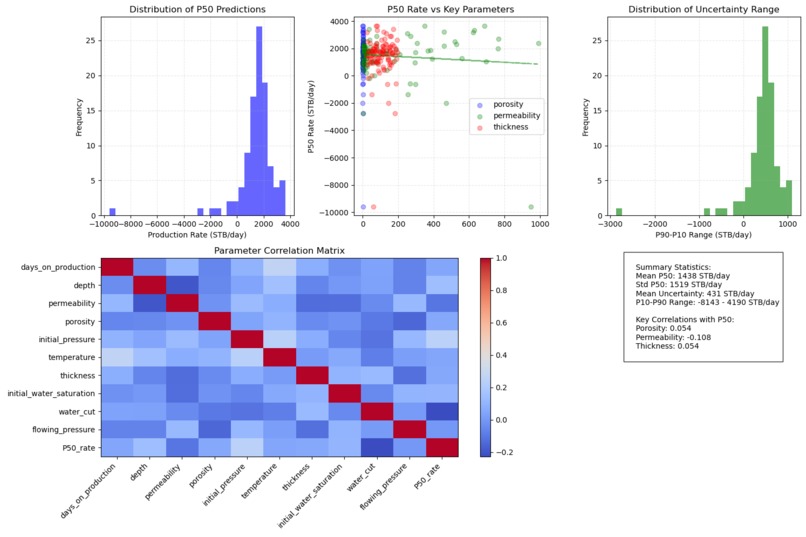
Modelling output
-
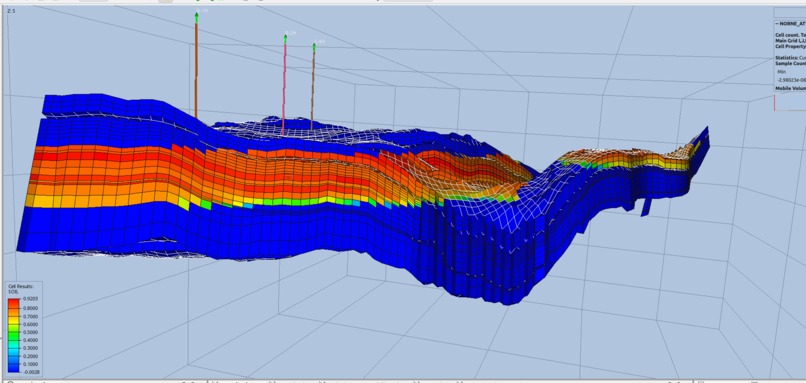
Modelling output
-
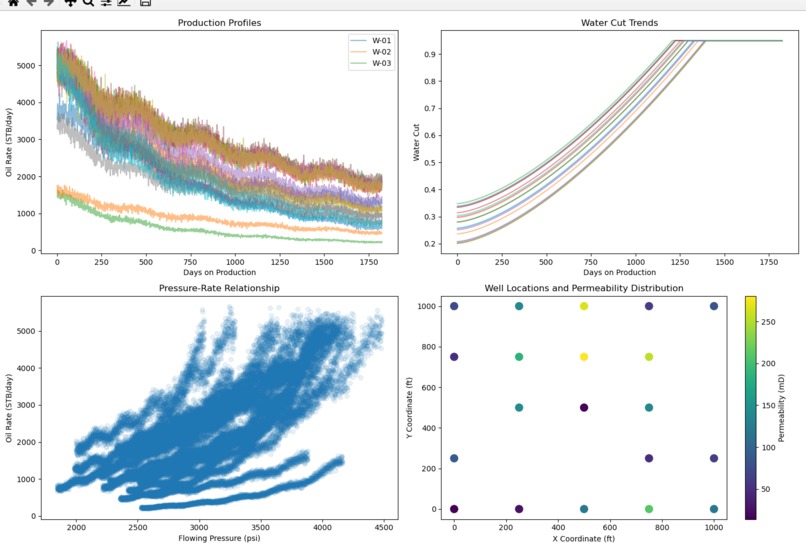
Modelling output
Inspiration
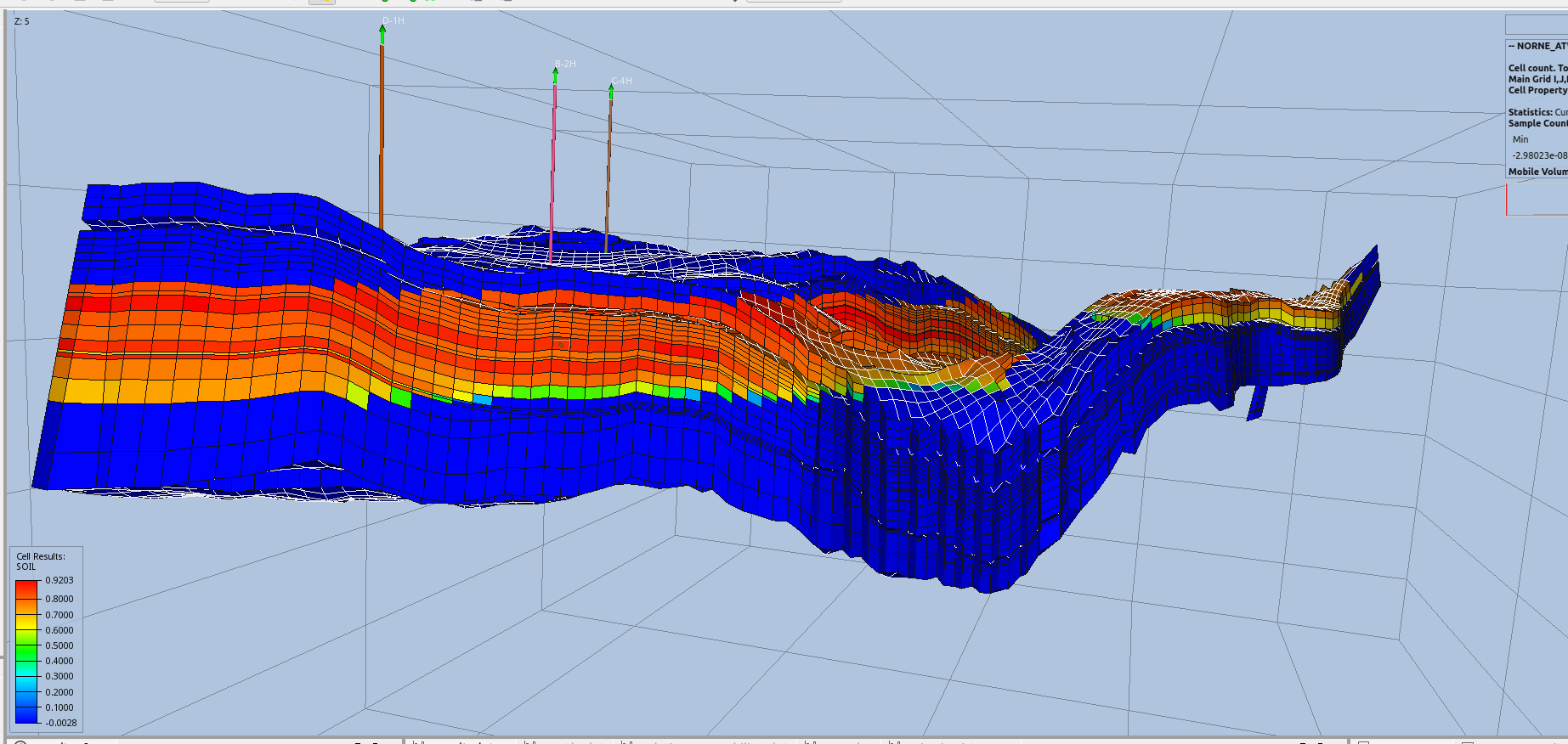
In the oil and gas industry, in order to achieve maximum oil production at minimum cost, lots of simulations must be done to determine questions such as how many to drill, where to drill, and how to drill. While these simulations provide a lot of insight, they are often painfully slow to complete, often taking days to complete due to the sheer amount of parameters involved. Additionally, often times these models needed to be run frequently while a reservoir engineer is tweaking the parameters to find the most optimal set of parameters. Neural network surrogate models are already widely used in material science to speed up physical simulations. Compared to traditional models that are physics-based, surrogate models use physically-informed neural networks to achieve a 2 to 4 orders of magnitude speed up while maintaining good accuracy. We believe that oil and gas industry will greatly benefit from the adoption of surrogate models, as it will greatly reduce time between each incremental simulation, improve efficiency and sustainability.
What it does
Res. AI helps to solve the inefficient workflow of a reservoir engineer by being a companion assisting the reservoir engineer to brainstorm ideas. One component of Res. AI is a RAG LLM with access to a library of research papers in the oil and gas field serving as a specialized knowledge base. The other part of Res. AI is a LLM agent capable of carrying out surrogate simulations. Then, based on the results of the simulation, Res. AI is capable of offering suggestions on which parameters to further tweak. This creates an engaging and efficient workflow for the reservoir engineer to prototype ideas quickly, before settling on a final set of parameters to run the actual physical simulation.
How we built it
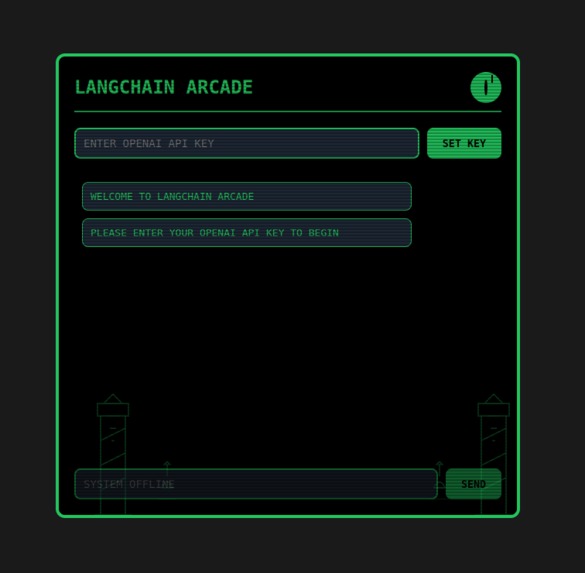
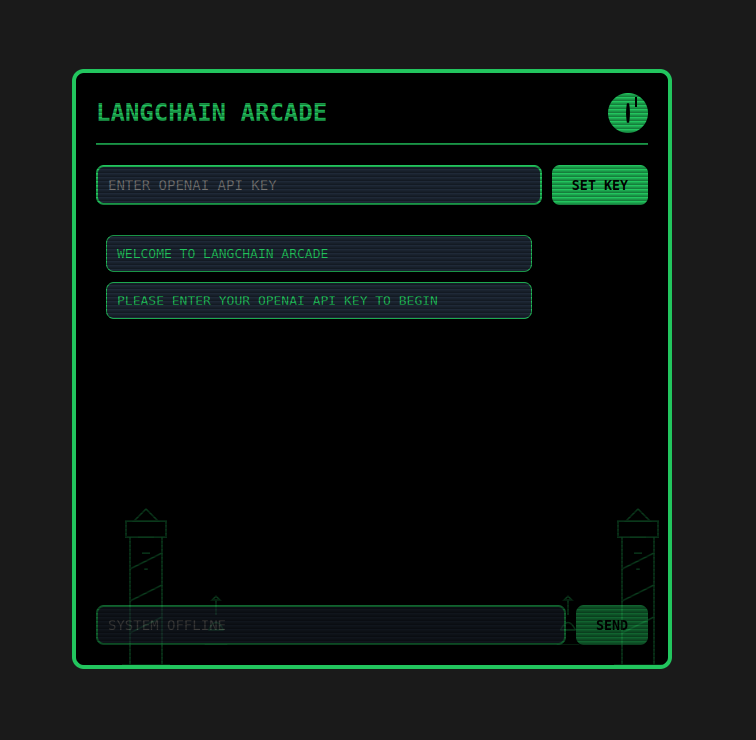
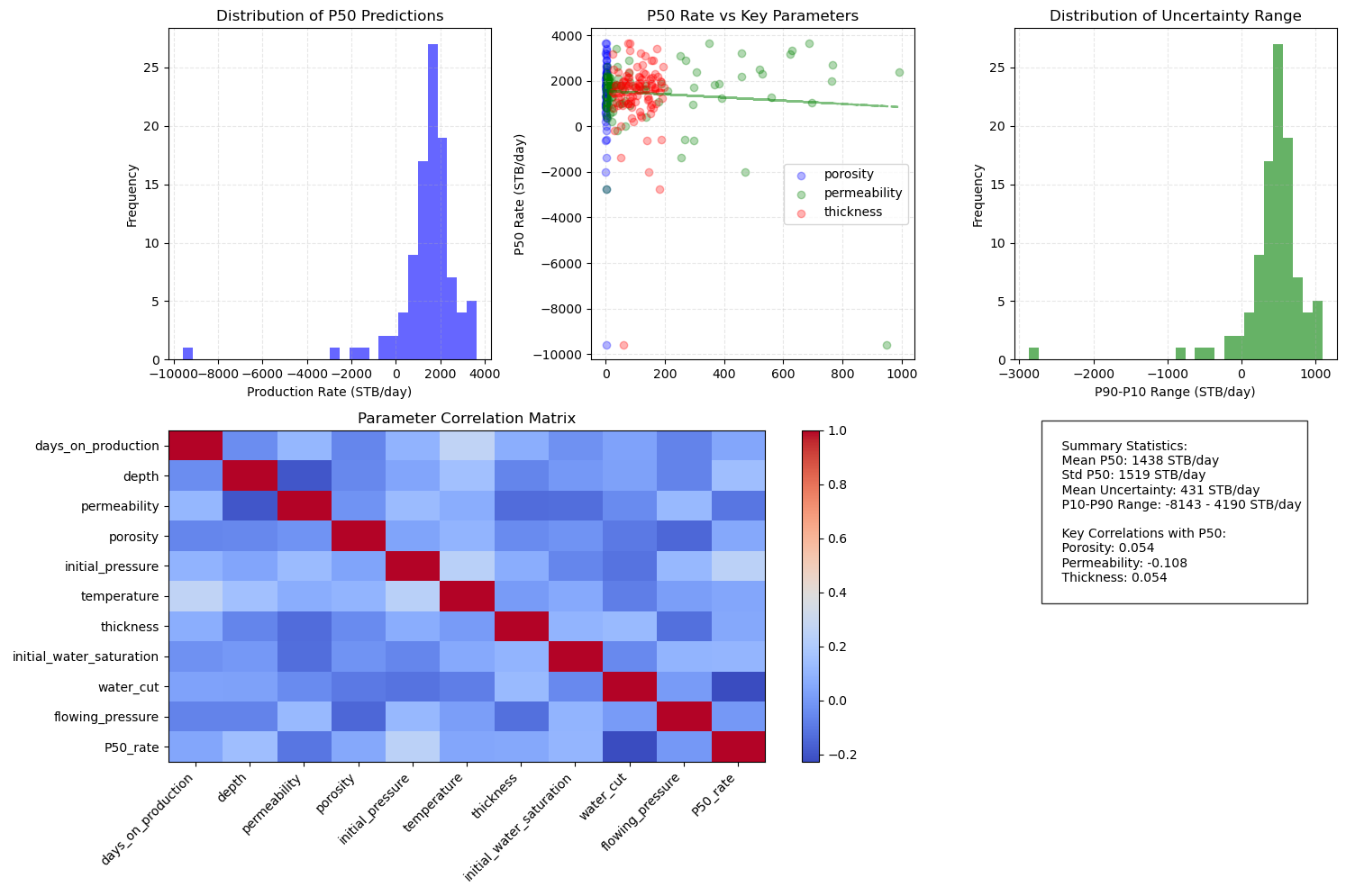
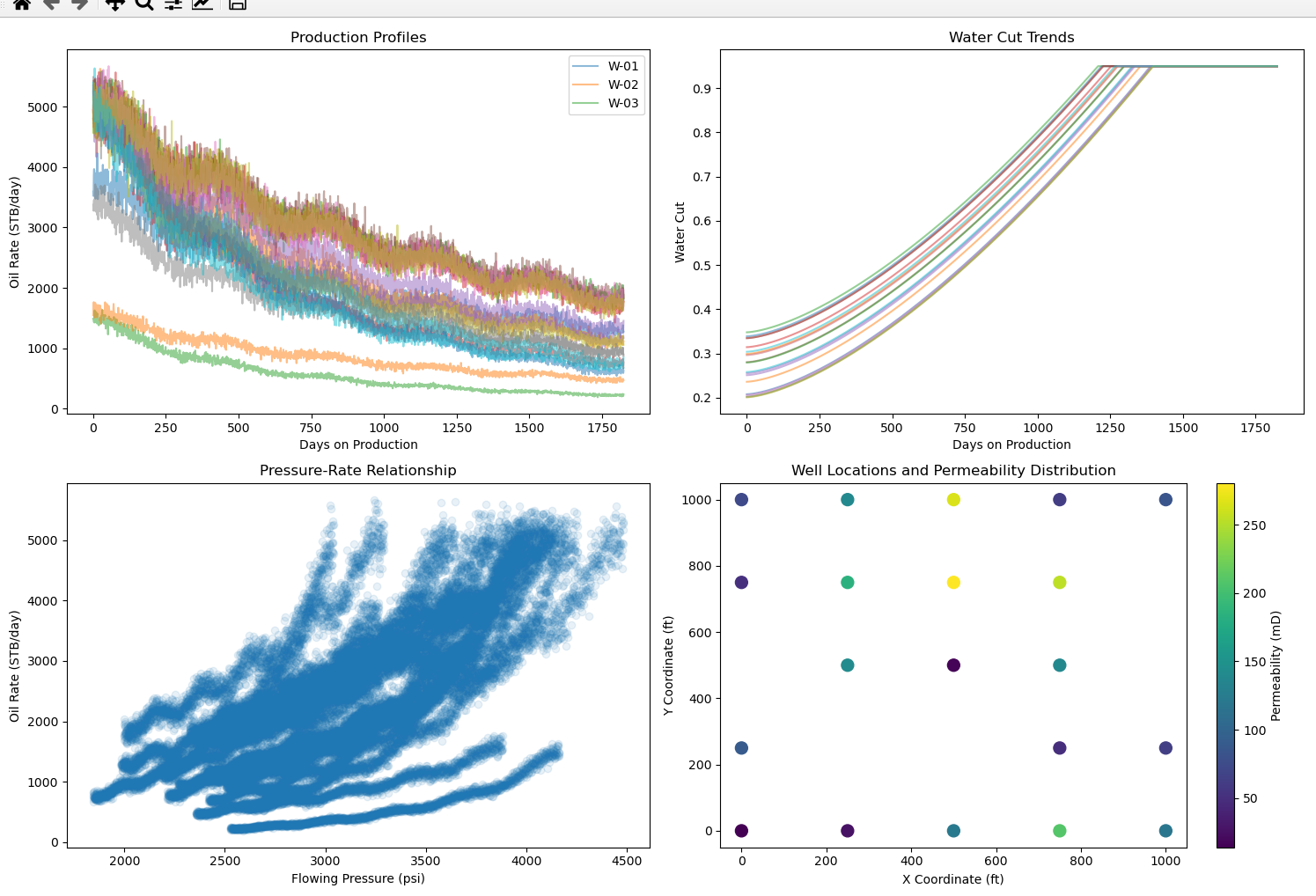
For the front end, we used streamlit for UI and langchain LLM agents to give the user an interface akin to a chatbot. Upon user input, the langchain LLM will determine whether the user is asking a question that can be answered from its knowledge base or the user is looking to do a simulation. Then the LLM will delegate accordingly to either the knowledge base or pass on the request to the agent for simulation. Currently as a proof-of-concept the surrogate model is based on a basic linear regression model that takes in a reduced set of parameters, it will take the parameters based on users request and create a graph of the simulation.
Challenges we ran into
Surrogate models are underutilized in the field of oil and gas, there is a lack of open source models as most models are commercial. There was a steep learning curve involved when researching oil and gas related information. Additionally, there was difficulty when trying to deploy our model on the intel cluster due to dependency issues with intel xpu.
Accomplishments that we're proud of
We successfully created a surrogate model based on the latest research discoveries from another field and adapted it to the field of oil and gas.
What we learned
MATLAB simulation, surrogate model, langchain.
What's next for Res. AI
Create a more sophisticated surrogate model capable of handling more parameters. Integrate intersystems search to allow the user to query well data.
Built With
- langchain
- matlab
- rag
- streamlit
- surrogate

Log in or sign up for Devpost to join the conversation.